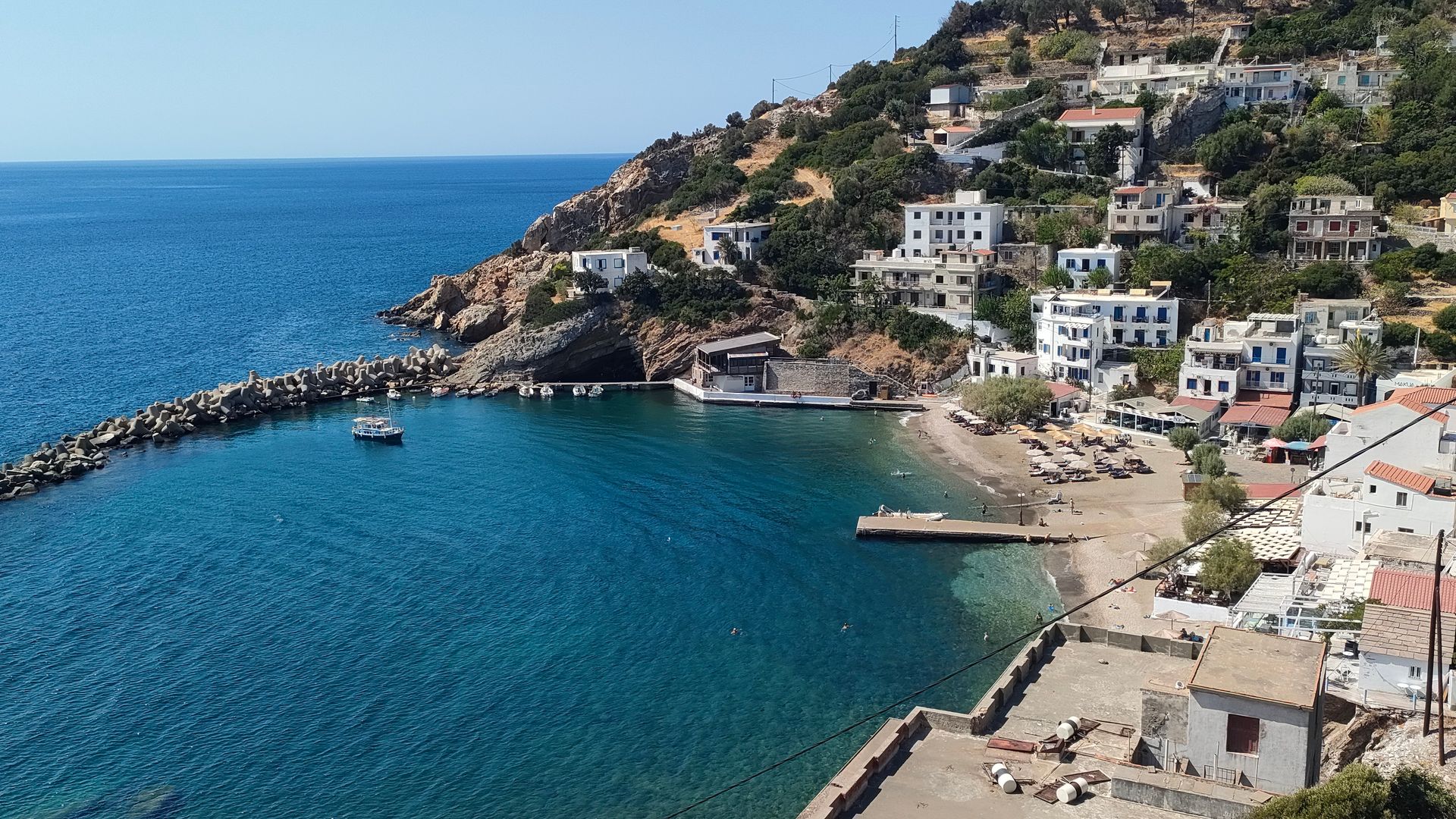
More than 500 years ago, an Orthodox priest arrived on Ikaria, intrigued by reports of the islanders' extraordinary longevity. He spent six months searching for the secret behind their remarkably long lives.
Today, Ikaria is recognized as one of the world's five Blue Zones, regions where people routinely live longer and healthier lives. But this Aegean gem is much more than a longevity hotspot. Its rich history, chronicled by ancient thinkers, its deep ties to Greek mythology, and the legacy of the Romans, Ottomans, and Greeks who shaped it over the centuries all add to the enduring charm of this often-overlooked island.
 © Irena Sowinska
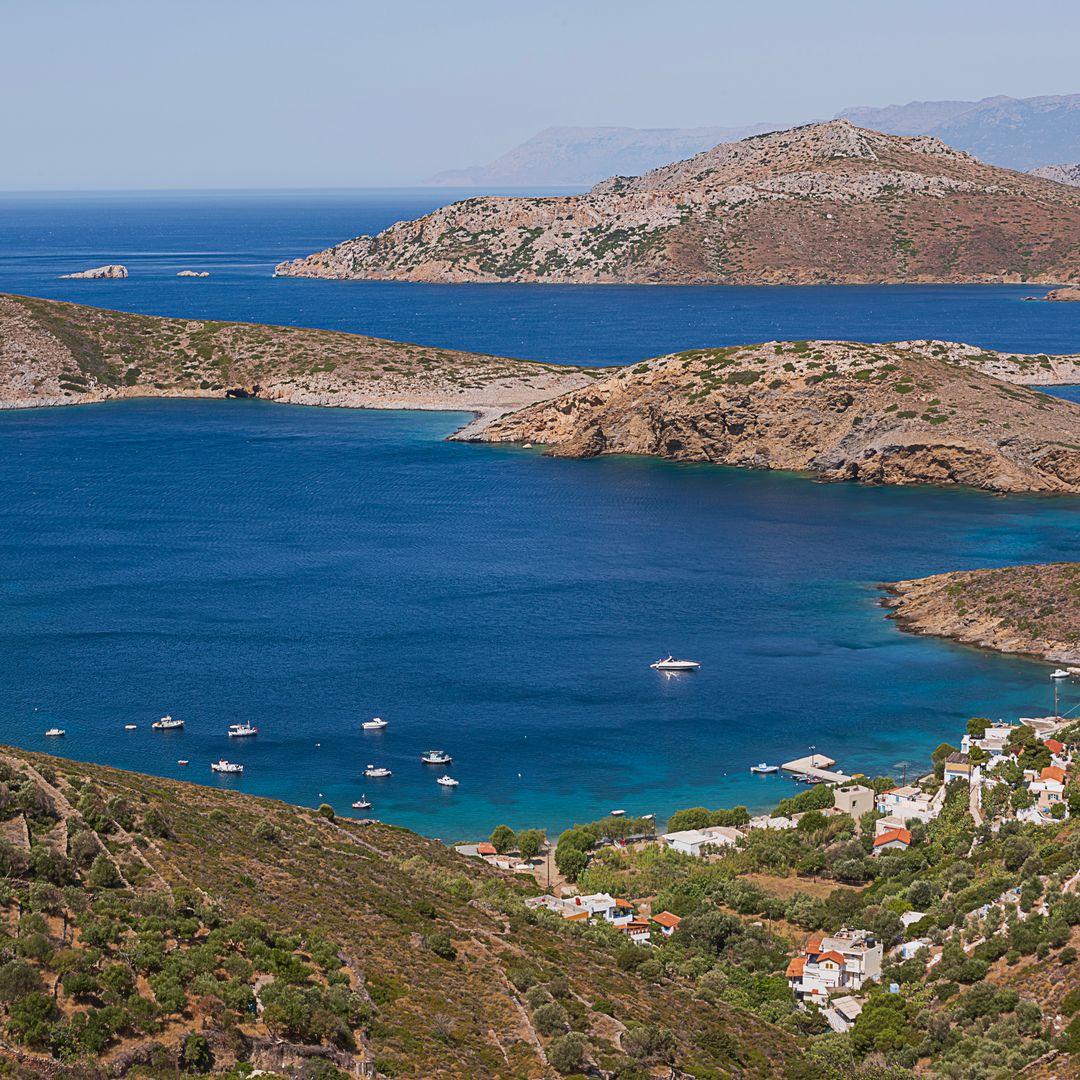
How to get there and get around
There are two main ways to reach this hidden Aegean island, both starting from Athens. Take a flight via Aegean Airlines, Sky Express, or Olympic Air, but the more romantic and recommended route is the Blue Star Mykonos ferry. It is an 8-hour journey that passes comfortably if you choose a cabin with sea views.
Ikaria is small in every sense: its population barely reaches 9,000, and it covers 250 square kilometers. Because it is rocky and crossed from east to west by the Atheras mountain range, renting a car is essential, and if it’s small and automatic, it's better. There are no large highways here, only mountain pass routes. What is interesting, on the island's roads, it’s that helmets seem to have escaped the traffic laws imposed on motorcyclists.
 © UCG
© UCGAgios Kyrikos: From a fishing village to central hub
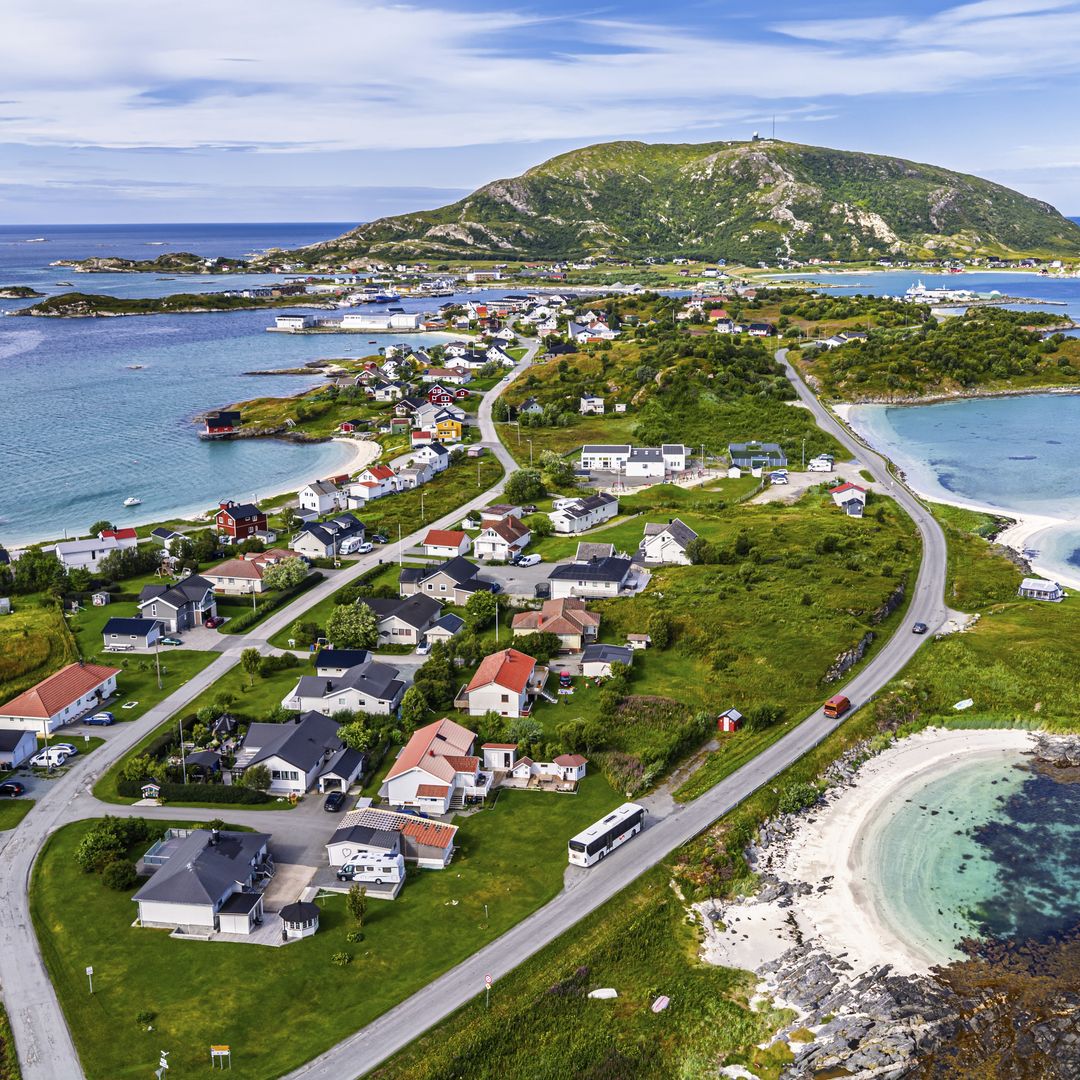
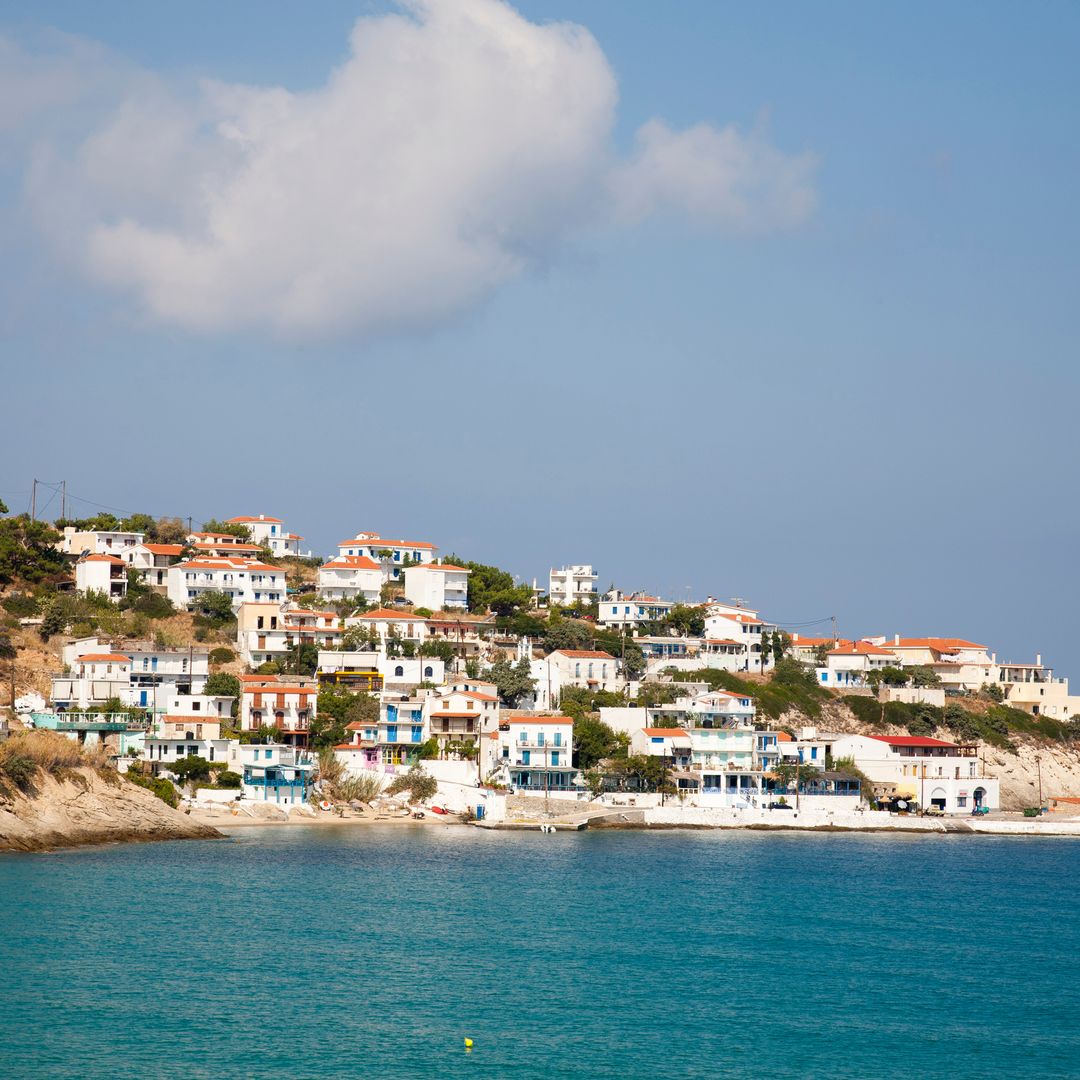
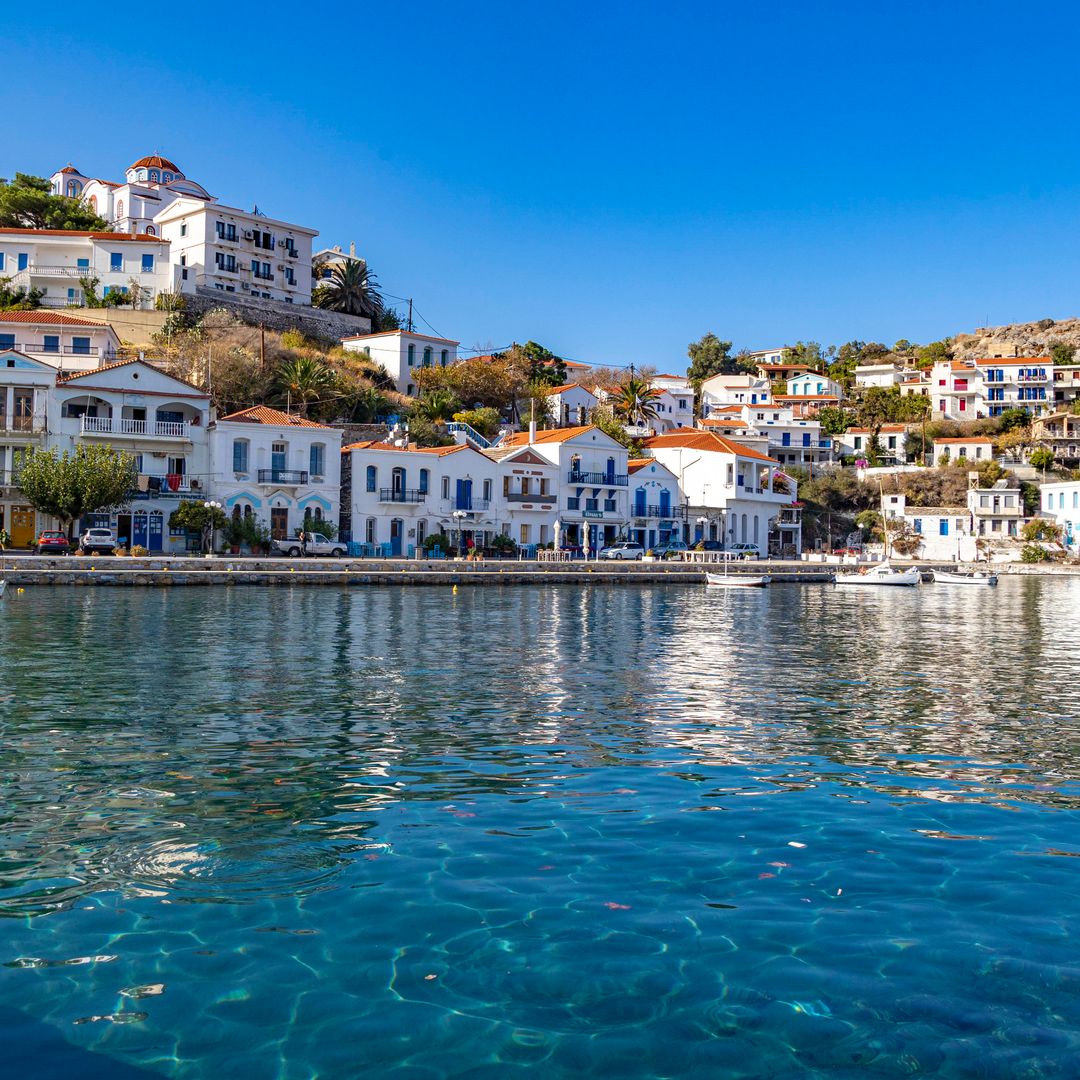
Agios Kyrikos emerged 300 years ago as a fishing port and is now the capital and the best place to settle for the first few nights. Between its streets, squares, and passages open up among white houses with blue doors and windows.
On the architectural aspect, it was the Belgian architect Eugène Dupré who designed the city with two main constructions:
- The Metropolitan Church of Saints Kirykos and Juliet: Its three-nave cruciform design and distinctive blue dome are iconic for those docking at the port.
- The Archaeological Museum of Agios Kyrikos: Originally the island's first secondary school, this neoclassical building is now a protected monument.
 © Edward Webb
History surrounding the gods
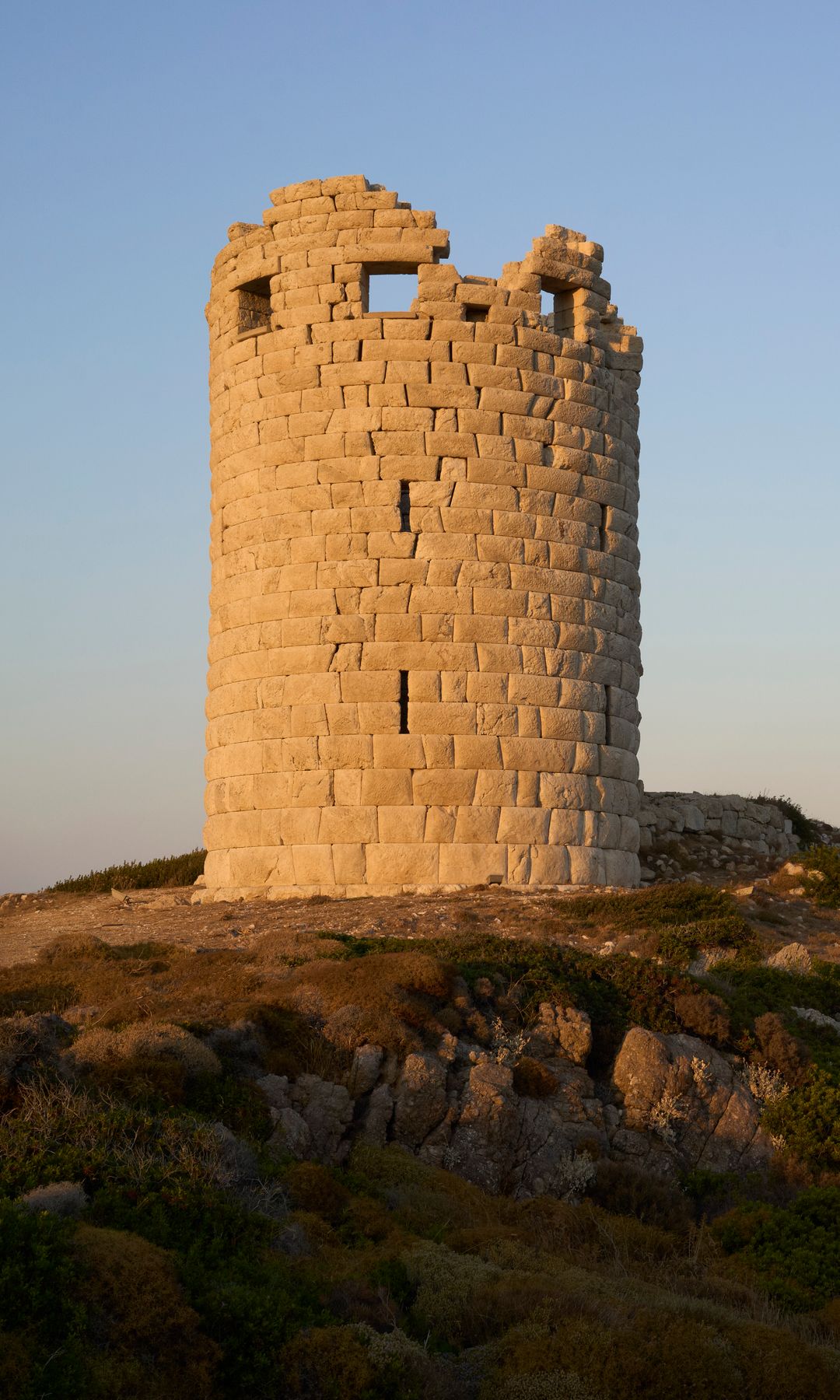
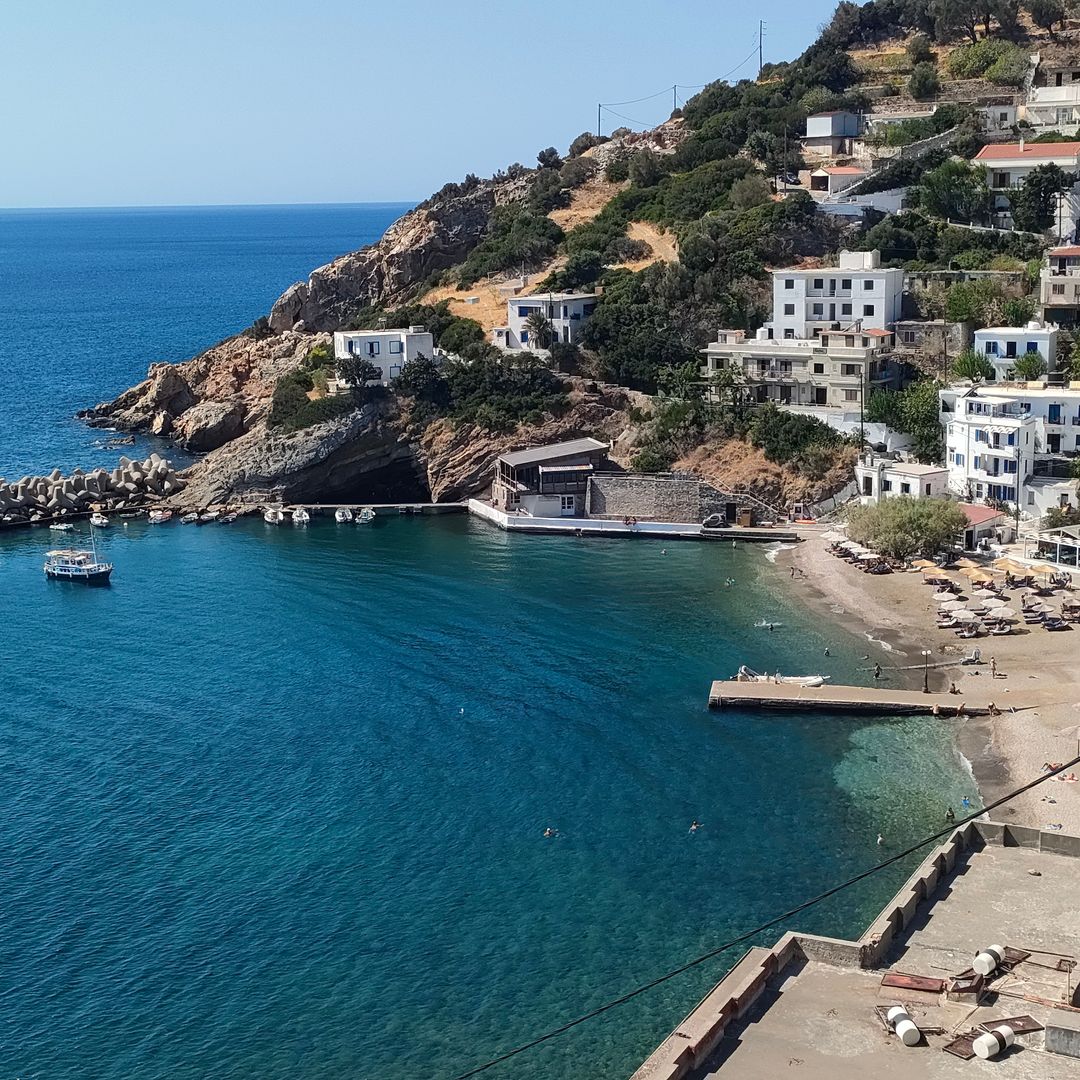
In the northeast are the remains of Drakano, an ancient Hellenistic fortification built in the 4th century B.C. The most important monument is the old round tower, standing on a 50-meter cliff with views of Fournoi and Samos. Nearby is
 © Grafix Dev / 500px
Therma: The thermal city
Generations have traveled to Ikaria for the healing power of its thermal waters.
Therma is the headquarters of the island's most popular baths. While the Municipal Baths building in the central square is the official site, the true experience is found in a small cave to the right of the beach, where you can enjoy a hot soak directly in the seawater.
More impressive, and less visited, are the Lefkada springs to the south. Located at the edge of a cliff, the water is heated by radon, dyeing the rocks and marine flora red and green.
Nearby is the Athanato Nero, meaning "Immortal Water," a natural spring. Legend says it grants longevity, but with a side effect: anyone who drinks it falls hopelessly in love with the island and never wants to leave.
 © NurPhoto
The origin of a myth
Mythology guides us once again upon our arrival in Vaoni, whose coast holds the Amphitheater of Icarus. Stopping there can help us understand a bit more about the island, as history did not always refer to this spot in the Aegean as Ikaria.
Homer spoke of it in his poems, but in those writings, the island, due to the reputation of its surrounding waters, was known as Ichtyoessa (full of fish) or Anemoessa (windy).
It is also true that in texts from the 5th century B.C., it is referred to as Doliche or Makris. This transition of names would eventually culminate in Ikaria, closely linked to the myth of Icarus. Legend has it that the young man, son of Daedalus, fell into this part of the ocean when the wings his father had built for him to escape the Labyrinth of Crete melted. This amphitheater was built as a tribute to the spot where Heracles supposedly found his lifeless body.
 © George Pachantouris
Nas Beach: The Temple of Artemis Tauropolos
Our second base was Armenistis, on the north coast of the island, a strategic point from which it is easy to access both the mountainous interior and various corners of the coastline. We previously spoke of Icarus and Dionysus, but if one deity were to be singled out as having been worshipped for centuries by the people of Ikaria, it would be the goddess Artemis.
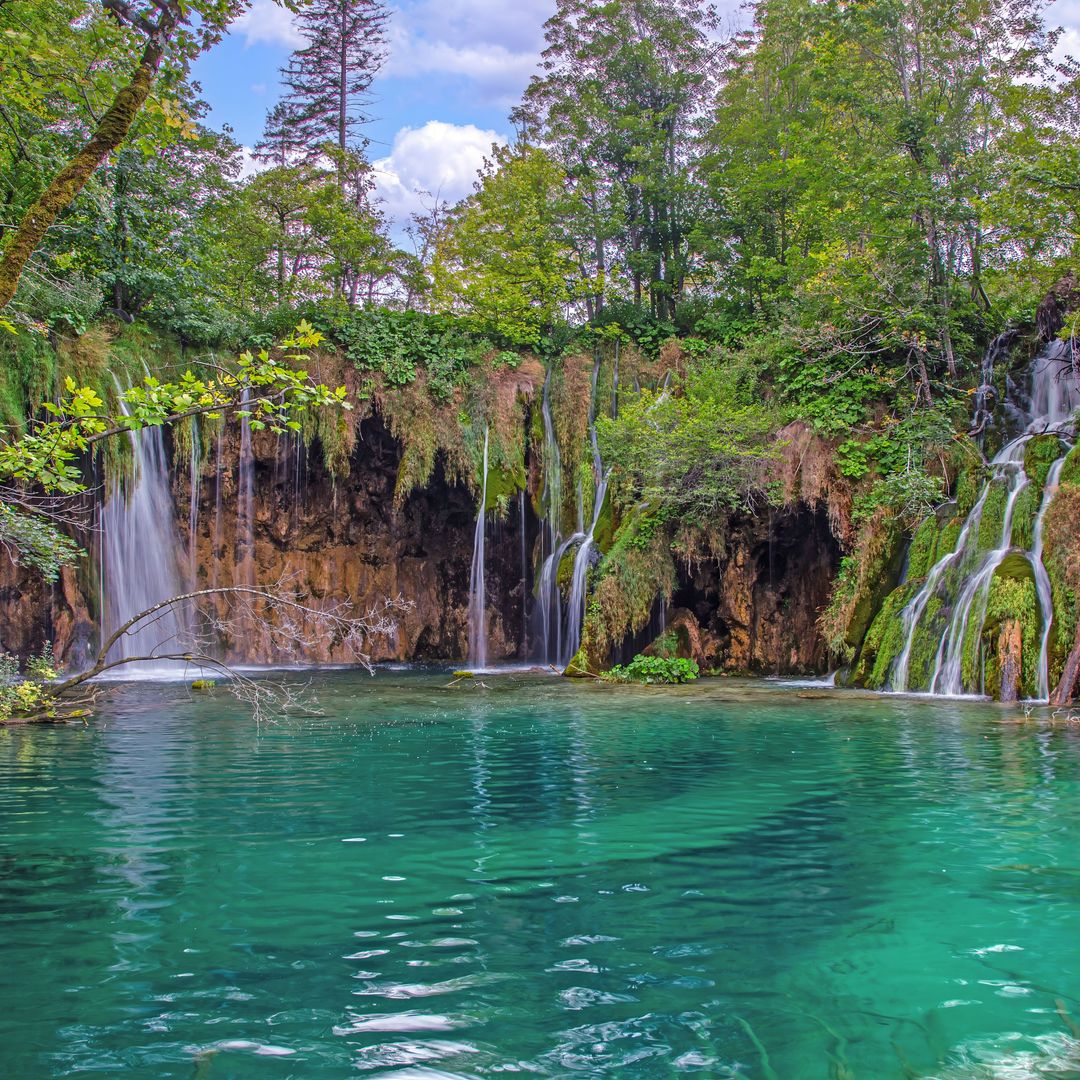
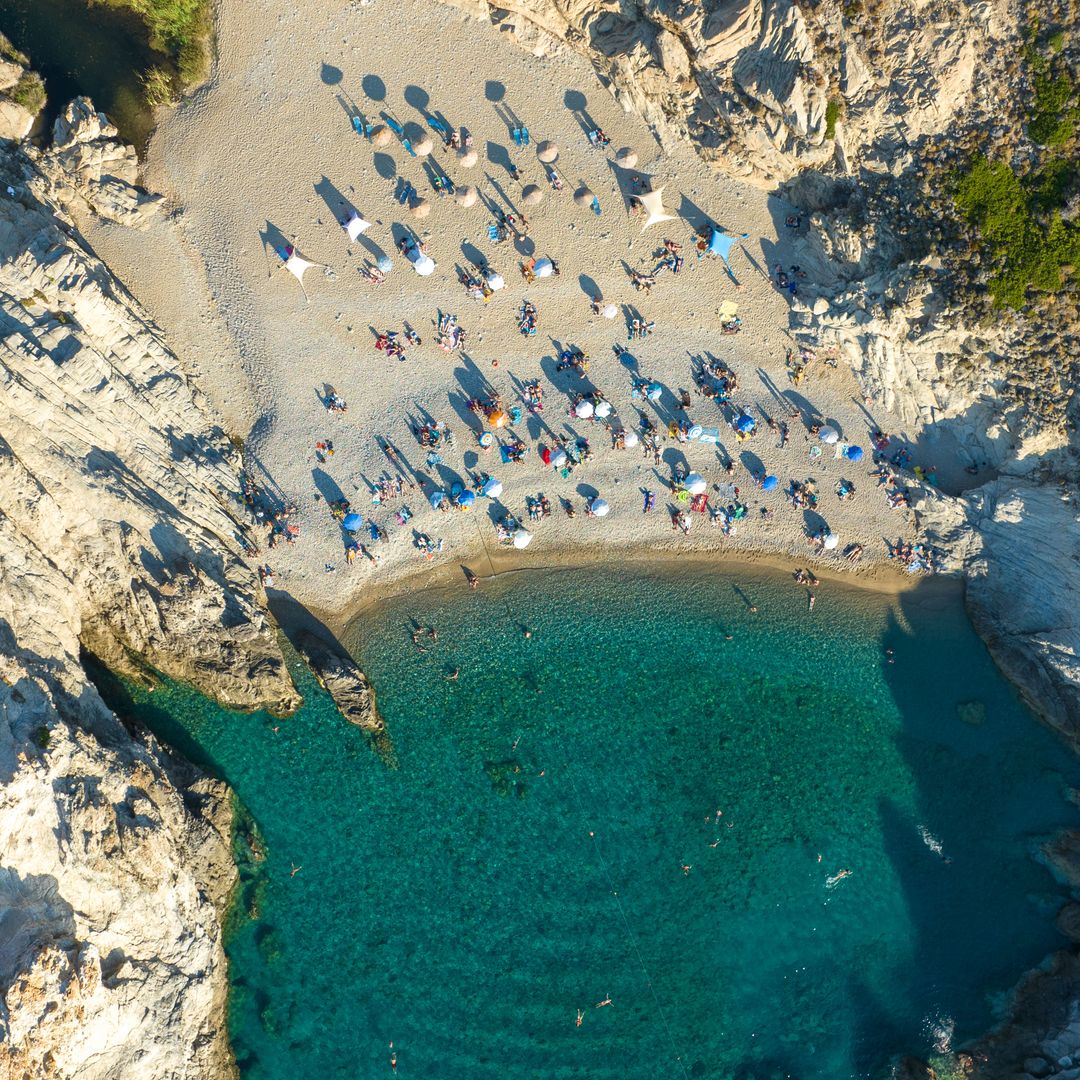
Descending northwest from Armenistis, we reach a small bay where the Chalaris River flows into a beach. It was there, to the left, that the most important sanctuary on the island flourished during the Archaic period: the Temple of Artemis Tauropolos. Dating back to the 8th century B.C., it was one of the island's earliest constructions and was discovered in 1938. Following this architectural spectacle, ascending from the river mouth leads you to the Halaris Waterfall.
 © UCG
© UCGTheological Footprint
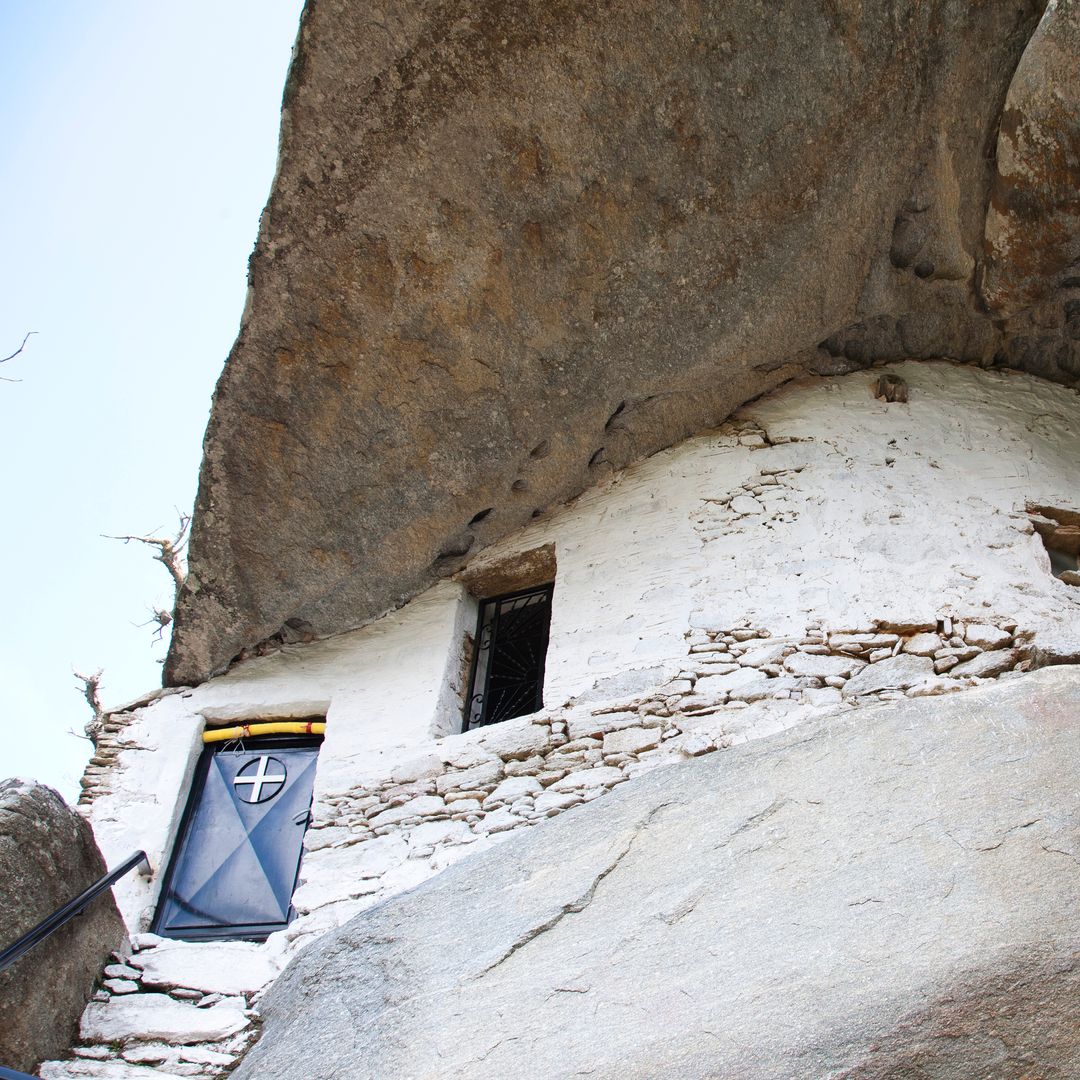
It is no surprise that the Chapel of Saint Theoktistis is one of the most visited and photographed spots on the island. It is not the main temple that steals the spotlight, but rather the structures that cling to the mountain, and lead to the cave where the small chapel dedicated to Osia Theoktisti is hidden.
This site highlights the importance and variety of the island's religious landscape. Other notable examples include the Church of Agios Georgios Dorganas, located within the Byzantine castle of Koskina; Agios Onofre, a modest historical monastery; and Aiga Sofia.
 © George Pachantouris
Wine and Elixirs
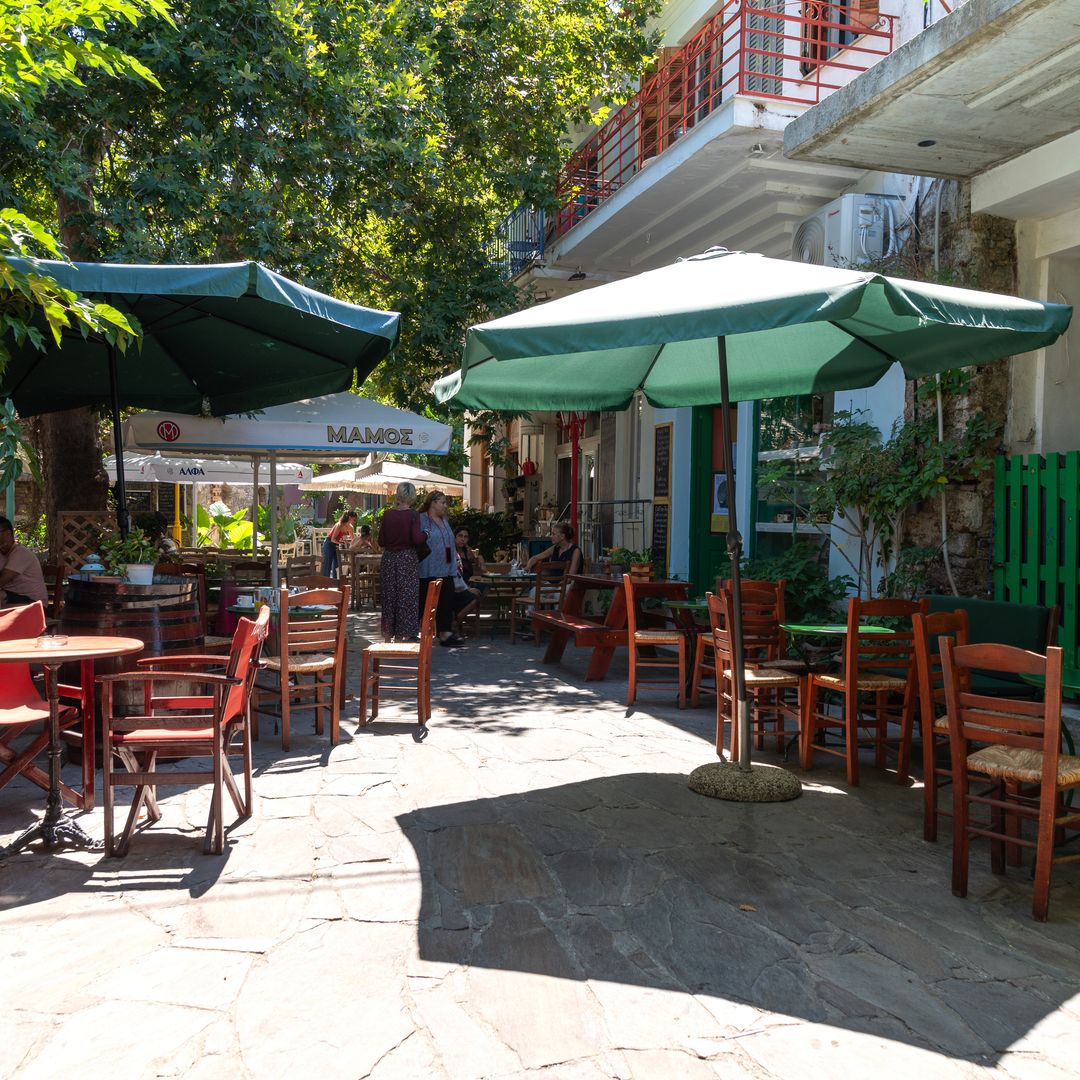
It is precisely through gastronomy that we can discover a large part of this place's history. Many centuries before longevity put Ikaria on the map, the island was already famous for its "magic elixir": pramnios oenos (the wine that calms). Homer recorded the first references to this concoction in his poems, where the wine was mixed with cheese, barley flour, and honey. This created a nutrient-rich cocktail (kykeon) used for medicinal purposes.
Over the centuries, that legendary wine remained anchored in the past, becoming an echo that only survives in the pages of writers like Athenaeus, who mentioned it in the 2nd century B.C. when discussing the Trojan War, or Hippocrates, who highlighted its medicinal virtues in the 4th century A.D. Today, it survives and continues at the Afianes Wines winery, the only one that preserves the traditional methodology of making wine in clay jars buried in the ground.
Preserving the tradition of its crops. There are two types of grapes in Ikaria: Fokiano, used to make red wine and found on several Greek islands, and the agathon megiston, known as the Begleri grape. For more than a century, this indigenous variety has been cultivated exclusively in Ikaria, within the only 10 hectares of ancient vines that survived the phylloxera plague at the beginning of the 20th century.
 © George Pachantouris
Meteòritès: Natural sculptures of salt and wind
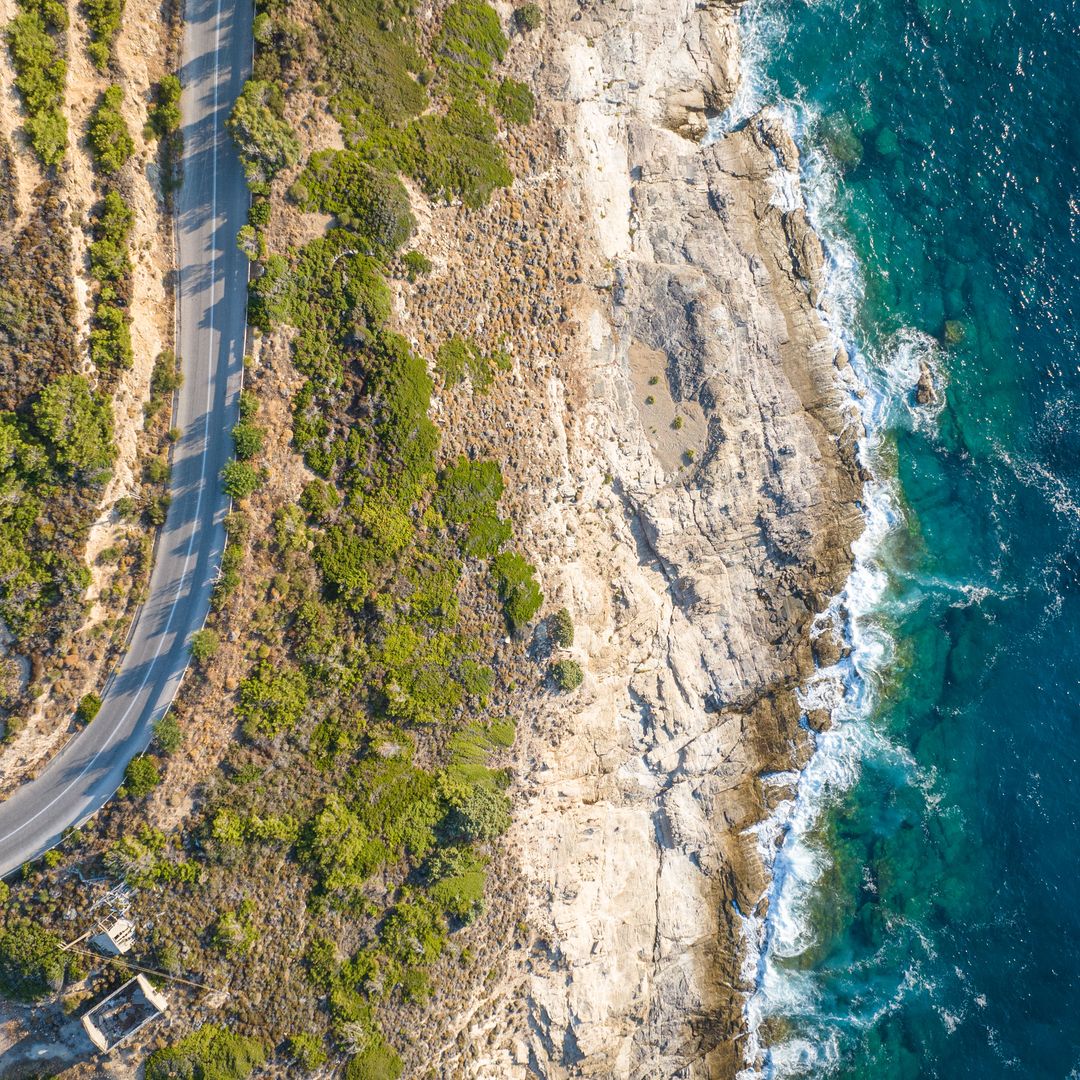
At the other end of the island, one of the most spectacular landscapes imaginable emerges from the cliffs. Beyond the stunning beaches and man-made structures, Meteòritès is a natural sculptural masterpiece. It is striking to see how the passage of time and the exposure of this location to the force of the winds and sea salt have chiseled the landscape, granting it textures rarely associated with nature. At the lowest part of the cliff stands the Kavo Papas lighthouse. Built between 1886 and 1890, it owes its name to the legend of a Pope who was shipwrecked in the area while traveling from Rome to Constantinople.
Evdilos: The Ancient Capital
The journey concludes in Evdilos, the place from where the ferry departs back to Athens. Built in the shape of an amphitheater in the 19th century, it is located just over 10 minutes by car from Armenistis. If you have time, it is recommended to visit Kamos. It was the most important and fertile city of Ikaria during antiquity, known back then as Oione. The landscape is defined by ruins and terraced slopes where vines were once cultivated. Also include the oldest acropolis on the island, as well as the Byzantine Odeon.
What to Eat
- Coffee: Traditional Greek coffee is served almost everywhere, similar to espresso but with the grounds left at the bottom.
- Street Food: Spanakopita (spinach pie) and Tiropita (cheese pie) are staples.
- Table Dishes: Greek salad, souvlaki, fava hummus, and youvarlakia (meatball soup).
- Recommendations: In Agios Kyrikos, visit Zagorás pastry shop and Klimatania restaurant. In Armenistis, try Taverna Paschalia or Mary Mary. For home cooking, visit Eviva Mousikó Kafeneío in Steli.