Nature has a way of hiding its greatest masterpieces in the most unexpected corners of the map. From shimmering desert oases to ancient glacial basins, these are more than just bodies of water. They are geological marvels that defy logic. You can dive among millions of golden jellyfish in Palau or witness the "giant mirror" of the Bolivian salt flats. This curated list takes you far beyond the typical postcard to the most spectacular sights on Earth.
Which one would you like to visit?
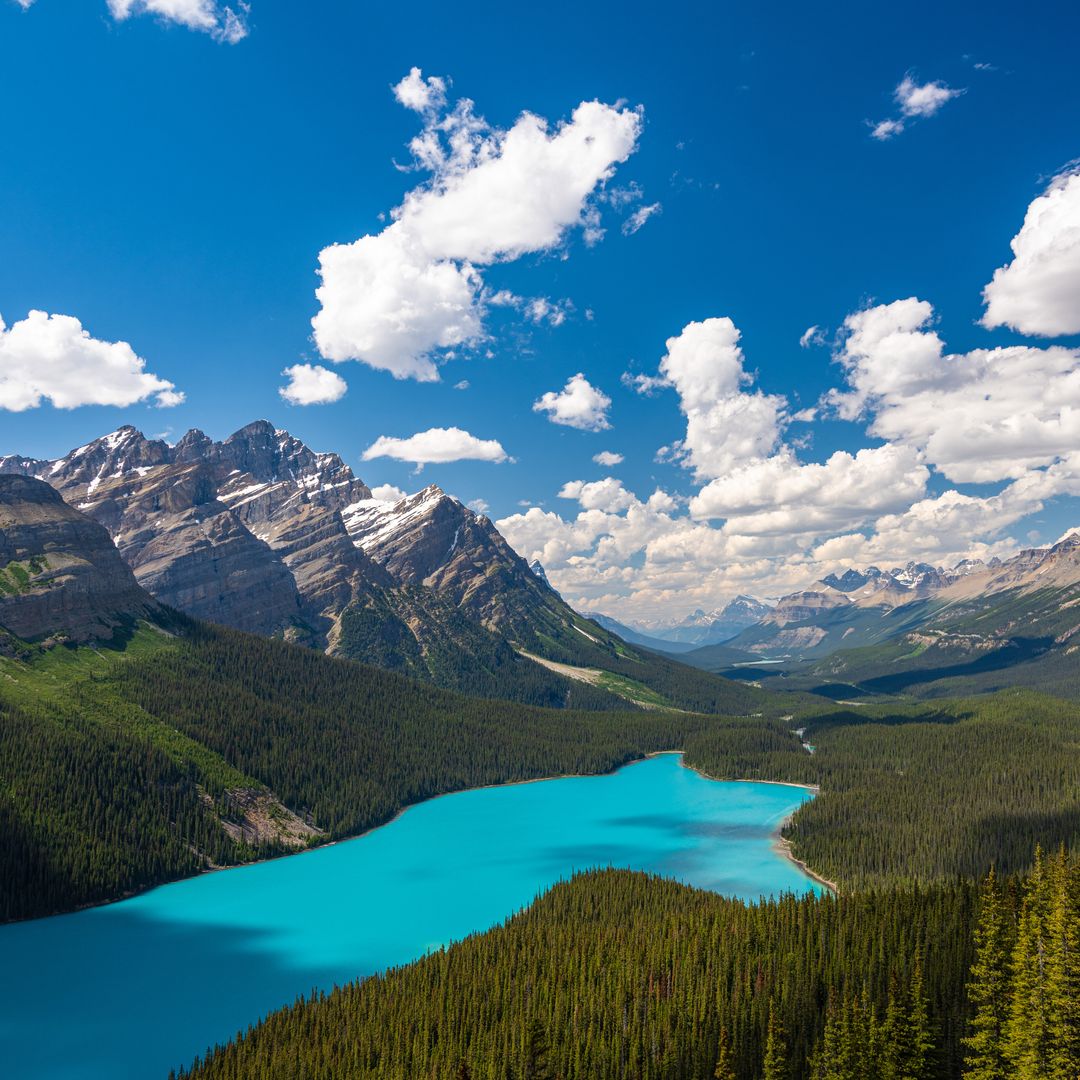
1. Peyto Lake, Canada
Located in the state of Alberta, this turquoise lake is a star attraction of Banff National Park in the Canadian Rockies. A glacial lake, with an almost unbelievable color, is the result of water eroding rocks, releasing particles into the lake that give it a brilliant hue.
 © tobiasjo
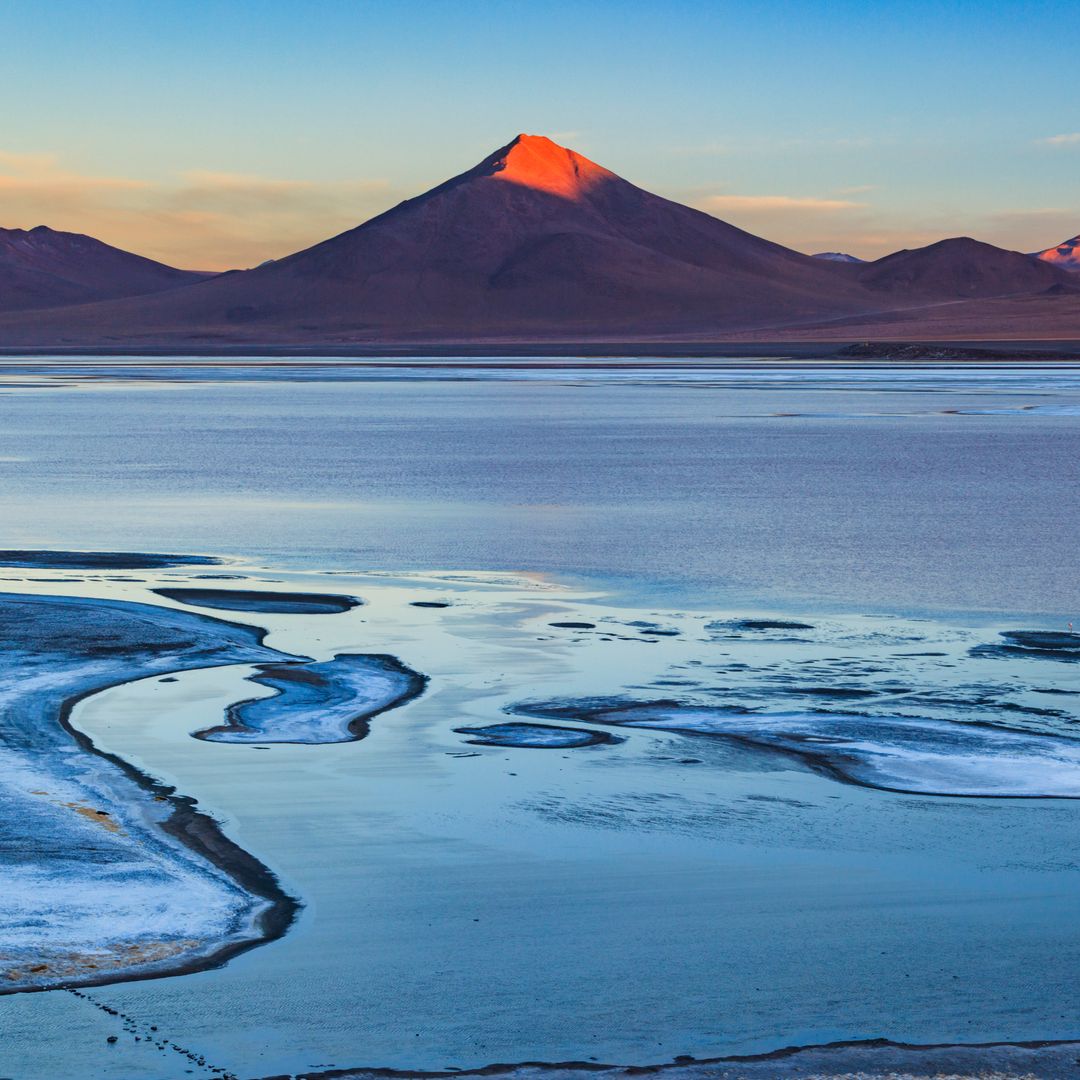
2. Laguna Colorada, Bolivia
Nestled in the Bolivian Altiplano within the Eduardo Abaroa National Andean Fauna Reserve, this mineral-rich lagoon gets its name from red sediments and pigments from certain types of algae. It is a breeding ground for thousands of migratory Andean flamingos and other species.
 © hadynyah
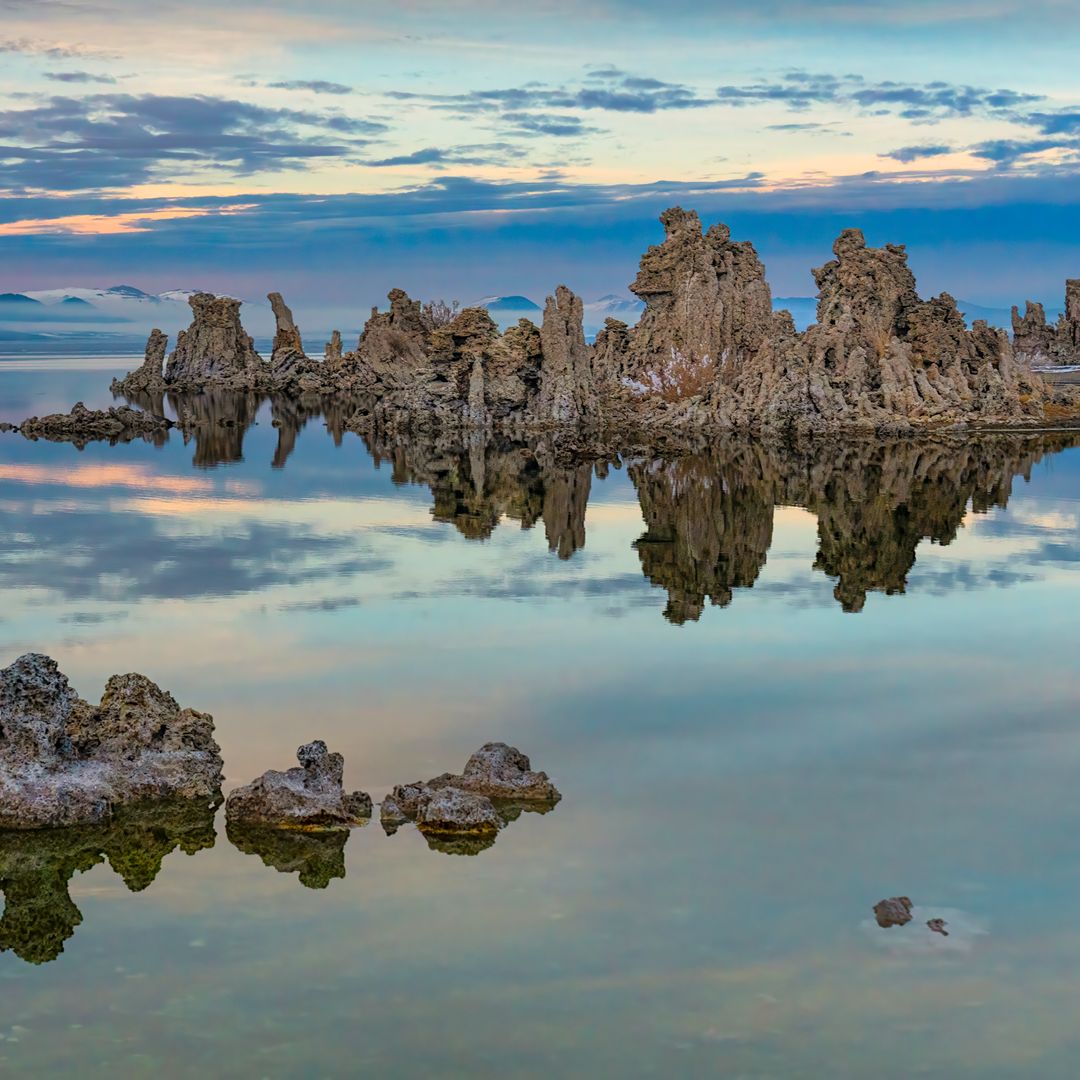
3. Mono Lake, USA
What makes Mono Lake in California different is its hypersalinity. Formed about 760,000 years ago by the Long Valley caldera eruption, its geological conditions create an amazing ecosystem and a strange landscape, most notably the tufa limestone columns that emerge from the water.
 © Don Smith
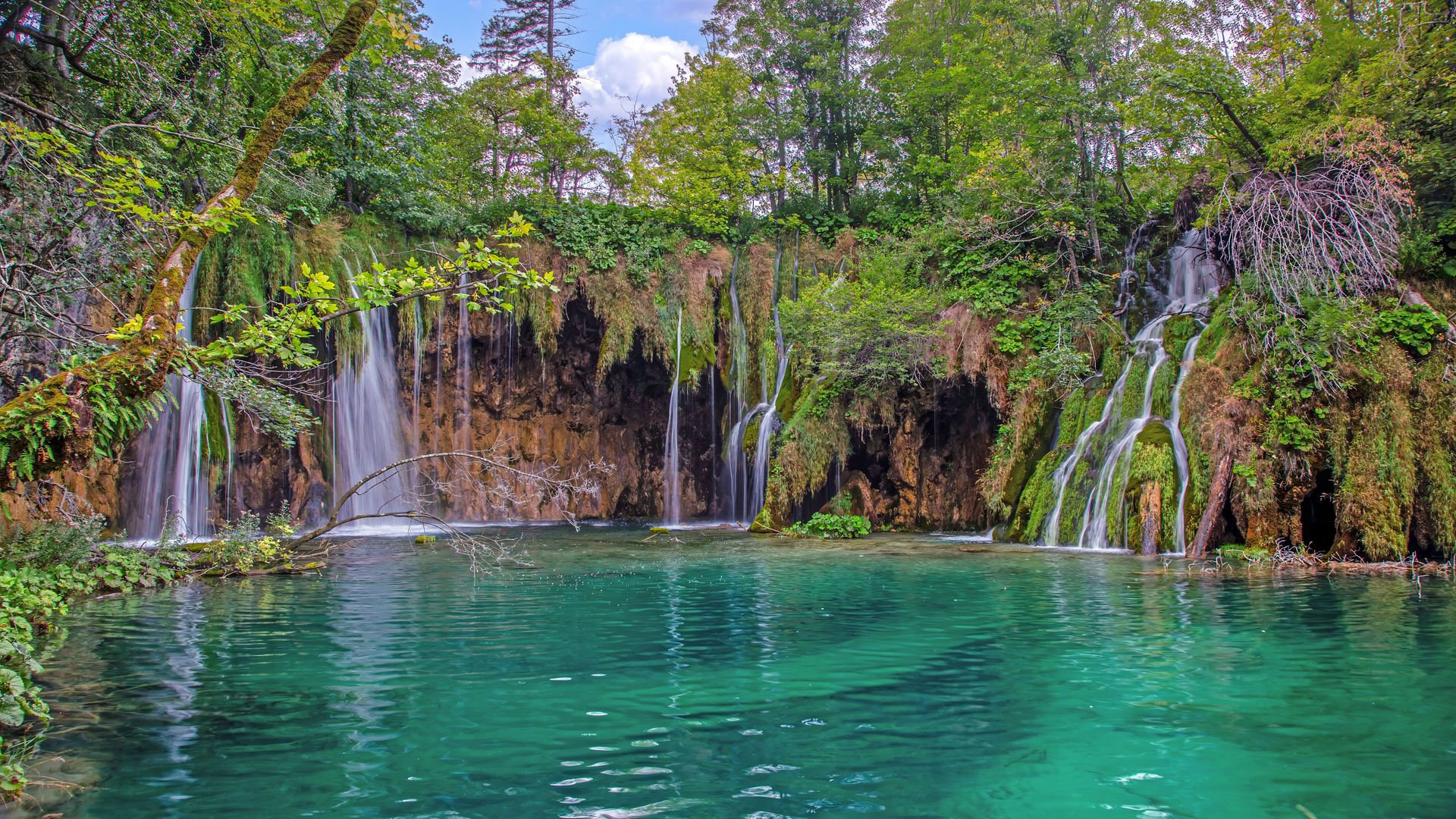
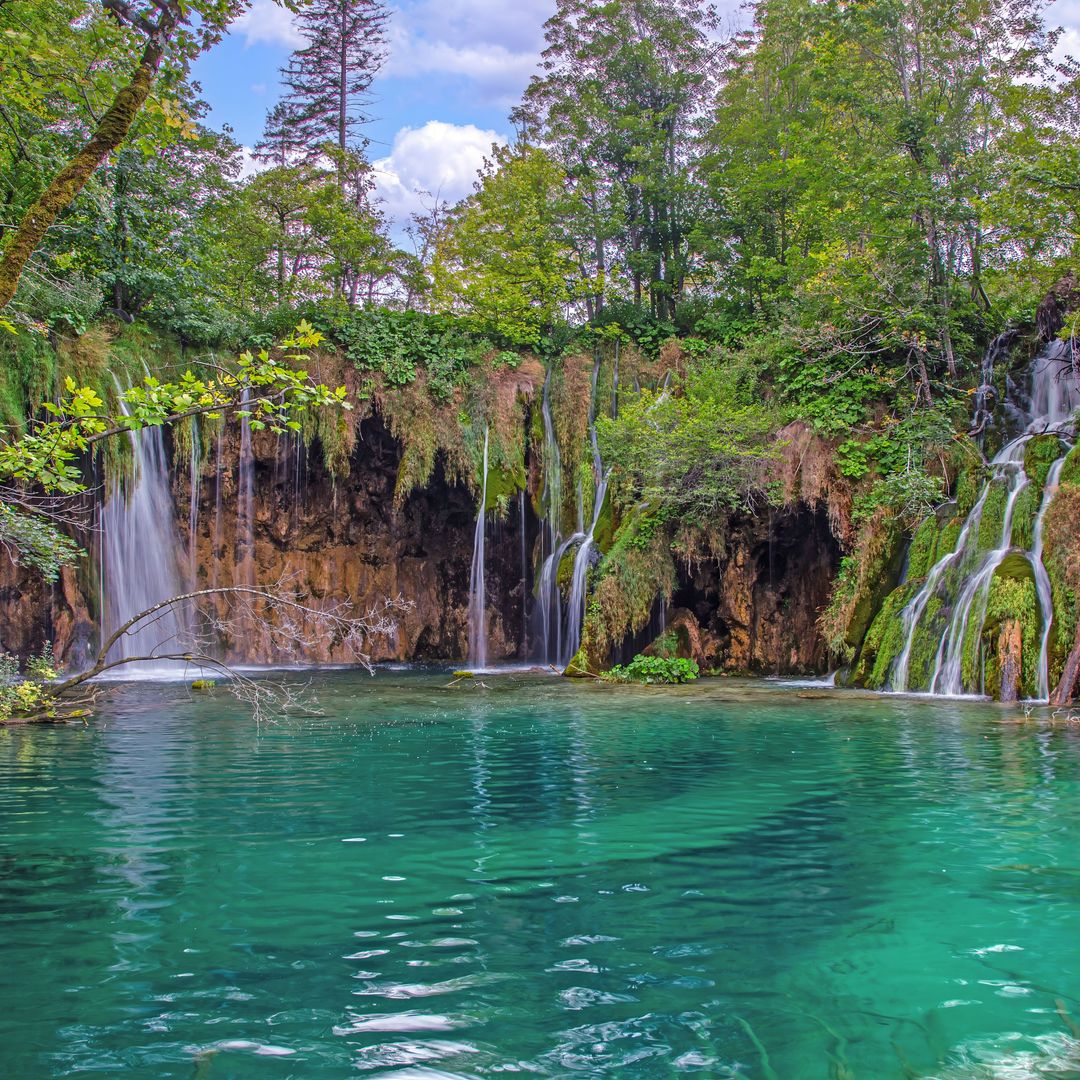
4. Plitvice, Croatia
The sixteen lakes of Plitvice Lakes National Park, the oldest in the country, form a chain of intensely colored waters on the border with Bosnia-Herzegovina. Its water-intensive tones are a result of the minerals where runs the Korana River. The lakes are connected by over a hundred beautiful waterfalls that visitors can cross via wooden walkways.
 © Stephan Langhans / 500px
5. Salar de Uyuni Salt Lake, Bolivia
Located 200 kilometers from Potosí, this site is the largest and highest salt desert on the planet, sitting at 3,600 meters above sea level. During the rainy season, the water covering the white crust turns the area into a lagoon that looks like a giant mirror.
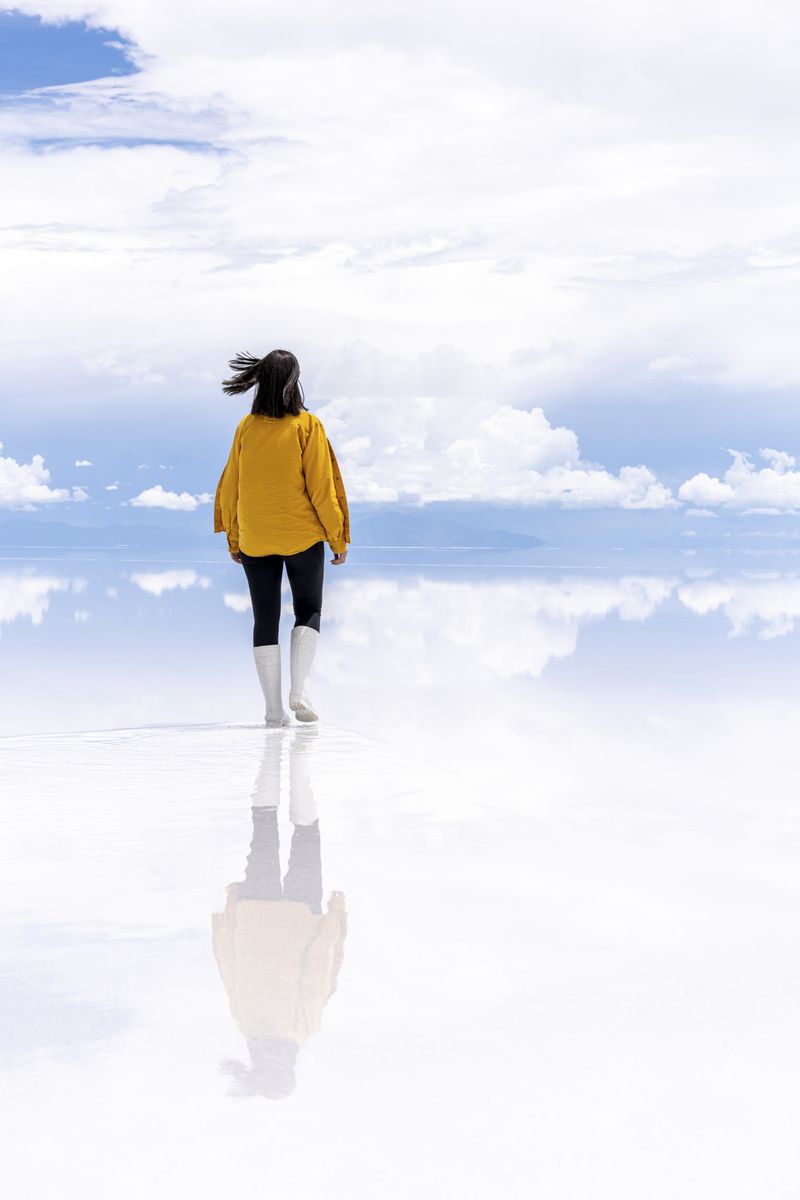 © imageBROKER/Sascha Selli-Grabows
6. Jellyfish Lake, Palau
Located on an uninhabited rock island off the coast of Koror, this is one of 70 saltwater lakes in this Pacific archipelago. Now a UNESCO World Heritage site, it allows for diving among millions of jellyfish that lost their ability to sting after being isolated from the ocean roughly 12,000 years ago, as history says.
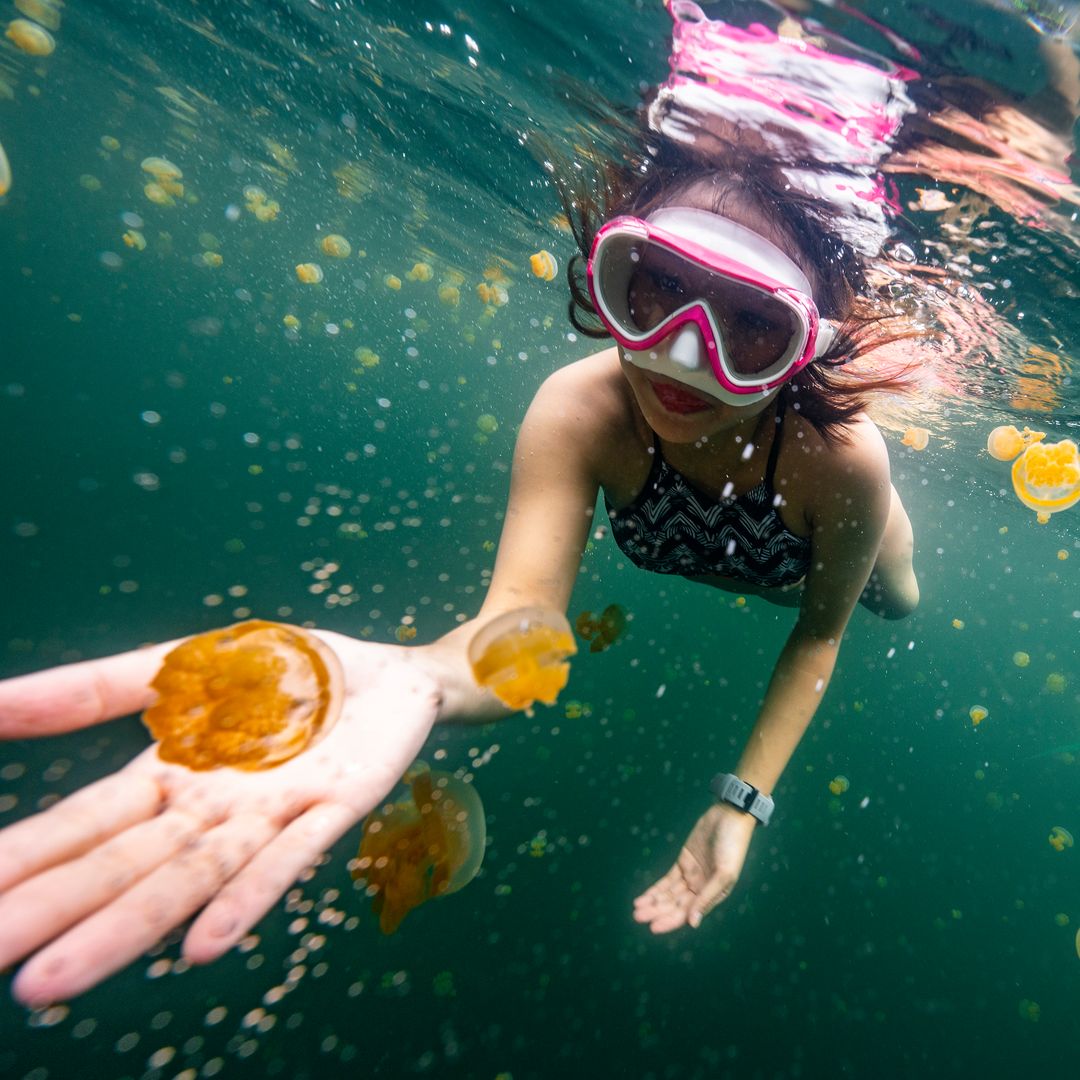 © Cavan Images / Henn Photography
7. Lakes of Covadonga, Spain
In Asturias, a road with steep slopes leads from the Basilica of Covadonga to the Enol and Ercina lakes. Located at an altitude of 1,000 meters within the Picos de Europa National Park, these are the most famous lakes in this landscape of water and pastures.
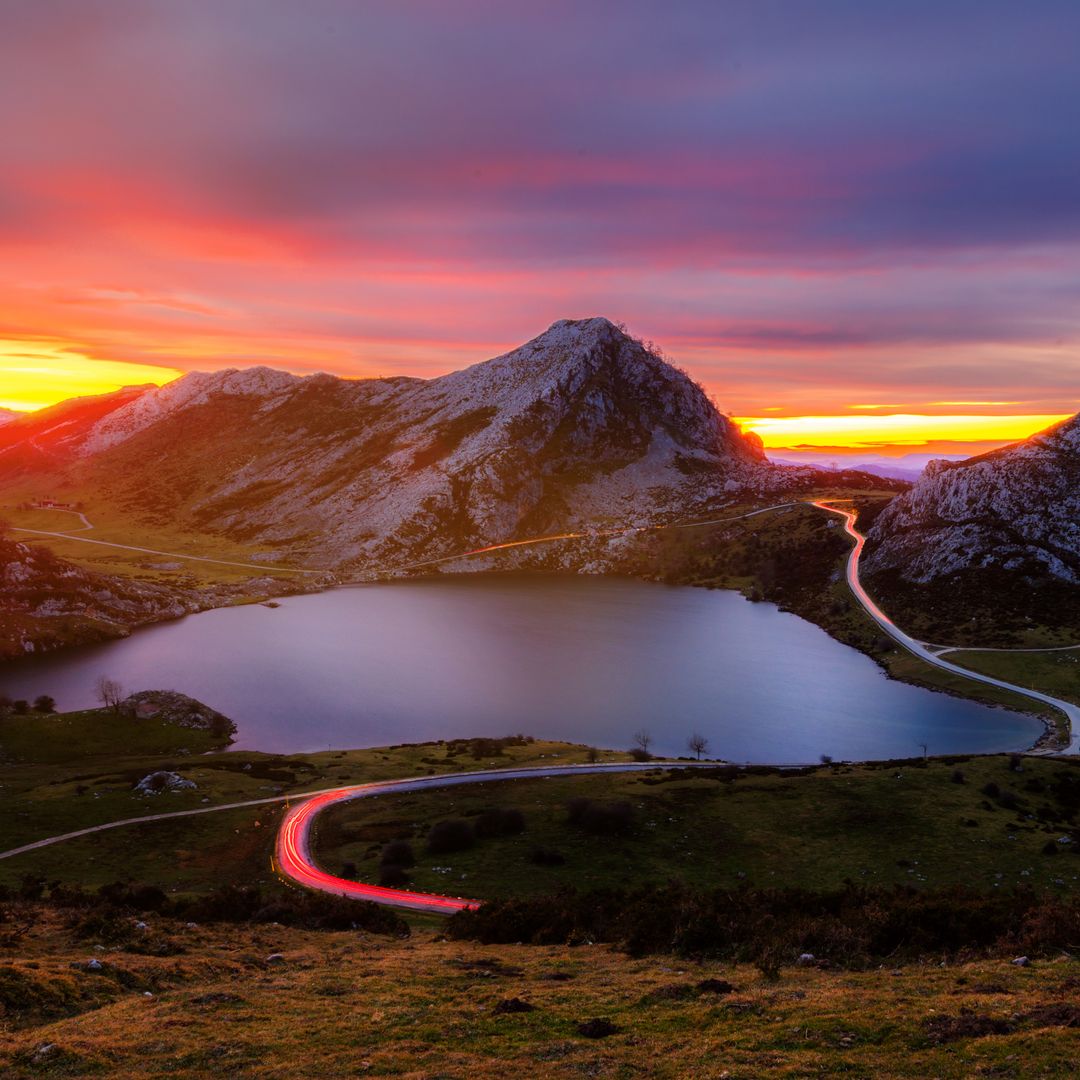 © Alberto Menendez Cervero
8. Myvatn, Iceland
Fed by underground springs in the north of the island, Lake Myvatn (meaning "midge lake") is a unique geological site. It is highly valued by volcanologists for its surrounding volcanic formations and by ornithologists as a major crossing point for migratory bird routes.
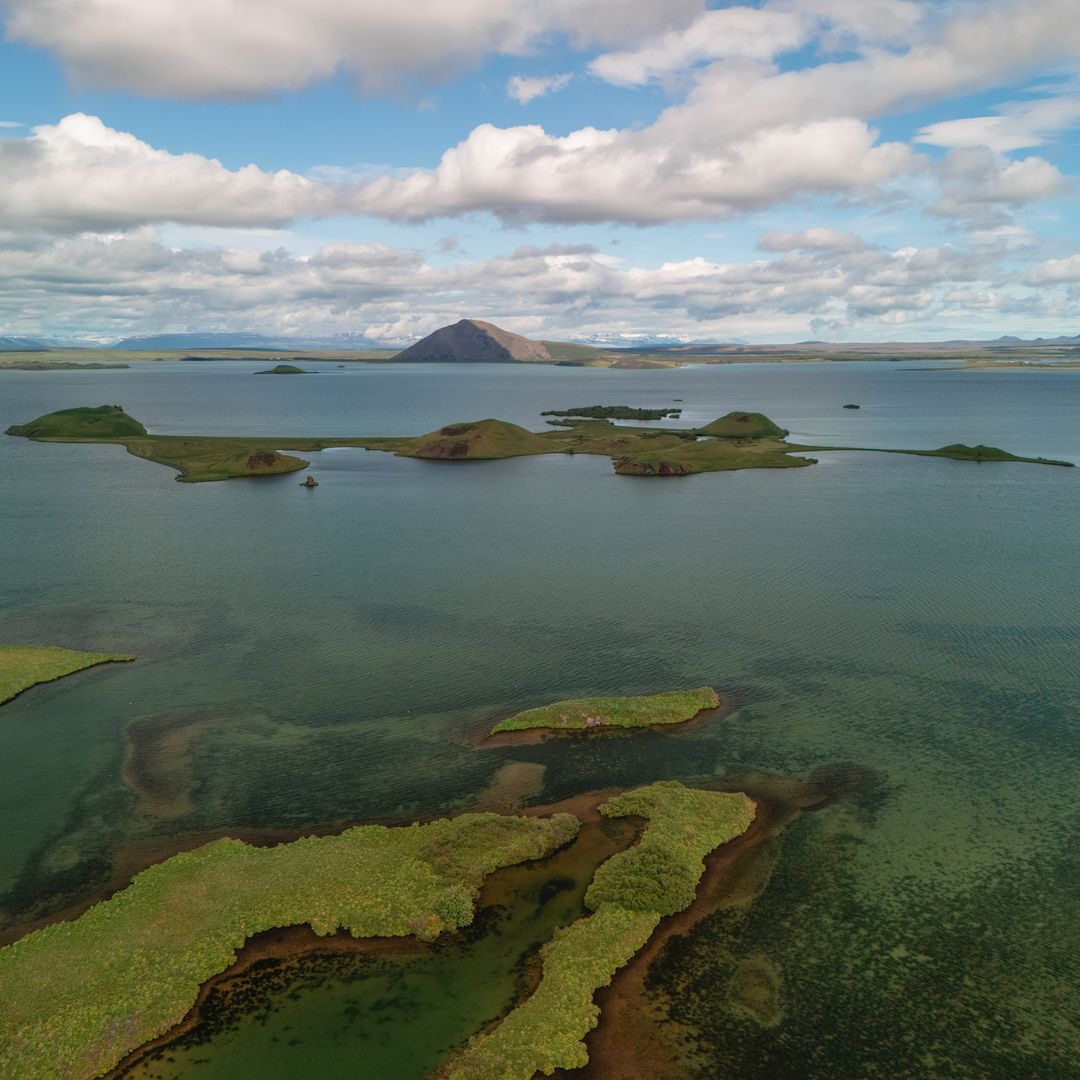 © Oleh_Slobodeniuk
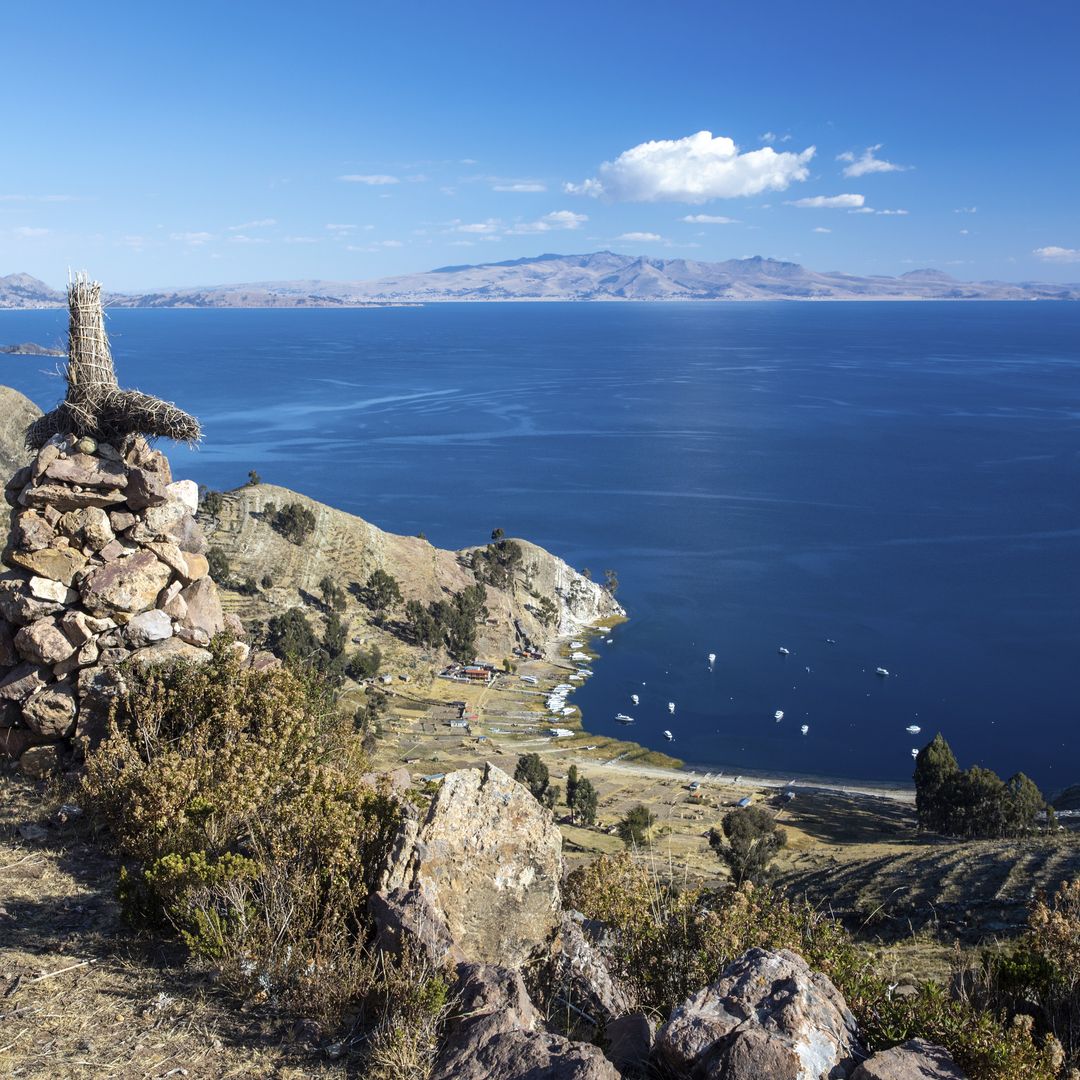
9. Titicaca, Peru and Bolivia
Located in the Andes at 3,800 meters above sea level, Titicaca is the highest navigable lake in the world. It is the cradle of the pre-Inca Uros civilization, who live on artificial islands made of totora reeds and maintains many of its ancient customs today.
 © imageBROKER/Frank Derer