Iceland may be one of Europe’s least populated countries, but its landscapes feel larger than life. This island nation is a place where active volcanoes, massive glaciers, thundering waterfalls, and steaming geothermal springs exist side by side, creating some of the most extraordinary scenery on the planet.
For first-time visitors, Iceland delivers adventure at every turn. Whether you're chasing the northern lights, soaking in a geothermal lagoon, exploring black sand beaches, or standing beside a powerful waterfall, every day feels like stepping into another world. The hardest part isn't finding something incredible to see, it's deciding where to start.
 © Paola Giannoni
Reykjavik: The Perfect Starting Point
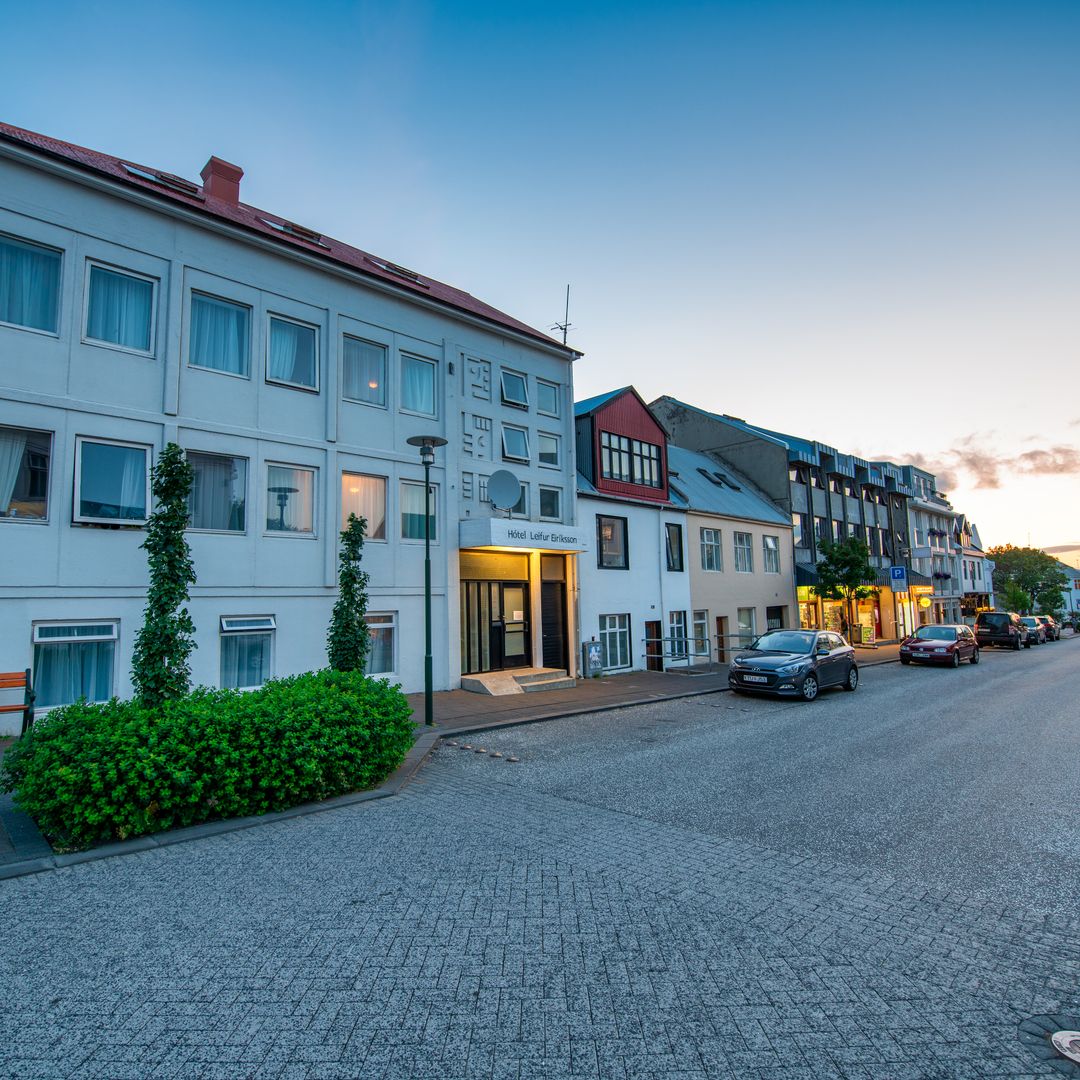
Every journey begins in Reykjavík, Iceland’s vibrant capital and cultural hub. Laugavegur Street serves as the city’s main street, lined with boutiques by local designers, diverse restaurants, and lively summer festivals that take advantage of the endless daylight.
Must-see highlights include Lake Tjörnin and its surrounding gardens, the striking Harpa Concert Hall, the iconic Viking ship sculpture along the bay, and the city’s art and maritime museums. The harbor area is also a great place to explore Iceland’s evolving food scene.
 © Arctic-Images
Step Inside a Volcano
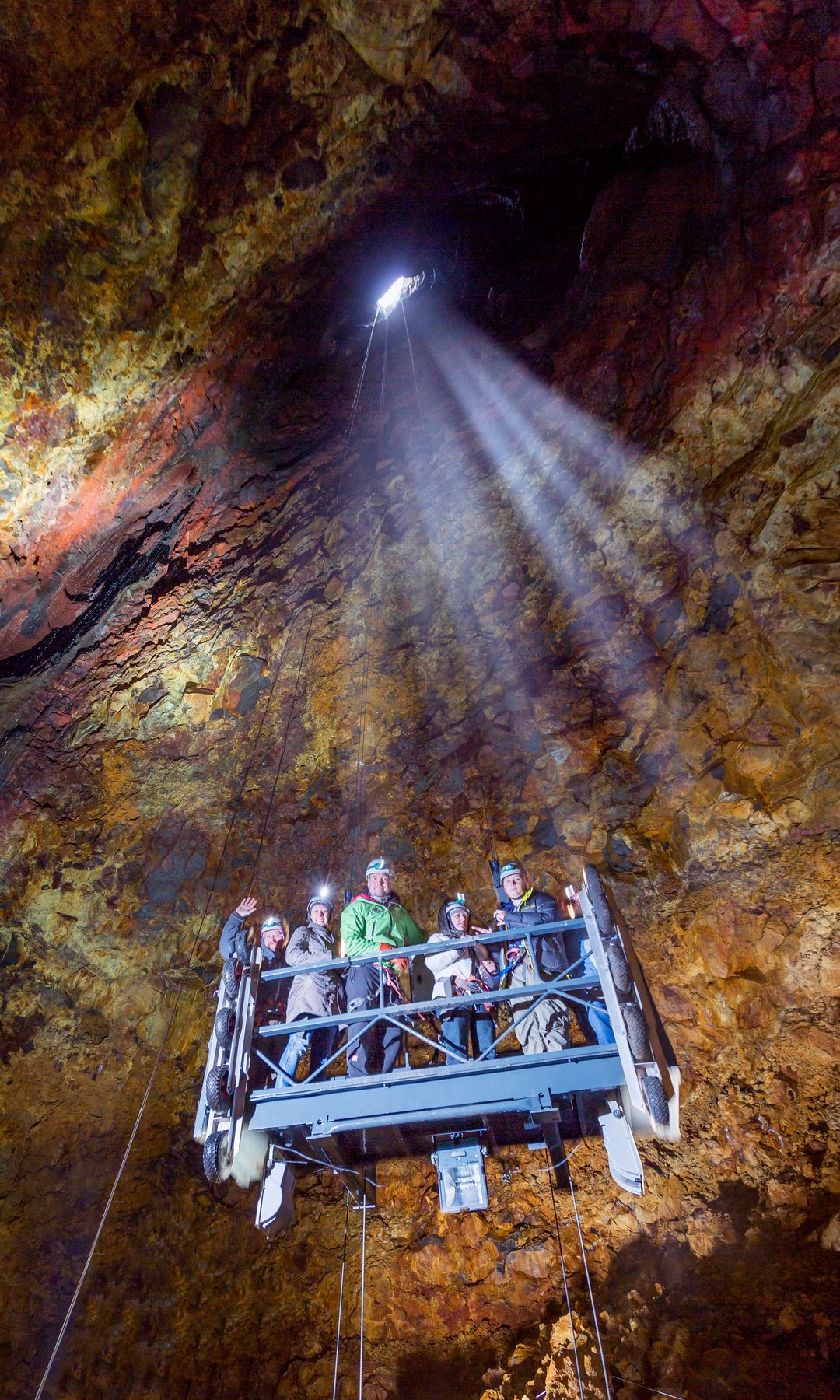
Just 30 minutes from Reykjavík lies one of Iceland’s most extraordinary experiences: entering the Thrihnukagigur volcano. Dormant for over 4,000 years, this volcano allows visitors to descend into its magma chamber via a metal platform.
Inside, a massive underground cavity opens up beneath your feet, where you can walk across ancient lava and witness the raw power of nature up close.
 © Matthias Bellido
Iceland’s Iconic Waterfalls
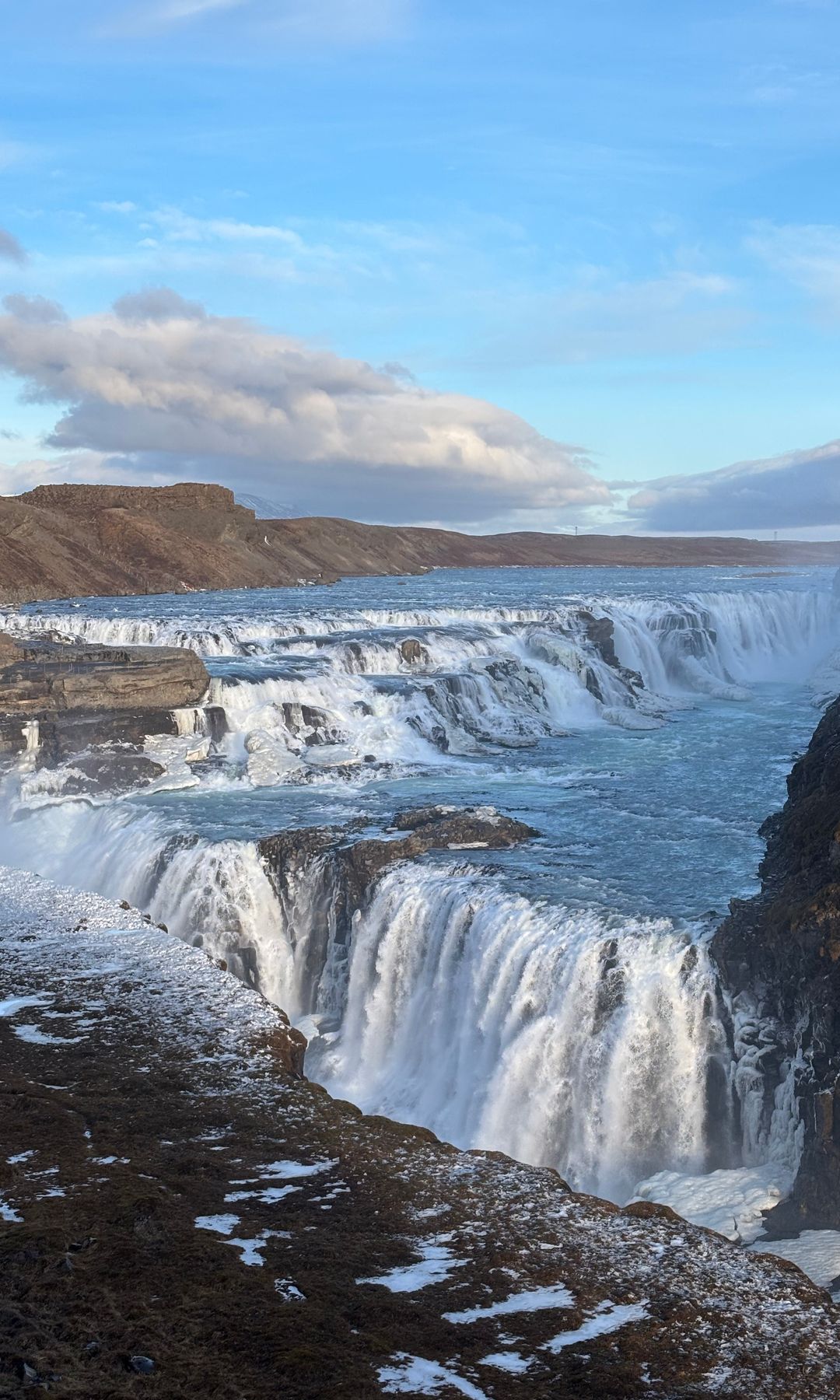
No Iceland travel guide is complete without its waterfalls. Gullfoss, located in Thingvellir National Park, is one of the most famous. It's a powerful cascade that drops into a dramatic canyon, surrounded by viewpoints that showcase its scale and beauty.
Further south, Skógafoss and Seljalandsfoss offer equally unforgettable scenery, each with its own unique perspective and atmosphere.
 © Mike Abrahams
The Blue Lagoon Experience
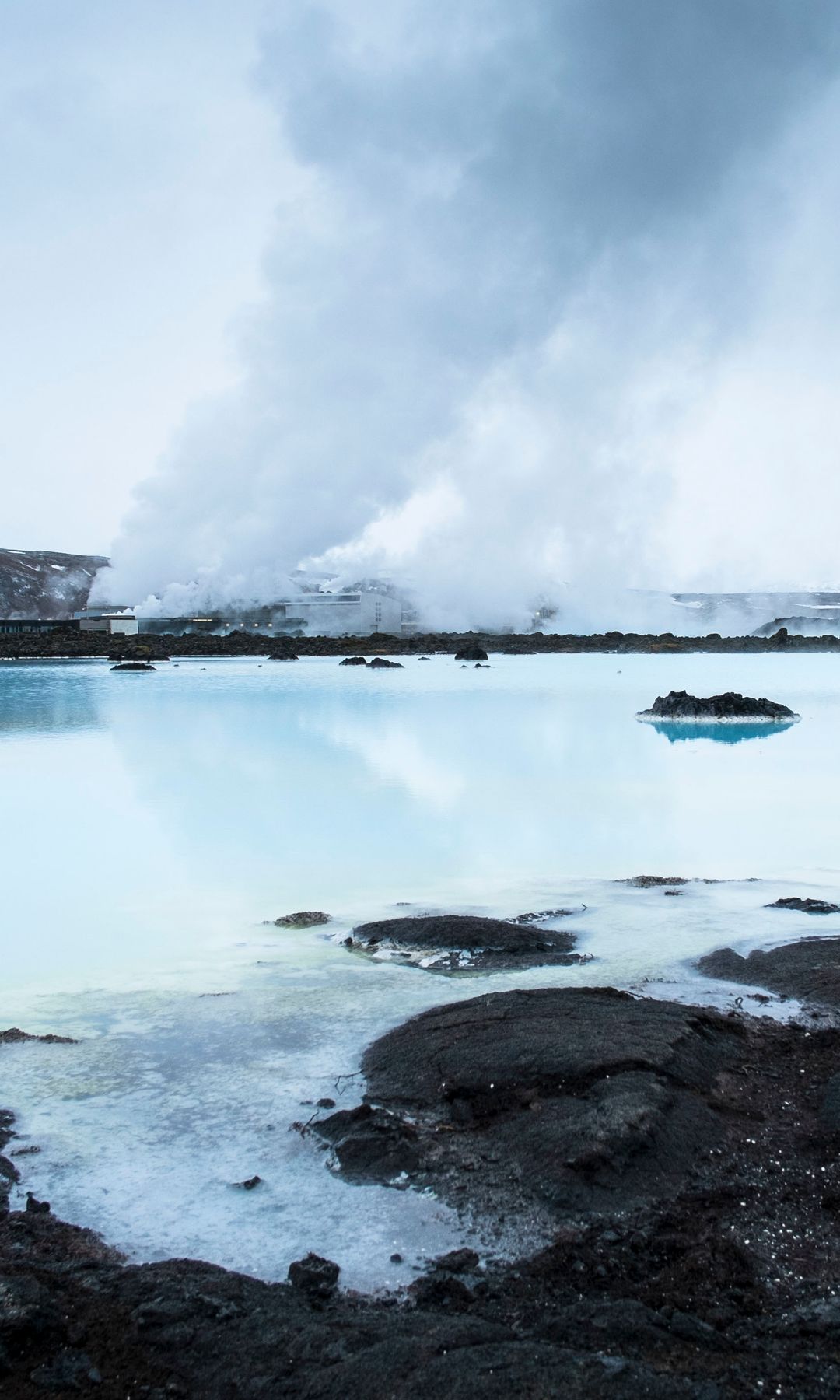
One of the top things to do in Iceland is soaking in geothermal waters, and the Blue Lagoon is the most iconic spot. Located on the Reykjanes Peninsula, less than an hour from Reykjavík, its milky blue waters and rising steam create an otherworldly setting.
Beyond relaxation, the lagoon is known for its mineral-rich waters, believed to benefit the skin, making it both a wellness and travel highlight.
 © Cavan Images
Húsavík: Whale Watching and Northern Lights
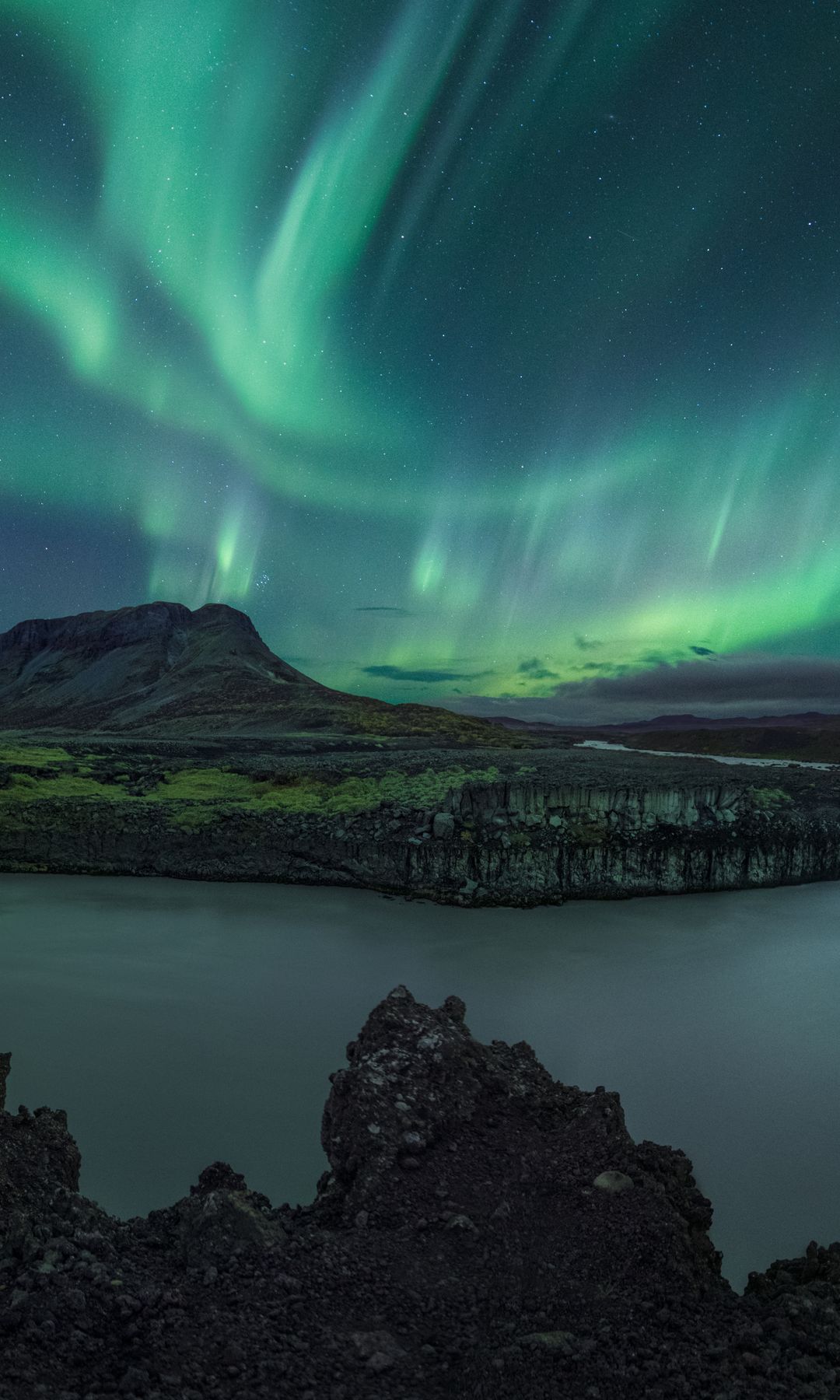
In northern Iceland, the small port town of Húsavík is considered one of the best places in Europe for whale watching. Its proximity to the Arctic Circle also offers unique seasonal experiences.
In summer, visitors can enjoy the magical midnight sun, while winter transforms the region into a prime destination for viewing the Northern Lights.
 © Ed Lallo
The Diamond Circle Route
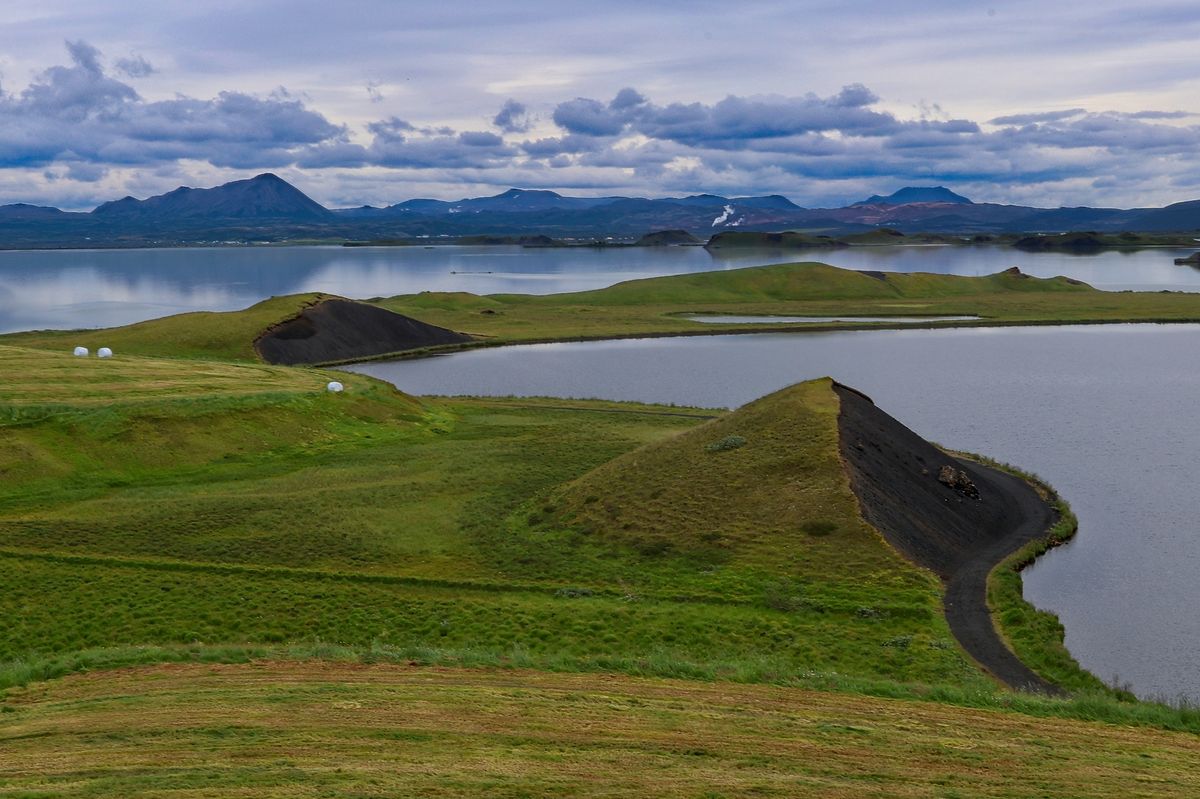
For those seeking a road trip adventure, the Diamond Circle is a must. This 157-mile route around Lake Mývatn includes some of Iceland’s most impressive natural wonders:
- The volcanic crater at Lake Krafla
- The geothermal fields of Hverir
- The soothing waters of the Jarðböðin spa
- Dettifoss, Europe’s most powerful waterfall
- Ásbyrgi Canyon, a dramatic horseshoe-shaped formation
Each stop reveals a different side of Iceland’s geological diversity.
 © VisualStories
Glacier Adventures You Can’t Miss
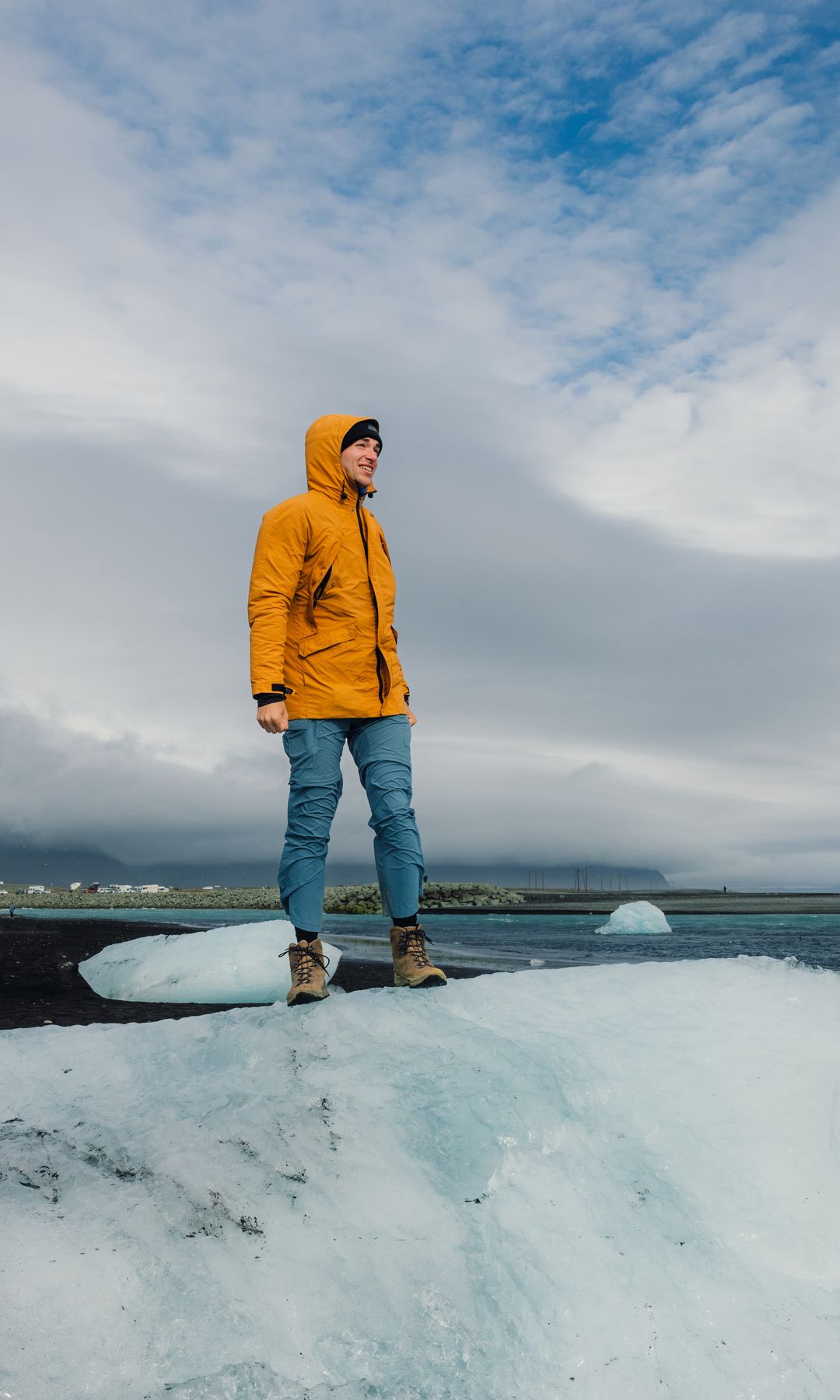
About 12% of Iceland is covered by glaciers, offering a wide range of unique experiences:
- Vatnajökull: Europe’s largest glacier, home to stunning ice caves
- Breiðamerkurjökull: Perfect for navigating among floating icebergs
- Mýrdalsjökull: Ideal for glacier hiking with crampons
- Snæfellsjökull: The inspiration behind Journey to the Center of the Earth
- Langjökull: Accessible via snowmobile or through an ice tunnel
These landscapes feel surreal and are among the most unforgettable highlights of any Iceland trip.
 © Feifei Cui-Paoluzzo
Vík Beach and Its Volcanic Beauty
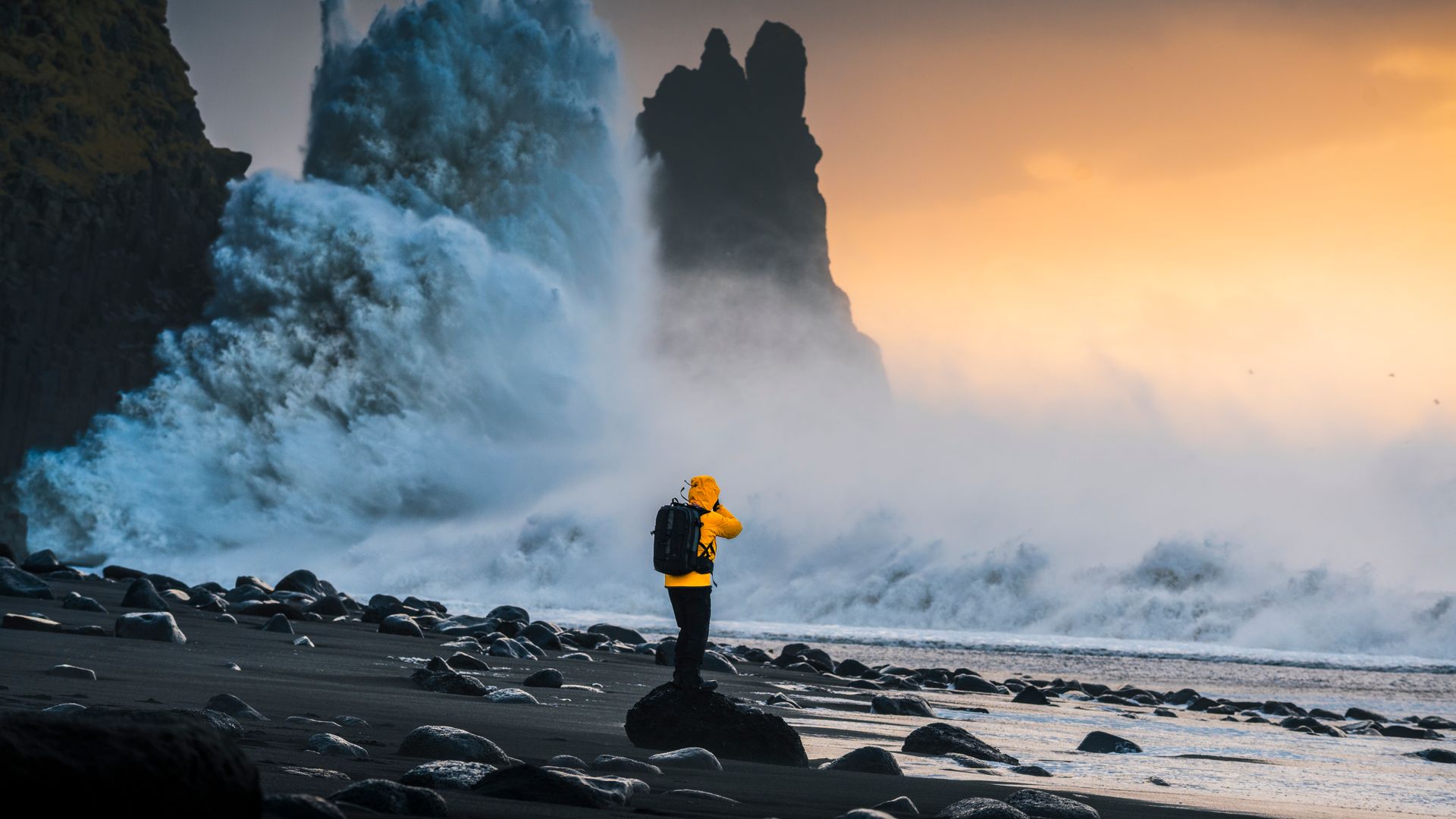
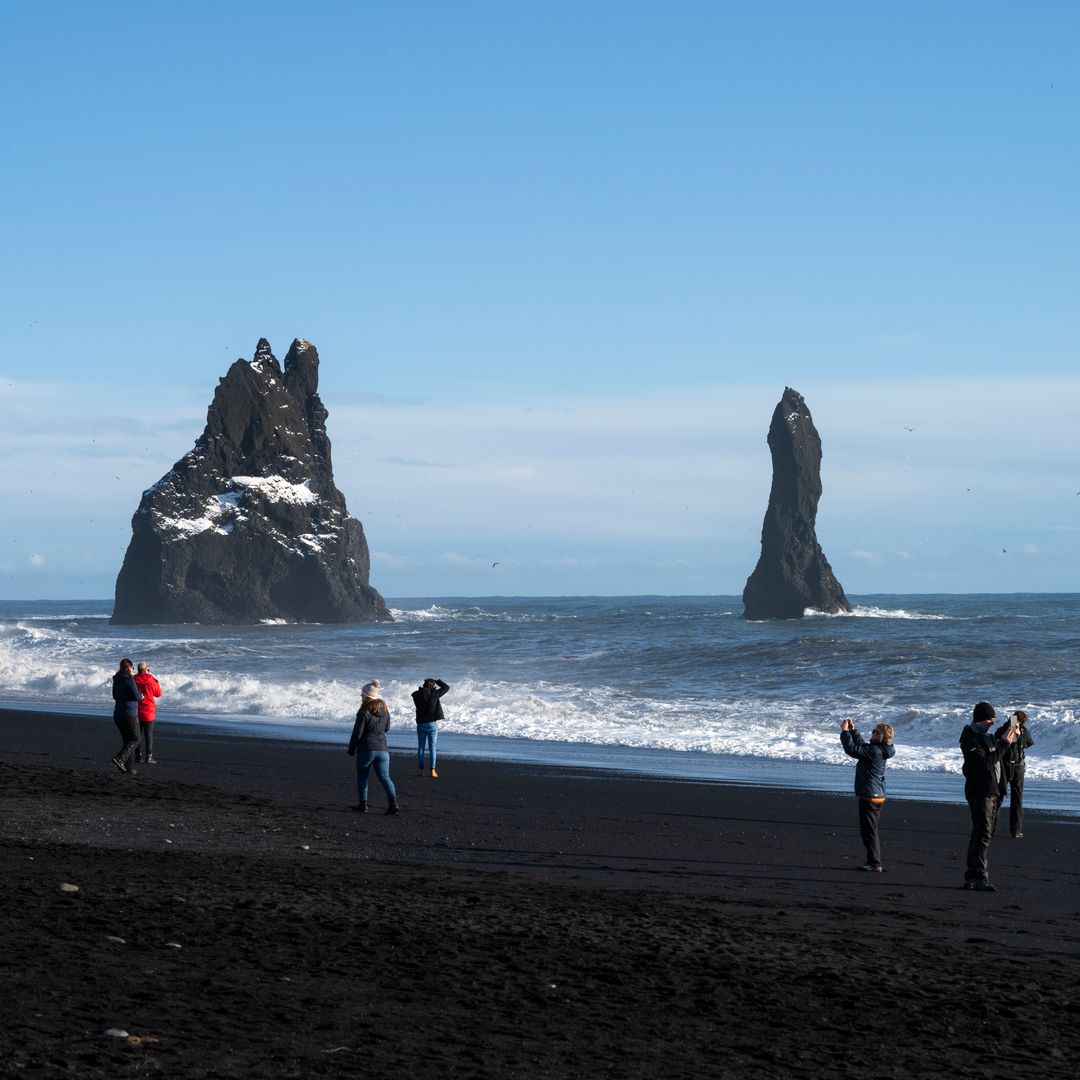
On Iceland’s southern coast, Vík Beach stands out for its black volcanic sand and dramatic rock formations. The Reynisdrangar sea stacks, often linked to Icelandic folklore, rise from the ocean like ancient sculptures.
The nearby basalt columns add another striking visual element, making this location a favorite for photographers and filmmakers alike.
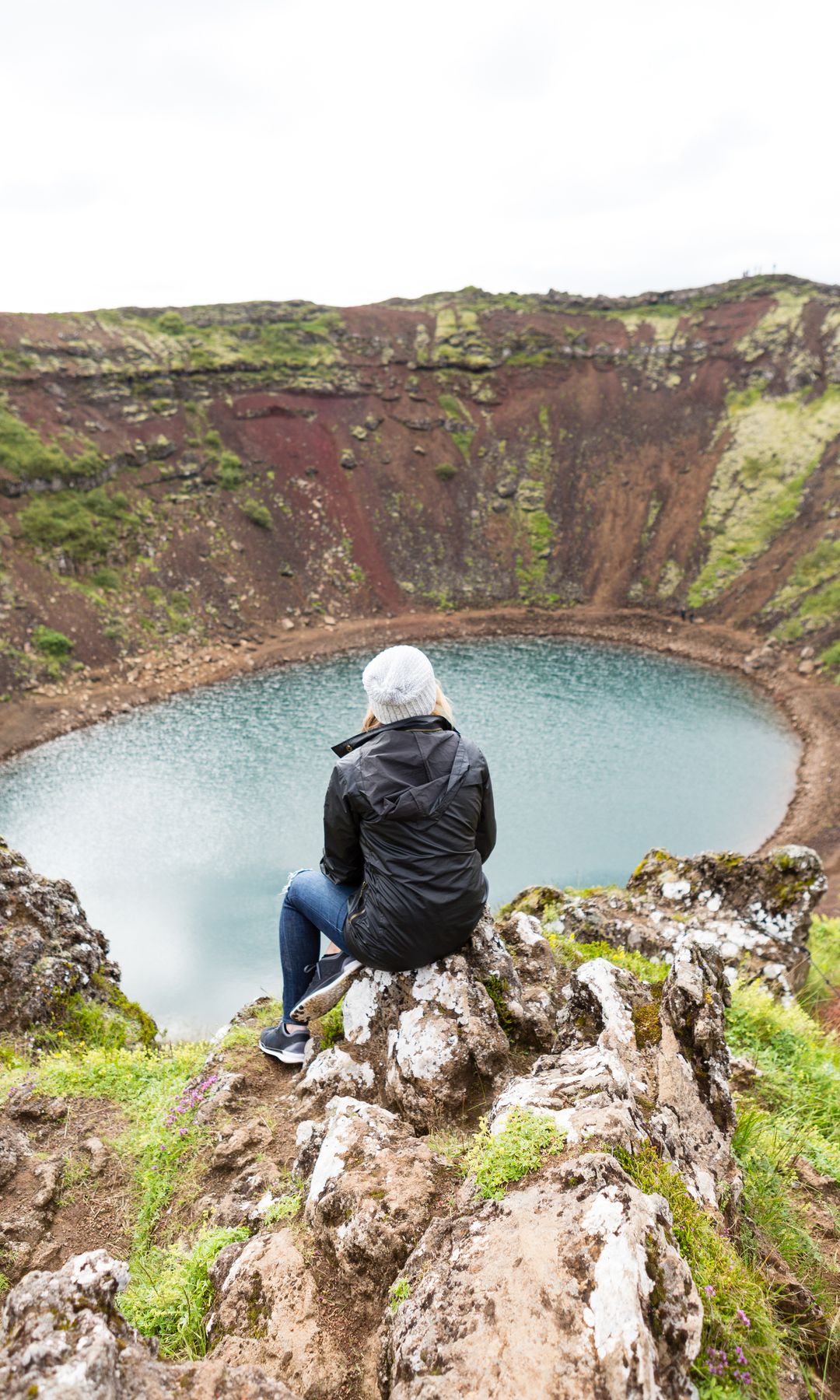 © Cavan Images / Jen Madigan
Practical Travel Tips for First-Time Visitors
Planning your Iceland itinerary requires preparation:
- Weather: Highly unpredictable, dress in layers with waterproof clothing
- Driving: Distances can be deceiving; plan extra time for stops
- Roads: Some routes require 4x4 vehicles (F-roads)
- Sustainability: Stay on marked paths and respect nature
- Water: Tap water is safe and of high quality
- Bookings: Reserve accommodations early during peak season
When Is the Best Time to Visit Iceland?
- June: Fewer crowds, long daylight hours, moderate prices
- Summer: Best weather and the Midnight Sun
- September to March: Ideal for Northern Lights viewing