
The promise sounds tempting: reshape stubborn areas, tighten skin, and improve your silhouette without surgery or a lengthy recovery. Non-invasive body contouring treatments have become increasingly sophisticated, giving patients more options for addressing localized fat, skin laxity, and other aesthetic concerns.
But despite advances in technology, there are limits to what these treatments can accomplish, particularly when the underlying issue involves excess skin, separated muscles, or significant changes following pregnancy or weight loss.
 © Cliniq Medellin
So, how do you know when body contouring is enough and when plastic surgery may be the more appropriate option?
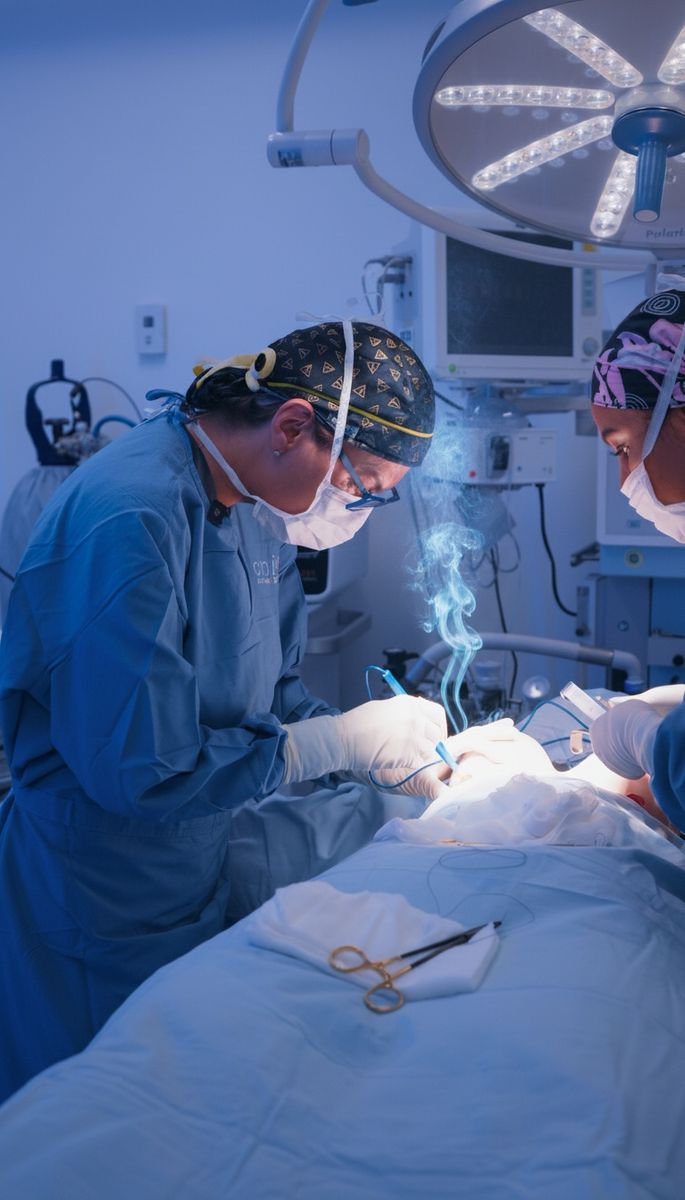
In an interview with HOLA! USA, board-certified plastic surgeon Dr. Isabel Uribe, founder of Cliniq in Medellín, Colombia, explains why the answer starts with anatomy rather than a specific procedure. “Most patients try to make this decision based solely on what they see in the mirror: an accumulation of fat, an area that has lost firmness, or a silhouette they no longer feel comfortable with,” Dr. Uribe tells our magazine “However, two bodies that look similar externally may require completely different treatments.”
Who is Dr. Isabel Uribe?
Dr. Isabel Uribe is a board-certified plastic surgeon and founder of Cliniq, an aesthetic and reconstructive surgery clinic in Medellín, Colombia. With more than 20 years of experience, her practice combines surgical expertise with an emphasis on patient safety, personalized care, and natural-looking results.
Her specialties include facial rejuvenation, breast surgery, body contouring, mommy makeover procedures, male plastic surgery, and reconstructive surgery.
 © Cliniq Medellín
Dr. Uribe’s approach extends beyond the procedure itself, focusing on the patient’s complete surgical journey, from consultation and surgical planning through recovery and long-term follow-up.
She is also the creator of The Cliniq Way – Elevated, an integrated care model combining advanced surgical technology, regenerative medicine, and individualized recovery protocols.
Body contouring vs. plastic surgery: What is the difference?
The biggest distinction between non-invasive body contouring and plastic surgery comes down to what needs to be changed.
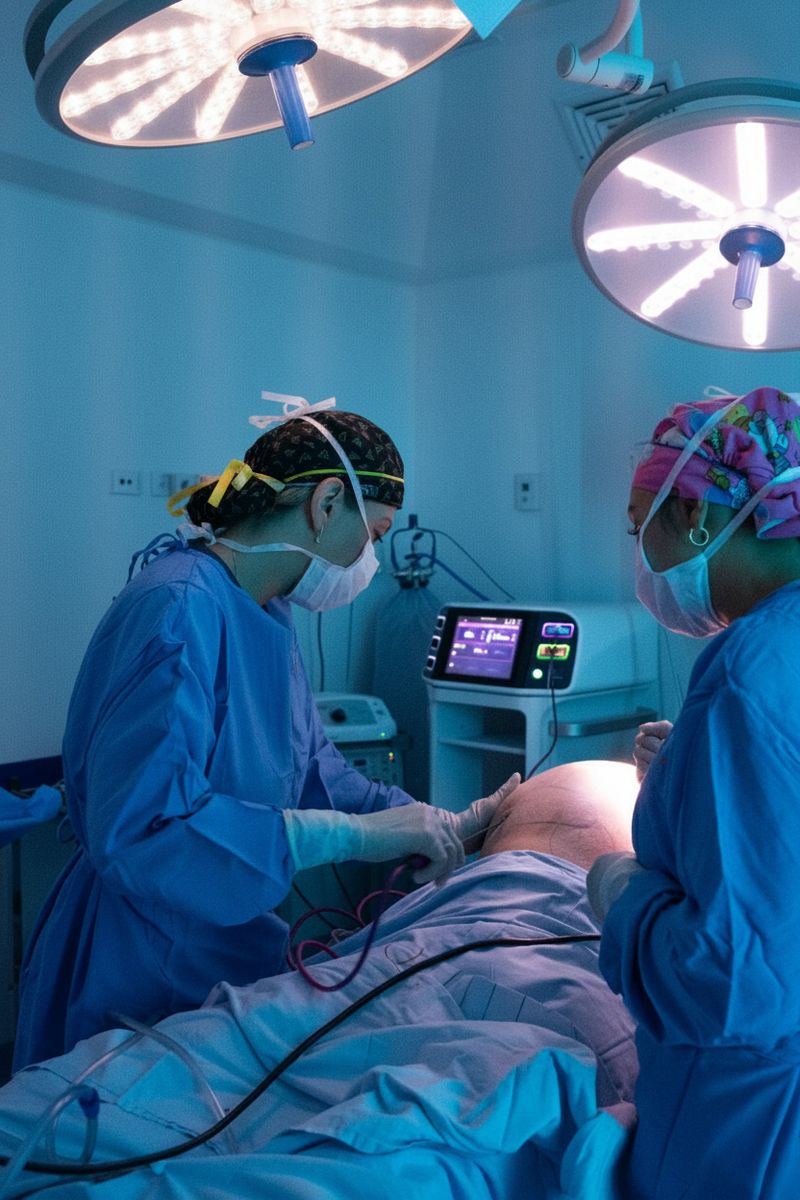
“To determine whether someone would benefit from a non-invasive procedure or surgery, we need to identify where the problem actually lies,” Dr. Uribe explains. “It may involve the volume of fat, the quality and ability of the skin to retract, the position of the tissues, the muscular wall, or a combination of all these factors.”
 © Cliniq Medellín
Non-surgical treatments generally make the most sense for people with stable weight, small and localized fat deposits, good skin quality, and expectations centered around gradual improvement.
Dr. Uribe puts the difference simply: “These treatments can refine the contour, but they cannot reconstruct it.”
Surgery, on the other hand, can address structural concerns. “Surgery is considered when there are structural changes, such as excess skin, separation of the abdominal muscles, tissue descent, significant laxity, or fat deposits that require a broader and more precise approach,” she says.
What results can non-invasive body contouring realistically achieve?
The popularity of non-surgical body contouring has created a common misconception: that enough treatments, or the right device, can eventually produce the same transformation as surgery.
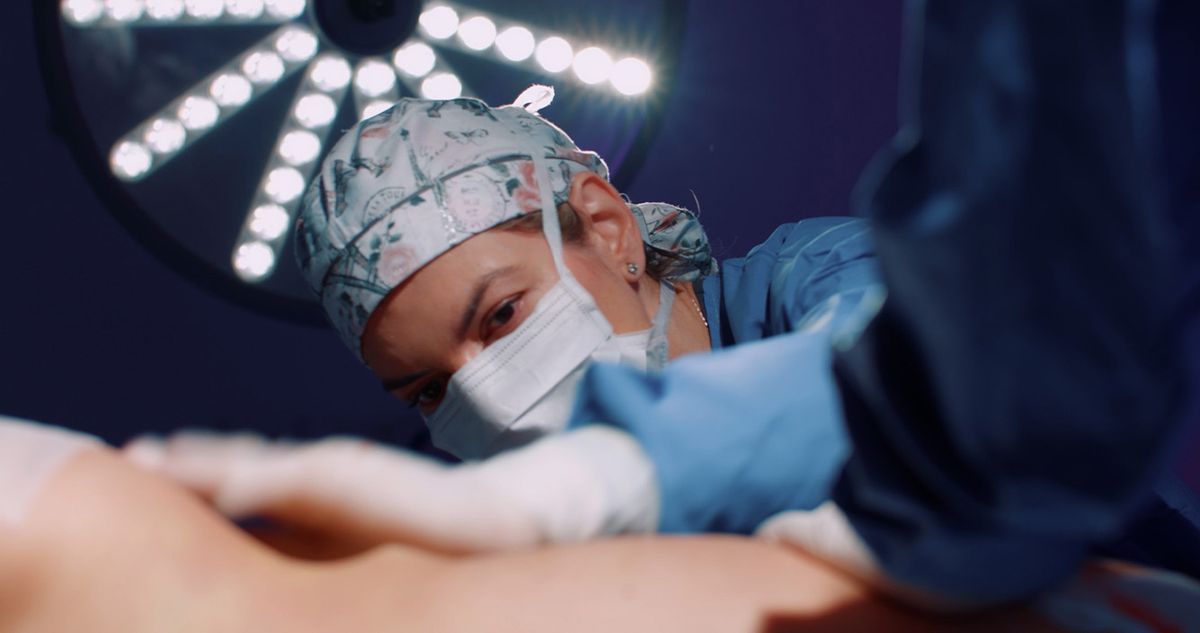
That is not necessarily the case. “A non-invasive body contouring treatment can improve the body’s appearance. Surgery, when properly indicated, can transform the body’s architecture,” Dr. Uribe tells HOLA! USA.
 © Cliniq Medellín
Depending on the technology and the individual patient, non-invasive procedures may moderately reduce a localized fat deposit, gradually improve skin firmness, or help maintain and refine a silhouette.
Results depend on several variables, including the technology being used, patient selection, the number of sessions, and the individual’s biological response.
What these procedures cannot do is equally important. According to Dr. Uribe, non-invasive treatments cannot remove substantial amounts of excess skin, repair abdominal muscle separation, significantly lift descended tissues, dramatically redefine the waist, or comprehensively address some of the anatomical changes caused by multiple pregnancies or major weight loss.
When is plastic surgery the better option?
Pregnancy, aging, substantial weight changes, and genetics can alter several layers of the body simultaneously. For example, what appears to be an abdominal “pooch” may not simply be a pocket of fat. A patient may also have loose skin and separation of the abdominal muscles.
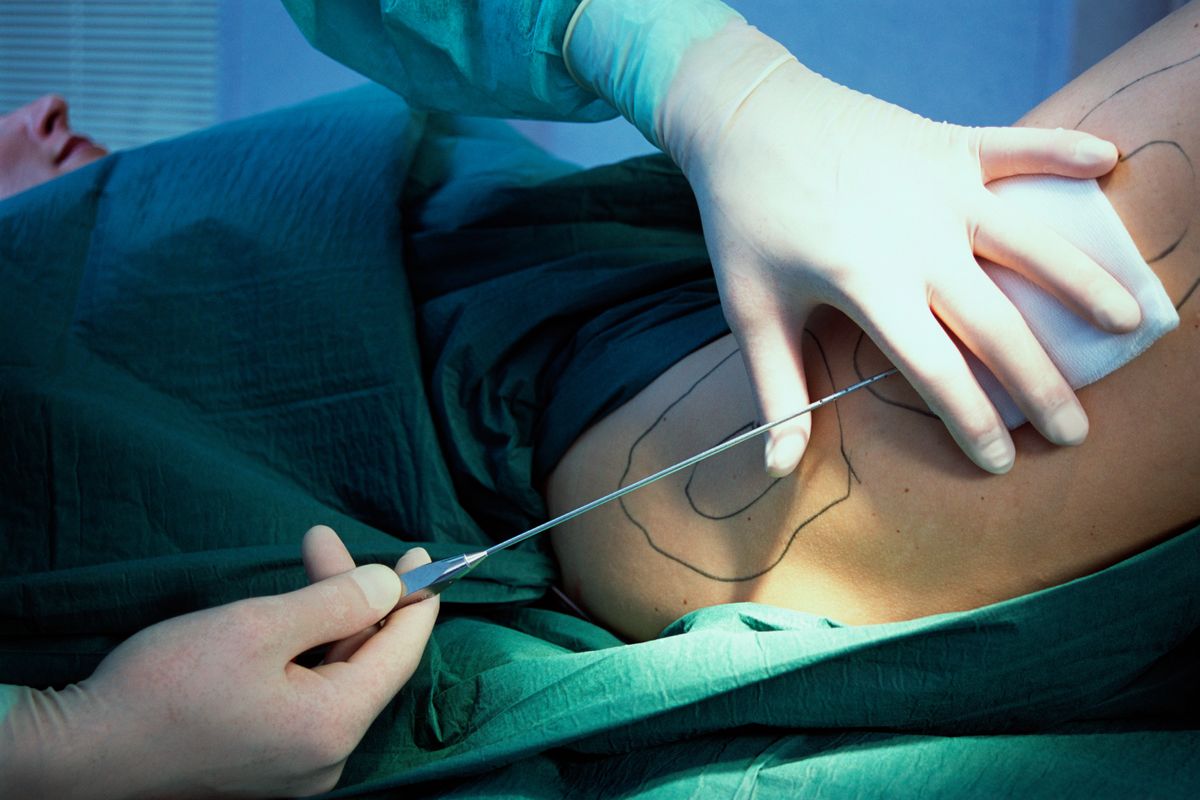
That changes the treatment conversation. “In a lipoabdominoplasty, for example, we do not work only on fat,” Dr. Uribe explains. “We can treat excess skin, repair the abdominal wall, and reconstruct the relationship between the abdomen, waist, and back to achieve a more cohesive contour.”
 © Getty Images/Connect Images
This is also why repeatedly pursuing non-invasive treatments for a structural concern can become frustrating.
Dr. Uribe says she frequently sees patients who have already undergone multiple device-based treatments, massages, injectables, or skin-tightening procedures before seeking a surgical consultation. “They may have achieved small improvements, but they still feel that the main problem remains,” she says.
That does not necessarily mean the previous procedures were performed incorrectly. “In some cases, they were performed correctly, but they were based on an incomplete indication or expectations that did not match what those treatments could realistically achieve,” she explains.
The body contouring myths patients should know
One misconception Dr. Uribe wants patients to reconsider is the assumption that “non-invasive” automatically means risk-free. “One of the main myths is the belief that ‘non-invasive’ means ‘risk-free,’ ‘no recovery,’ or ‘appropriate for everyone,’” she says. “These are medical procedures and, as such, require proper indications, anatomical knowledge, authorized equipment, and qualified professionals.”
She also cautions patients against assuming that every treatment marketed as “body contouring” works in the same way.
 © Getty Images
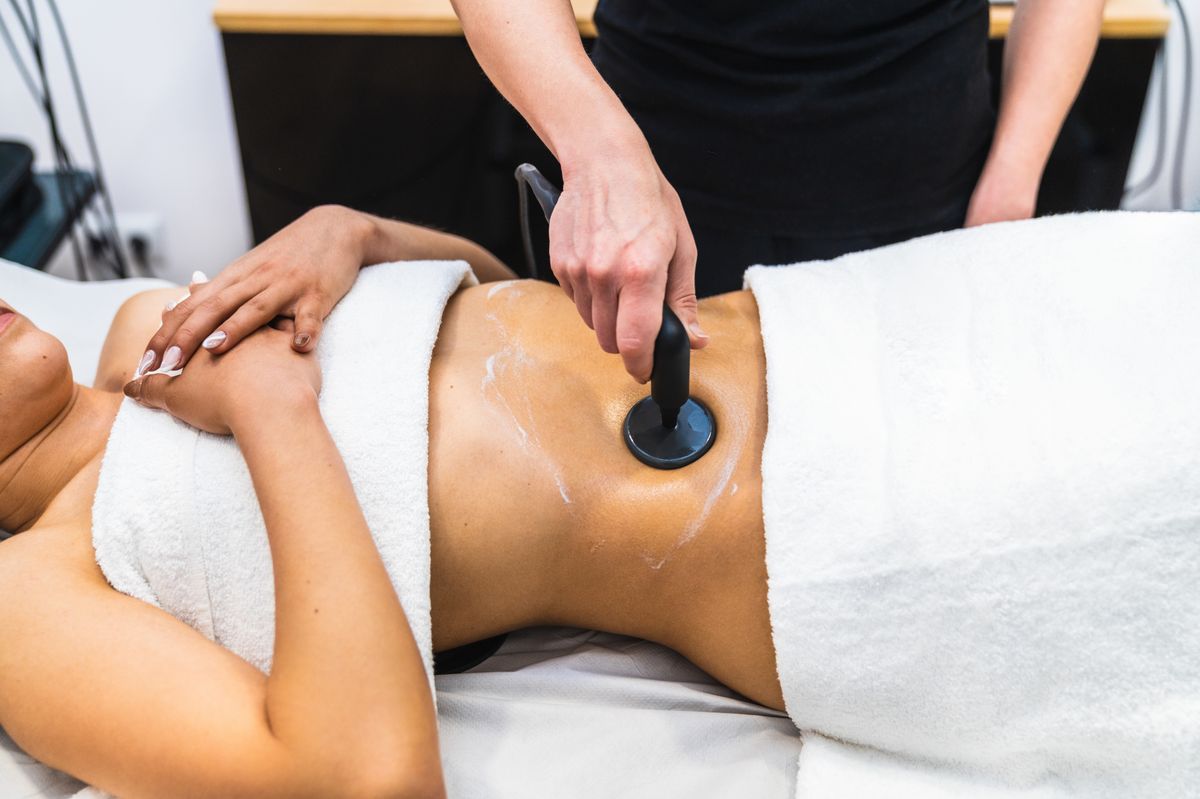
Some technologies target adipose tissue. Others are designed to improve the appearance of skin, stimulate collagen, or work on muscle tone. “Treating them as though they are equivalent creates unrealistic expectations,” she says.
Social media before-and-after photographs can make navigating those expectations even more complicated. Posture, lighting, camera angles, abdominal contraction, hydration, and other variables can dramatically change how the body appears in a photograph.
For Dr. Uribe, standardized photography and adequate follow-up are important when assessing the actual outcome of a procedure. “Technology can be extraordinary when it is used for the right indication,” she says. “The risk begins when marketing replaces medical judgment.”
Can body contouring and plastic surgery be combined?
For some patients, the answer is yes.
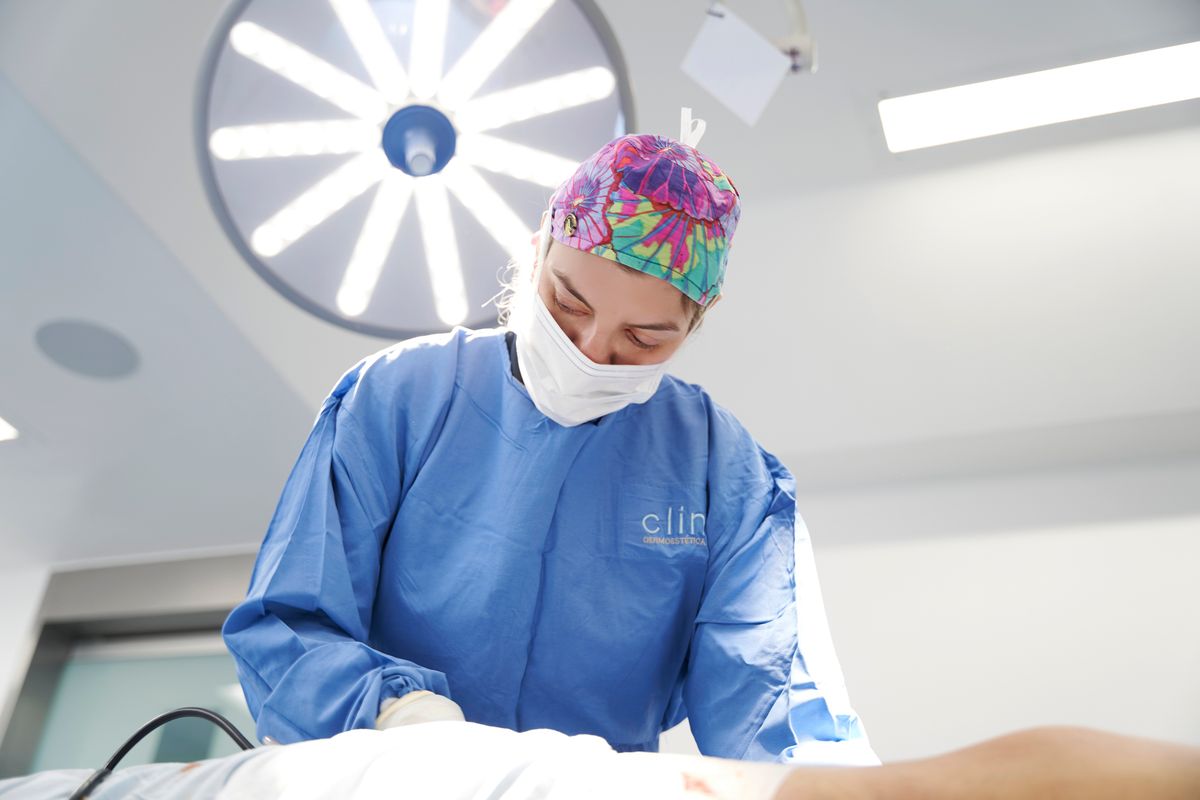
A patient could potentially undergo liposuction to address fat, an abdominoplasty to remove excess skin and repair the abdominal wall, and an additional technology to support tissue contraction in selected areas.
Certain treatments can also be incorporated after surgery, once recovery allows, to address skin quality or refine specific areas.
 © Cliniq Medellín
But Dr. Uribe emphasizes that combining treatments should not become a matter of simply adding more procedures. “Combining treatments does not mean simply accumulating procedures,” she says. “It means identifying what each layer of the body requires and selecting a specific tool to address it.”
“The result does not depend on using more technology, but on knowing when to use each resource, for which patient, and for what purpose,” she explains.
How technology is changing plastic surgery in 2026
Advanced technology has also changed what happens inside and around the operating room.
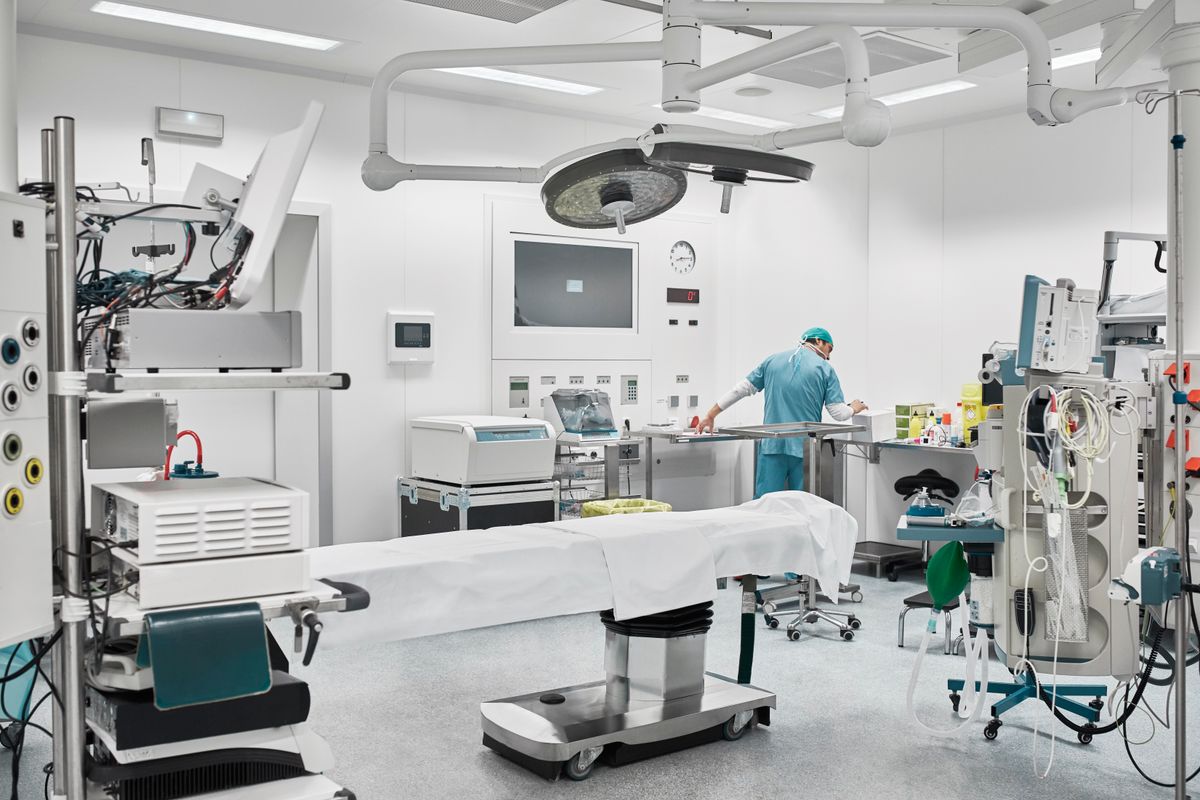
Dr. Uribe uses different technologies according to the patient’s anatomy, diagnosis, and surgical plan.
 © Getty Images
VASER, for example, uses ultrasonic energy to fragment and emulsify adipose tissue before extraction. MicroAire is a power-assisted liposuction system designed to facilitate controlled movement through adipose tissue. Renuvion combines helium plasma and radiofrequency energy to produce controlled contraction of subcutaneous tissue in appropriately selected patients.
Clarius ultrasound provides another layer of information by allowing surgeons to visualize anatomy in real time during certain procedures. “We can see beneath the skin while we work,” Dr. Uribe says of intraoperative ultrasound.
Still, Dr. Uribe says technology itself should not be what gives someone confidence about undergoing surgery. “Confidence should not come solely from knowing that a clinic has advanced equipment,” she says. “It should be built on the surgeon’s experience, a rigorous evaluation, a properly prepared and certified facility, and a team that supports the patient before, during, and after surgery.”
How GLP-1 weight loss is changing body contouring
The rise of GLP-1 medications, including semaglutide, is creating another significant shift in body contouring.
 © Getty Images
Patients who achieve substantial weight loss may find that their concerns change as their body changes.
Rather than seeking surgery simply to remove remaining fat, some patients are seeking help for loose skin, tissue descent, reduced support, or volume changes involving the abdomen, breasts, arms, thighs, and buttocks. “Many of the consultations are not about removing ‘the fat that remains,’ but rather treating the anatomical consequences of significant volume loss,” Dr. Uribe explains.
That may lead some patients to consider an abdominoplasty, lipoabdominoplasty, arm lift, thigh lift, breast lift, or another surgical procedure.
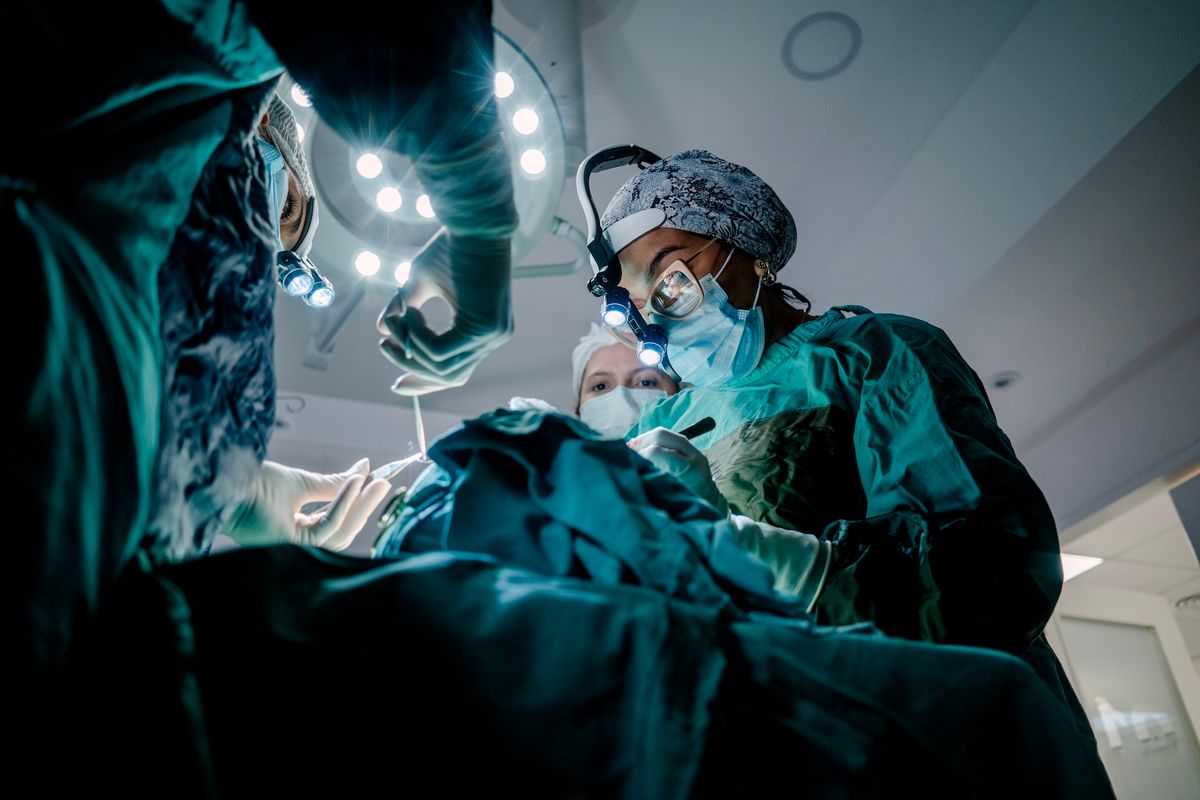
However, losing weight does not automatically mean someone is ready for surgery. Dr. Uribe says surgeons need to consider weight stability, muscle mass, nutritional intake, metabolic health, laboratory results, and where a patient currently is in their GLP-1 treatment. “Not everyone who has lost weight with GLP-1 medications is immediately ready for surgery,” she says. “The number on the scale is only one part of the evaluation.”
 © Getty Images
Are patients looking for more natural plastic surgery results?
Dr. Uribe has also noticed a change in what patients want from plastic surgery. Today’s patients often arrive at consultations armed with photographs, videos, information about different technologies, and examples of results they like.
At the same time, many are asking more detailed questions about surgeon qualifications, anesthesia, scars, recovery, safety, and postoperative care.
 © Getty Images
Natural-looking results have become a particularly important part of that conversation. For Dr. Uribe, however, “natural” should not be confused with barely noticeable. “A surgery can create a significant transformation while still looking harmonious,” she explains.
The goal is to create a result that makes sense for that particular patient rather than applying the same aesthetic formula to every body.
What should you ask before choosing body contouring or plastic surgery?
For anyone considering their first body contouring treatment, Dr. Uribe recommends resisting the urge to select a procedure before understanding the problem. “My main advice would be not to choose the procedure first,” she tells HOLA! USA. “The person should first understand what they want to change, why they want to change it, and which structure of the body is responsible for what is bothering them.”
Patients should ask what a treatment can realistically correct, what will remain unchanged, how much improvement they can expect, whether multiple sessions will be necessary, whether maintenance is required, what risks are involved, and whether there will be scars.
Anyone considering surgery should also investigate the surgeon’s training, the credentials and safety standards of the facility, anesthesia care, and postoperative protocols.
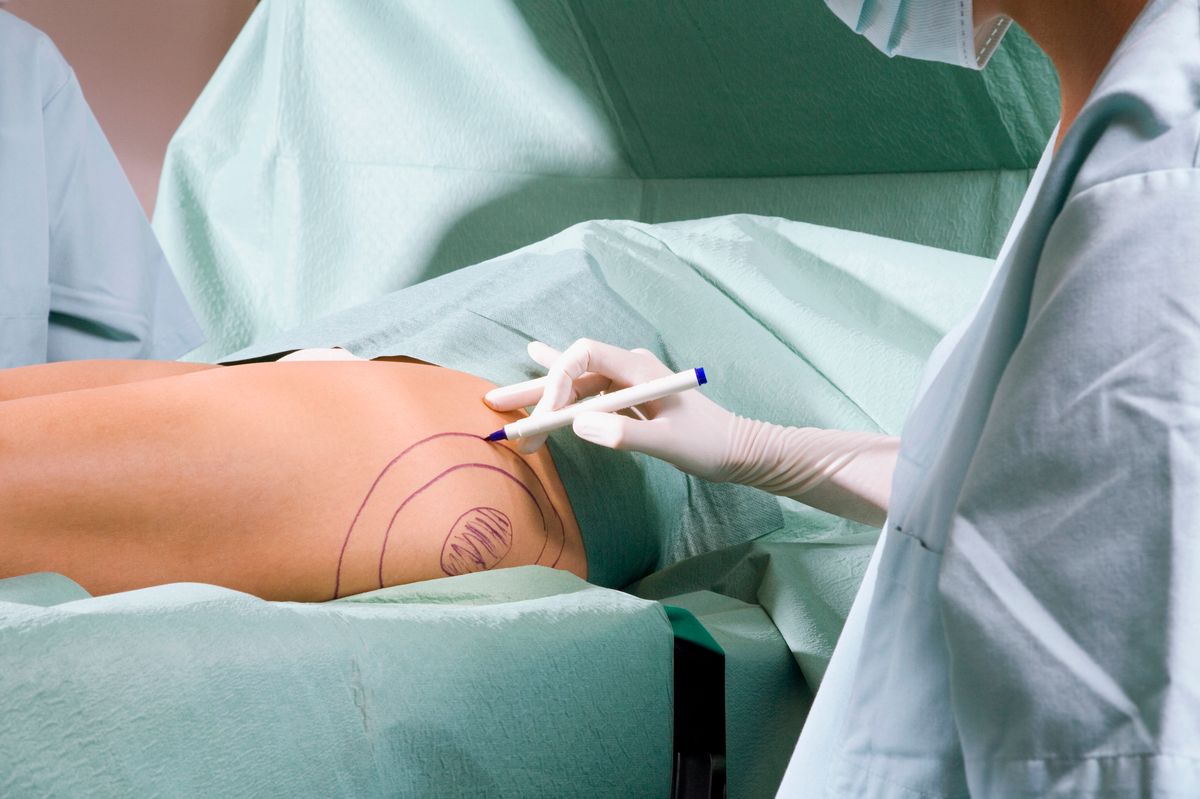 © Getty Images/Westend61
Ultimately, the body contouring vs. plastic surgery decision is less about choosing the newest treatment and more about matching the treatment to the anatomy.
“The best decision is not necessarily the least invasive option or the most transformative one,” Dr. Uribe says. “It is the option that creates an honest balance between the person’s anatomy, the result they want, the risks they are willing to accept, and the process they are prepared to undergo.”