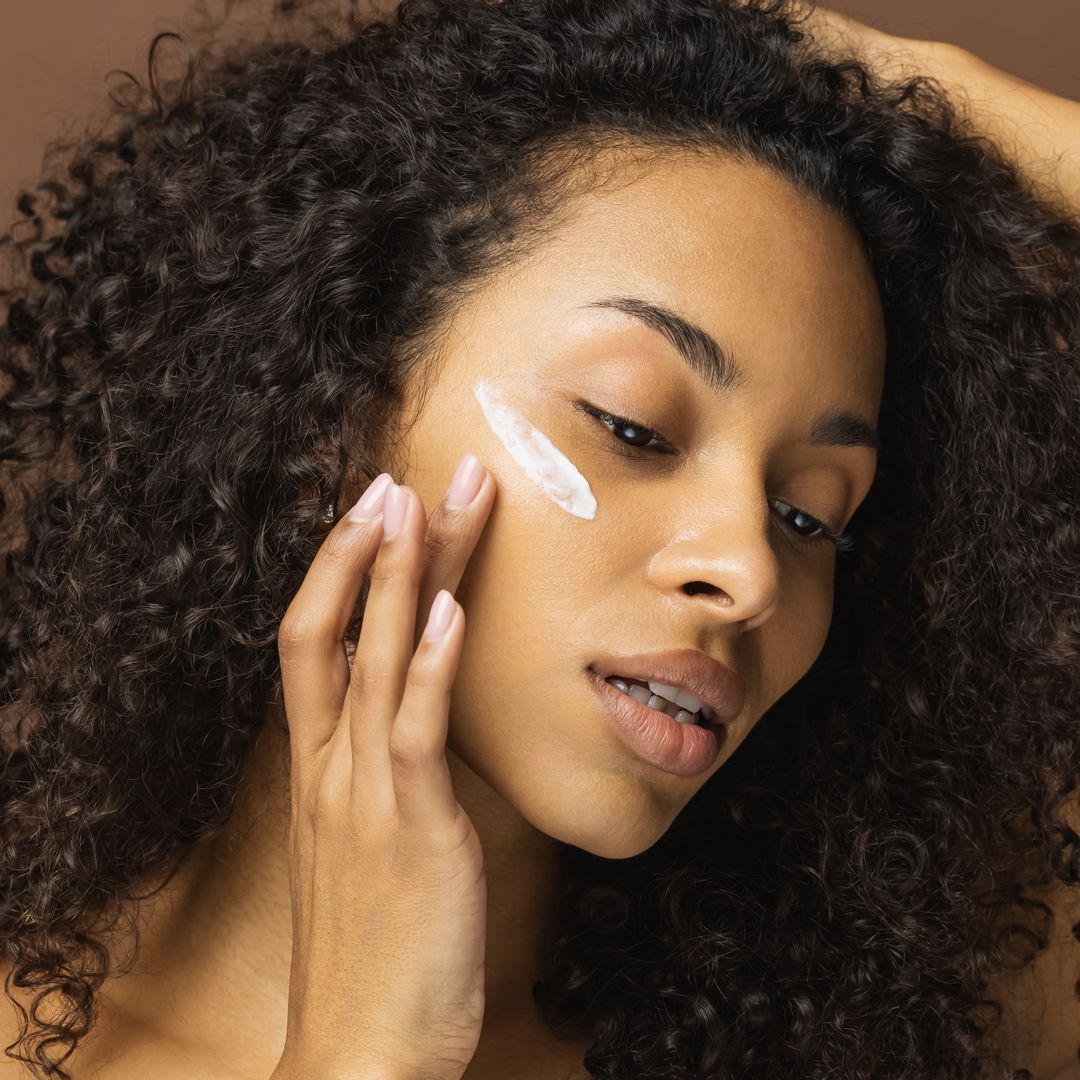
GLP-1 medications have changed the weight loss conversation, but they have also introduced a new beauty concern: the GLP-1 face. The term refers to facial changes some people notice after significant weight loss, especially when the weight comes off quickly.
For some, the change is subtle. For others, it can show up as flatter cheeks, looser skin, deeper shadows, a softer jawline, or a neck that suddenly looks less firm. According to David Shafer, MD, FACS, a plastic surgeon at Shafer Clinic in Manhattan, NY, the reason is less mysterious than it sounds.
 © Getty Images/Connect Images
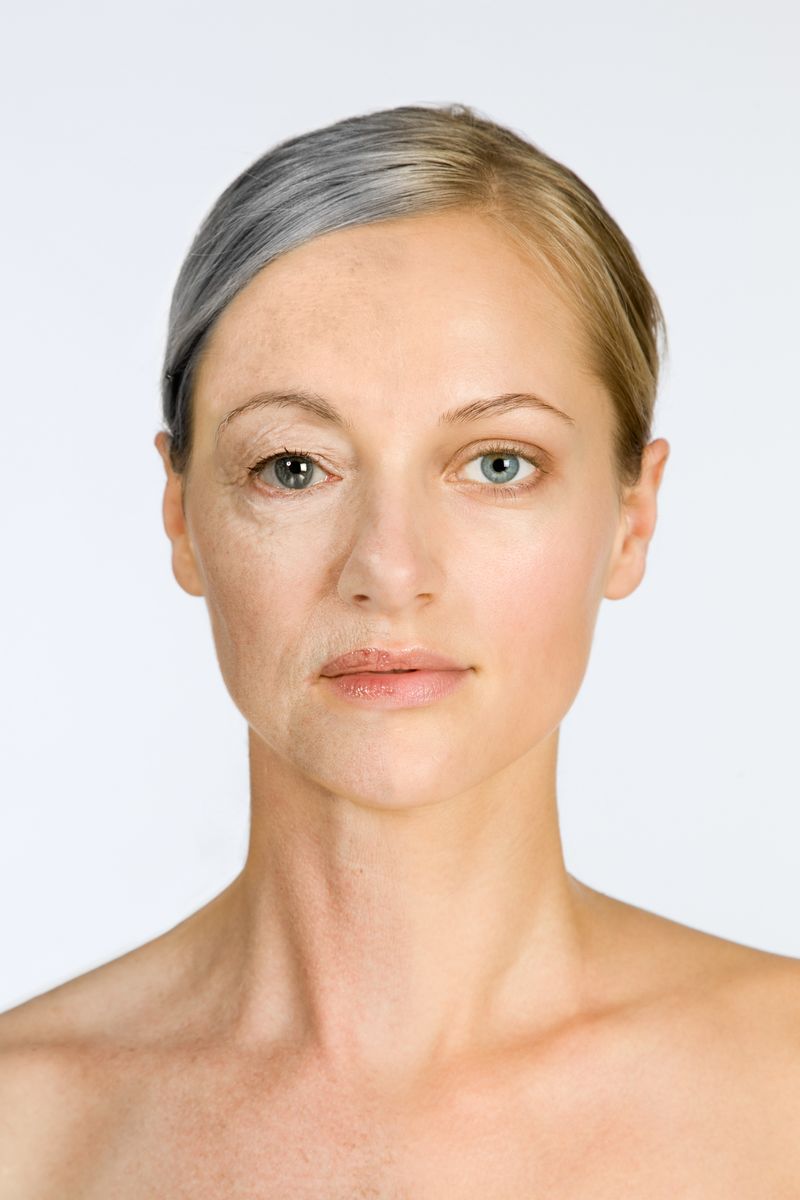
“Things that affect the shape of our face are the underlying skeleton, the bone, and then the muscle, and then the fat, and then the skin,” Dr. Shafer explains. When weight loss happens slowly, the skin has more time to adjust. But when the body changes quickly, the face may not keep up. “It’s kind of like you have a balloon, you let a little bit of the air out, and the balloon is wrinkling,” he says.
Why GLP-1 Weight Loss Can Make the Face Look Older
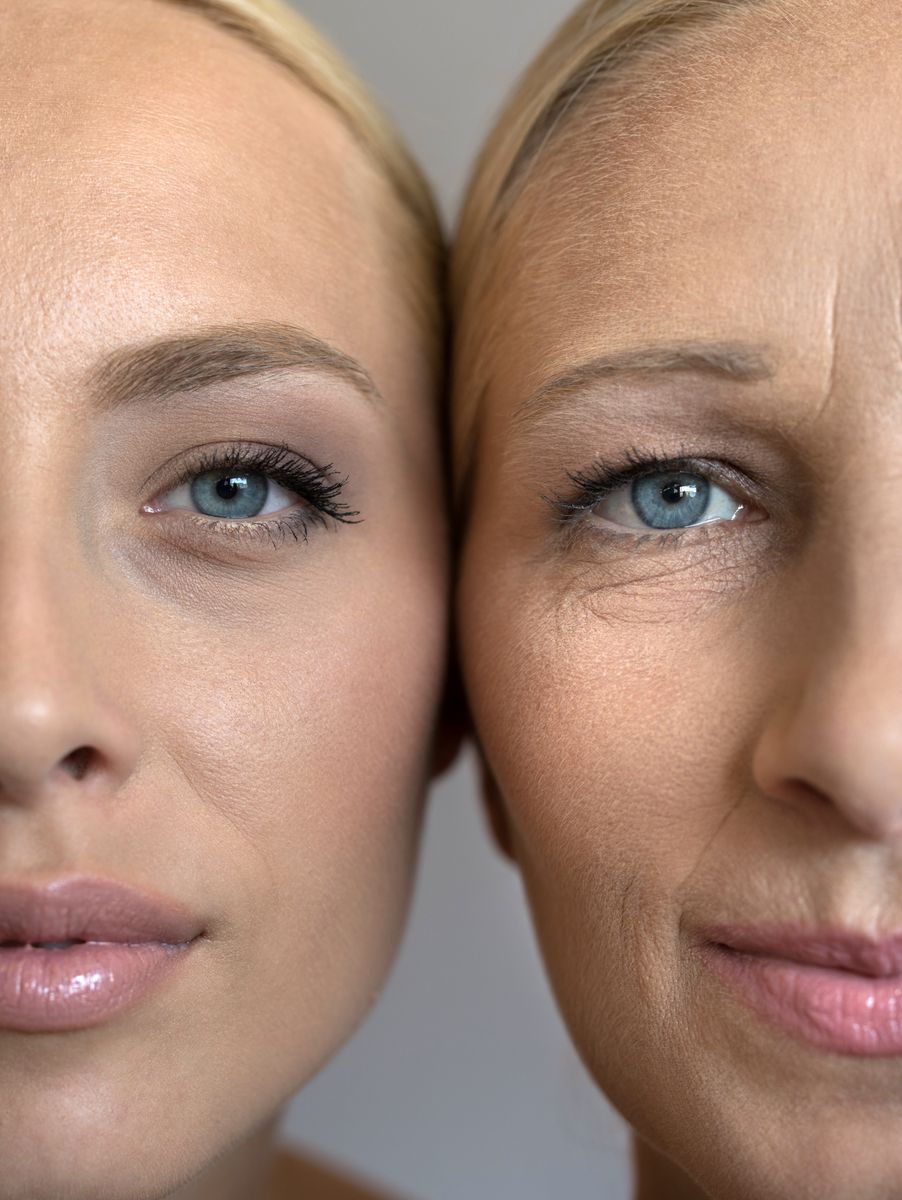
Dr. Shafer says GLP-1 face is closely tied to fat loss and timing. Facial fat pads help support the cheeks, under-eyes, jawline, and overall facial shape. With age, those fat pads naturally shrink. With rapid weight loss, a similar effect can happen faster.
“When you get older, we have all these natural fat pads in our face, and with age, they start to atrophy,” he says. “What’s happening with accelerated weight loss is that fat is shrinking too fast, and there’s not enough time, even though you have elasticity in your skin, for it to catch up.” That is why someone on a GLP-1 may feel like they suddenly look tired, hollow, or less lifted, even if they feel healthier overall.
 © Getty Images
Dr. Shafer says the cheeks and jawline are often the first places people notice GLP-1 face changes. “If it’s a young, healthy person, and then they have the rapid weight loss, the jowl area and the cheek areas are where they see it,” he explains to HOLA!
Can Protein, Water, and Collagen Prevent GLP-1 Face?
Healthy habits help, but they are not a perfect shield. “You can reduce it, but there’s no way to 100 percent prevent that,” Dr. Shafer says. He recommends looking at GLP-1 treatment as more than simply losing pounds. Patients should also focus on maintaining muscle, supporting metabolism, monitoring nutrition, and keeping activity levels steady.
“You don’t just want to lose the weight, but you want to maintain your muscle value, you want to support your metabolism,” he says.
 © Getty Images
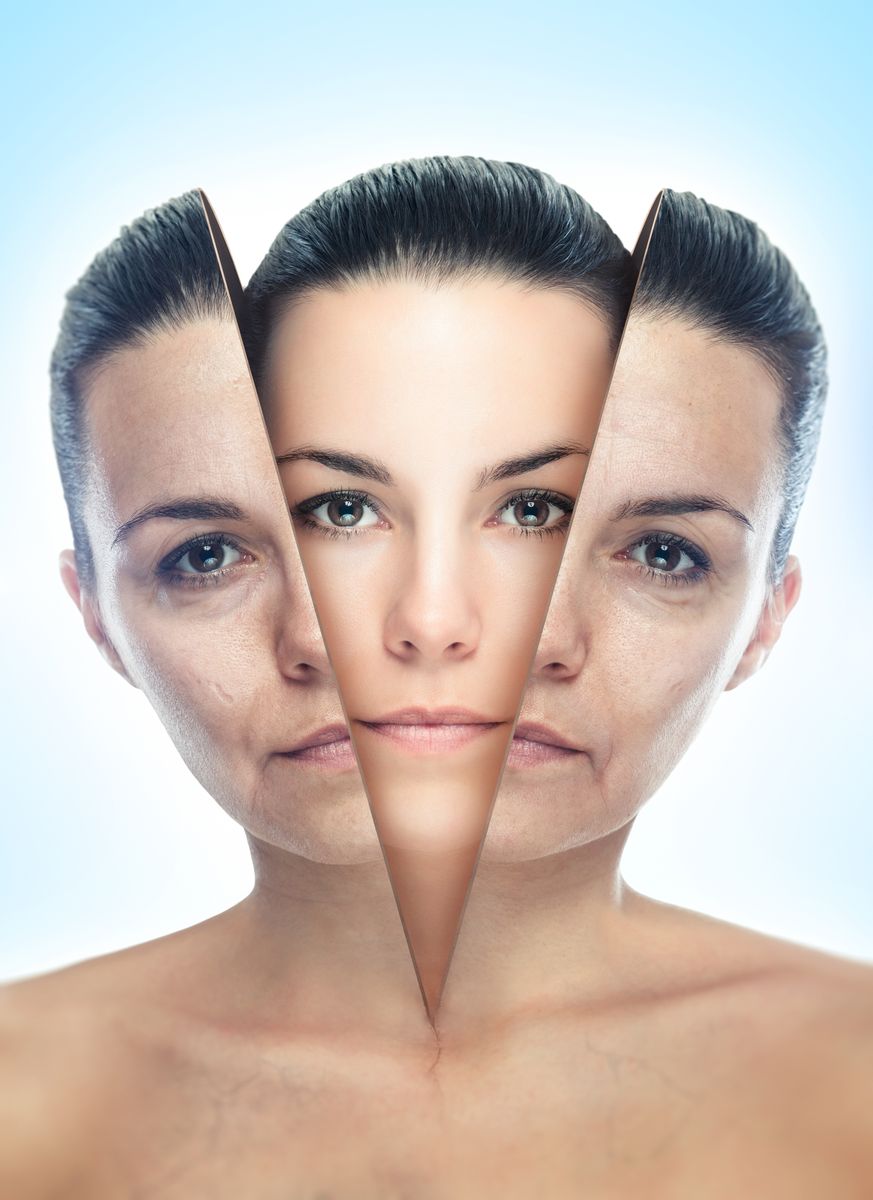
Collagen drinks and supplements may also play a supporting role, but they are not a magic shortcut. Dr. Shafer explains that when you drink collagen, it does not go straight to the skin. The body breaks it down first, then uses those building blocks. “It can help boost it,” he says, adding that nutrition, hydration, sun protection, and avoiding smoking all matter.
When Do GLP-1 Facial Changes Usually Start?
There is no single timeline, but Dr. Shafer says the amount of weight loss matters. “People’s weight normally fluctuates five, 10 pounds without big changes,” he says. “But once you go over that 15, 20-pound weight loss, now all of a sudden it’s more than the body can compensate for.”
That does not mean everyone who loses 15 to 20 pounds will see dramatic facial changes. Age, genetics, skin elasticity, facial structure, hydration, sun exposure, and speed of weight loss all play a role.
Fillers, Botox, Threads, or Facelift: What Actually Helps?
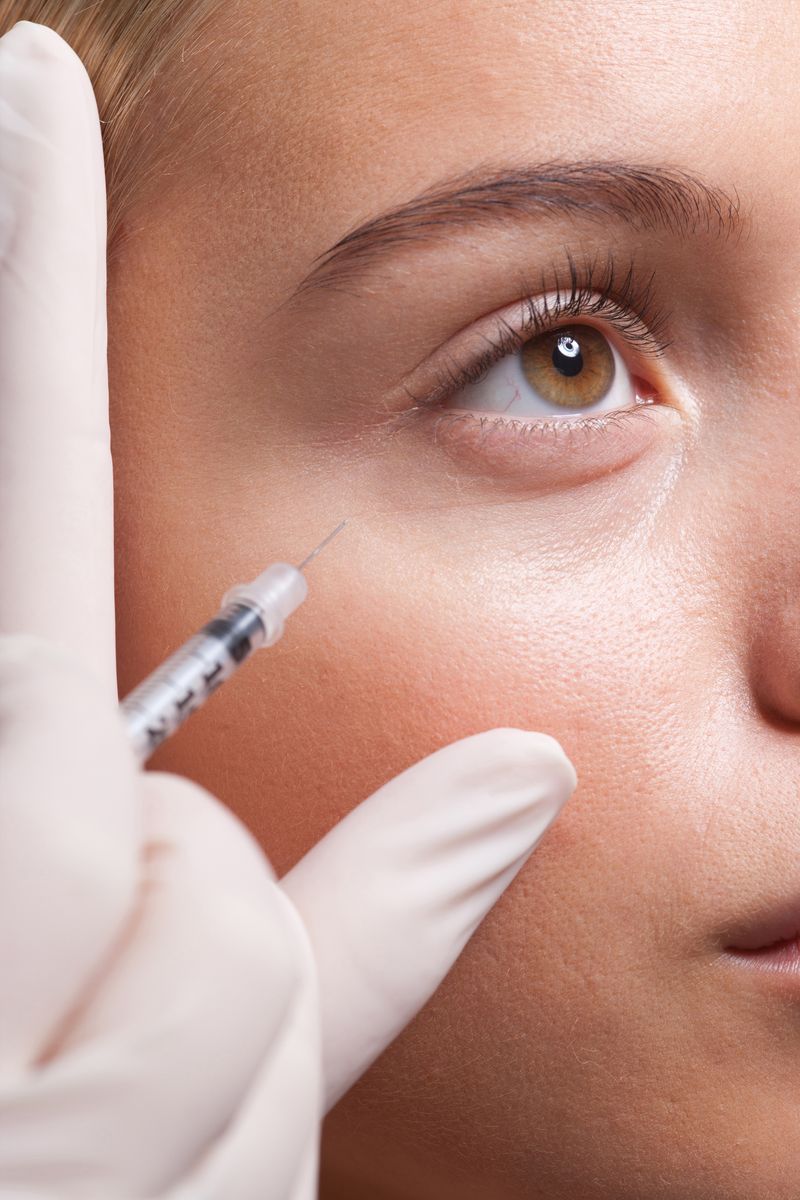
The biggest mistake, according to Dr. Shafer, is thinking every treatment creates the same result. “One thing that people get confused about, they think it’s a choice of a facelift or a thread or a facelift or filler, and they’re all going to lead to the same result. They don’t,” he says.
Fillers are best when volume loss is the issue. Surgery may be needed when skin laxity is more advanced. Threads, lasers, and skin treatments can help certain patients, but they are not interchangeable.
 © Getty Images
His simple rule is useful: “If you can point to the areas that you want improvement, filler is good. If you sit in the mirror and you have to push your skin, that means you’re getting close to where surgery is.”
The Fillers Dr. Shafer Uses for Facial Balancing
For GLP-1 face, the goal is usually not to look “filled.” It is to restore the natural structure. “If it looks like you had fillers, that’s not a good job,” Dr. Shafer says. “You want to have some shaping without making it look unnatural.”
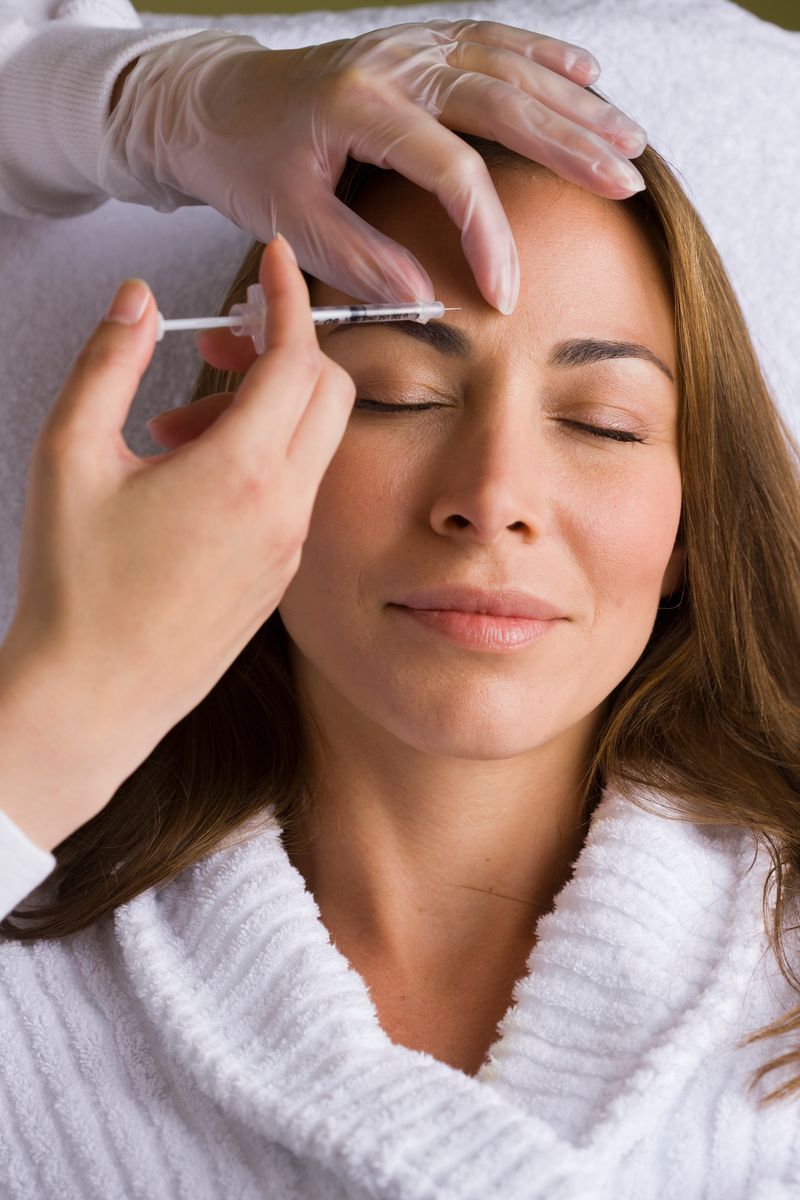
He says fillers have become much more advanced over the years. When he started, there were only a couple of options. Now, injectors can choose from a wider range depending on the area and the desired effect. “My favorite filler is Voluma, which is the one for the cheeks,” he says. “There’s a really great one called Volux, which is good for the jawline. And probably my third favorite would be Vollure, which is good for softening the lines.”
 © Getty Images
For GLP-1-related volume loss, cheek filler can help bring back light reflection and facial shape. Dr. Shafer describes the goal as restoring the “inverted triangle of youth,” in which the upper face and cheek area are supported rather than looking flat or square.
How Soon Do Facial Fillers Results Show?
With filler, results are visible right away, but they continue to improve. “With filler, you’re going to see a result right away, but it’s going to get better over a couple weeks,” Dr. Shafer says. “It integrates into your body.”
He also notes that many hyaluronic acid fillers can improve the look of hydration because HA is a natural moisture-binding substance.
Botox is different. It does not restore volume. It relaxes muscle movement that creates dynamic wrinkles. “Botox takes three to five days to start working,” he says. Results usually last around three to five months, while filler often lasts around eight months to a year, depending on the product, area, and patient.
What Not to Do After Fillers or Botox
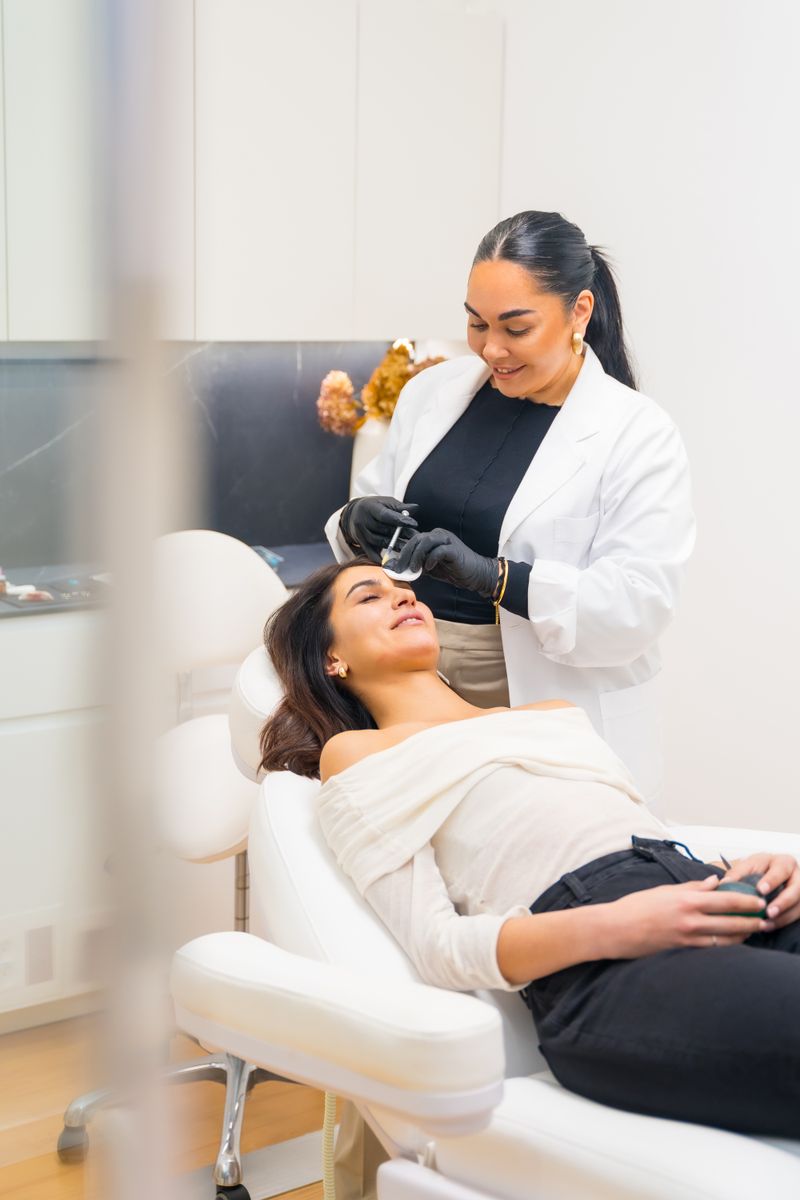
Dr. Shafer recommends avoiding new skincare products the day of treatment. The next day, most people can return to their normal routine. He also warns that filler can be moldable for the first couple of days. “You don’t want to get the filler on, and then that afternoon go for a massage where you lay on your face, or yoga and you’re upside down,” he says. “Just that first 24 hours.”
 © Getty Images
Sleeping position matters too. He recommends sleeping on your back for the first couple of nights after filler.
Why Choosing the Right Injector Matters
Dr. Shafer says patients should look for a certified, well-trained injector and make sure they are receiving a genuine product. “You want to make sure you’re using genuine product,” he says. “If it seems fishy, if it seems too good to be true, if the price is way off, there’s something not right.”
He also says a good provider should not pressure patients or oversell procedures.
“If you walk into a med spa and they’re just trying to upsell you and everything, that would be another red flag."
David Shafer, MD, FACS, is a double board-certified, award-winning plastic surgeon in NYC who specializes in all aspects of aesthetics & cosmetic surgery, and is the owner of Shafer Clinic Fifth Avenue.
The Bottom Line on GLP-1 Face
GLP-1 face is not about vanity. It is about how the face responds when the body changes quickly. For some people, nutrition, hydration, strength training, skincare, and slower weight loss may help soften the effect. For others, fillers, Botox, skin treatments, or surgery may be part of the plan.
The most important takeaway from Dr. Shafer: do not treat the face like a quick transaction. “It’s not like a drive-through,” he says. “You have to think about it as your journey, your process.”
Good things to know:
BOTOX Cosmetic’s current FDA-approved aesthetic areas include frown lines, crow’s feet, forehead lines, and platysma bands. JUVÉDERM’s official indications include Voluma for cheeks, chin, and temples, Volux for jawline definition, Vollure for facial wrinkles and folds, and Volbella for lips, perioral lines, and under-eye hollows.