
GLP-1 medications such as Wegovy, Ozempic, Zepbound, Mounjaro, and Saxenda have transformed obesity treatment. Many people experience significant weight loss, reduced appetite, and improved metabolic health. But not everyone sees the dramatic results often highlighted online.
If you're taking a GLP-1 medication and the scale hasn't moved, you're not alone. According to the Washington Post, research shows that some people respond more slowly than others, and several factors can affect how well these medications work. Recent studies also suggest that genetics may play a role in determining individual response.
 © Getty Images
9 surprising reasons you’re not losing weight
You're Not Yet on a Therapeutic Dose
One of the most common reasons a GLP-1 appears ineffective is that you're still in the dose-escalation phase. Most GLP-1 medications start at a low dose to reduce gastrointestinal side effects. Significant weight loss often occurs only after reaching higher maintenance doses.
According to Health Magazine, experts note that some patients see improved results as their dosage increases under medical supervision. Therefore, patience matters. Early treatment weeks are often focused on helping your body adjust rather than maximizing weight loss.
You've Hit a Weight-Loss Plateau
Weight-loss plateaus are normal, even with highly effective medications.
As you lose weight, your body requires fewer calories to function. Your metabolism adapts, making continued weight loss slower than it was during the initial months. Obesity specialists report that plateaus occur frequently and do not necessarily mean the medication has stopped working, as reported by the New York Post.
 © UCG/Universal Images Group via G
In many cases, maintaining your weight during a plateau is still a positive health outcome.
You're Eating Less but Not Eating Enough Protein
GLP-1 medications reduce appetite, which can make it difficult to consume adequate protein.
 © Getty Images/Connect Images
Without sufficient protein, the body may lose muscle mass alongside fat. Muscle plays a critical role in maintaining metabolism. Reduced muscle mass can contribute to slower weight loss and lower energy levels. Experts recommend prioritizing protein intake and resistance training while using GLP-1 medications.
You're Losing Inches, Not Pounds
The scale doesn't tell the whole story. Some people experience improvements in body composition before seeing dramatic weight changes. Increased physical activity can help preserve muscle while reducing body fat, which may result in smaller clothing sizes even when scale weight changes slowly.
 © Getty Images
Tracking waist circumference, body measurements, and how clothes fit can provide a more complete picture of progress.
Underlying Health Conditions Are Slowing Results
Certain medical conditions can make weight loss more challenging. Type 2 diabetes, hormonal disorders, insulin resistance, PCOS, thyroid issues, and other metabolic conditions may influence how quickly someone responds to treatment. Experts also note that people with different starting BMIs can experience varying rates of weight loss.
"Each person responds differently to medications, and the degree of weight loss achieved with treatment can vary based on personal factors," Priya Jaisinghani, MD, a clinical assistant professor at the NYU Grossman School of Medicine, told Health.
If progress has stalled, discussing additional testing with your healthcare provider may be worthwhile.
Sleep and Stress Are Working Against You
Many people focus exclusively on food intake while overlooking two major weight-loss factors: sleep and stress.
Poor sleep can affect hunger hormones and increase cravings. Chronic stress may elevate cortisol levels, making weight management more difficult.
 © Getty Images
Healthcare experts increasingly recognize sleep quality and stress management as important components of successful GLP-1 treatment.
You're Missing Doses or Not Taking the Medication Consistently
Consistency matters. Irregular use can reduce the medication's effectiveness and make it harder to maintain appetite control. Missing injections or stopping treatment because of side effects may interrupt progress and contribute to disappointing results.
If side effects are making adherence difficult, speak with your healthcare provider rather than discontinuing treatment on your own.
Your Genetics May Influence Your Response
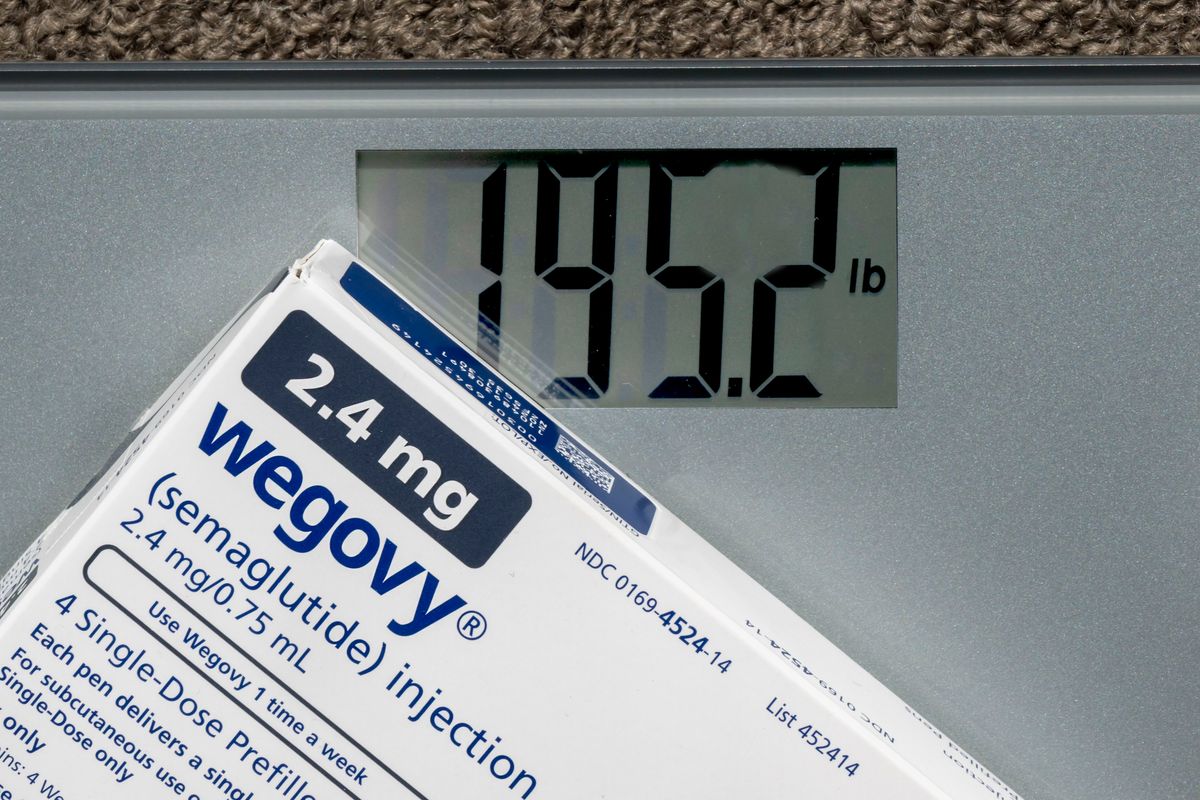
As informed by The Washington Post, emerging research suggests genetics may explain why some people lose substantial amounts of weight while others experience more modest results.
A recent study identified gene variants that appear to affect both weight-loss outcomes and side-effect risk in people taking GLP-1 medications.
 © UCG/Universal Images Group via G
While genetic testing is not yet standard practice, researchers believe personalized obesity treatment may become more common in the future.
You May Need a Different Medication
Not all GLP-1 medications work the same way. Some people respond better to semaglutide-based drugs, while others may achieve greater success with tirzepatide-based treatments. New medications currently under development are also showing promise for individuals who have not responded well to existing therapies.
Your healthcare provider may determine that switching medications is appropriate if your current treatment isn't producing meaningful results.
When to Talk to Your Doctor
If you've been taking your medication consistently, have reached a therapeutic dose, and still aren't seeing results after several months, it's time to schedule a conversation with your healthcare provider.
 © UCG/Universal Images Group via G
They can evaluate dosing, lifestyle factors, medical conditions, medication adherence, and whether another treatment approach may be more effective.