
Rep. Alexandria Ocasio-Cortez has revealed that she is freezing her eggs, putting a very public face on a fertility decision more women are considering as they weigh careers, relationships, finances, and future family plans.
The 36-year-old New York congresswoman shared parts of the process publicly, including giving herself fertility injections, and said she had thought about egg freezing for some time before moving forward.
 © AOC
© AOCHer decision raises a question many hopeful mothers eventually face: What does egg freezing really involve, and how much control can it actually give women over their reproductive future?
Fertility specialists say egg freezing can be an important family-building tool, but it is not a guarantee of pregnancy later. Timing, age, ovarian reserve, the number of eggs frozen, sperm quality, and the experience of the fertility laboratory can all influence the outcome.
Here is what women should know before booking a consultation.
What Is the Best Age to Freeze Your Eggs?
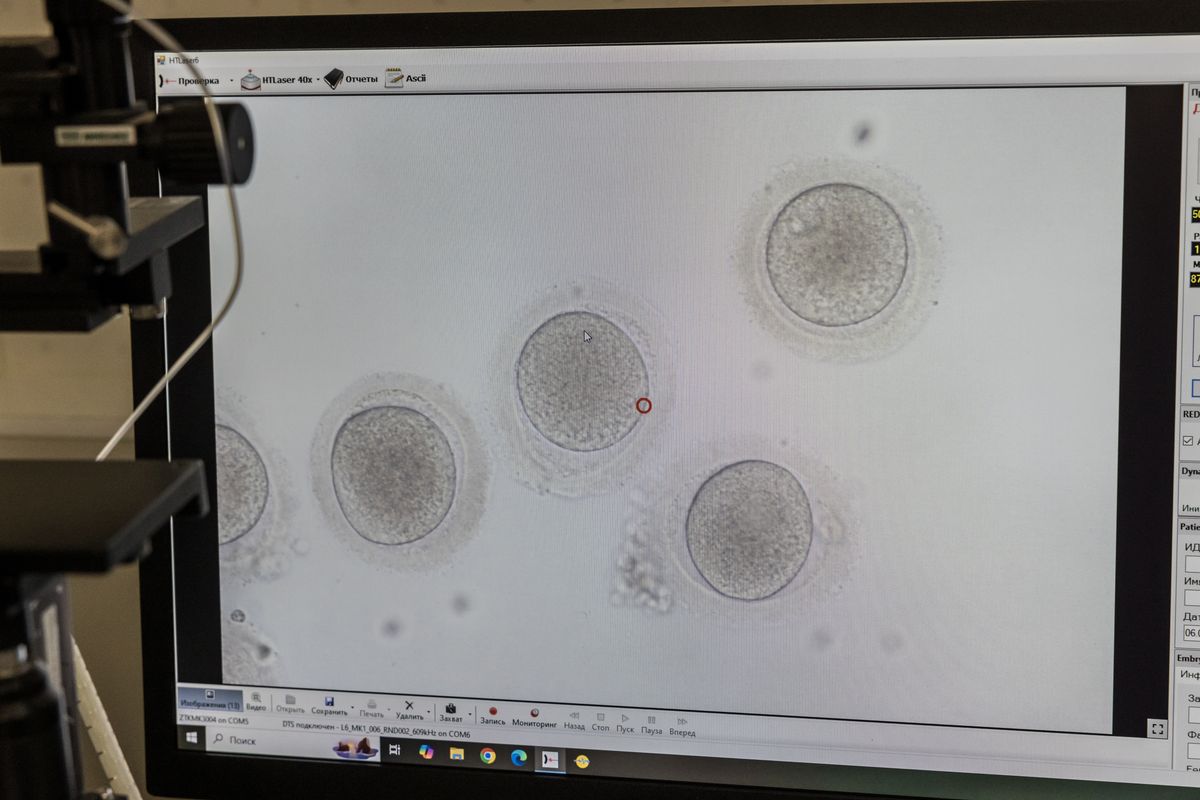
Age is one of the most important factors in egg-freezing success. Dr. Carlos Hernandez-Nieto, a reproductive endocrinology and infertility specialist and associate director of clinical research at RMA of New York, says age plays such a large role because it affects the genetic competence of the egg.
 © The Washington Post via Getty Im
“Age is the most important factor to consider when talking about egg freezing success,” Hernandez-Nieto says.
As eggs age, genetic, structural, and cellular changes can affect how successfully an egg fertilizes and develops into a chromosomally normal embryo capable of resulting in a healthy baby.
Still, Hernandez-Nieto cautions against treating any single birthday as an absolute cutoff. “The evidence clearly shows that earlier is better, but every person's fertility journey is unique,” he says. “The best oocyte quality and quantity is typically obtained before age 35, but this is relative.”
 © Getty Images
He describes the 20s and early 30s as the biological sweet spot for many patients, while acknowledging that reproductive decisions rarely happen based on biology alone.
Patients may also be weighing careers, relationships, finances, health and whether they are emotionally ready to undergo treatment.
Dr. Rinku Mehta, medical director at CCRM Fertility of Dallas-Fort Worth, similarly says egg quantity and quality decline with advancing age and that the decline becomes significantly more rapid after age 37. “Ideally, egg freezing should be undertaken prior to age 37,” Mehta says.
 © The Washington Post via Getty Im
Amanda Segal, a National Board member of the Jewish Fertility Foundation who spent nearly 30 years at Shady Grove Fertility, says these conversations should begin before women feel pressured by a rapidly shrinking timeline. “The younger you are when you freeze your eggs, the more eggs you'll likely retrieve, and the better the quality tends to be,” Segal says.
She believes the early 30s can be an excellent time to start learning about fertility preservation.
Elana Frank, CEO and founder of the Jewish Fertility Foundation, says she repeatedly hears from women who wish they had learned about age-related fertility decline earlier. “We do a good job teaching young women how not to get pregnant, but very little to teach them how fertility changes with age,” Frank says.
What Happens During an Egg-Freezing Cycle?
The process typically begins with a consultation with a reproductive endocrinologist.
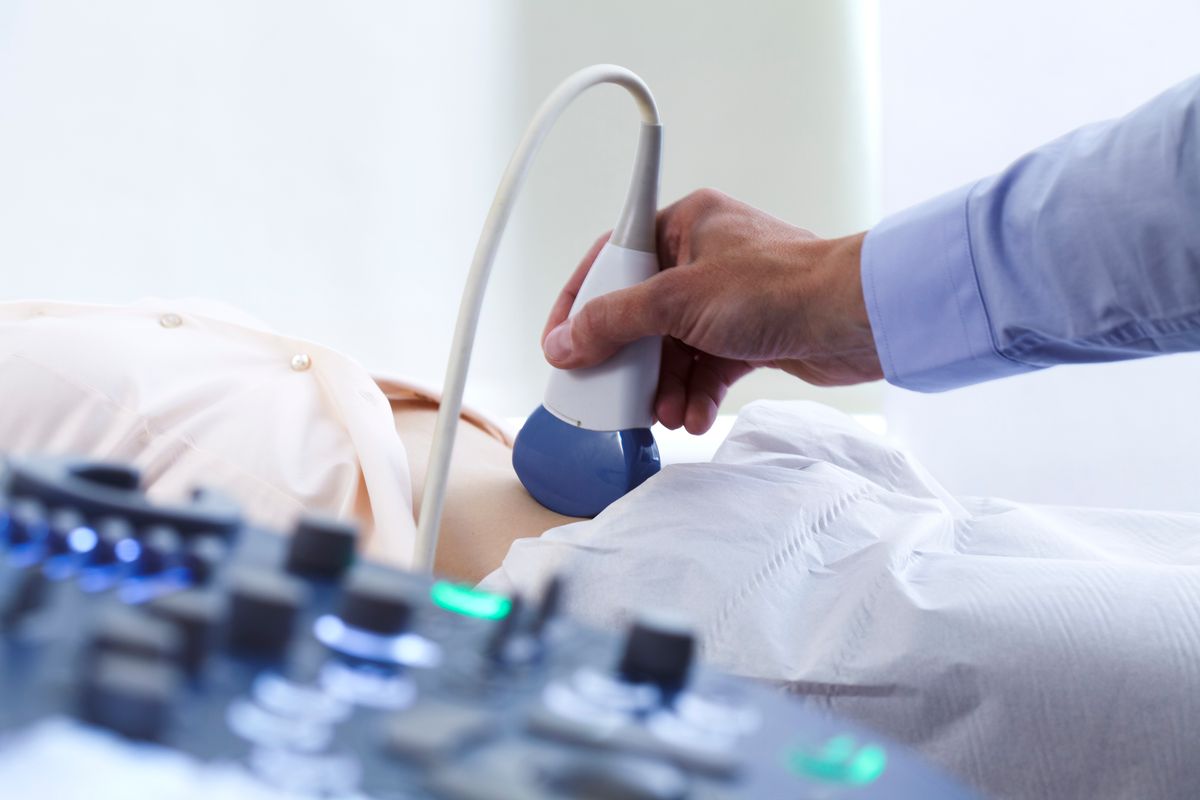
Hernandez-Nieto says the physician reviews the patient's medical history, family history, social factors and long-term family-building goals before ordering ovarian reserve testing.
 © Getty Images/Science Photo Libra
That evaluation commonly includes blood tests and a pelvic ultrasound. The ultrasound allows the fertility specialist to count antral follicles, the small fluid-filled structures in the ovaries that contain immature eggs.
Patients may also have an anti-Müllerian hormone, or AMH, blood test. Once treatment begins, most patients inject fertility medications daily to stimulate multiple follicles rather than allowing the body to develop the single dominant follicle it typically produces during a menstrual cycle.
 © Getty Images/Maskot
Hernandez-Nieto says stimulation generally lasts eight to 12 days.
Patients return for bloodwork and ultrasounds so doctors can monitor how their ovaries are responding and adjust medication doses when needed. When the follicles are ready, the patient takes a final trigger medication.
 © Getty Images
The eggs are then collected during a procedure known as vaginal oocyte aspiration, or egg retrieval, performed under sedation. “A typical cycle takes about 10 to 14 days for most patients,” Hernandez-Nieto says.
Segal similarly estimates that the active treatment period is usually about two weeks, although the full process beginning with the initial consultation can take longer.
How Many Eggs Should You Freeze to Have a Baby?
This is where egg freezing becomes far more complicated than simply counting how many eggs were retrieved. There is no universal number of eggs that guarantees a future baby. “Unfortunately, there's no ‘magic number’ that fits everyone,” Hernandez-Nieto says.
Age at freezing has a major influence on how many eggs may be needed because a lower proportion of eggs are expected to be chromosomally normal as age increases.
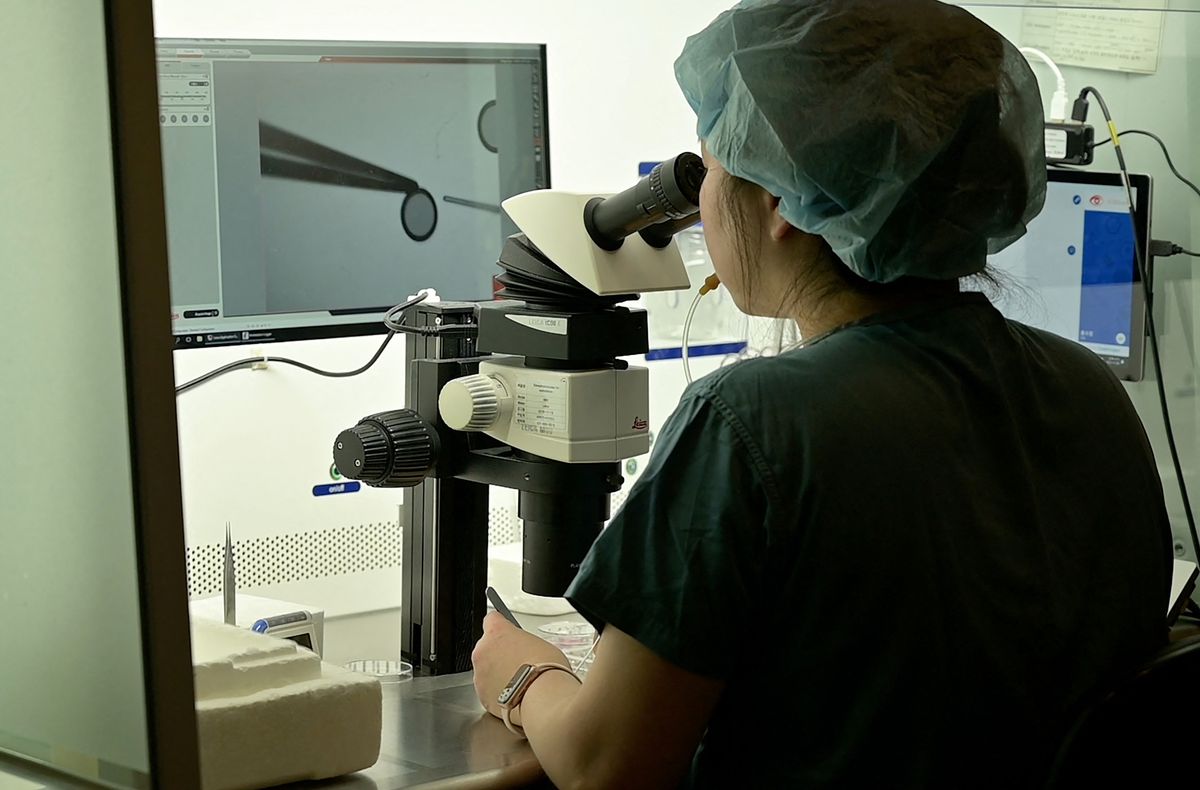
Hernandez-Nieto says that, as a rough guide based on scientific studies, fertility specialists may discuss banking approximately 15 to 20 mature eggs for patients younger than 35, which he says can correspond to roughly a 70% to 80% chance of at least one live birth.
 © AFPTV/AFP via Getty Images
For women ages 35 to 37, he says the target may increase to approximately 20 to 25 mature eggs. For women older than 38, it may rise to 25 to 30 or more.
Those numbers should not be interpreted as promises. The number of eggs required depends on individual biology, age, ovarian reserve, laboratory performance, sperm quality and desired family size.
Segal also stresses the steep attrition between a retrieved egg and a future baby. “Someone may hear that 15 eggs were retrieved and think, ‘Great, I have 15 chances to have a baby.’ That isn't how the biology works,” she says.
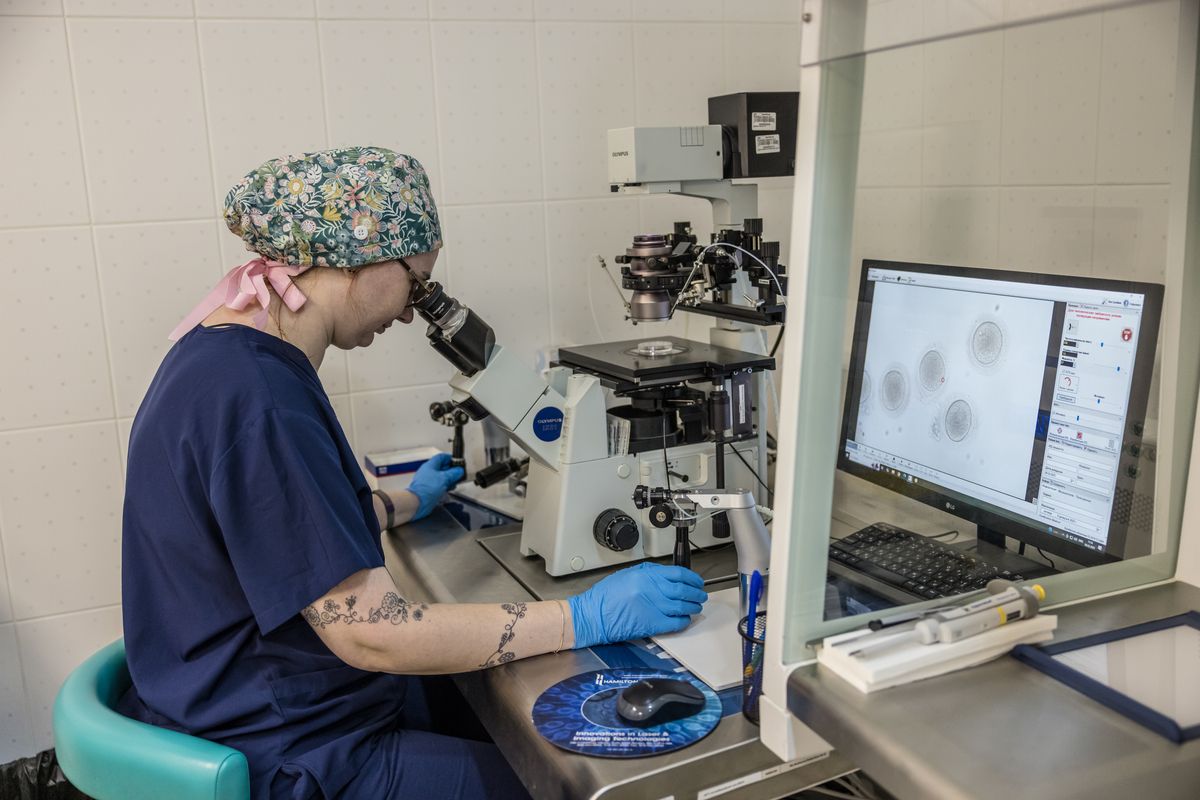
Not every retrieved egg is mature. Not every frozen egg survives thawing. Not every thawed egg fertilizes. Not every fertilized egg becomes a viable embryo, and not every embryo becomes a live birth.
Hernandez-Nieto adds that some women may need more than one egg-retrieval cycle to reach a target number of mature eggs.
Why AMH Does Not Tell You Your Egg Quality
AMH has become one of the most discussed fertility tests, but experts say it is also one of the most misunderstood. Hernandez-Nieto explains that AMH is produced by small follicles in the ovaries, so higher levels often correspond with a greater number of remaining follicles.
 © Getty Images/Science Photo Libra
That makes AMH useful for estimating how the ovaries may respond to stimulation.
It does not tell a woman whether her eggs are genetically normal. “Quantity and quality are controlled by two entirely different biological processes,” Hernandez-Nieto says.
Egg quantity refers to the remaining ovarian reserve. Egg quality is influenced heavily by age and the biological machinery inside the egg that allows chromosomes to divide properly. “We use AMH mainly as a planning tool, not a predictive one,” Hernandez-Nieto says.
Segal agrees. “AMH is useful, but women sometimes give that one number far too much power,” she says.
A woman with a high AMH can still experience age-related decline in egg quality, while someone with a lower AMH may still be able to retrieve viable eggs.
 © Getty Images
Mehta adds that clinicians can assess egg quantity with tests such as AMH and antral follicle count, but there is currently no clinical test that directly measures the genetic quality of an individual egg before fertilization.
What Are the Side Effects of Egg Freezing?
Most women tolerate ovarian stimulation relatively well, but the process can produce noticeable symptoms. Common side effects include bloating, breast tenderness, headaches, mood changes, fatigue and bruising around injection sites.
Because the ovaries enlarge during stimulation, some patients also experience pelvic pressure or discomfort. One of the more serious potential complications is ovarian hyperstimulation syndrome, or OHSS.
 © Getty Images
Hernandez-Nieto explains that severe OHSS occurs when the ovaries overreact to medications, potentially causing swelling and fluid to leak into the abdominal cavity.
In serious cases, OHSS can increase the risk of blood clots and other systemic complications. However, he says modern stimulation protocols and newer trigger medications have dramatically reduced the likelihood of severe cases, sometimes to below 1%.
Patients are monitored closely with ultrasound and blood tests throughout stimulation partly to identify people at higher risk.
 © Getty Images
Egg retrieval also carries procedural risks, including bleeding, infection and injury to nearby structures such as the bowel or bladder.
Those complications are uncommon, but patients should discuss their individual risk factors with their fertility specialist.
How Much Does Egg Freezing Cost?
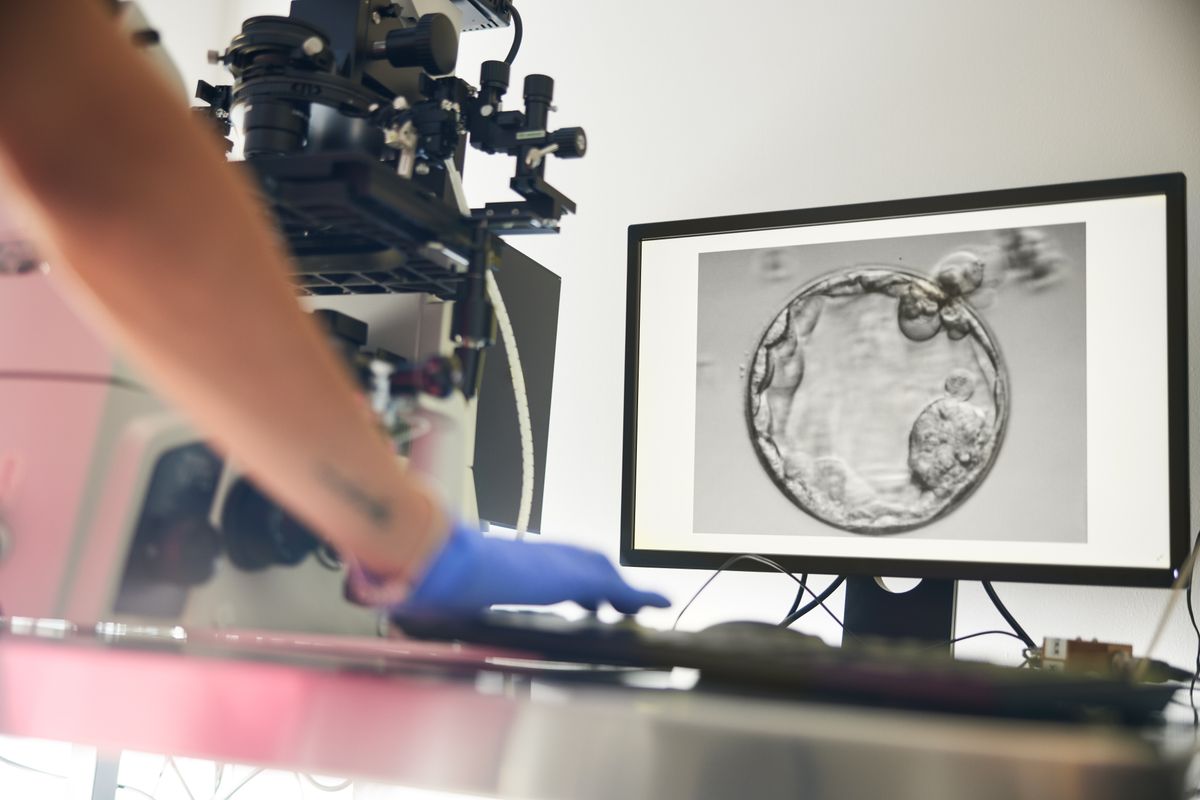
Egg freezing can become a significant financial commitment, particularly if more than one retrieval is needed. Hernandez-Nieto estimates that a complete U.S. egg-freezing cycle, including medications, monitoring, anesthesia and retrieval, may cost approximately $12,000 to $20,000.
The procedure itself may range from about $8,000 to $15,000, while fertility medications can add approximately $3,000 to $6,000.
 © Getty Images
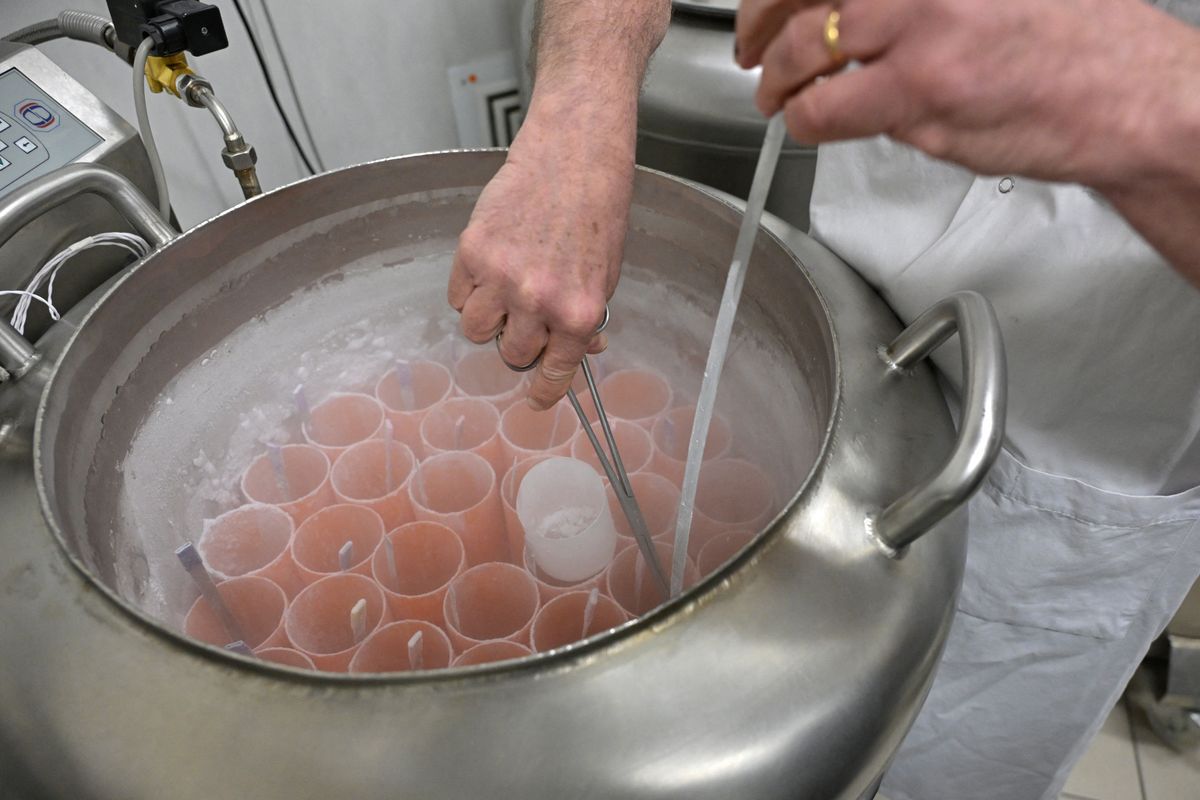
Storage creates an ongoing expense. Hernandez-Nieto says annual storage fees can range from approximately $1,000 to $3,000 depending on the facility.
Then there is the cost of actually using the eggs. Once a woman is ready to attempt pregnancy, her eggs must be thawed and fertilized, usually through IVF with intracytoplasmic sperm injection, or ICSI.
Additional expenses may include embryo culture, genetic testing and embryo transfer. Hernandez-Nieto estimates that these later stages can cost another $5,000 to $15,000.
 © AFP via Getty Images
Frank says this is one of the biggest financial realities patients should understand at the start. “The advertised price of ‘egg freezing’ usually isn't the total cost of actually trying to have a baby with those eggs,” she says.
Insurance coverage and employer fertility benefits vary widely, so patients should request a detailed estimate covering treatment, medications, anesthesia, freezing, storage and future use.
Does Egg Freezing Guarantee Pregnancy Later?
No.
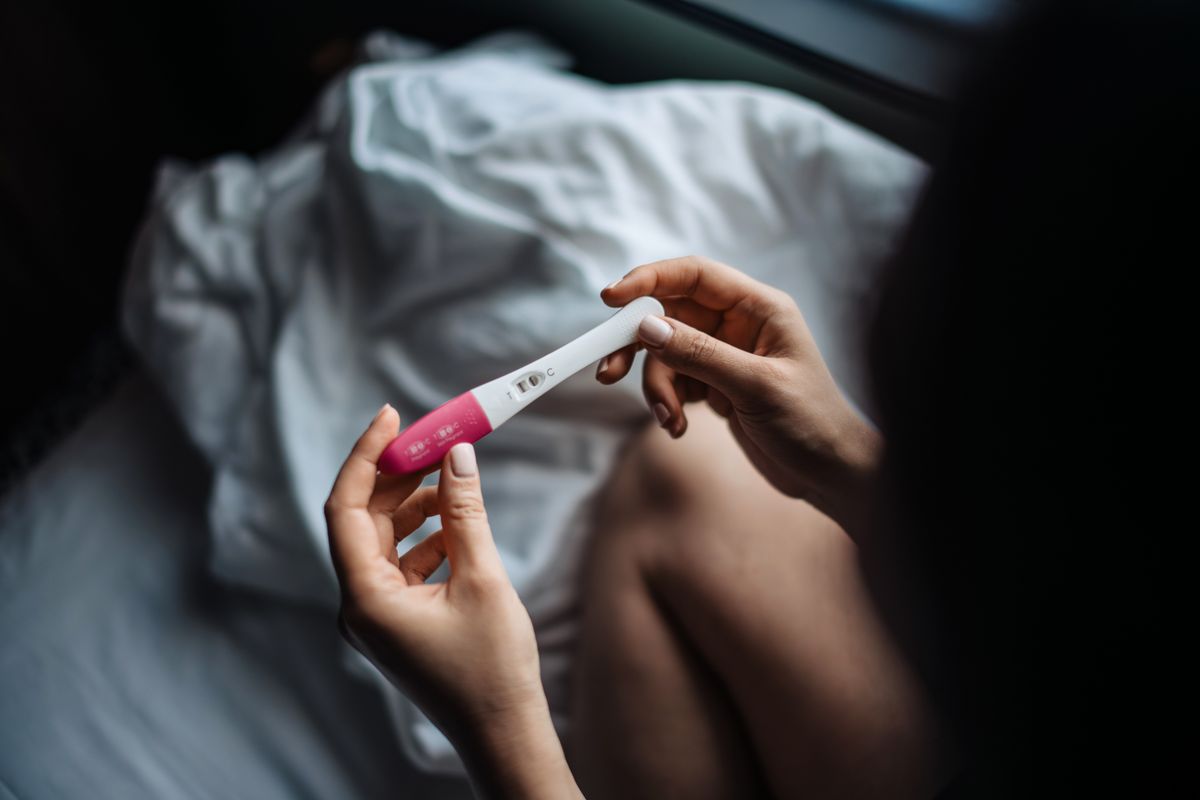
This may be the single most important fact women should understand before treatment. “The biggest one, by far, is that freezing eggs is basically a guarantee. It's not,” Hernandez-Nieto says.
He describes the procedure as a way to improve future reproductive odds compared with doing nothing and simply relying on older eggs later. It is not a fertility insurance policy.
 © Getty Images
Frank makes the same distinction. “Egg freezing is an opportunity. It is not an insurance policy,” she says. “It can be an incredibly empowering tool, but it cannot guarantee a baby.”
Hernandez-Nieto says outcomes may be less favorable when a relatively small number of eggs are frozen or when eggs were retrieved at an older age. Sperm factors, uterine health, embryo development and unexpected medical issues can also affect the eventual chance of a healthy live birth.
Does Egg Freezing Stop Your Biological Clock?
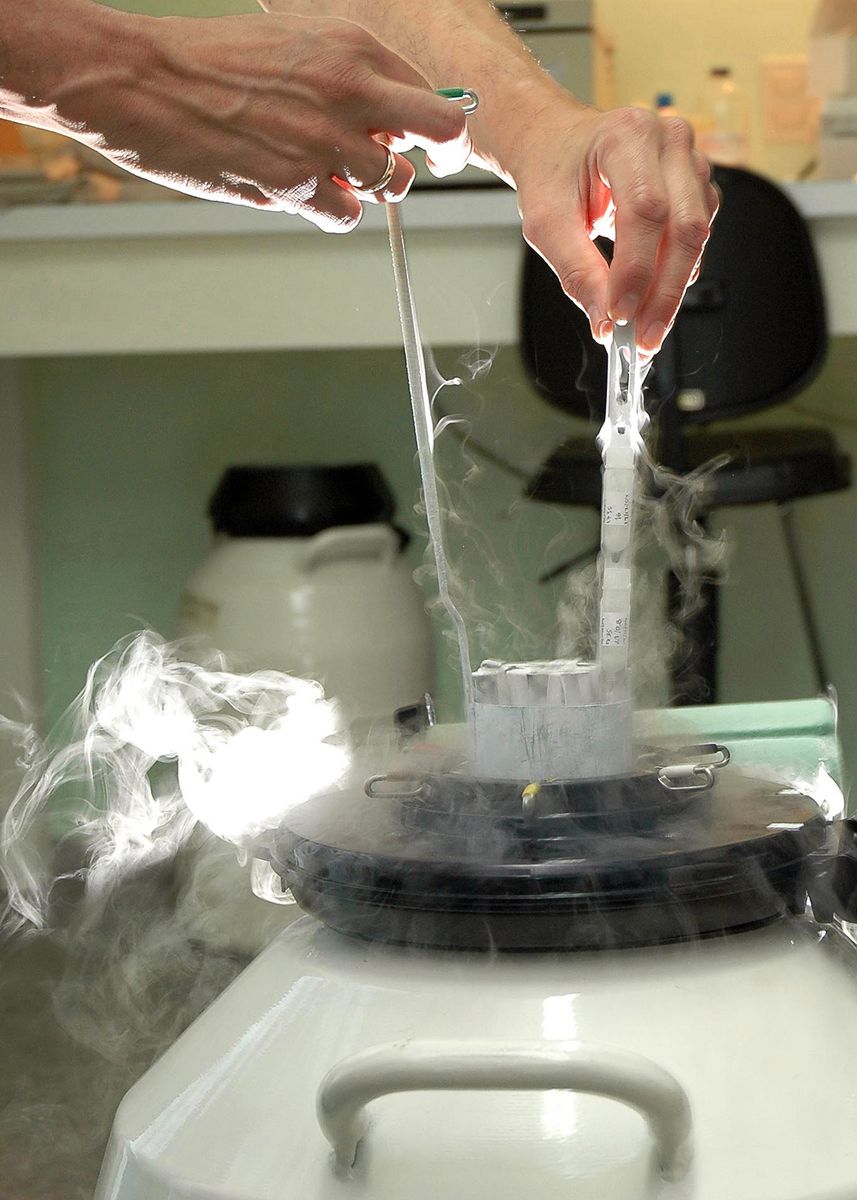
It stops the clock on the eggs that are frozen, but not on the rest of the body. That distinction is important. “The procedure preserves the eggs at whatever quality they were at the time of freezing, but a patient's body continues to age normally,” Hernandez-Nieto says.
A woman who freezes eggs at 30 and uses them at 40 will be using eggs that retain the biological characteristics associated with the age at which they were frozen.
But pregnancy itself occurs in her body at her current age. That means overall health and age-related pregnancy considerations still matter.
Egg Freezing Is Not Only for Women Delaying Motherhood
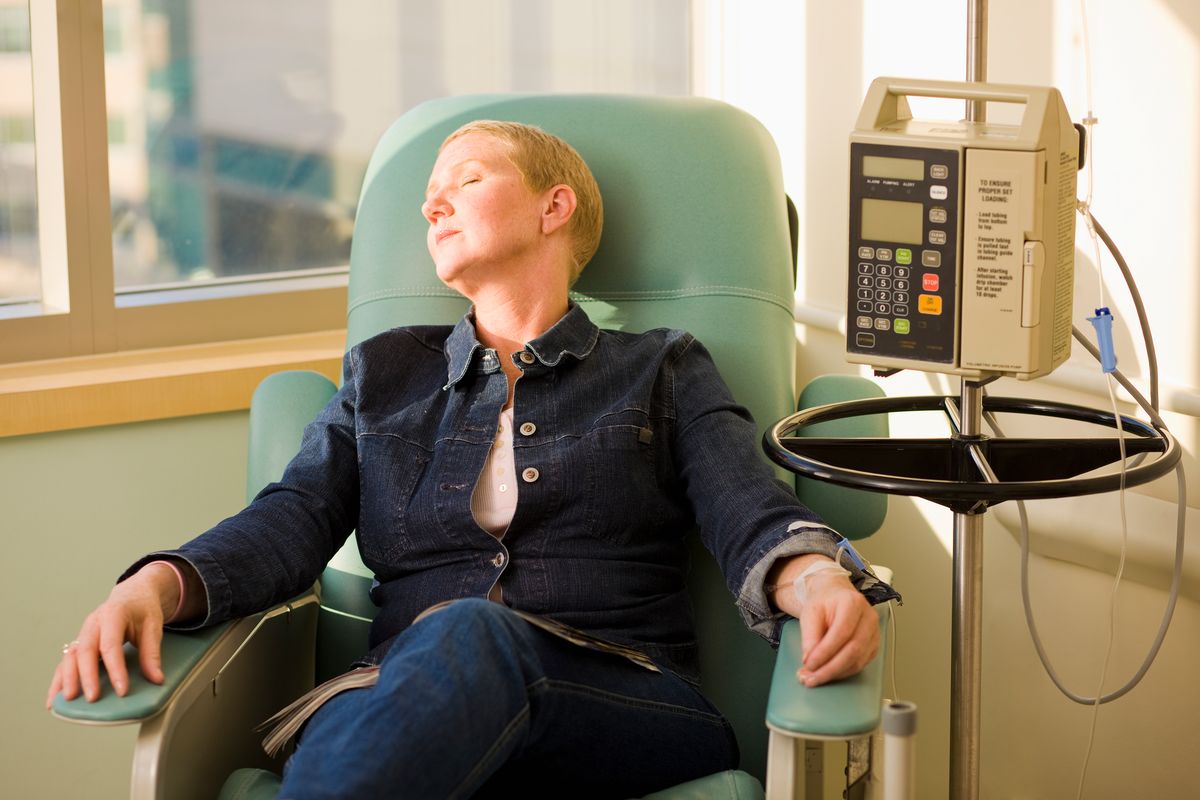
Elective egg freezing often gets framed as a choice for women postponing pregnancy because of careers or relationships. Hernandez-Nieto points out that fertility preservation is also critically important for patients undergoing medical treatments that can damage ovarian function.
Cancer treatments, including some chemotherapy and radiation regimens, can threaten future fertility.
 © Getty Images
For certain patients, freezing eggs before treatment can preserve the possibility of having a biological child later.
What Should You Ask at an Egg-Freezing Consultation?
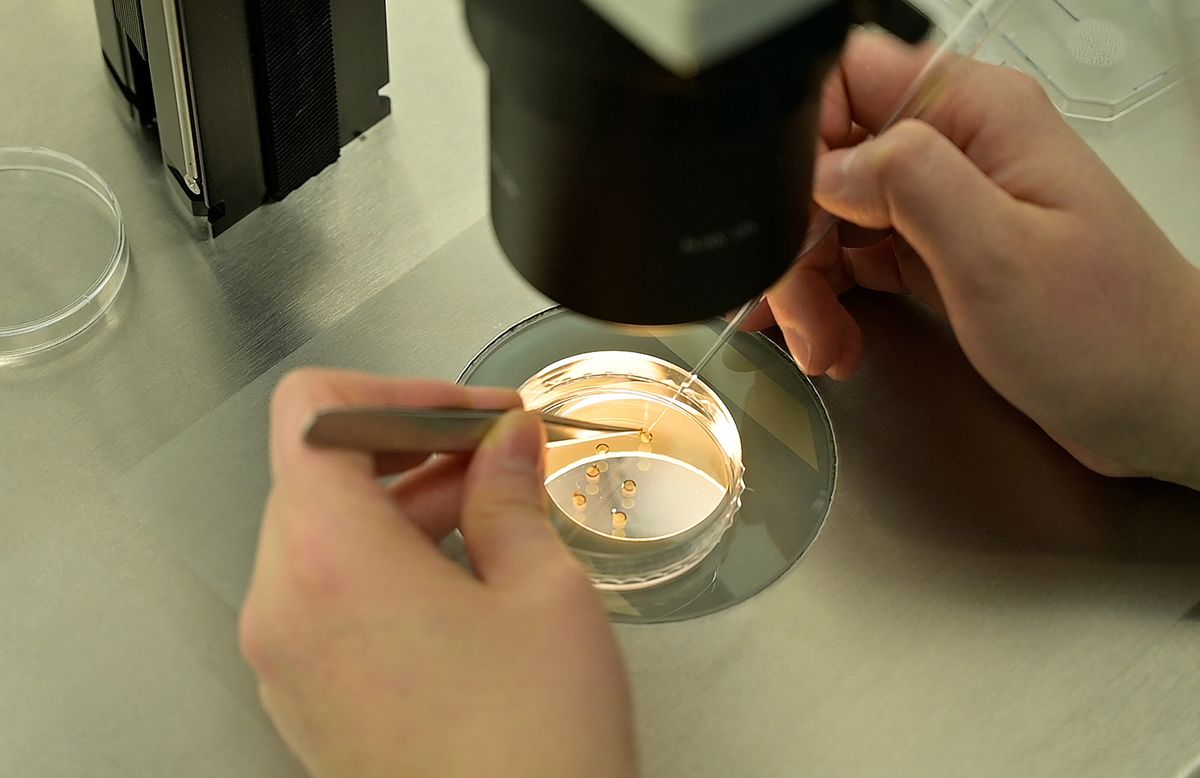
The first consultation should be about gathering information, not committing to a procedure. “I wish women knew that going for a consultation does not commit you to freezing your eggs,” Segal says. “Information is power.”
 © AFPTV/AFP via Getty Images
Patients should ask how many mature eggs the clinic expects to retrieve based on their age and ovarian reserve, whether more than one cycle may be necessary and what the clinic's success rates look like when thawing frozen eggs.
Hernandez-Nieto says women should also understand the financial reality before treatment begins, including how much several cycles might cost if one retrieval does not produce the desired number of mature eggs. He also wants patients to walk into the consultation without treating their fertility results like a personal grade.
A lower AMH is a clinical data point, not a failure. Timing family building around careers, relationships and personal circumstances is also not evidence that someone has made a mistake. “Egg freezing isn't happening because they did something wrong or waited too long,” Hernandez-Nieto says. “It's a medical option shaped by biology, cost, and circumstance, not a scorecard on their life choices, career, or relationship timeline.”
 © Getty Images
That distinction can affect medical decision-making, too. Hernandez-Nieto says patients who arrive frightened or blaming themselves may be more likely to panic over a test result or make rushed treatment decisions.
A well-informed consultation should instead help a patient answer more practical questions: How many cycles are realistic? How much could this cost? What are my chances based on my age? And does freezing eggs make sense for me right now?
For women considering motherhood someday, that may be the most useful takeaway from AOC's decision to talk publicly about freezing her eggs.
Egg freezing cannot control every part of future fertility.
But understanding the procedure early can give women something almost as valuable: more information, more time and more choices.