As medications like Ozempic, Wegovy, Mounjaro and Zepbound have become a bigger part of the weight-loss and diabetes conversation, another term has started showing up alongside them: “Ozempic teeth.”
The phrase is being used to describe everything from dry mouth and cavities to enamel erosion, sensitivity and changes in the appearance of a person's smile. But dentists interviewed for this story agree on one critical point: “Ozempic teeth” is not an official diagnosis, and there is currently no strong evidence that GLP-1 medications directly damage healthy teeth.
 © Getty Images
Instead, experts say some known or reported effects surrounding GLP-1 treatment, including reduced fluid intake, dry mouth, nausea, vomiting and acid reflux, may create an oral environment where dental problems are more likely to develop.
“Ozempic teeth is not currently a recognized medical or dental term,” says Dr. Sandip Sachar, a New York City dentist with more than 20 years of clinical experience. “The term is used by people on social media to describe the deterioration of one’s oral health while taking GLP-1 medications.”
Dr. W. Craig Noblett, president of the American Association of Endodontists, makes the same distinction. “‘Ozempic teeth’ is a catchy term that has emerged to describe dental problems some patients have reported while taking GLP-1 medications, but it is not a recognized medical or dental diagnosis,” Noblett says.
 © UCG/Universal Images Group via G
So, what is actually happening inside the mouth?
Can Ozempic, Wegovy, Mounjaro and Zepbound Damage Your Teeth?
Current research suggests the connection between GLP-1 medications and dental problems is more complicated than the phrase “Ozempic teeth” implies.
A 2026 review in the Canadian Journal of Diabetes examined oral-health considerations associated with semaglutide and described possible secondary oral effects, including xerostomia, or dry mouth, bad breath, altered taste and enamel erosion related to vomiting. The review points toward systemic side effects manifesting in the mouth rather than semaglutide directly attacking tooth structure.
 © Getty Images
Sachar says her clinical experience raises similar questions. “Yes. In my practice we are seeing a correlation between patients on Ozempic and other GLP-1 agonists, who are experiencing more dental problems,” she says.
But correlation is not causation. “There is currently no convincing scientific evidence linking these medications directly to damaged tooth structure,” Sachar says. “However, in clinical settings, GLP-1 drugs like Ozempic are increasingly being associated anecdotally with damaged teeth.”
Dr. Michael J. Wei, DDS, a New York City dentist specializing in general, cosmetic and restorative dentistry, agrees. “There is not currently strong evidence that GLP-1 medications directly damage teeth,” Wei says. “I’m more concerned about side effects like dry mouth, dehydration, vomiting and acid reflux, which can affect the teeth and gums.”
 © Getty Images
Noblett also describes the evidence as stronger for an indirect relationship. “We don’t have good evidence showing that GLP-1 medications themselves chemically damage tooth structure,” he says. “The concern is that side effects such as dry mouth, vomiting and reflux can change the oral environment.”
A 2026 British Dental Journal article similarly highlighted gastrointestinal symptoms, including nausea, vomiting and gastroesophageal reflux, as potential contributors to dental erosion, while noting that some patients taking GLP-1 medications report dry mouth.
What Does ‘Ozempic Teeth’ Look Like?
There is no official checklist of “Ozempic teeth” symptoms because it isn't a recognized dental condition. Still, the dentists interviewed for this story say several oral-health changes deserve attention. “I have seen more decay of teeth, cavities,” Sachar says.
She also points to possible problems associated with dry mouth, including “increased tooth sensitivity to hot and cold, enamel erosion, tooth fractures, receding gums [and] generalized oral discomfort.”
Wei says dentists may see “dry mouth, increased cavity risk, gum irritation and enamel erosion.”
![Possible problems associated with dry mouth include “increased tooth sensitivity to hot and cold, enamel erosion, tooth fractures, receding gums [and] generalized oral discomfort.”](https://www.hola.com/us/horizon/original_aspect_ratio/c5503ea75b62-gettyimages-174183079.jpg) © Getty Images
© Getty ImagesDr. Nicolas Aguilera of Apa Aesthetic New York, who is trained in implant surgery and advanced aesthetic dentistry, says the changes being discussed can include “dry mouth, increased susceptibility to cavities, gum irritation or bleeding, enamel erosion, and, in some patients, increased clenching or grinding.”
But Aguilera cautions against jumping from association to causation. “GLP-1 use at this scale is relatively new, and research into the long-term dental implications is still evolving,” he says.
Why Dry Mouth May Be a Major GLP-1 Dental Concern
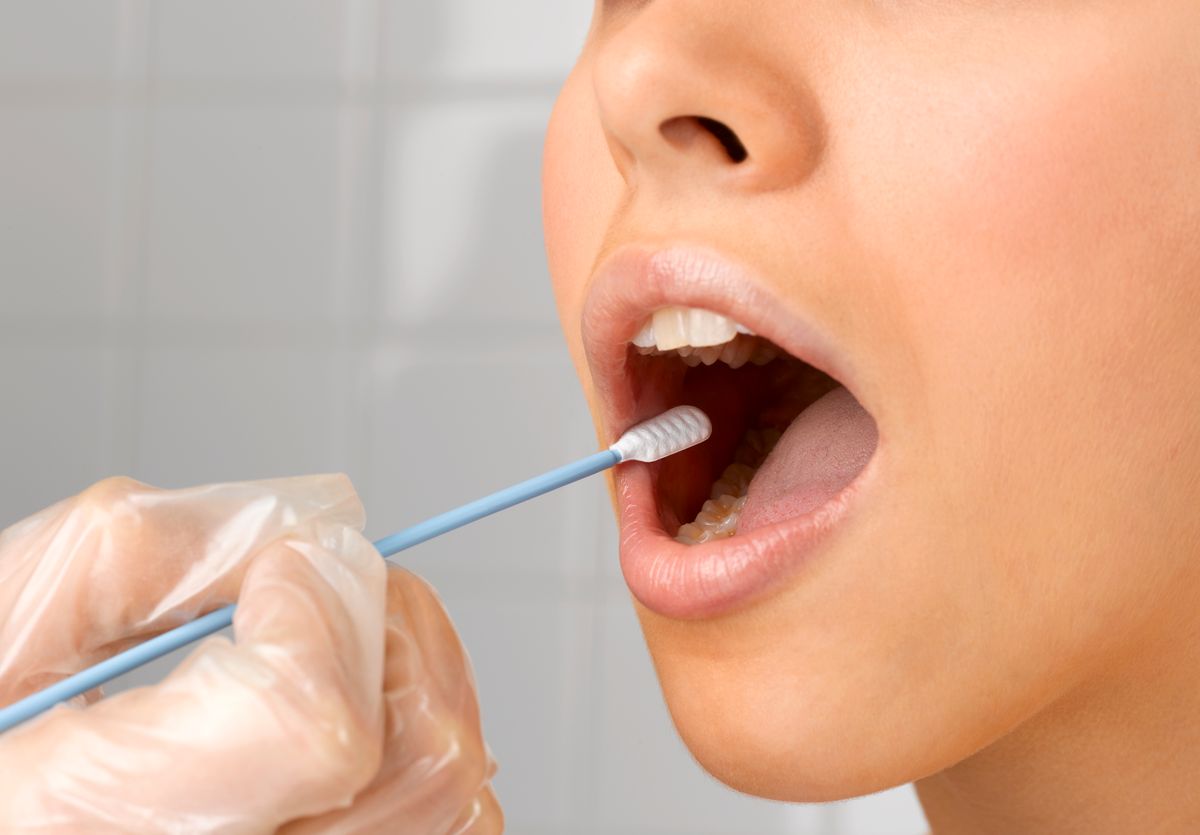
If there is one issue that repeatedly comes up when dentists discuss GLP-1 medications and teeth, it's dry mouth. “In my experience, the common denominator that is potentially leading to these problems is that some patients on GLP-1 medications exhibit a drier mouth, which may lead to a decline in oral health,” Sachar says.
Saliva isn't just there to keep the mouth from feeling dry. “Saliva is important for washing away food particles and bacteria from teeth and gums, and neutralizing acidic environments after consuming acidic food and beverages,” Sachar says. “Saliva also provides calcium and phosphate to help protect and remineralize teeth.”
Noblett calls saliva “one of the mouth’s most important natural defense systems.”
 © Getty Images
“It helps wash away food and bacteria, neutralize acids and deliver minerals that help protect tooth enamel,” he explains. “Saliva also carries antibodies against common oral microorganisms which helps prevent decay.”
Aguilera says chronic dry mouth can create a snowball effect. “Without it, or enough of it, plaque becomes more concentrated, decay can accelerate, and gum tissue is more vulnerable to inflammation,” he says. “That’s why chronic dry mouth can turn relatively minor oral-health issues into much bigger ones over time.”
The emerging research supports concern about xerostomia as a possible oral-health issue associated with semaglutide treatment, although more research is needed to determine prevalence, mechanisms and long-term consequences.
Does Ozempic Cause Dehydration and Dry Mouth?
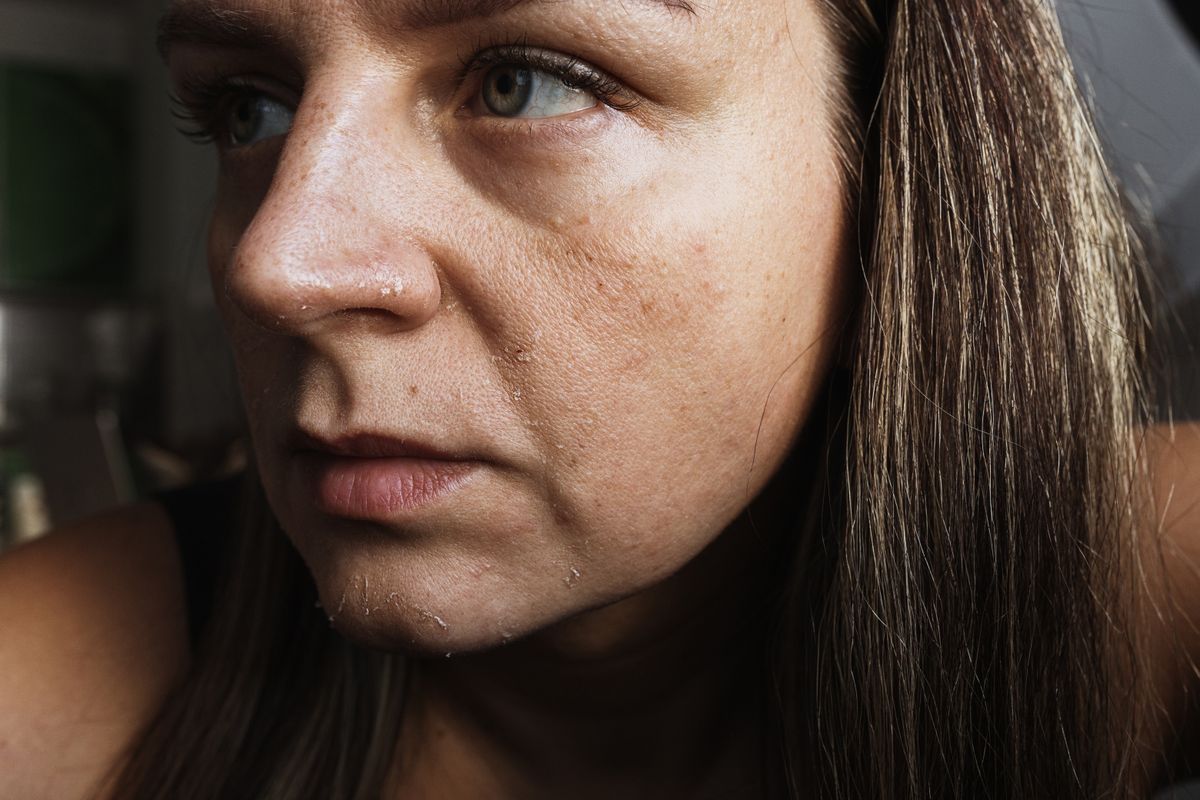
The connection may also involve something extremely basic: water. GLP-1 medications can reduce appetite and promote feelings of fullness. For some patients, dentists say that may coincide with drinking less.
 © Getty Images
“In my practice, patients sometimes tell me that because they feel full for prolonged periods, they simply don't drink as much water as they used to,” Sachar says. “That could contribute to dehydration and dry mouth in susceptible patients, but we need more research to determine how important this mechanism is.”
Aguilera has heard similar concerns. “With GLP-1s, reduced appetite, early fullness, or nausea may also mean patients are drinking less throughout the day,” he says. “Lower fluid intake can mean reduced saliva production and leave the mouth persistently dry.”
There is also a second potential pathway to dehydration: gastrointestinal side effects. The FDA's May 2026 Ozempic prescribing information lists nausea, vomiting and diarrhea among the medication's most common adverse reactions and warns about acute kidney injury due to volume depletion, advising monitoring in patients experiencing adverse reactions that could lead to fluid loss.
 © Getty Images
“Dehydration can reduce salivary flow and worsen dry mouth,” Sachar says. “These medications can also cause nausea, vomiting and diarrhea in some patients, which can then contribute to fluid loss and dehydration.”
How Vomiting and Acid Reflux Can Affect Tooth Enamel
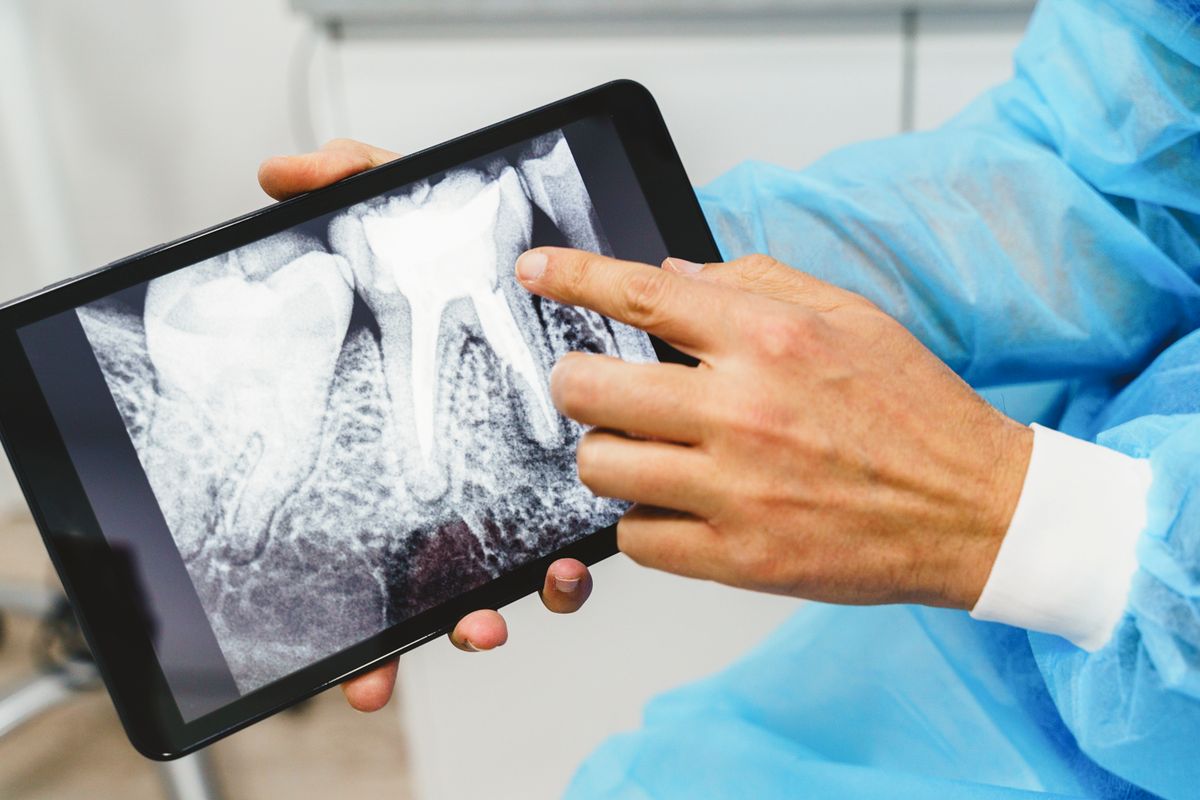
Dry mouth isn't the only potential problem. Vomiting and acid reflux can repeatedly expose teeth to gastric acid. “When acidic contents of the stomach contact the teeth repeatedly, the acid causes enamel erosion,” Sachar says. “The acid can chemically dissolve tooth mineral.”
And enamel doesn't regenerate after significant loss. “Once the enamel structure thins and wears away, that tooth loss is irreversible,” Sachar says.
Aguilera says dentists can sometimes recognize a characteristic erosion pattern. “Stomach acid is very aggressive on the teeth,” he says. “If you have reflux or you’re vomiting frequently, you’re repeatedly bathing the teeth in acid, and over time it starts to dissolve the enamel.”
 © Getty Images
He says damage may be particularly noticeable on the back surfaces of the upper front teeth.
The British Dental Journal has also identified vomiting and gastroesophageal reflux as relevant concerns because repeated gastric-acid exposure may increase the risk of dental erosion.
Should You Brush Your Teeth Right After Vomiting?
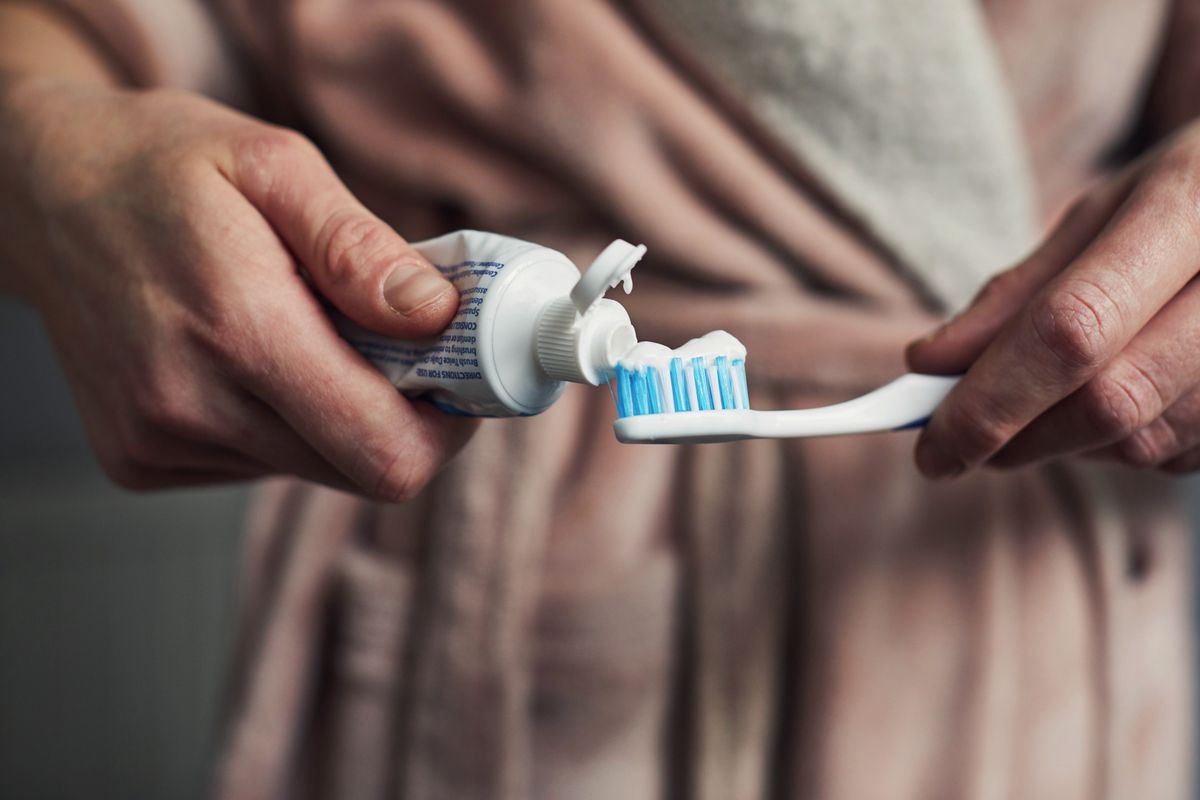
This is one area where the experts offer a practical warning: don't immediately reach for the toothbrush. “After vomiting or significant reflux, patients should rinse their mouth with water rather than immediately brushing,” Noblett says. “Brushing enamel while it is temporarily softened by acid can contribute to additional wear.”
Aguilera gives similar advice. “If you experience reflux or vomiting, don’t brush immediately afterward,” he says. “Rinse first, allow the mouth to recover, then brush later.”
 © Getty Images
Diabetes Complicates the ‘Ozempic Teeth’ Question
There is another major variable researchers have to consider. Many patients taking GLP-1 medications have type 2 diabetes, which itself can affect oral health. “People with diabetes are already at a higher risk of gum disease, especially when blood-glucose is not well controlled,” Sachar says. “Diabetes can also be associated with dry mouth, slower healing and increased risk of oral infections.”
That makes it difficult to determine whether a dental change occurring after someone begins a GLP-1 medication is related to the medication, diabetes, existing oral health or a combination of factors.
 © Getty Images
“Diabetes itself is associated with a greater risk of periodontal, or gum, disease, particularly when blood glucose is not well controlled,” Noblett says. “So, in a patient taking a GLP-1 medication for diabetes, it can be difficult to attribute an oral-health change to any single factor.”
Sachar points out another interesting complication: better glucose control could potentially help gum health even as other side effects create different oral-health concerns. “So a patient with diabetes may have already had gum problems before starting the medication,” she says. “And taking the medication in this case may help with sugar control and subsequent gum health to some degree. And the dry mouth from the medication may reverse some of this positive effect. More research is certainly needed in this area.”
Can Major Weight Loss Change How Your Smile Looks?
Aguilera points to another potential connection that isn't about cavities or enamel at all. Significant weight loss can change the soft tissues framing a person's smile. “As natural volume diminishes in the cheeks and lips, the soft tissue surrounding the mouth settles differently,” he says. “Without that full-bodied framing, teeth can suddenly appear longer, larger, or visually exaggerated.”
 © Getty Images
That means some changes a person notices in the mirror after substantial weight loss may be aesthetic rather than evidence that their teeth have physically changed size.
How to Protect Your Teeth While Taking Ozempic or Another GLP-1
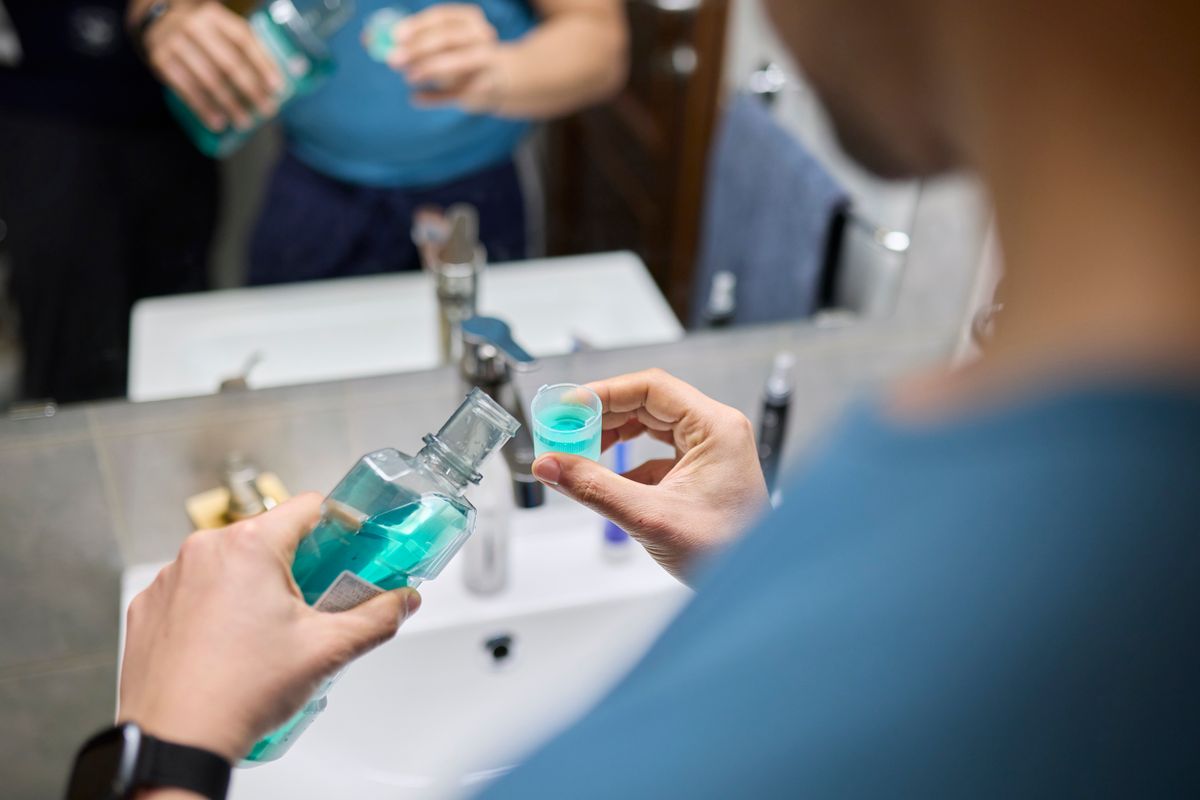
The dentists interviewed don't recommend automatically overhauling your dental routine because you're taking a GLP-1. “Simply taking a GLP-1 medication doesn't mean someone needs special toothpaste or mouthwash,” Sachar says.
The basics remain important: brush twice daily with fluoride toothpaste, clean between the teeth every day, stay adequately hydrated and keep up with dental visits.
For patients with specific problems, however, dental care may need to be adjusted. Aguilera says he recommends higher-fluoride toothpaste for some patients at increased risk, along with an alcohol-free mouthwash when dry mouth is an issue. “The goal is to respond to the side effects, not the medication itself,” he says.
 © Getty Images
Wei similarly says patients experiencing “significant dry mouth, sensitivity or enamel erosion may benefit from additional fluoride.”
Do You Need More Dental Cleanings While Taking a GLP-1?
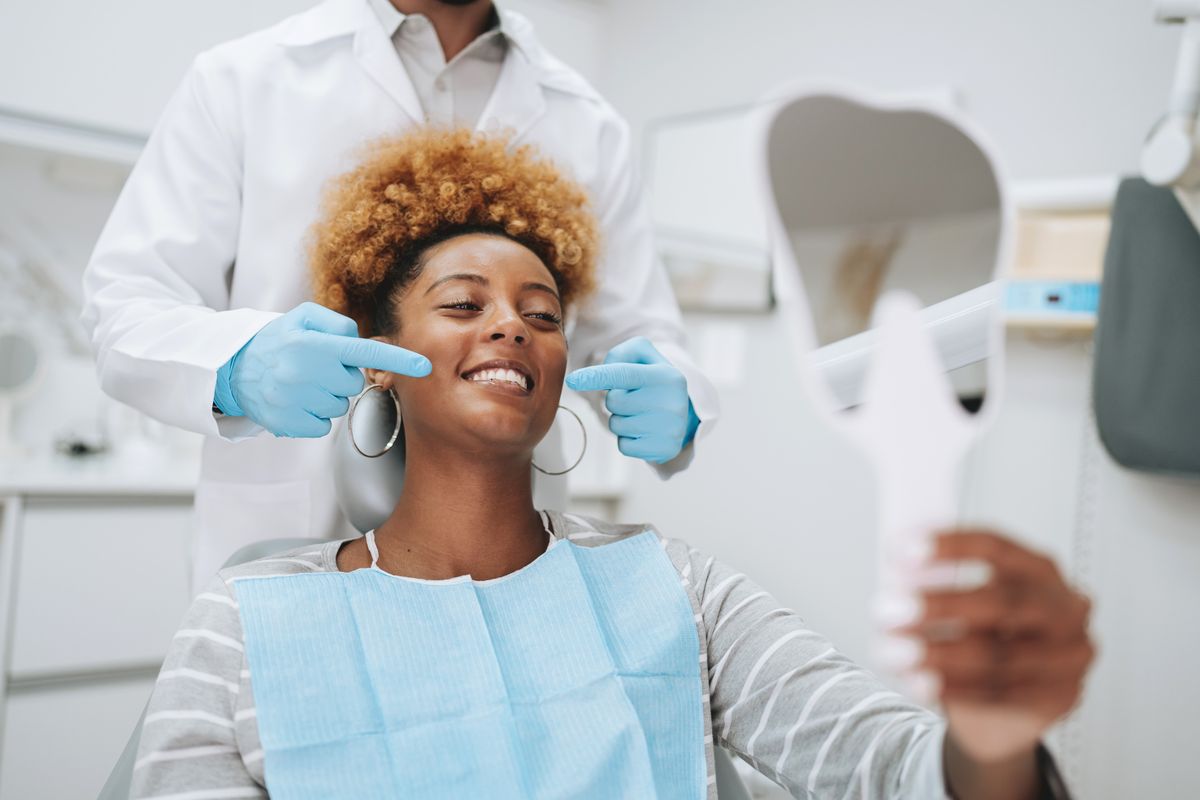
There isn't a universal recommendation that everyone taking Ozempic, Wegovy, Mounjaro or Zepbound needs more frequent dental appointments. “I don't automatically shorten the recall interval simply because someone takes the medication,” Sachar says.
But she may change the schedule when symptoms emerge. “If they're developing significant dry mouth, new cavities, enamel erosion, periodontal disease or other risk factors, I may recommend seeing them every three to four months instead of every six months.”
 © Getty Images
Noblett agrees that dental care should be based on individual risk rather than the medication name on a patient's chart. “Someone who develops persistent dry mouth, repeated vomiting or reflux, new cavities, gum disease or significant tooth sensitivity may benefit from closer monitoring,” he says.
Aguilera says his practice recommends approximately four-month visits for its patients and may suggest three- to four-month appointments for people experiencing persistent dry mouth, reflux, vomiting, new decay or gum inflammation.
Wei takes a more individualized approach, noting that not everyone taking a GLP-1 requires additional visits.
The Bottom Line on ‘Ozempic Teeth’
Despite its memorable name, “Ozempic teeth” can give the misleading impression that GLP-1 medications have been proven to directly destroy teeth.
That's not what the evidence currently shows.
Research published in 2026 describes potential oral manifestations related to the systemic effects of semaglutide, including dry mouth, bad breath, altered taste and enamel erosion associated with vomiting. Dental researchers have also called for greater awareness of reflux, vomiting and xerostomia among patients taking GLP-1 receptor agonists.
 © Getty Images
The practical message from dentists is to watch for changes. “Pay attention to changes in your mouth and don’t ignore them,” Noblett says. “Stay hydrated, brush twice a day with fluoride toothpaste, clean between your teeth daily and maintain regular dental visits.”
Sachar's advice starts in the same place. “Drink plenty of water. Stay adequately hydrated,” she says. “If you're noticing persistent dry mouth, don't ignore it. Tell your dentist before it turns into cavities or other dental problems.”