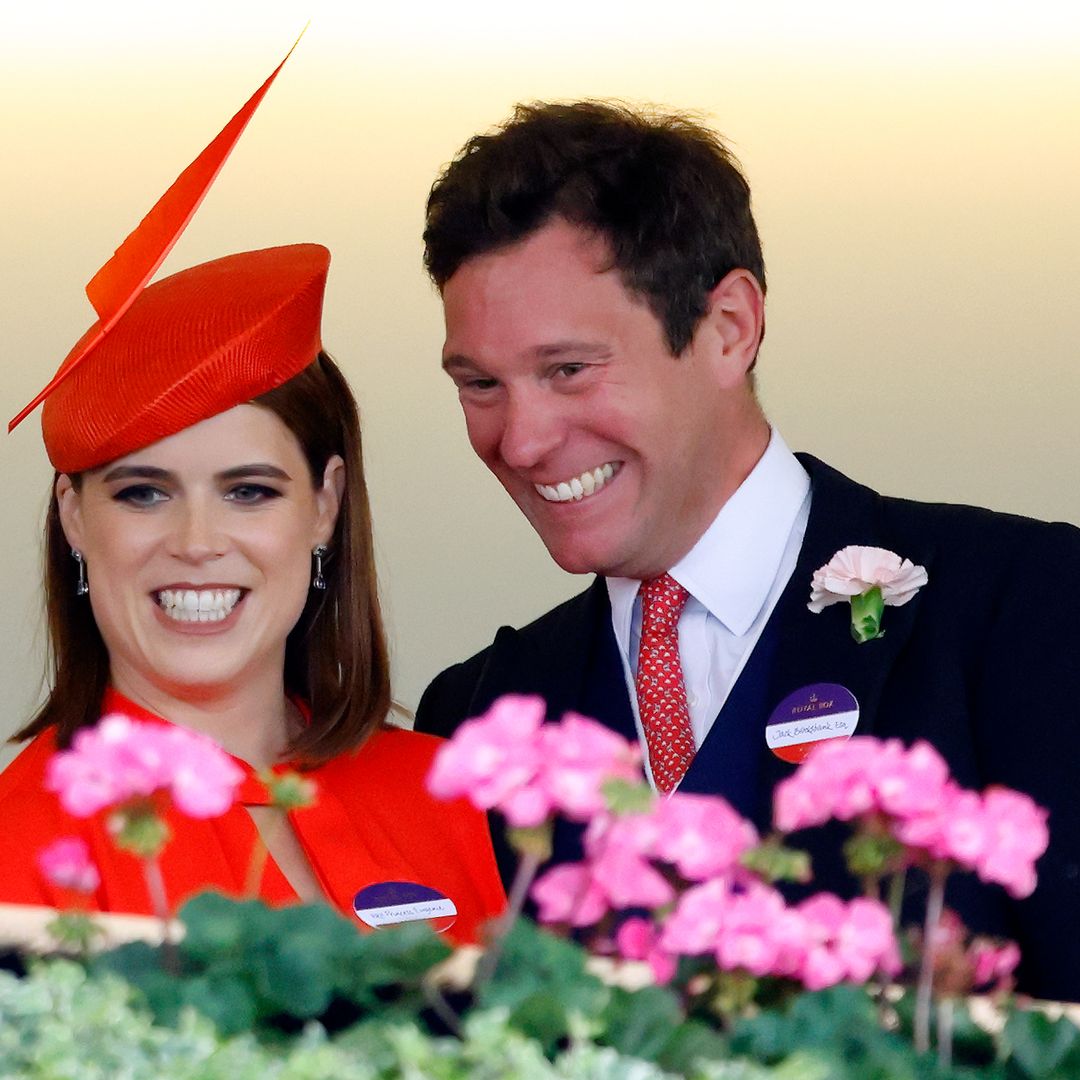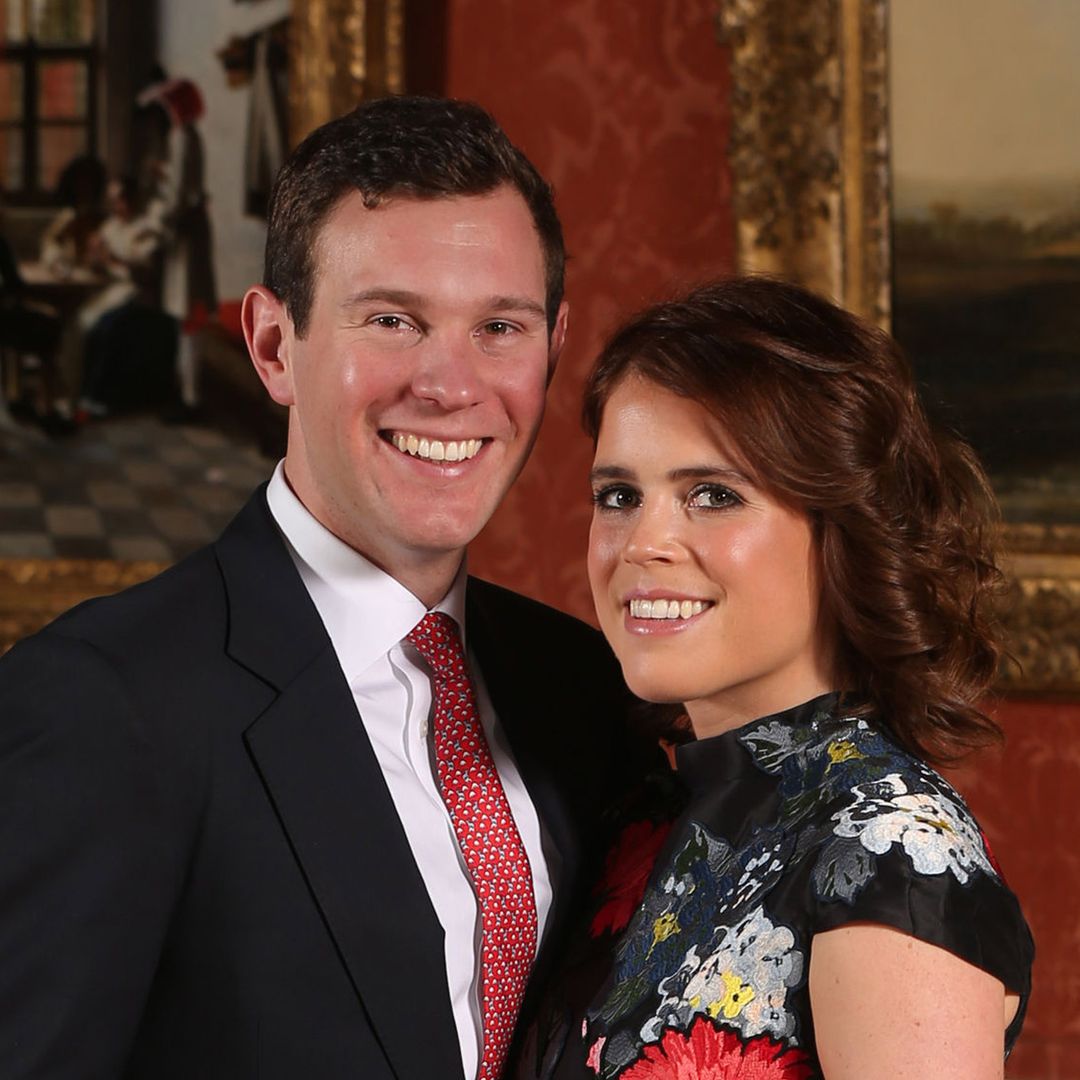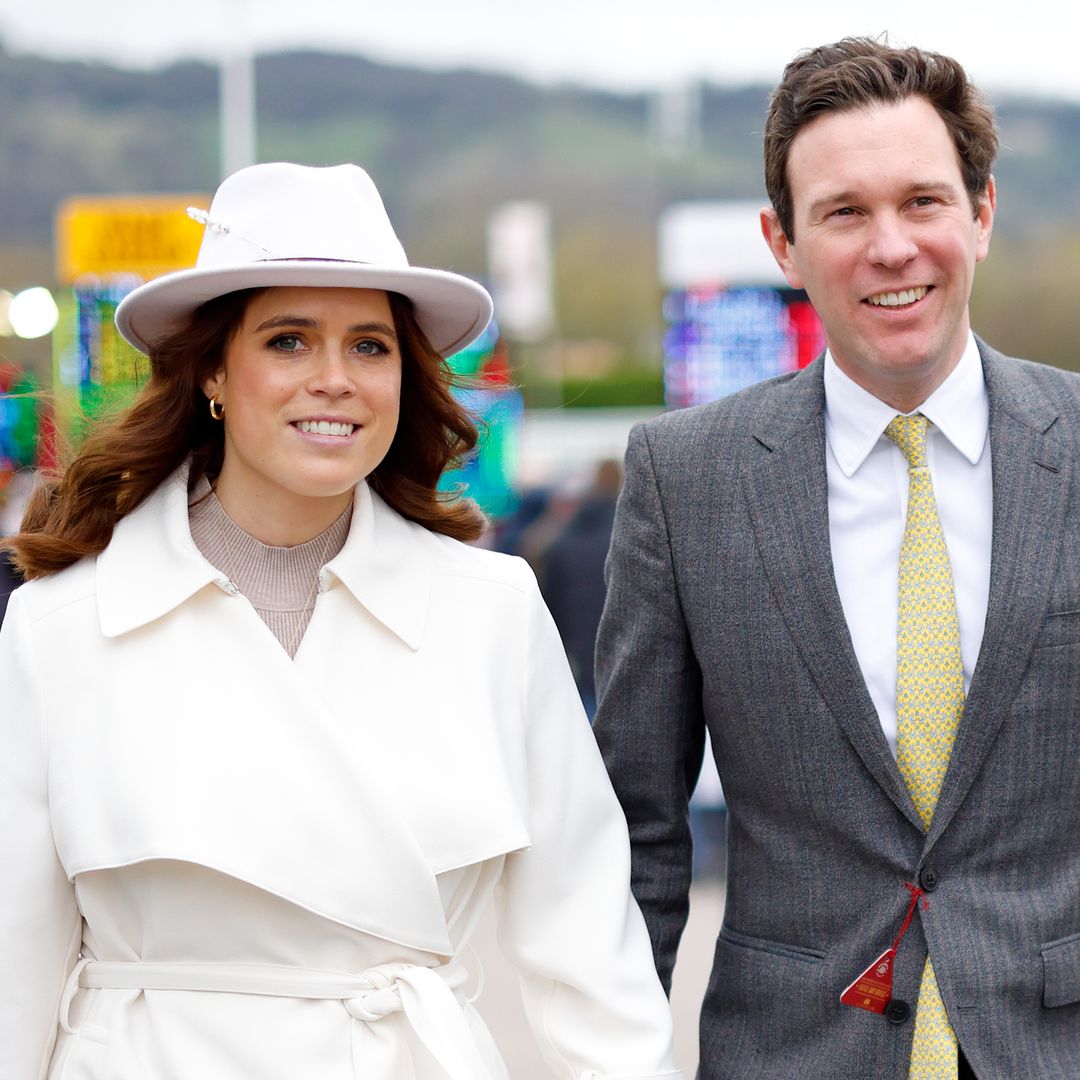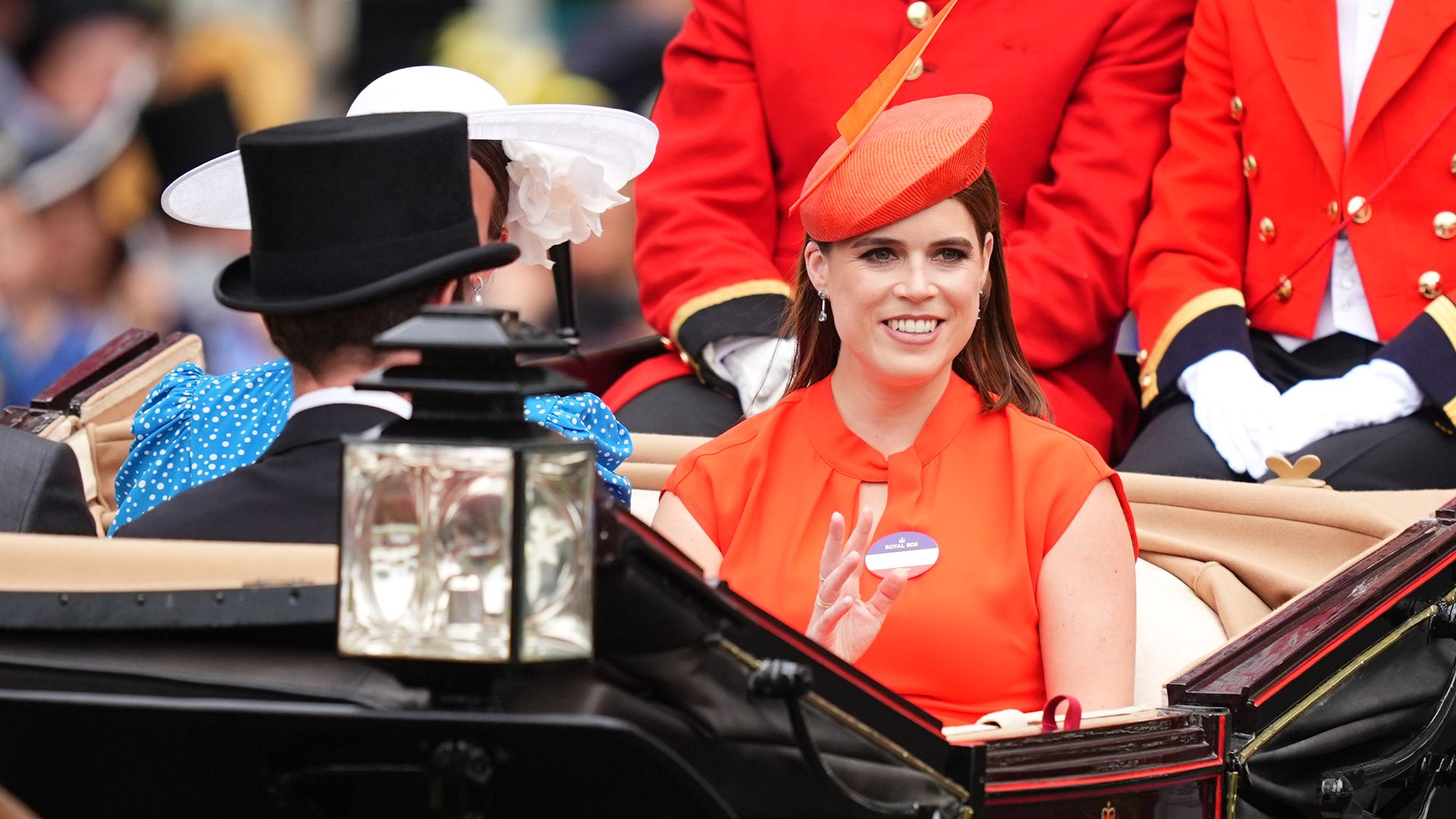
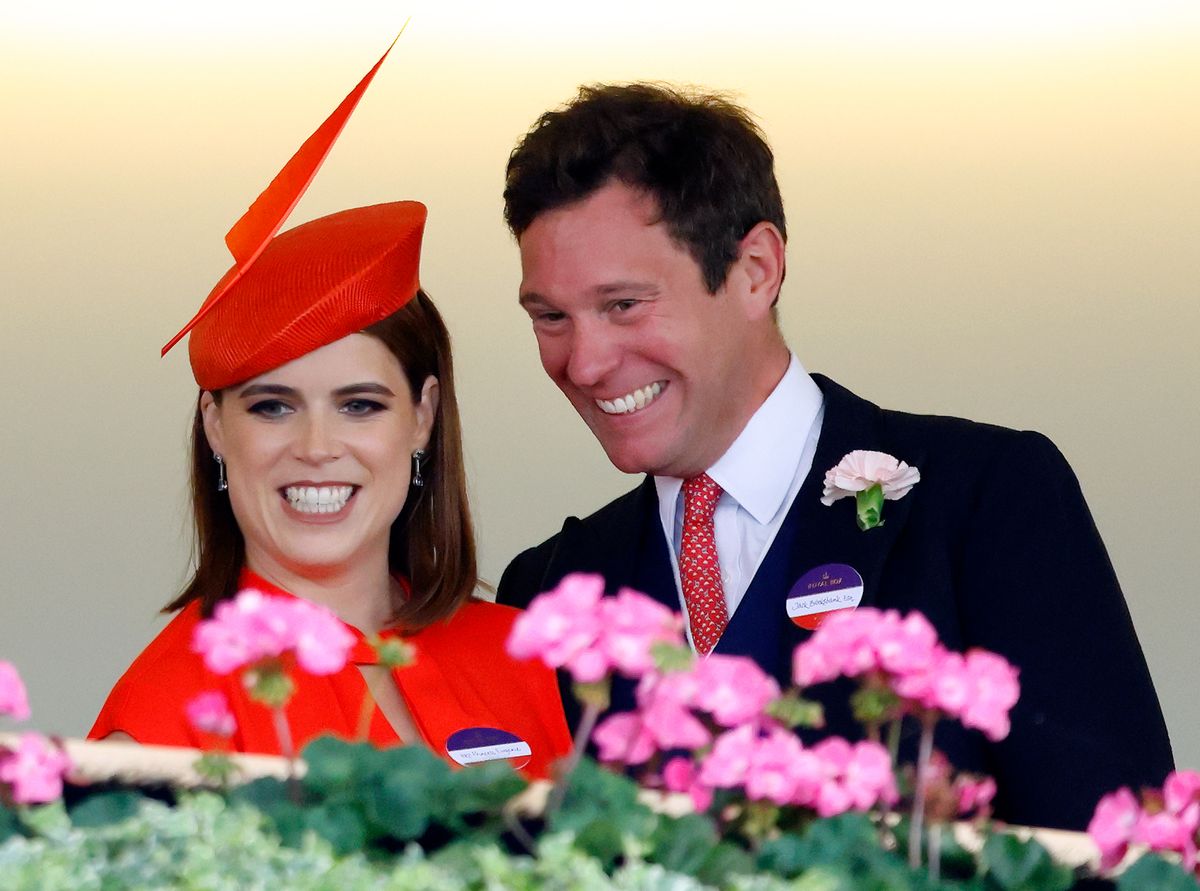
Princess Eugenie has just given birth to her third daughter in Lisbon, underscoring a reality that has been taking shape for years: she has built a life increasingly removed from the British Crown without ever breaking with the royal family. Her family and professional life are now firmly rooted outside the United Kingdom, even as she maintains the royal ties that have defined her since birth.
 © Getty Images
The princess has carried out official engagements, philanthropic work and patronages on behalf of her grandparents, Queen Elizabeth II and the Duke of Edinburgh. But the birth in Portugal underscores how far her day-to-day life has moved from the institution she once represented. Eugenie now has one foot in royal life and one foot outside it, a balance the Sussexes never managed to achieve.
 © Getty Images
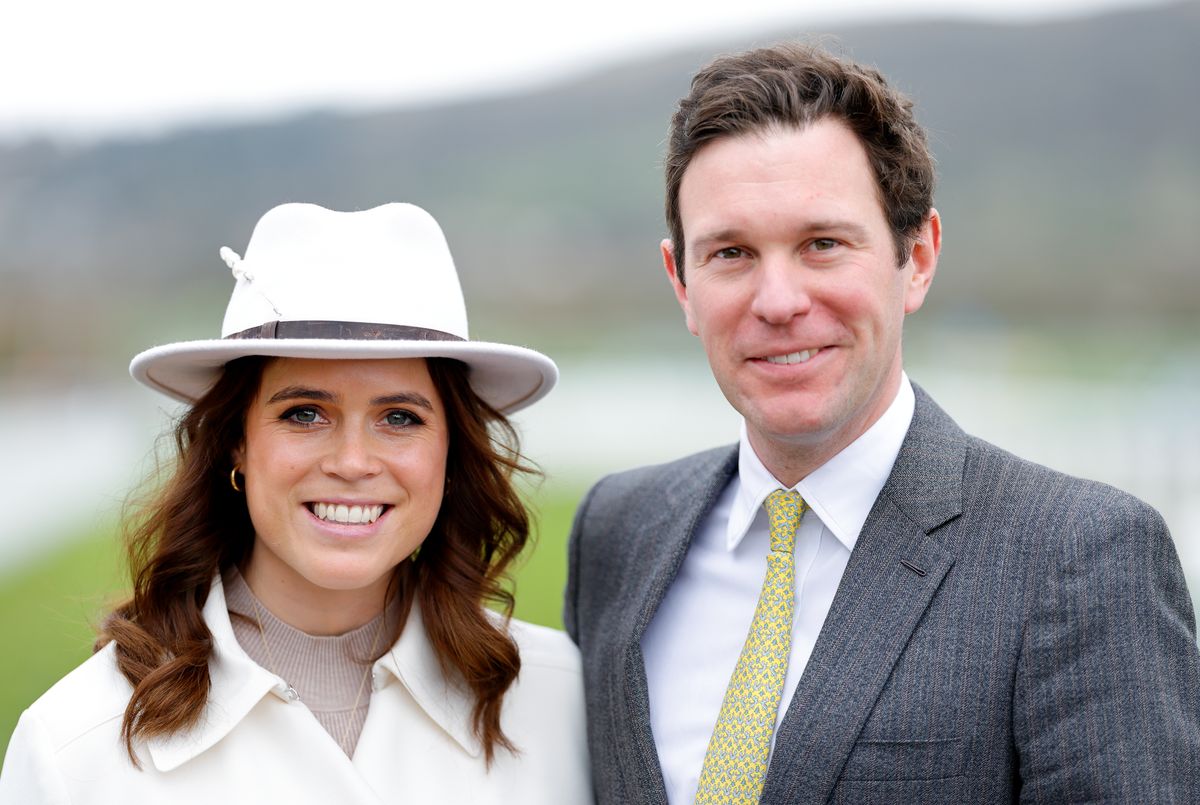
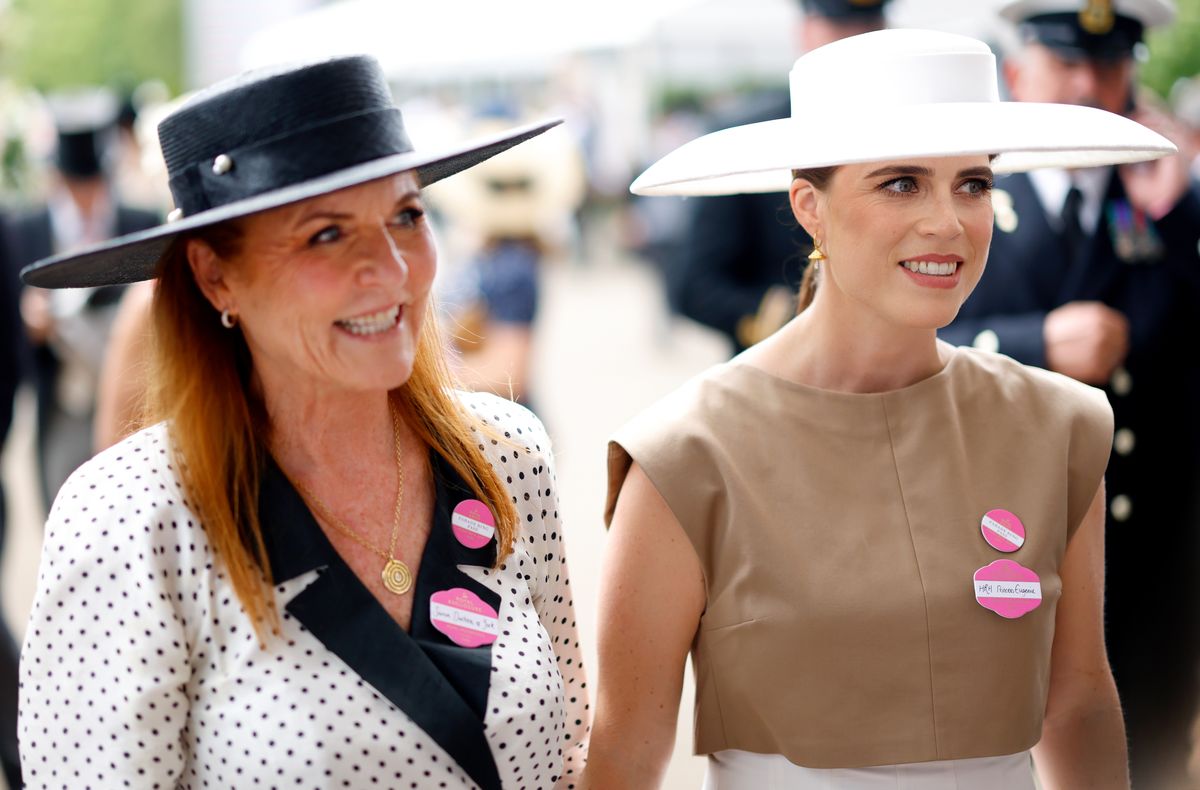
That balance did not happen overnight. Eugenie has gradually carved out a quieter, more independent life since her parents, Prince Andrew and Sarah Ferguson, became engulfed in the fallout from their ties to Jeffrey Epstein, and the House of York found itself increasingly isolated. Her path suggests there is another way to step back from royal life: without a public confrontation, a formal rupture or burned bridges. While Harry and Meghan’s departure became a very public battle, Princess Eugenie has taken the quieter route.
 © Getty Images
The Fall of the House of York and Its Impact on Princess Eugenie
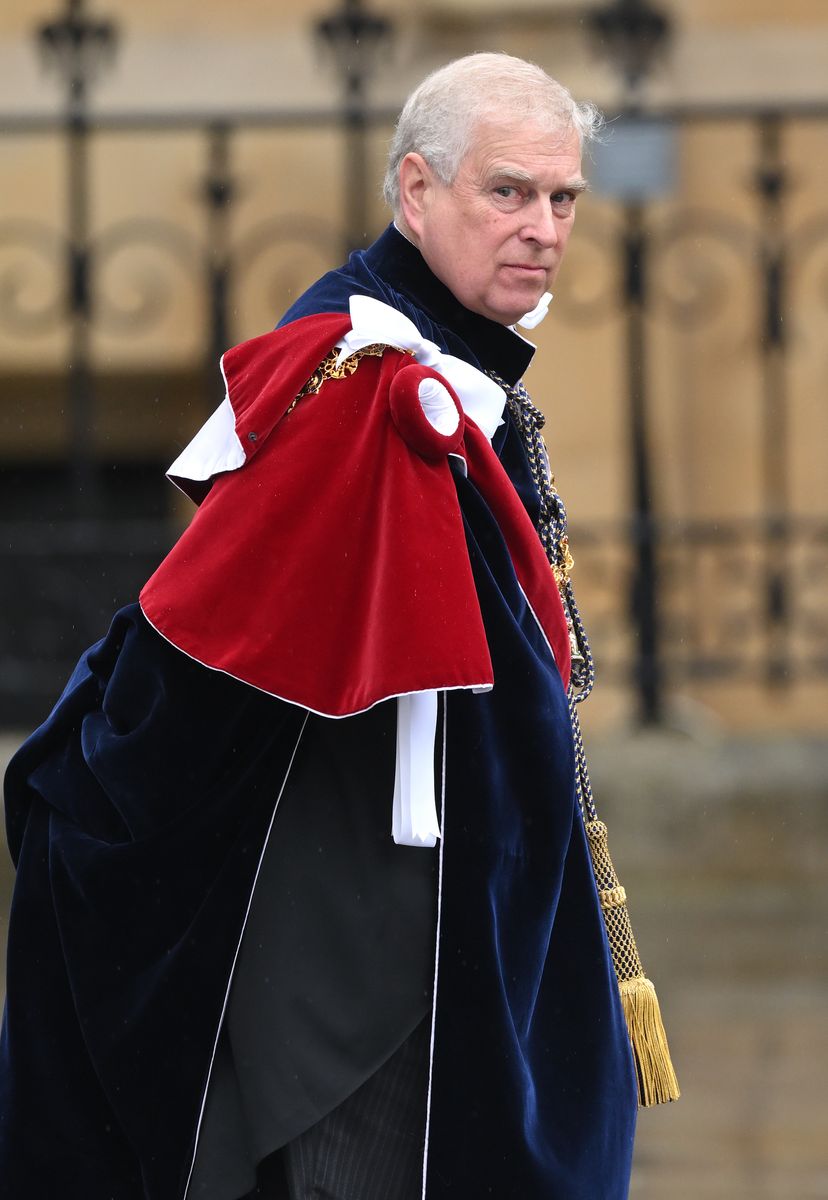
The first image publicly linking Prince Andrew to Jeffrey Epstein emerged in 2010, when a photograph taken in Central Park showed Queen Elizabeth II’s son walking alongside the convicted sex offender. Princess Eugenie was 20 at the time. Although she had grown up amid the scandals of the 1990s and early 2000s, when her parents’ separation provided endless fodder for the British tabloids, she could still reasonably expect a life fully integrated into the royal family. Over the following decade, however, the walls steadily closed in around Prince Andrew. In 2015, Virginia Giuffre filed the first formal sexual abuse allegations in Florida, marking a turning point for the House of York.
 © WireImage
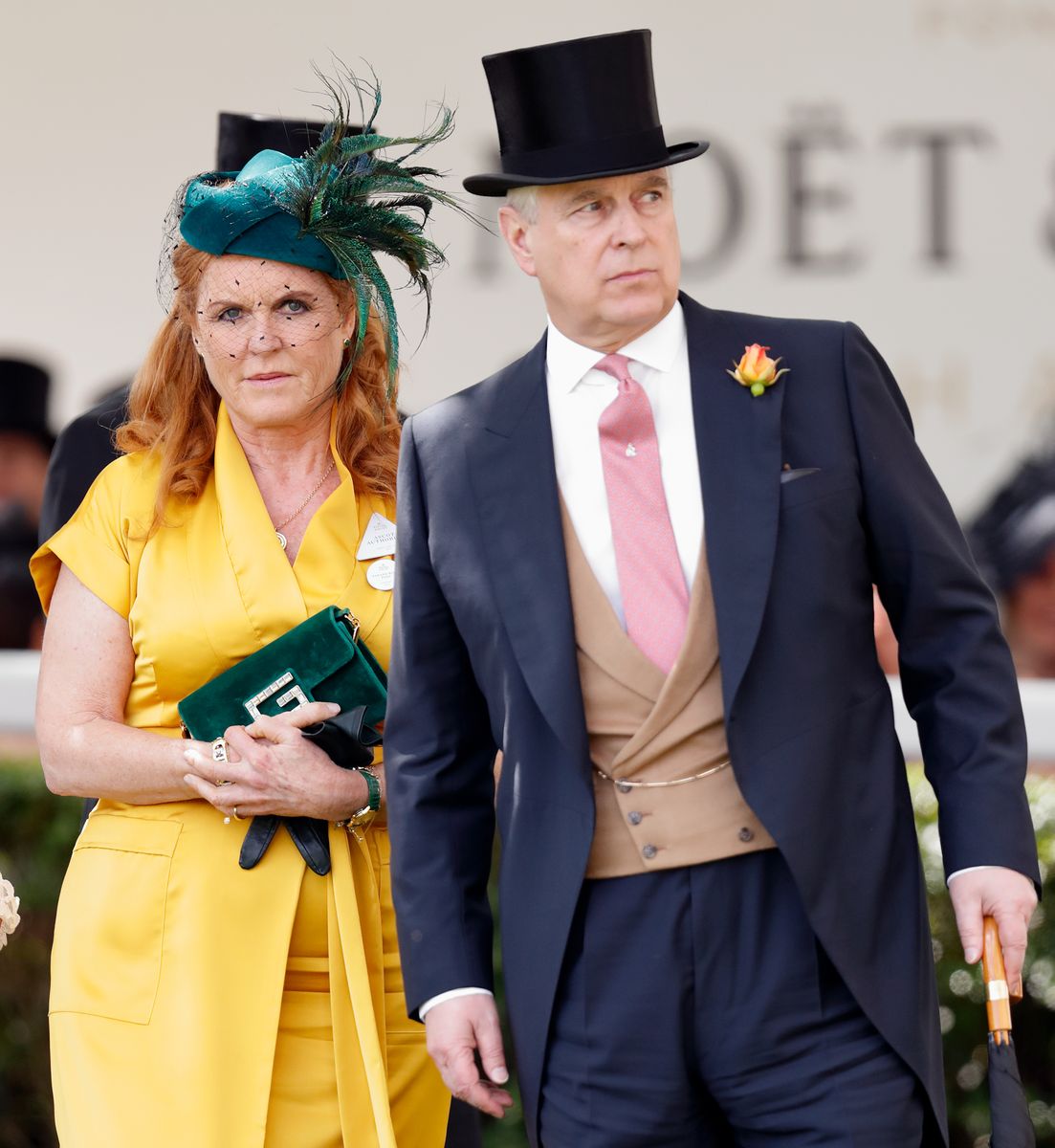
Even so, the family tried to weather the storm as it always had, by presenting a united front. In October 2018, Princess Eugenie celebrated a royal wedding at Windsor that reaffirmed her place as a princess by birth and a granddaughter of Queen Elizabeth II. The occasion offered a measure of institutional normalcy at a time when the York family was coming under increasing scrutiny.
 © Getty Images
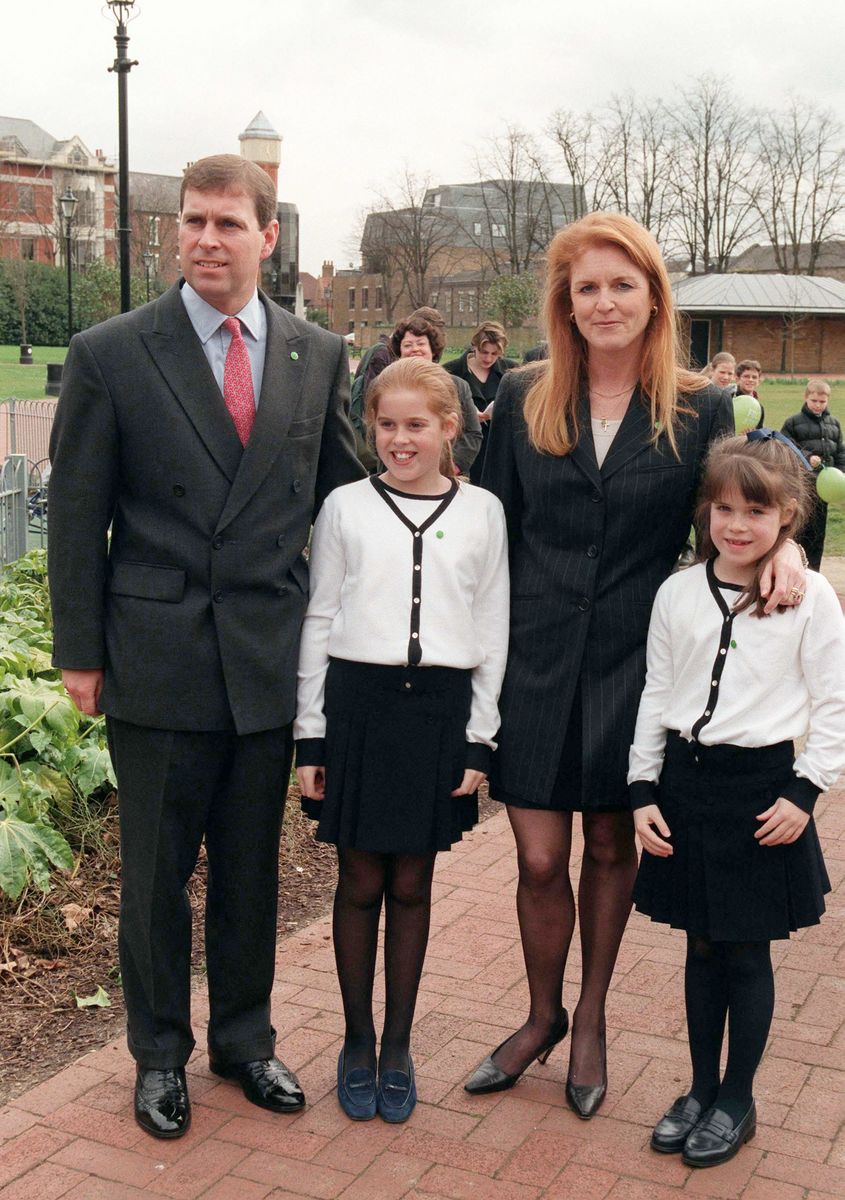
It was Prince Andrew’s last attempt to hold on to his position before his 2019 Newsnight interview precipitated his final downfall. By then, Princess Eugenie was approaching 30, and it had become clear that the York name was no longer an asset and that the role she had inherited was fading away. From that point on, Eugenie, who had already experienced life outside the UK while working for an auction house in New York, began forging a path of her own: discreet, international and separate from the British Crown.
 © Getty Images
How Princess Eugenie Found the Royal Balance the Sussexes Didn’t
Princess Eugenie has enjoyed something the Sussexes said they were denied: the ability to live outside the institution without losing her place within it. Her position in the line of succession, high enough to keep her visible but low enough that she was not required to serve as a working royal, allowed her to hold private-sector jobs while occasionally carrying out representative duties and maintaining a public profile as a member of the royal family.
 © PA Images via Getty Images
She was also allowed to use social media, manage her image with relative freedom, and pursue a career without the institution treating her independence as a threat. Meghan Markle pointed to what she saw as a disparity at the time, and Omid Scobie later addressed the issue in his book Finding Freedom. The York sisters were afforded a degree of autonomy that the Sussexes said they were denied from the outset. That structural difference helps explain why Princess Eugenie has been able to build an international life without an open conflict, while Harry and Meghan collided head-on with a system that did not give them the same room to maneuver.
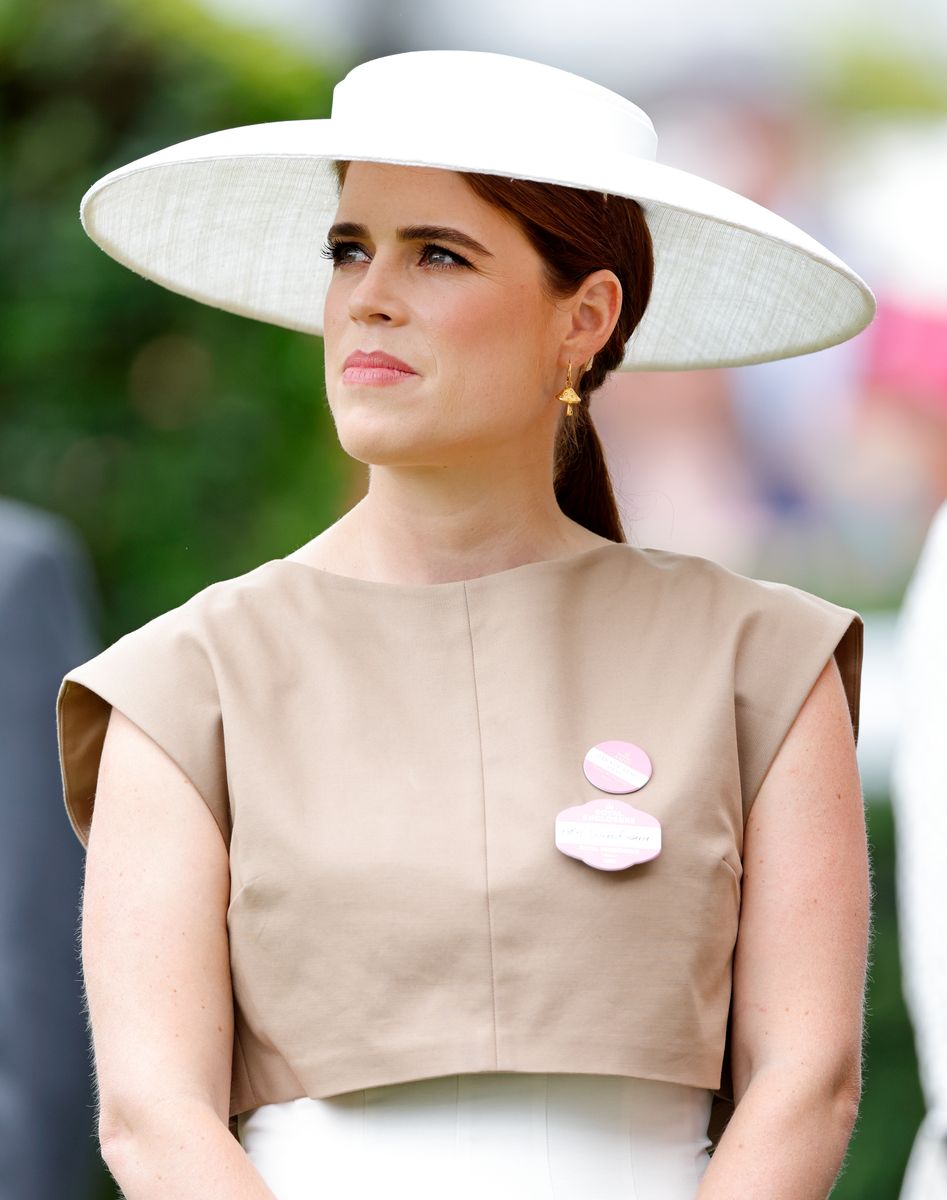
There is another key institutional factor. Princess Eugenie has never publicly demanded a hybrid status or positioned herself as a threat to the institution, perhaps because she had already achieved that balance privately. She has remained firmly embedded in the family and loyal to King Charles III, even when doing so meant publicly distancing herself from her father. Discreet and steeped in the culture of silence Queen Elizabeth II instilled in her grandchildren, Eugenie has maintained her place within the wider royal family despite the controversies surrounding her parents.
 © Getty Images
Even so, the situation is complicated. Every professional move the sisters make comes under intense scrutiny. Among other controversies, the Daily Mail reported that the princesses had benefited from rents well below market rates at Crown-linked residences. The arrangement was permitted by the institution, but against the backdrop of the Epstein scandal, it was viewed by some as an inappropriate privilege. The report raised an uncomfortable question: to what extent had their parents’ friendship with Epstein indirectly benefited their daughters?
 © Getty Images for The Coral Colle
A Quiet Exit: Geographic Distance Without an Institutional Break
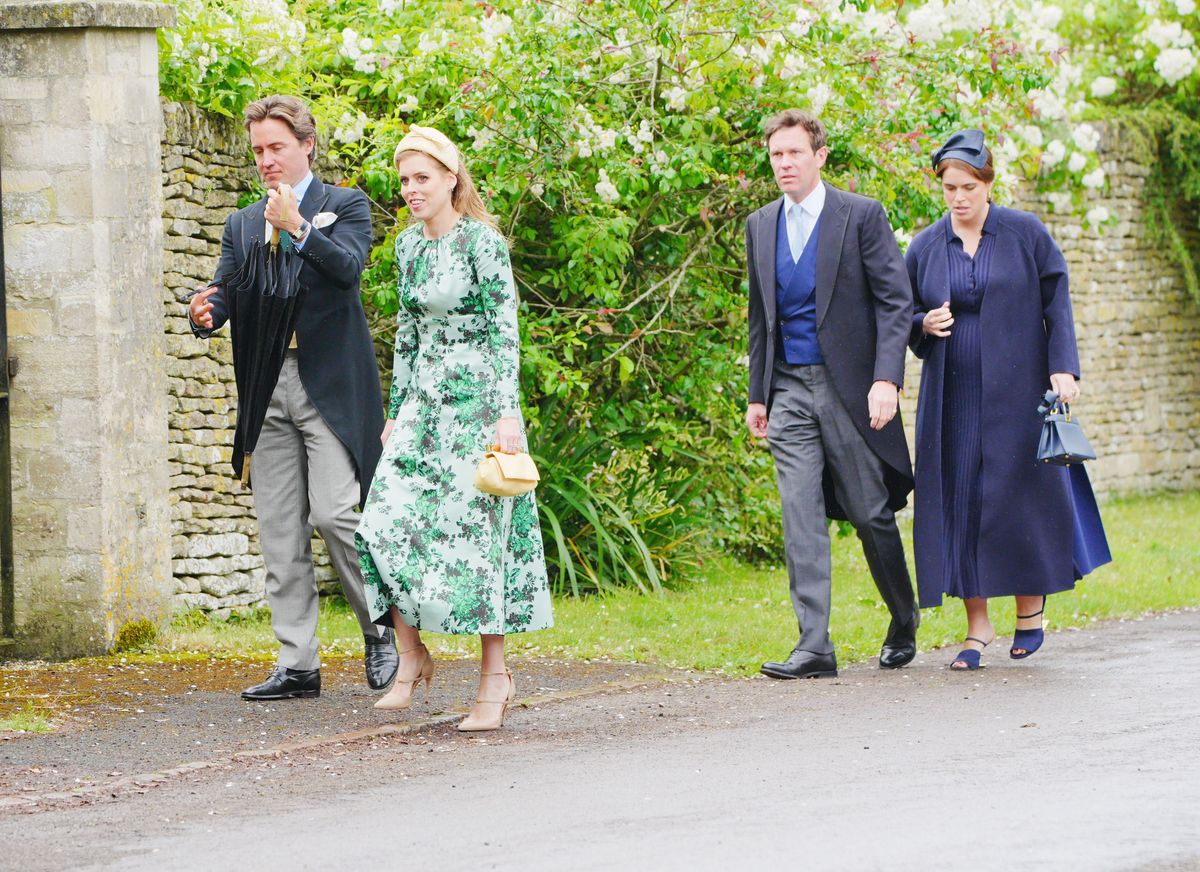
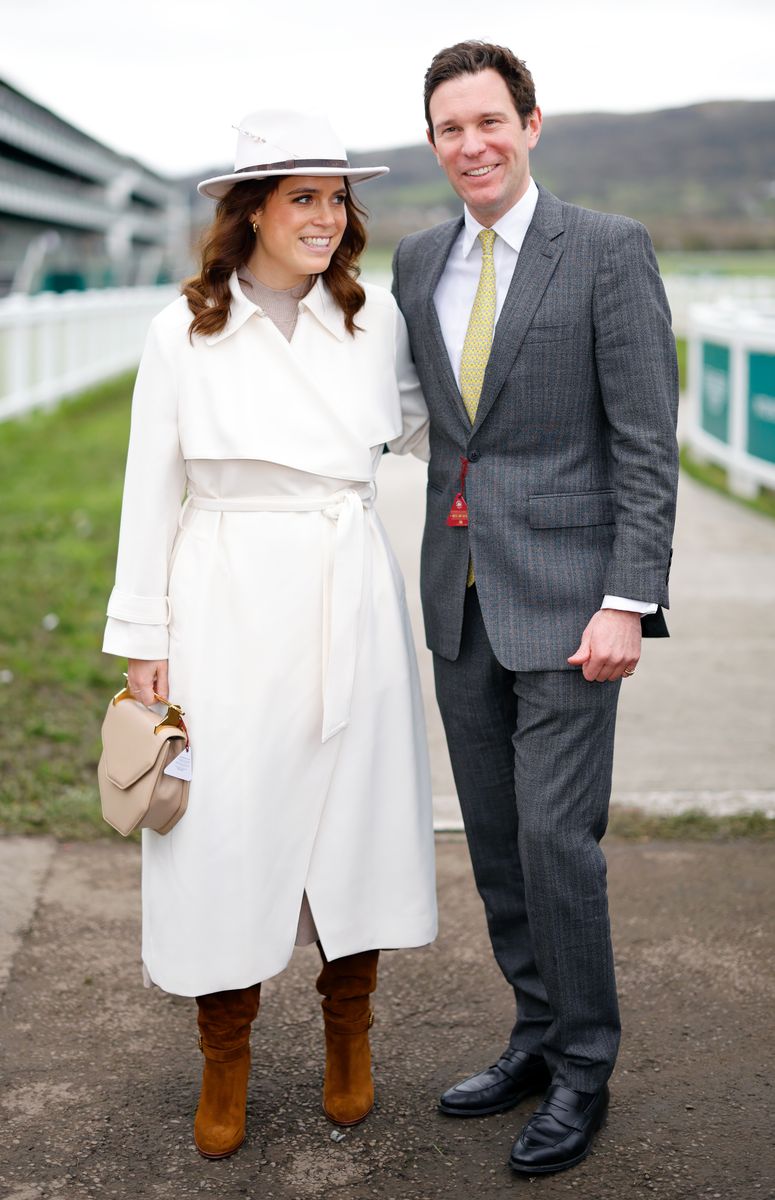
The situation placed the York sisters and their husbands, Jack Brooksbank and Edoardo Mapelli Mozzi, under constant media scrutiny, with virtually every move viewed through the lens of the Epstein scandal. Against that backdrop, Princess Eugenie found an escape through her husband’s work, away from the intense British scrutiny the Duke and Duchess of Sussex have so often described.
 © Getty Images
For the past two years, the couple has lived on Portugal’s Alentejo coast, in an ultra-luxury residential enclave designed to offer privacy and an outdoor lifestyle. After a career in hospitality, Brooksbank now works for Discovery Land Company on the project’s marketing and development. In Portugal, Princess Eugenie has found what proved difficult to achieve in the UK: anonymity, calm and a peaceful family routine.
Yet even from a distance, the princess has maintained the dynastic loyalty that has always defined her. She has never broken with official channels. She allowed Buckingham Palace to announce her pregnancy and later to publicly mark the birth of her daughter. It was an unmistakable sign that although her life has shifted to Lisbon, her institutional ties remain intact.
 © WWD via Getty Images
Eugenie has not staged a break along the lines of the so-called “Megxit.” Instead, she has built a quiet exit, without burning bridges or giving up the option of returning whenever the family needs her. Her path suggests that under King Charles III, there is another way to step back from the institution without breaking with it.