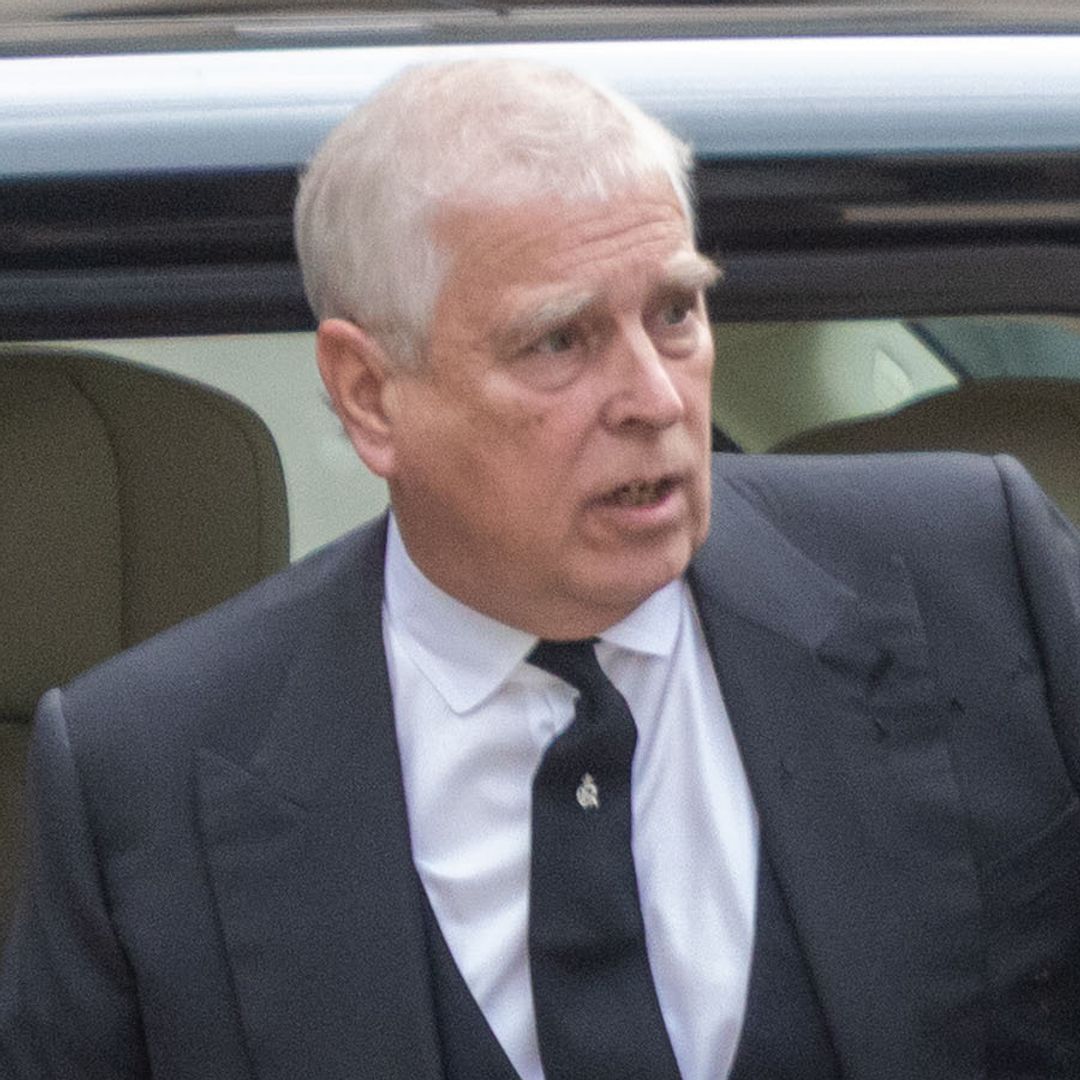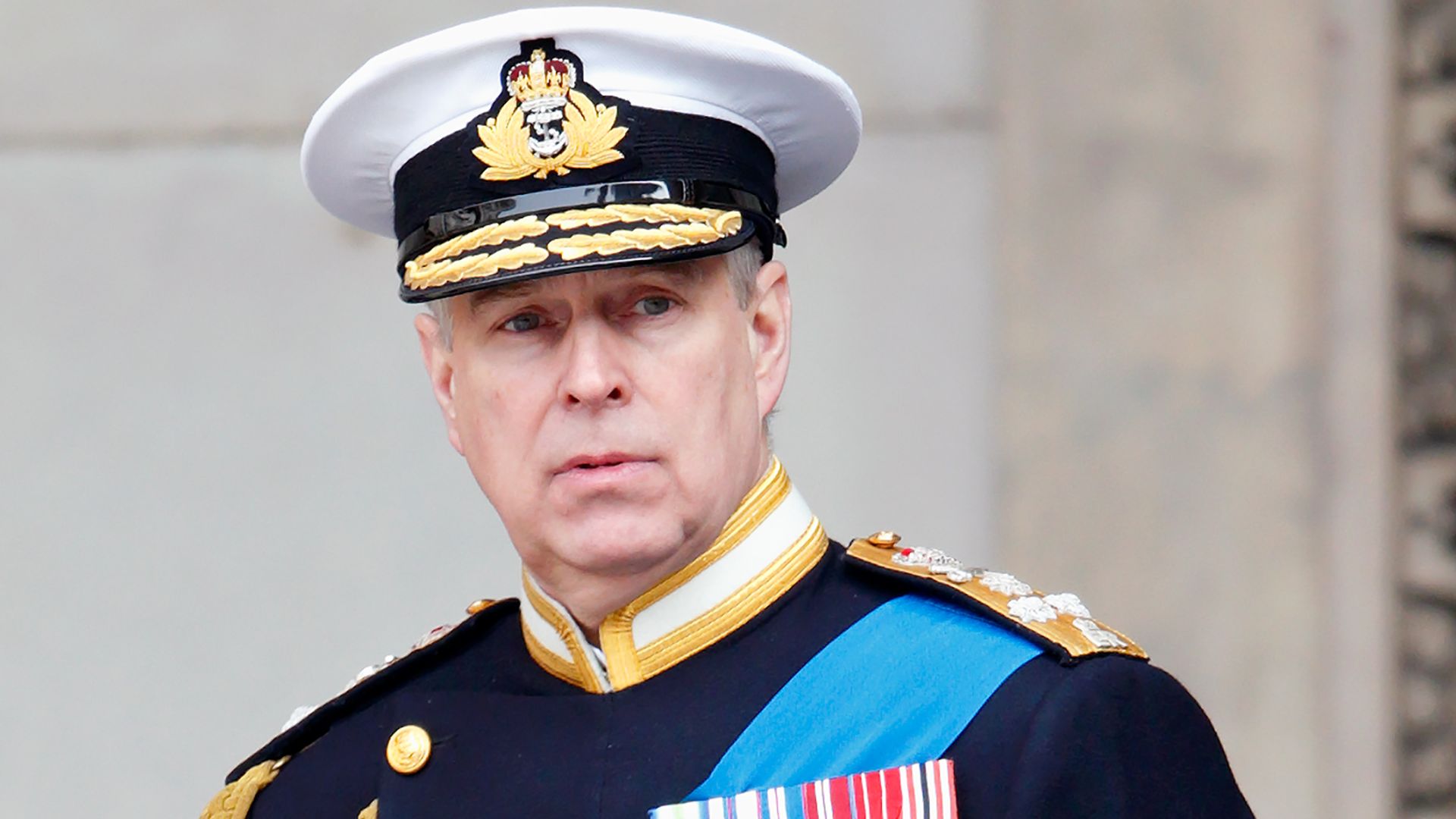
Despite losing his royal titles and stepping away from public life, Andrew Mountbatten-Windsor, formerly Prince Andrew, is reportedly still expected to receive a ceremonial royal funeral under long-standing government contingency plans.
According to The Daily Mail, Andrew remains on a confidential government list of senior royals whose deaths are covered by the UK's highly classified "bridge plans," detailed operational blueprints prepared years, and sometimes decades, in advance.
 © Mirrorpix
The publication reported that the former Duke of York has not been removed from those plans despite the dramatic changes to his royal status.
The revelation has sparked renewed debate over how the monarchy and government handle ceremonial protocols for disgraced members of the Royal Family.
What are the royal "bridge plans"?
The British government maintains confidential contingency plans for the deaths of senior members of the Royal Family. Each operation is assigned the codename of a famous bridge in the United Kingdom.
 © Justin Goff Photos
The best-known examples include Operation London Bridge, which was activated following Queen Elizabeth II's death in 2022, and Operation Forth Bridge, the plan used after Prince Philip's death in 2021.
These plans are managed by the Cabinet Office and cover everything from security and transport to media coordination, ceremonial arrangements, and preparations for visiting world leaders.
 © Max Mumby/Indigo
According to reports, Andrew's name remains on that confidential register because the plans are administrative documents created years in advance and are not automatically revised when a royal's status changes.
Where would he be buried?
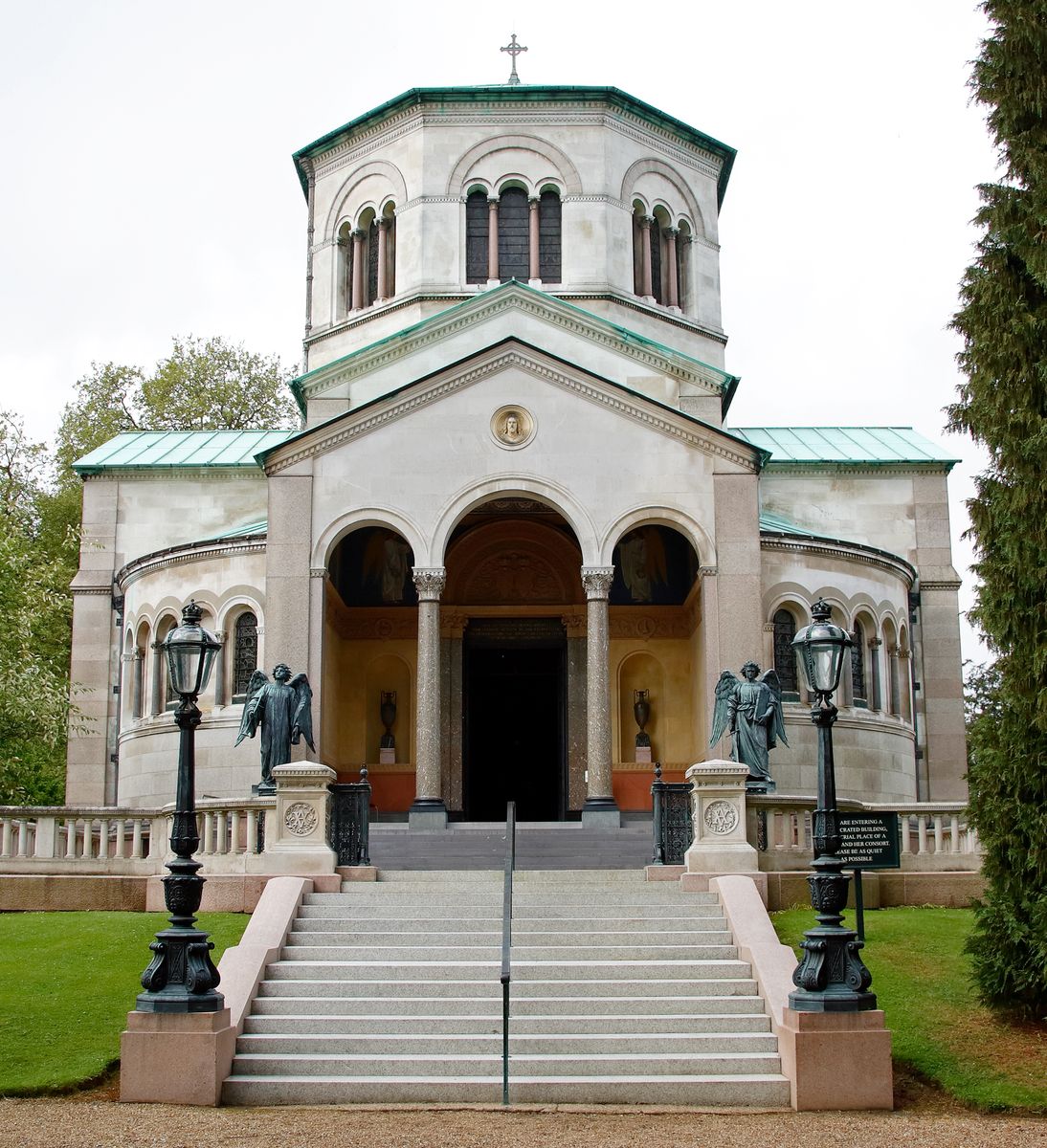
Reports indicate Andrew's funeral service would be held at St. George's Chapel at Windsor Castle before he is buried at the Royal Burial Ground at Frogmore, where many senior royals have been laid to rest since the early 20th century.
 © Max Mumby/Indigo
While monarchs and their closest family members have traditionally been interred in the Royal Vault beneath St. George's Chapel, space has become increasingly limited, making Frogmore the resting place for many extended members of the Royal Family.
His military service could still play a role
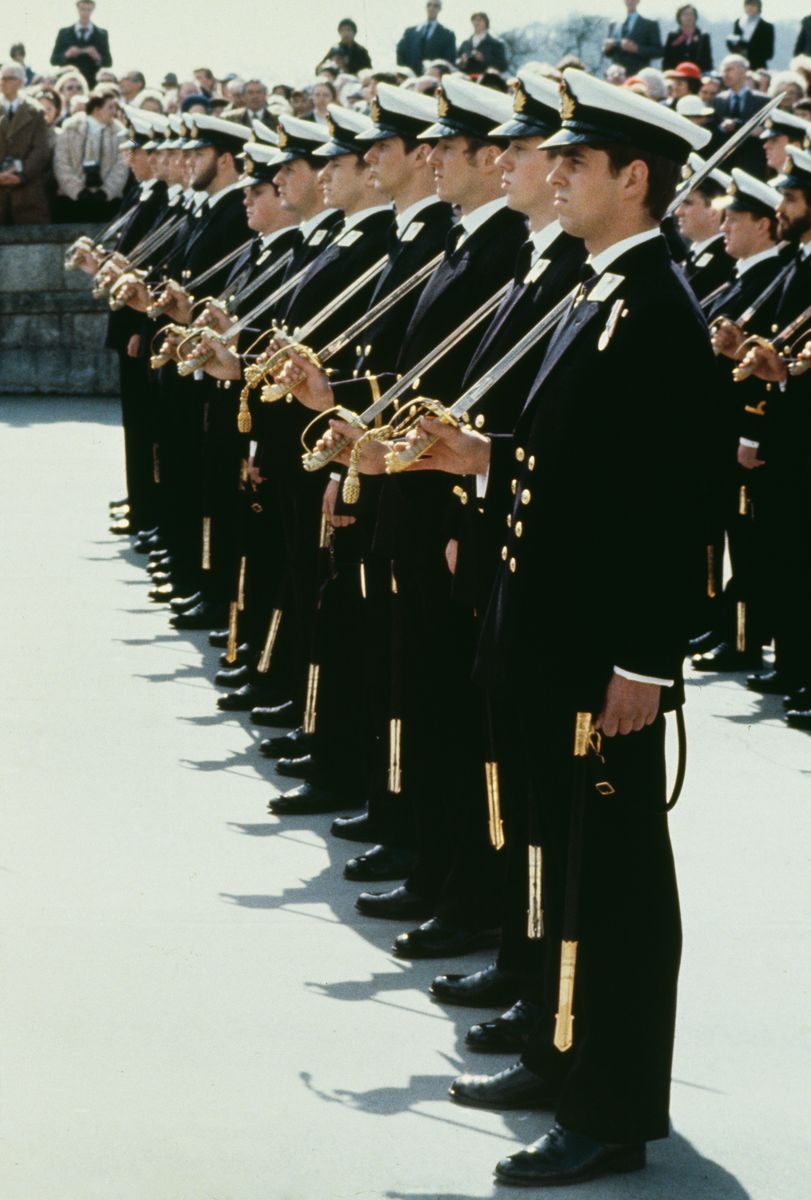
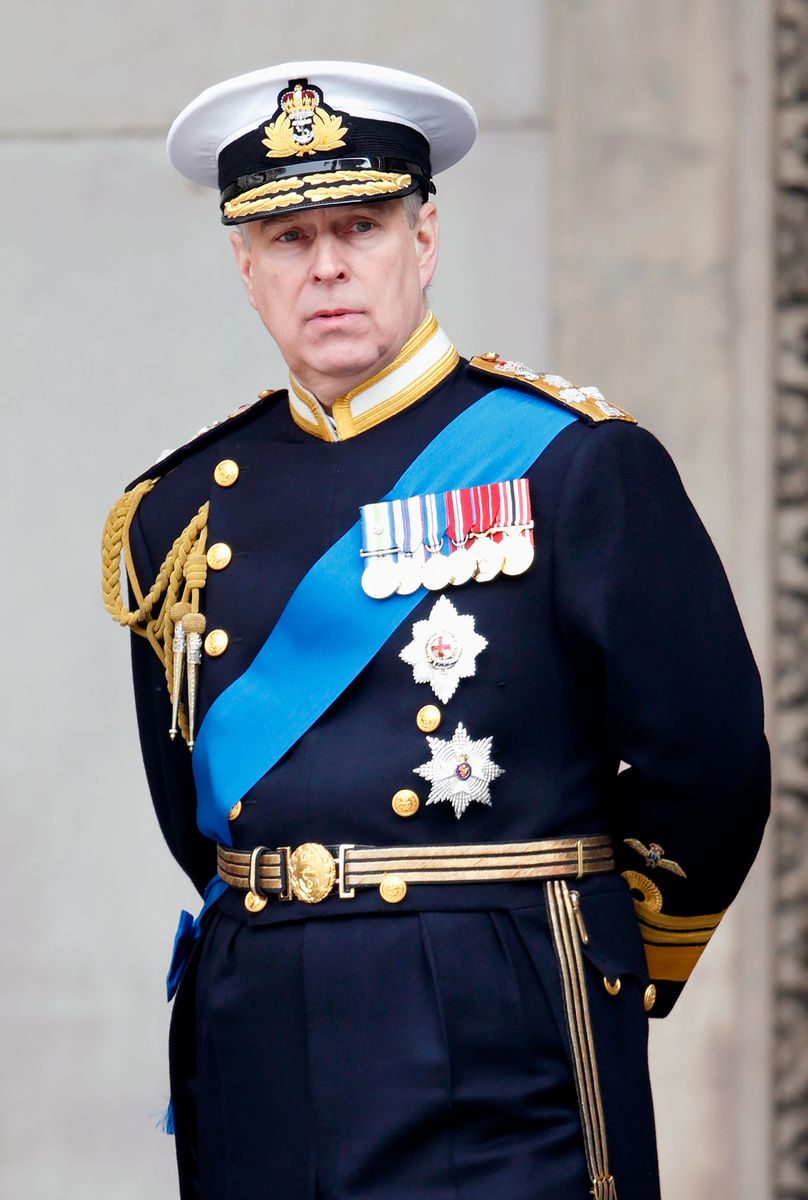
Although King Charles removed Andrew's honorary military appointments and royal titles in 2025, he retained the service medals he earned during his active military career.
 © Hulton Archive
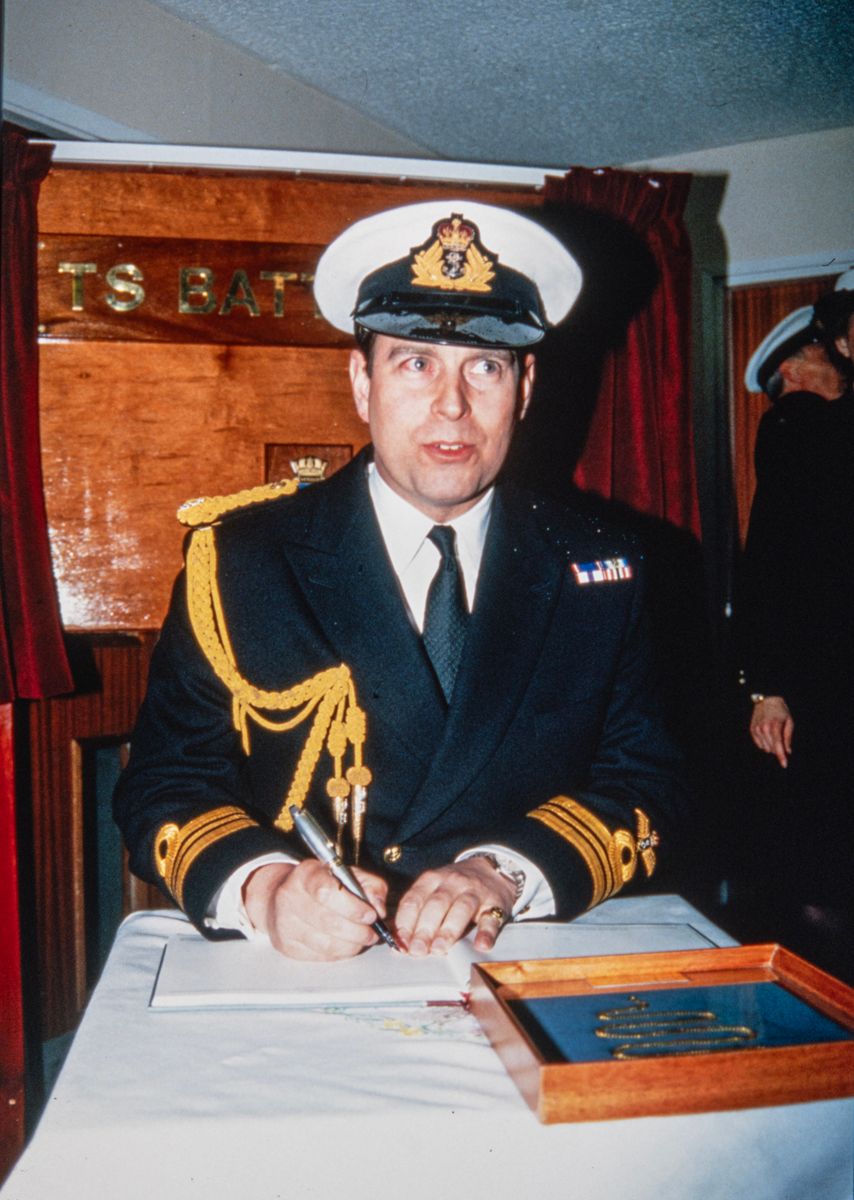
Andrew served in the Royal Navy from 1979 to 2001, including during the Falklands War.
Retired Rear Admiral Chris Parry told the Daily Mail that former Royal Navy colleagues would likely volunteer to serve as pallbearers should a ceremonial funeral take place.
 © Ken R. Goff
"The guy doesn't relinquish being a naval officer. He wasn't thrown out. He had a Falklands medal, and you can't take that away from him, and he deserves the credit for that. If somebody said to me, 'Would you do it?' I'd do it."
Why the plans are controversial
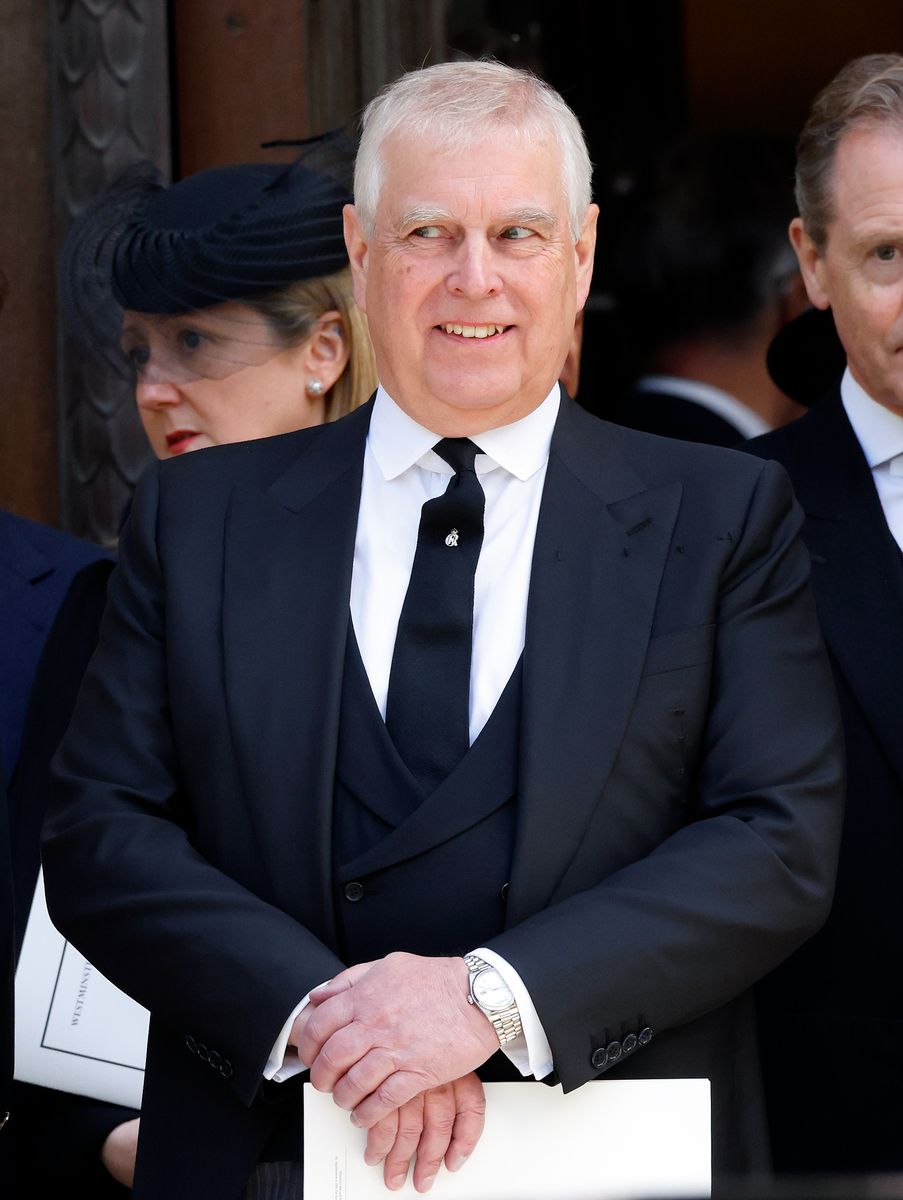
The reports have prompted criticism because Andrew was stripped of his royal titles and public duties following years of controversy surrounding his links to Jeffrey Epstein.
 © Max Mumby/Indigo
Although ceremonial royal funerals differ from state funerals, they still require extensive government coordination, including policing, security, traffic management, and ceremonial logistics.
Critics argue that any public resources devoted to such an event would likely face significant scrutiny.
 © Max Mumby/Indigo
Neither Buckingham Palace nor the Cabinet Office has publicly commented on the reported arrangements, and the contingency plans themselves remain classified.
As with other royal bridge plans, the reported protocol could still be revised in the future should the government or the monarch decide to amend it.