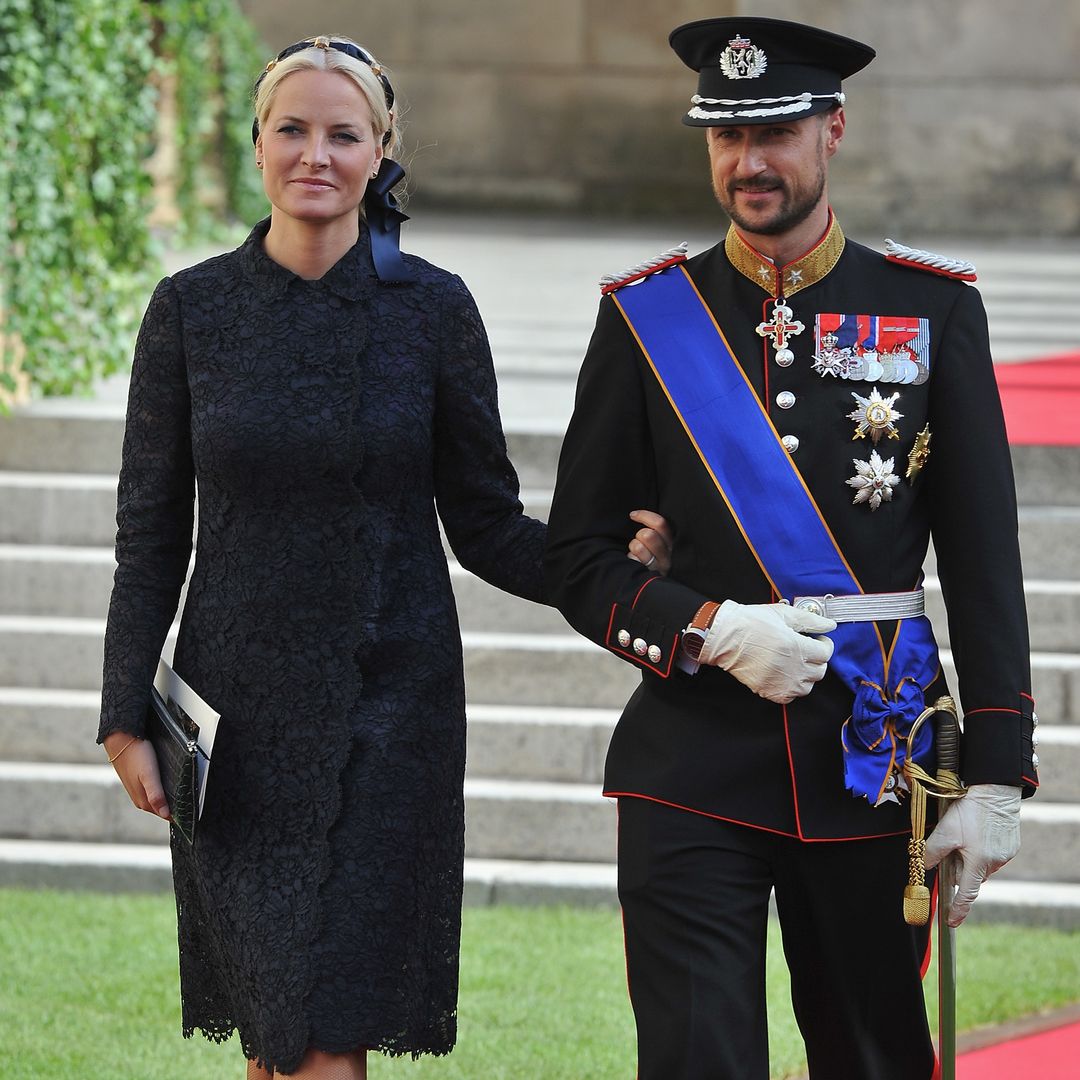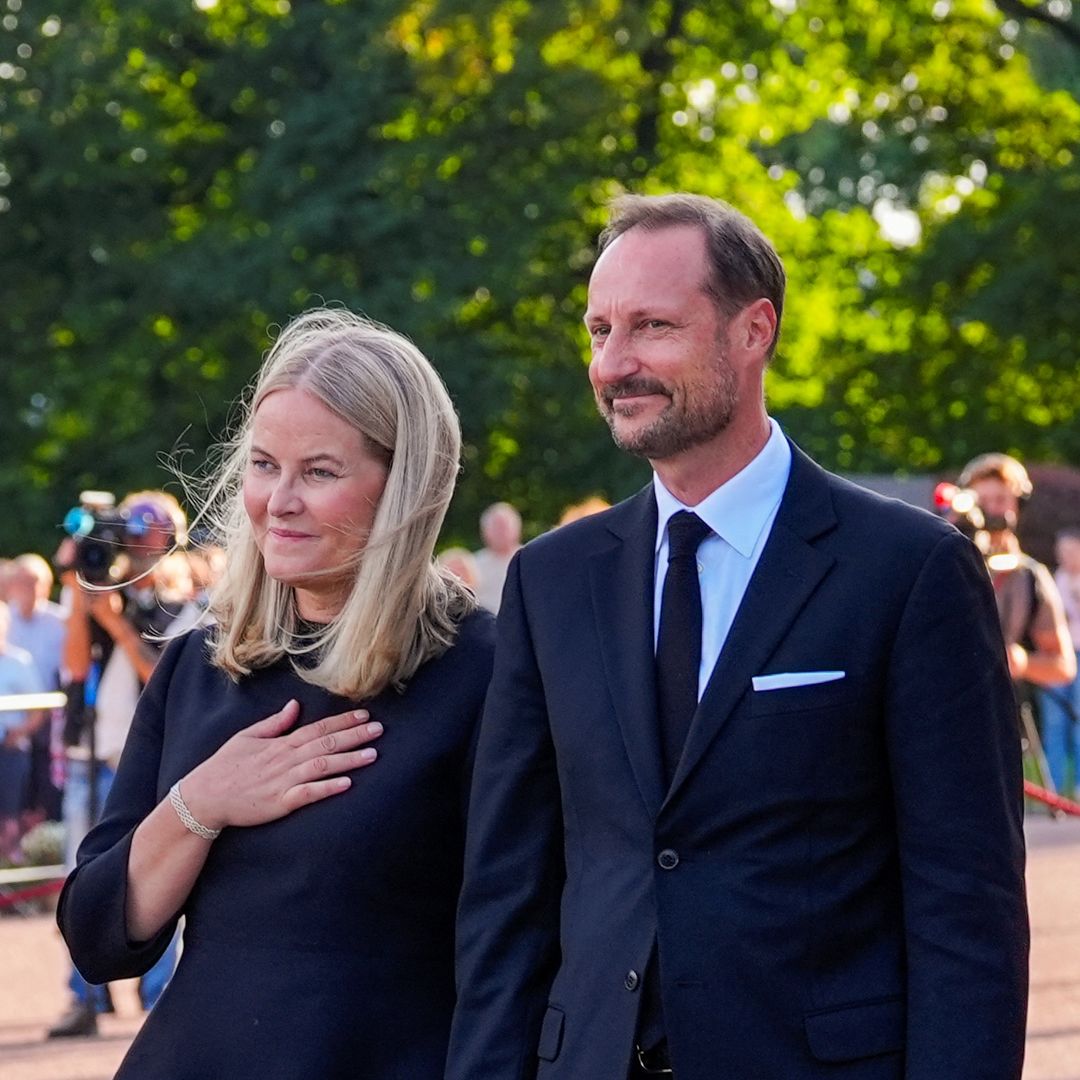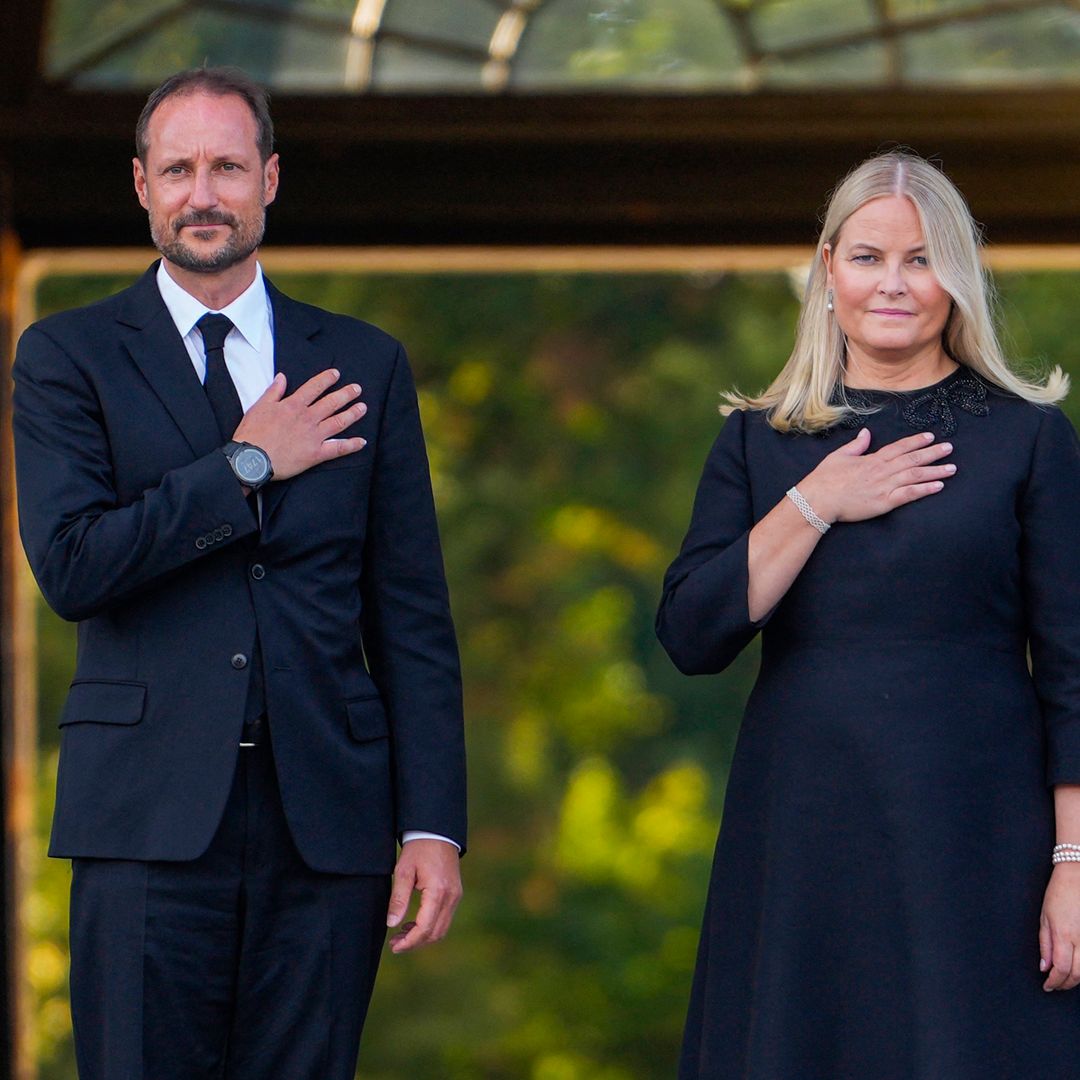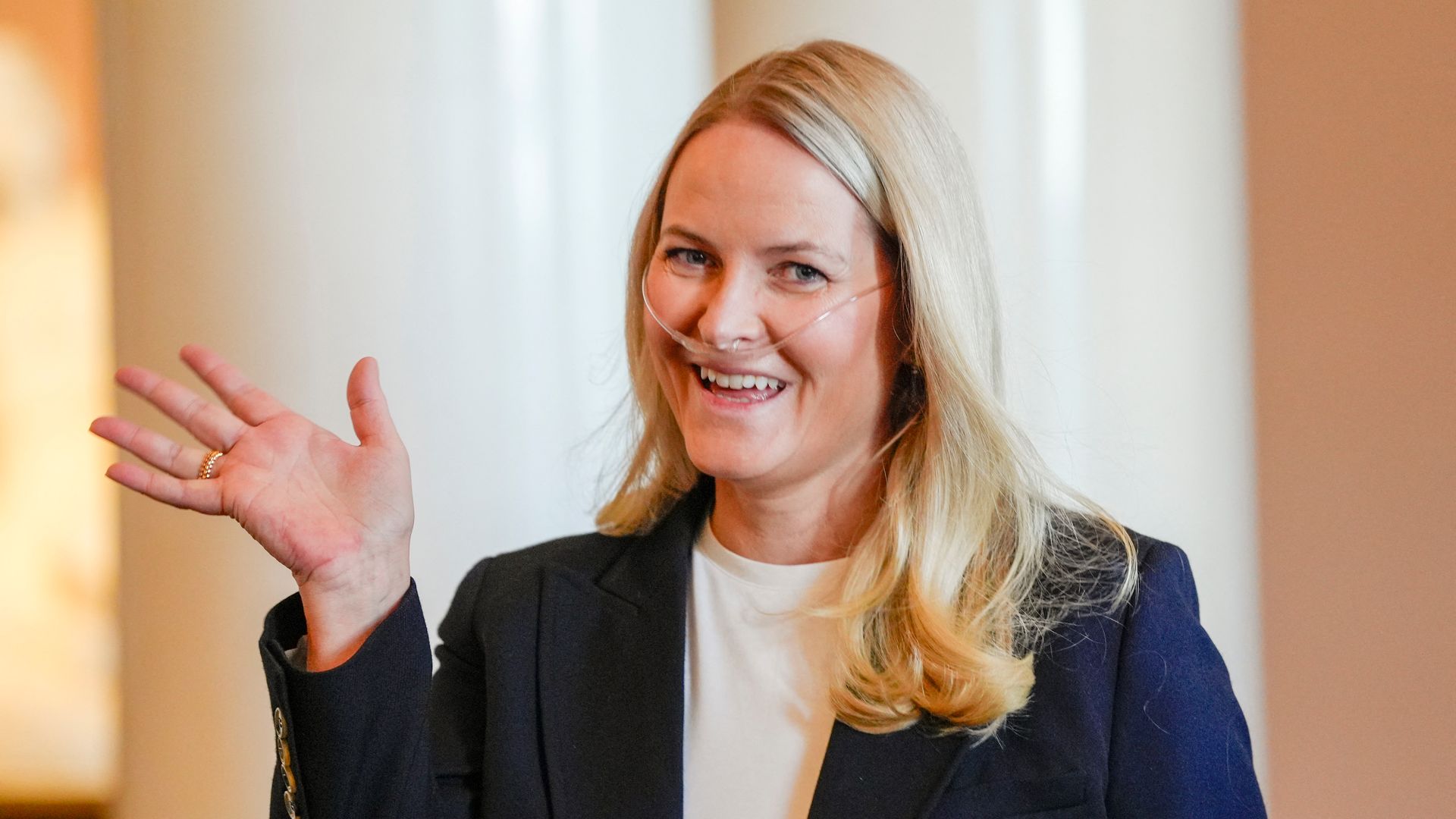
Mette-Marit has officially entered a role that once seemed almost unimaginable. Following the death of King Harald V on August 28, 2026, Crown Prince Haakon immediately succeeded his father as Norway’s monarch, taking the regnal name King Haakon VIII. The Norwegian government confirmed that the new king will continue the royal motto “All for Norway.”
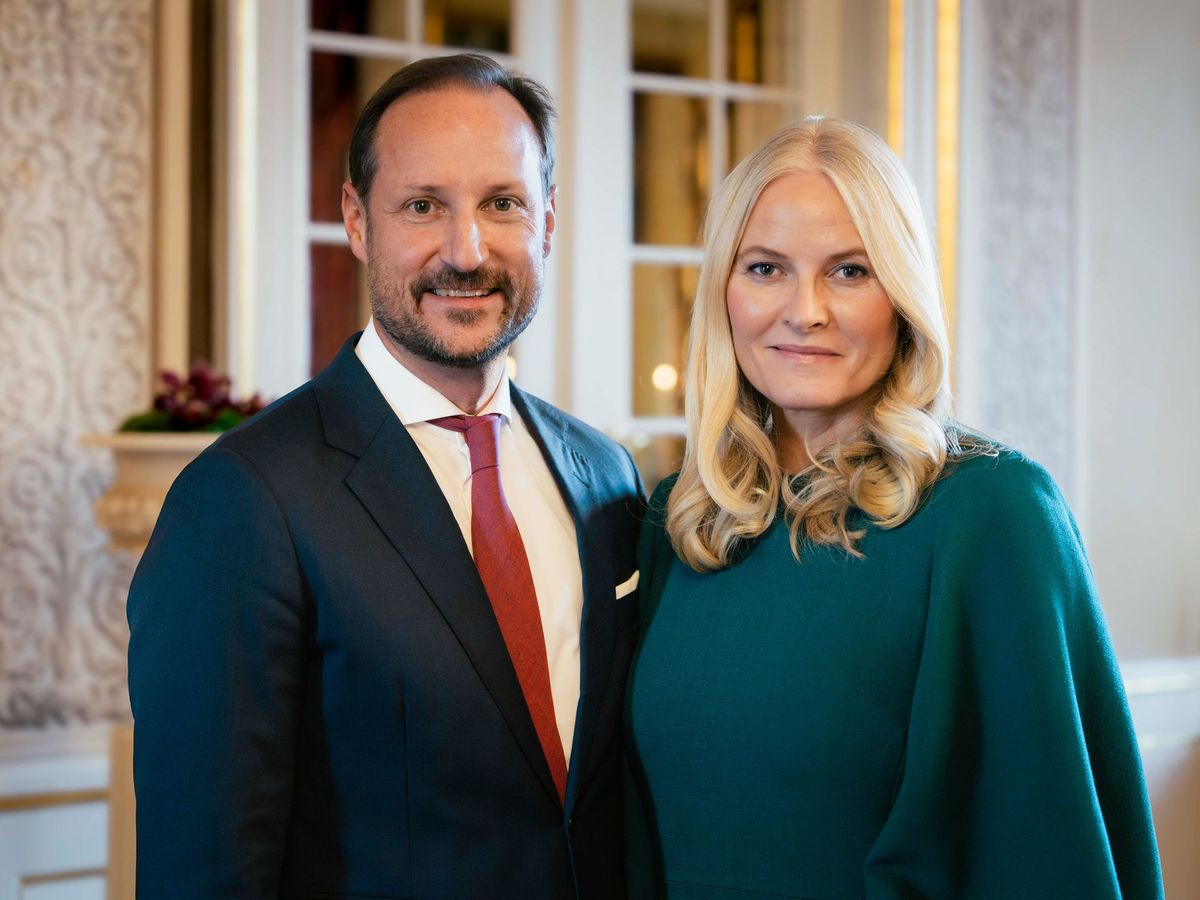
His accession also gives his wife a new title: Queen Mette-Marit of Norway. Their 22-year-old daughter, Ingrid Alexandra, is now Crown Princess and first in line to the throne.
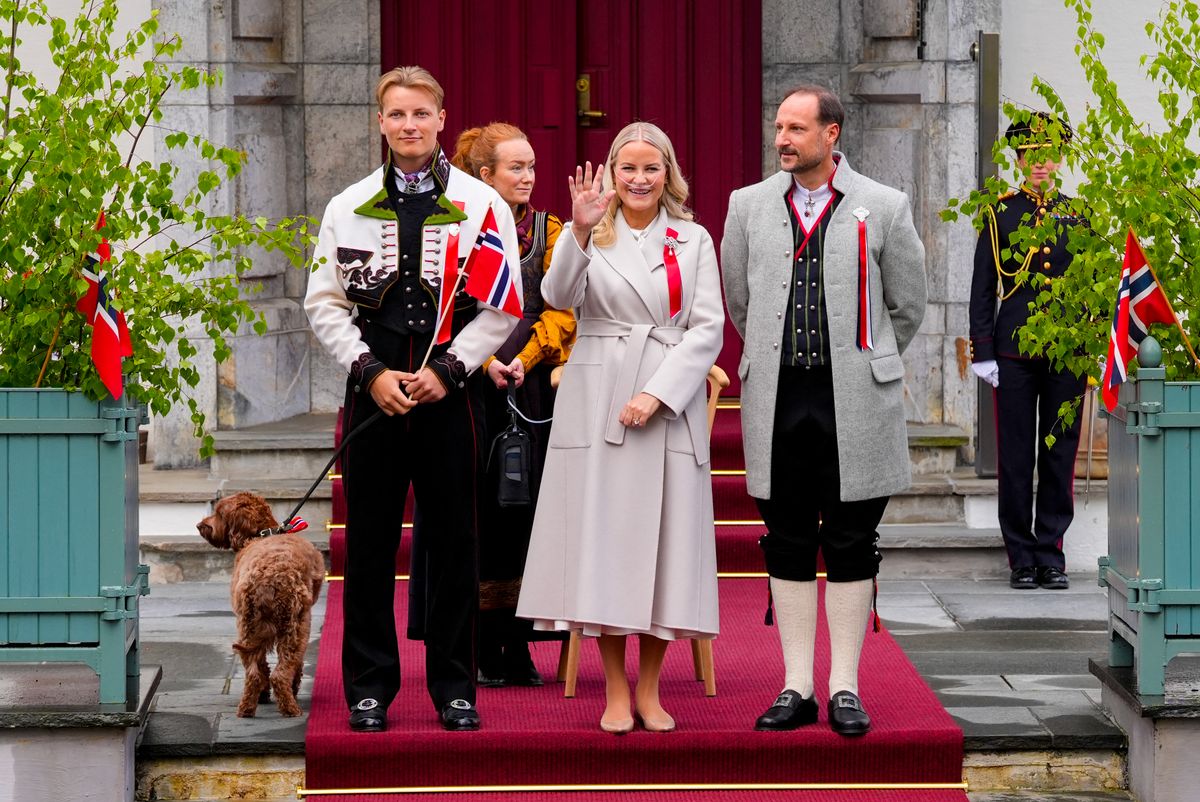 © NTB/AFP via Getty Images
For Mette-Marit, 53, the transition comes at an extraordinary moment. She is recovering from a lung transplant after years of living with chronic pulmonary fibrosis, while the Norwegian royal family has faced one of its most difficult periods of public scrutiny.
Her new position makes her the highest-ranking woman beside the king, but the opening months of Haakon’s reign are likely to look very different from a traditional royal transition. Mette-Marit is still undergoing extensive rehabilitation and is not expected to immediately return to a full schedule of public engagements.
Queen Mette-Marit’s New Role Beside King Haakon VIII
Mette-Marit became queen consort when her husband became king. She is not in the line of succession and does not hold the constitutional position of monarch herself, but as the king’s wife she now occupies one of the most prominent positions in Norway’s royal household.
Her elevation also reshapes the roles of the other leading women in the family.
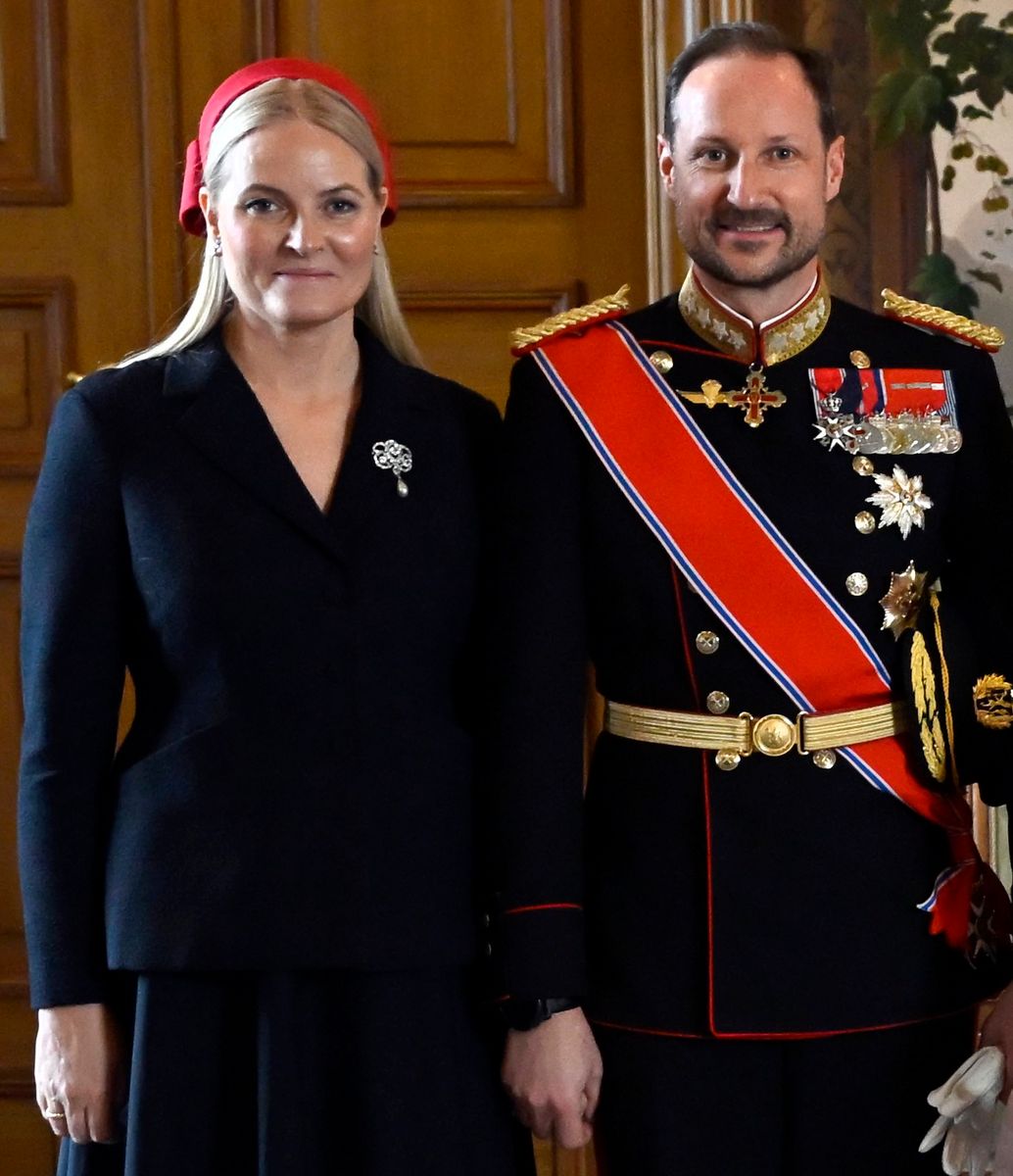 © Photonews via Getty Images
Queen Sonja, the widow of Harald V and mother of the new king, remains an experienced royal figure after decades beside her husband. Ingrid Alexandra, meanwhile, has moved one step closer to the throne as Crown Princess and is expected to assume an increasingly visible role during her father’s reign.
That support could prove particularly important because Mette-Marit is still recovering from major surgery.
The Royal Court announced on June 17 that she had undergone a successful lung transplant at Oslo University Hospital, Rikshospitalet. She was discharged on July 14, but doctors warned that rehabilitation would be lengthy. “I am deeply grateful,” Mette-Marit said after leaving the hospital, adding that organ donation had given her “the gift of life.”
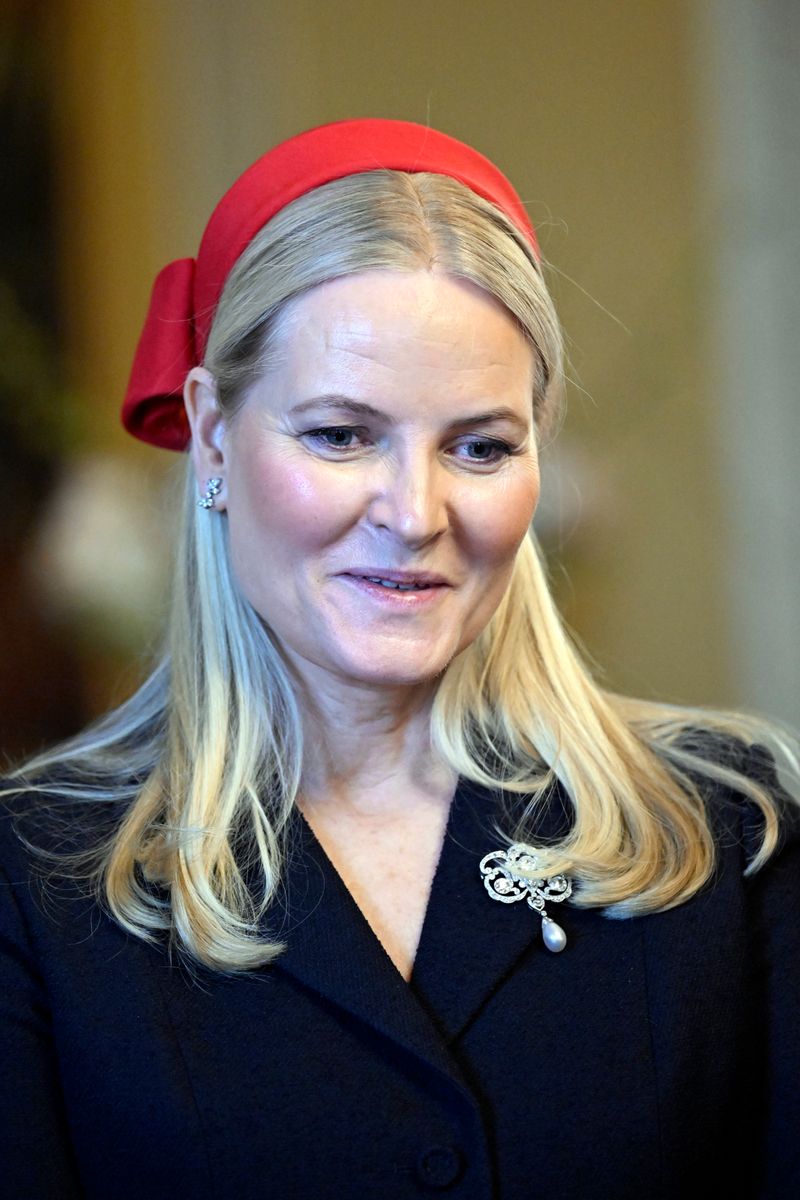 © Photonews via Getty Images
Doctors said she would be closely monitored for approximately six months and that, in an uncomplicated recovery, it can take around a year for a transplant patient’s condition to become more stable. The palace said she was not expected to undertake official engagements during the rehabilitation period.
Haakon had already made clear that her recovery would take time. “Fortunately, things are improving,” he told reporters in July, while describing the process as the beginning of a “long road to recovery.”
Why Mette-Marit Needed a Lung Transplant
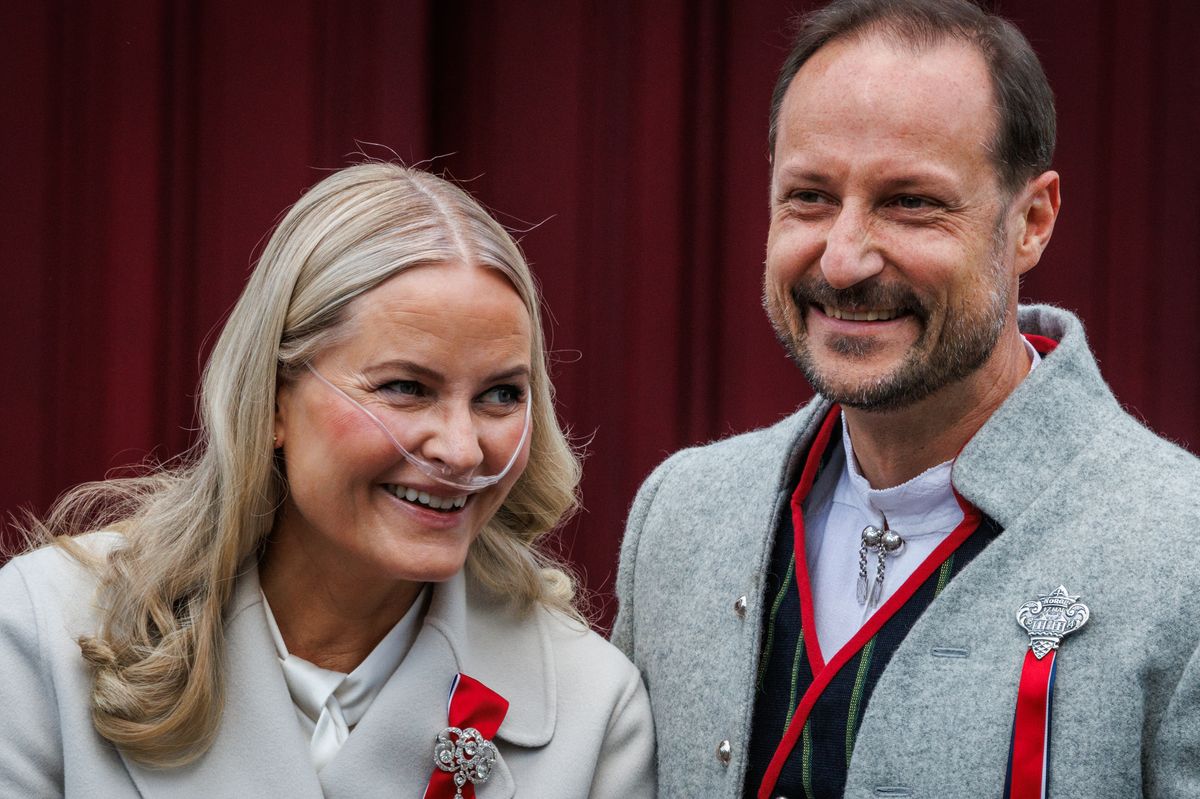
Mette-Marit’s reduced royal schedule is not new. In 2018, the palace revealed that she had been diagnosed with a rare form of chronic pulmonary fibrosis. The disease gradually limited her ability to carry out engagements, resulting in repeated periods of reduced activity.
By June 2026, her condition had become life-threatening.
 © Per Ole Hagen
Medical specialists placed her on Norway’s lung transplant waiting list on June 5, explaining that the progression of her disease had become serious enough to require transplantation as soon as a suitable donor became available.
Twelve days later, the Royal Court announced that the transplant had taken place successfully. Her recovery now overlaps with the biggest constitutional change of her life.
How Haakon and Mette-Marit’s Controversial Love Story Began
The new king and queen’s relationship began far away from palace ceremonies. They became involved after meeting around the time of the Quart music festival in Kristians and in 1999. Mette-Marit was a commoner and single mother, while Haakon was Norway’s future king.
 © SCANPIX SWEDEN/AFP via Getty Ima
Haakon later recalled the impact she made on him. “I just looked at her. She was like a light,” he wrote of their early encounter.
Their relationship initially remained private, but once it became public, Mette-Marit faced intense scrutiny over her background and earlier lifestyle.
She later described the experience in stark terms. “To feel hunted is an overwhelming feeling,” she said of that period, according to Haakon’s book.
 © SCANPIX SWEDEN/AFP via Getty Ima
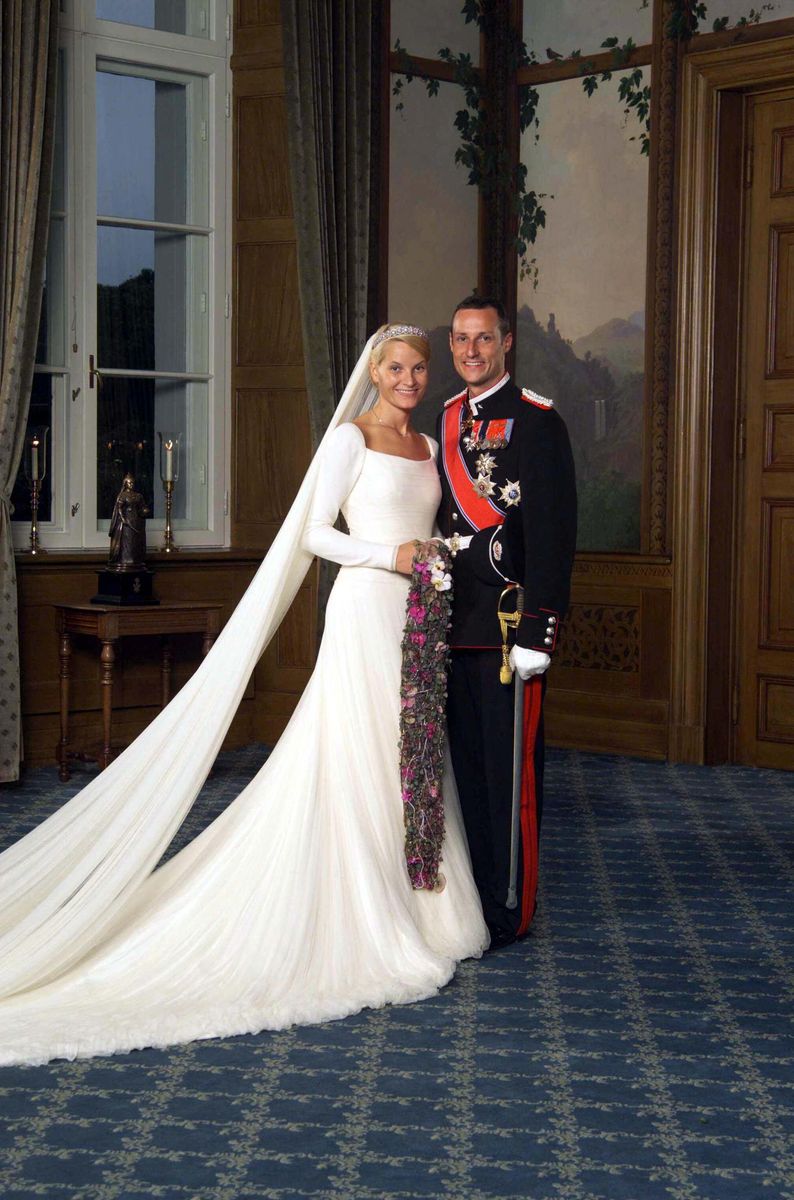
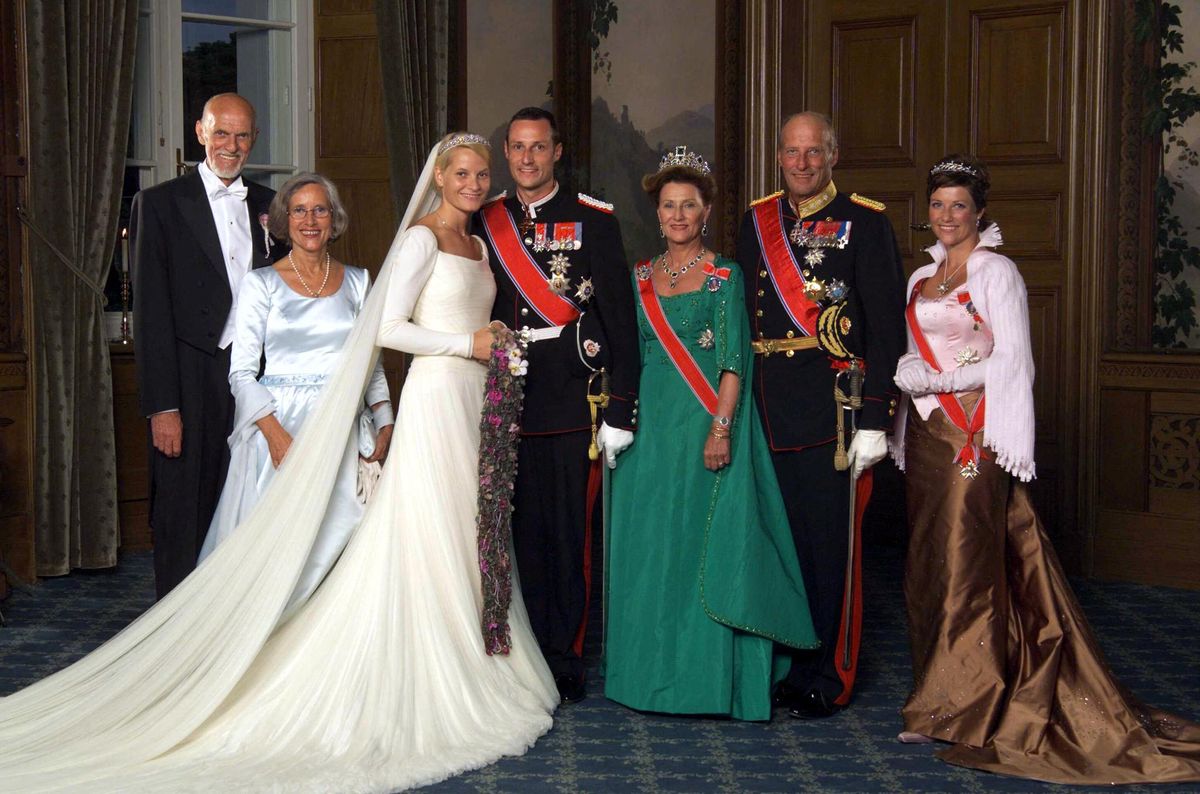
The couple became engaged in December 2000 and married on August 25, 2001, at Oslo Cathedral. King Harald and Queen Sonja’s support was crucial.
During the wedding celebrations, Harald rejected the idea that his new daughter-in-law was simply an ordinary young woman who had suddenly become a princess. “You are not an ordinary young woman. You are an extraordinary young woman,” Harald told her.
He praised her openness, determination and courage, publicly welcoming a woman whose arrival had challenged traditional expectations surrounding Norway’s future queen.
 © Getty Images
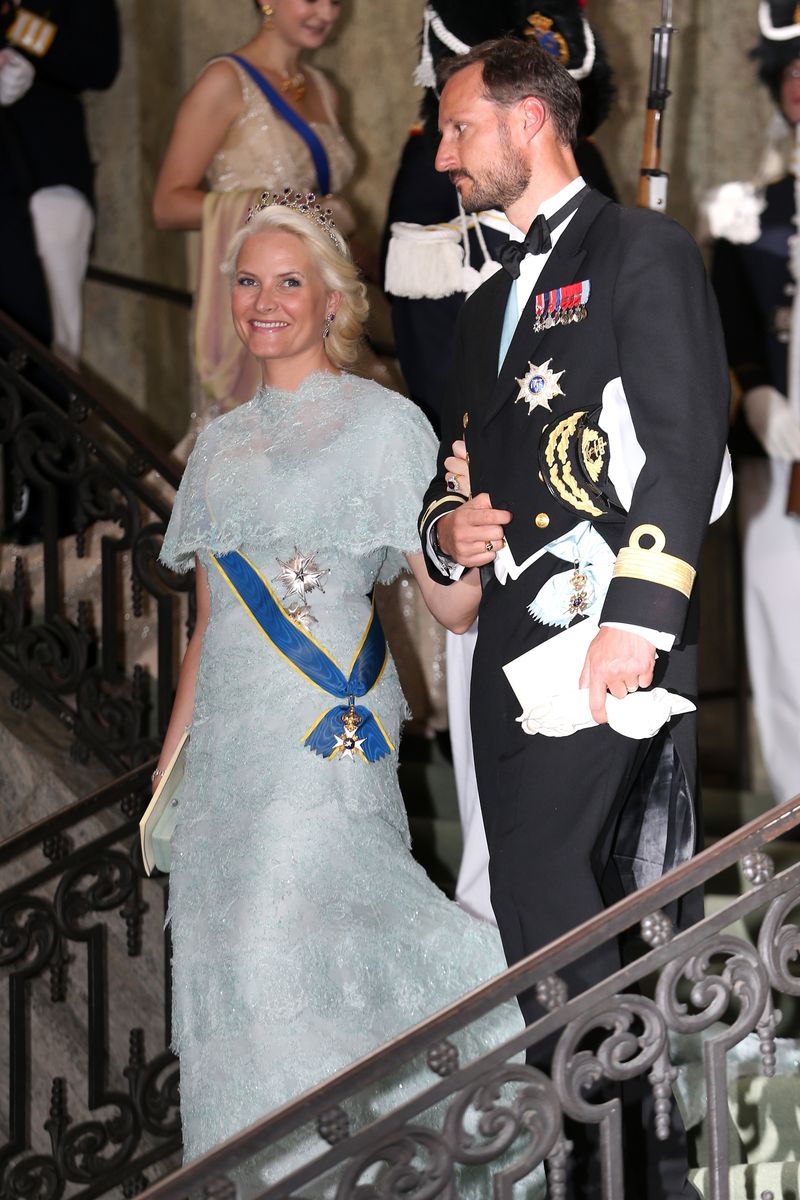
That endorsement proved significant. Over the following years, Mette-Marit established her own royal profile through work involving literature, young people, mental health, social inclusion and international health initiatives.
Queen Mette-Marit Begins a Very Different Kind of Reign
There is an unusual contrast at the heart of Mette-Marit’s new position. She has reached the highest royal title available to a Norwegian king’s wife at precisely the moment when her health requires her to retreat from much of the public work normally associated with it.
 © Ola Vatn, Det kongelige hoff
That makes Queen Sonja and Crown Princess Ingrid Alexandra especially important as Haakon VIII begins his reign.
Ingrid Alexandra has already spent years preparing for her future constitutional responsibilities, while Sonja brings decades of institutional experience. Haakon himself also has extensive experience stepping in for his father, having repeatedly served as Crown Prince Regent when Harald was ill or unable to perform his duties.