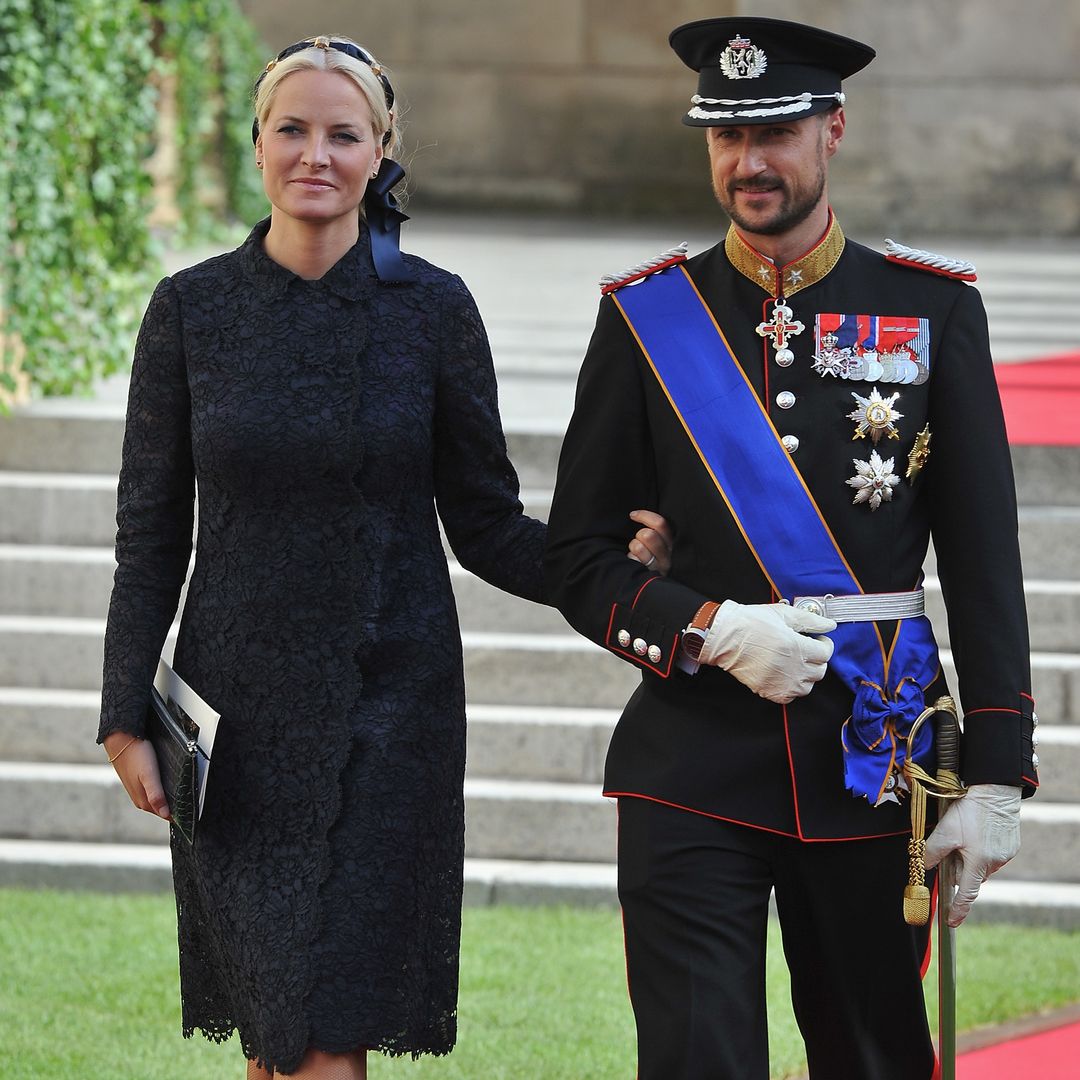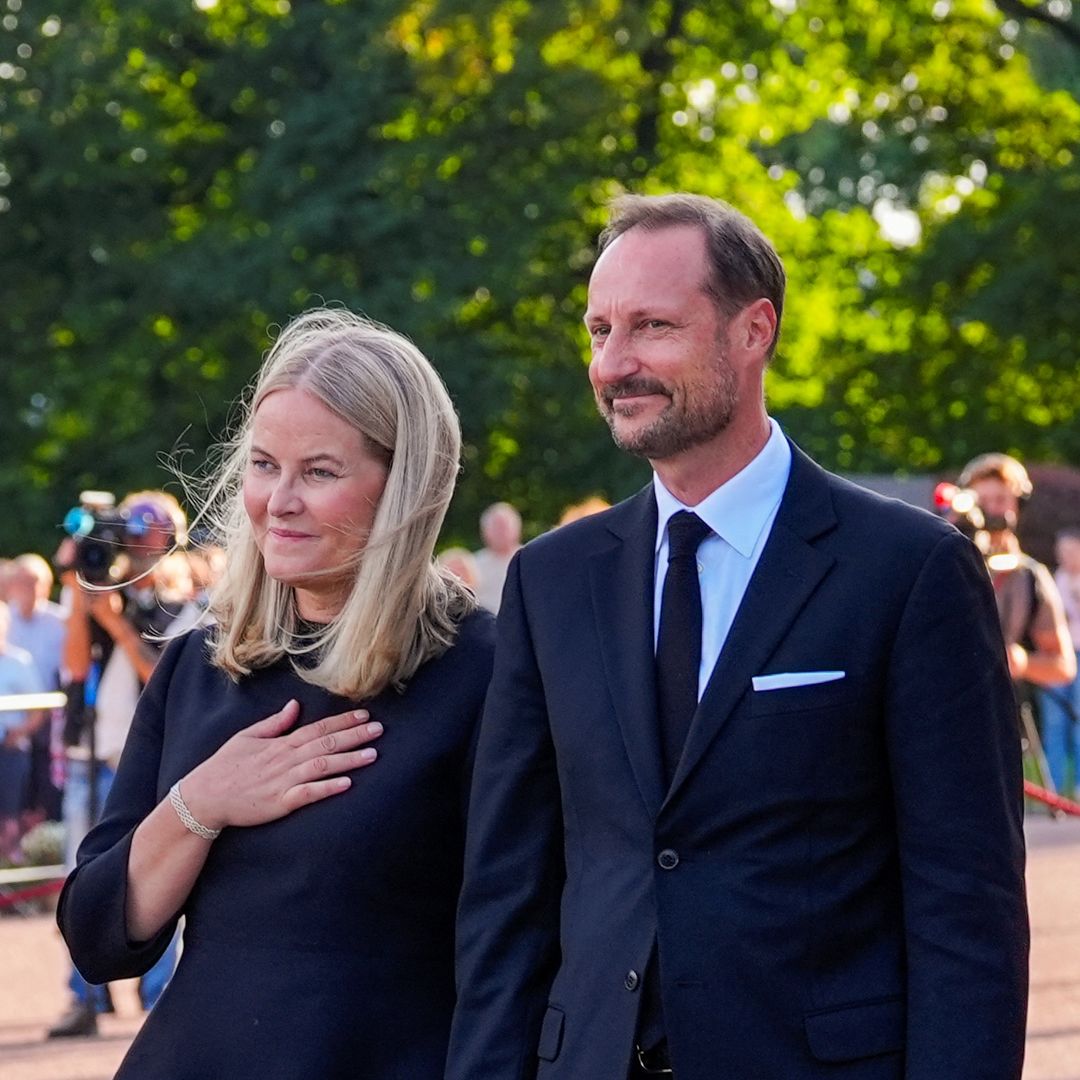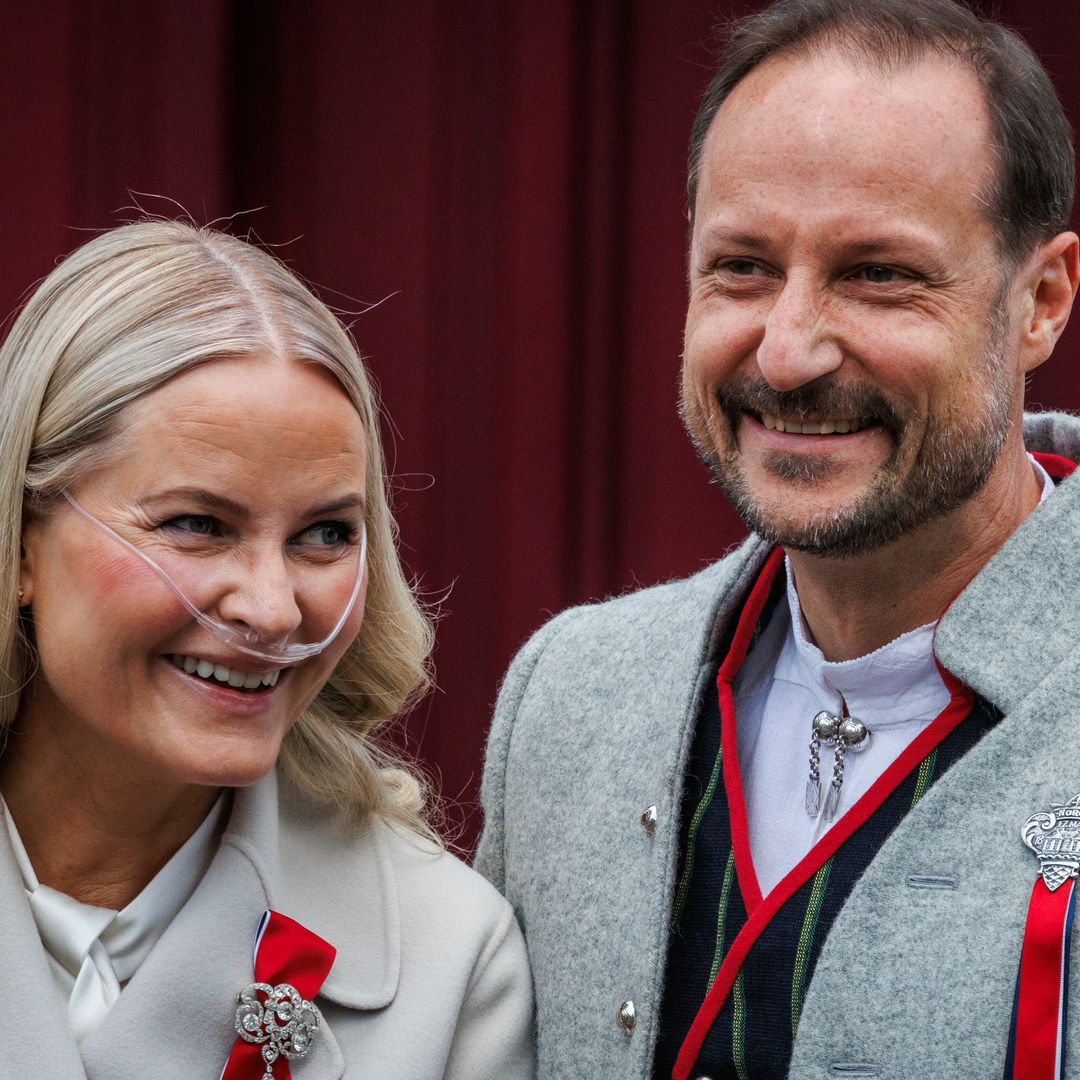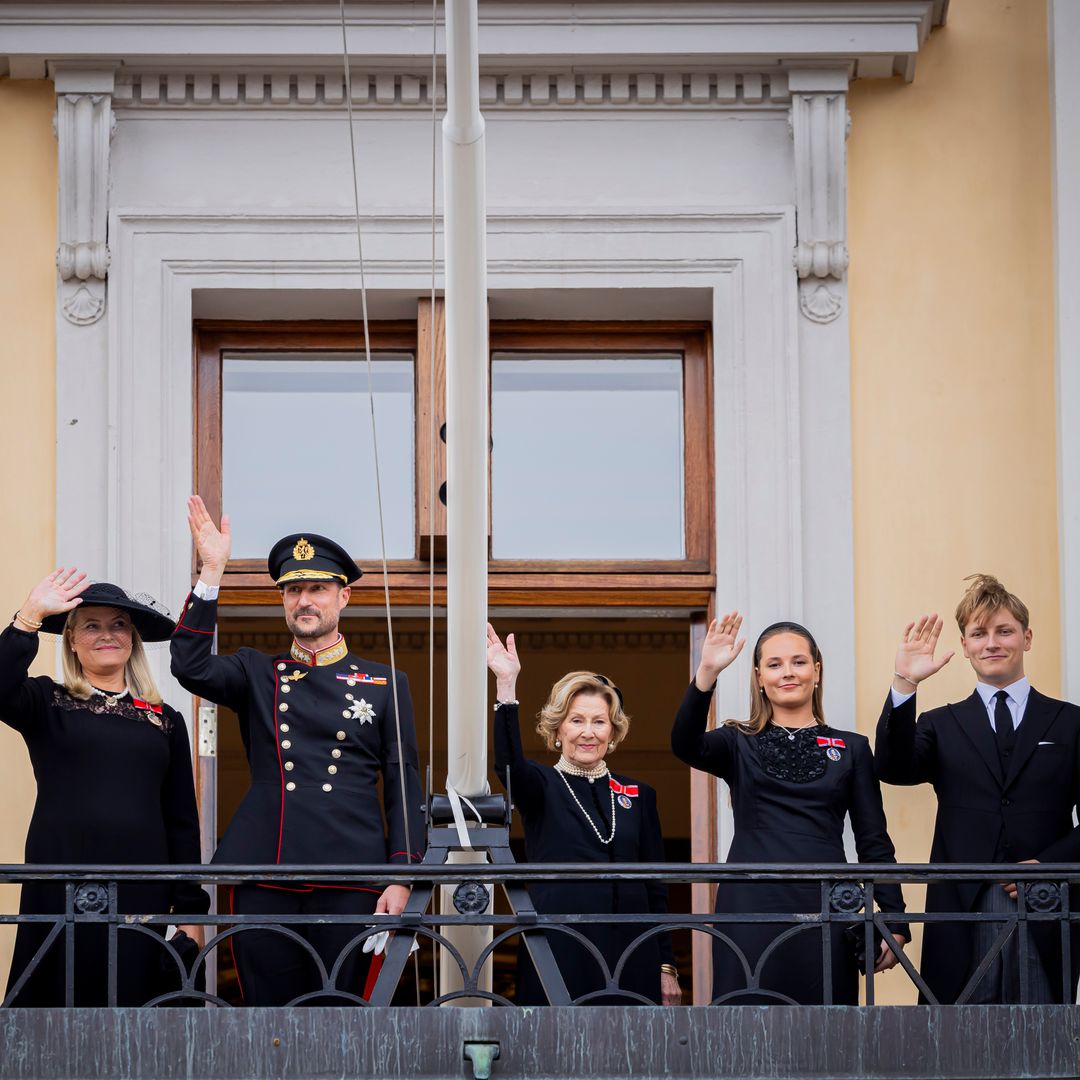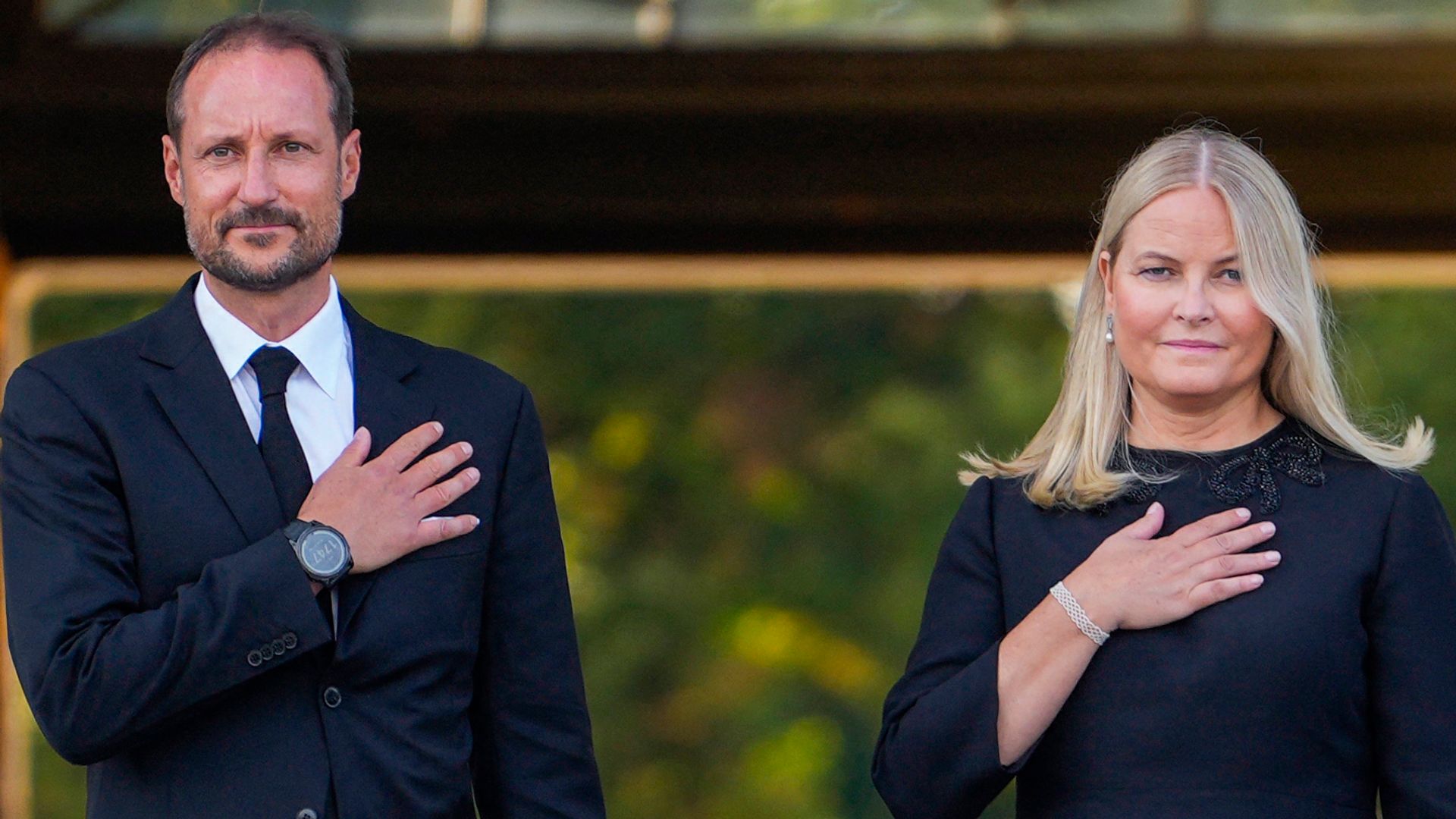
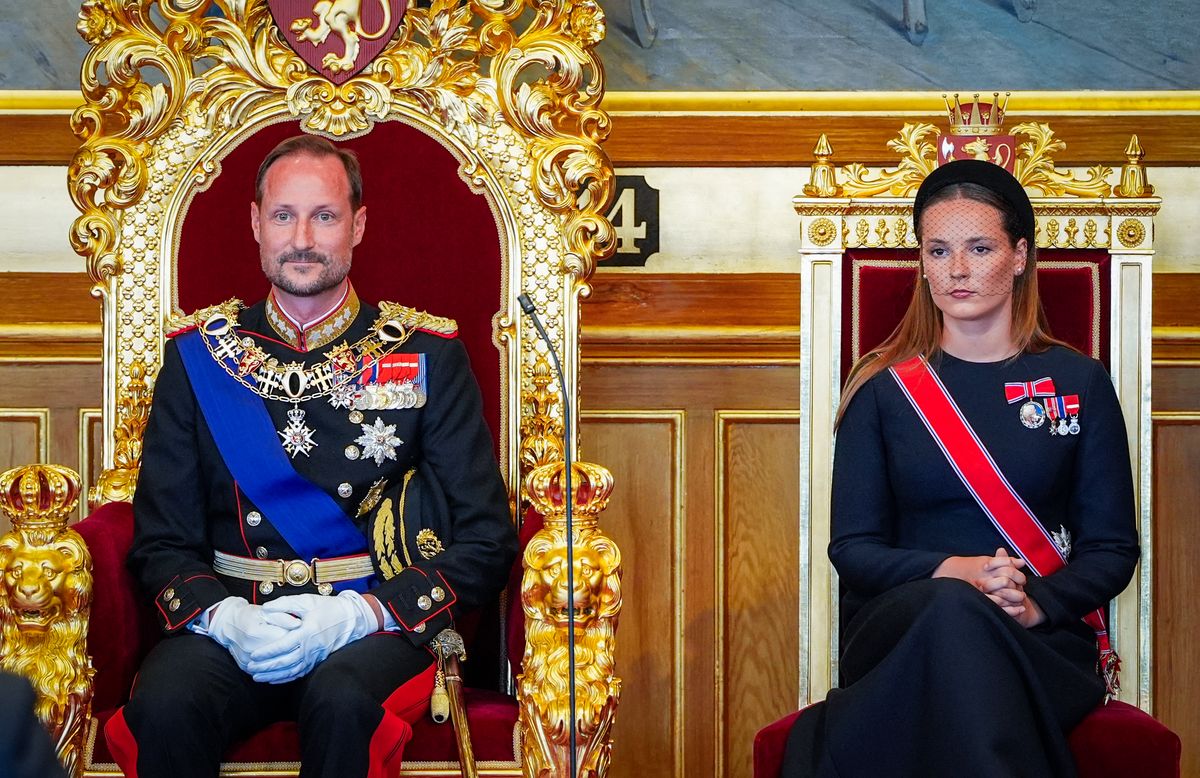
Norway's Royal House confirmed Tuesday that Queen Mette-Marit will skip the constitutional oath-taking ceremony before the Storting, the day's central rite in a monarchy adjusting to King Harald V's death. In her place will stand three generations of the family she married into: Crown Princess Ingrid, who will take her own oath alongside her father; Queen Sonja, Harald's widow; and Prince Sverre Magnus, Mette-Marit and Haakon's younger child.
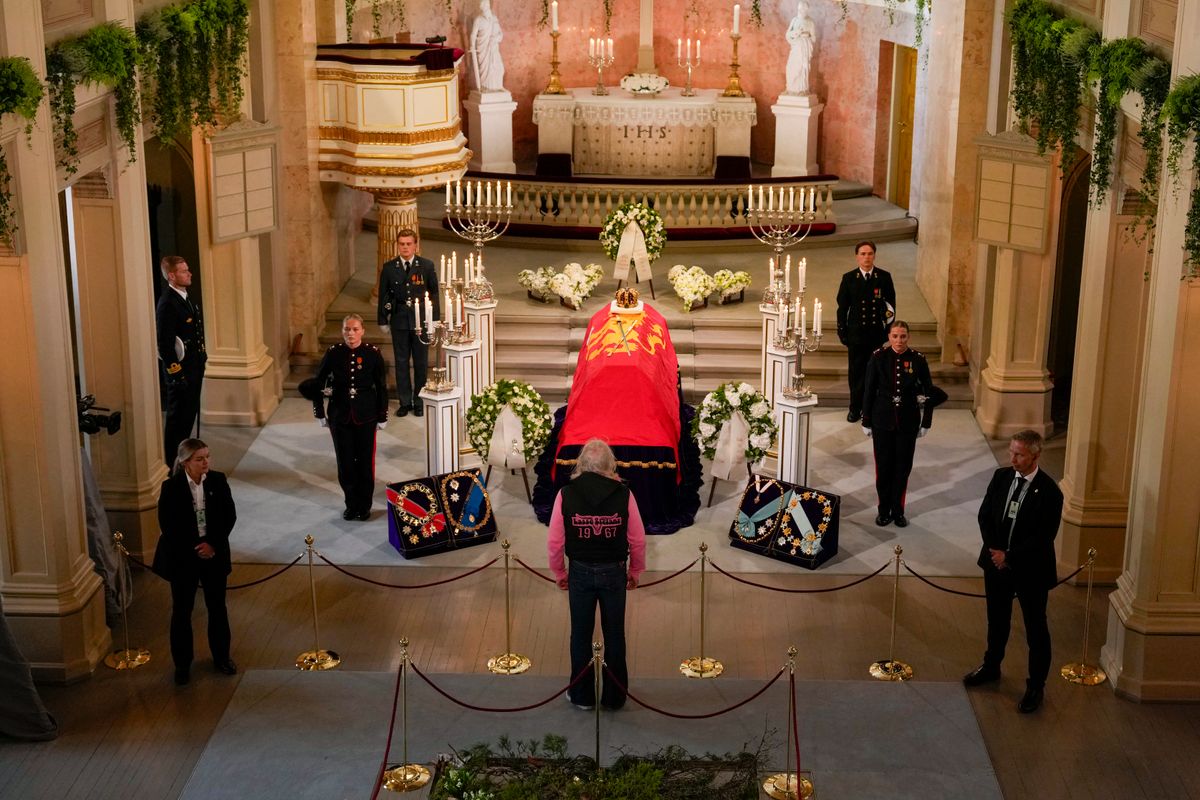 © NTB/AFP via Getty Images
All three will watch the proceedings from the Storting Hall.
The reason traces back to June, when Mette-Marit underwent a lung transplant after years battling pulmonary fibrosis. Recovery from that kind of surgery is rarely a straight line, and Tuesday brought one of its harder stretches.
"It is not uncommon for complications to occur after a lung transplant. The Queen has had complications on some occasions since the operation, including today," said Are Holm, a pulmonologist at Oslo's National Hospital, in a statement released by the palace. "As a result, the Queen must remain under observation throughout the day. For this reason, the Queen unfortunately will not be able to attend the swearing-in ceremony in Parliament today."
It's a quiet, clinical explanation for a very public absence — the kind of sentence that reduces a queen's day to a hospital observation chart, on the same afternoon her husband formally becomes head of state.
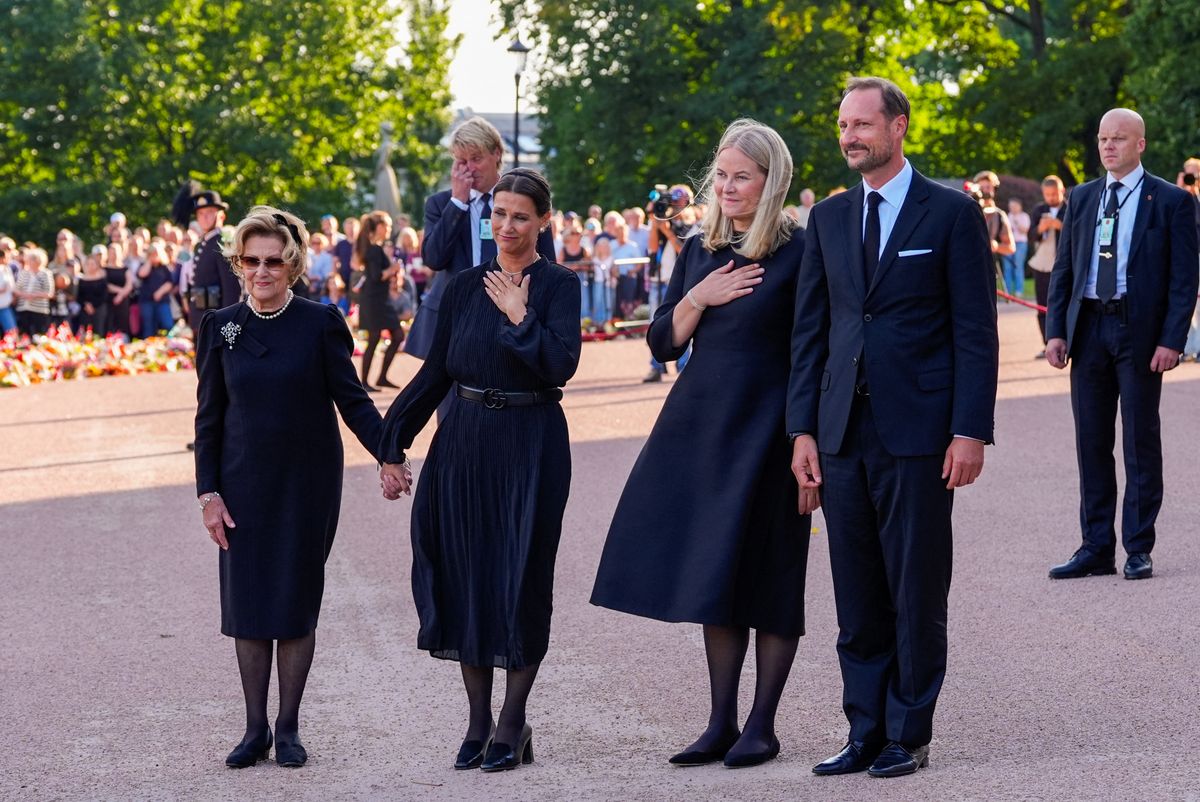 © NTB/AFP via Getty Images
A written first for the next queen
Ingrid's role in the ceremony carries its own historical weight. The Norwegian constitution requires a new monarch to swear an oral oath before the Storting — but as the adult heir to the throne, Ingrid is also required to submit her own oath to the constitution in writing, a formality other European heirs have fulfilled only in spoken form.
It marks the first time Norway's line of succession has included an adult second-in-line prepared to take that step alongside a new monarch.
Inside the ceremony
The oath-taking itself follows a fixed, formal choreography. Haakon will be received by the Storting's vice presidents, with the session presided over by the parliament's president. He'll then take his oath and deliver a short address. A tribute speech to the late King Harald follows, along with a minute of silence. The president will then address the new king directly, the royal anthem will be sung, and Haakon will depart the parliamentary chamber as Norway's constitutional monarch, oath fulfilled.
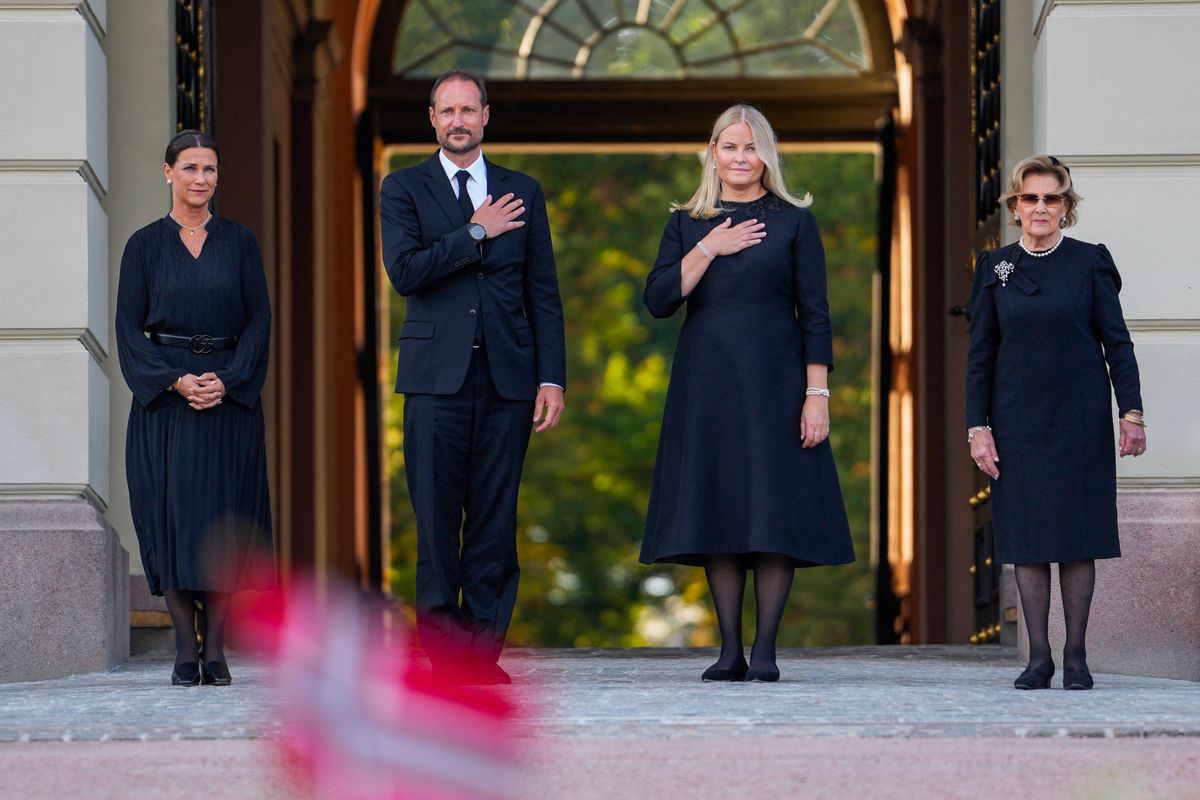 © NTB/AFP via Getty Images
The words themselves are set by law. Article 9 of Norway's constitution requires a new king to swear an oral oath to the Storting upon a predecessor's death, and Haakon VIII will speak the traditional formula: "I promise and swear to govern the Kingdom of Norway in accordance with its Constitution and its Laws; so help me God, Almighty and Omniscient."
Why the oath matters
Norway's monarchy is constitutional, built on a separation of powers, and the Storting oath exists precisely to underline that the king's authority is bounded by law rather than personal will.
For Norwegians, it isn't ceremonial theater so much as a legally binding act — one with real constitutional consequences if it were ever withheld or broken. That the country's incoming queen is watching from a hospital room rather than the chamber floor doesn't change the oath's weight; if anything, it's a reminder of how much personal cost has accompanied this particular transfer of power.
 © NTB/AFP via Getty Images