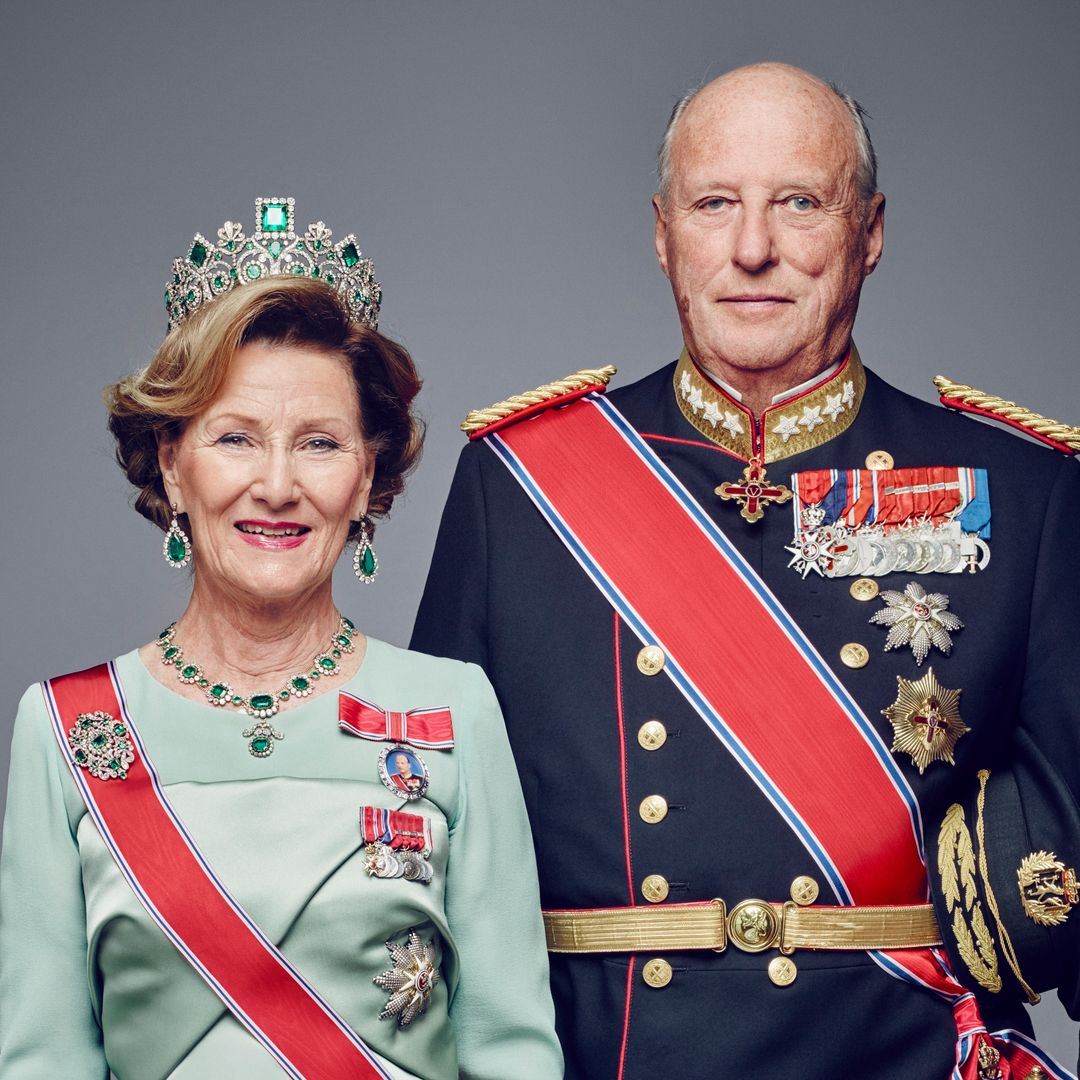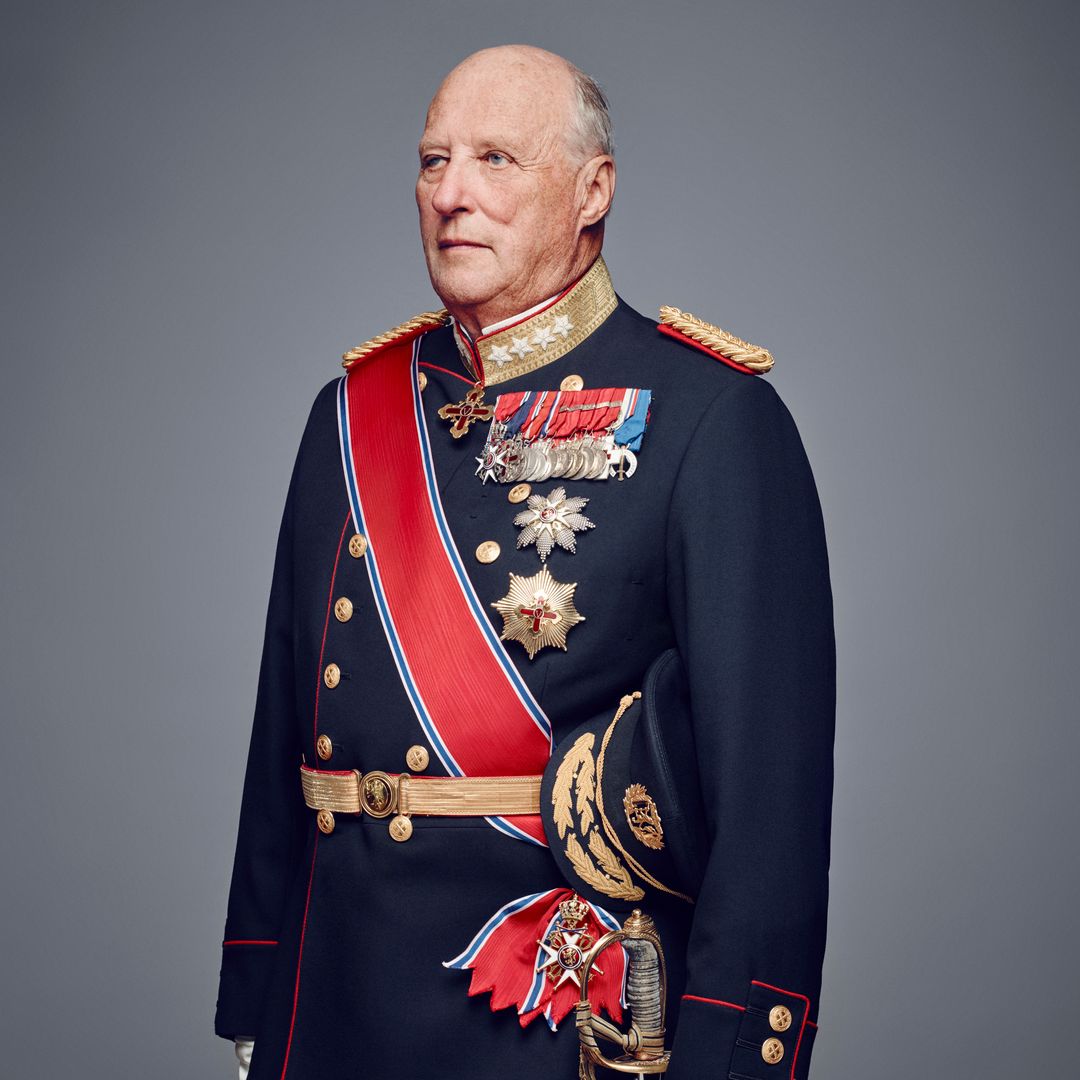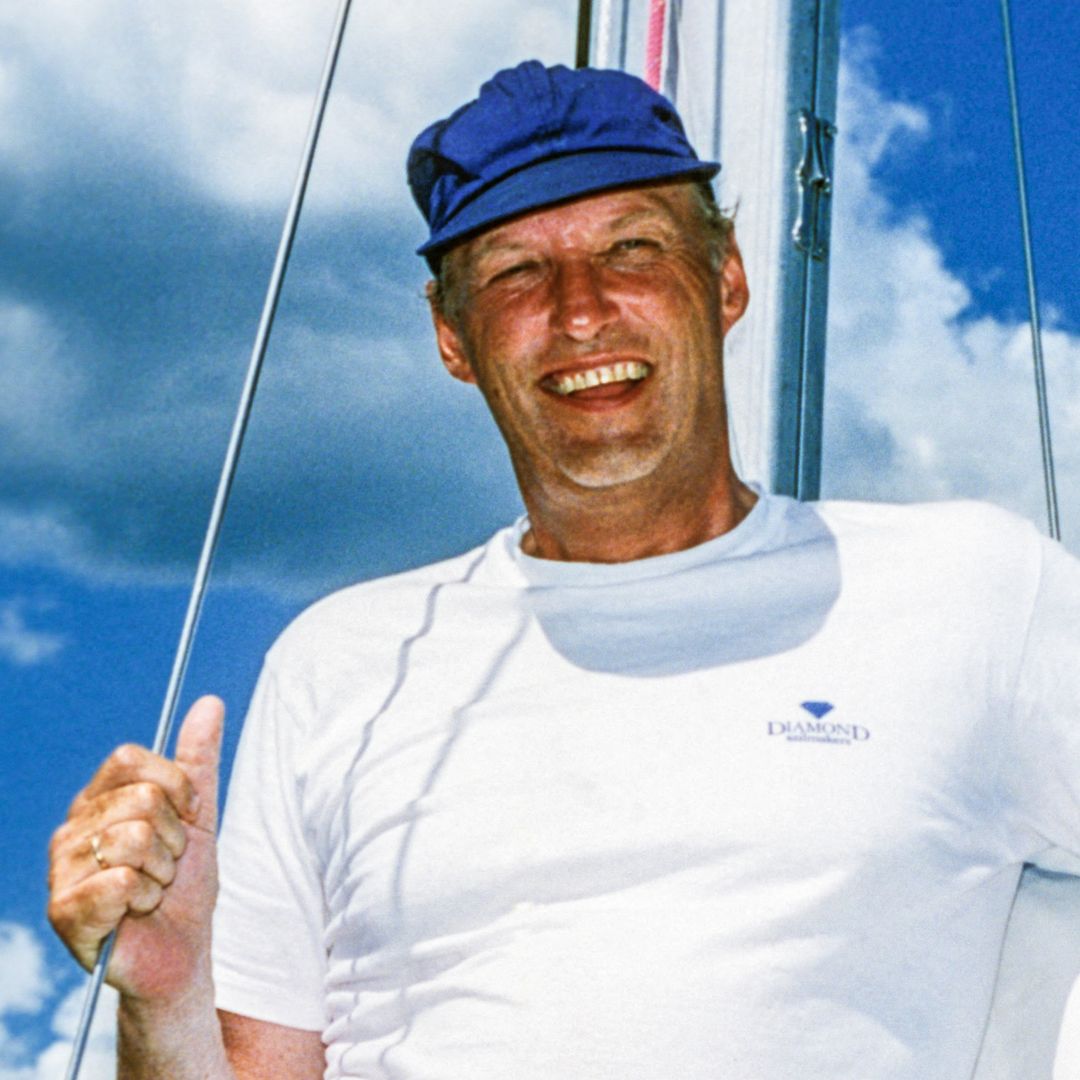
Norway is mourning the death of its head of state: King Harald V, who had been on the throne since 1991, has passed away, and everything is now ready for the proclamation of a new monarch and head of the Royal House, Haakon VIII. Meanwhile, away from the institutional sphere, his family is facing the loss of the man himself and saying goodbye to someone whose greatest gift was his capacity to love. The king has died, but so has a husband, father, father‑in‑law, and grandfather who showed that the institution came first, but not at any price. That was one of the legacies of Harald V, the first king who truly believed in love in every sense.
 © Det Kongefamilien
Harald of Norway, a devoted family man
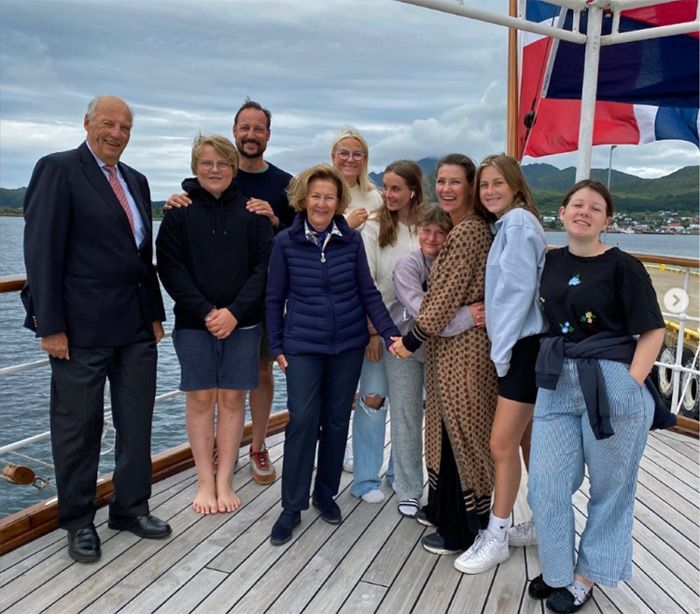
The late sovereign was always known for being deeply family‑oriented and for his determination to be a good husband, father, and grandfather, as well as a king. This was evident on many occasions, starting with his own relationship with Queen Sonja, whom neither the Royal Household nor the government wanted as the Crown Prince’s wife because she did not come from royalty. We know how that story ended: after nearly a decade of dating and a long debate inside and outside Parliament, Harald said that if he could not marry Sonja, he would remain single. This caused real alarm, since he was the only son of King Olav, the only one who could inherit the throne and pass on dynastic rights. “Sonja has meant everything to me,” the King said years later as he remembered that time when the couple lived under constant rumors, secrecy, and pressure.
 © Det Kongefamilien
A strong defender of Haakon and Mette‑Marit’s marriage
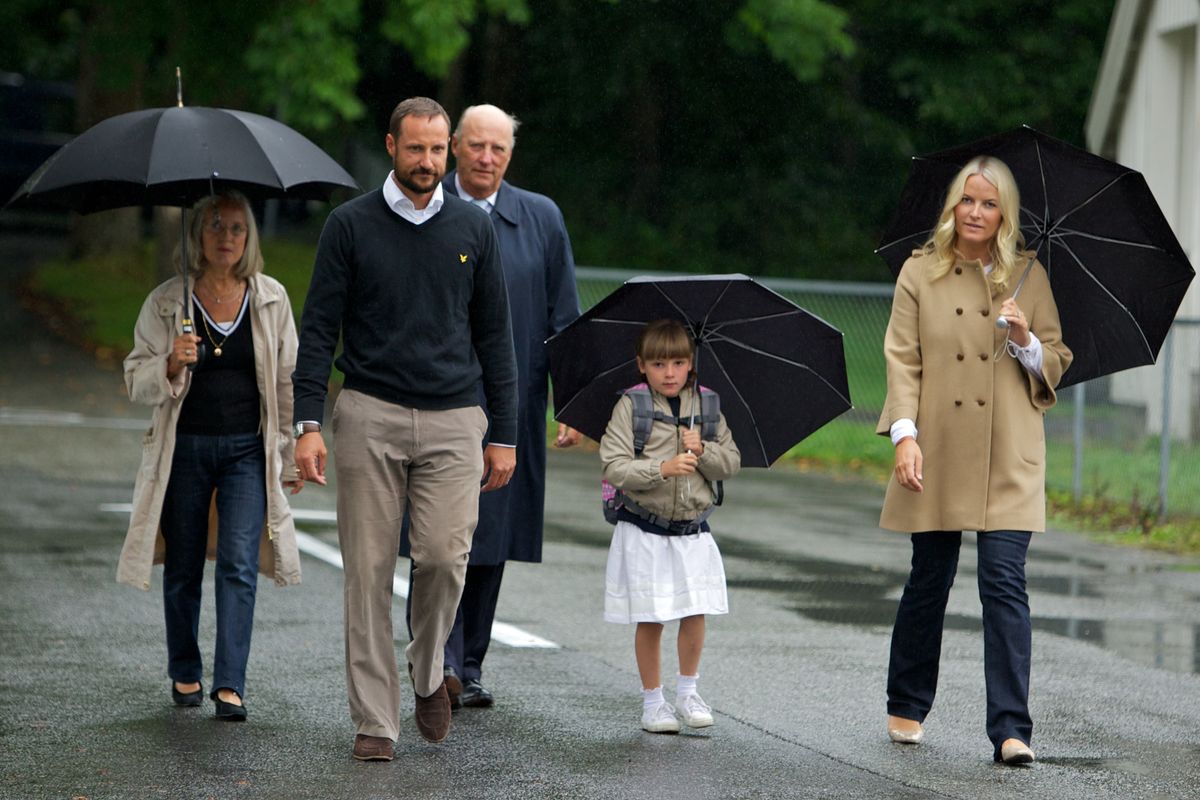
We should also remember that King Harald was the strongest defender of the marriage of Haakon and Mette‑Marit, who have now celebrated their silver wedding anniversary, because he had promised himself that none of his children would go through an ordeal like his. The then‑sovereign intervened on their behalf with Prime Minister Jens Stoltenberg and the Council of State, making his position crystal clear: marrying the person you love is not a privilege, it is a “human right.” He revealed this himself in his final biography, Kongen forteller (The King Tells), written by renowned Norwegian journalist and newspaper editor Harald Stanghelle. From that moment on, King Harald welcomed Mette‑Marit like a daughter, gave her her place within the Royal Family and delighted in the arrival of his grandchildren.
 © Ragnar Singsaas
Unwavering support for Mette‑Marit in her darkest hours
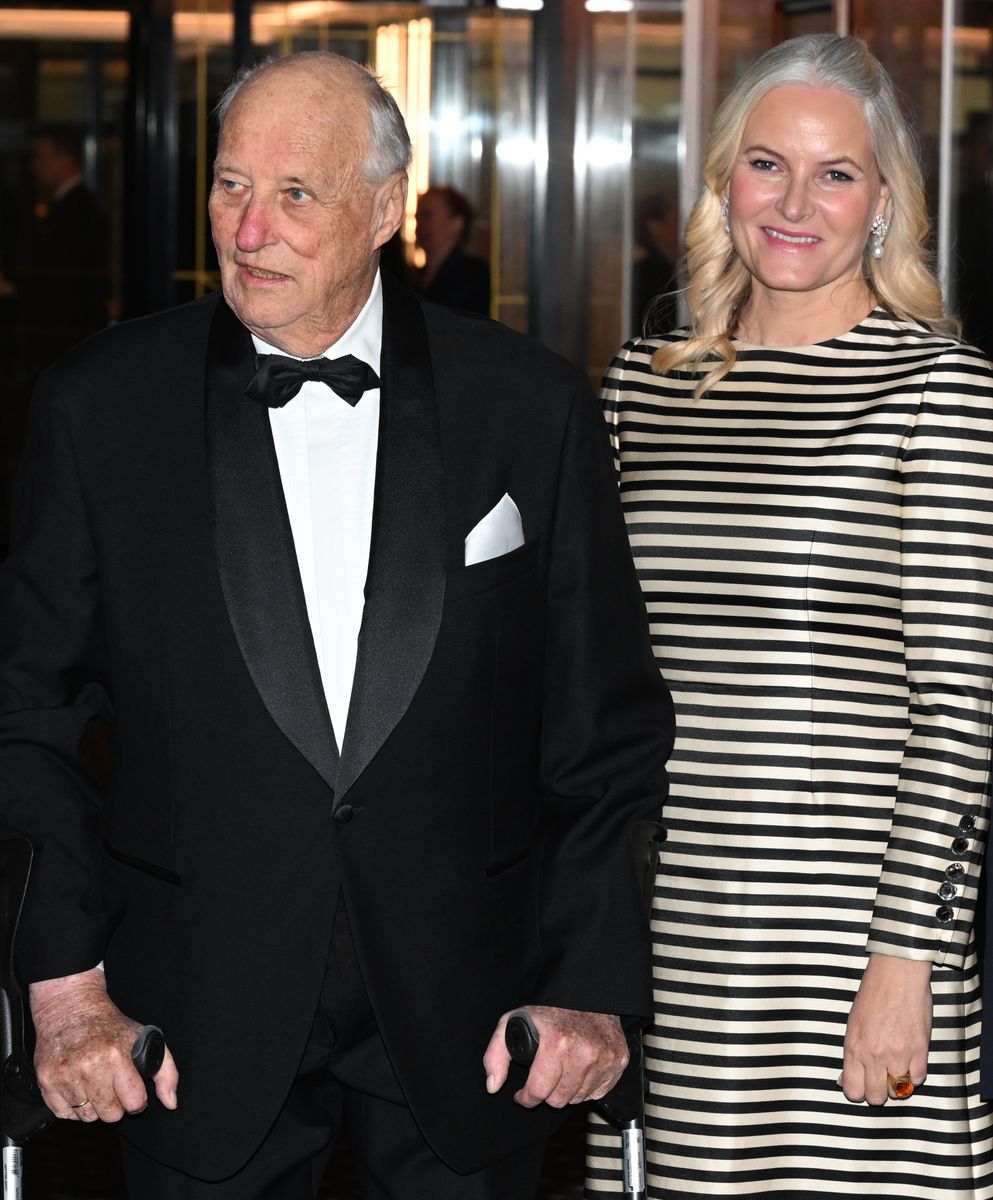
In Princess Mette‑Marit’s darkest hours—when she had to publicly explain her friendship with Jeffrey Epstein, and later when her lung disease kept her almost completely away from public life—King Harald once again gave his daughter‑in‑law a level of explicit support no one expected. Against all odds, he made a point of mentioning her in March 2026 during the speech he delivered at the gala dinner in honor of the Belgian royals. “I know our dear Crown Princess would have wanted to be with us tonight. Unfortunately, she cannot attend because of her health.”
By his daughter and granddaughters’ side after Ari Behn’s suicide
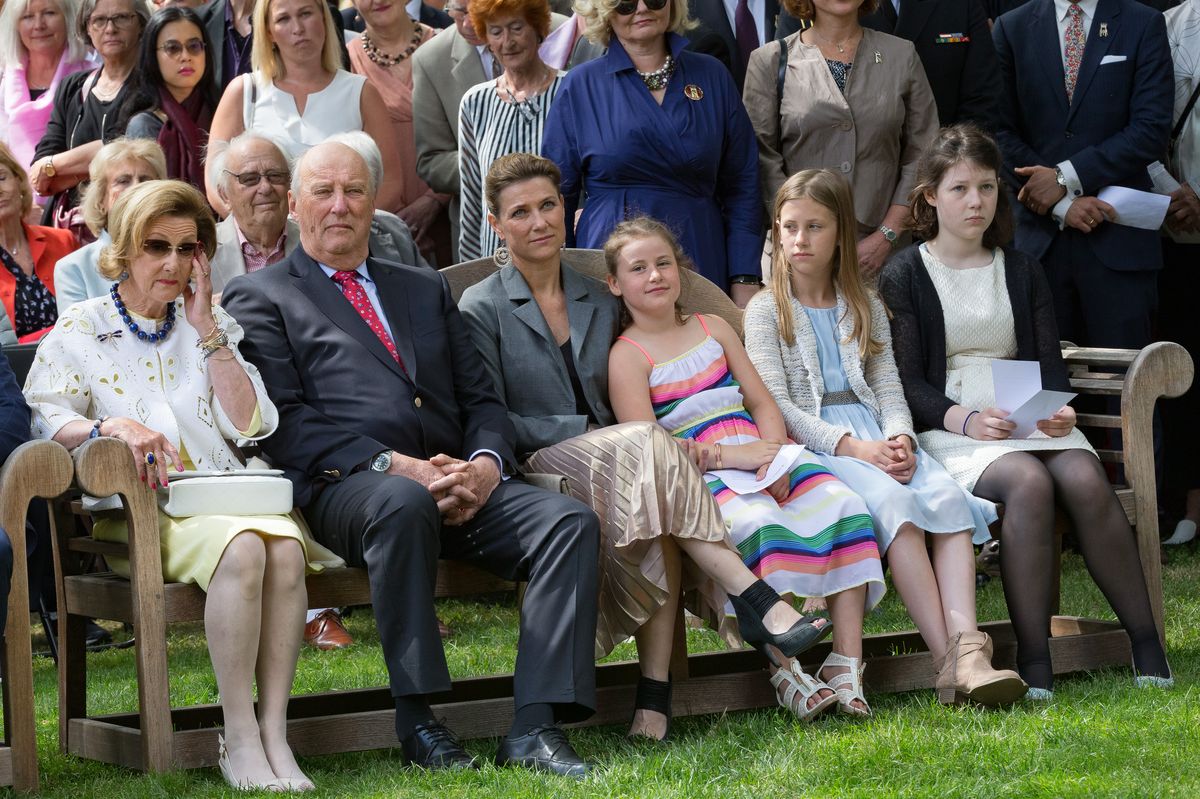
Another moment that showed how Harald was the rock at the center of his family came after the suicide of Ari Behn, Princess Märtha Louise’s first husband and the father of her three daughters. The shock was immense for everyone: the writer took his own life on Christmas Day 2019, and at his funeral King Harald was the anchor everyone turned to for comfort. The sovereign devoted himself to his granddaughters and opened a nationwide conversation about mental health. “I had no doubt that what happened to Ari Behn had to be mentioned in the New Year’s speech. When his family decided to be open about it, it was only natural for me. It would have been completely wrong not to include it. Still, it was difficult for me to find the right words because I was talking about the father of my granddaughters,” Harald explained in the aforementioned biography.
 © Nigel Waldron
The trauma he was determined not to repeat
Between the lines, it became clear that Harald was deeply concerned about being there for his granddaughters, for these girls who had lost their father in such a terrible way, and that it frightened him because he knew exactly how that felt. Harald lost his own mother, Princess Märtha of Sweden, at a young age and, as he wrote in his memoirs, he had no one to talk to about that loss. “I had to process it on my own; there was no one to talk to about it. Only one of Dad’s good friends (King Olav V) brought it up. He understood how I felt. Otherwise, not many people talked about it,” he recalled.
 © Julian Parker
Family, always first
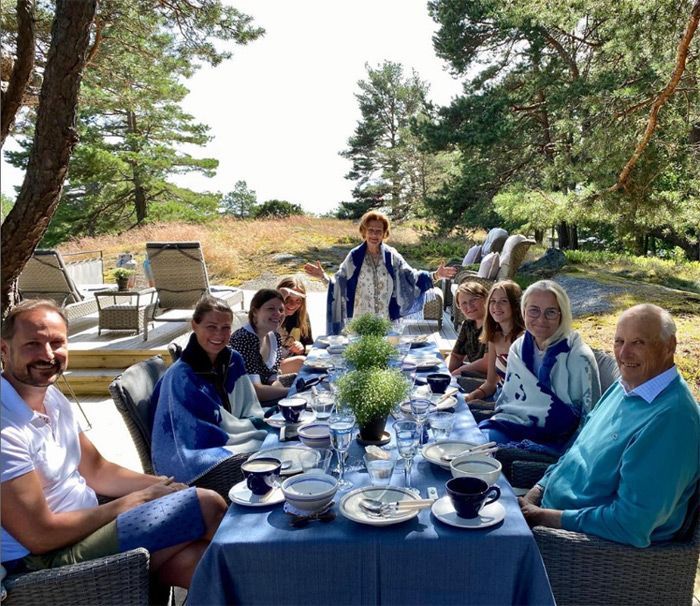
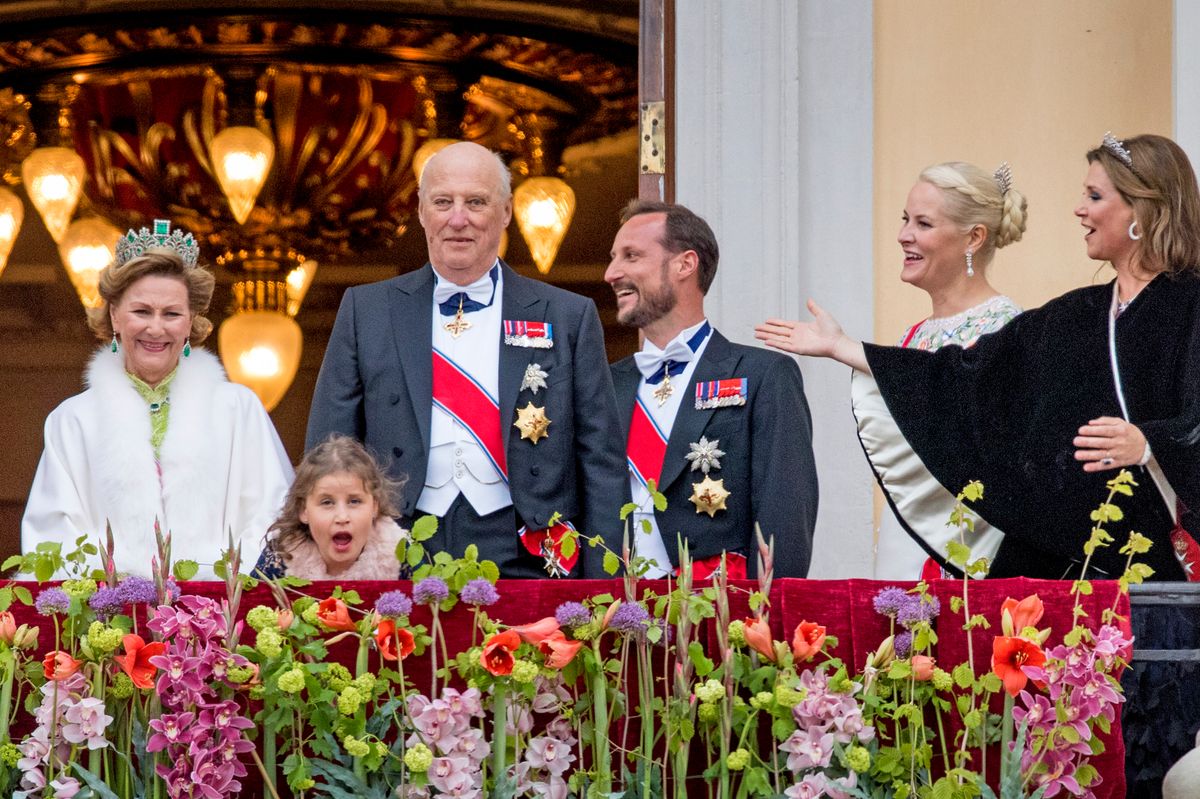
King Harald created a kind of “court” in which family—with a small “f”—came first. He always had room for everyone and made sure each person had a place where they felt comfortable. From the very beginning, Mette‑Marit’s mother, Marit Tjessem, was embraced as part of the family and was given a prominent role as godmother to Norway’s future queen, appearing alongside Europe’s sovereigns in all the official portraits. She never missed Princess Ingrid’s first day of school or Marius’s confirmation—the son Queen Mette‑Marit had before her marriage, who has been convicted of more than thirty offenses. Harald also planned so that vacations and birthdays would always be celebrated as a family, and he especially enjoyed it when everyone was on board the royal yacht together.
 © Rune Hellestad
How he handled Durek Verrett’s presence
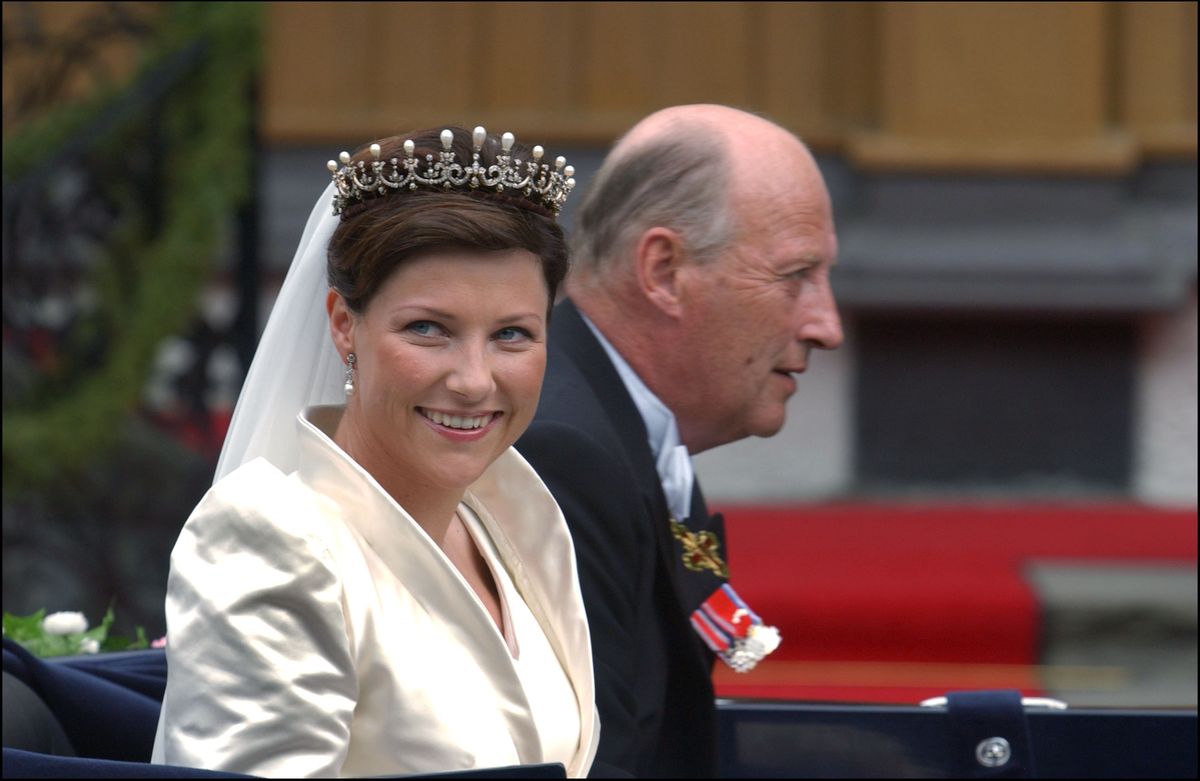
It was not always easy to balance his children’s happiness with affairs of state. In fact, in his later years he had to navigate the controversy surrounding Durek Verrett, the second great love of Princess Märtha Louise—and he did so with tenderness. He regretted losing his daughter as an active member of the institution but wished her the very best. He made it clear that he did not agree with the couple’s business dealings or their public statements, yet they continued to have a place within the family and on King Harald’s boat. He did not miss his daughter’s wedding to the shaman in the Geirangerfjord, making it clear that his love as a father remained intact.
 © Pool BASSIGNAC/BUU
Deeply loved until the end
He was playful, homely, full of good advice, and simply a man dearly loved by both his family and his fellow Norwegians, despite the crises that hit the Crown in recent years. Until the very end, he tried to spend as much time as possible with his loved ones and, above all, worked to ensure that they would not have to walk the same painful paths he once had to take.
 © Patrick van Katwijk