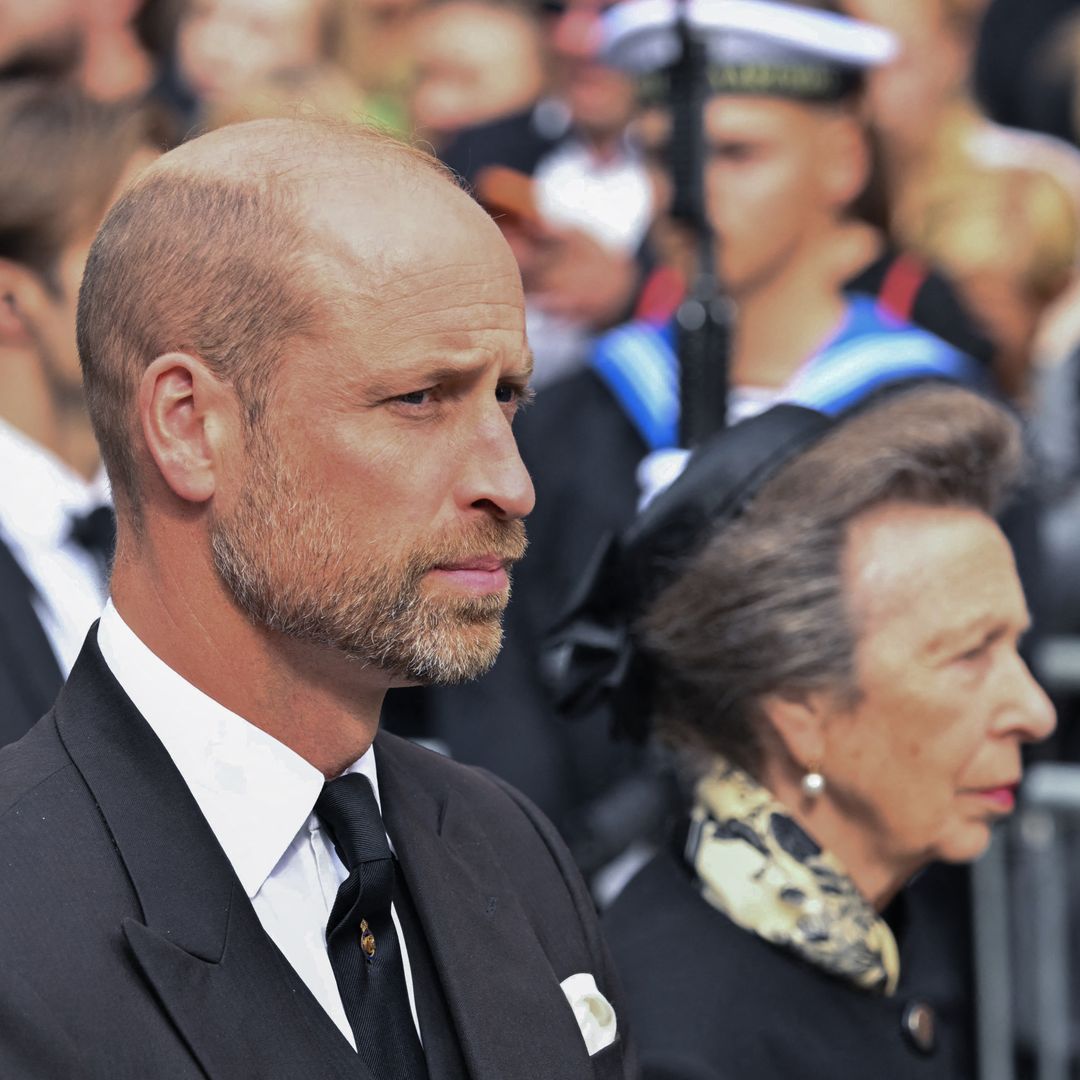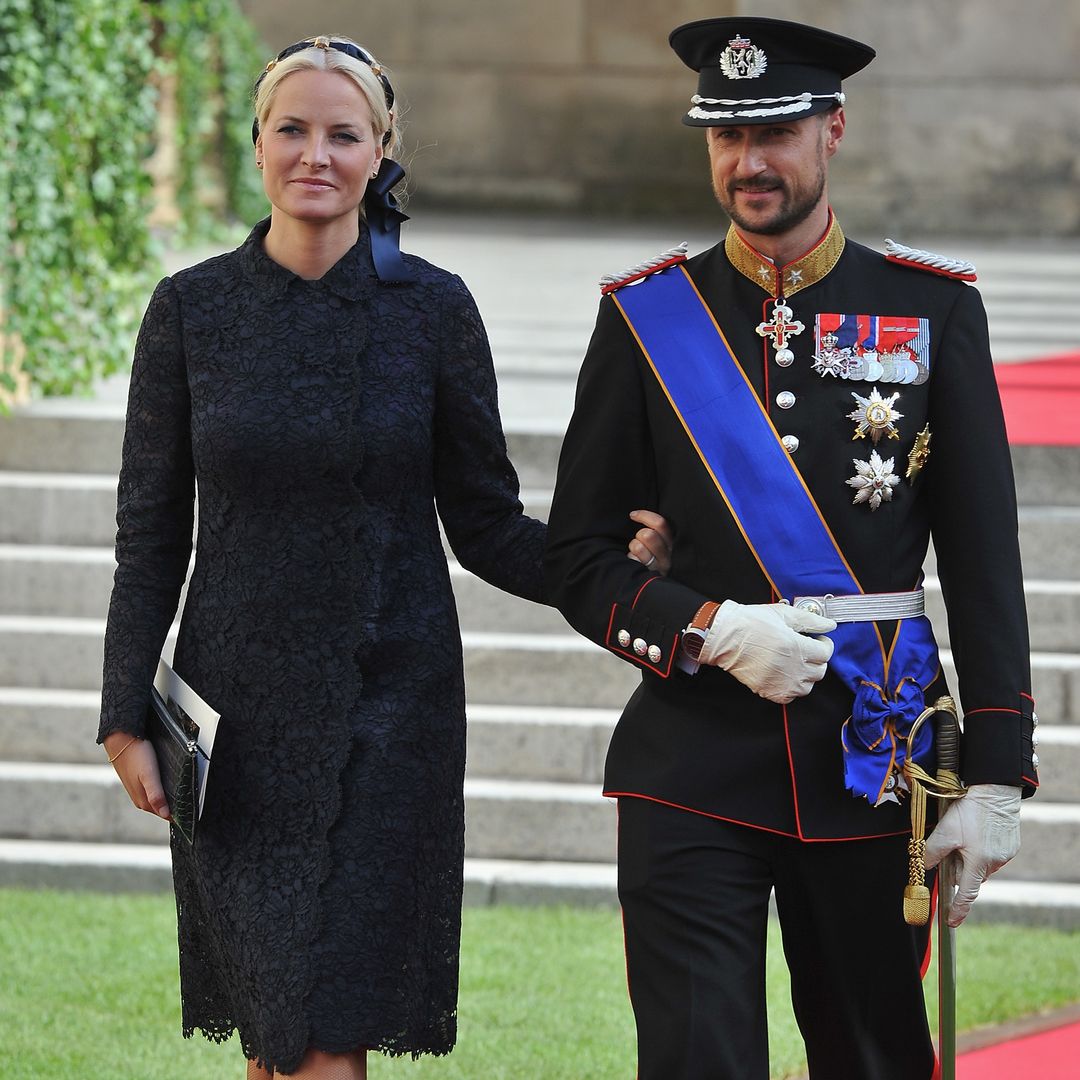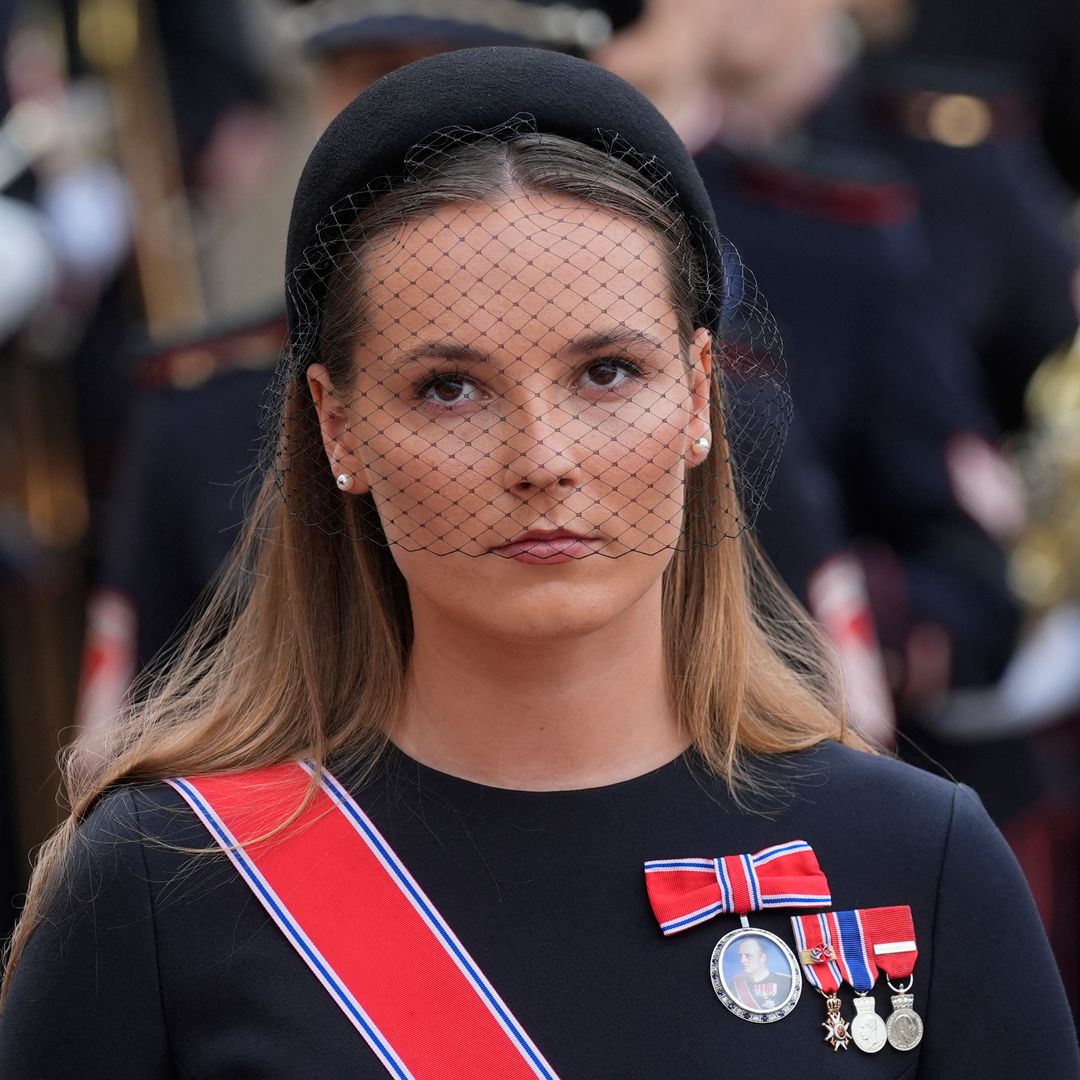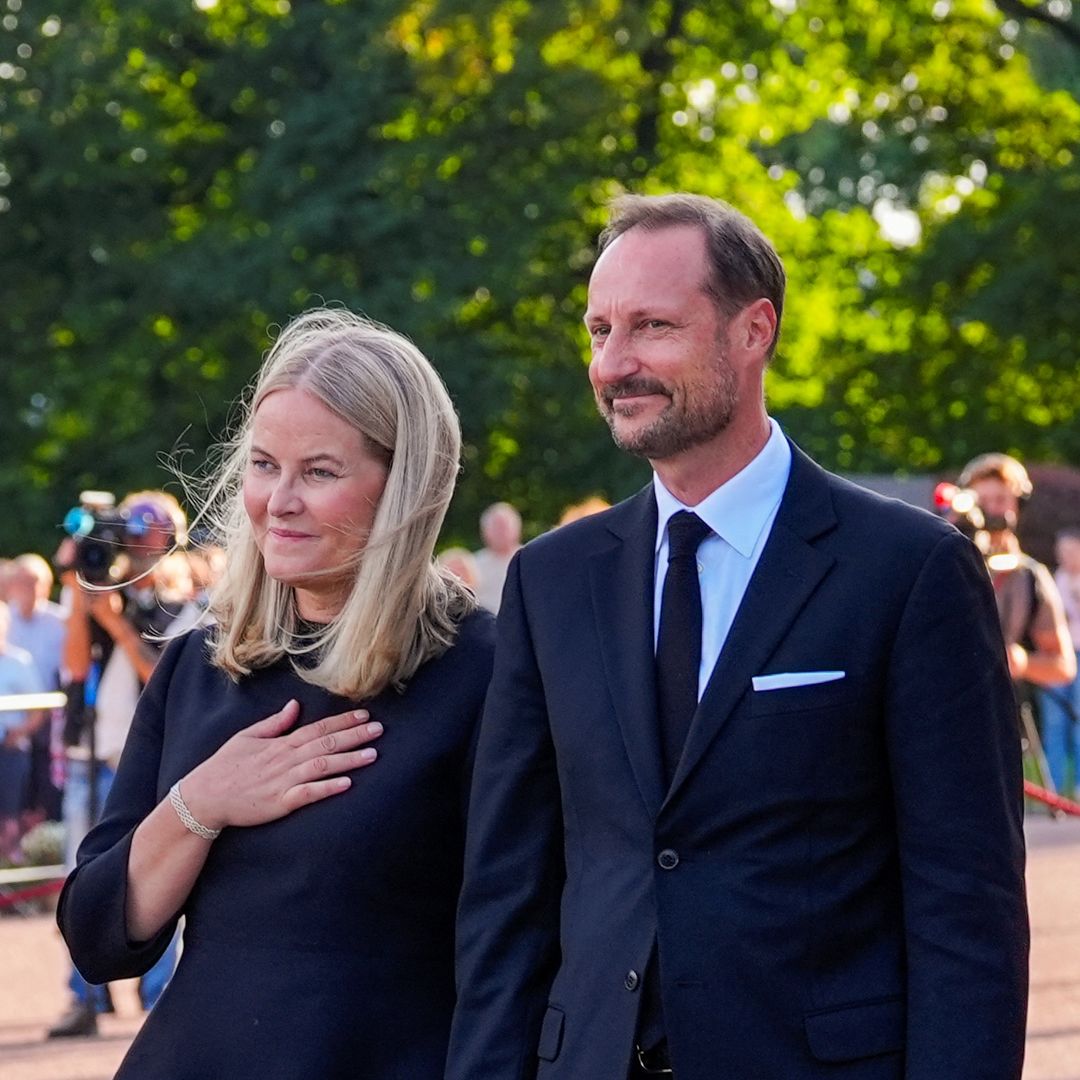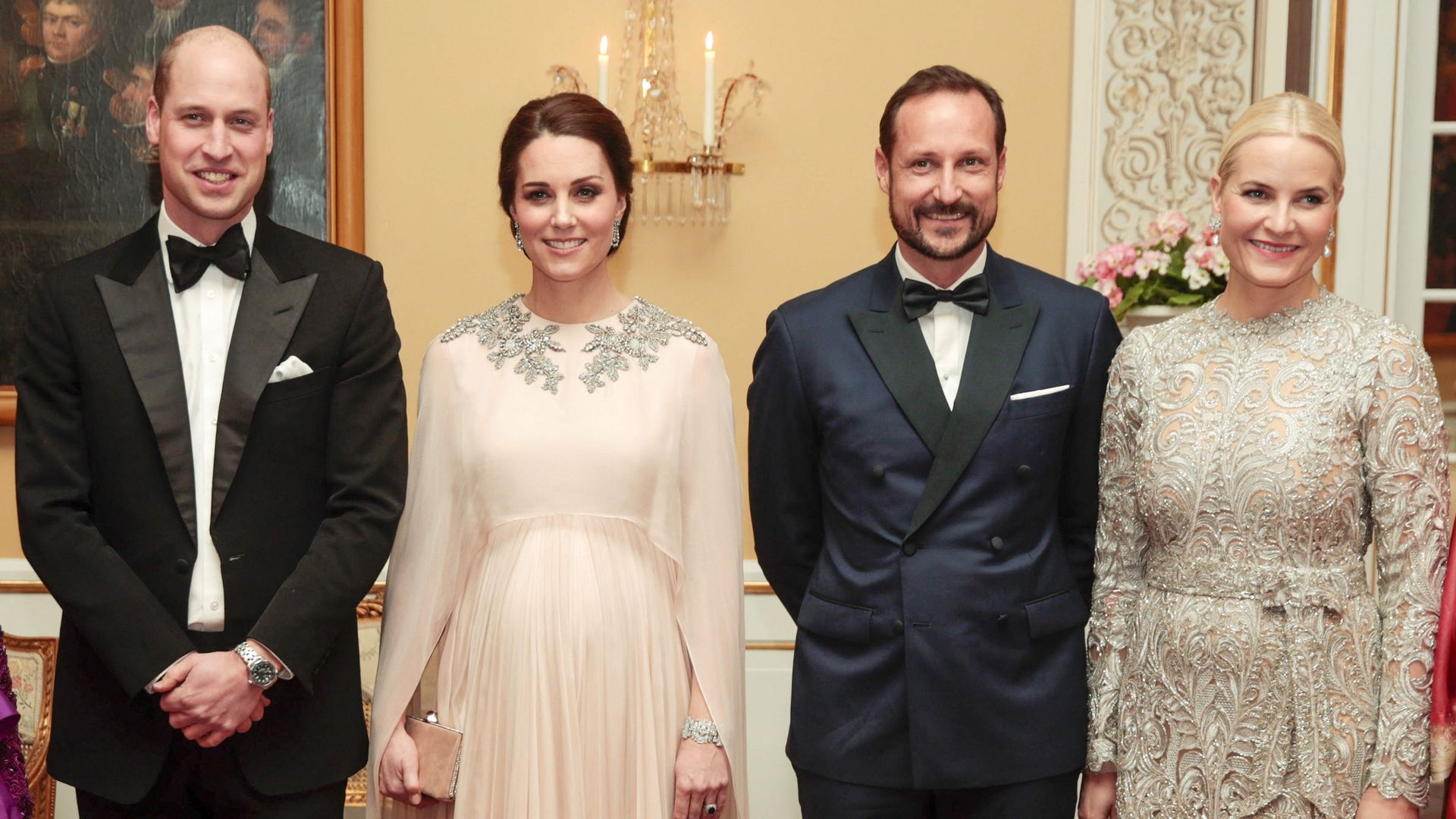
Prince William, 44, and Crown Prince Haakon, 52, are facing remarkably similar tests as future kings. After building their families and settling into their roles as heirs, both men now find themselves caring for wives battling serious health issues, Kate Middleton and Crown Princess Mette-Marit, while navigating mounting scandals within their royal households. At the same time, neither has the support of a sibling, both of whom have stepped away from royal life.
 © Corbis via Getty Images
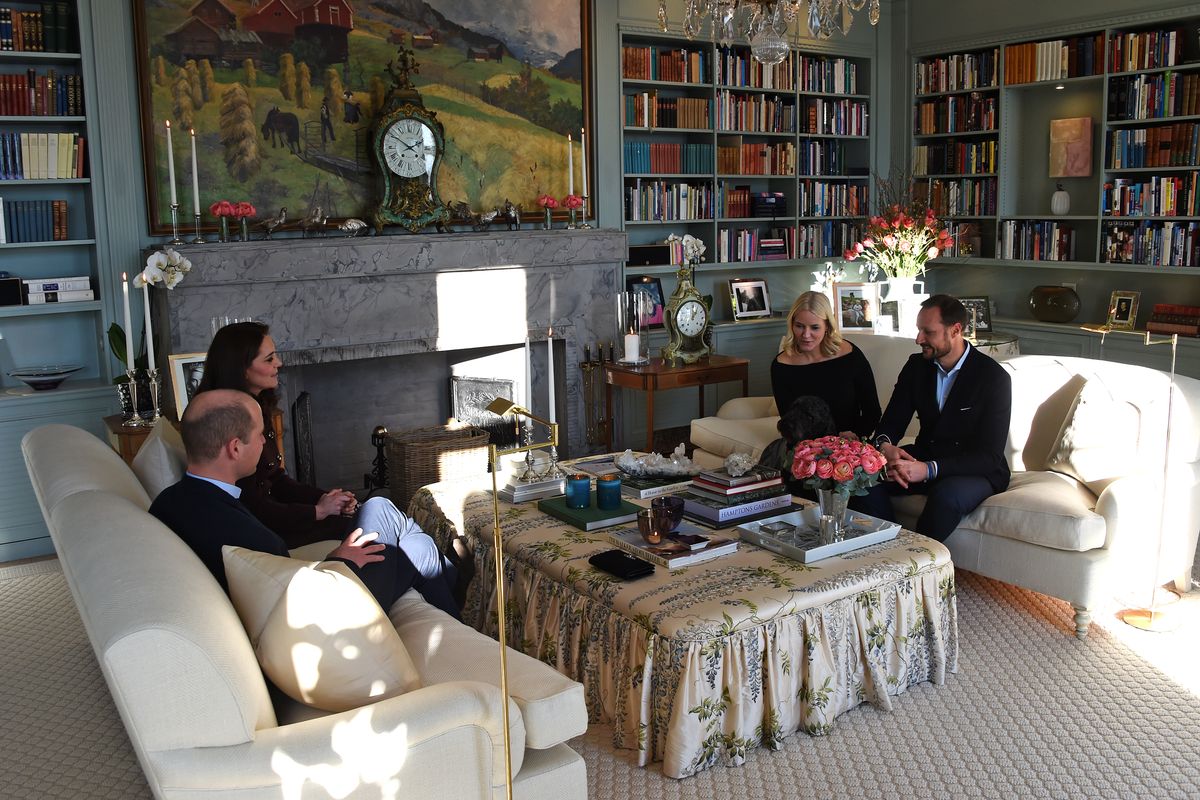
In many respects, the eldest son of King Charles III has become a blueprint for King Harald's heir, particularly now that Mette-Marit's recent transplant inevitably recalls the surgery that led doctors to discover the Princess of Wales's cancer.
 © Norwegian Royal Court via Ge
Husbands Before Heirs
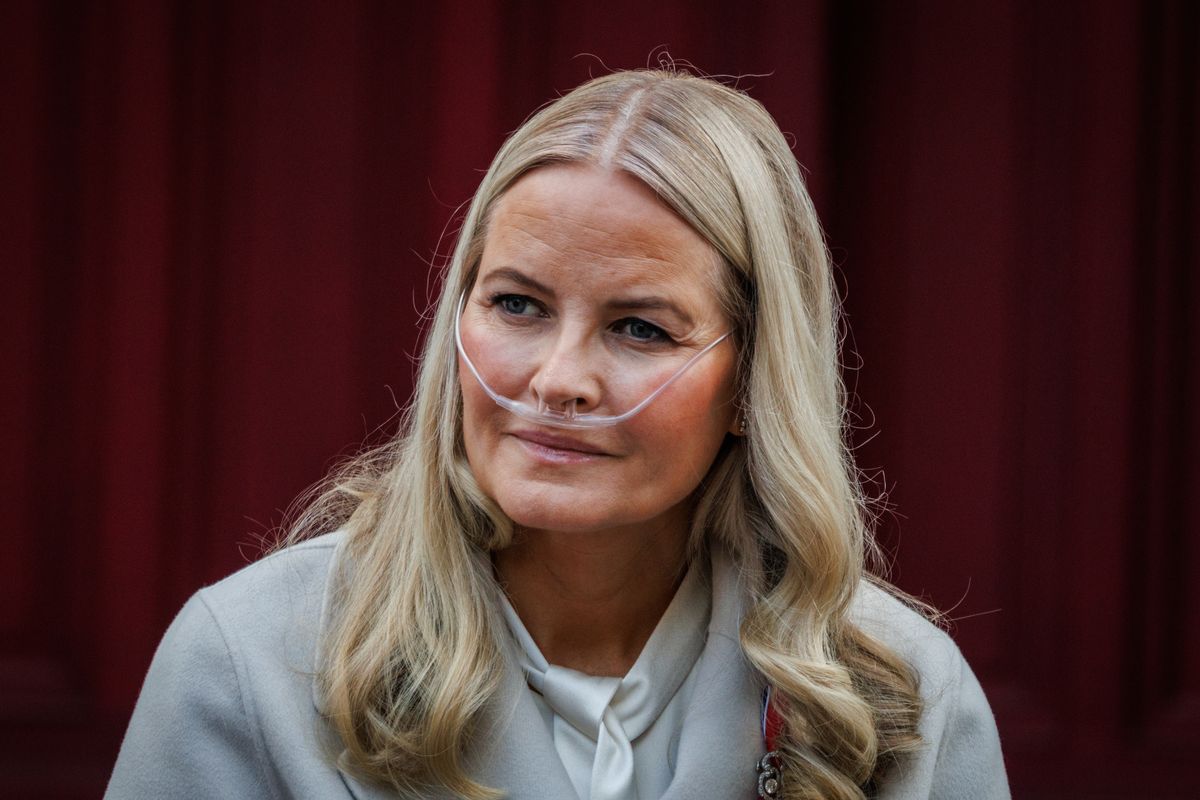
After news broke last week that Crown Princess Mette-Marit had undergone a lung transplant, the Norwegian royal household announced that Crown Prince Haakon would reduce and rearrange his official engagements to care for her.
 © Getty Images
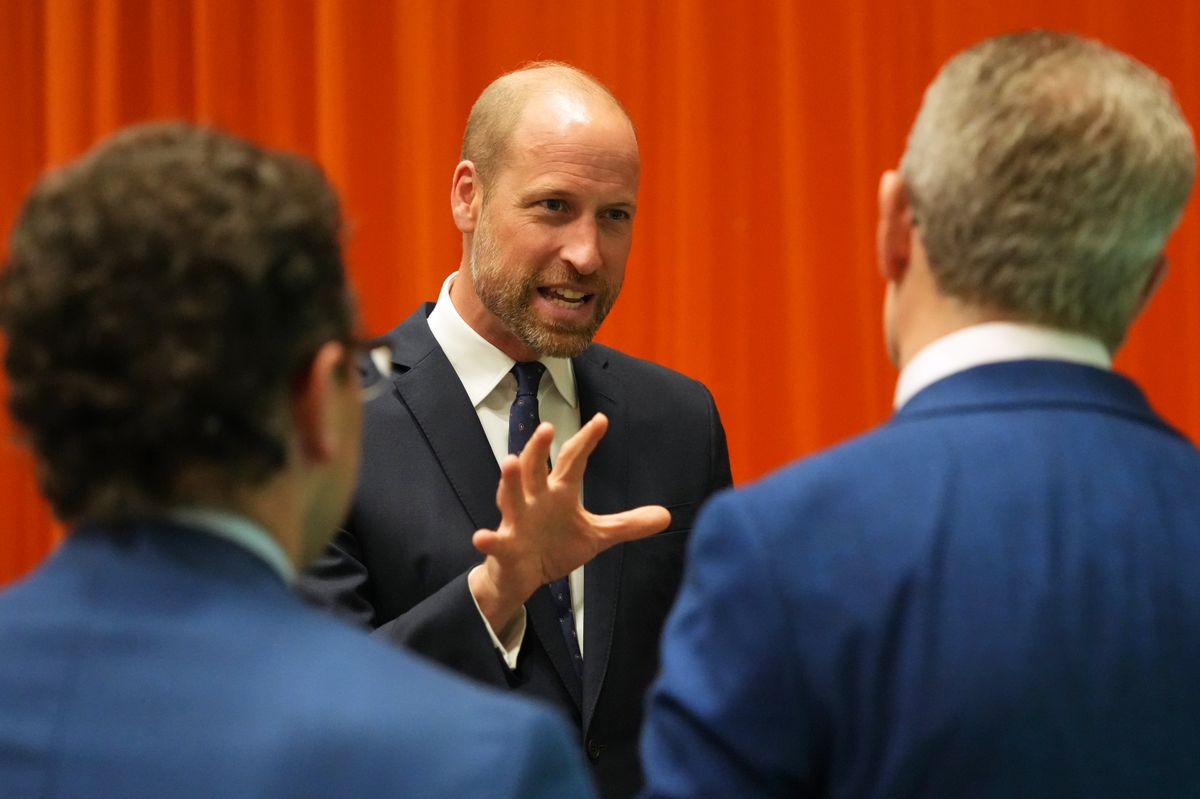
Today's heirs are no longer willing to put duty ahead of family. Prince William set that precedent in January 2024, when he temporarily stepped back from public responsibilities to support Kate Middleton during her treatment.
 © Getty Images
William and Haakon belong to a generation that married for love and has no doubt where its priorities lie. The women they love, the mothers of their children and their partners in both life and monarchy, come first. For previous generations of royalty, placing a spouse ahead of the institution would have been almost unthinkable.
Without Their Siblings
Another striking parallel is that neither William nor Haakon can count on the support of a brother or sister.
The collapse of Prince William's relationship with Prince Harry has been dissected endlessly in the media, chronicled in Harry's memoir, and explored in Netflix documentaries. The brothers who endured the trauma of Princess Diana's death together and once promised they would always have each other's backs are now estranged. Harry severed ties with the British royal family, moved to the United States, and no longer carries out duties on behalf of King Charles III, though he has retained his title of prince.
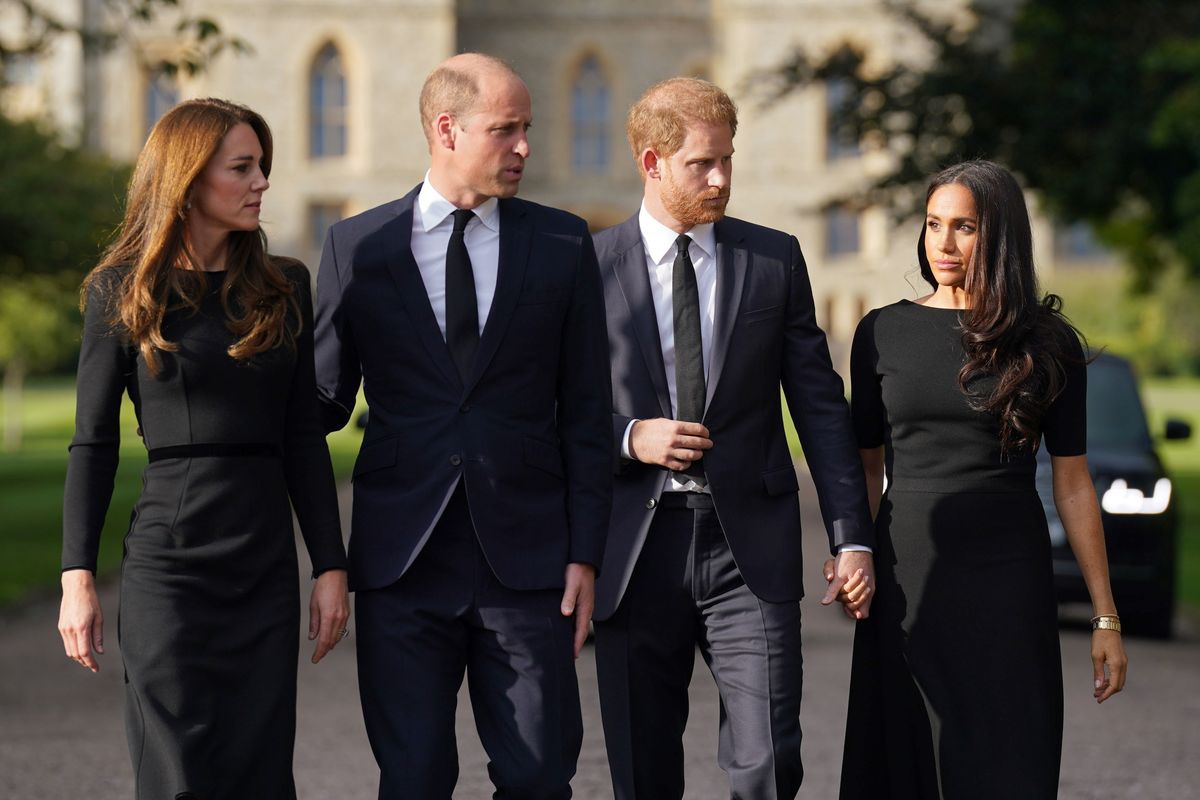 © Getty Images
Haakon's sister, Princess Märtha Louise of Norway, also stepped away from royal life, albeit on far friendlier terms. At her father's request, she has kept her royal title but is barred from using it for commercial ventures.
 © NTB
© NTBAlthough she no longer represents the monarchy or supports King Harald and Crown Prince Haakon in an official capacity, she remains close to her parents and brother. While she spends part of the year in the United States, Norway is still home to her three daughters, and she continues to maintain strong ties to the country.
Challenging Royal In-Laws
Marrying into a royal family is rarely easy. Adapting to life under constant public scrutiny and to an institution where protocol governs nearly every aspect of daily life can be an overwhelming adjustment.
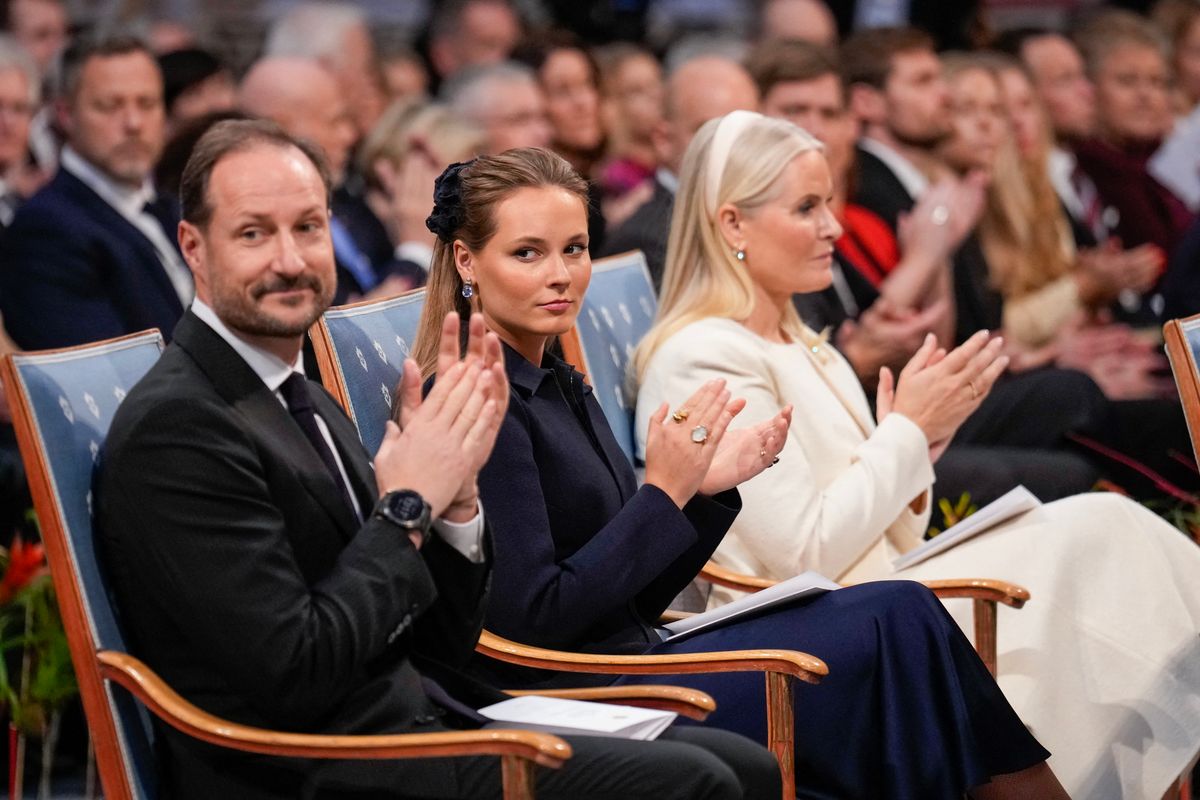 © NTB/AFP via Getty Images
That was certainly true for Prince William and Crown Prince Haakon's siblings-in-law. Both Meghan Markle and shaman Durek Verrett are Californians, and the traditions of European royalty were largely foreign to them.
Neither appeared fully prepared for what it meant to marry into a future royal household, and the resulting culture clash quickly became apparent. Both faced criticism from the British and Norwegian public alike.
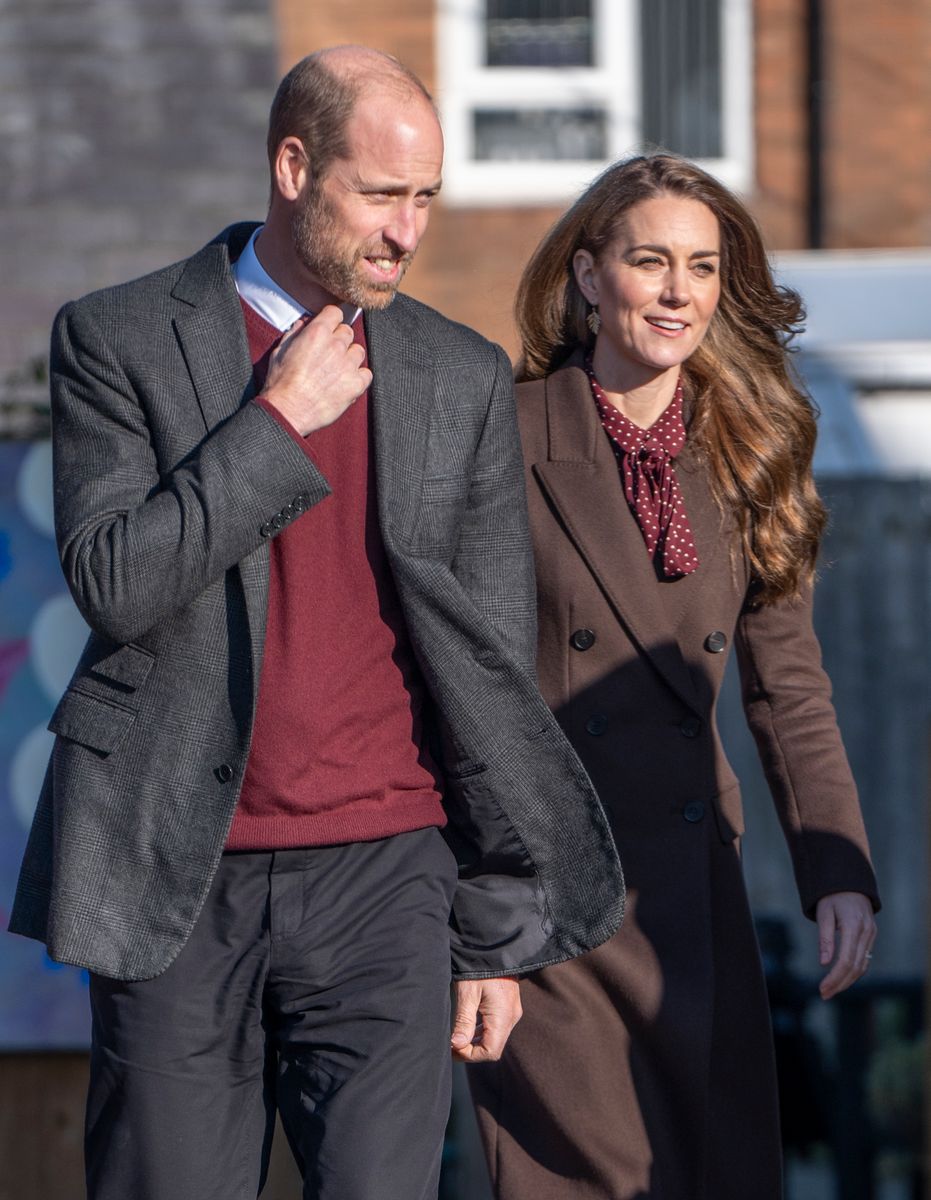 © Getty Images
Ultimately, neither ever seemed entirely at home within institutions that felt fundamentally at odds with their own backgrounds or within societies that remain, in many ways, more traditional than the United States.
Instead, both forged their own professional paths after marriage. Durek Verrett has continued working as a spiritual adviser to Hollywood celebrities, while Meghan, after leaving her acting career behind, has built a lifestyle brand centered on documentaries, home products, and media ventures.
The Controversies That Won't Go Away
Britain's royal family has long lived under an intense public spotlight. In the 1990s, the divorces of Queen Elizabeth II's children and Princess Diana's death dominated headlines. Today, the Epstein scandal has once again thrust King Charles III's monarchy into the spotlight.
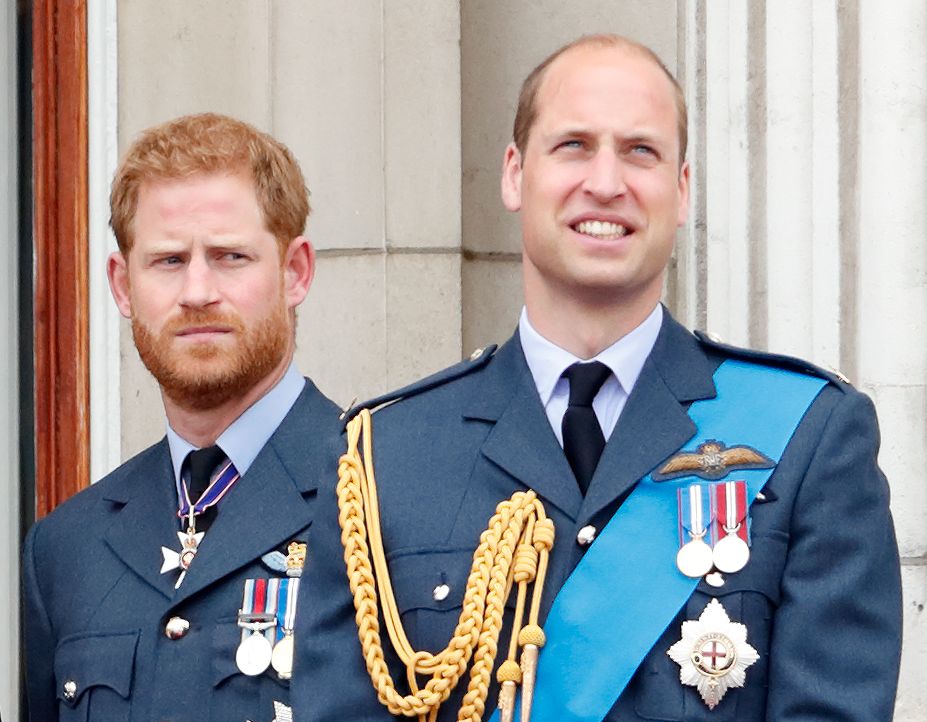 © Getty Images
Norway's royal family has also been drawn into the controversy. The American financier's connections have subjected King Harald's widely respected monarchy to an unprecedented level of scrutiny.
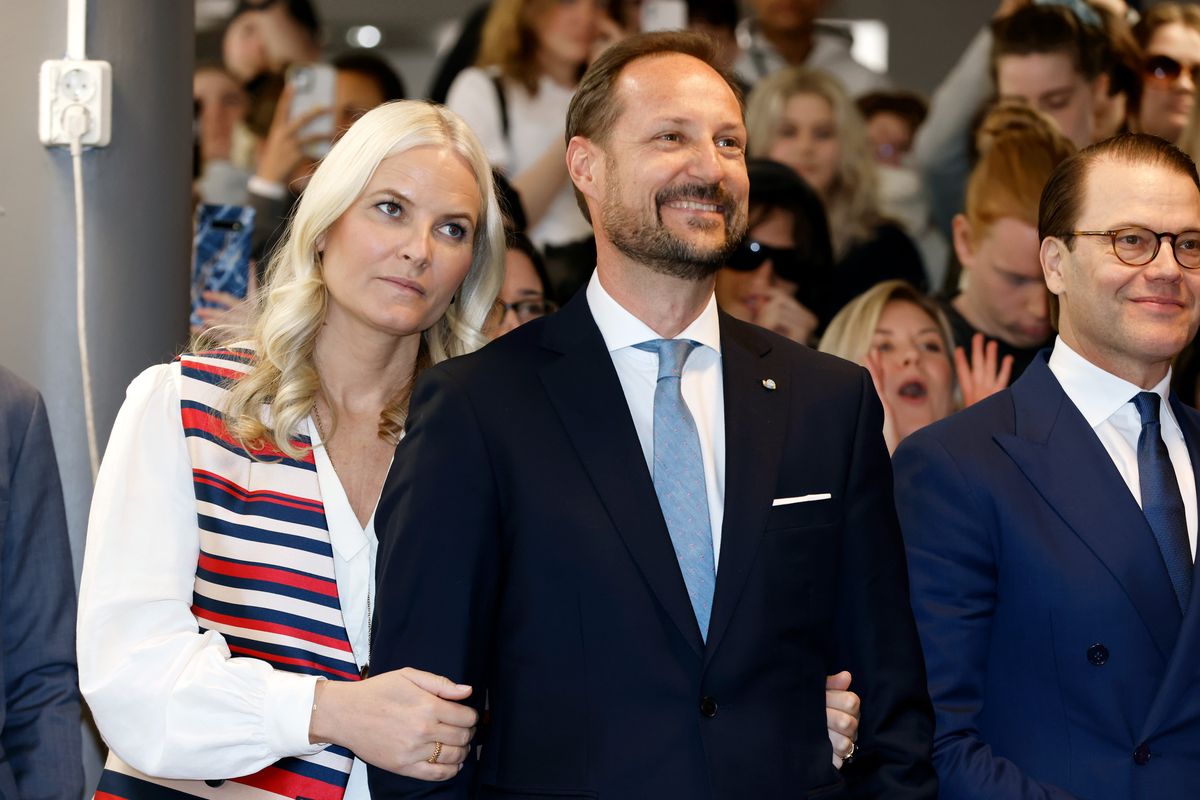
In Britain, King Charles III, and especially Prince William, have effectively sidelined Prince Andrew because of his ties to Jeffrey Epstein. In Norway, however, the royal family stood by Crown Princess Mette-Marit after it emerged that she, too, had maintained a close friendship with the financier.
 © Getty Images
In a televised interview alongside her husband, Mette-Marit said she had been "deceived and manipulated," while acknowledging that she should have looked more closely into the background of someone she considered a friend.
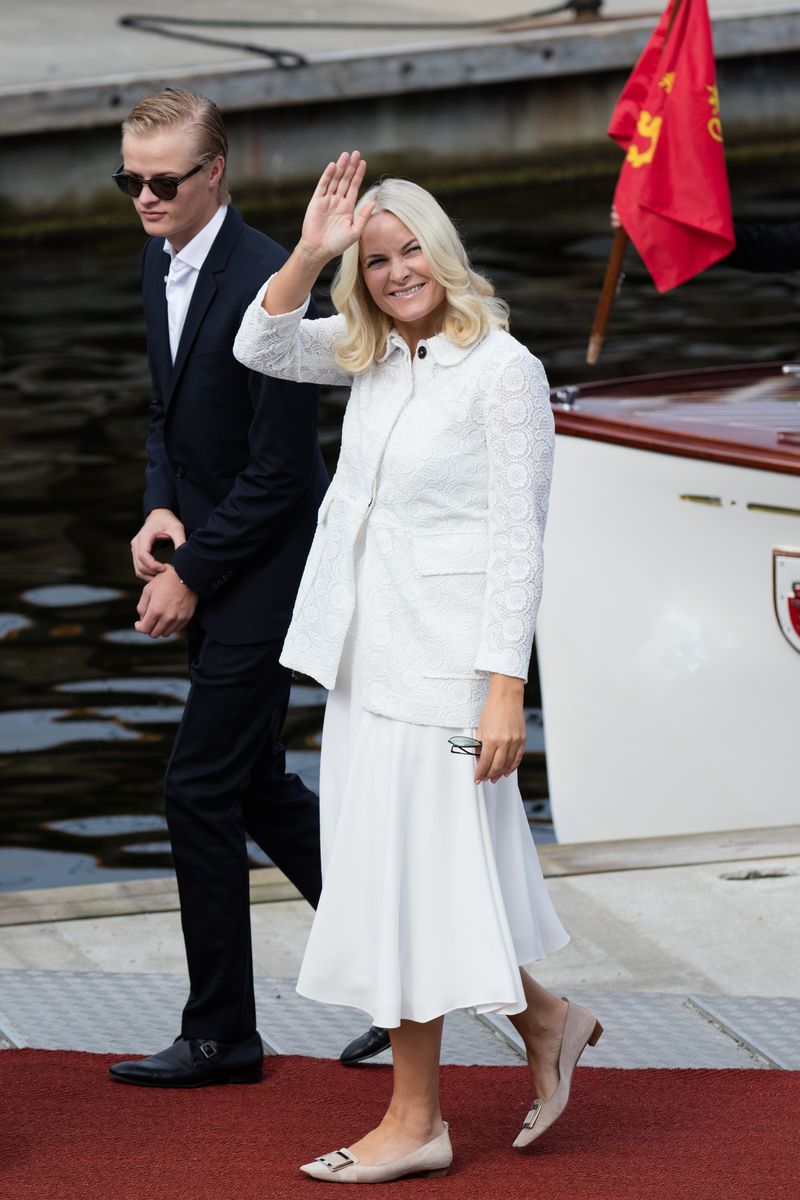
Around the same time the controversy erupted, it was revealed that the princess's chronic respiratory illness had worsened dramatically and that she urgently needed a lung transplant. Now that the surgery has been successfully completed, public attention has largely shifted away from the Epstein controversy and back to her recovery.
 © Getty Images
A Son Behind Bars
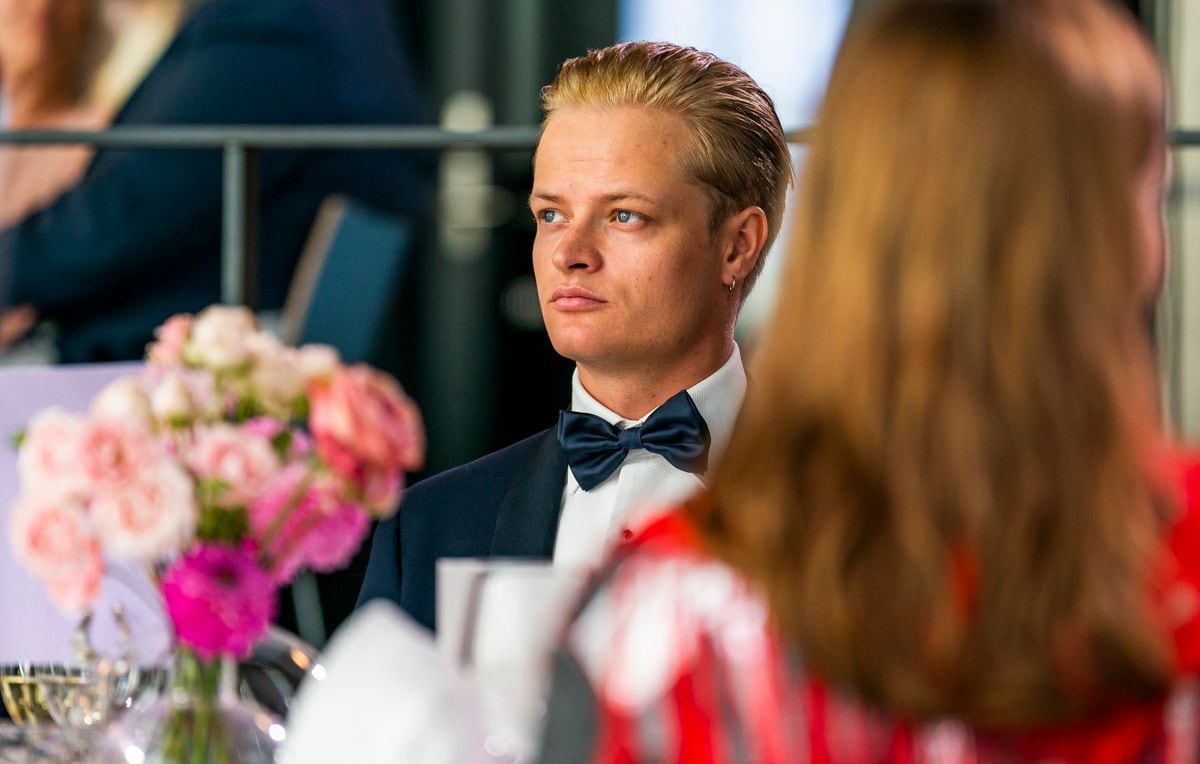
One area where the similarities between William and Haakon end is the case of Marius Borg, the son Crown Princess Mette-Marit had before marrying Haakon.
 © HAKON MOSVOLD LARSEN
The 29-year-old has been sentenced to four years in prison after being convicted of 34 criminal offenses, including two counts of rape, domestic violence, criminal threats, and numerous other charges.
 © SOPA Images/LightRocket via Gett
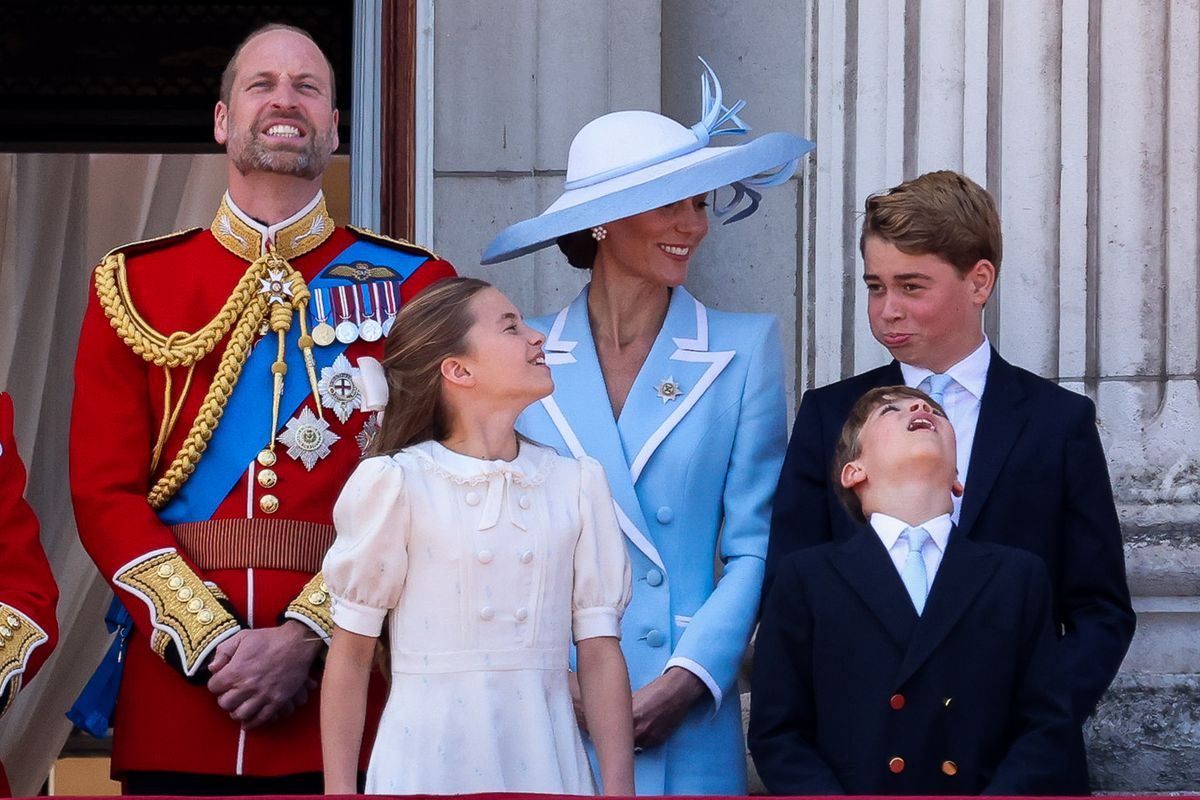
By contrast, the Prince and Princess of Wales's three children, Prince George, Princess Charlotte, and Prince Louis, have so far maintained impeccable public images and enjoy widespread popularity. Together with their parents, they project a close-knit family that embodies the future of the British monarchy.