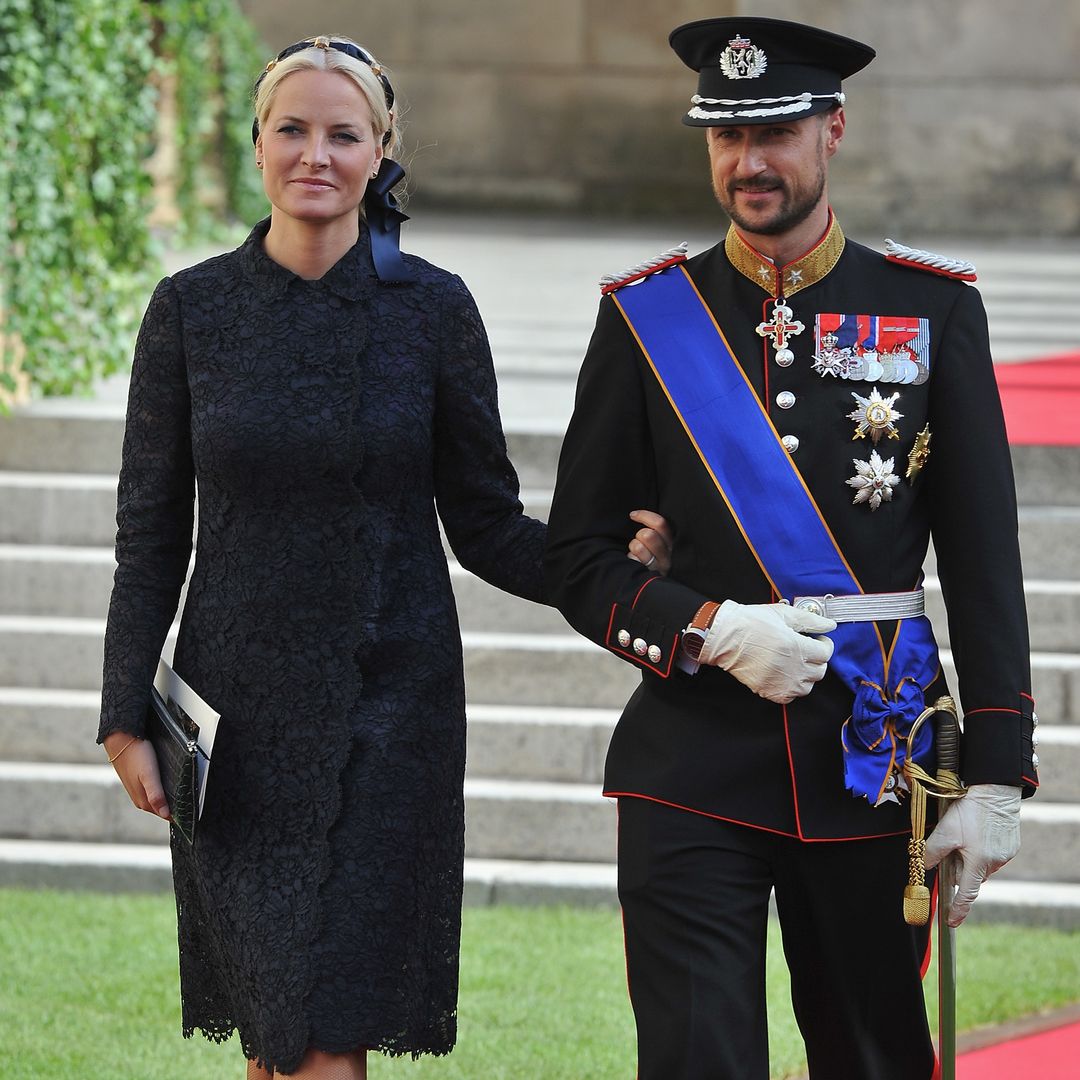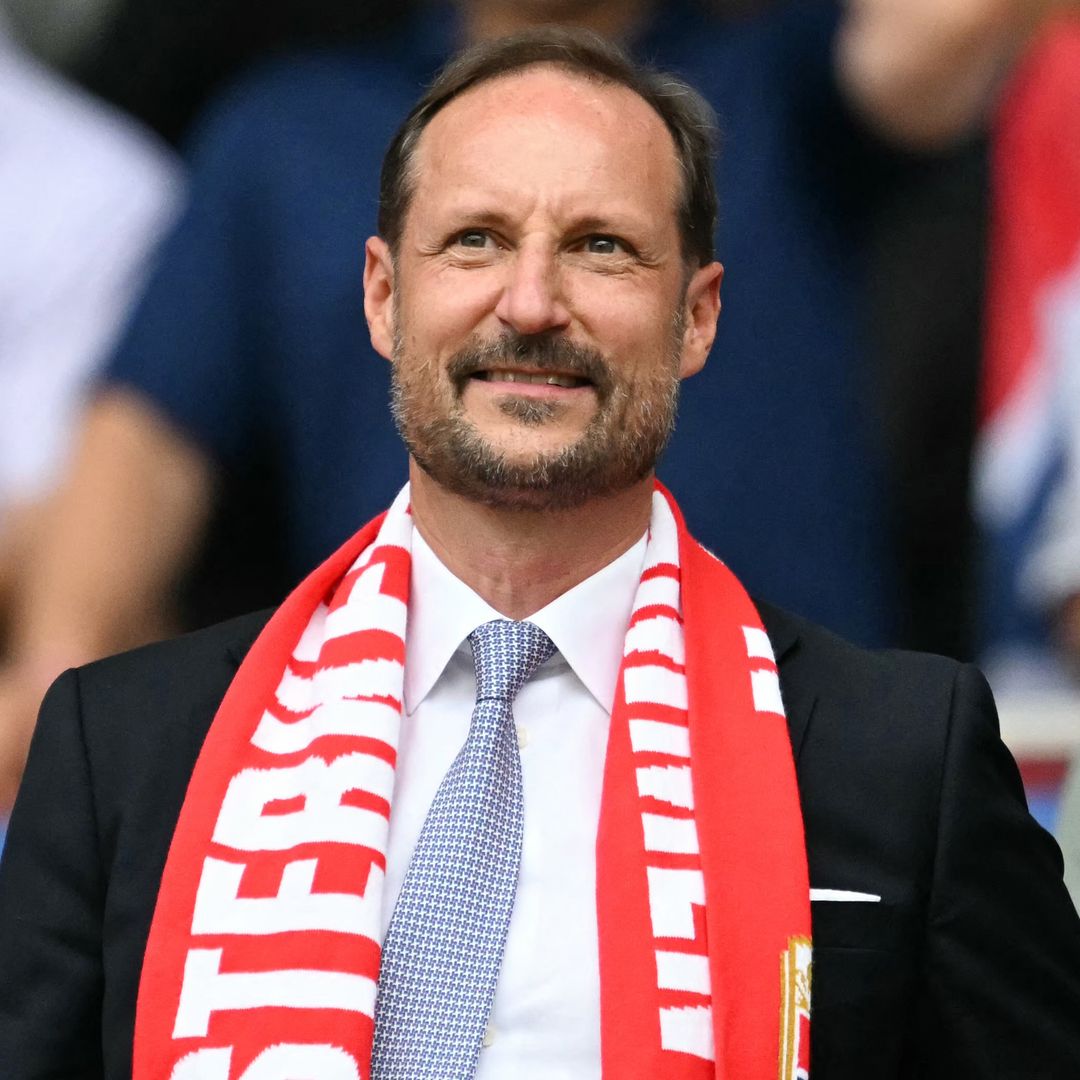
Haakon of Norway turns 53 on July 20, and he's marking the day caught between two extremes: the national pride his country has basked in thanks to a World Cup run that put the royal family front and center, and the crisis that's tested the Norwegian monarchy's stability like never before.
Through it all, Crown Prince Haakon has leaned on his signature style: a Nordic calm that lets him row, Viking-like, through choppy waters.
 © Getty Images
A prince without an epic legend, but with institutional know-how
Haakon doesn't have the legend of his grandfather, King Olav V, who took up arms during World War II and led the resistance, or of his father, King Harald, who spent a decade locked in a standoff with the system to marry Queen Sonja. But Haakon has proven he can navigate one institutional and family crisis after another. Over the past year, scandals like Marius Borg's conviction and the release of Märtha Louise's documentary have challenged the face of the Royal House.
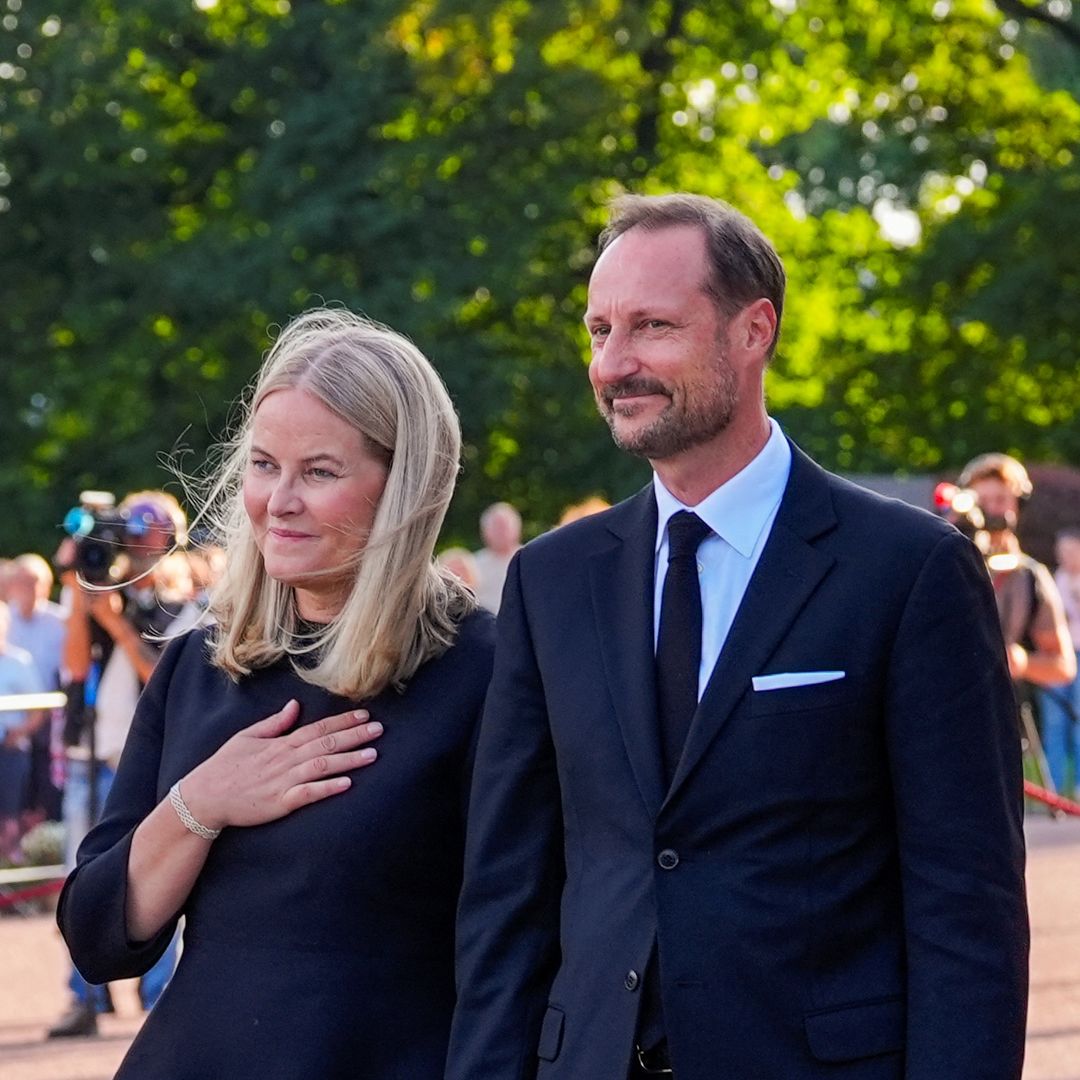
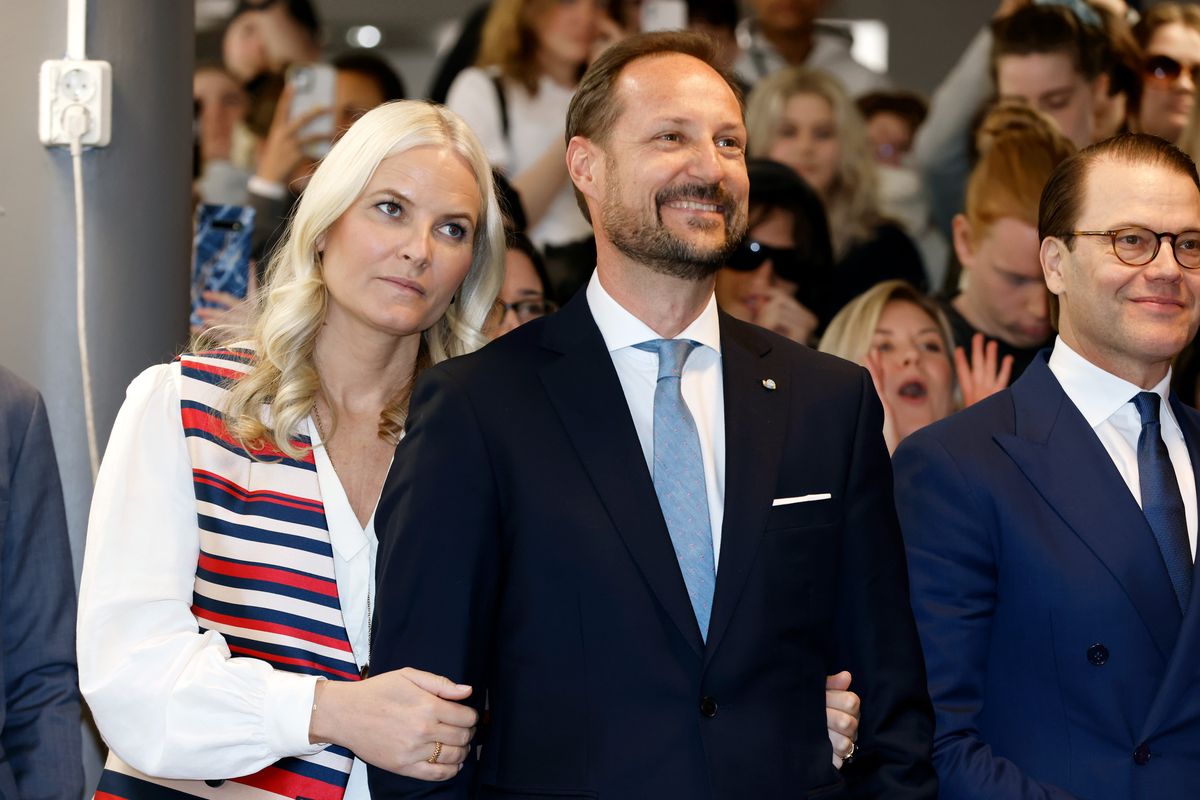
The publication of excruciating correspondence between Crown Princess Mette-Marit and Jeffrey Epstein made matters worse. On top of that are also numerous health-related incidents, including King Harald's and Queen Sonja's aging and diminished health, plus Mette-Marit's lung transplant, which appears to have been a success.
 © detnorskekongehus
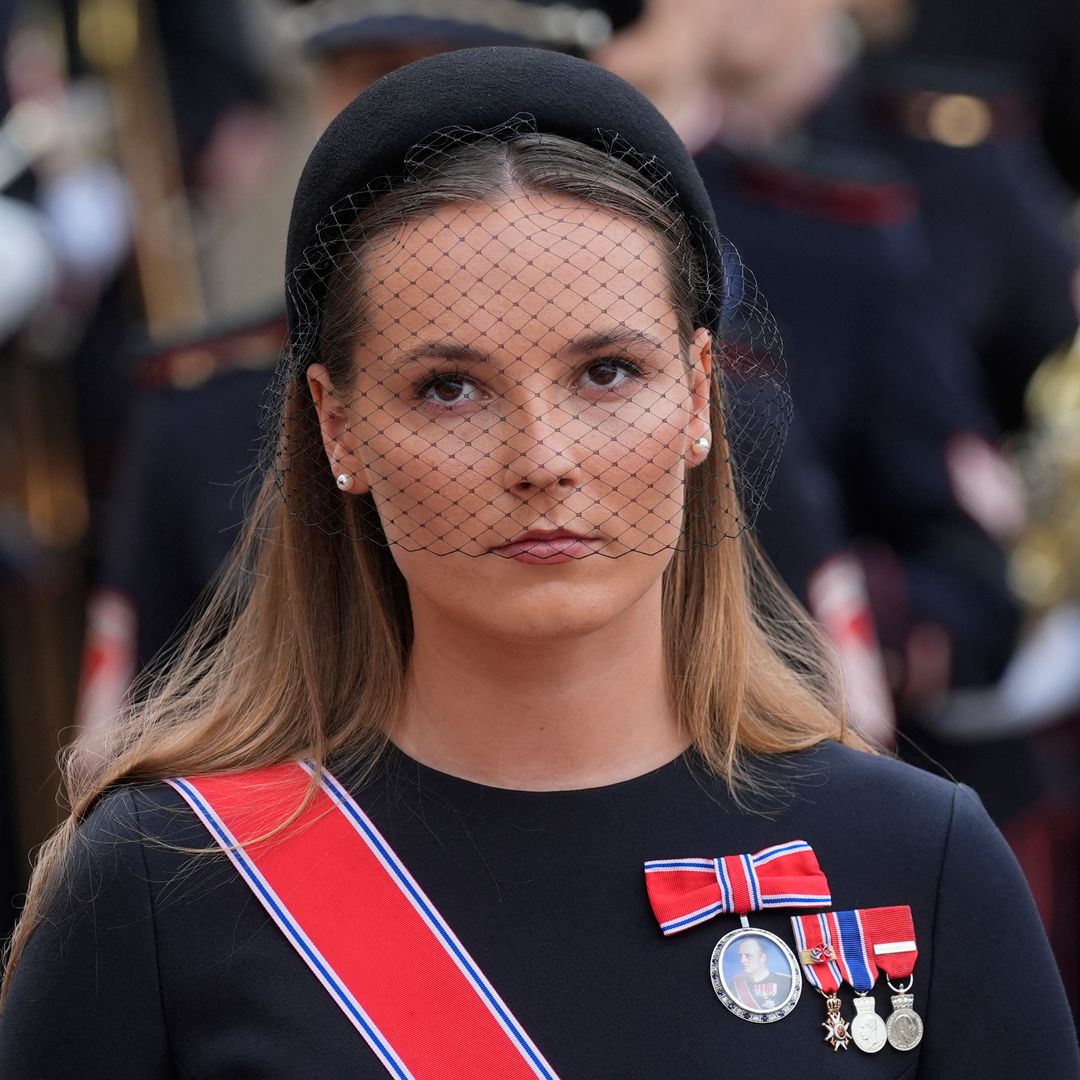
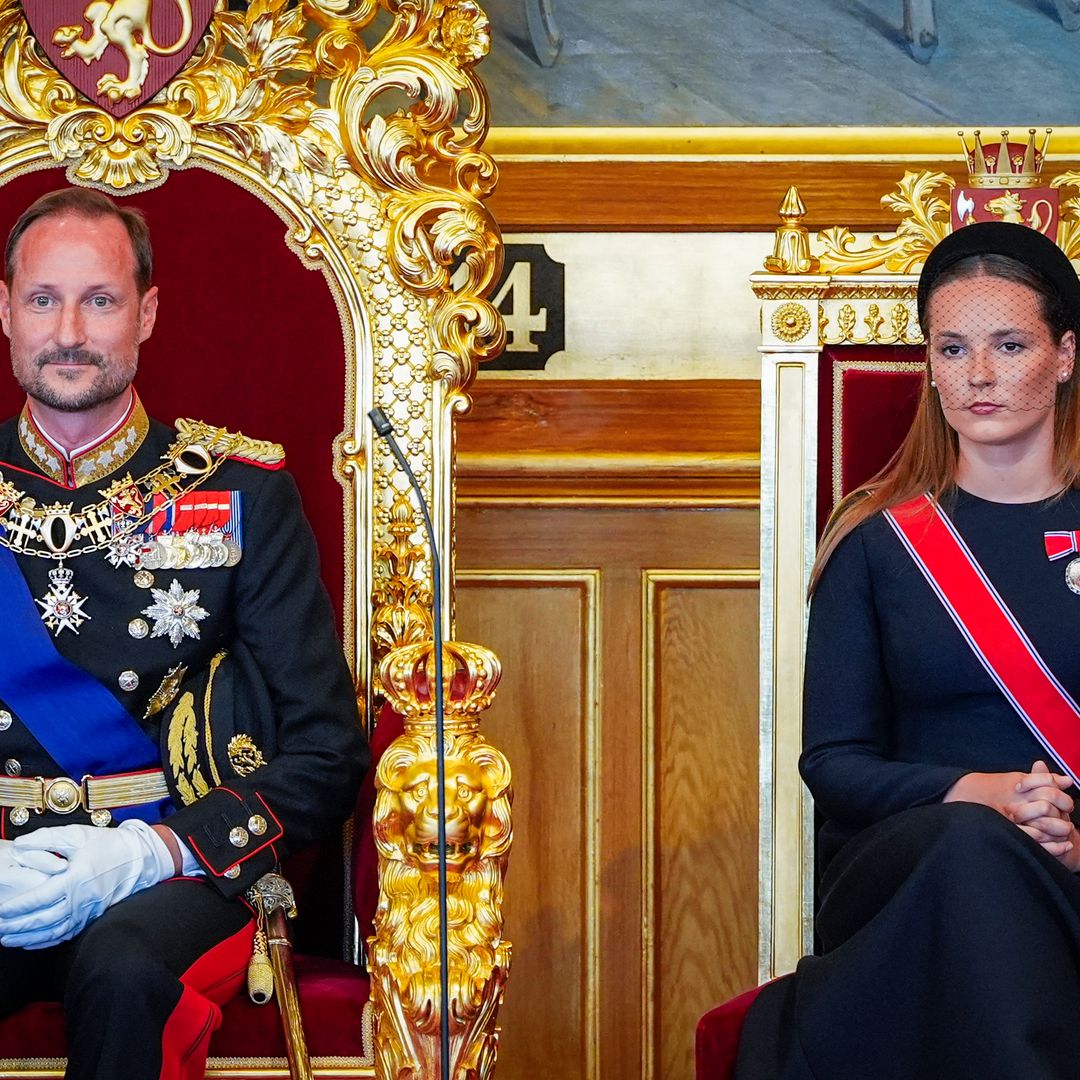
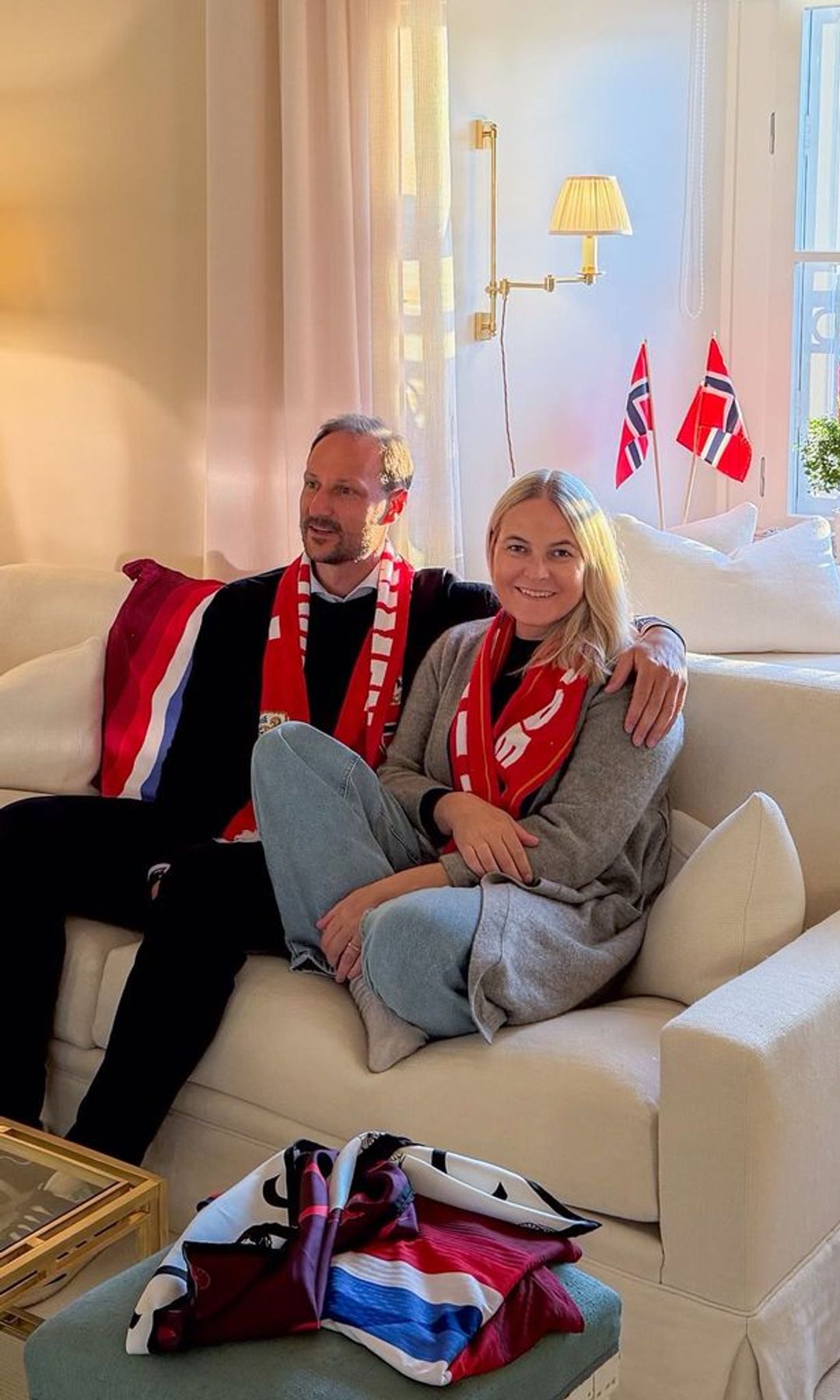
Under that kind of pressure, Haakon has held steady. He didn't rework his domestic calendar, though he did adjust a few international commitments. He didn't hide behind closed-door events, didn't dodge the press, and didn't show any cracks. He kept projecting the same quiet leadership: an heir who says little, avoids theatrics, and communicates stability through a sober, almost minimalist style. As the crisis wore on, two things helped restore that stability: Princess Ingrid Alexandra's return to Oslo, which reinforced the line of succession at a pivotal moment, and the wave of national pride sparked by the 2026 World Cup, a symbolic win for Norway that the royal family embraced from the start.
The legal battle shaping the heir's future
Now, having turned 53, Haakon has effectively closed the book on nearly every crisis he's faced this year, with one exception: the case of Marius Borg.
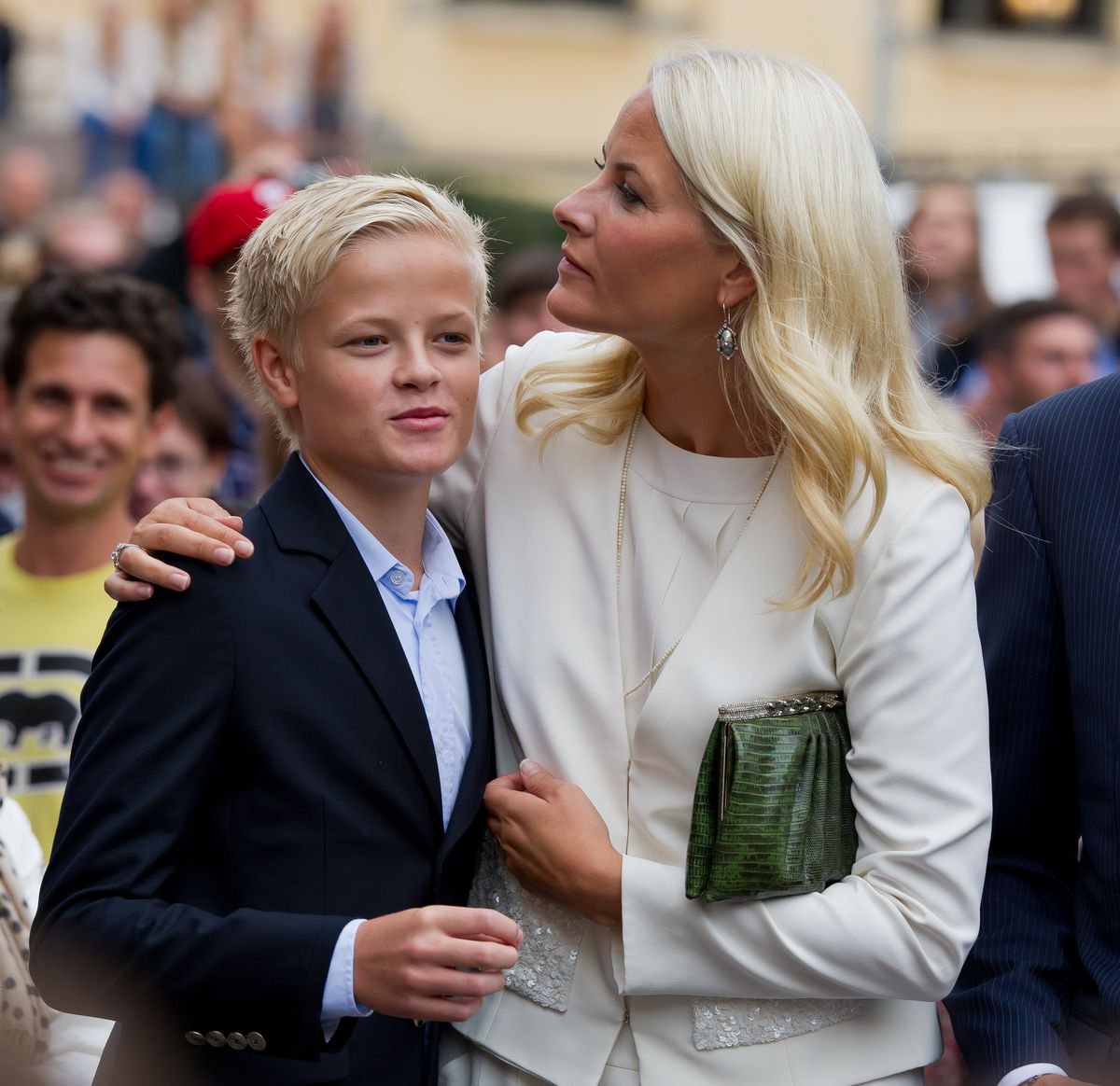
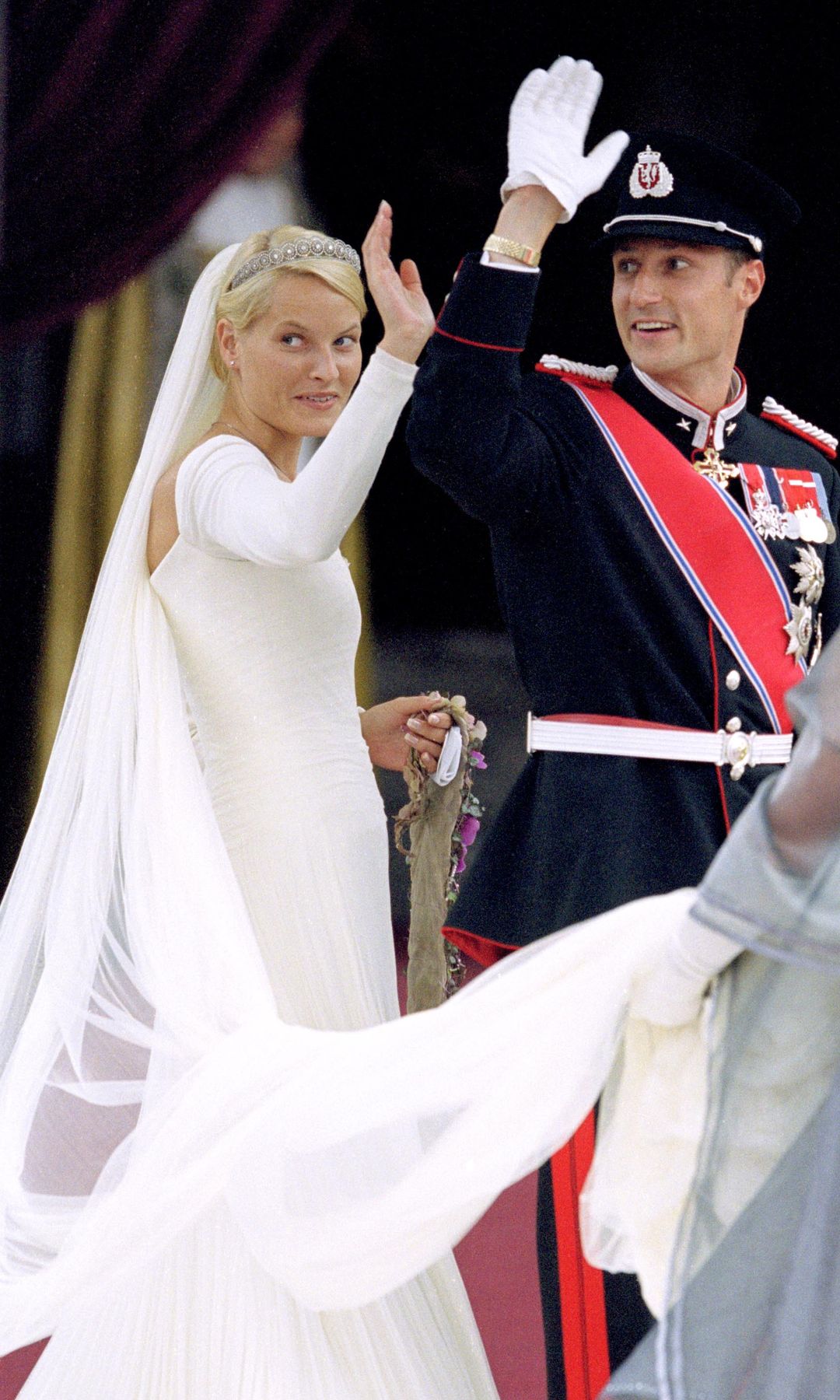
Marius Borg Høiby was two when his mother started dating Prince Haakon, and four when they held the state wedding that came to symbolize a changing era: the king's son marrying a commoner who'd worked as a waitress, was a single mother, and had openly admitted to a "wild past." Marius was the star of that day and the prince's first real brush with fatherhood.
 © Getty Images
"I have three children I'm incredibly proud of. It's a gift to have people in your life you genuinely enjoy. We've been lucky," Haakon said in a book published a year before Marius's first arrest.
Marius grew up in a household where the royal family represents the state, yet he is just a private citizen. He's lived like a prince without being one, enjoying certain privileges, but with no dynastic rights attached. Then there's everything that came to light through his arrests and his own account: struggles with alcohol and cocaine, constant public exposure, and a search for his own identity. None of that excuses the legal reality he now faces, a four-year sentence after he was found guilty on two counts of rape and abuse.
The road to the throne: stability, regency, and one crisis still unresolved
 © UK Press via Getty Images
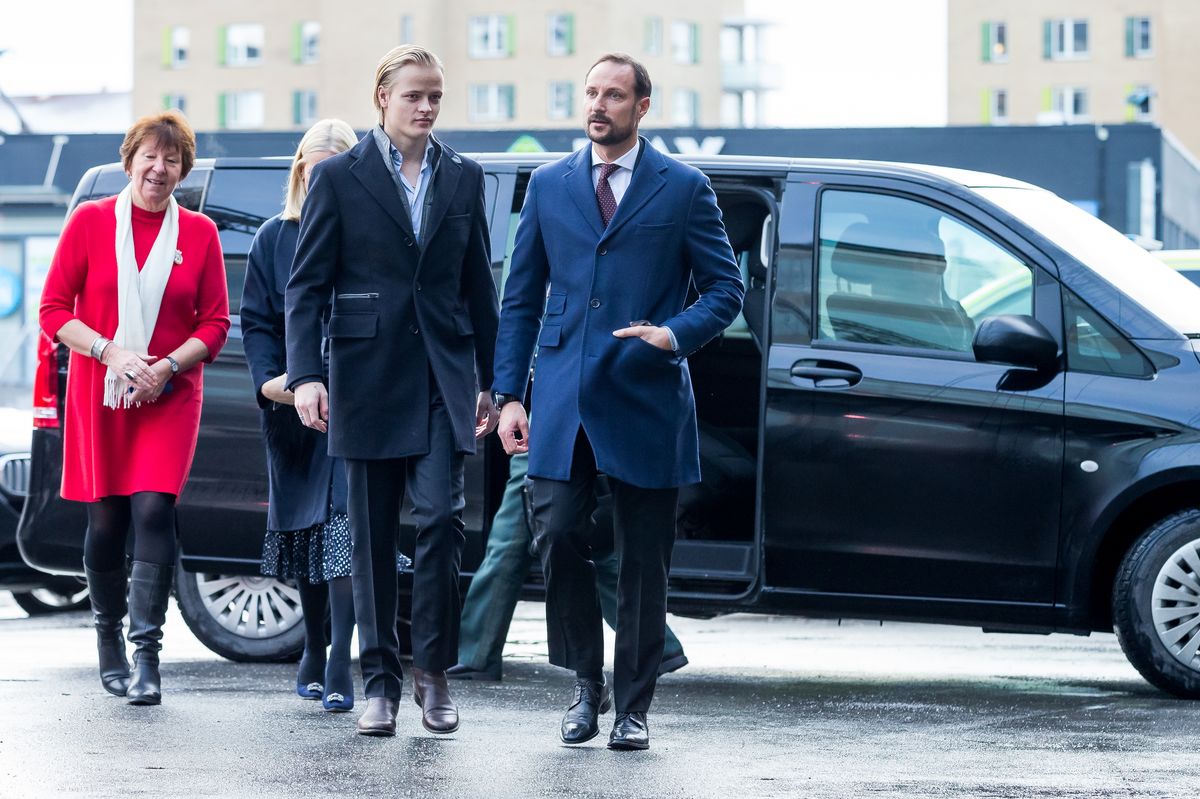
With his reign now in its countdown phase, Prince Haakon faces one major open question: what happens with Marius. Can Mette-Marit become queen with a son behind bars? Haakon has already made clear that his future is with Mette-Marit or with no one. Still, nothing's fully settled. Marius's defense team, made up of some of the country's top lawyers and funded by sources that have never been made public, has appealed the four-year sentence handed down in June, and a second-instance ruling isn't expected until 2027. At the same time, a separate development has opened up some breathing room: the Oslo District Court has allowed Marius to serve the next four weeks of pretrial detention at the royal Skaugum estate rather than in prison, a small win that could work in his favor ahead of any final sentencing.
The institution has regained its footing under Prince Haakon, backed by King Harald, with an eye on Princess Ingrid's growing role. A constitutional amendment already in the works would let her step in as regent before the year is out. The transition is moving forward, and the plan is in place, but the crisis will linger until the Marius case reaches a final resolution. For now, it's still part of the heir's road to the throne.
 © WireImage