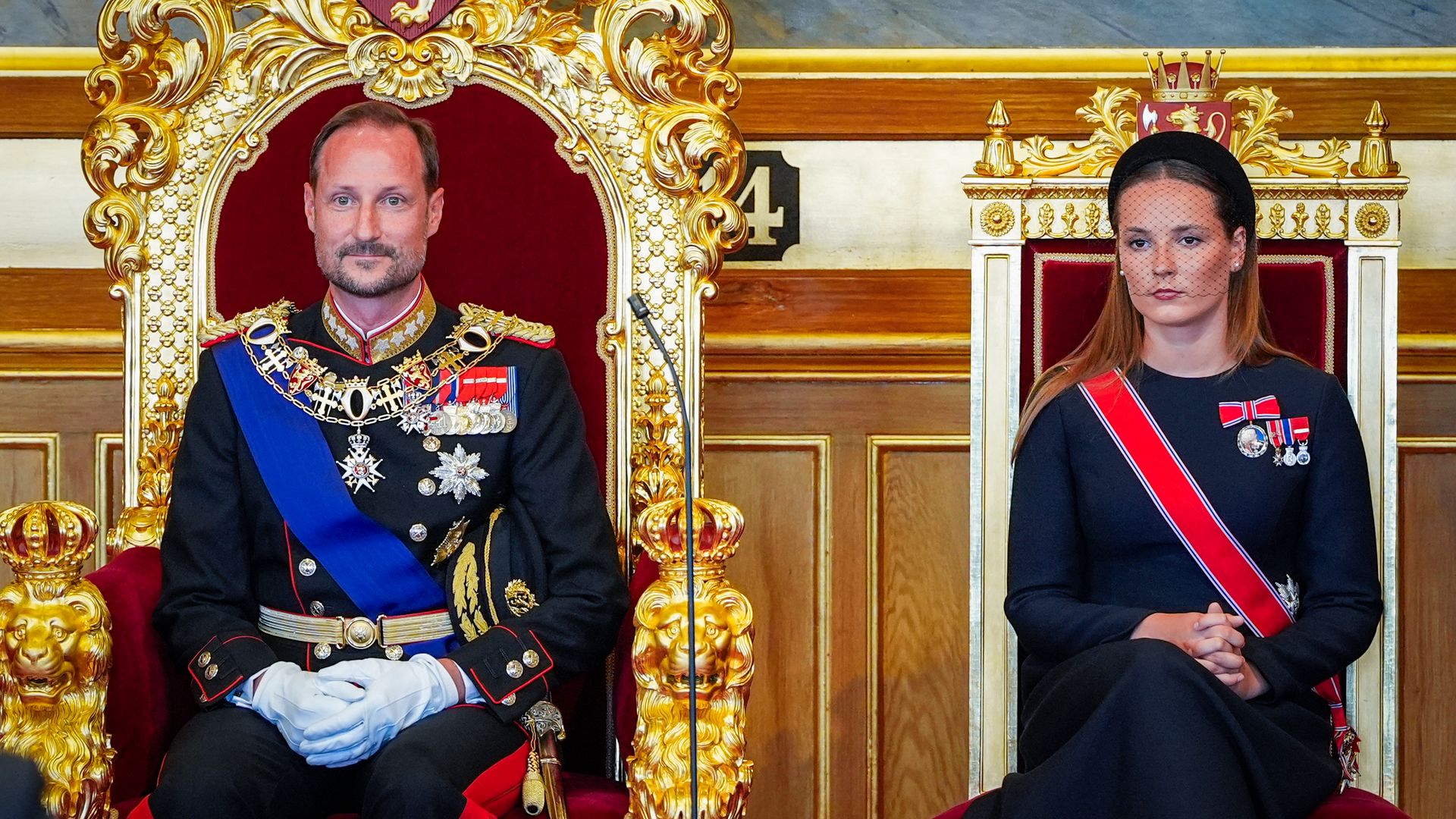
Four days after King Harald of Norway died on August 28 at age 89, his son and successor, King Haakon VIII, appeared before the Storting — Norway's parliament — to take his oath of office. It was one of the most institutionally significant moments of his reign so far, and the one notable absence was Queen Mette-Marit, who stayed away for health reasons tied to her recent lung transplant.
A first for modern Norway: two queens at once
 © NTB/AFP via Getty Images
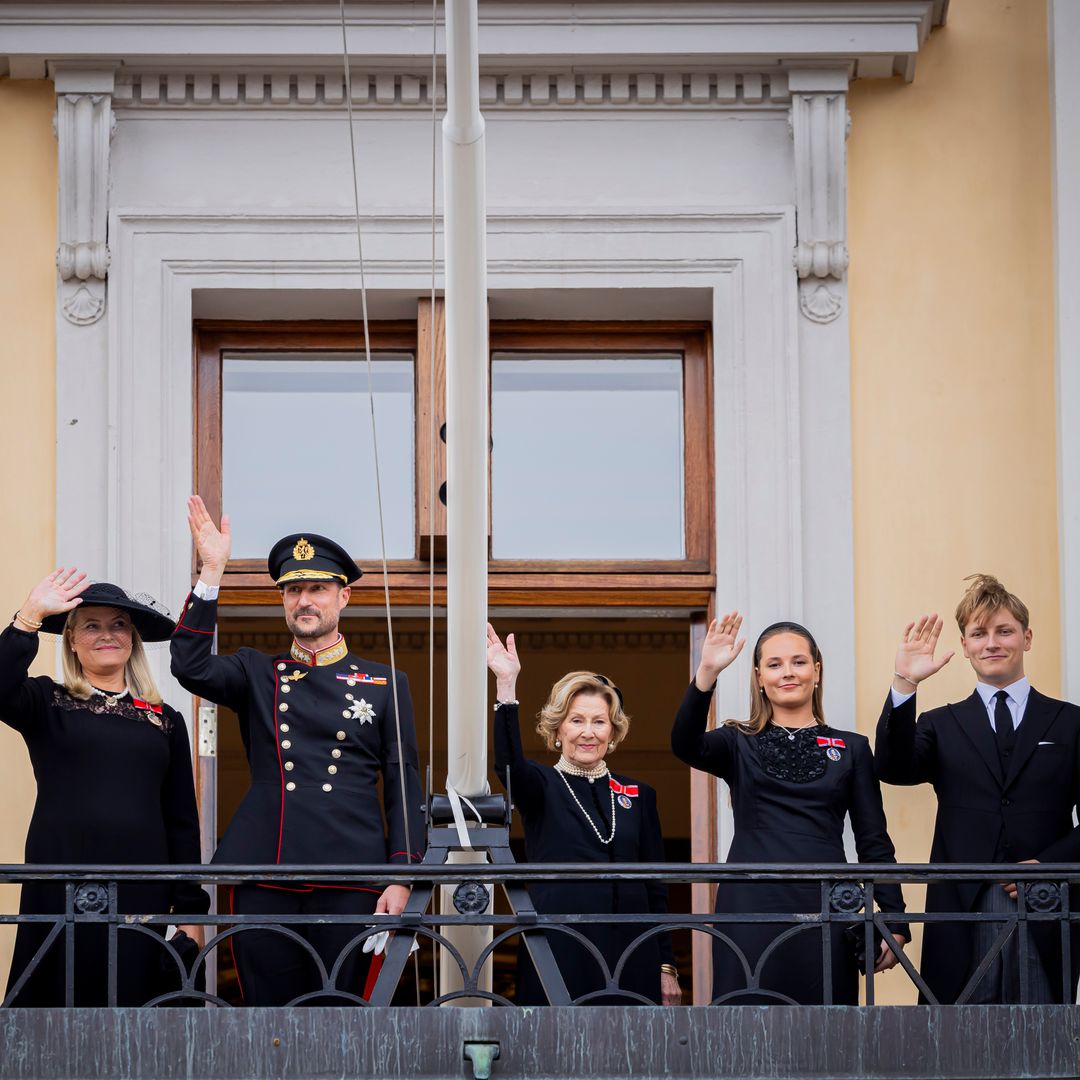
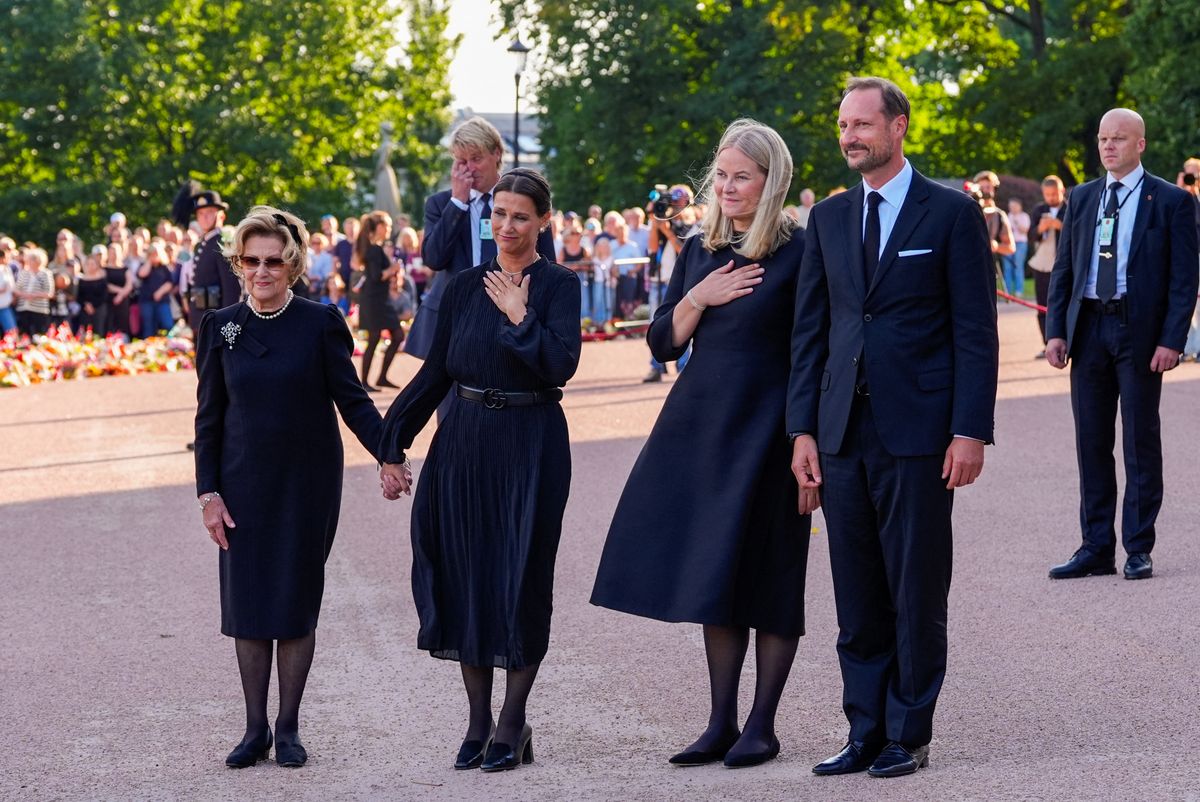
For the first time in the modern history of the Norwegian monarchy, the country now has two women holding the title of queen simultaneously. Norway has not seen this since it re-established an independent monarchy in 1905.
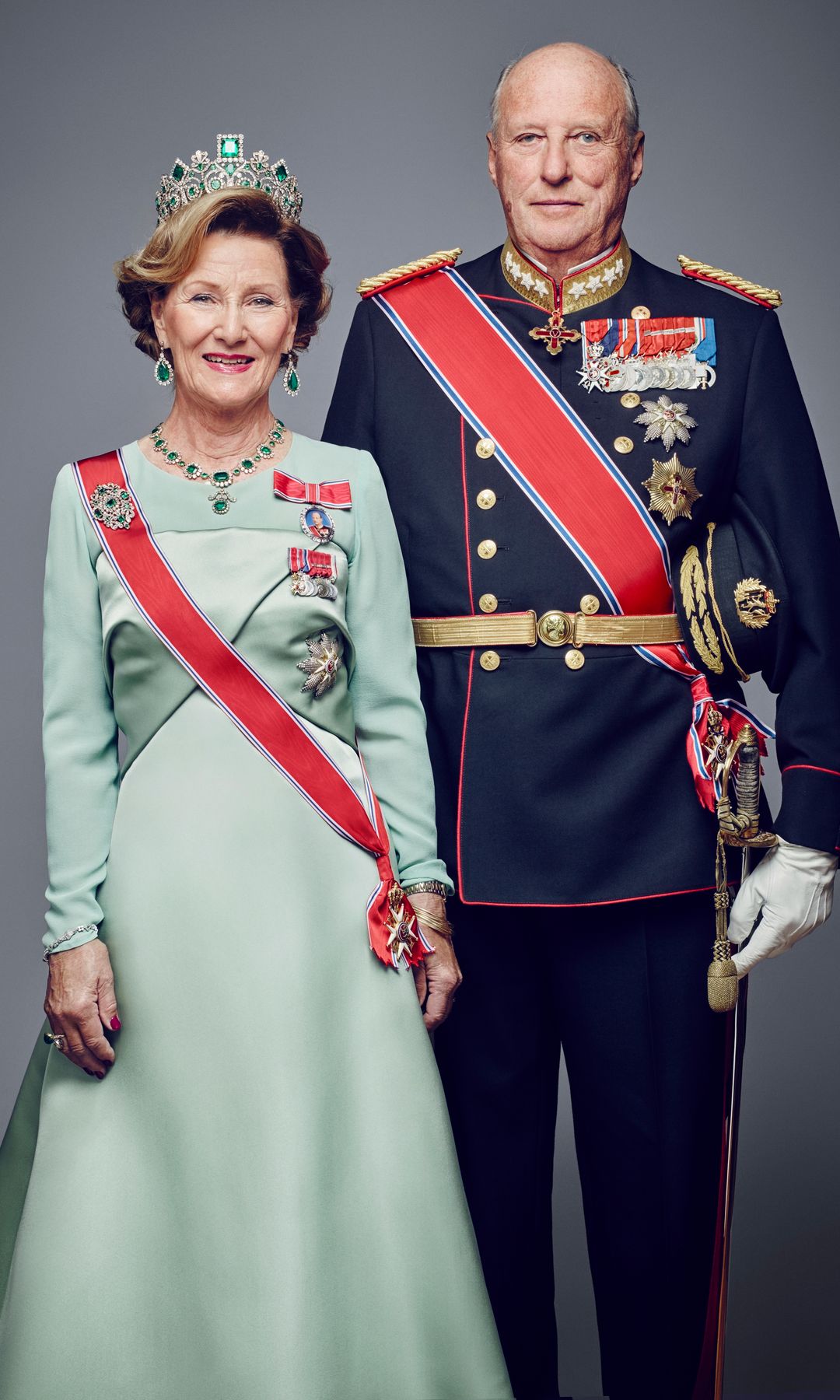
According to the royal household, only two other queens have held the position since the dissolution of the union with Sweden — Maud, who was queen from 1905 until her death in 1938, and Sonja, who became queen in 1991 — but they belonged to different eras. Now Sonja and Mette-Marit hold the title at the same time with different styling.
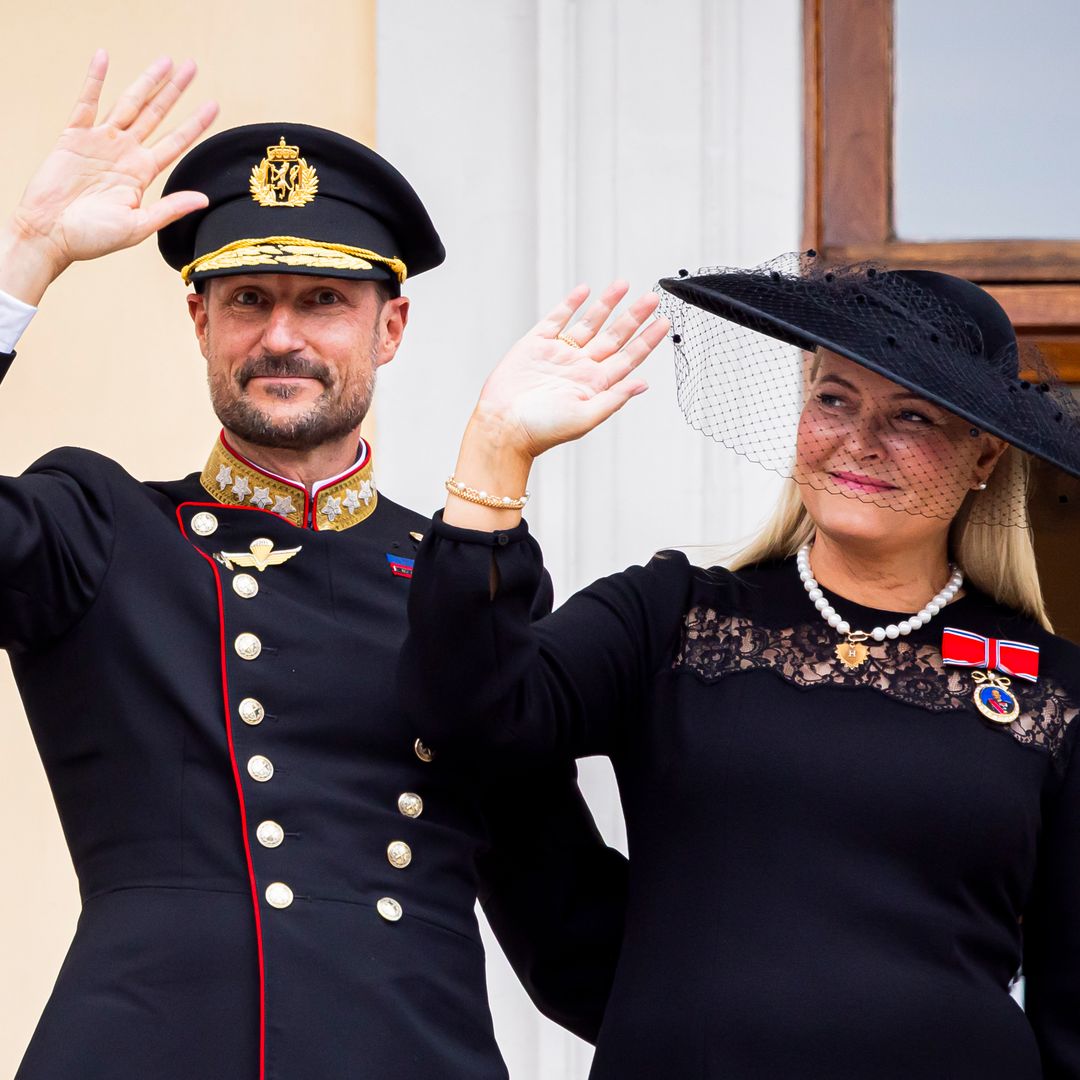
Sonja keeps the title of Queen but no longer carries the style of "Her Majesty," which now belongs exclusively to Mette-Marit as the reigning king's wife.
The moment Ingrid stepped into her new role
 © Getty Images
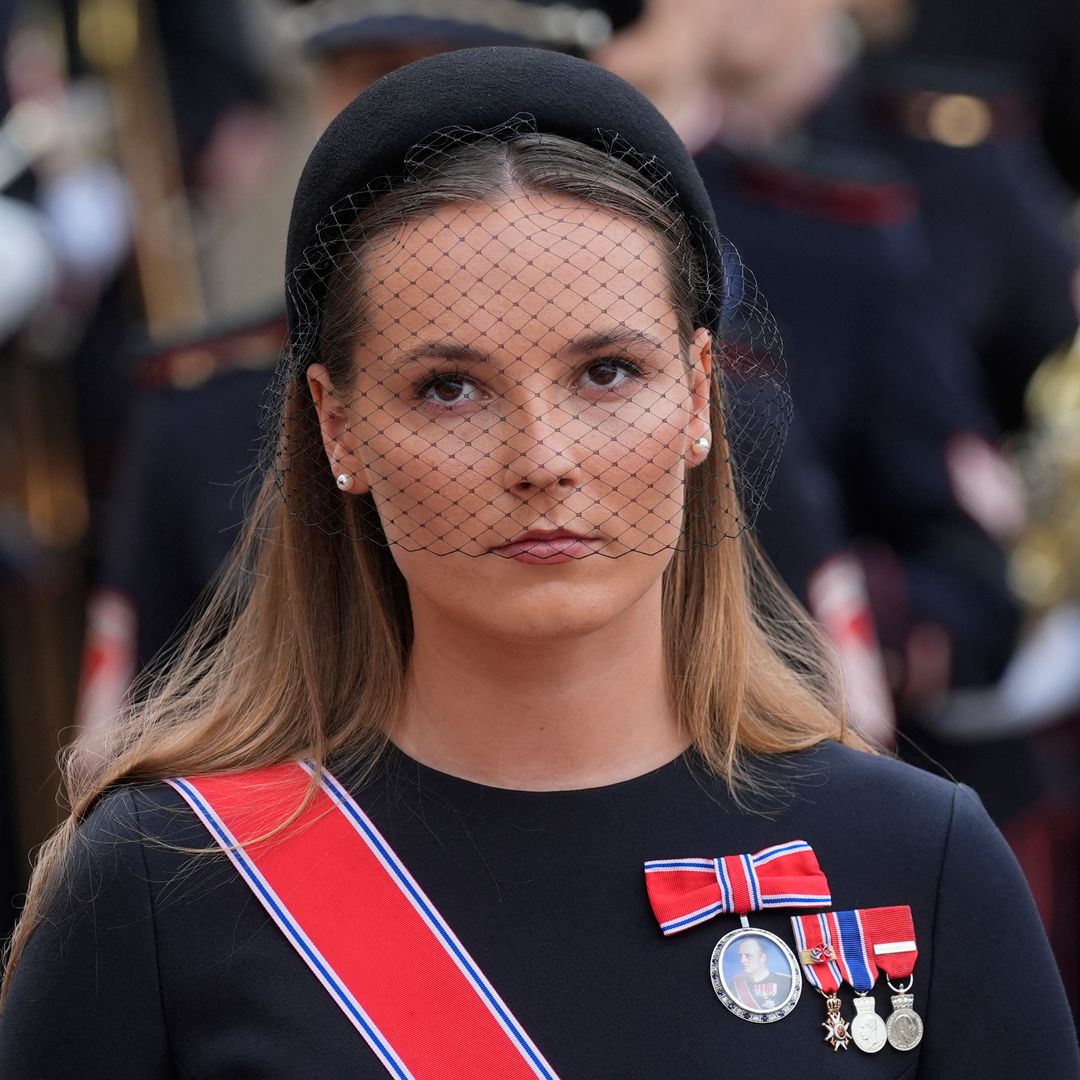
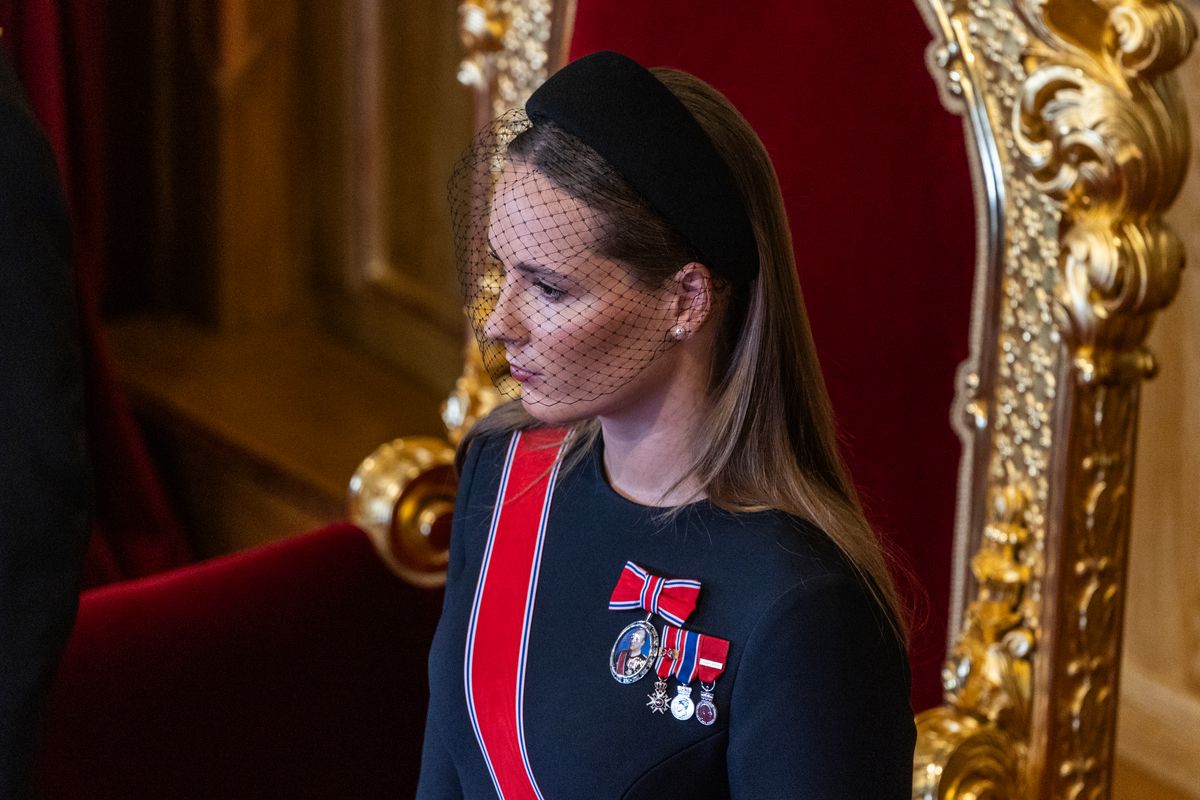
With her mother absent, 22-year-old Princess Ingrid Alexandra stepped into the role of first lady at her father's side, seated next to the throne in a long black mourning gown and a headpiece with a small veil. It marks her most significant official appearance yet, and the opening act of her new life as crown princess.
She wore her honors for the occasion, including the Grand Cross of the Order of St. Olav, awarded to her by her grandfather, King Harald, for her 18th birthday in 2022, alongside the Royal House Centennial Medal, King Harald V's Jubilee Medal (1991–2016), the Army Military Service Medal, and the badge of honor of the Brigade Veterans' Association.
After her father took his oath, Ingrid signed the register at the Royal Palace as heir to the throne. From now on, she may attend cabinet meetings and could act as regent in her father's absence.
The king's oath, and a nod to his forebears
 © NTB/AFP via Getty Images
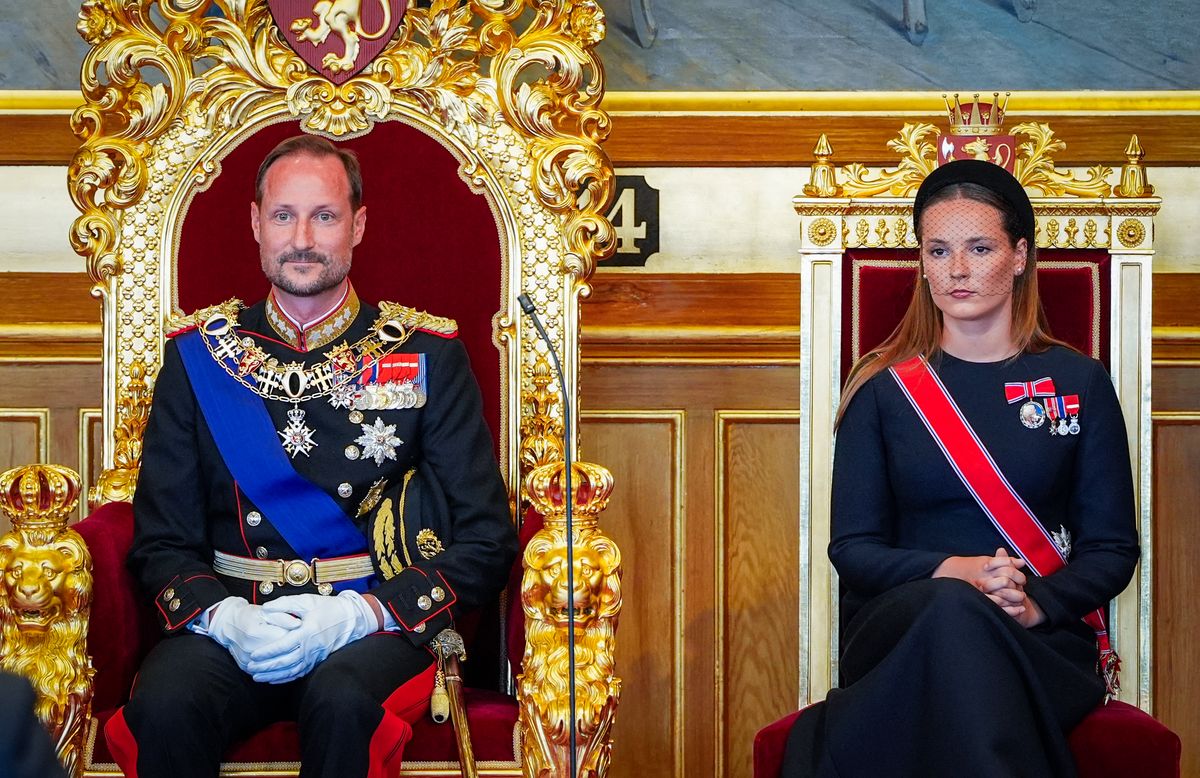
Following the oath, Haakon addressed the chamber directly, invoking three generations of monarchs before him: "In this first meeting between the people's elected representatives and me, as King of Norway, I wish to express my hope that the good relationship that has existed between the Storting and my father, King Harald, my grandfather, King Olav, and my great-grandfather, King Haakon, will be maintained and will develop in keeping with the challenges the country will face in the future. The Queen and I wish to confirm that we are available to carry out our work for the country and the people. Following this tradition, I, as King of Norway, have also adopted the motto 'All for Norway.'"
Storting president Masud Gharahkhani, who presided over the session, used his own remarks to frame the moment within Norway's system of government: "The monarchy and democracy are not contradictory — they are interconnected. When a new king comes before the Storting, he must declare that he respects the Constitution and the laws and regulations of Norway."
The scene at the Storting
 © NTB/AFP via Getty Images
The Storting's gallery, diplomatic box and press tribune were packed for the occasion. Attendees wore formal mourning dress, and some lawmakers stood for lack of seating. The king was received by the Storting's vice presidents as the session opened under Gharahkhani's direction.
Haakon arrived alone, in full military dress uniform and decorations, traveling from the Royal Palace to the Storting in an open-top car. Roughly 1,000 personnel from Norway's National Guard, Army, Air Force and Navy formed the security operation, a deployment similar in scale to the one mounted each year for the opening of parliament. Sweden also sent police support to help mark the transition.
Princess Ingrid followed behind in a separate car alongside her grandmother, Queen Sonja, and her brother, Prince Sverre Magnus.
Norway says goodbye to Harald
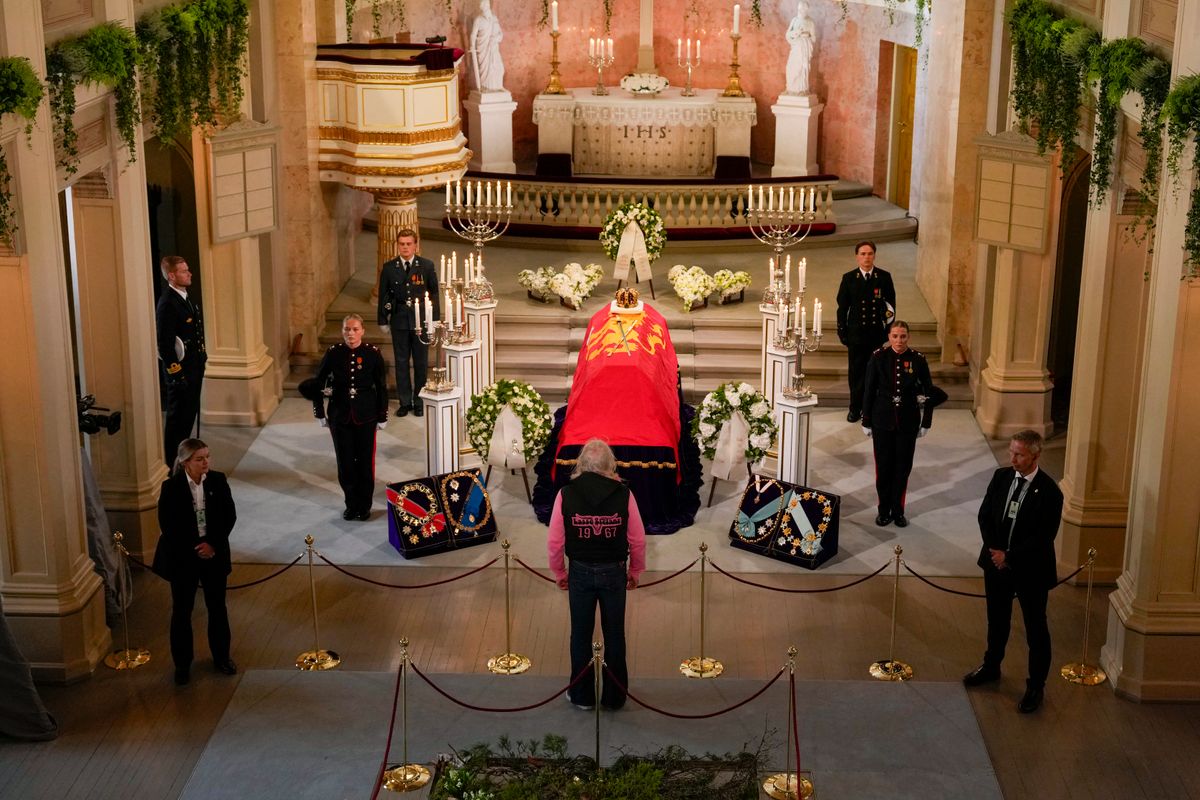
After the king and princess had completed their oaths, the royal chapel of rest was opened so the Norwegian public could pay their respects to King Harald. He remained deeply popular through the difficulties of his final year on the throne, and mourners arrived throughout the day, some bowing before his casket in a final farewell.
 © Getty Images