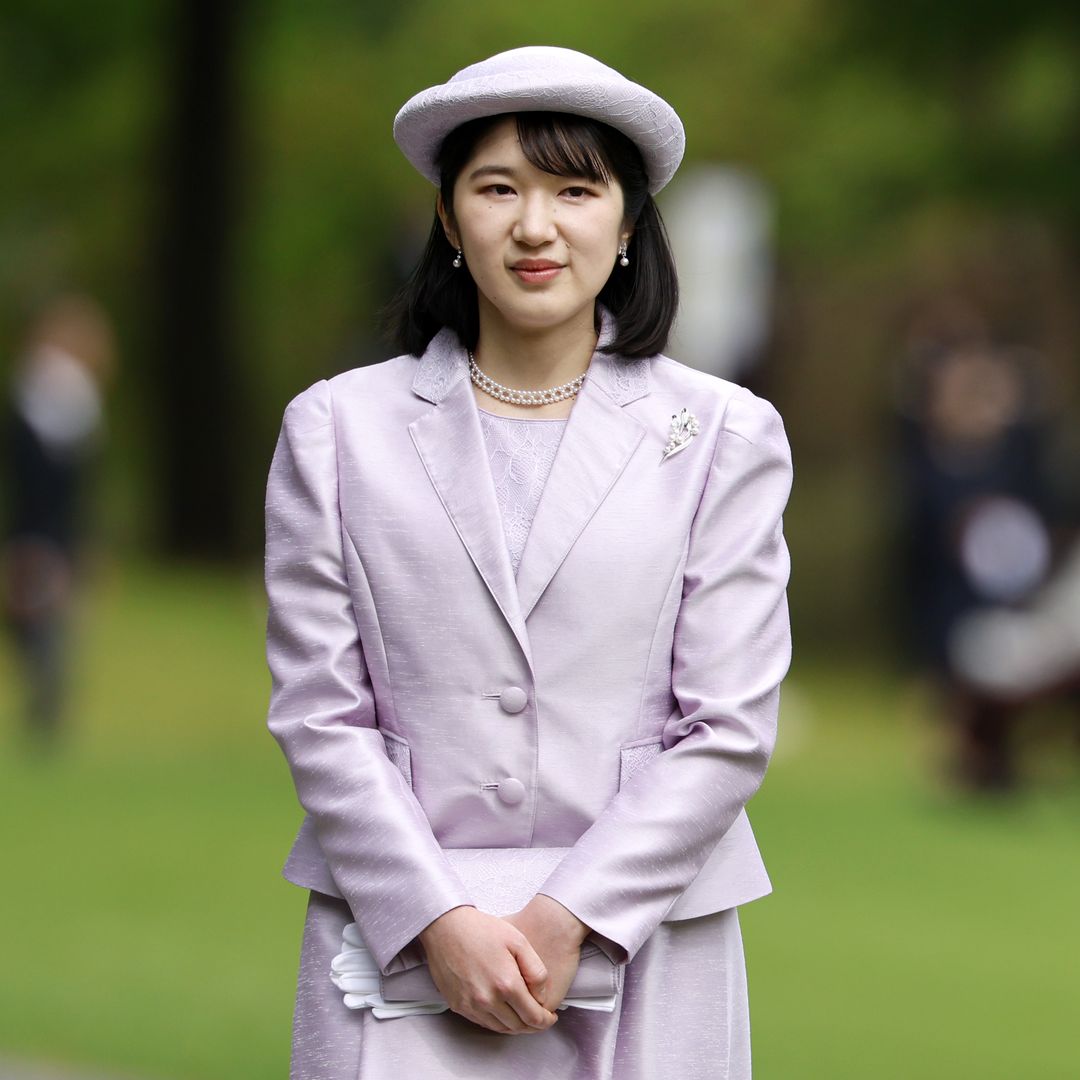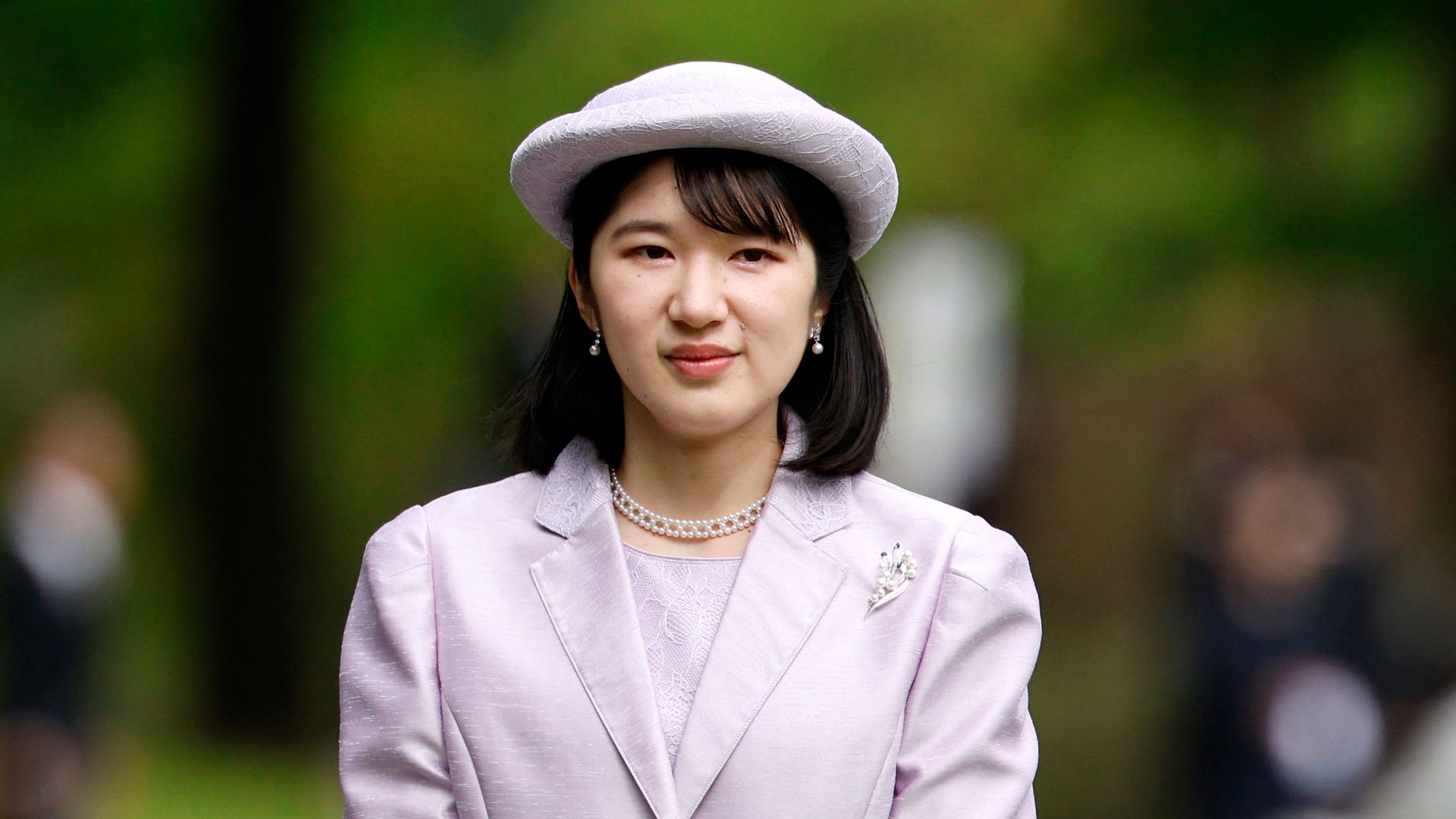
Japan's imperial family just returned to Tokyo after a few days at the Nasu Imperial Villa, one of the historic royal residences and a regular summer retreat. During one of their traditional outings, a visit to the area's popular animal park that the emperor and empress make almost every summer, one of the country's tabloids caught the photos everyone's now talking about. Princess Aiko, the only child of Emperor Naruhito and Empress Masako, was joined by a childhood friend she's clearly at ease around.
Meet the mysterious "H," the young man who belongs to the imperial family's inner circle.
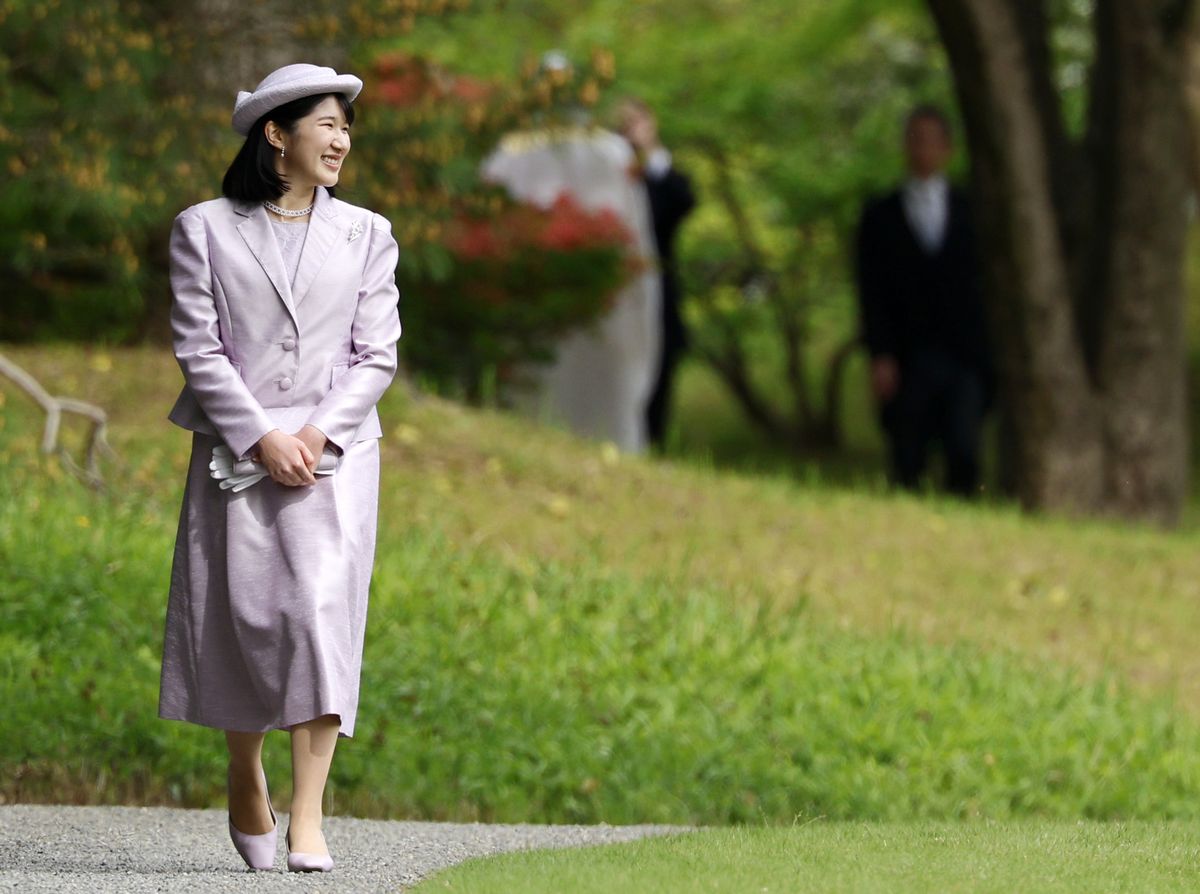 © Anadolu via Getty Images
The photos that sparked the interest: Aiko with a childhood friend
The photos ran in the weekly magazine Josei Jishin, published by Kobunsha and aimed at "working single women." It occupies a unique spot in Japan's media landscape: while the mainstream press avoids any hint of speculation, repeating whatever line the Imperial Household Agency hands down, Jishin has built its reputation on digging up details that never make it into official channels. This is the same outlet that broke the story of Princess Mako's romance with Kei Komuro, and now it's running these photos of the emperor's only child without, deliberately, reading anything romantic into them.
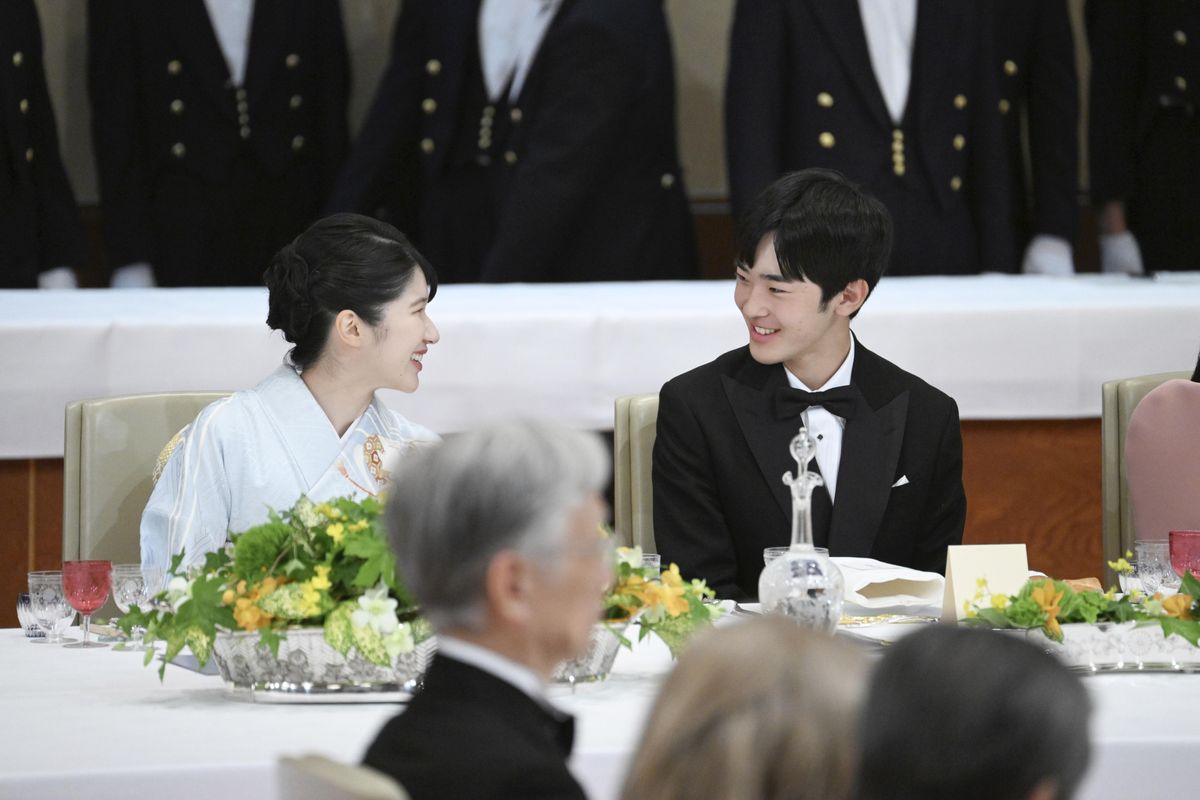
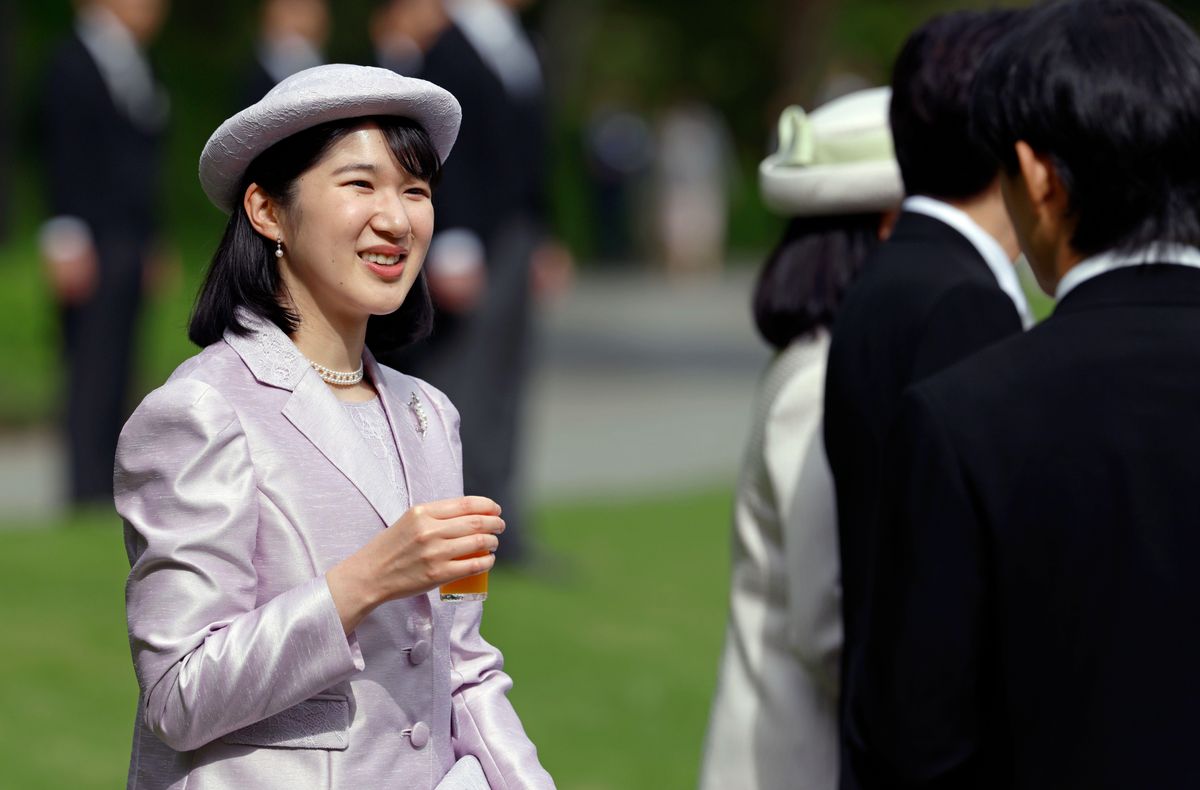
The photos show Aiko and H chatting during a family outing, in a relaxed, protocol-free setting.
 © Gamma-Rapho via Getty Images
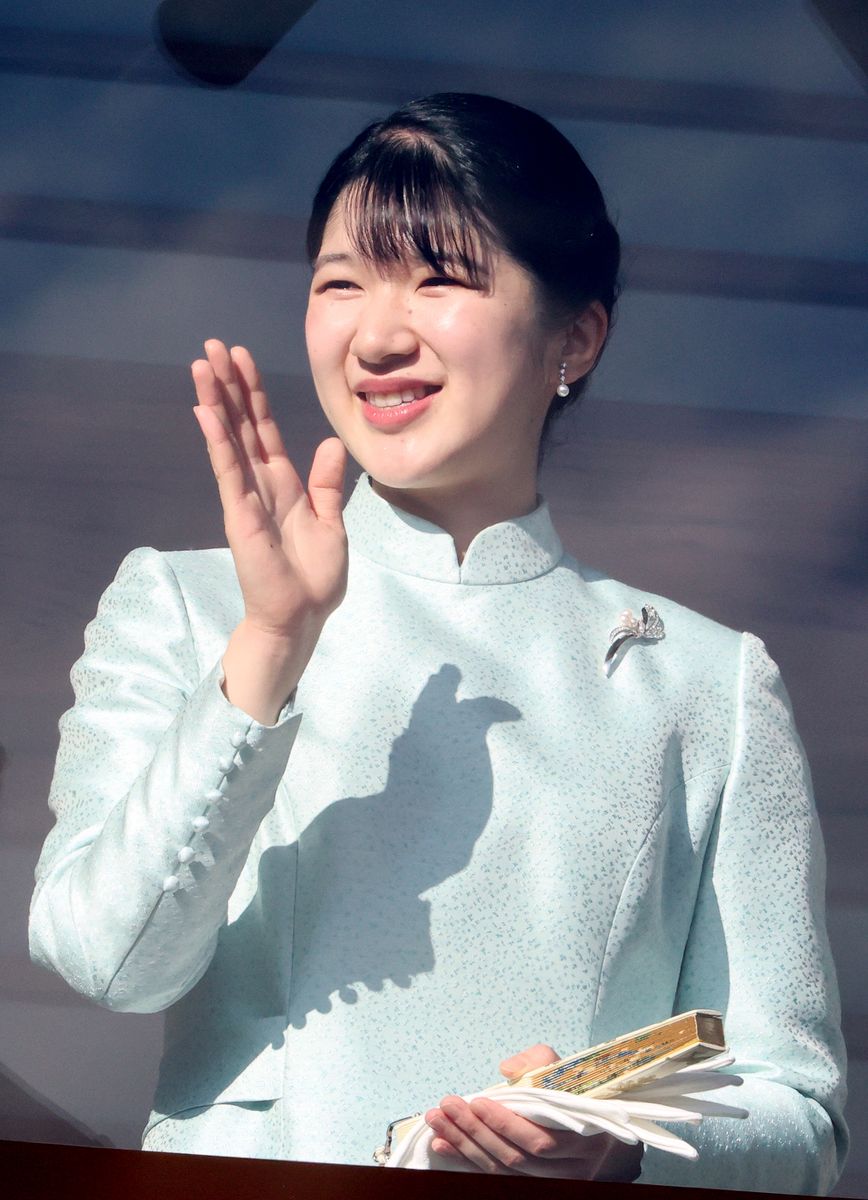
Aiko is 24 and is the emperor's only child in a country that doesn't recognize empresses, so she isn't in line for the throne. "H" is 25, stands 6-foot-1, works in banking, and his father holds a senior position in Japan's shipbuilding industry, one of the country's strategic sectors.
Japanese media describe him as a childhood friend, someone who's been by the princess's side at different points in her life and who has the emperor and empress's trust. In the photos, Aiko looks happy and relaxed, an attitude that reinforces the idea that H is someone she's comfortable around.
The inevitable contrast with her cousin Princess Mako's sad story
 © Getty Images
The comparison to Kei Komuro is unavoidable. Komuro was also a commoner, and he met Princess Mako in a classroom, but his story carried baggage the Japanese public never fully accepted: an absent father, his mother's complicated romantic history, and debts tied to financing his elite education. None of that shows up in H's profile, at least not so far, just as there's been no sign that this is anything more than friendship. If anything, the press is painting him as a rising professional, a young man with a bright future and a solid family behind him.
These photos come at a moment when Japan is reckoning with its own recent history.
Five years ago, Mako of Japan was automatically stripped of her imperial status when she married Kei Komuro, who endured unprecedented national scrutiny. That episode, which spiraled into a harassment campaign and a very public decline in the princess's mental health, has become the cautionary tale her sister, Princess Kako, and her cousin, Princess Aiko, now measure themselves against. Both belong to the same generation, and both once faced the same fate: losing everything if they married.
A reform pushed through by Japan's government partially breaks that pattern, letting unmarried princesses decide, for the first time, whether to stay in the imperial family after marriage, though without access to the throne or the ability to pass on dynastic rights to their children.
 © Kyodo News/Sipa USA
The historic reform reshaping the fate of Japan's single princesses
As Japan debates how to secure the imperial house's future in a system that now hinges on a single direct heir, Prince Hisahito, the presence of young men like H fits the image of normalcy and modernity the institution is trying to project. For the first time, there's a real chance that princesses Aiko and Kako could keep their royal status without giving up their personal lives, something unthinkable just a few years ago and a clear break from Mako's fate.
Only time will tell whether the emperor's daughter walks that path with H or with another commoner who, like him, will have to fit the mold expected of a princess's husband: discretion, financial stability, and a low-key professional life. But even if that man joins the family, he'll never fully belong to it. The reform doesn't grant spouses any imperial representation or status, which makes any future husband someone close to the institution, but always outside it.
 © ZUMA Press, Inc.