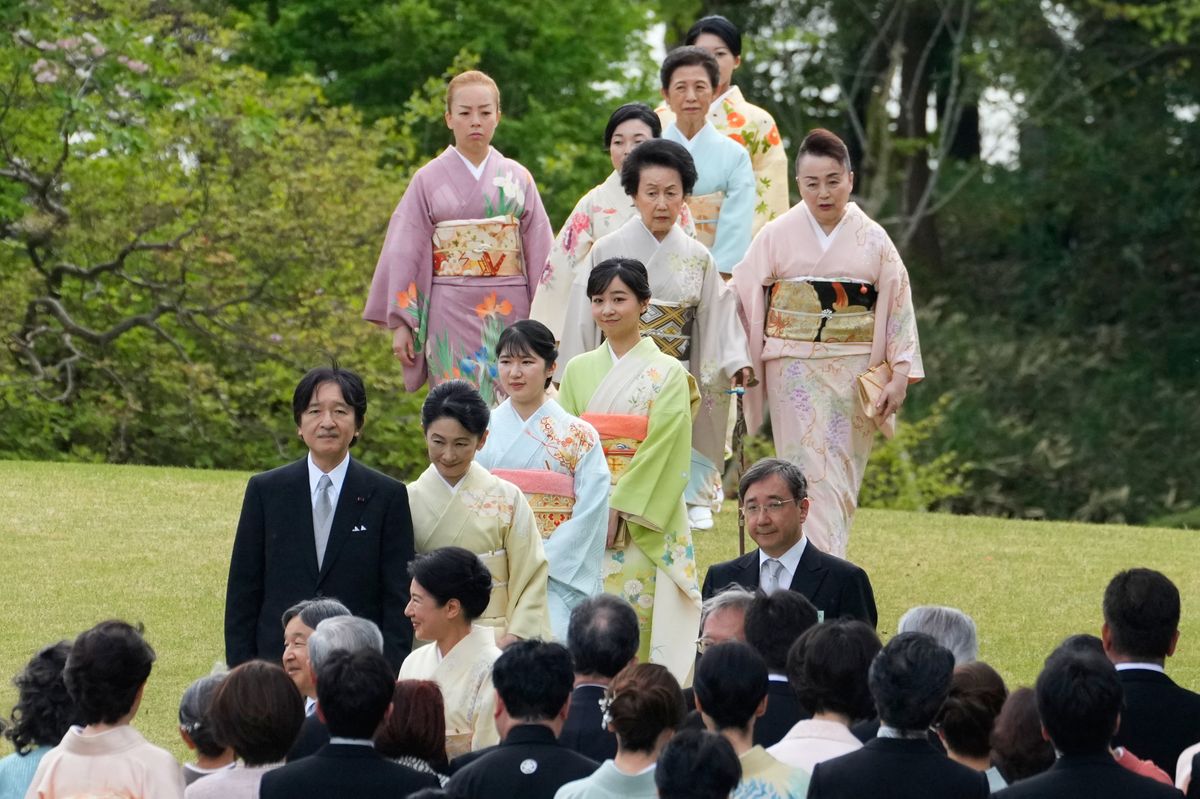
Japan’s Parliament has approved a significant change to the rules governing the imperial family, allowing princesses to retain their royal status after marrying commoners.
 © POOL/AFP via Getty Images
The reform is designed to help stabilize a household that has steadily declined in size and now faces a severely limited line of succession. It also creates a route for eligible male descendants of former imperial branches to rejoin the family through adoption.
What the law does not change is just as important. Women, including Princess Aiko, remain barred from inheriting the Chrysanthemum Throne.
 © AFP via Getty Images
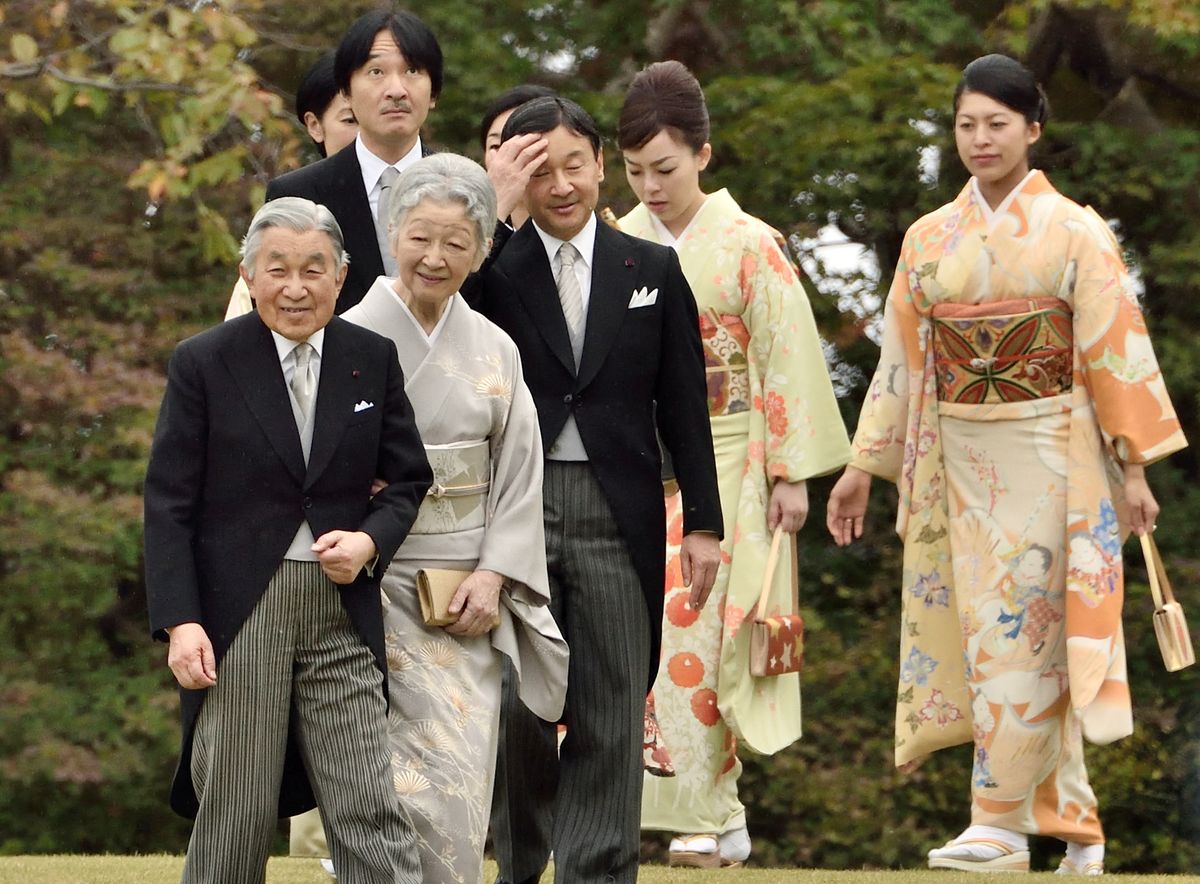
Princesses Can Keep Their Status After Marriage
Under the previous rules, women born into the imperial family were required to give up their titles and leave the household when they married commoners.
 © Getty Images
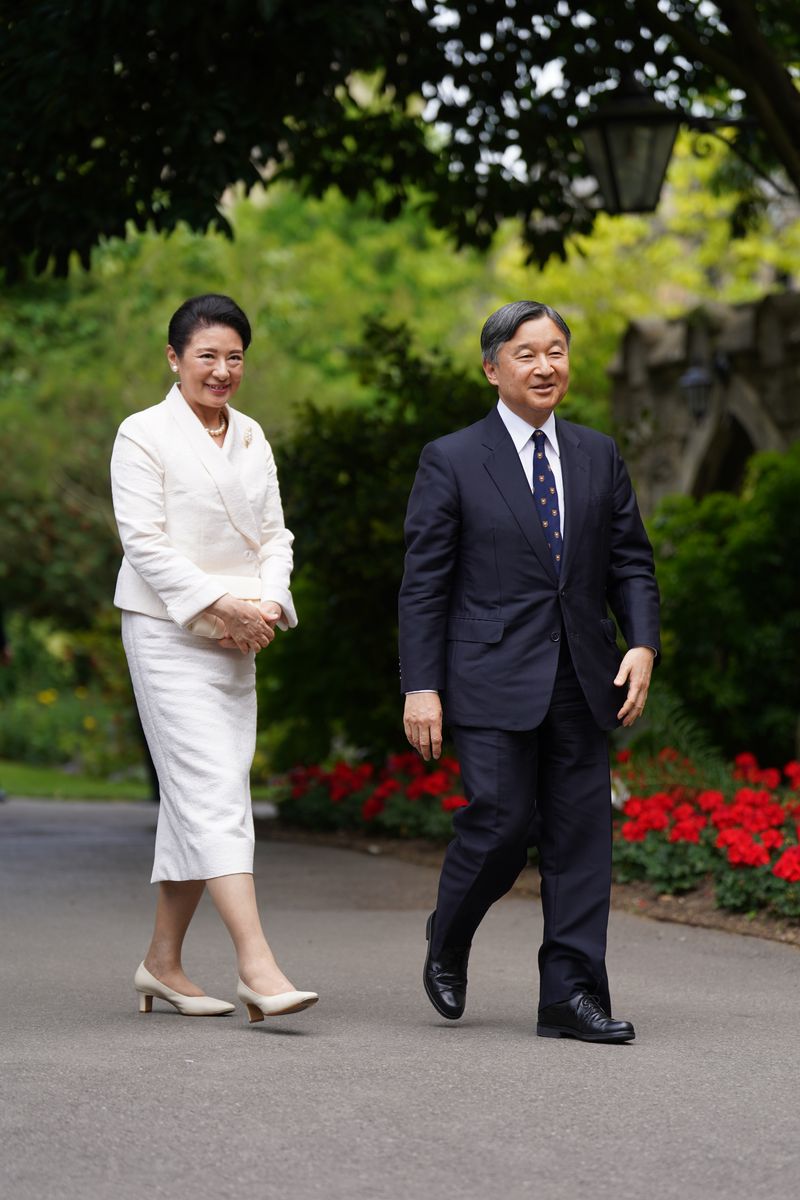
The revised law allows them to remain members of the imperial family and continue carrying out official duties after marriage, the Associated Press reported. Their husbands and children, however, will remain private citizens and will not receive imperial status.
 © WireImage
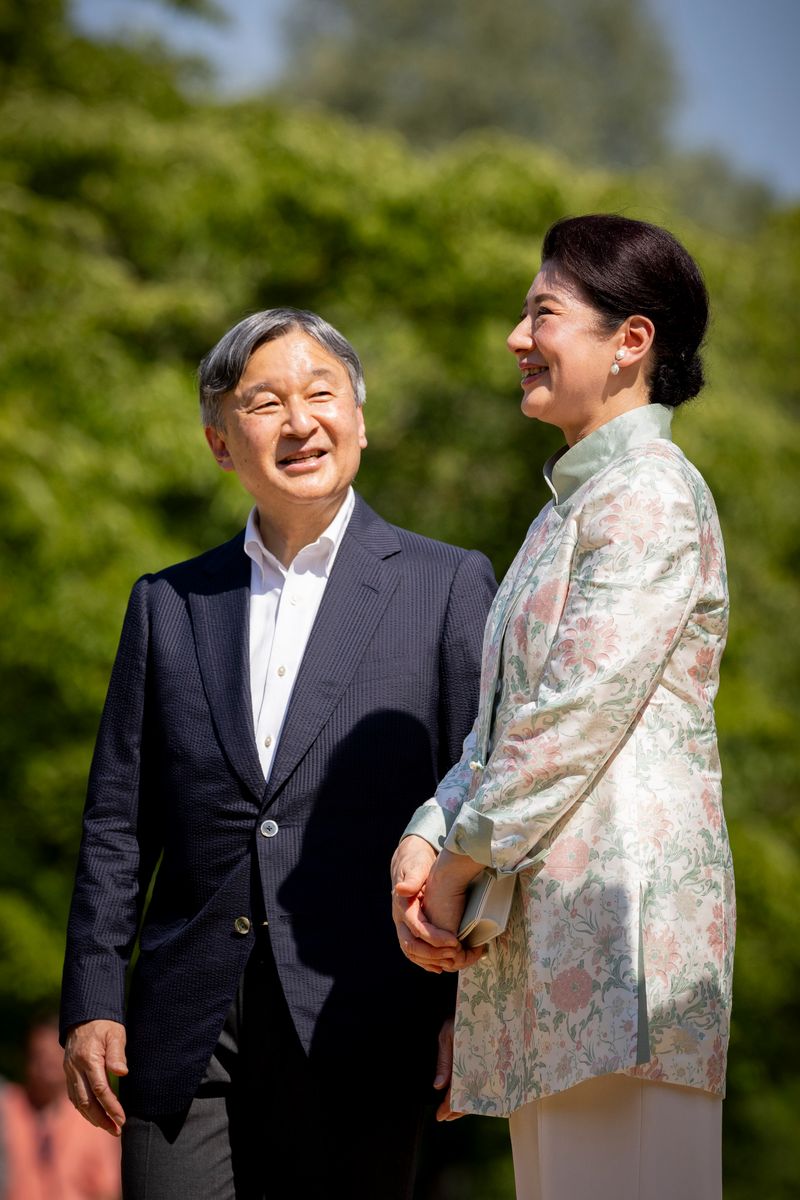
The change is expected to help preserve the number of royals available for public appearances, ceremonies, and other official responsibilities. It does not extend imperial membership or succession rights to the families these women may establish.
Former Imperial Branches May Provide New Male Members
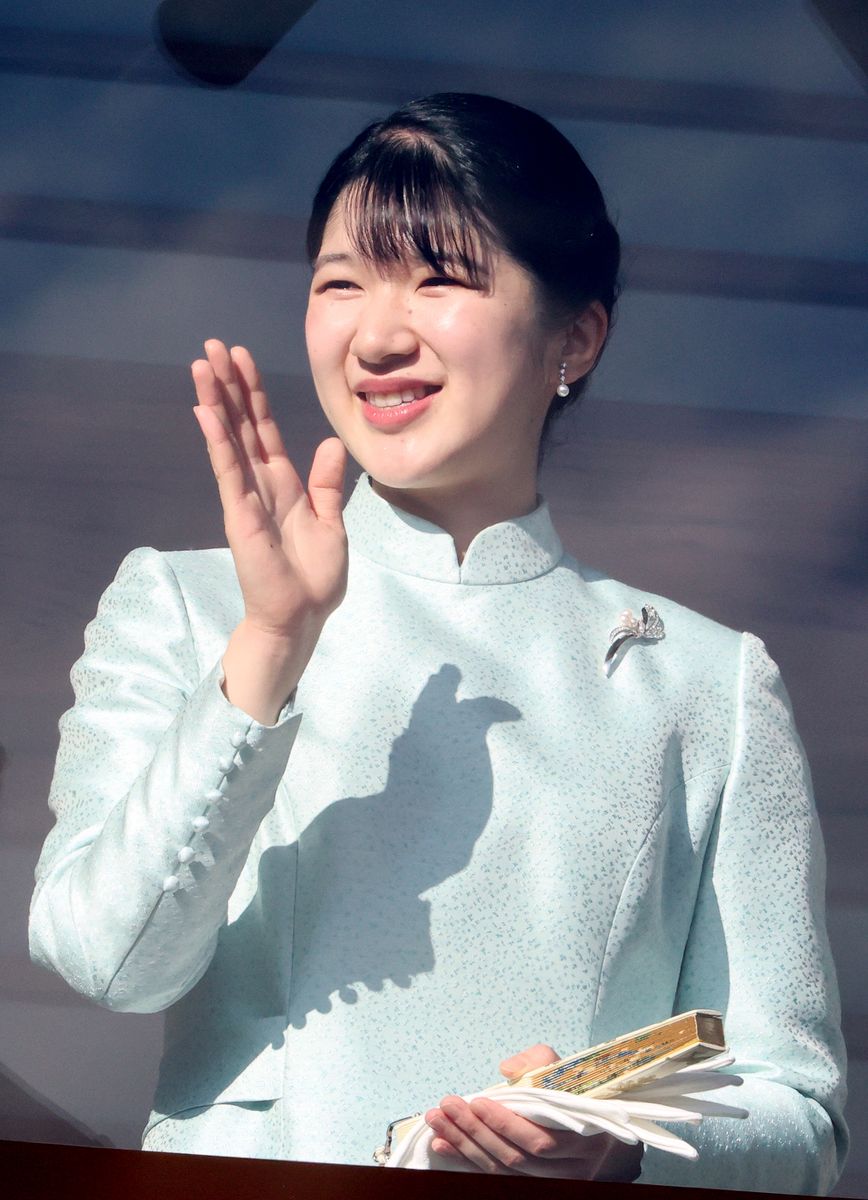
The legislation also establishes a process through which certain male descendants of former imperial families may be adopted into the present-day household.
 © Gamma-Rapho via Getty Images
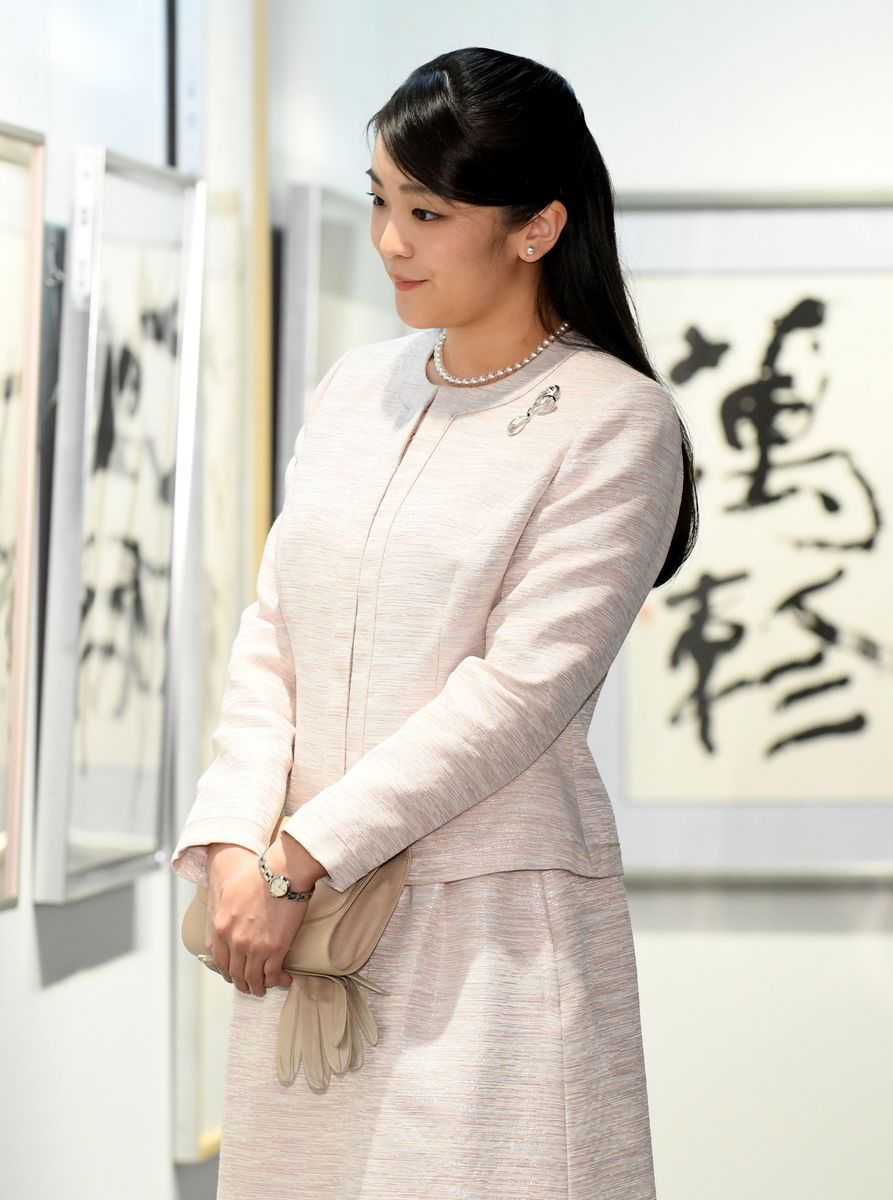
The Associated Press reported that candidates must be unmarried, at least 15 years old, and descended through the paternal line from collateral branches that lost their imperial status in 1947. At that time, 51 members of 11 branches were removed from the imperial family as part of Japan’s postwar restructuring.
 © AFP via Getty Images
The provision is intended to create additional male family lines from which future heirs could emerge. Rather than reconsidering whether women may inherit, lawmakers chose to reinforce the traditional system through male descendants of the former branches.
Princess Aiko Still Has No Path to the Throne
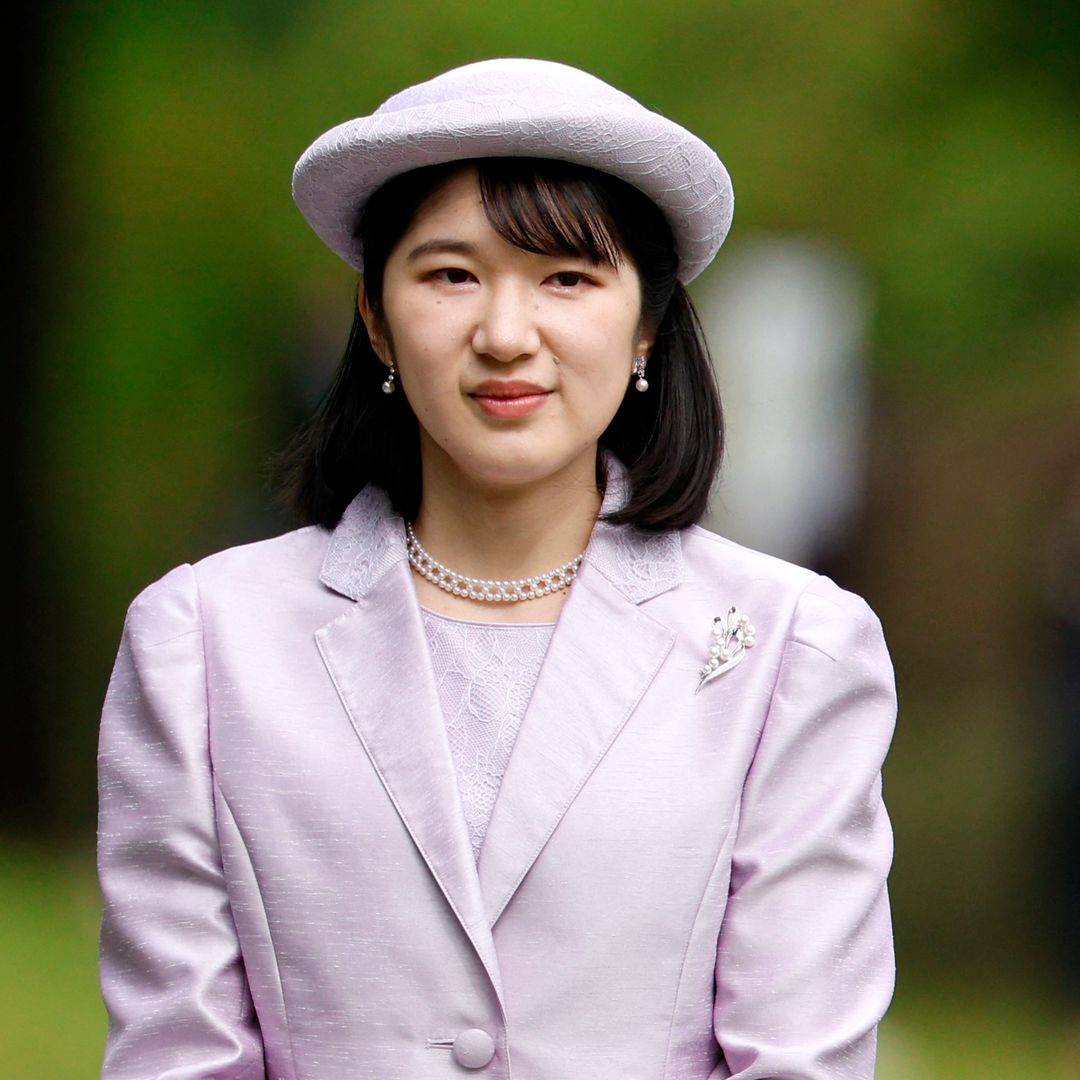
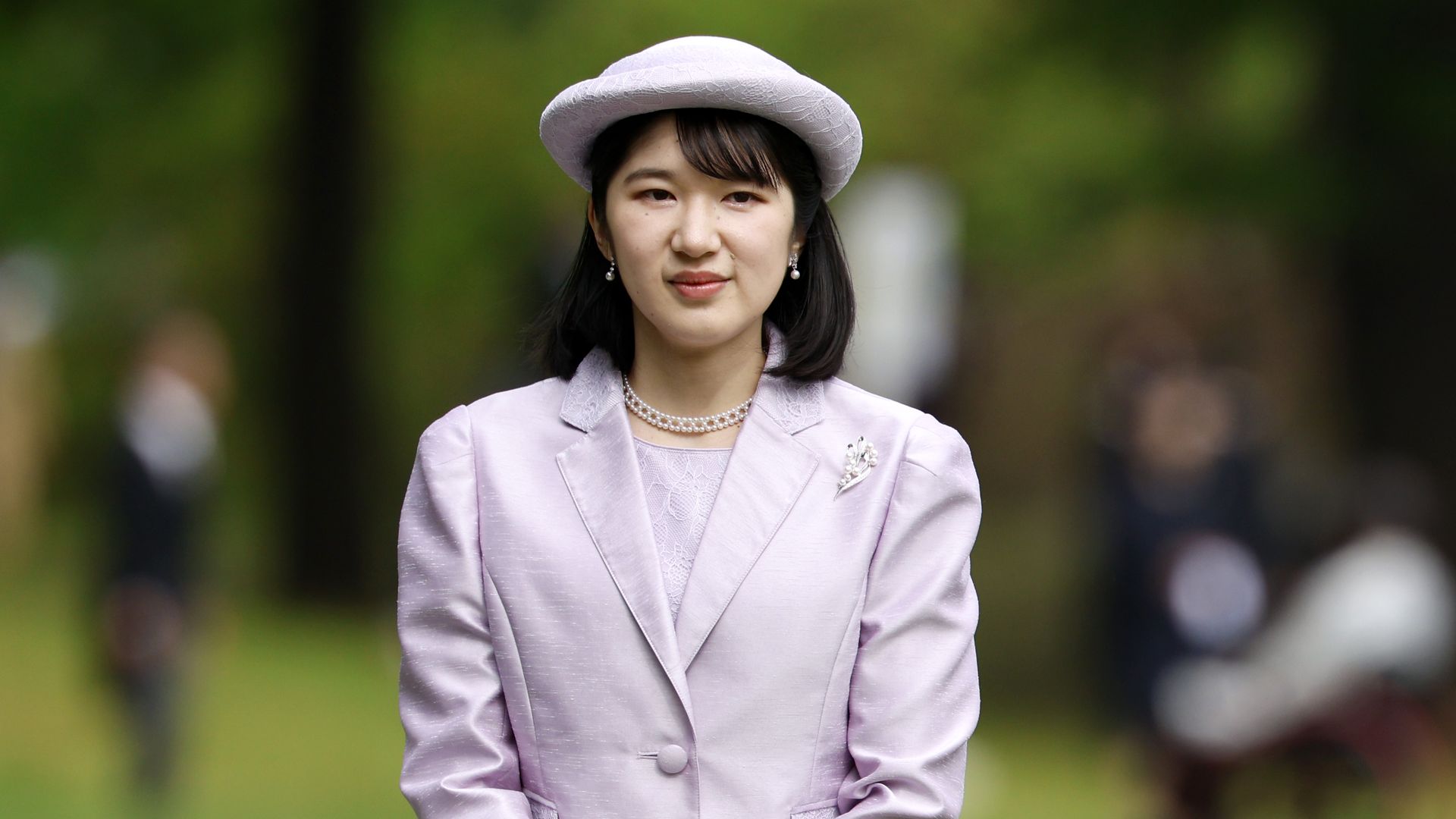
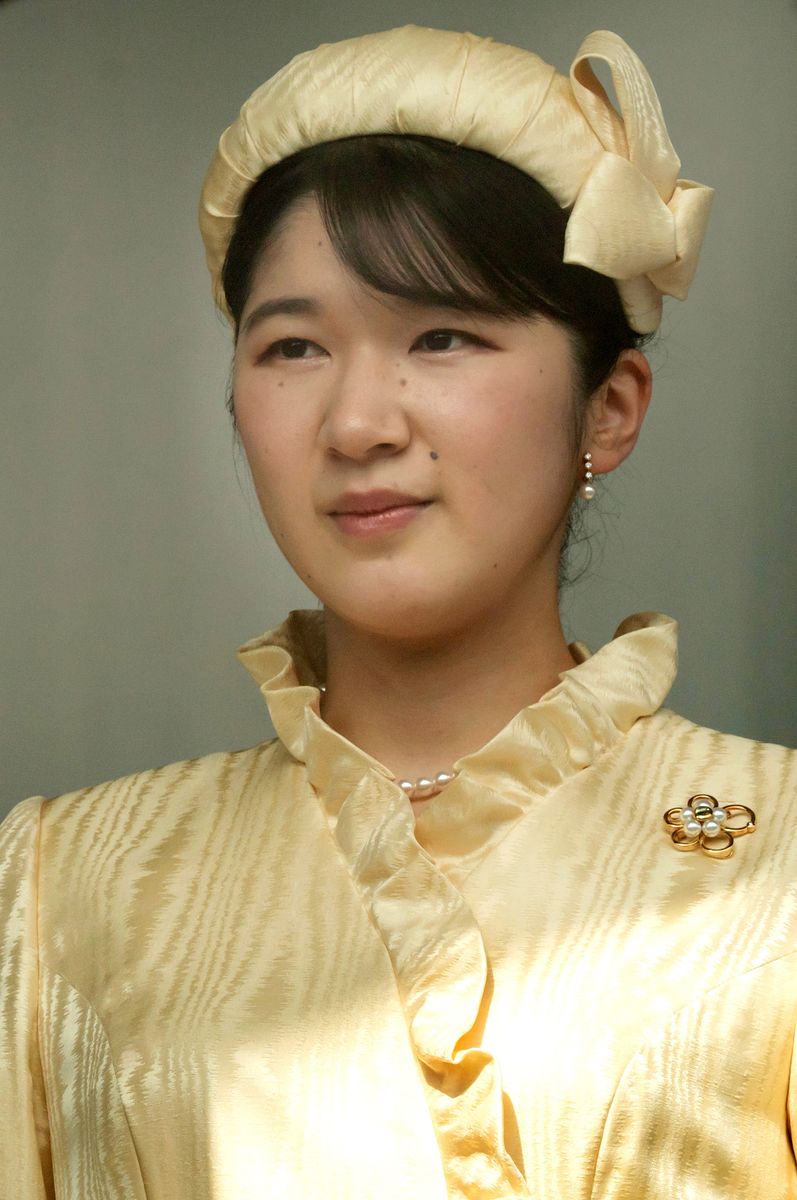
Princess Aiko, the only child of Emperor Naruhito and Empress Masako, remains excluded from the succession.
 © Getty Images
The Imperial Household Agency records Aiko’s birth date as December 1, 2001, making her 24 as of July 2026. Under the revised law, she may retain her title and continue serving as a member of the imperial family if she marries a commoner. Her husband and children would not become imperial family members.
The reform therefore changes what marriage could mean for Aiko’s public role, but not her legal position. Despite being the emperor’s only child, she remains ineligible for the throne because the law limits succession to men descended through the paternal line.
A Shrinking Family Has Increased the Pressure for Reform
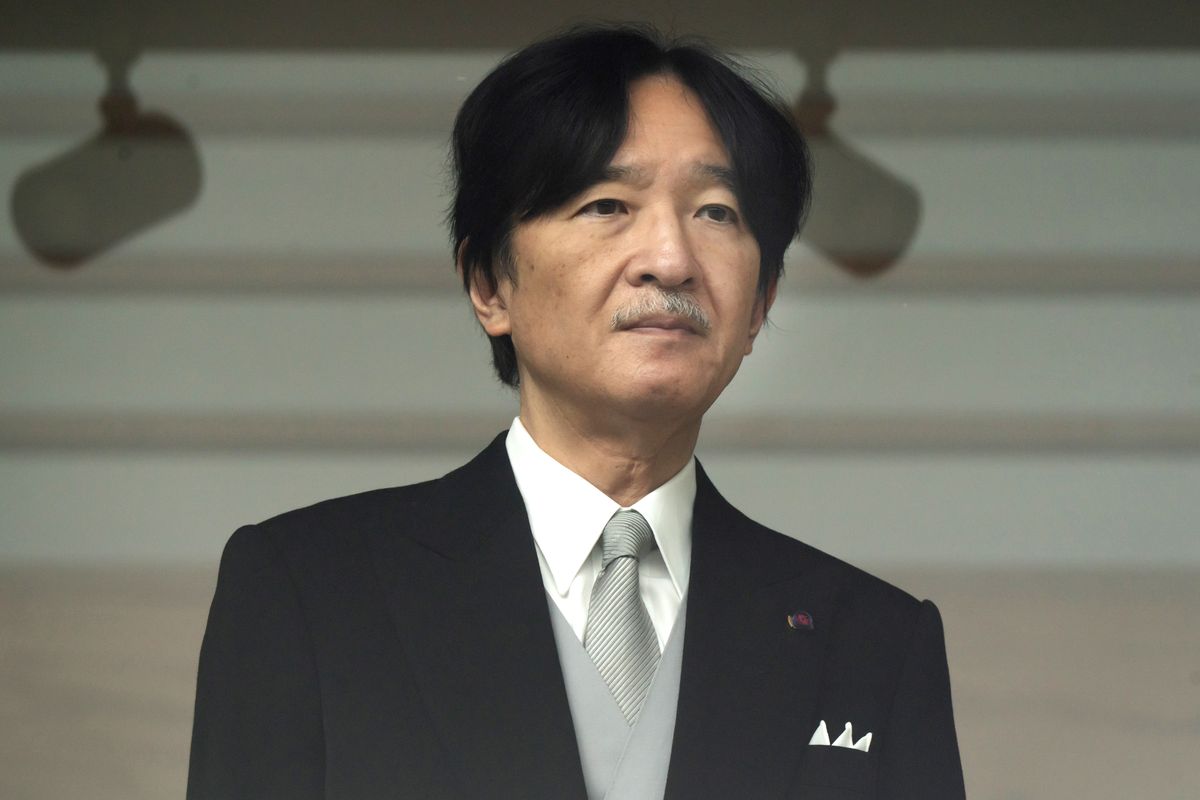
Japan’s imperial household consists of only 16 adults, five of whom are men, according to the Associated Press. Decades of requiring princesses to leave after marriage have contributed to the steady decline in membership.
 © Getty Images
The succession itself is even narrower. After Emperor Naruhito, the throne would pass first to his younger brother, Crown Prince Fumihito, also known as Crown Prince Akishino. Next in line is Fumihito’s son, Prince Hisahito, followed by Naruhito’s uncle, Prince Hitachi.
The Imperial Household Agency lists Hisahito’s birth date as September 6, 2006, making him 19. He was the first male born into the imperial family in four decades and remains its only young male heir.
Prince Hisahito Remains Central to the Monarchy’s Future
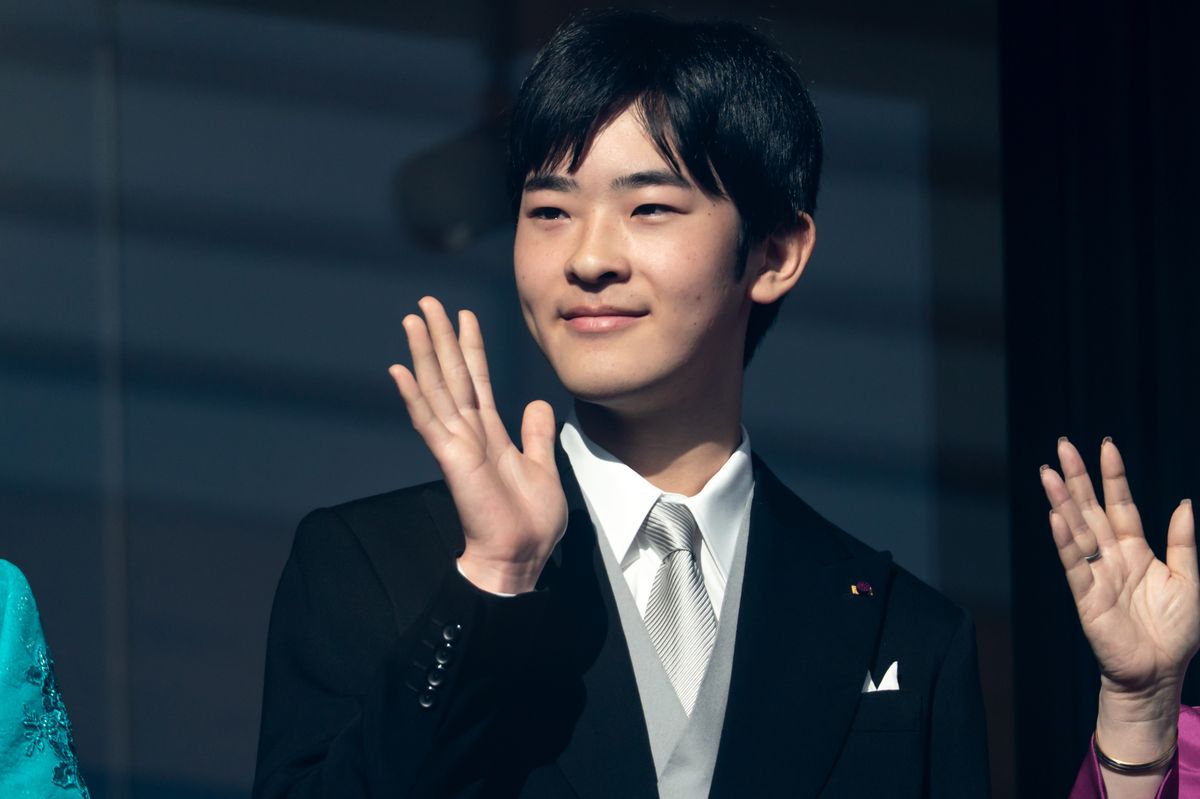
The long-term survival of the current male line has rested heavily on Prince Hisahito eventually having a son.
 © Getty Images
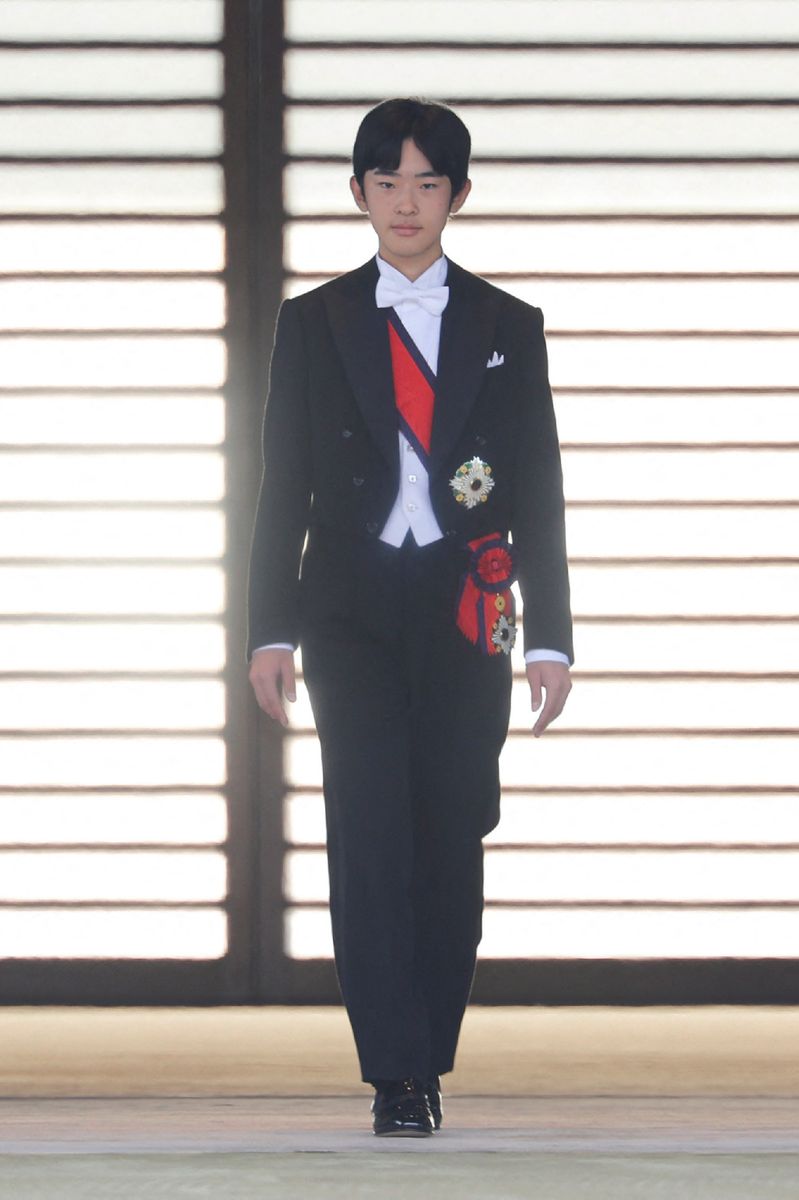
By allowing eligible male descendants of former imperial branches to enter the household, lawmakers hope to establish additional paternal lines and reduce the monarchy’s reliance on one young prince.
 © JIJI PRESS/AFP via Getty Images
The reform may expand the number of men connected to the imperial household, but it does not resolve the underlying demographic problem. The succession will still depend on the birth of boys whose fathers carry imperial blood.
The Male-Only Succession Rule Remains Untouched
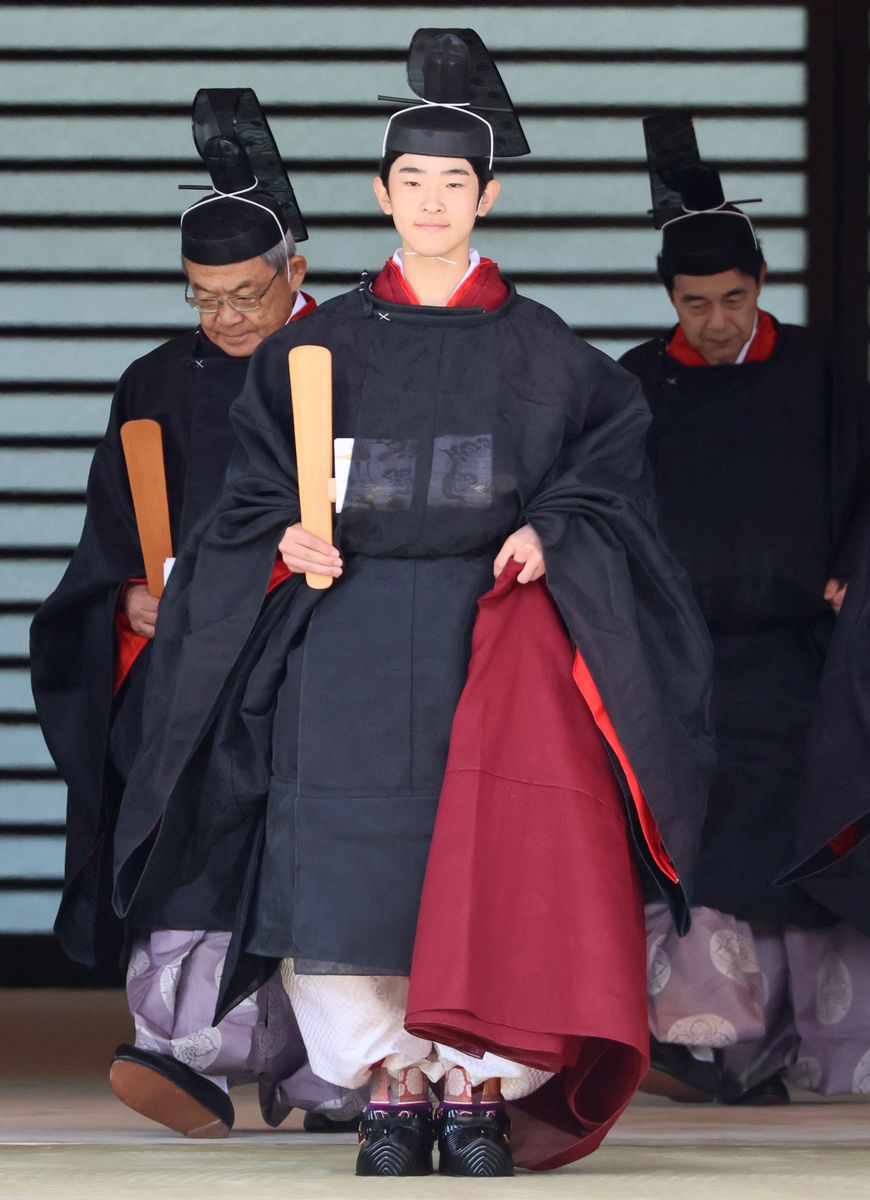
The revised law changes who may remain in the imperial household and how new male branches may be formed. It does not change who may become emperor.
 © Anadolu via Getty Images
Under the Imperial House Law, only male descendants of the paternal line are eligible for the throne. Women are excluded, as are children whose connection to the imperial family comes through their mothers.
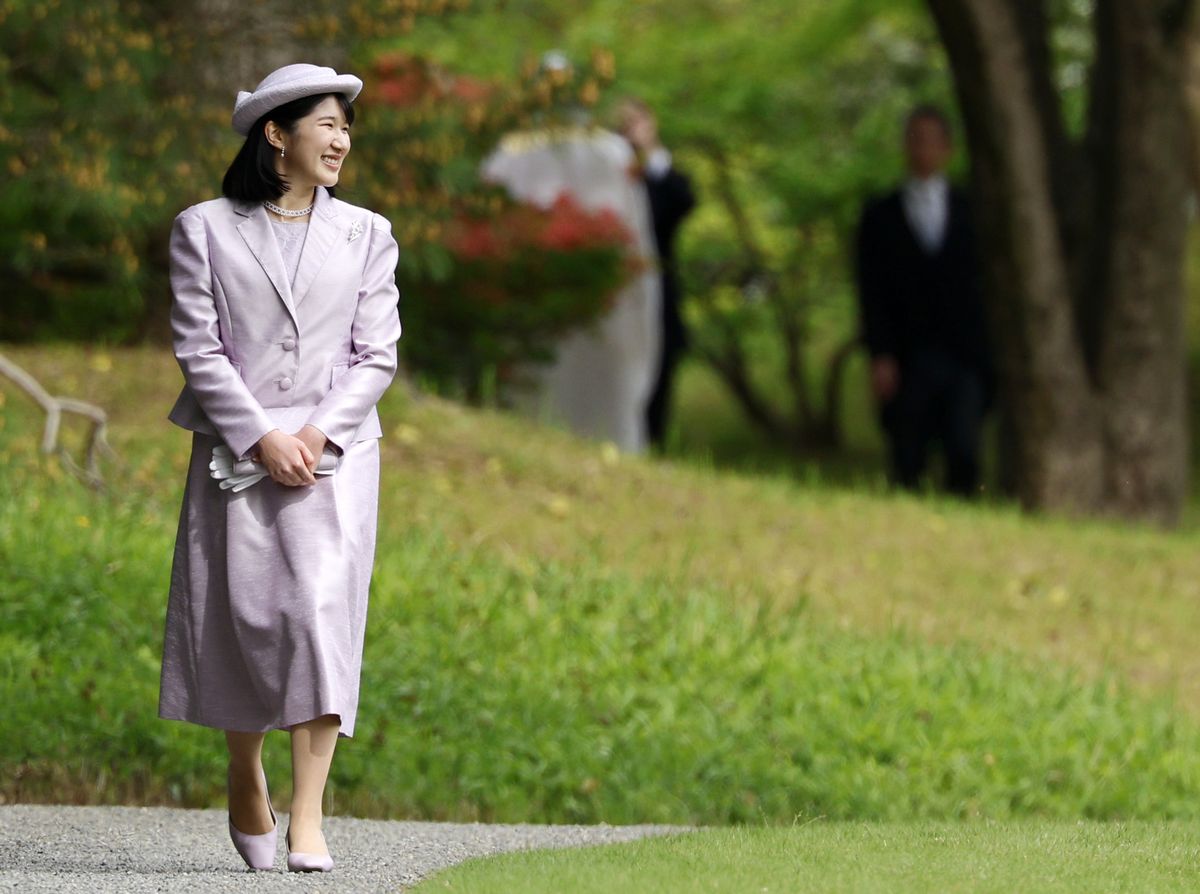
The Associated Press has reported widespread public interest in Princess Aiko as a possible successor, but lawmakers chose not to address female succession in this reform. Instead, they adopted a narrower approach that keeps princesses within the institution while seeking future heirs through male-line relatives.
 © Anadolu via Getty Images
For Aiko, the outcome is unambiguous. She may now have a way to remain a working member of the imperial family after marriage, but she still has no legal path to the Chrysanthemum Throne.