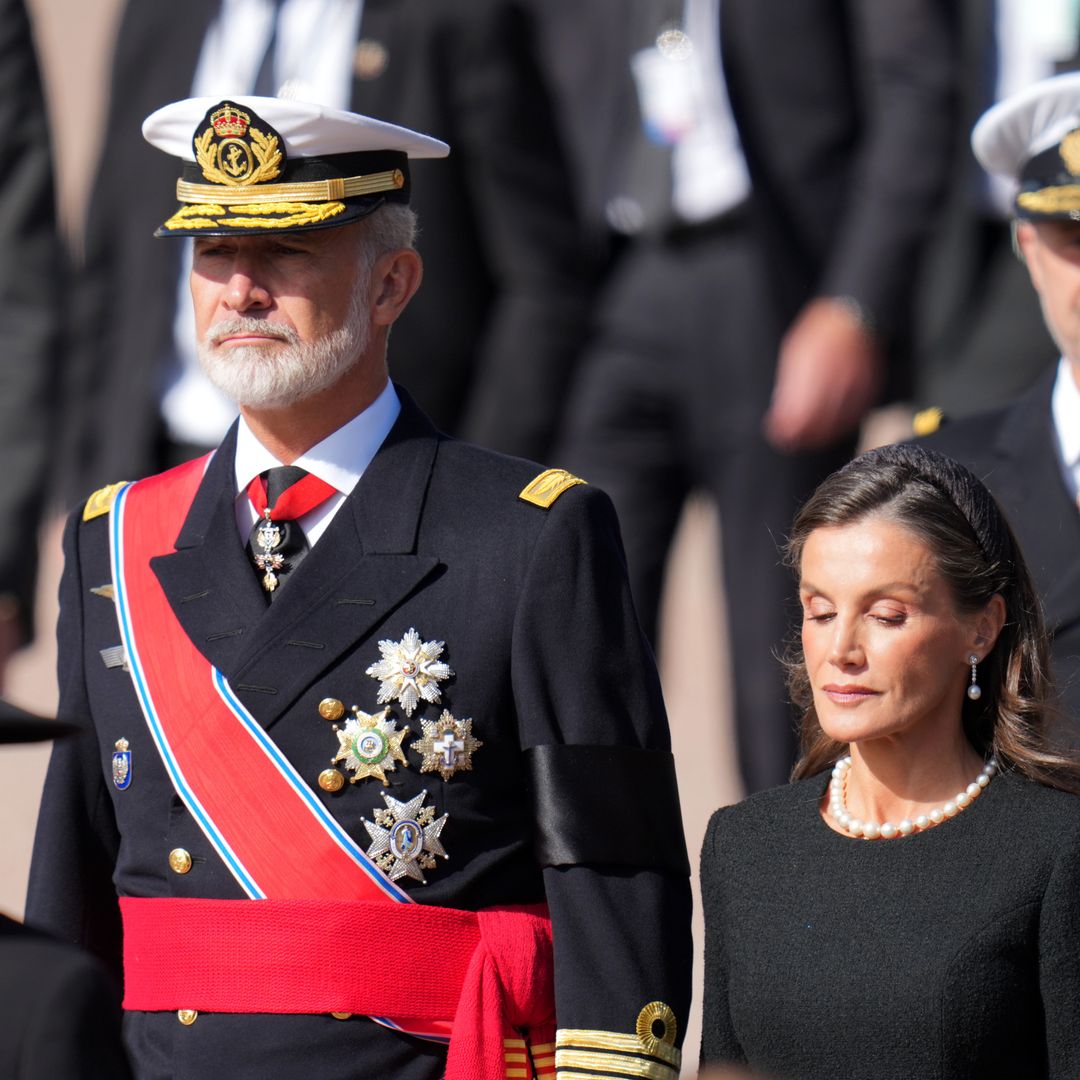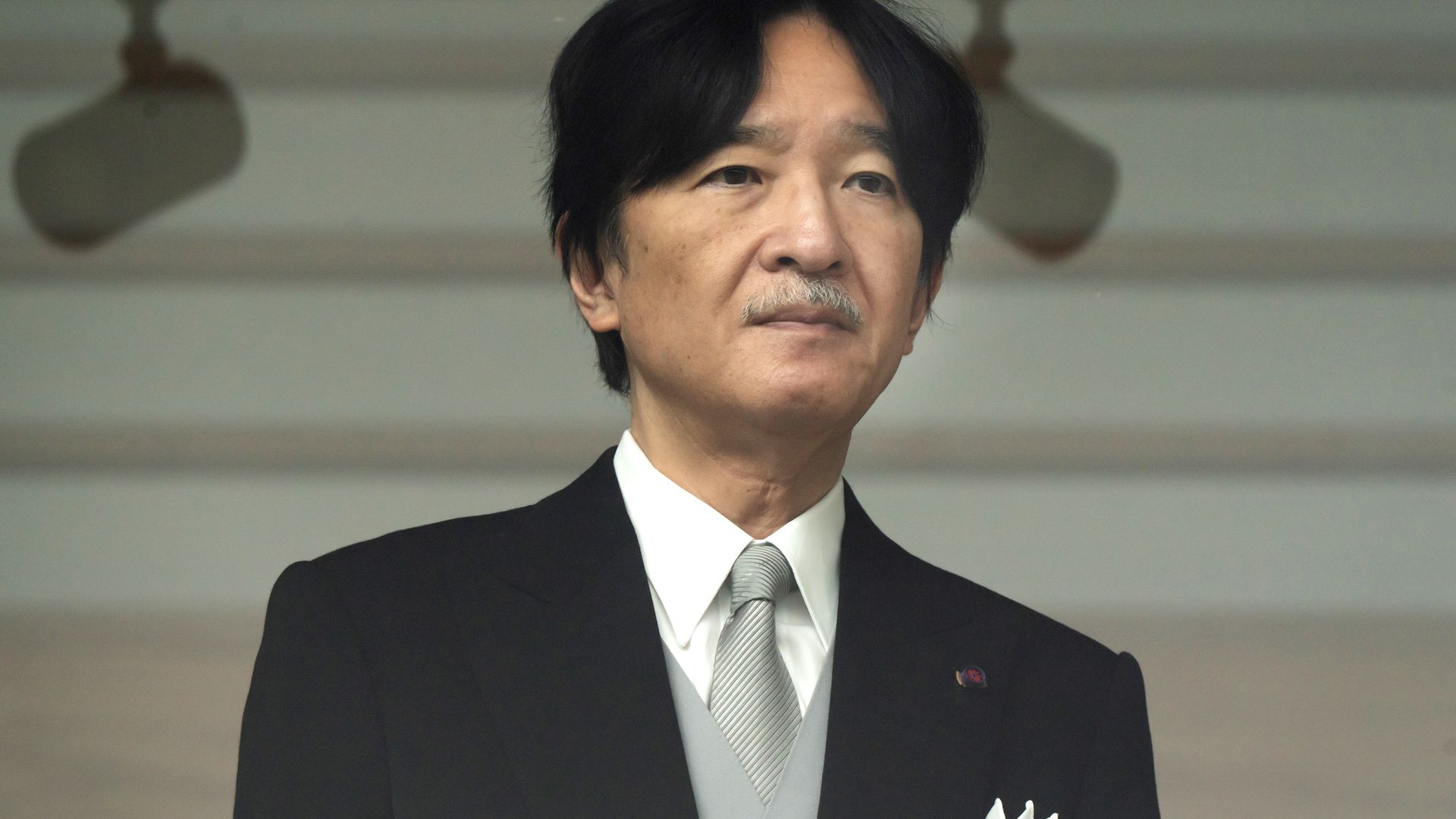
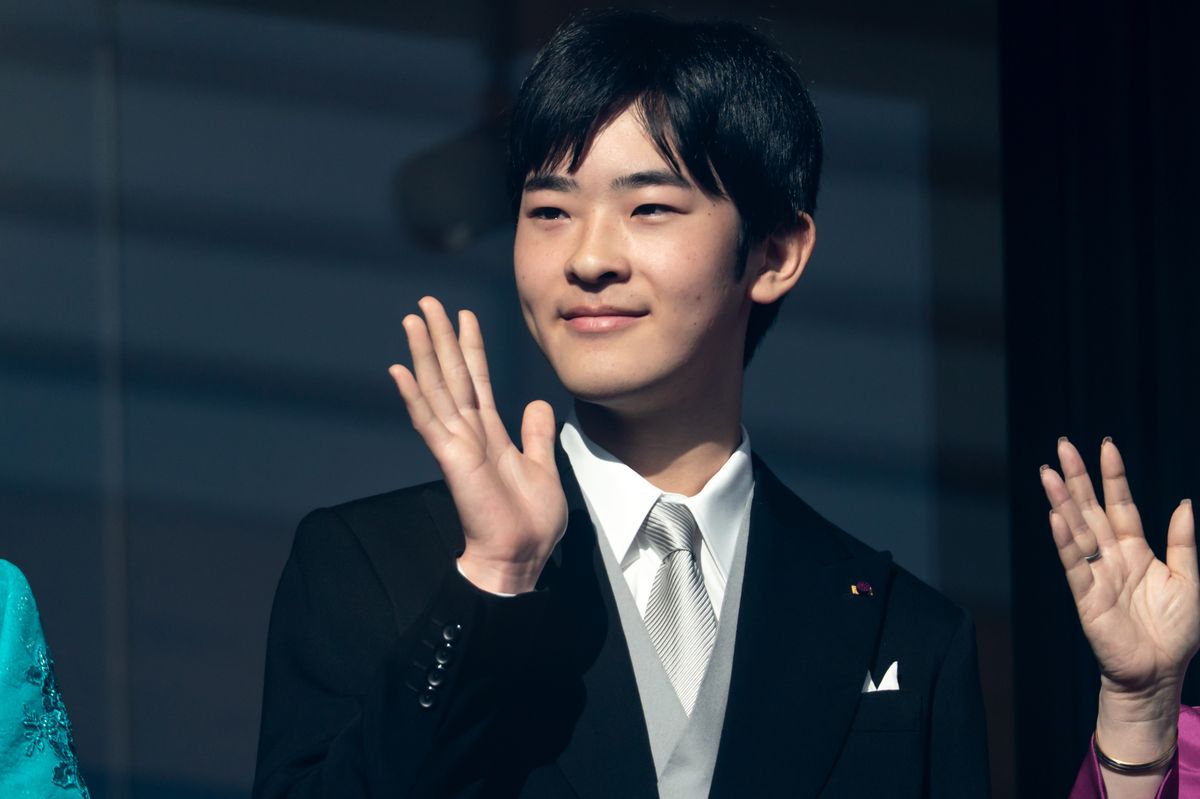
Tokyo rarely lets its imperial family speak plainly. In public, the men and women of the Chrysanthemum Throne rarely discuss the politics that shape their lives. When Crown Prince Akishino sat down for a news conference on August 13, 2026, alongside his wife, Crown Princess Kiko, he was navigating a trap of his own government's making.
 © Getty Images
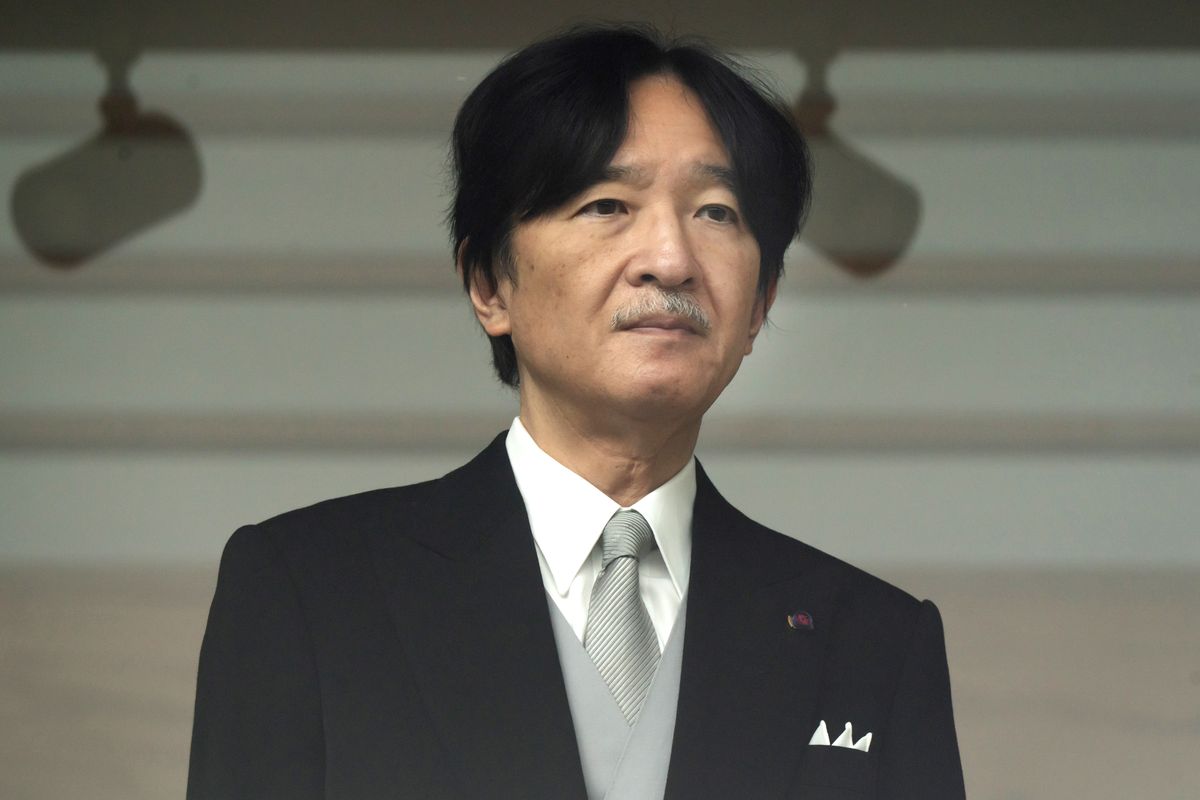
Days earlier, Prime Minister Sanae Takaichi's administration had pushed the most consequential rewrite of Japan's imperial succession law in a generation. Reporters wanted to know what the family thought of it. Akishino, the emperor's only brother and the man next in line to the throne, gave them as little as protocol would allow.
"I have mixed feelings about it, and it's rather strange if I don't," he said. When pressed further, Akishino shared more.
"I believe there is no difference between men and women," he said when it comes to the roles the imperial family is asked to fill. "It is a difficult question, and the reality is that I can't talk about it," he concluded.
A quarter century of debate, and a narrow path forward
 © Anadolu
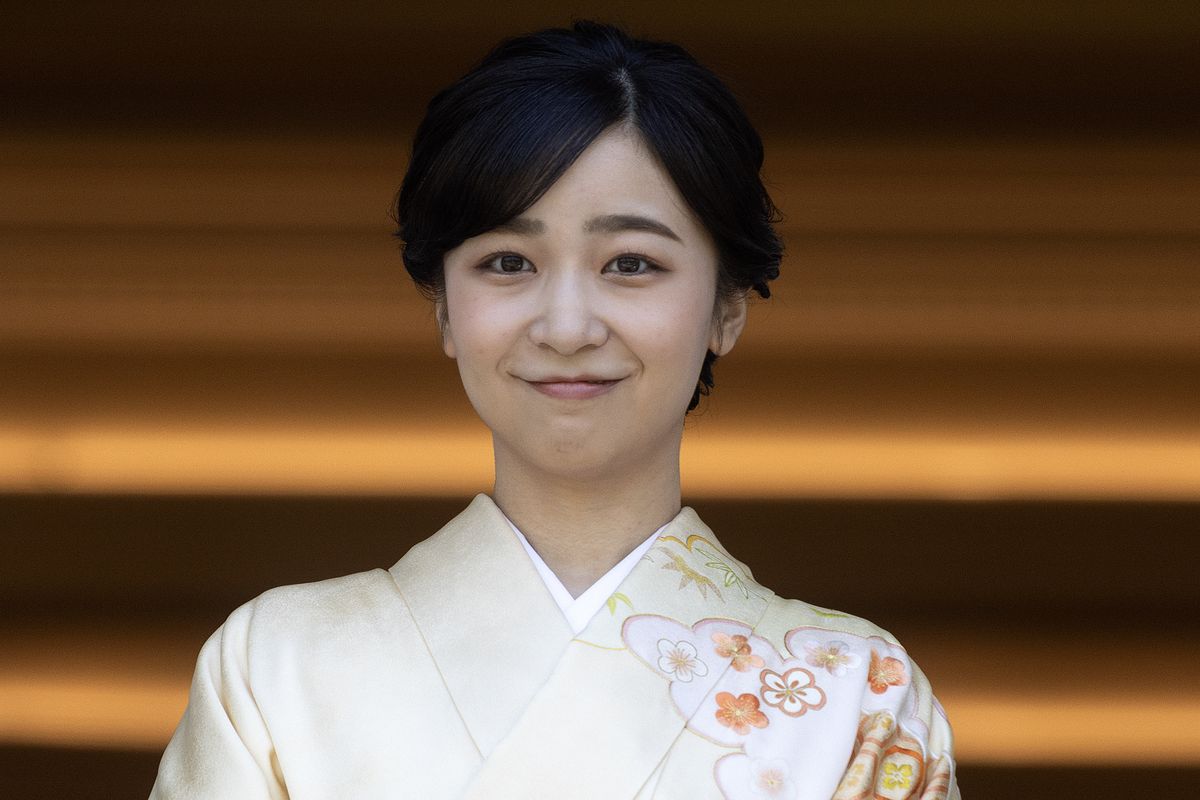
The law Akishino was tiptoeing around has been a quarter century in the making. After both houses of Japan's parliament passed it in July, the revision does two things. It lets unmarried princesses, including Akishino's own daughter, Princess Kako, keep their imperial status and continue performing official duties after marrying a commoner, rather than being stripped of their rank and expelled from the family, as tradition has long required.
It also opens a narrow, male-only side door for the dynasty's survival: unmarried men age 15 and older from once-imperial branches that were cut loose from the family after World War II can now be adopted back into the direct line as potential heirs.
What the law does not do is touch the core of the problem. Female succession remains barred, a prohibition Prime Minister Takaichi herself defended by invoking "the historic fact that the imperial line has been maintained through the male line for 126 generations." This is a lineage she called the foundation of the emperor's authority.
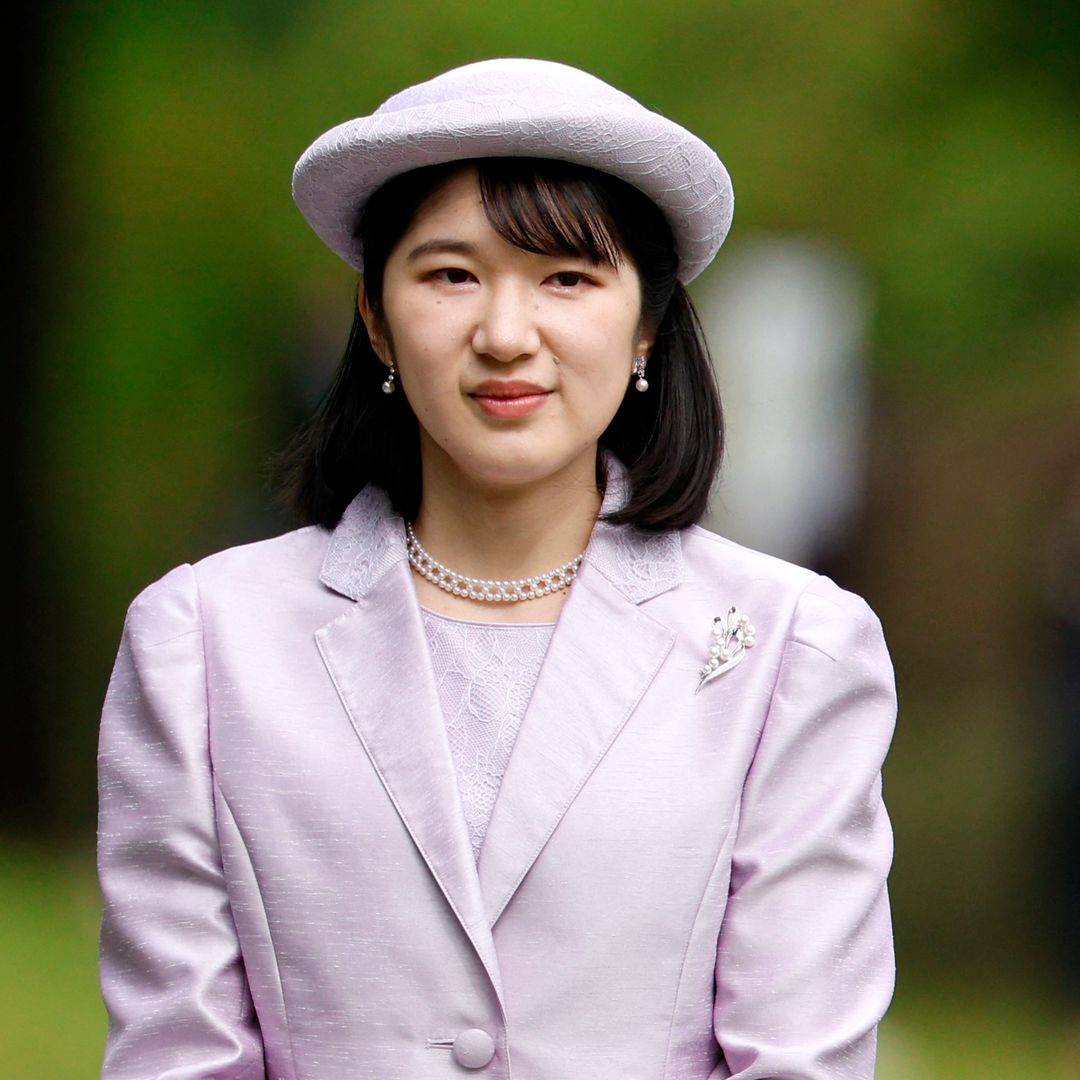
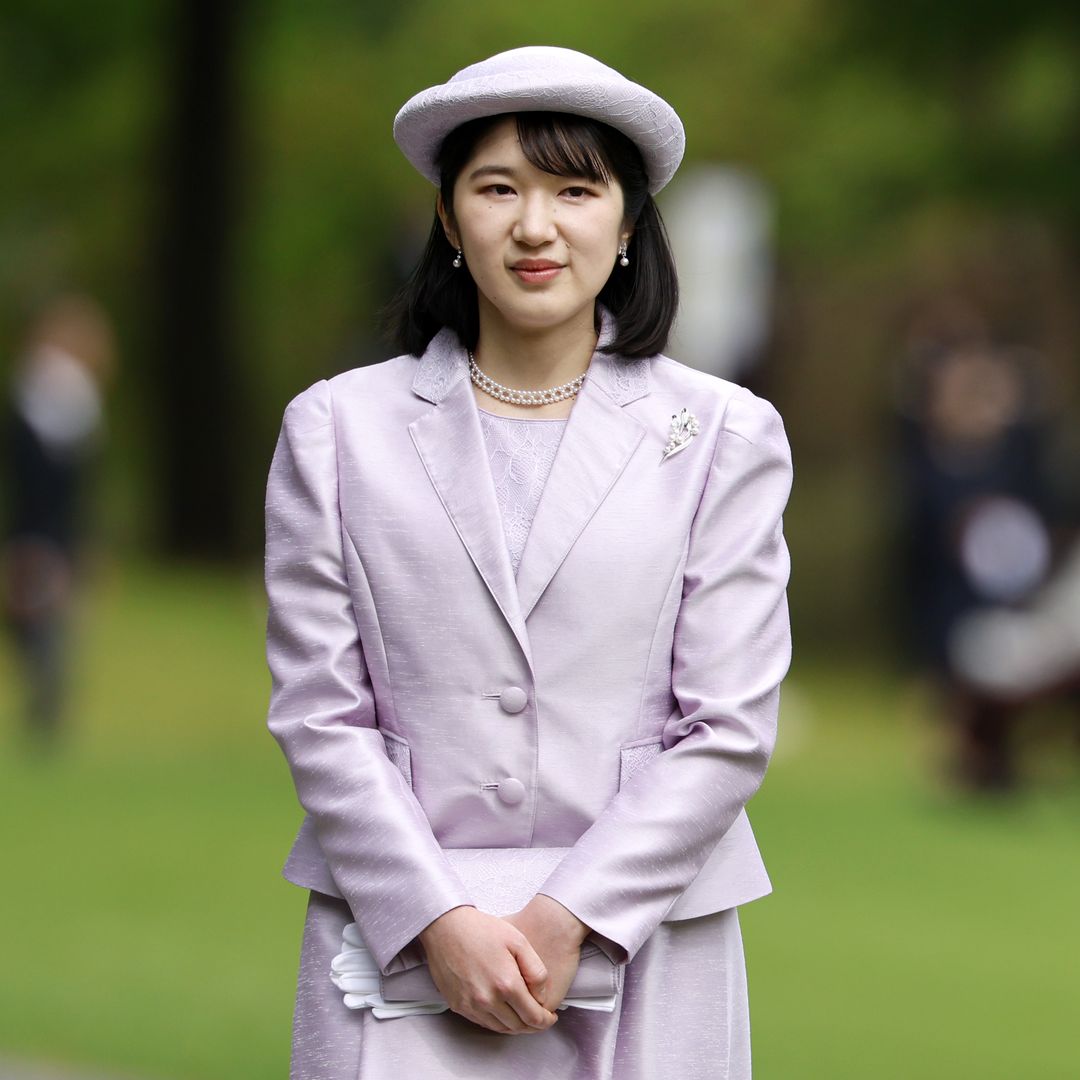
Princesses who keep their titles after marriage cannot pass any claim to the throne to their own children, including their sons. Princess Aiko, the emperor and Empress Masako's only child, remains ineligible to rule. The line of succession still runs from Emperor Naruhito to his brother Akishino, and then to Akishino's son, Prince Hisahito — the only male of his generation, whose birth in 2006 was the reason this debate got shelved for nearly two decades.
Part of why the fix is so narrow traces back to the postwar constitution, drafted under American occupation after Emperor Hirohito's wartime role and his vast capacity to mobilize the nation persuaded the Allies to strip the throne of any real power. Unlike Europe's monarchs, who still sanction legislation, receive heads of government, and stand in as heads of state at home and abroad, Japan's emperor is defined by a single constitutional line. The emperor is "the symbol of the State and of the unity of the people," nothing more.
A cost paid for by the women in the family
The clearest evidence of what this system costs is Princess Mako, Akishino's eldest daughter and the one member of her generation who has lived out its full consequences. Other princesses have left the imperial family to marry commoners before her, but none left the way Mako did.
Her yearslong engagement to Kei Komuro became a national spectacle after a financial dispute involving his mother's former fiancé drew relentless press scrutiny, and weeks before her 2021 wedding, Mako was diagnosed with complex post-traumatic stress disorder, which the Imperial Household Agency's own doctors attributed to the sustained media pressure. She married Komuro anyway, declining the $1.35 million lump-sum payment the state offers princesses who leave the family, and moved with him to New York.
The system's contradiction is built into how it treats women like Mako in the first place: princesses are raised and educated as first-tier diplomatic assets, then discarded from the institution the moment they marry outside it. Her sister, Princess Kako, was pulled into the same scrutiny simply for standing by her.
 © Getty Images
A pattern that spans generations
Mako's ordeal was not an aberration; it was the latest chapter in a story Japan's imperial women have been living for decades, largely in silence.
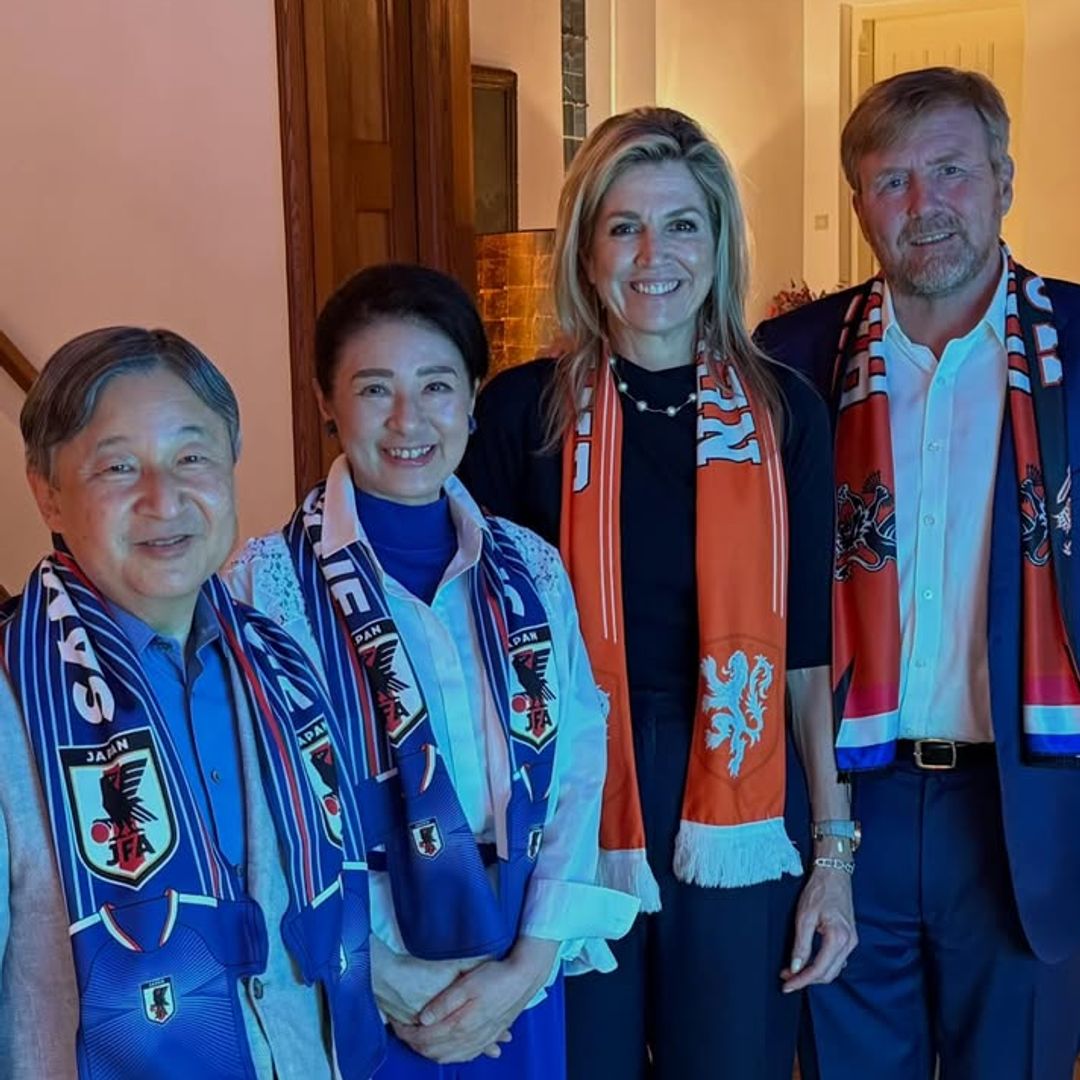
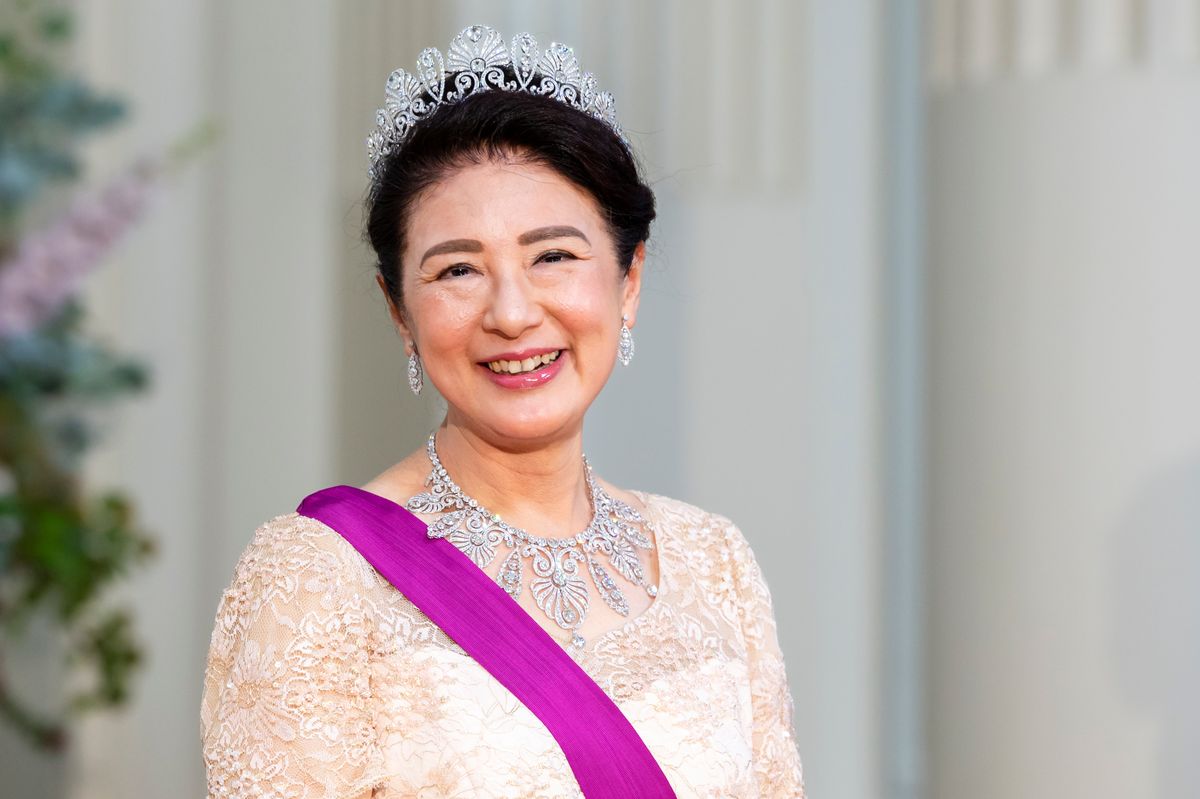
Empress Masako endured a prolonged depressive illness that friends and biographers have tied directly to the years of pressure she faced to produce a male heir for the dynasty. Even Empress Michiko, the current emperor emeritus's wife and the first commoner ever to marry into the imperial family, was not spared, despite having two sons, Naruhito and Fumihito.
By multiple biographical accounts, Michiko was welcomed warmly by the Japanese public but faced intense private pressure from the court's most conservative faction, reportedly led by her own mother-in-law, Empress Dowager Nagako, born a princess herself. Decades apart, three women married into or born into the same institution, and all three absorbed a version of the same strain.
 © Geert Vanden Wijngaert
The pressure goes beyond the domestic
Legal scholars and human rights advocates, in Japan and beyond, have called the revised law anachronistic and sexist, warning it locks a shrinking imperial family into a structure it may not be able to sustain.
The United Nations' Committee on the Elimination of Discrimination Against Women has repeatedly pressed Japan to revisit the male-only succession framework, a recommendation Tokyo has resisted so forcefully that it drew a formal rebuke from Human Rights Watch after Japan cut funding to the committee in apparent retaliation.
None of that reaches the man who will likely wear the crown next. Akishino has watched this system from every possible angle — as the brother next in line, as Hisahito's father, and as Mako's father, watching what it did to her. Given all that, his refusal to say more than he did in Tokyo reads less like evasion than like the plainest possible description of the job: "It is a difficult question, and the reality is that I can't talk about it."
 © Getty Images