Japan’s Empress is perhaps living one of the sweetest moments of a reign that began with the enthronement of Emperor Naruhito. It was a turning point that changed their lives forever and that is now starting to be projected across Europe through their various visits, which have dazzled the continent with some of the most spectacular jewels from the imperial collection.
Now, Empress Masako has shown herself faithful to one of the country’s most striking traditions, meeting the expectation of a gesture reserved exclusively for the empresses of Japan. Amid the sweeping gardens of the Imperial Palace and the sheen of natural silk, Princess Aiko’s mother has once again taken center stage in a ritual that is ever more deeply rooted in the world’s oldest hereditary monarchy.
 © Imperial Agency of Japan
A symbol of identity within the Japanese monarchy
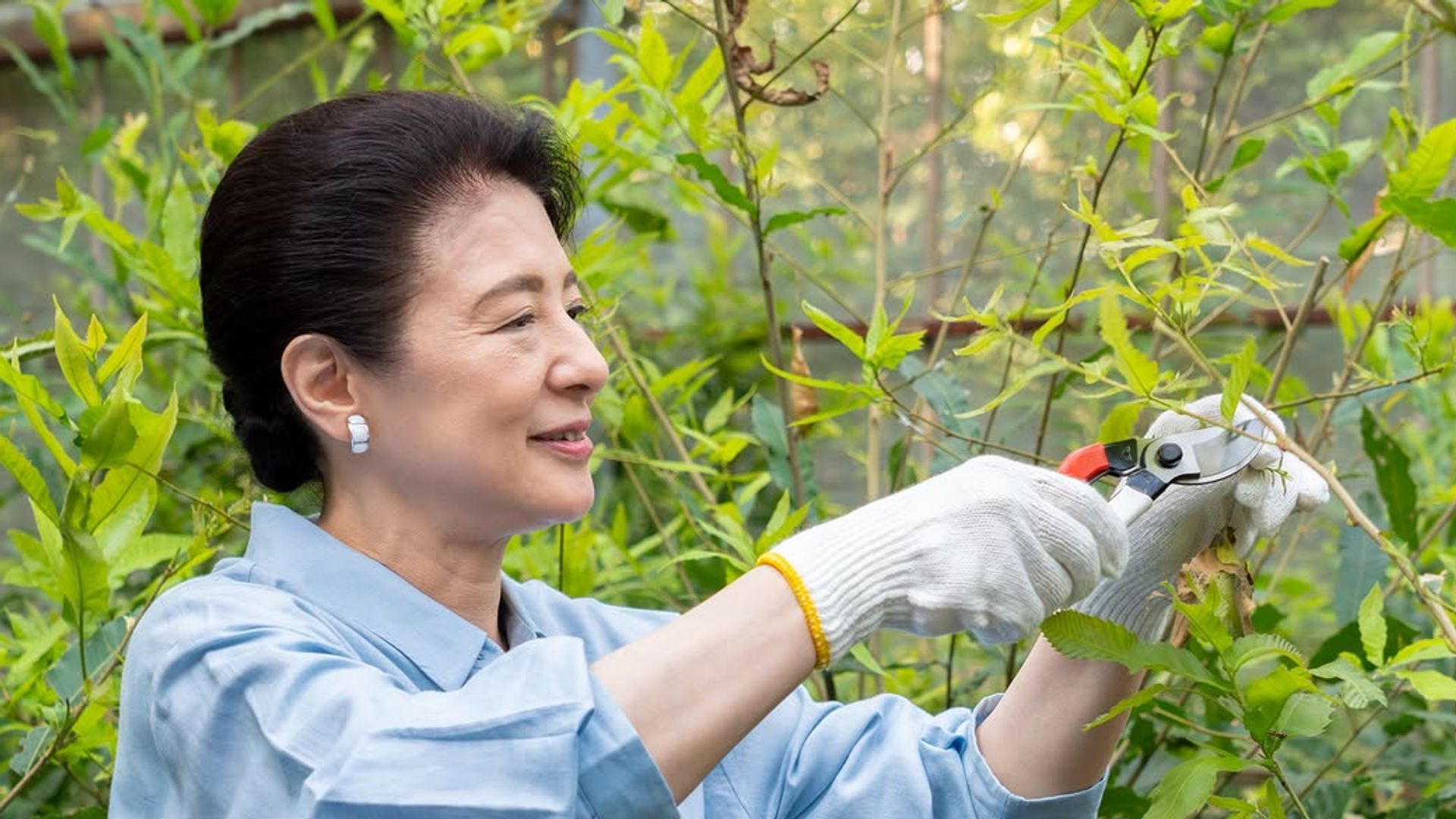
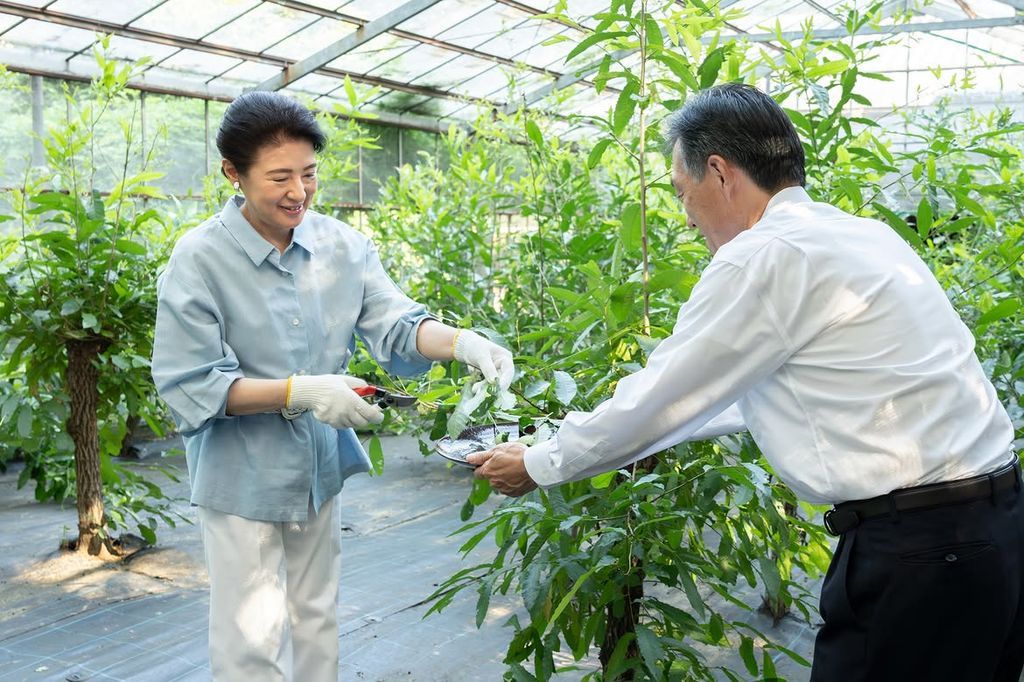
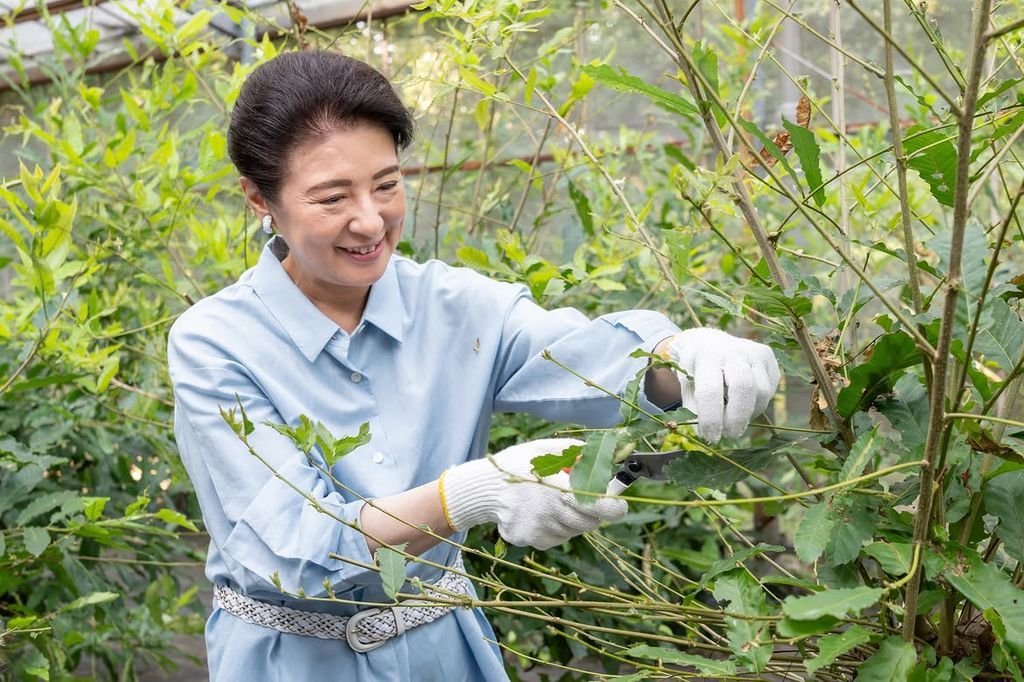
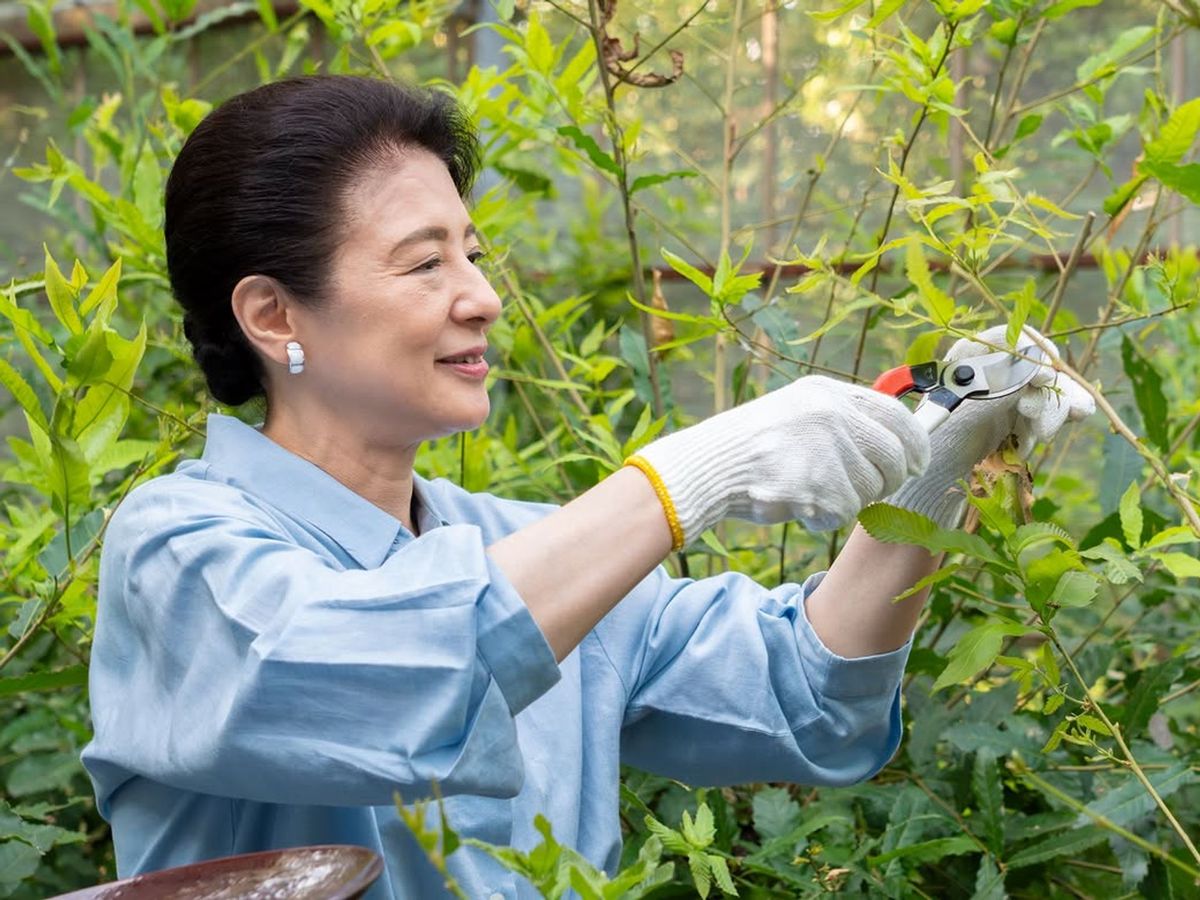
Wearing an outfit as casual as it was distinctive, the Empress stepped into one of the greenhouses inside the Imperial Palace in Tokyo, offering an intimate image as, just as it was done 155 years ago, Emperor Naruhito’s wife chose to show the world one of the most sacred rituals, one that only the empresses of the Yamato dynasty are allowed to perform. As can be seen in the images, Masako has not only turned the garden into a natural sanctuary where one can escape the noise of the city, she has also carried out the harvest of silkworm cocoons, a tradition that dates back almost two centuries and turns the yasan, wild silkworms, into the true stars of the palace grounds overlooking Japan’s capital.
 © Imperial Agency of Japan
Masako has inherited a ritual that goes back to the era of Empress Dowager Shōken, who began this tradition in 1871 as a way of completing a life cycle closely linked to nature. From spring through early summer, imperial consorts in Japan are expected to devote part of their time to taking part in the different stages of raising silkworms. It’s a process that goes far beyond simply overseeing their development and calls for direct involvement in each of its phases.
Empress Masako has therefore taken charge of the traditional “sweeping,” a task that consists of transferring the tiny newborn larvae from their eggs onto rearing trays, feeding them with leaves, and accompanying their growth until the moment they are moved to the racks where they spin their cocoons. The cycle ends with the final collection of the silk, a ritual that, generation after generation, has remained one of the most distinctive traditions of Japan’s Imperial Household.
 © Imperial Agency of Japan
Masako, heir to a tradition that lives on
This gesture once again brings the Empress closer to the broader traditions of the Imperial Household at a turbulent time for succession to the Chrysanthemum Throne, as the hereditary line is increasingly difficult to maintain given that women of the Yamato dynasty are barred from inheriting the throne. In recent weeks, rather than being a quiet period while Europe’s royal families take their vacations, both Emperor and Empress have themselves set off for Europe on two state visits that have taken them to the Netherlands and Belgium. It has been a moment of maximum ease and openness, with Masako looking as dazzling as ever, this time beyond Japan’s borders.
 © Geert Vanden Wijngaert
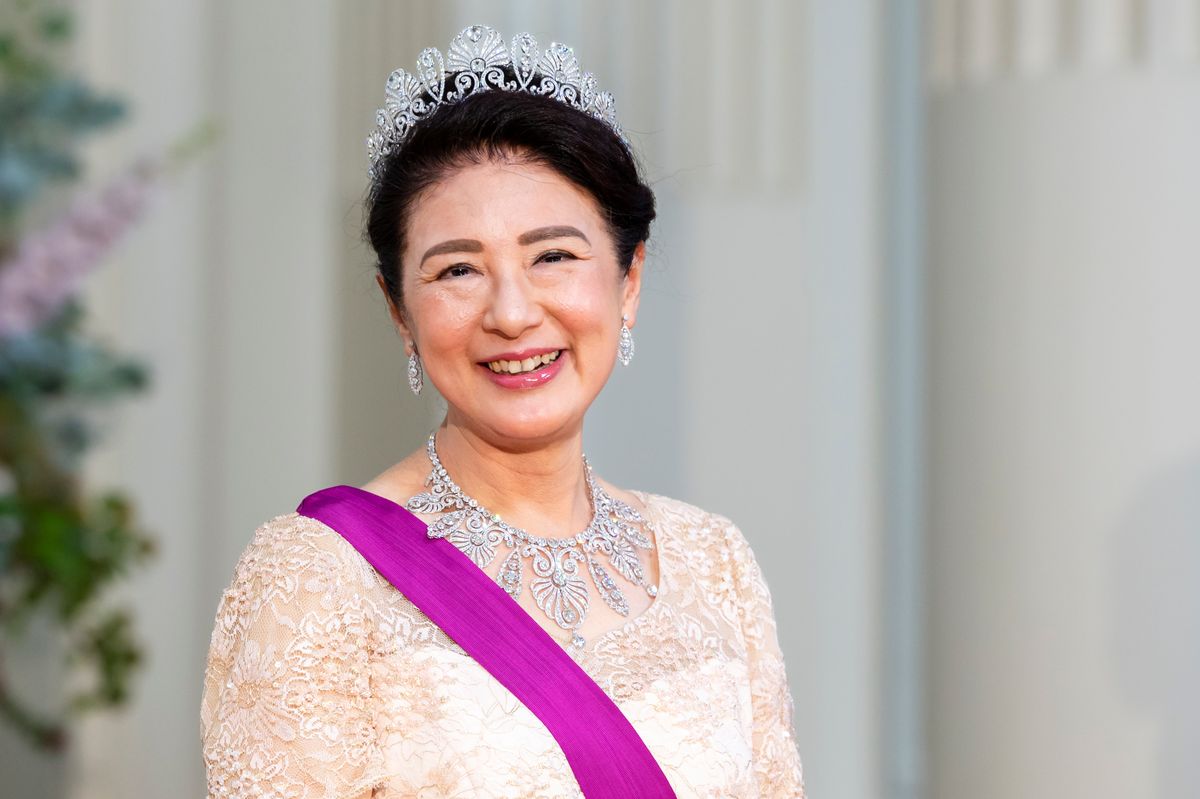
At New Year receptions and other formal occasions, she normally wears some of the most spectacular pieces from the imperial jewelry collection. On this visit, her elegance stood out as she appeared in some of the most emblematic tiaras, such as the honeysuckle tiara, made up of hundreds of diamonds set in platinum, along with a century-old necklace that underscored the grandeur of the Japanese monarchy. It is a gesture that now intertwines with a tradition that this year marks exactly 155 years. More than a symbolic duty, raising silkworms is, in itself, the preservation of a cultural legacy that has been successfully passed down from generation to generation, and is now part of the historic heritage of Japan’s monarchy.