The debate over the future of Japan’s Imperial Household, which has been inching forward for years through committees, expert panels, and discreet meetings, took a turn this week. The Japanese government approved a set of revised draft bills designed, in theory, to stop the number of imperial family members from shrinking further under a system that has pushed the monarchy to the brink of extinction.
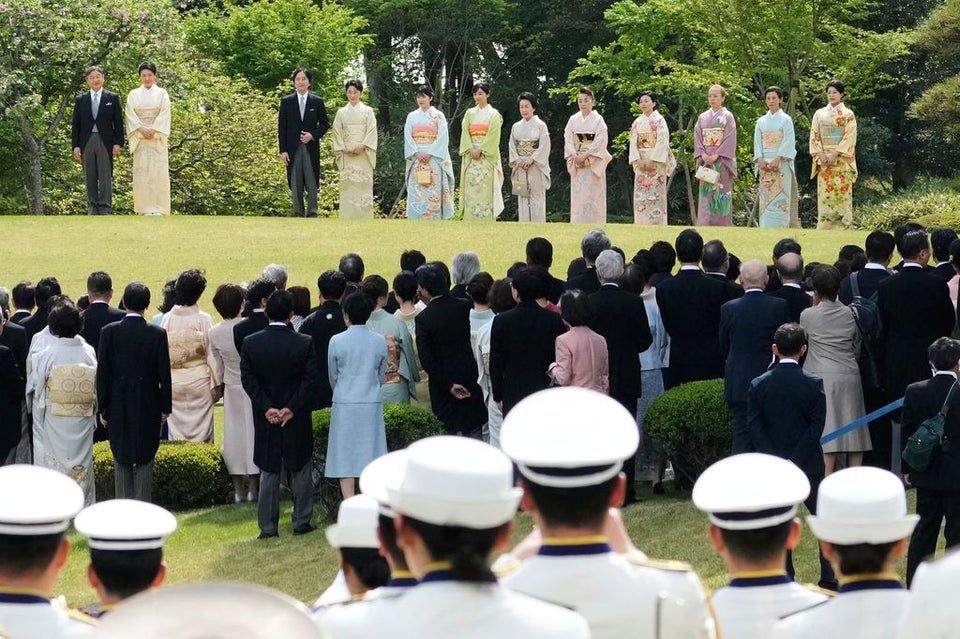
Unmarried princesses (including the only daughter of Emperor Naruhito and Empress Masako) are being granted a right that feels like both a victory and a defeat: they will be able to choose whether to remain in the royal family or leave it.
 © Getty Images
However, this is an exception, since the law does not give that option to princesses born from now on. At the same time, the door is being definitively opened to a never-before-seen system of adopting men into the family, something that feels like it belongs to another era, and that could reshape the line of succession.
After months of deliberations in a parliamentary commission, the Cabinet has given the green light to revisions that now move into the final stage of debate in Parliament. The bills would allow royal women to remain in the imperial family after marriage, breaking with a rule that has forced them to become commoners once they wed. The reform also envisions the return of former male members from imperial branches that lost their status in 1947, through an adoption system.
 © SHUJI KAJIYAMA
Princesses in… but alone
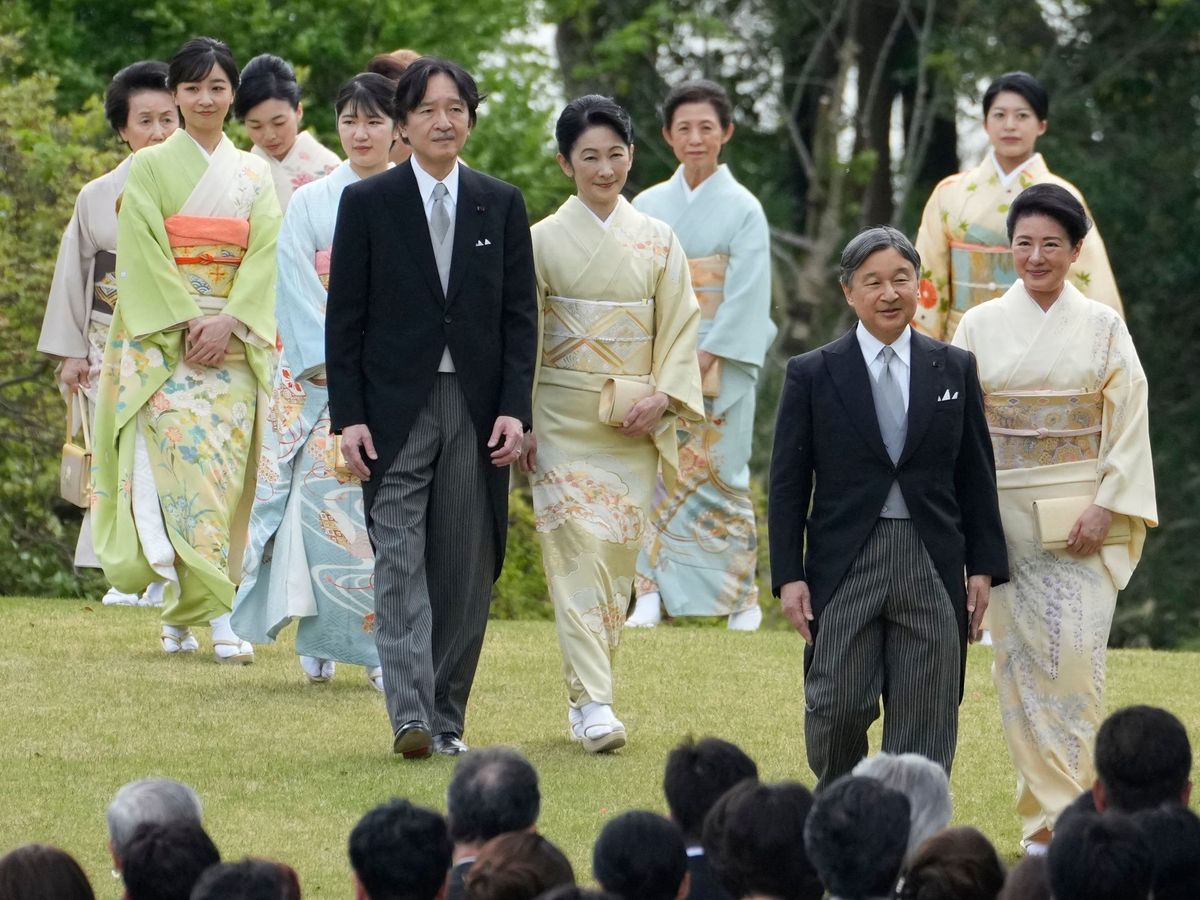
Until now, when a Japanese princess married a commoner she had to automatically leave the royal household, losing the rights she was born with and all official representation duties she had been trained for. Over the decades, this is how Japan’s monarchy has steadily shrunk. Under the reform now on the table, imperial princesses would be able to keep their royal status after they marry.
 © Getty Images
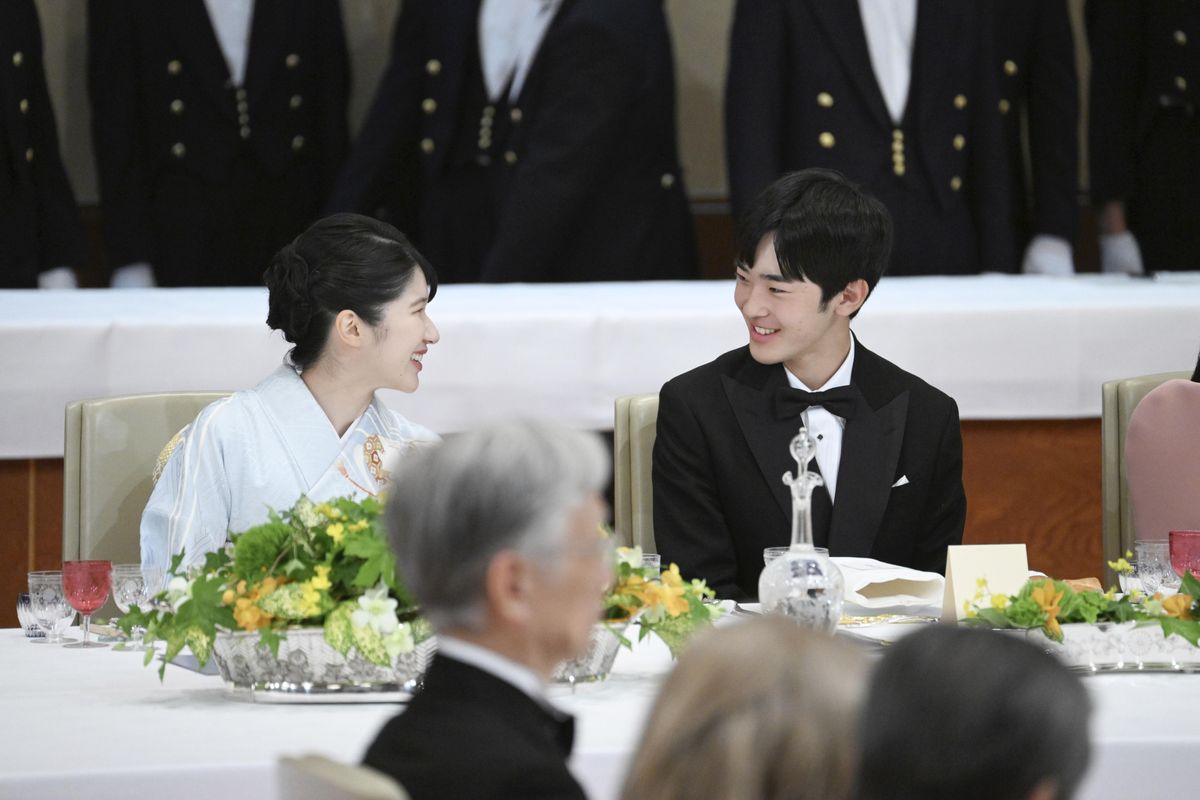
However, a controversial clause states that their spouses and children would remain outside the imperial family, even though the princesses themselves would stay in. In other words, Princess Aiko of Japan could marry a commoner and remain a princess, but all of her children would be commoners and excluded from the line of succession, since succession will continue to be male-only, as will the transmission of imperial rights.
 © Kyodo News/Sipa USA
Progressive parties worry that this will split the family in two: royal princesses and commoner families. Conservatives, on the other hand, fear that granting imperial status to husbands would open the door to a debate on female succession, something they still reject, as they do not support the idea of a reigning empress today, even though there were empresses in the past.
 © GTRES
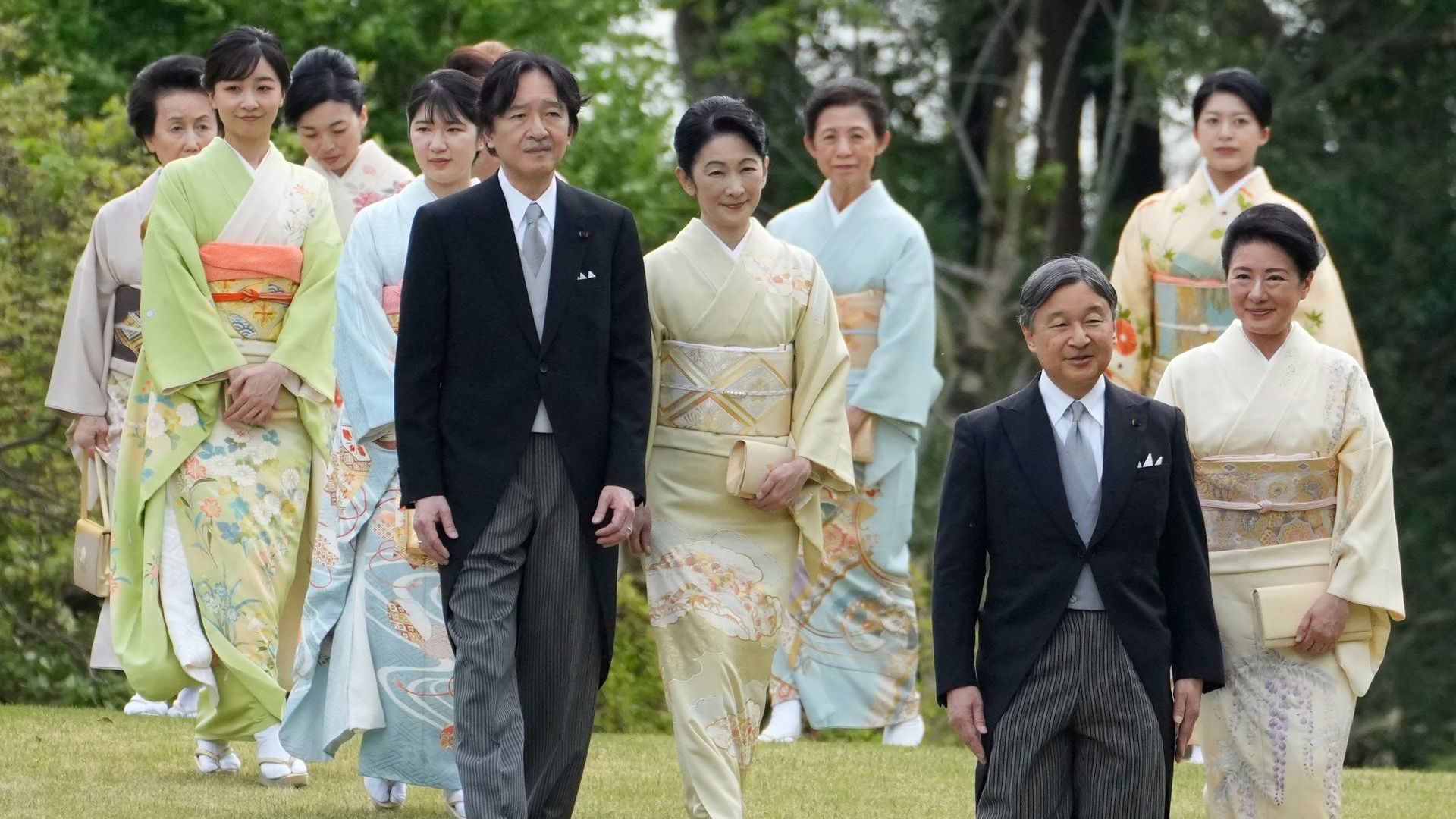
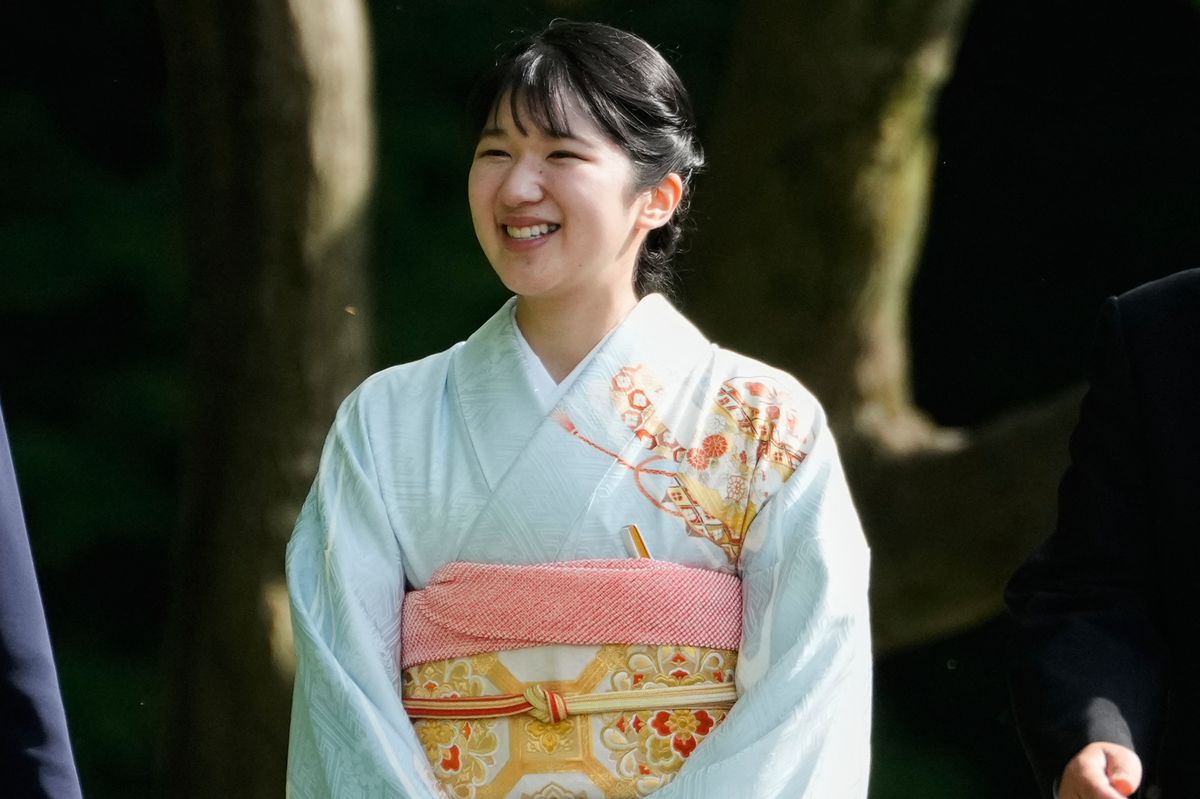
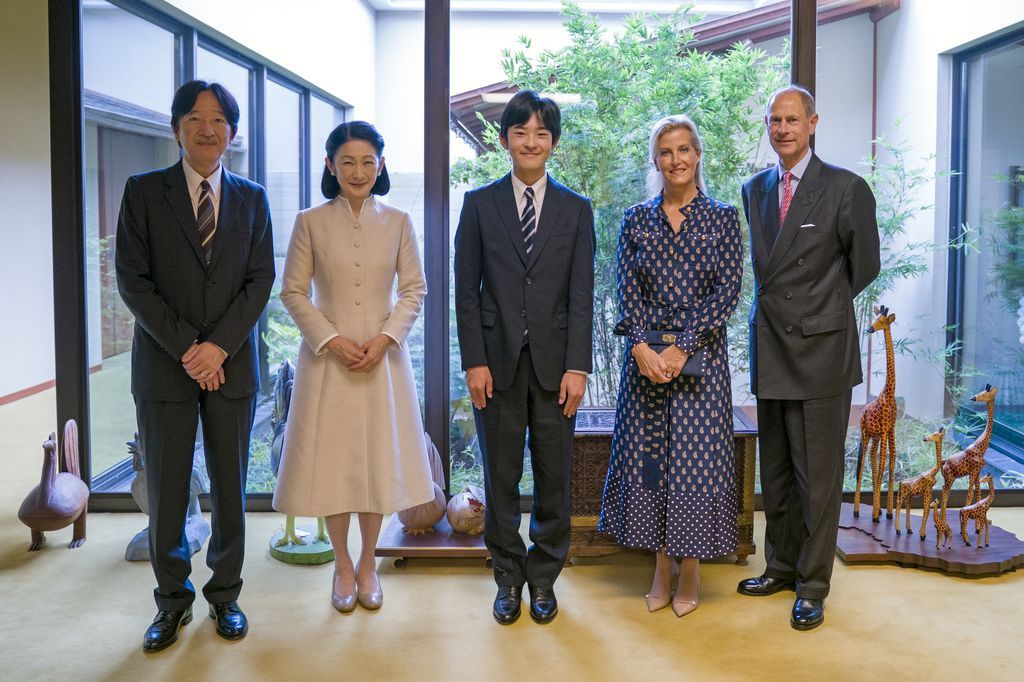
The imperial family currently has 16 members, five of them unmarried women, including Princess Aiko and her cousin, Princess Kako. As part of a transition phase, princesses who are already living under the current system would be allowed to leave the family if they wish, but that right to choose will not extend to princesses born after the reform, meaning any future daughters of Prince Hisahito.
A succession that depends on one young man
The line of succession remains extremely fragile. After the current emperor, Naruhito, comes his younger brother, Crown Prince Akishino. Next is his son, Prince Hisahito, who is 19 and the only young male heir. After him comes Prince Hitachi, who is 90. The stark reality is that there will be no heir if Hisahito’s future wife does not give birth to a boy, a scenario that has left Japan in an institutional dead end for decades and led to a proposed adoption system to bring back male descendants from 11 former imperial branches that lost their status after World War II. Today there are around 10 unmarried men in those male lines who could potentially be adopted. Candidates must be at least 15 years old, unmarried, and childless, requirements that were not part of the panel’s original proposal.
It’s worth remembering that this institutional framework was created under the American occupation after World War II: between 1945 and 1952, the laws governing the Imperial Household were drafted with a clear goal, to preserve the monarchy as a cultural symbol, but keep it weak enough that it could never again wield real political or military power.
The most controversial clause
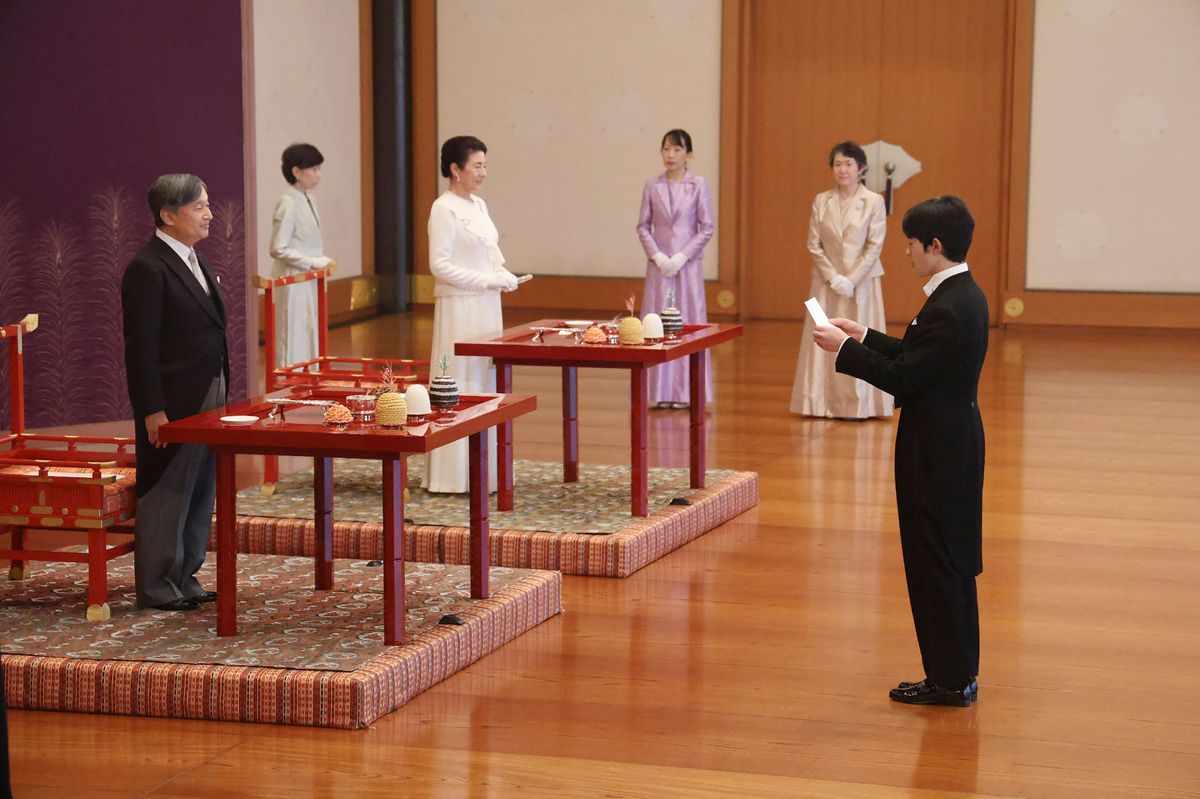
Controversy erupted when it was confirmed that the sons of adopted men would be eligible for the throne, even though the adopted fathers themselves would not. It is a technical nuance with huge political implications: it opens the door for the old male imperial branches to move back, within a generation, into the line of succession.
 © STR
© STRThe draft approved by the commission on June 10 did not mention this point, precisely because the parties were divided. However, the government decided to include it in the final version. Chief Cabinet Secretary Minoru Kihara justified it this way: “Since it was not specified, the current provisions of the Imperial Household Law will apply.” As a government official explained, if an adopted man and his wife have a son, that son automatically becomes an eligible heir. In practice, this gives more rights to the children of adopted men than to the children of princesses born into the imperial family.
The opposition reacted immediately. Masayo Tanabu, secretary general of the Constitutional Democratic Party, protested that the legislative package “included provisions that were not part of the panel’s framework” and that the reform is “far from a consensus in the legislature.”
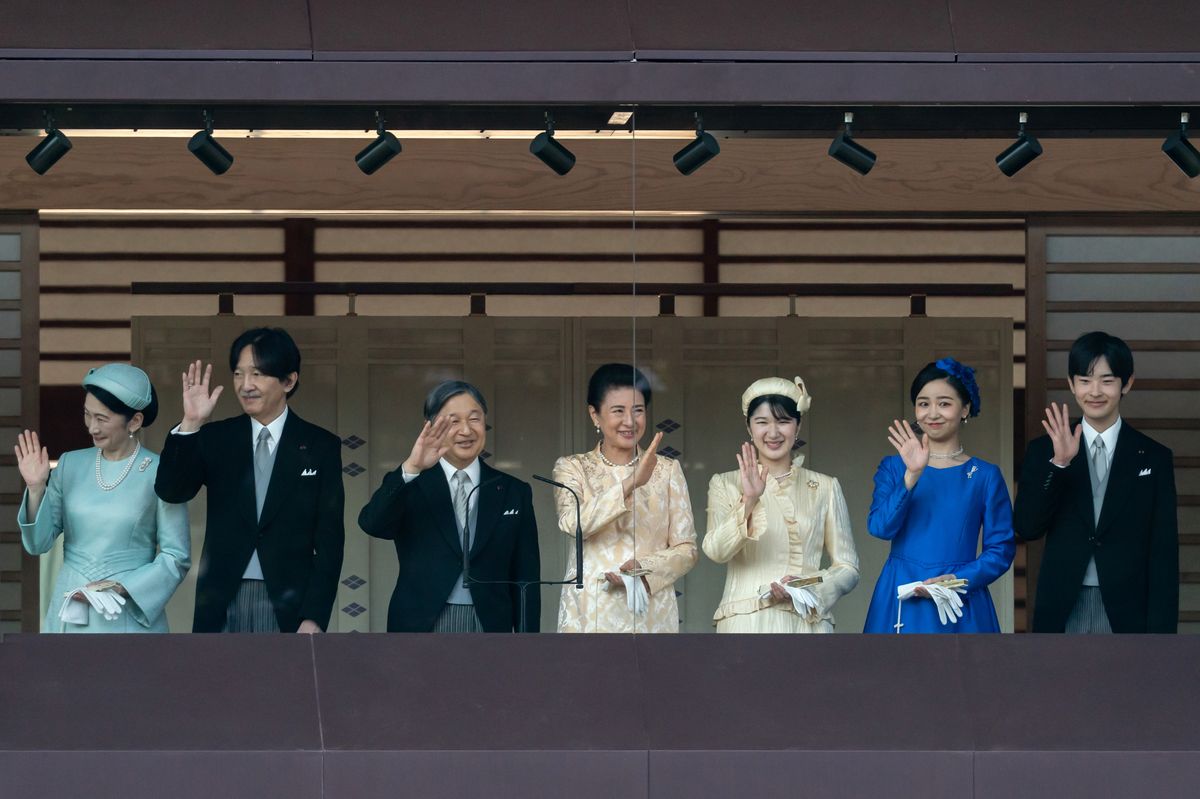 © Tomohiro Ohsumi
A future to be reviewed every 30 years
The legislative package includes a clause requiring the rules to be reviewed every 30 years, a tacit acknowledgement that the Imperial Household needs to adapt in order to survive. It’s not clear whether the bills will pass before the current parliamentary session ends on July 17, but the government’s move makes one thing clear: in Japan, succession and the number of imperial family members are inseparable, no matter how much officials try to treat them as two separate debates.