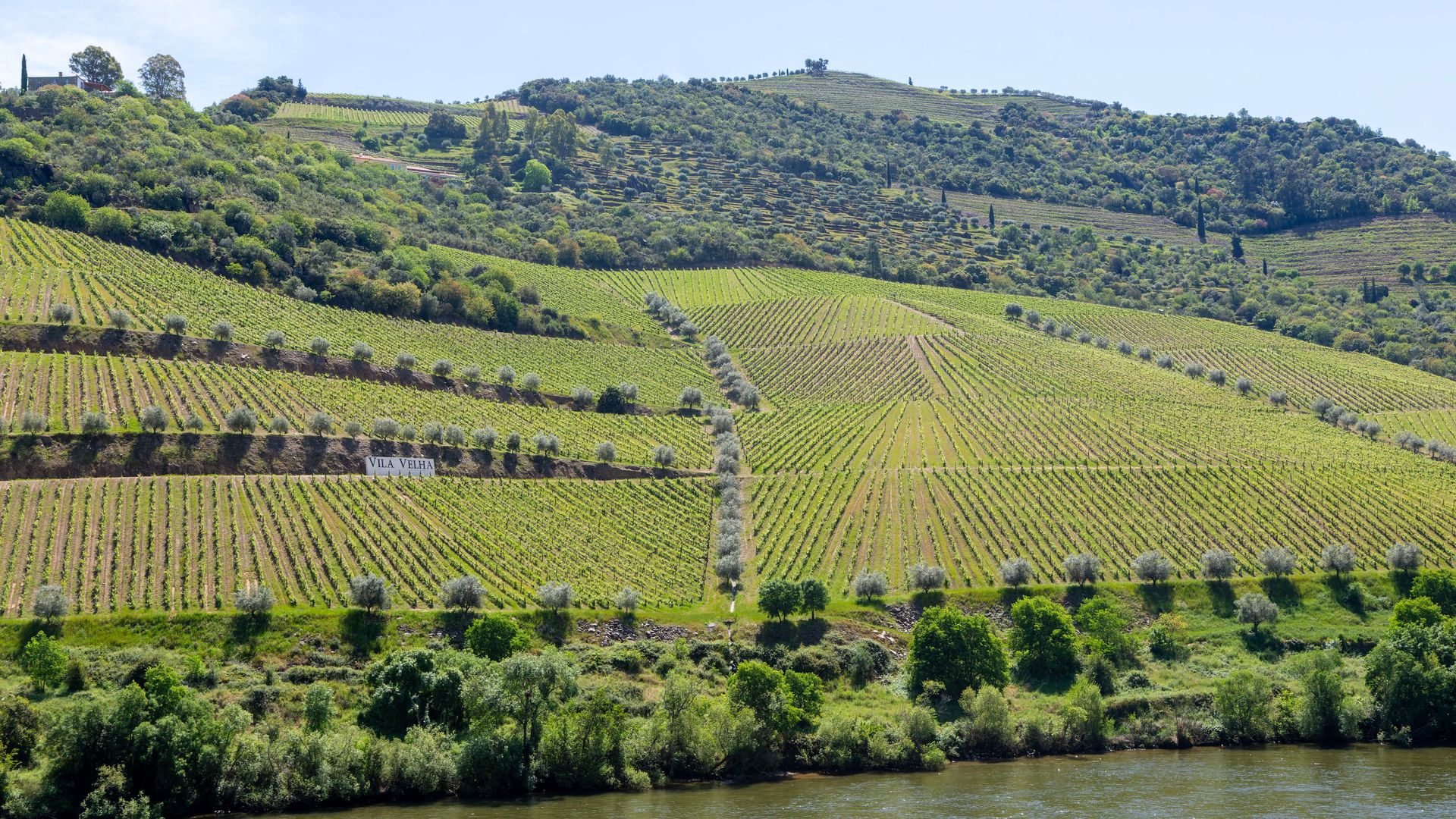
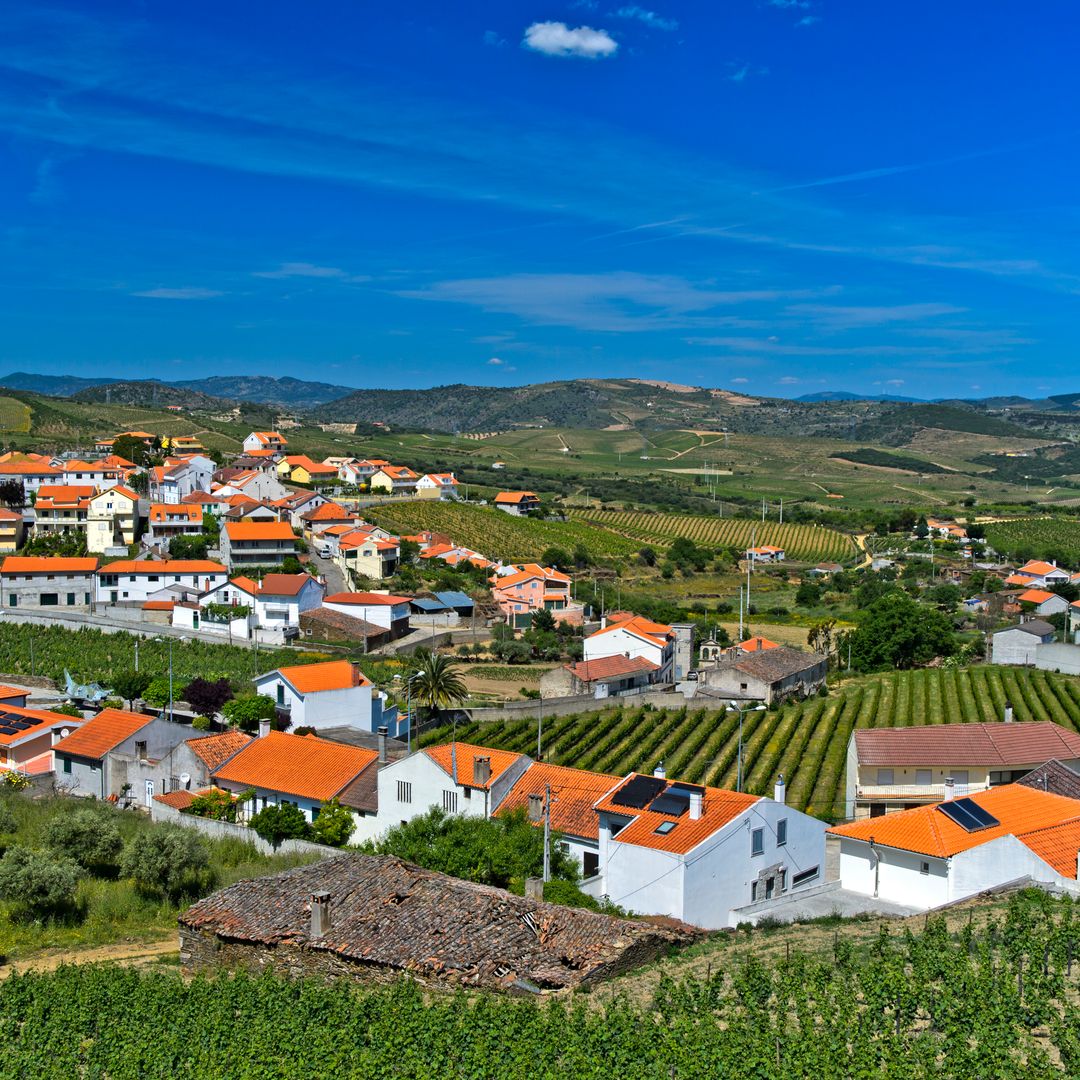
Vila Nova de Foz Côa is a village that rarely makes the typical tourist itinerary, despite sitting just a few miles from the Spanish border, near the province of Salamanca. Yet there are plenty of reasons to visit, starting with its two UNESCO World Heritage sites and the spectacular display of almond trees in bloom during the winter months.
 © Education Images
A land of famous wines
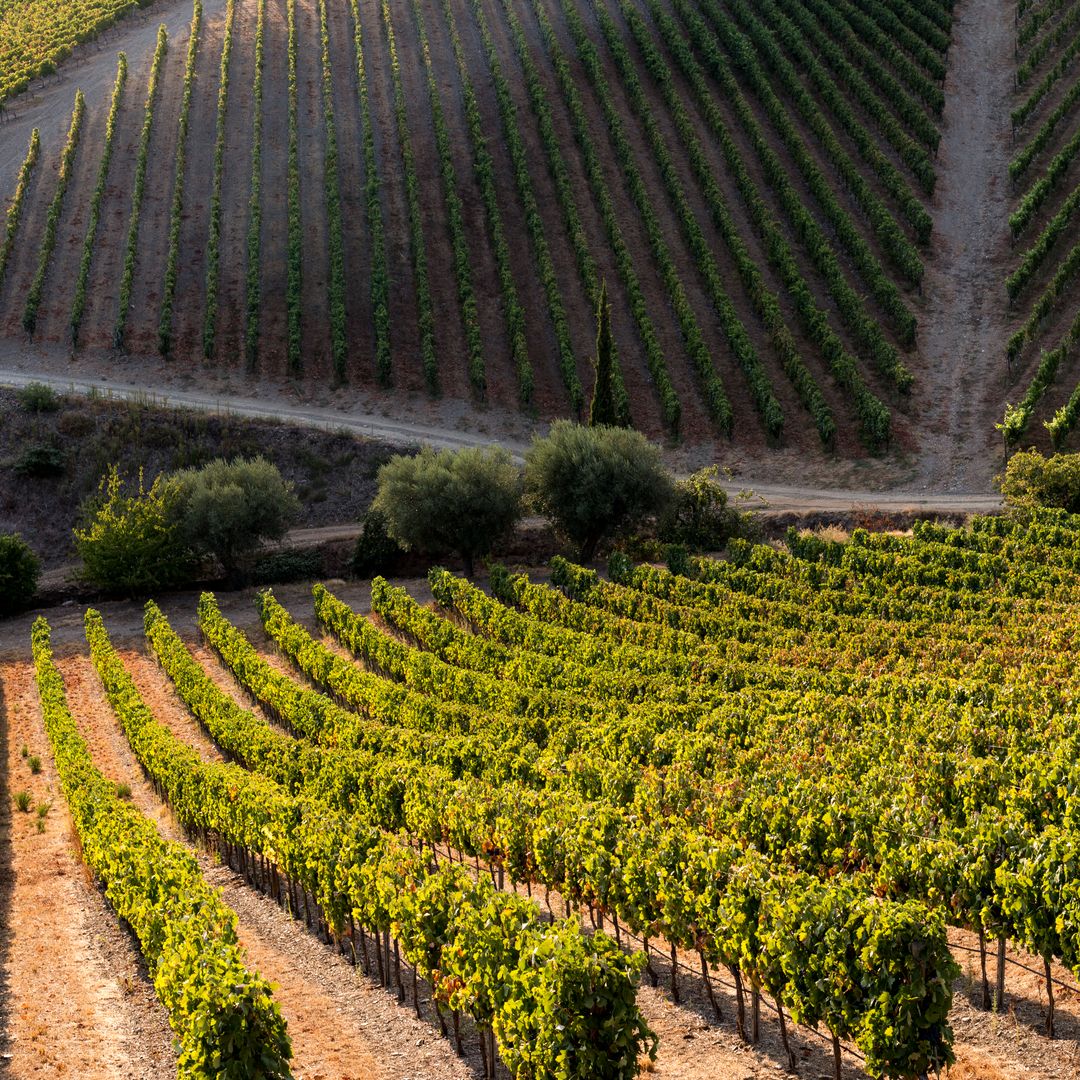
The vineyards that produce Portugal's two most famous wines, the fortified Douro and the more tranquil Port, grow in the same Douro River valley where Vila Nova de Foz Côa is located. This is the oldest wine-growing region with a protected designation of origin in the world. While Port is traditionally aged in the cellars near the city of Porto (specifically Vila Nova de Gaia), the grapes originate here. This landscape of steep slopes cultivated with vines covers about 45 kilometers and showcases how humans have sustainably transformed mountainous terrain over centuries.
 © Alex Treadway
Wine tourism and experiences
In this town of about 2,000 inhabitants, visitors primarily come for enotourism. The region is dotted with traditional wineries, known as quintas, offering experiences ranging from tastings and vineyard walks to guided tours of the winemaking process. Notable examples in the Alto Douro include:
- Quinta do Vale Meão
- Quinta de Ervamoira
 © Geography Photos
River cruises on the Douro
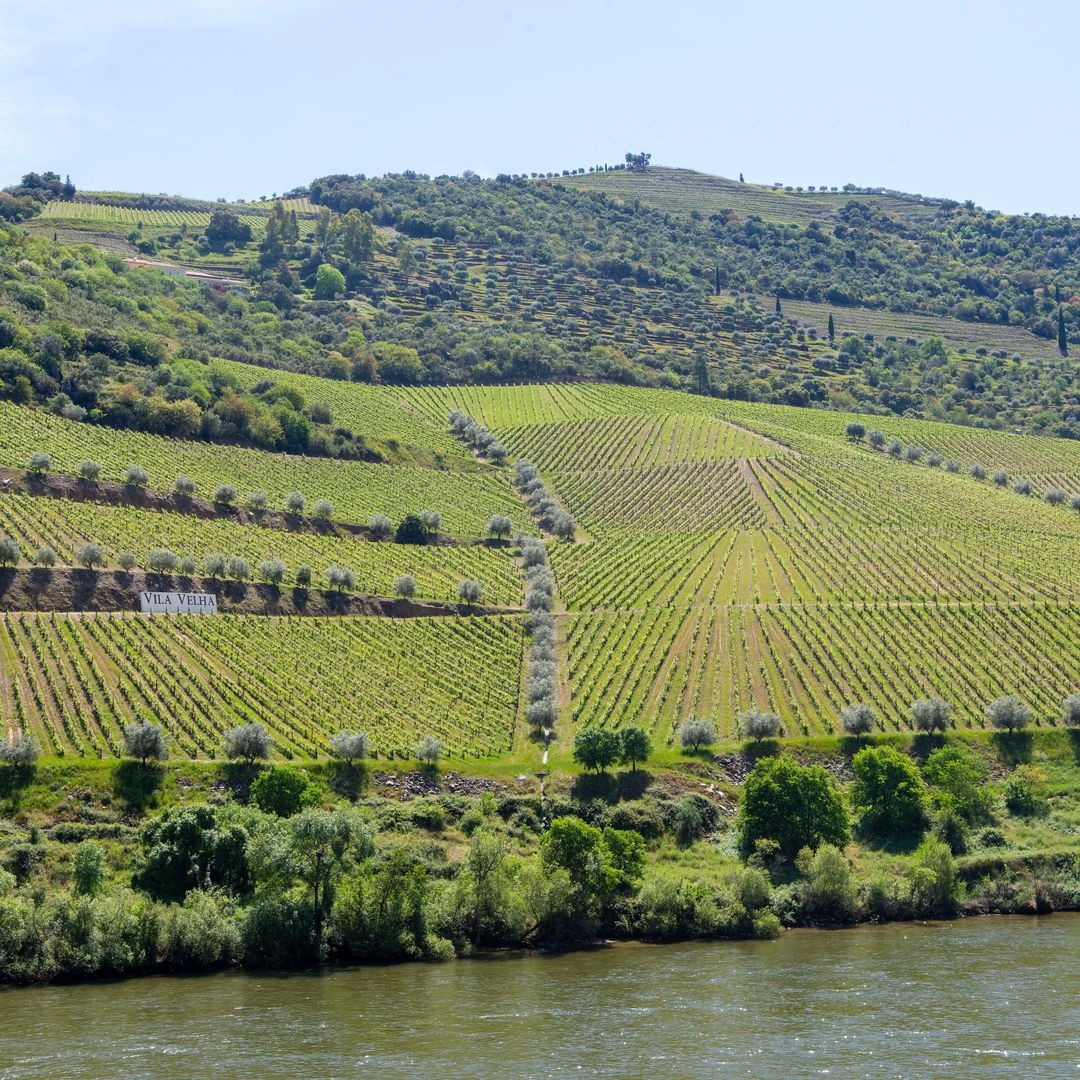
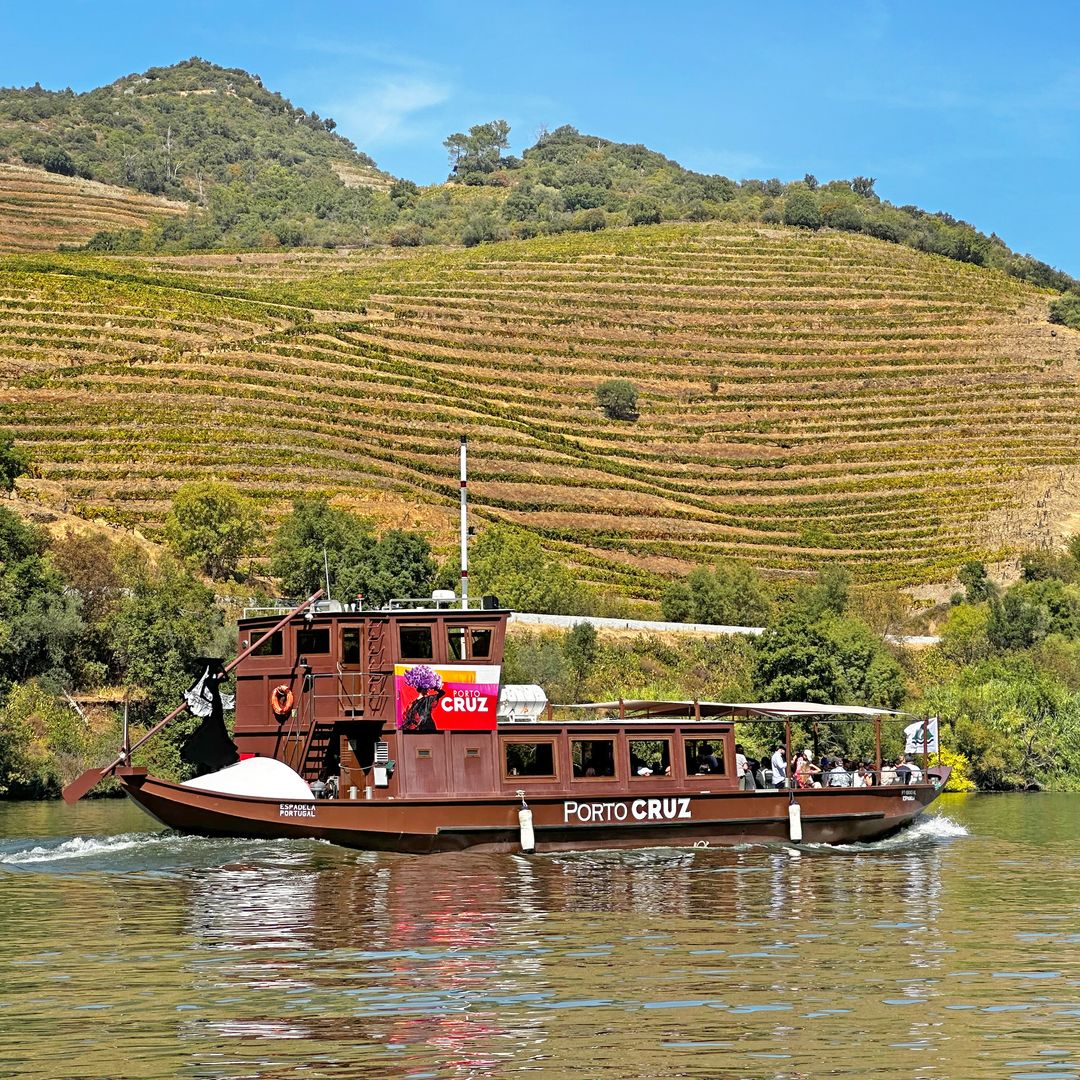
To see the terraced vineyards from a different perspective, visitors can take river cruises through the valley. These tours often depart from towns further west, such as Peso da Régua and Pinhão. Many companies offer full tours from these points or even from Porto. Experiences are available on:
- Traditional Rabelo boats: Historically used to transport wine to Porto.
- Modern tourist vessels: Provided by companies like Pipadouro Vintage Wine Travel, Ânima Durius, Rivus, Douro Tours, Magnifico Douro, and Companhia Turística do Douro.
 © YinYang
The pre-historic legacy
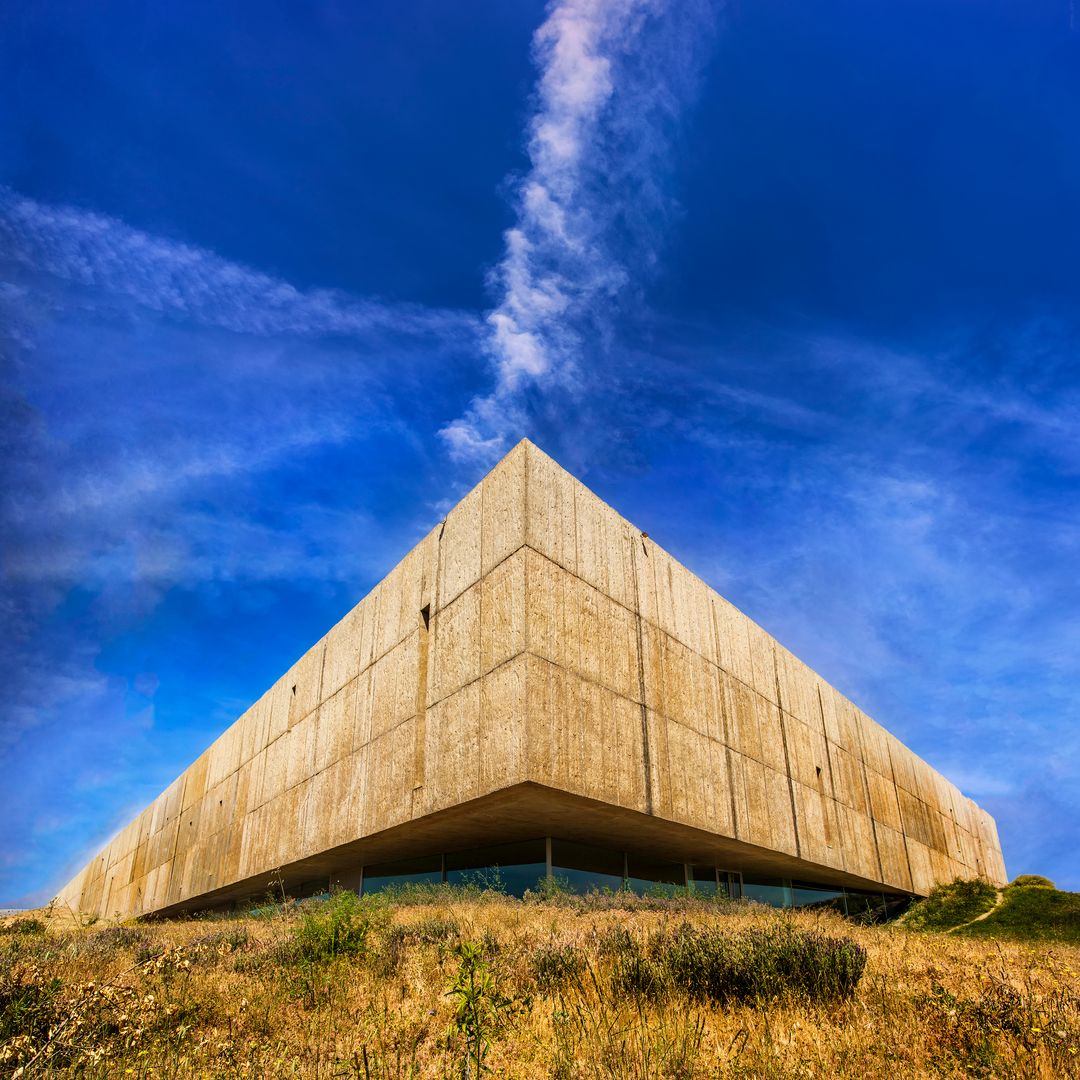
The Vila Côa River valley holds a second UNESCO World Heritage title: the most important collection of open-air rock art in Europe. This 30-kilometer outdoor gallery is showcased at the modern Côa Museum in Vila Nova de Foz Côa, which features replicas and Paleolithic artifacts. This site forms a transboundary heritage group with the Siega Verde archaeological site in Salamanca, Spain. These engravings date back to 25,000–10,000 BC.
 © Daniel Santos
The magic of its almond blossoms
 © ANunes photo
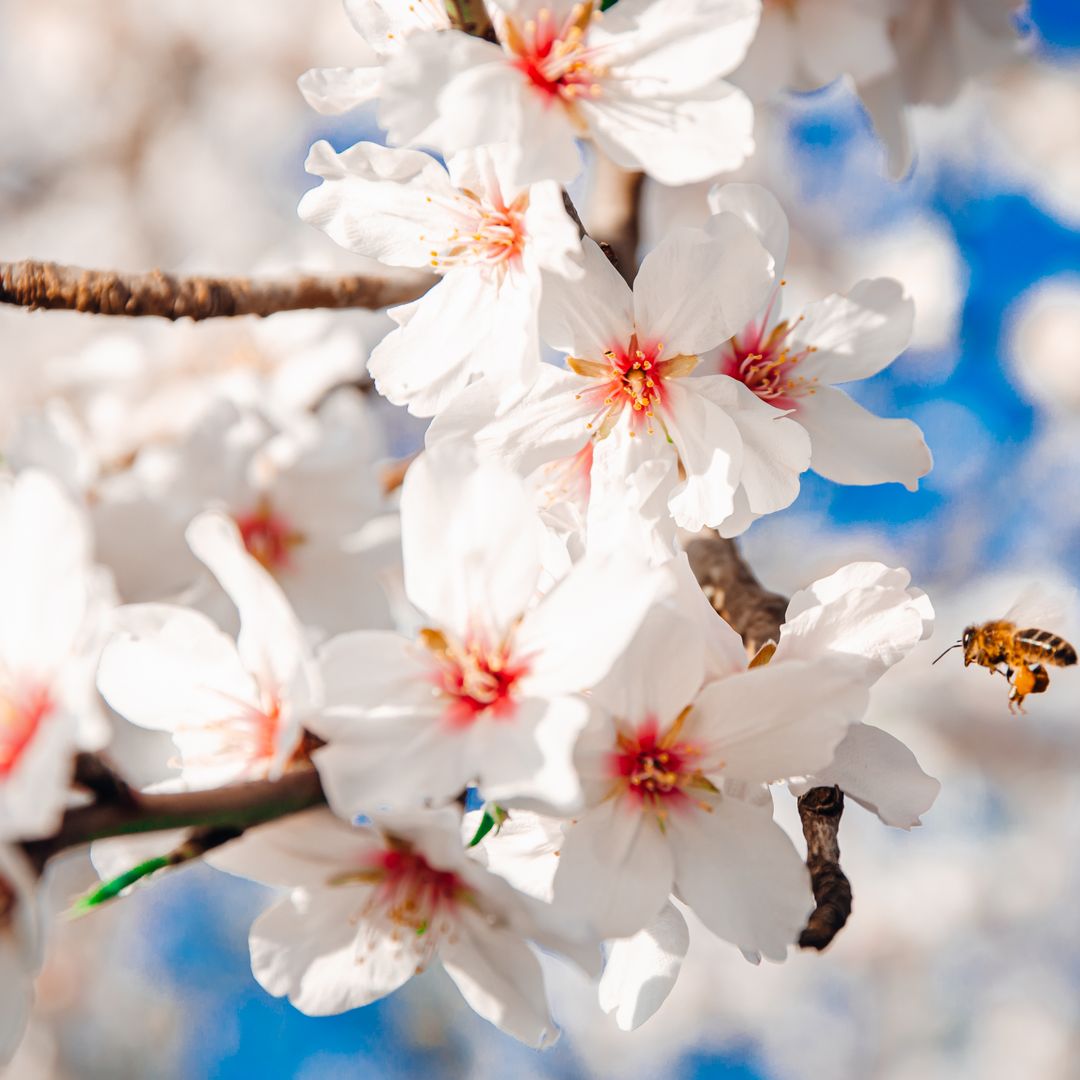
As the almond trees bloom in shades of pink and white between late February and March, the region of Vila Nova de Foz Côa becomes the stage for the Almond Blossom Festival. This colorful spectacle is celebrated with a vibrant program of hiking and cycling routes through the groves, alongside folklore demonstrations and cultural events that honor the ephemeral beauty of the season