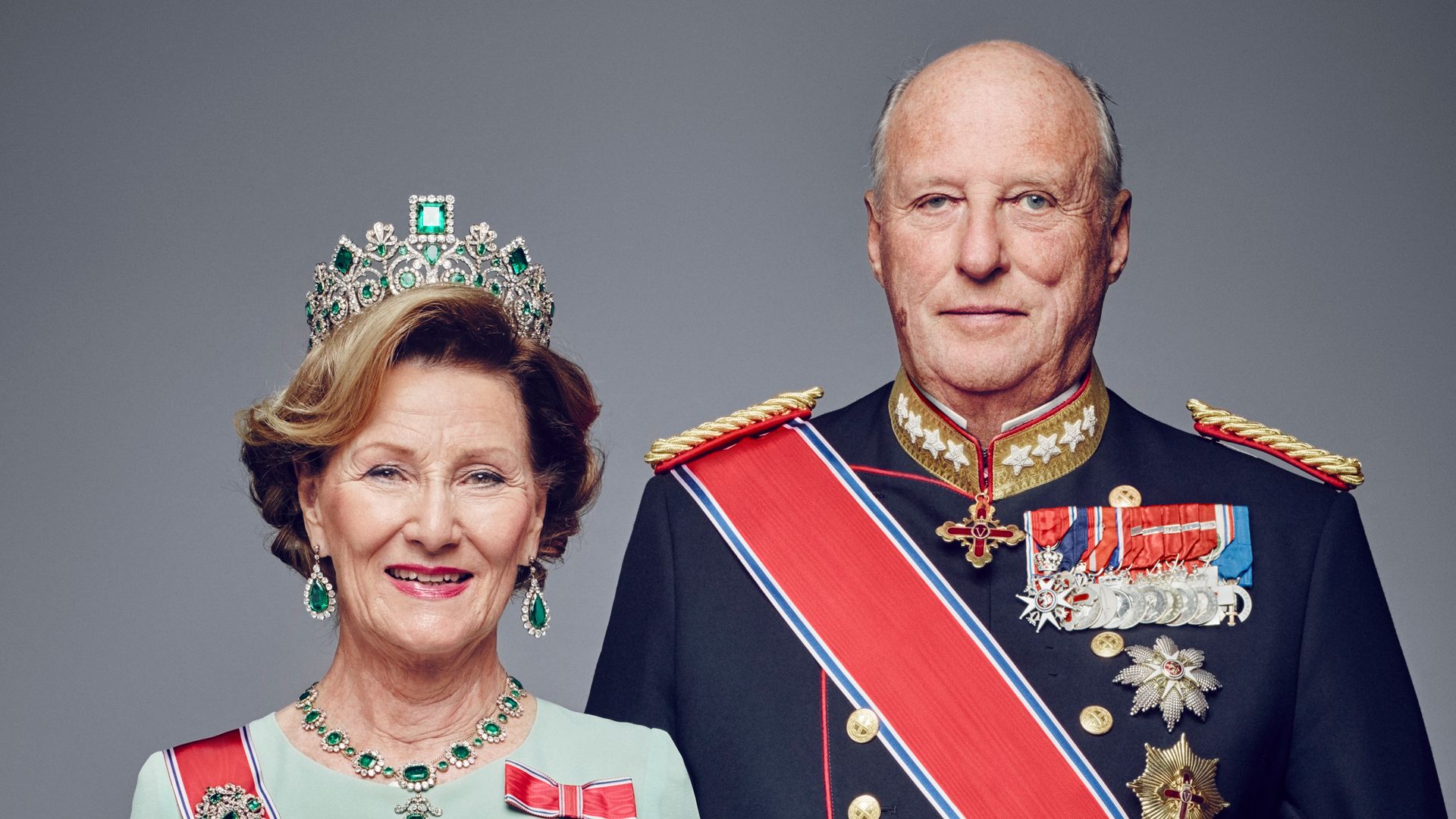
The crown was the easy part. When King Harald V died on August 28, Norway’s constitution settled the succession immediately, and his son became King Haakon VIII. The constitution doesn’t decide who gets everything else.
That question is the next chapter for Norway’s royal family, and a more private one. According to the Norwegian publication Se og Hør, which has reported on the late king’s private holdings, Harald may have left a personal fortune of historic properties and other assets worth millions of dollars.
Unlike the throne, that fortune is governed by ordinary Norwegian inheritance law and by any final wishes the king left behind.
The three retreats at the heart of it
 © Mark Cuthbert
The most closely watched pieces of the estate are the three private holiday homes, each tied to the family’s history.
Kongsseteren, the large timber lodge in the hills above Oslo, was a coronation gift from the Norwegian people to King Haakon VII and Queen Maud in 1906. It has long been where the royals spend Christmas, and it’s where Harald’s father, King Olav V, died in January 1991. Prinsehytta, the “Prince’s Cabin” in the Sikkilsdalen valley in the Jotunheimen mountains, passed from Olav to Harald, who kept up a childhood tradition of spending Easter there. And on the island of Mågerø, off Tjøme in southern Norway, is the summer retreat Harald and Sonja have used as their private escape since the 1990s.
Their value goes well beyond an appraisal. These are the places where the family has spent its private life for generations, and that’s a large part of why their future draws so much interest.
What the law says, and what a will could change
 © AFP
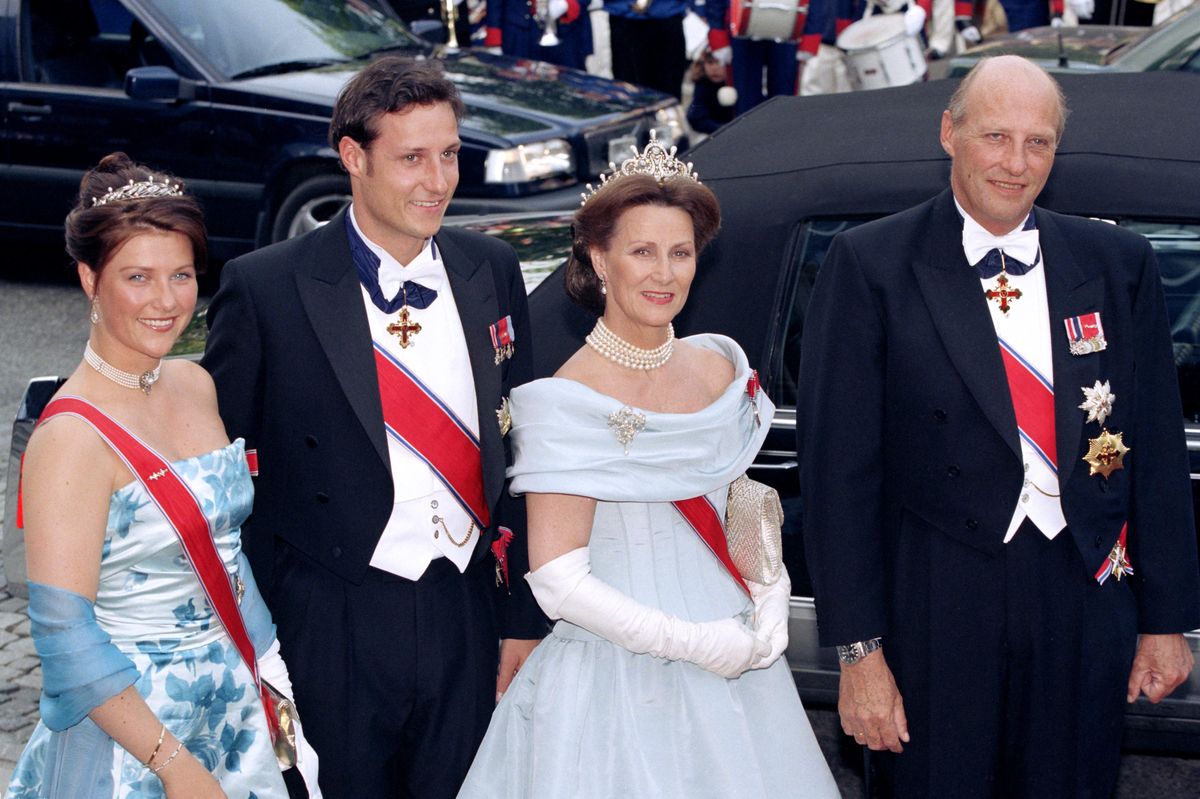
If Harald didn’t leave a will saying otherwise, Se og Hør notes, Norwegian law would generally give Queen Sonja one quarter of the estate, with the other three-quarters going to the couple’s children. That would leave King Haakon and his older sister, Princess Märtha Louise, with 37.5 percent each.
That calculation is only a baseline. Under Norway’s inheritance law, a will can’t take away a surviving spouse’s legal minimum. For an estate this size, though, it still leaves plenty of room to decide which property goes to which heir. The palace hasn’t said whether a will exists, and Norwegian press have raised the possibility without any confirmation of what it might contain.
Caroline Vagle, Se og Hør’s royal specialist, had addressed the question months before the king’s death. According to the magazine, she believed Harald and Sonja had already given careful thought to how their assets would be divided.
For the new king, the process carries a weight his sister’s doesn’t. Haakon now heads the royal house, but when it comes to their father’s private property, he and Märtha Louise start out with the same inheritance rights.
The gifts Harald handed down early
 © ODD ANDERSEN
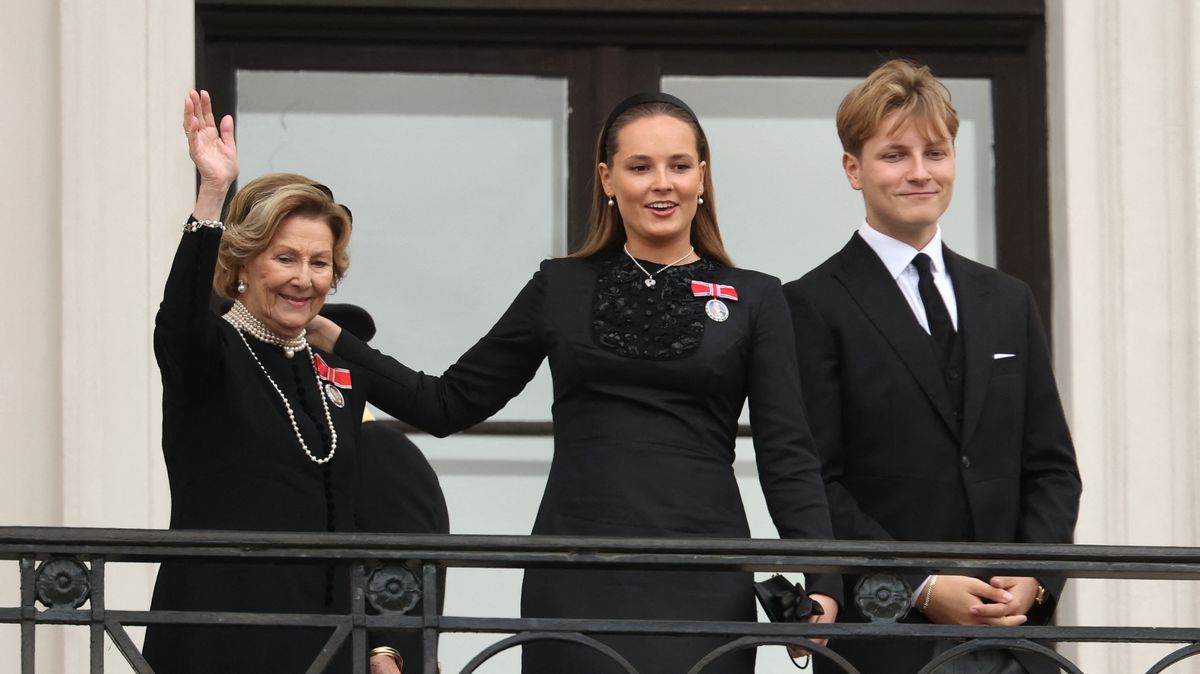
Part of Harald’s estate has already changed hands. Bloksbjerg, a holiday home on the island of Hankø, was bought by then-Crown Prince Olav in 1947 and passed to Harald on his father’s death. In 2001, Harald gave it to Märtha Louise as an advance on her inheritance, long before anyone had to think about dividing his estate. The 4,300-square-foot house, with a pool, became a family retreat; her daughter Leah was born there in 2005.
The princess eventually put it up for sale in 2018 and sold it in 2020 for about 26 million kroner, or roughly $2.7 million, according to Se og Hør.
That same year, Haakon received Skaugum, the estate outside Oslo where his father was born in 1937 and the traditional home of Norway’s heirs. Harald gave it to his son when Haakon married Mette-Marit in 2001. The property, valued at the time at around 6.2 million euros, changed hands with no purchase price, and according to Se og Hør, the couple was also exempted from document duty and inheritance tax. Haakon and Mette-Marit moved in in December 2003, after extensive renovations.
Those earlier transfers help explain how the family has handled its private assets over the years, though on their own they can’t predict how the rest of Harald’s estate will be split.
A precedent from 1991
 © Getty Images
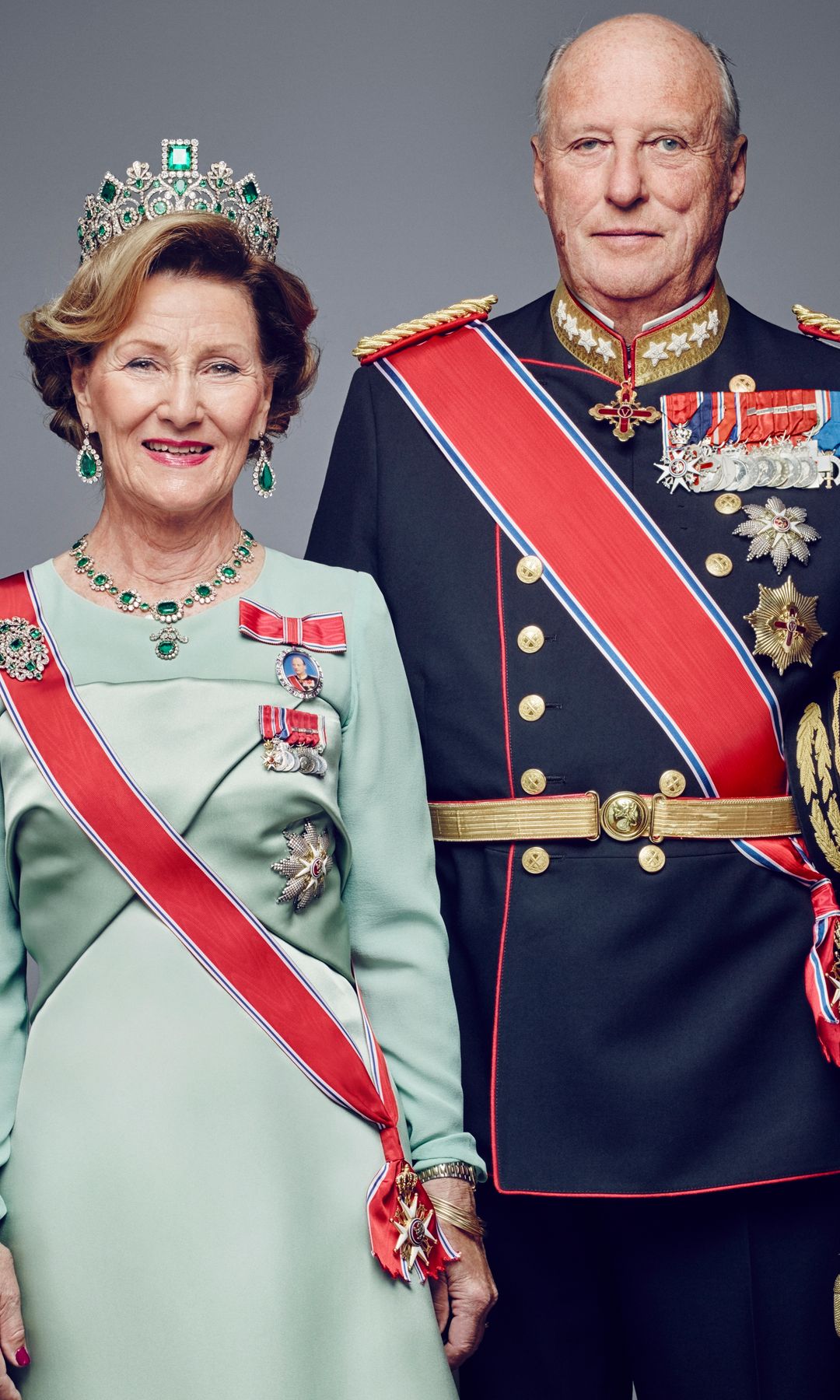
The royals have done this before. When King Olav died in 1991, his three children, Harald, Princess Ragnhild and Princess Astrid, had to divide his private fortune. As Se og Hør recounts, the king’s art collection was arranged into three lots in one of the reception rooms of the Royal Palace, and the siblings then drew lots to decide who would take each one.
Ragnhild later described the experience in her 1995 memoir, "My Life as a King’s Daughter," written with author Lars O. Gulbrandsen. It offered a rare look at a process that had otherwise played out behind closed doors. Olav’s fortune was estimated at the time at roughly $11.4 million to $13.5 million at today’s exchange rates, though exactly how much went to each child was never made public.
That history is why Harald’s estate is drawing so much attention now. It isn’t only about money. It’s about who will keep the places that have anchored Norway’s royal family for generations, and whether the late king already decided that himself.