Laura Posada didn’t set out to become an entrepreneur. She studied law, built a career in fitness and wellness, wrote books and spent years connecting with women through coaching, speaking and health-focused content. Then, in her 40s, her own body presented her with a problem she couldn’t seem to solve.
As Posada began experiencing perimenopause, the routines that had always worked for her suddenly weren’t enough. She struggled to find products that addressed what she was going through and found even less open conversation around menopause, particularly for Latina women. Eventually, that frustration gave her an idea: create what she wished she had been able to find herself.
 © Courtesy
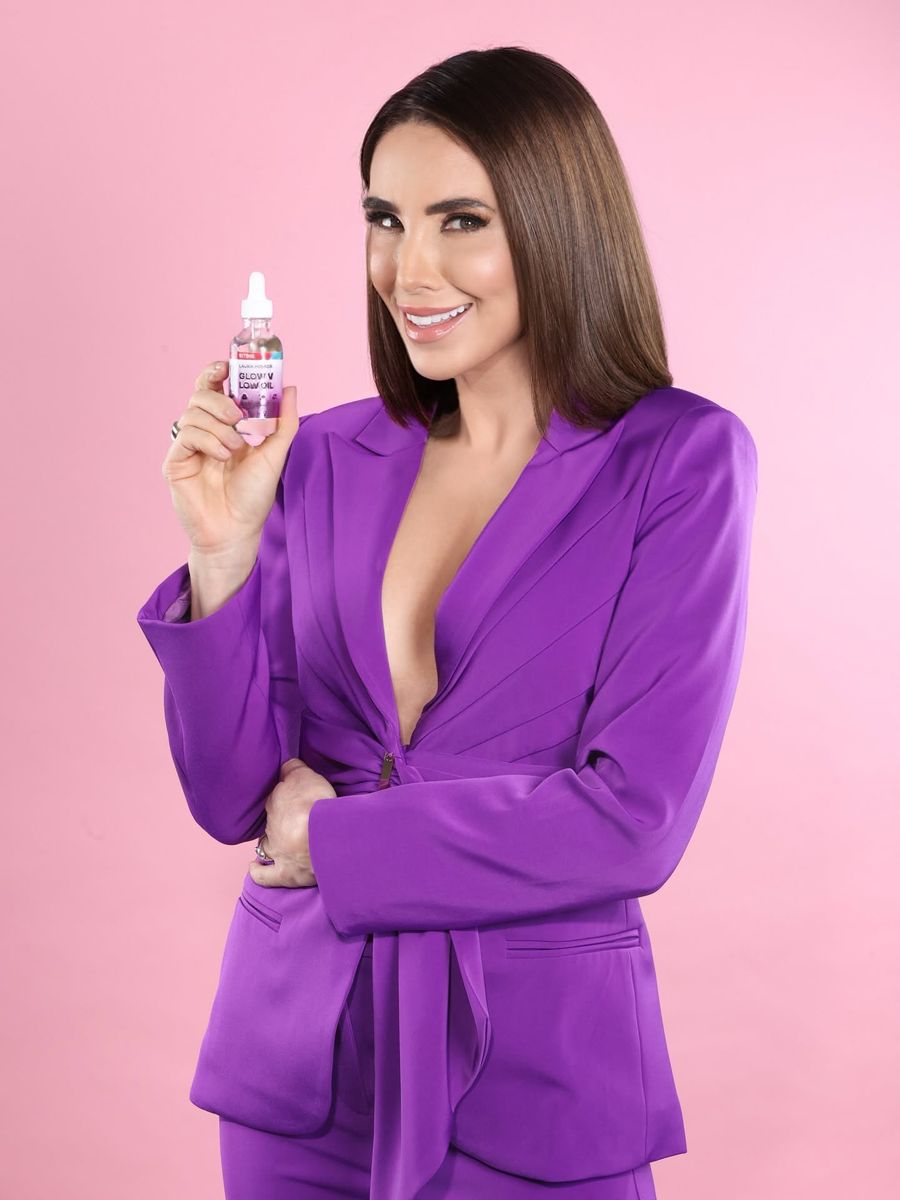
At 50, Posada launched the business that would become Laura Posada Supplements, starting not with a major round of funding, but with a partnership, her experience in wellness and the trust she had already built with her audience. The brand has since reached nearly 30,000 customers, while Posada has become an outspoken voice around menopause, hormones and intimate wellness.
“I started my first company at 50. At the time, my age felt like my greatest disadvantage. It turned out to be one of my greatest strengths.”
Posada talked to ¡HOLA! about finding the courage to start later in life, financing a business, learning an entirely new industry from scratch and why women may already have more entrepreneurial capital than they realize.
I never grew up imagining myself as an entrepreneur, but I was always ambitious and extremely disciplined. Hard work was part of my upbringing.I left Puerto Rico to attend college in the United States, graduated at 21, and completed law school by 24.
At that point, I didn’t know exactly what my career would look like, but I knew I wanted to do more than simply follow a traditional path. I wanted to create something meaningful, have a voice in the decisions being made and, ultimately, improve other women’s lives.
Looking back, the entrepreneurial instinct was probably always there. I just didn’t have a name for it yet.
My Puerto Rican upbringing taught me to work hard, take chances and create my own opportunities rather than wait for someone to make room for me.
Sports were also a big part of my childhood, and they shaped the way I lead today. Playing on teams taught me that talent matters, but discipline, trust and consistency are what produce results. It also taught me that a leader cannot ask people to give more than she is willing to give herself.
I believe in leading from the front: arriving first, leaving last and setting the standard through my own actions. That work ethic, along with the warmth and sense of connection that are so deeply rooted in Latino culture, influences everything from how I build a team to how I communicate with my customers.
Laura Posada Supplements began with a problem I couldn’t solve for myself.
When I started experiencing perimenopause symptoms seven or eight years ago, I felt as though my body had changed the rules without telling me. The habits that had always helped me feel strong and healthy were no longer producing the same results. At the same time, reliable information was difficult to find, and menopause was still being discussed in whispers—if it was discussed at all.
I tried the products available to me, but I couldn’t find anything that offered the support I needed.
Eventually, my frustration became the idea: if I was struggling despite having a background in fitness and wellness, how many other women were going through the same experience without the information, language or resources to understand it?
That was when I realized I wasn’t only creating supplements. I was building the support system I had needed myself—a trusted brand, an honest conversation and a community where women no longer had to navigate this stage of life alone.
 © Courtesy
 © Courtesy
I didn’t launch the brand with a large investment or traditional financing. I began by looking at what I already had and asking myself what value I could bring to the right partnership.
I approached a laboratory that had previously invited me to represent one of its vitamin lines. Instead, we developed an arrangement in which the laboratory contributed its product and manufacturing capabilities, while I brought the concept, the brand, the strategy and the credibility I had spent years building in wellness.
By then, I was a certified personal trainer and life coach, and I had created a genuine relationship with my audience through speaking engagements, wellness events and fitness content. I had also been very careful about what I endorsed. I never promoted something simply because a company offered to pay me; I had to use it and believe in it.
That trust became part of my investment in the company. I may not have arrived with a large check, but I came with an idea, an audience, professional credibility and the willingness to do the work.
I learned that money is not the only form of capital.
Of course, every business needs funding and healthy cash flow, but entrepreneurs often underestimate the value of their knowledge, reputation, relationships, creativity and ability to execute.
Those things may not appear in a bank account, but they can open doors to partnerships and opportunities that money alone cannot buy.
I also learned that growth and profitability are not always the same thing. It can be tempting to spend quickly because the business is gaining momentum, but every dollar needs a purpose.
You have to understand what truly moves the company forward, protect your cash flow and reinvest strategically—not emotionally.
I wish more women knew that they do not have to possess every resource before they begin. Start by identifying the value you already have, then find the right people and resources to complement it.
The realization came when I stopped asking, “Why can’t I find something that works?” and started asking, “What would I create if I could design the solution myself?”
One thing that never made sense to me was the idea that a single menopause capsule could address every symptom.
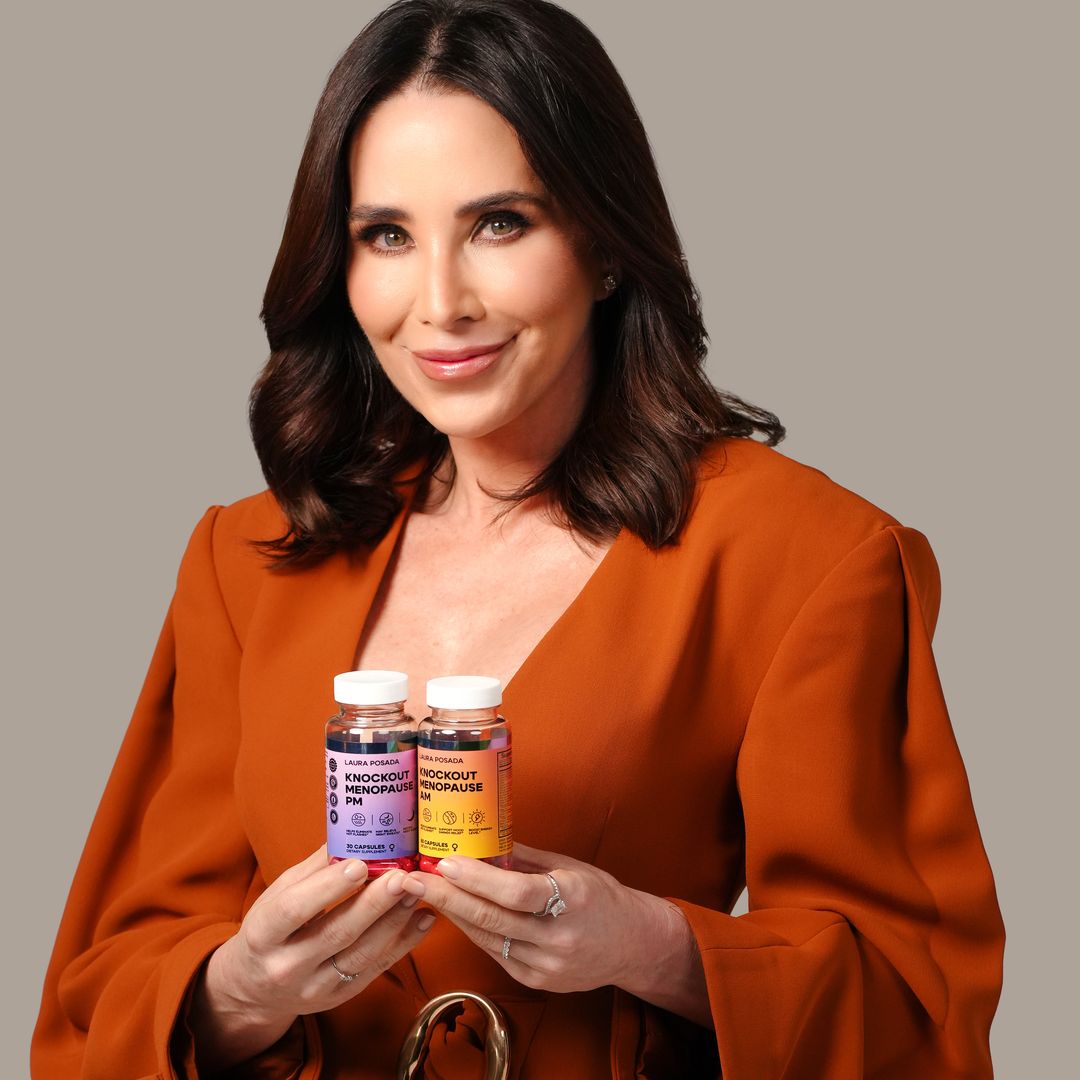
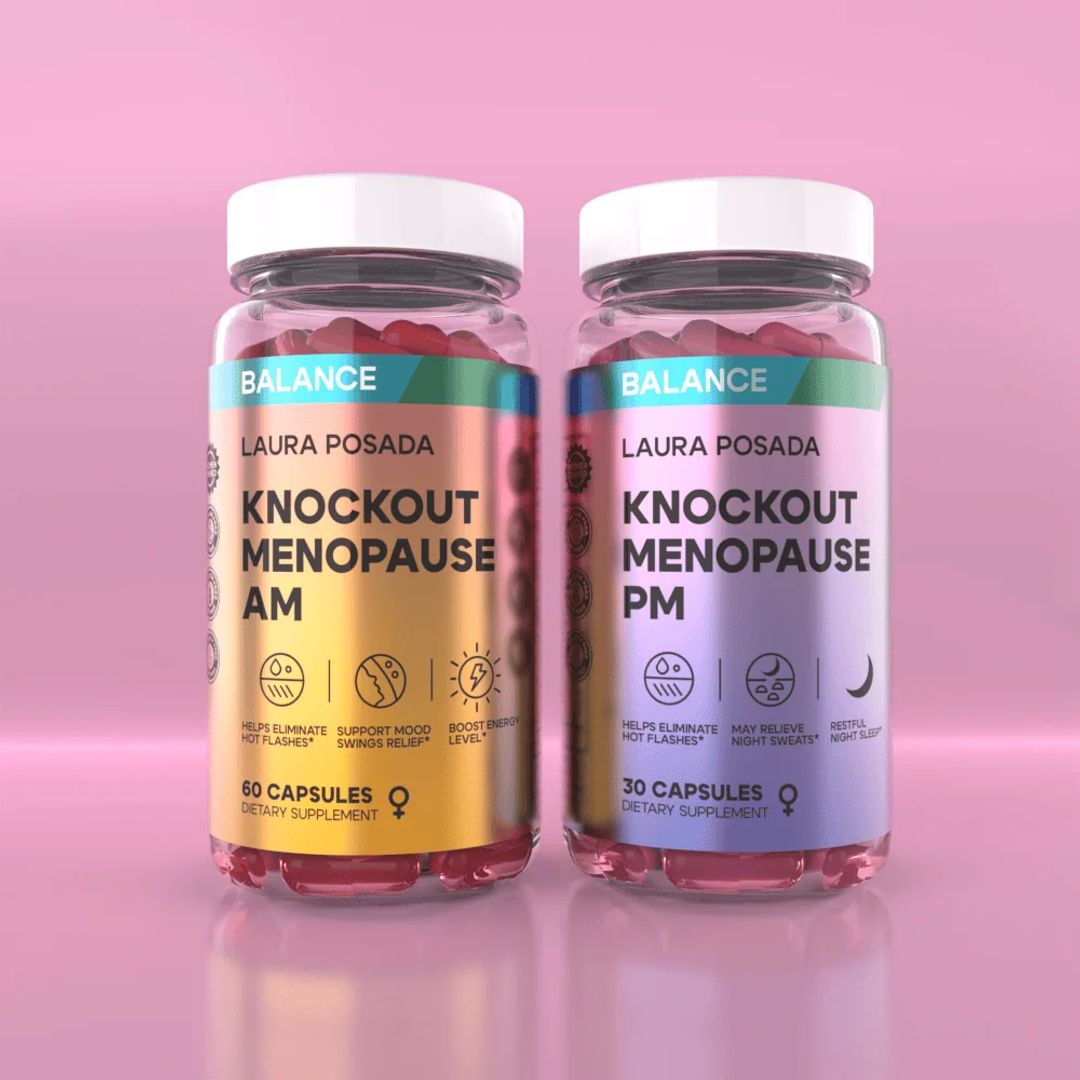
How could the same formula give a woman energy during the day and also help her sleep at night? Our bodies have different needs at different times. That insight led to our first and signature system: Menopause AM and Menopause PM.
I wanted targeted support for the daytime symptoms that interfere with energy and focus, and a separate formula for the nighttime symptoms that affect rest and recovery.
Once we developed the products and I experienced the difference myself, I knew this was bigger than my personal journey. It was a practical solution to a problem millions of women shared—and one they had been expected to endure for far too long.
I began with a very clear understanding of the problem, but I had to build a team that understood how to turn that vision into a safe, effective product. The laboratory had a chemist who specialized in natural formulations, and we worked together to translate the results I wanted into actual formulas.
Along the way, I had to learn an entirely new language: ingredients, dosages, sourcing, manufacturing, testing, packaging, compliance and distribution.
I asked questions constantly. I wanted to understand not only what went into each formula, but why it was there and how it supported the woman taking it.
That process taught me one of the most valuable lessons of entrepreneurship: your role is not to be the smartest person in every room. Your role is to know the destination, surround yourself with people who have the expertise you lack and lead everyone toward the same standard.
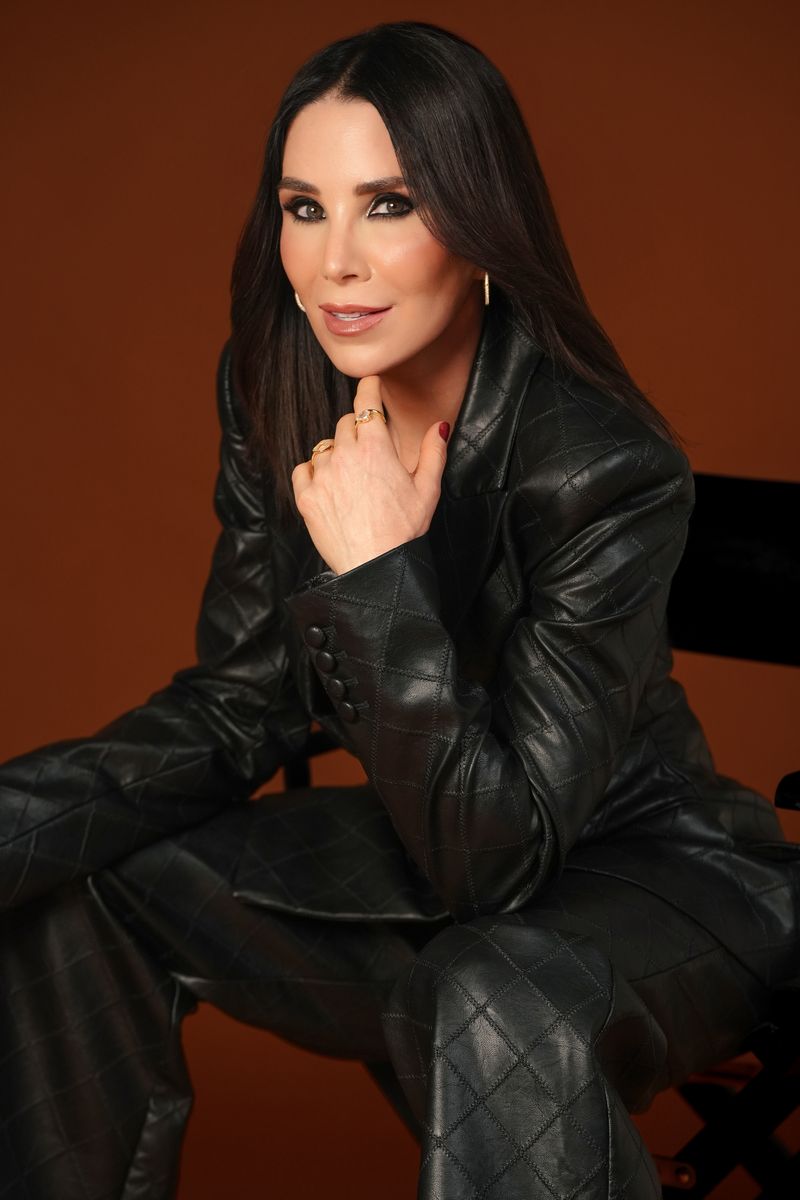 © Rocco
“Fear does not always mean ‘don’t do it.’ Sometimes it simply means you are about to do something you have never done before.”
Absolutely. When I started speaking about menopause, hormones, libido and intimate wellness, these subjects were rarely discussed openly—especially among Latina women.
Over time, I became known as “the woman who talks about menopause,” and I embraced that role because I knew how many women needed someone to begin the conversation.
I wanted to communicate with Latina women in a way that felt familiar, culturally relevant and easy to understand. That meant speaking in Spanish when appropriate, avoiding unnecessarily complicated medical language and being completely honest about subjects that had traditionally been treated as embarrassing or inappropriate.
Transparency became one of the defining values of the brand—even our bottles are transparent. We are open about our ingredients, what our formulas are designed to do and what women can realistically expect from them.
I am also very clear that there is no single solution to menopause. Feeling better requires a comprehensive approach that includes mindset, movement, nutrition and the right support, which may include supplements, hormone therapy or both.
I believe women trust the brand because they know I will never promise them an unrealistic quick fix. My goal is to give them honest information, practical tools and the confidence to take an active role in their health.
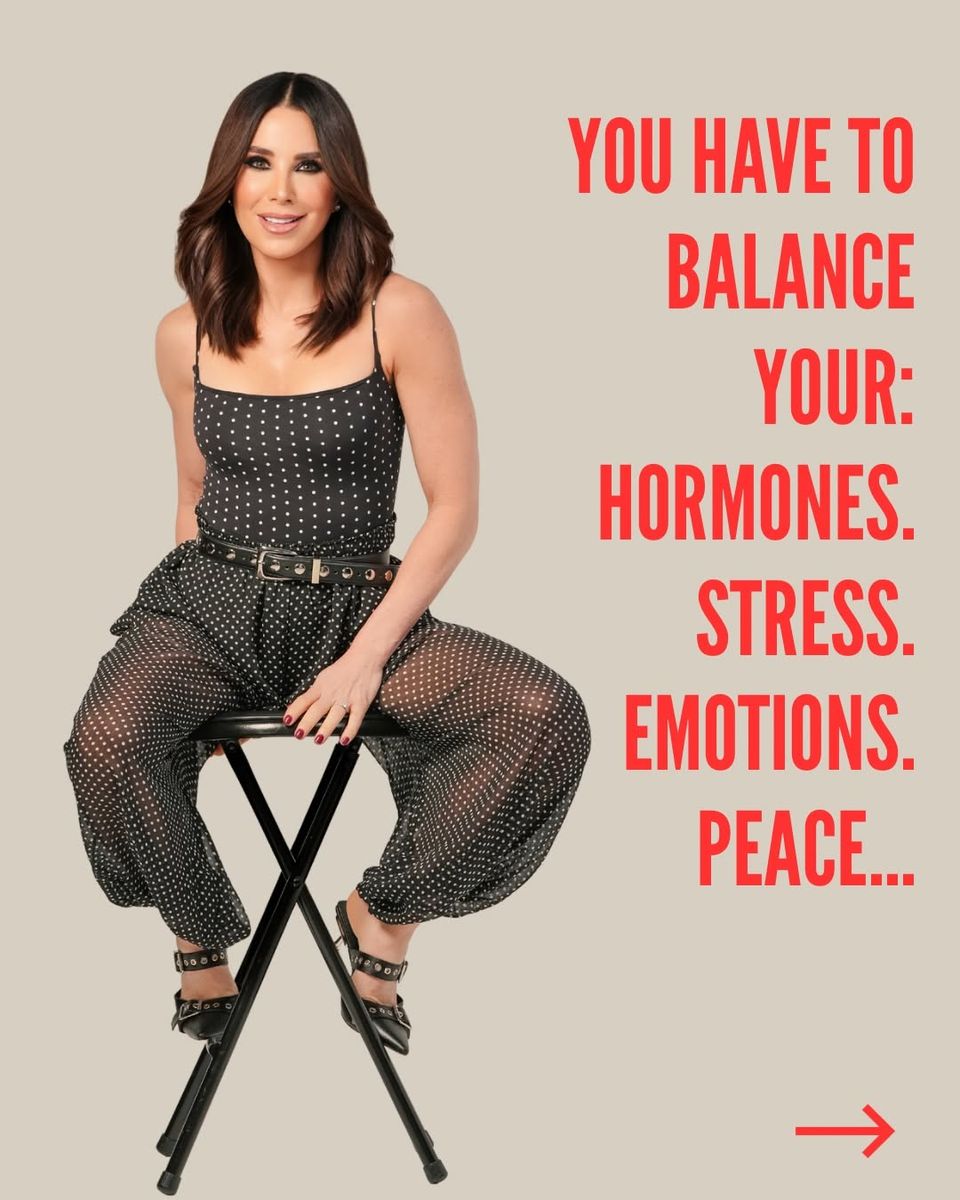
One of the hardest lessons was accepting that not everyone who joins your business will share your work ethic, urgency or standards.
When your name is on the bottle, every detail feels personal.
I have always been uncompromising about our ingredients, product quality and customer experience. That commitment has allowed us to reach nearly 30,000 customers and, even more importantly, earn their repeat business. But protecting that trust has sometimes required me to end professional relationships that were no longer serving the company.
Those decisions are difficult, especially when you care about the people involved, but leadership requires clarity.
I learned that you can lead with compassion without allowing emotion to overrule your judgment. Sometimes the most responsible decision is also the most uncomfortable one. Your first obligation is to the customers who trust you and to the long-term health of the company you are building.
“I may not have arrived with a large check, but I came with an idea, an audience, professional credibility and the willingness to do the work.”
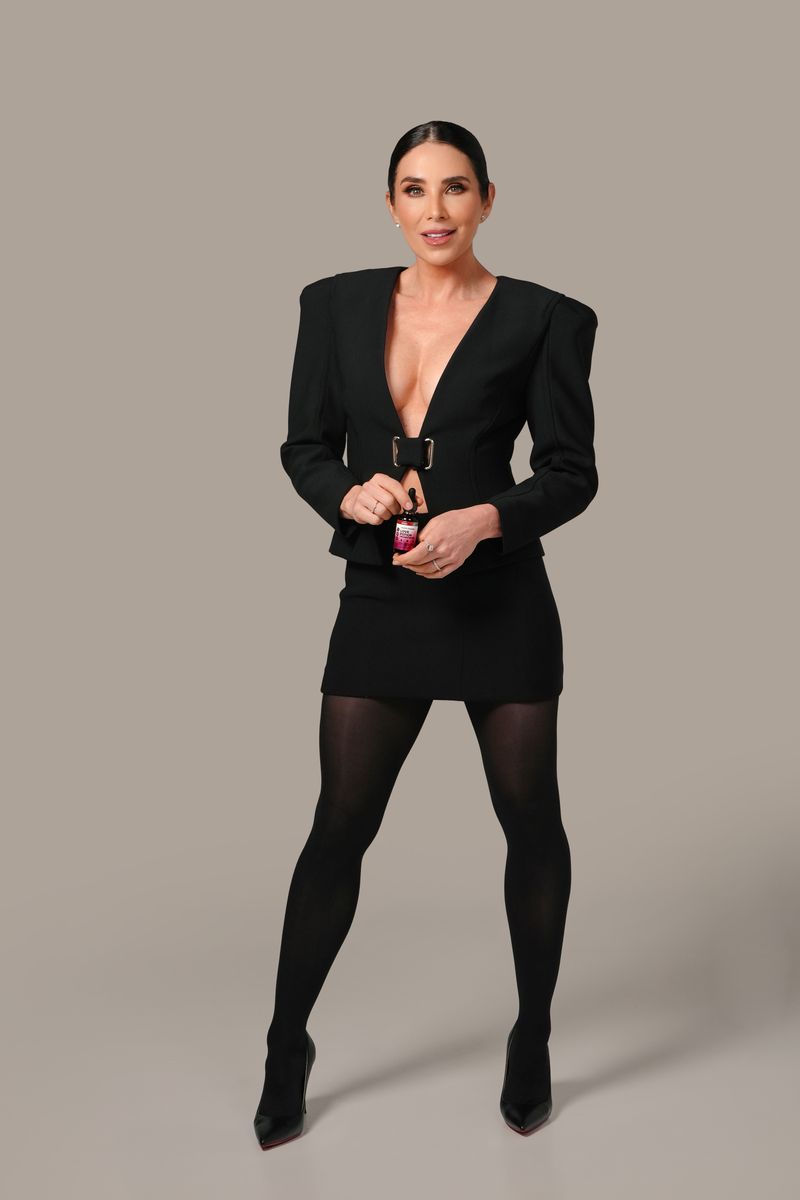 © Rocco
I would tell them that fear does not always mean “don’t do it.” Sometimes it simply means you are about to do something you have never done before.
I started my first company at 50. At the time, my age felt like my greatest disadvantage.
It turned out to be one of my greatest strengths. I had decades of experience, stronger instincts, a clearer sense of purpose and much less interest in proving myself to people who did not understand my vision.
I would also tell women not to confuse persistence with refusing to change direction. Your first idea may not be the right one. Your first attempt may fail. That does not mean you are a failure; it means you now have information you did not have before. Learn from it, adjust and begin again with greater knowledge.
There is no perfect age, perfect moment or risk-free way to start. Don’t wait for fear to disappear. Start with what you know, use what you have and be willing to learn the rest along the way.