
As families stock up on backpacks and school supplies, there's one back-to-school lesson that deserves just as much attention. Teaching children about body safety isn't about making them fearful. It's about giving them age-appropriate tools to recognize boundaries, trust their instincts, and know when to ask for help. Experts say these conversations should begin early and continue as children grow.
Whether your child is starting preschool or heading into middle school, reviewing body safety rules before the first day of school can help build confidence and reinforce healthy boundaries.
 © Getty Images
Why body safety lessons matter before school starts
Back-to-school season often means children spend more time away from parents and interact with teachers, coaches, bus drivers, classmates, and other trusted adults. While schools work hard to create safe environments, experts from the Children's Hospital of Philadelphia say children benefit from understanding that they have rights over their own bodies no matter where they are.
"Teach bodily autonomy early," advises child psychiatrist Dr. Lane in an interview with Parents. "Their body is their body... they have a right to decide who touches them. If they're uncomfortable, they should tell a parent or a trusted adult."
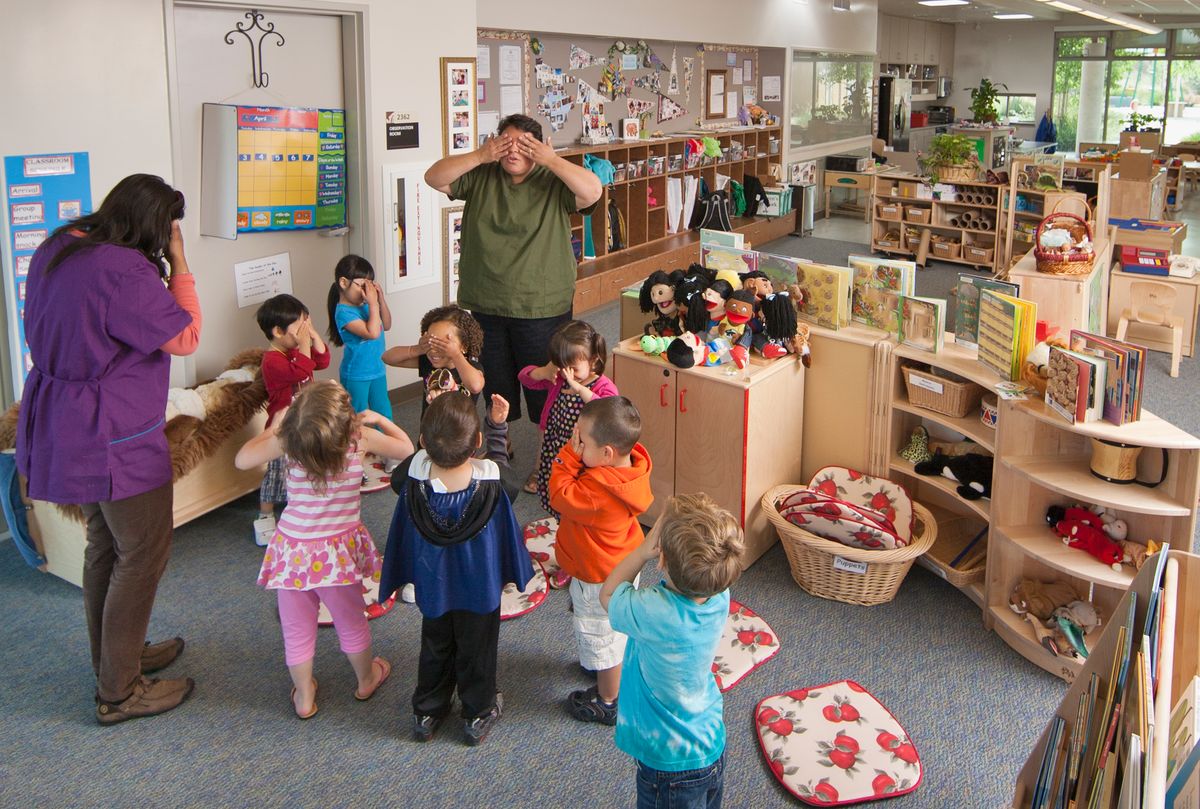 © Getty Images
The goal isn't to scare children. Instead, experts recommend making body safety part of everyday conversations, just like teaching bike safety or looking both ways before crossing the street.
10 body safety rules every child should know
Your body belongs to you
Children should understand that they are in charge of their bodies. They don't have to hug, kiss, or sit on someone's lap simply to be polite if it makes them uncomfortable.
 © Getty Images
Parents can offer alternatives like waving, giving a high five, or simply saying hello.
Learn the correct names for body parts
Experts recommend using anatomically correct names for body parts instead of nicknames. This helps children communicate clearly if they ever need to report something inappropriate and reduces confusion.
Private parts are private
Explain that the parts of the body covered by a swimsuit or underwear are private. Let children know that no one should touch or ask to see those areas unless it's for health or hygiene reasons with a trusted caregiver present when appropriate.
Safe touches and unsafe touches
Help kids understand that some touches, like helping after a fall or getting a medical exam with a trusted adult present, are meant to keep them healthy. Other touches that make them feel confused, scared, or uncomfortable should always be reported.
 © Getty Images
Trust your feelings
Children don't always have the vocabulary to explain why something feels wrong. Let them know it's okay to trust their instincts.
Dr. Stacey Doumas, a child and adolescent psychiatrist, encourages parents to focus on awareness rather than fear. "The goal isn't to scare them, but to empower them with awareness," she told Parents.
No one should ask you to keep secrets about touching
Experts recommend teaching children the difference between a surprise and a secret.
 © Getty Images
A birthday surprise has an ending. A secret involving touching or something that makes a child uncomfortable should always be shared with a trusted adult, as informed by the Traverse Bay Children's Advocacy Center.
You can say "no"
Children should know it's okay to say "no," move away, or leave a situation if someone crosses their boundaries, even if it's someone they know.
The Children's Hospital of Philadelphia recommends encouraging healthy assertiveness because children who practice saying no appropriately may be better prepared to protect themselves.
Identify trusted adults
Help children name several trusted adults they can talk to if they ever feel unsafe. This list might include parents, grandparents, teachers, school counselors, or another safe caregiver.
 © Getty Images/Maskot
Having multiple trusted adults is important in case one person isn't immediately available.
Keep talking, even if someone doesn't listen the first time
Children should know they can keep telling trusted adults until someone helps them.
Reassure them that they will not get into trouble for speaking up.
Practice body safety often
Body safety isn't a one-time conversation. Experts recommend bringing it up naturally throughout the year, before sleepovers, sports practices, field trips, or other activities where children spend time with others. Repetition helps children remember the rules without making the topic feel frightening.
 © Getty Images
How to make body safety conversations easier
Parents don't need to deliver one long lecture. Instead, use everyday moments to reinforce simple messages. For younger children, read books about personal boundaries, practice saying "no" during pretend play, and remind them they can always tell you anything.
Older children can benefit from conversations about peer pressure, digital communication, consent, and respecting other people's boundaries as well as their own. The most important message is that your child will be believed, supported, and never blamed for speaking up.
Body safety should be part of every back-to-school checklist
Parents often review bus safety, emergency contacts, and classroom routines before the school year begins. Adding a quick body safety conversation can be just as valuable.
 © Getty Images
When children understand healthy boundaries, know trusted adults, and feel confident speaking up, they're better prepared to navigate school with greater confidence and independence.
Modern Mami is a parenting and lifestyle column by ¡HOLA! Senior Writer Shirley Gómez, a Latina millennial mom raising a toddler. Focused on the realities of modern motherhood through a Latina lens, the column covers topics ranging from wellness and culture to parenting tips and expert advice