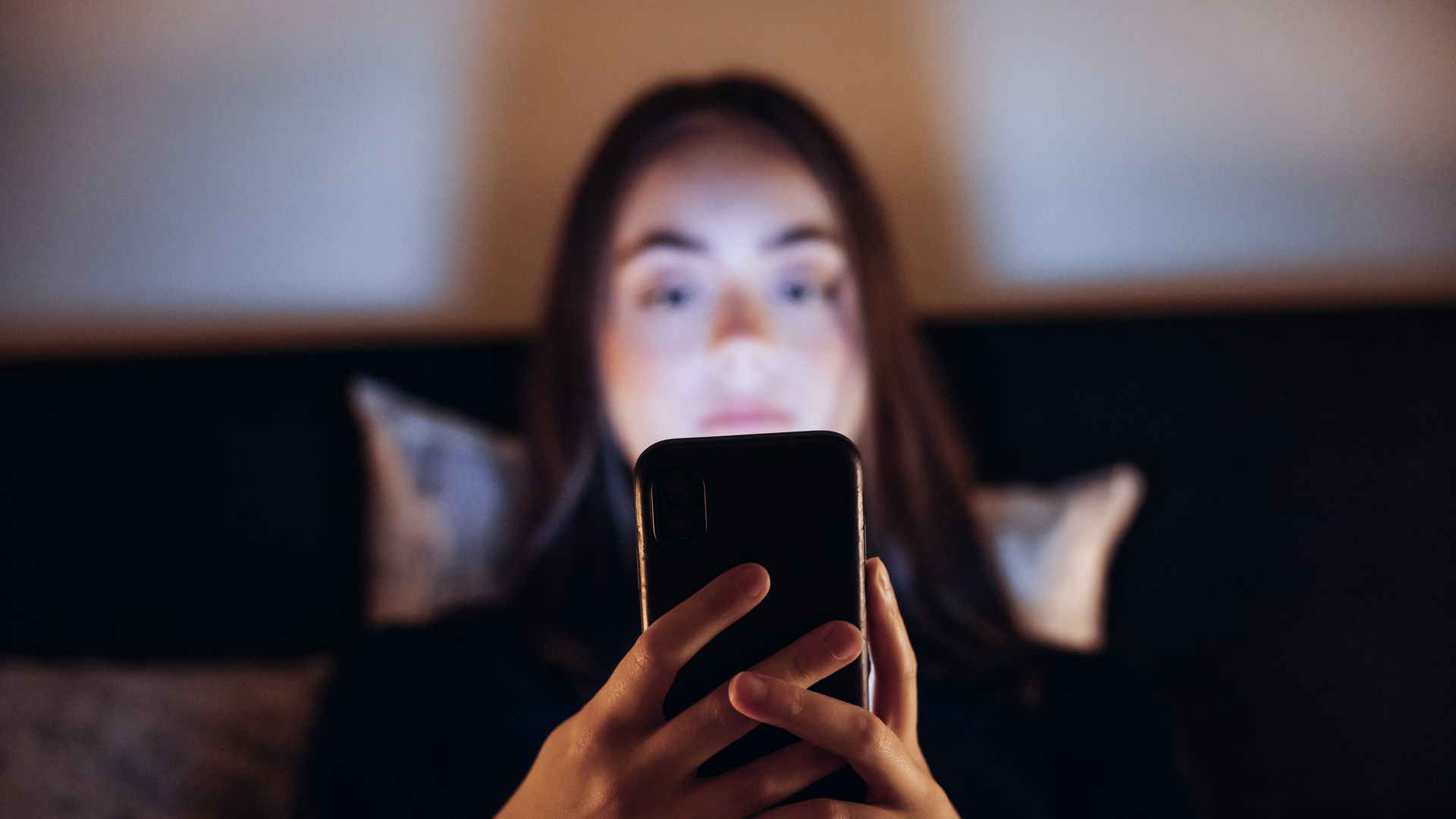
In modern teenage culture, scrolling late into the night has become a standard routine. What begins as a brief social media check often evolves into hours of doomscrolling and lost sleep as constant notifications disrupt the night.
While parental concerns frequently center on screen time limits or disciplinary measures, a new study emphasizes that the more critical issue lies in the neurological consequences of chronic sleep deprivation. Sleep specialists highlight two primary ways nocturnal device usage harms brain health: the disruption of innate sleep-wake cycles and the interruption of memory consolidation, which is vital for educational retention.
 © Getty Images
The Conflict Between Digital Devices and Biological Sleep
Biological factors already predispose the adolescent brain to later sleep schedules. The onset of puberty causes a natural shift in circadian rhythms, often preventing teens from feeling tired until 10 p.m. or later. This biological delay then affects them when they are required to wake up before their brains have fully rested.
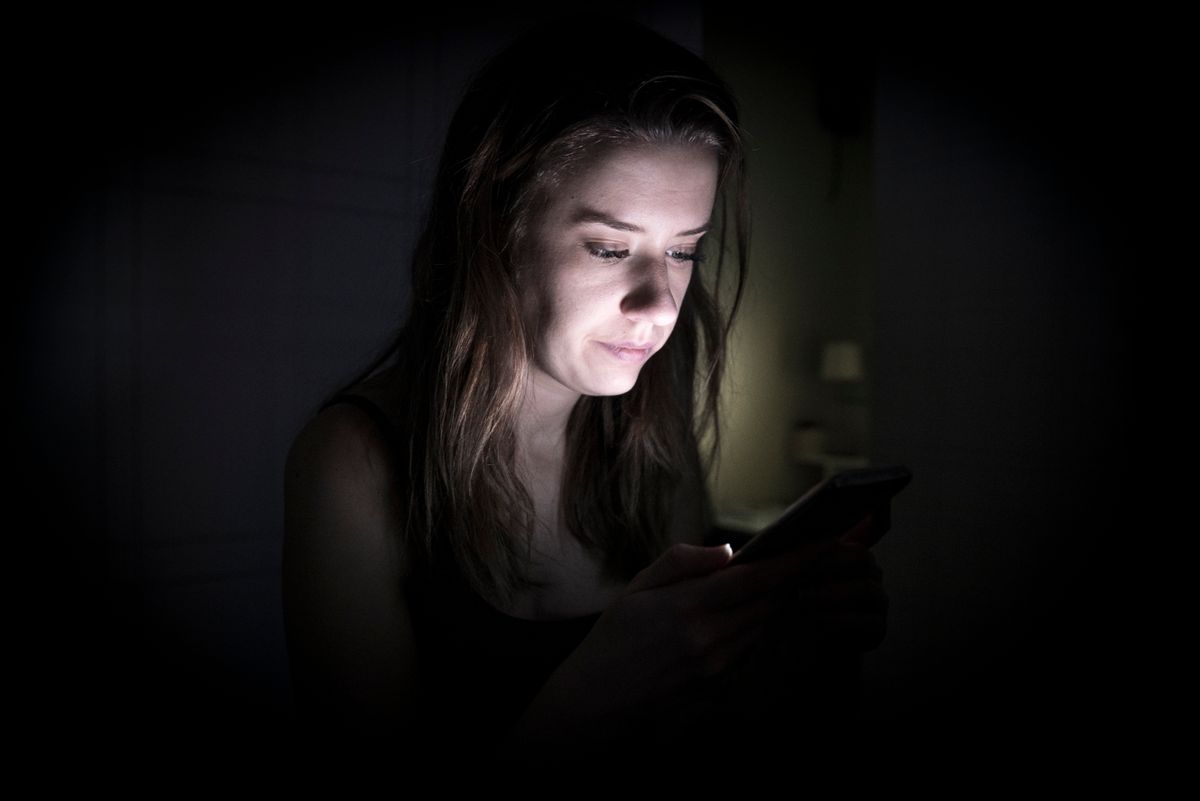
The introduction of screens intensifies these challenges through several mechanisms, including hormonal suppression. This means that blue light emitted by tablets, laptops, and smartphones inhibits the production of melatonin, the hormone responsible for signaling sleep to the brain.
 © Getty Images
And second, mental alertness. Beyond the physiological effects of light, the engaging nature of gaming, videos, and social interactions keeps the mind active and alert during periods meant for winding down.
Unhealthy Teenage Culture
Late-night scrolling has become part of teenage culture. A quick TikTok check turns into an hour in bed, notifications keep lighting up the room, and suddenly it’s midnight on a school night. While many parents focus on discipline or screen limits, sleep researchers say the bigger issue is what happens inside the brain when teens consistently lose sleep.
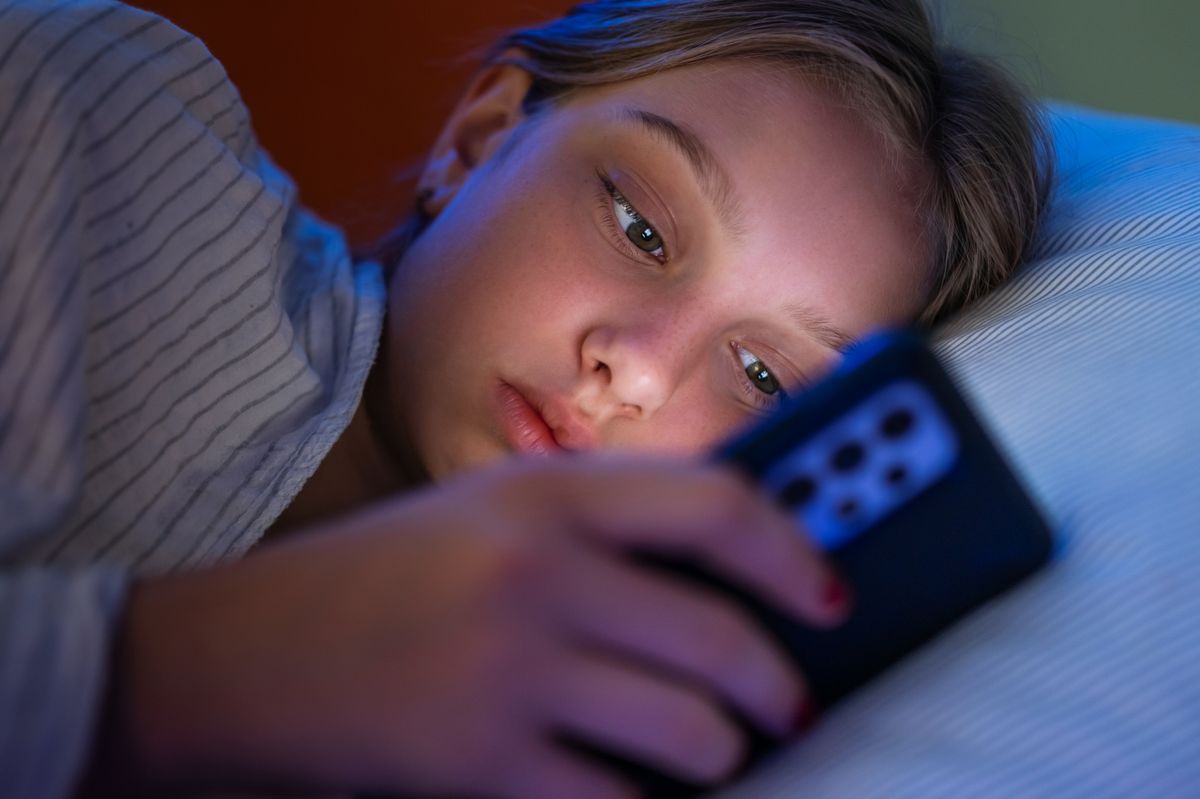
A 2026 technical report published in Pediatrics found that just one hour of screen light before bed delayed sleep onset in young children by nearly an hour. Researchers also noted that teens who simply kept phones in their bedrooms, even without actively using them, experienced poorer sleep quality.
 © Getty Images
A separate 2025 study published in JAMA Network Open linked electronic screen use before sleep with shorter sleep duration and later sleep timing in adults, reinforcing concerns across age groups.
Erin Morris Miller, a former psychology professor with a PhD in educational psychology from the University of Virginia and more than 20 years of higher education experience, said teens often understand sleep better when it’s explained in simple terms. “Sleep is essential for learning,” Miller told HOLA! “Think about this way: everything you learn during the day are temporary like a pile of post-it notes. While you sleep your brain takes the post-it notes, organizes them, and rewrites the information in a more permanent way and then stores them so that you can remember the information later.”
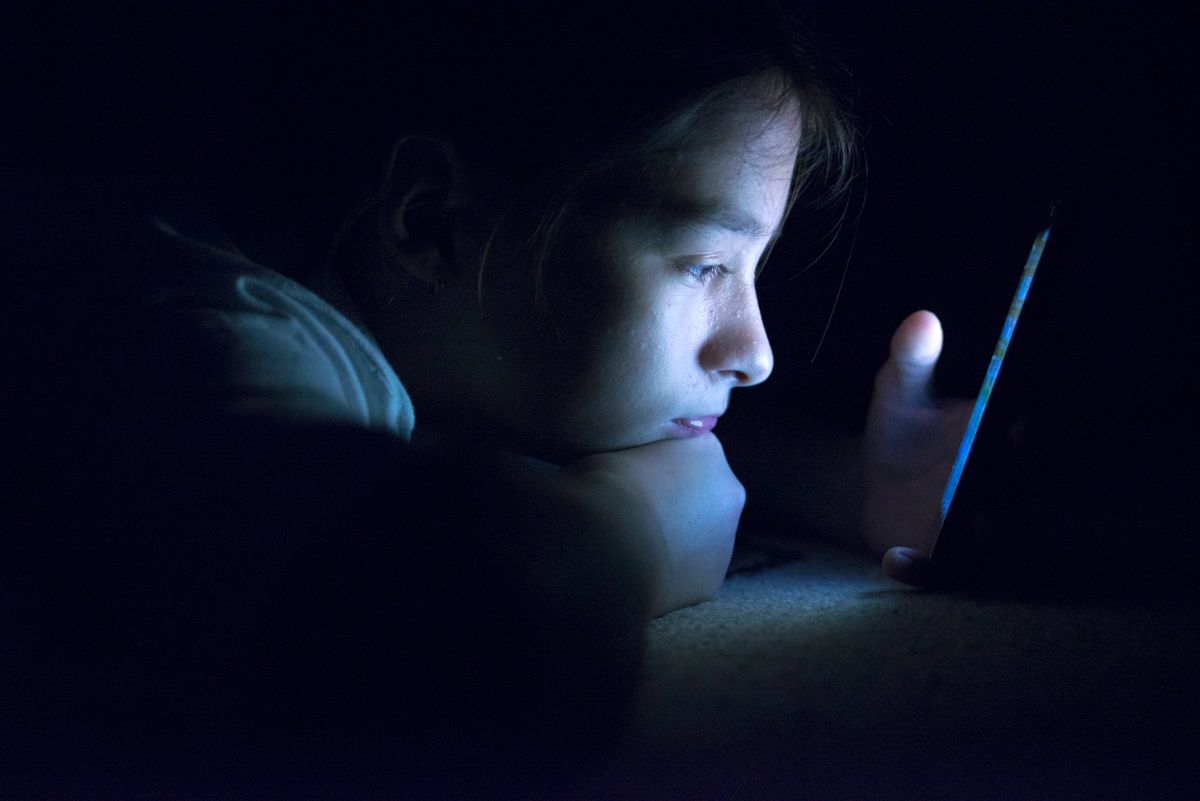
That means even small nightly sleep losses can add up. A teen who stays on their phone for an extra 30 to 60 minutes each night may start experiencing slower recall, brain fog, weaker concentration, and more forgetfulness over time.
 © Getty Images
Research connecting screen time directly to long-term learning outcomes is still mixed, but scientists strongly support the sleep disruption pathway. “Screens before bed shorten and fragment the exact sleep your brain needs to lock in learning and stay sharp,” sleep experts note.
Sleep Disruption, Focus, and Decision-Making
Sleep loss not only affects memory. Studies suggest excessive screen time is also associated with poorer attention span, slower processing speed, weaker concentration, and impaired executive function in children and teens.
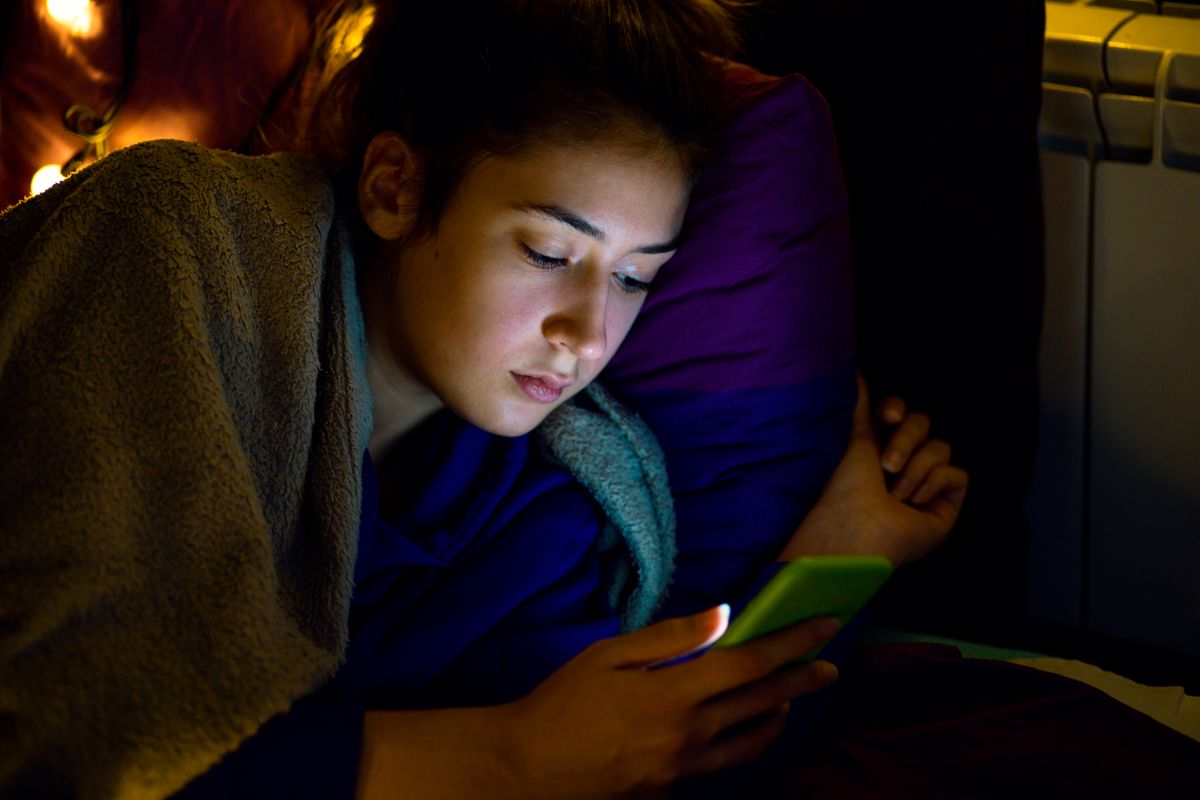
Smita Patel, DO, MS, an integrative neurologist and sleep medicine specialist at Endeavor Health, said constant digital stimulation can wear down sustained attention. “Take intentional focus blocks during the day,” Patel said. “Instead of grazing on screens all day, batch your screen use into defined windows.”
 © Getty Images
Patel recommends stepping away from devices for short breaks throughout the day to help the brain reset. The expert also advises eliminating screens during the final hour before bed.
“Stop all screens before the last hour of your day and use that time for something low-stimulation, like reading, stretching, or getting ready for bed,” she told HOLA! “This lets your nervous system wind down and supports melatonin production, which blue light suppresses.”
Interestingly, Patel says not all screen time carries the same risk. Passive scrolling and recreational content appear more strongly linked to sleep disruption and cognitive issues than interactive or educational activities.
Teens Need More Sleep Than They Think
Many teens normalize exhaustion, but chronic sleep deprivation has been linked to depression, impaired memory, slower information processing, and emotional regulation difficulties. Lauri Leadley, founder and president of Valley Sleep Center, encourages parents to focus less on punishment and more on healthy sleep routines. “Move the phone into another room an hour before bedtime,” Leadley told HOLA! “Out of sight, out of mind does work, especially when device usage is replaced with reading a book, journaling, meditating, and practicing gratitude.”
She also recommends keeping naps under 30 minutes, maintaining consistent sleep schedules, and removing televisions and gaming devices from bedrooms. Miller says understanding the biology behind sleep can also help teens make smarter choices. “When there is darkness, our brain releases chemicals to make us sleepy,” Miller explained. “The problem is that artificial light keeps these chemicals from being released.”
“Move the phone into another room an hour before bedtime."
Experts emphasize that teen sleep deprivation is not simply caused by laziness or poor habits. Biology plays a major role. Still, late-night screen habits can intensify an already difficult sleep situation.
 © Getty Images
Researchers are increasingly studying solutions like morning bright-light therapy, which has shown promise in helping teens shift their body clocks earlier, improve mood, and gain more sleep during the school week.
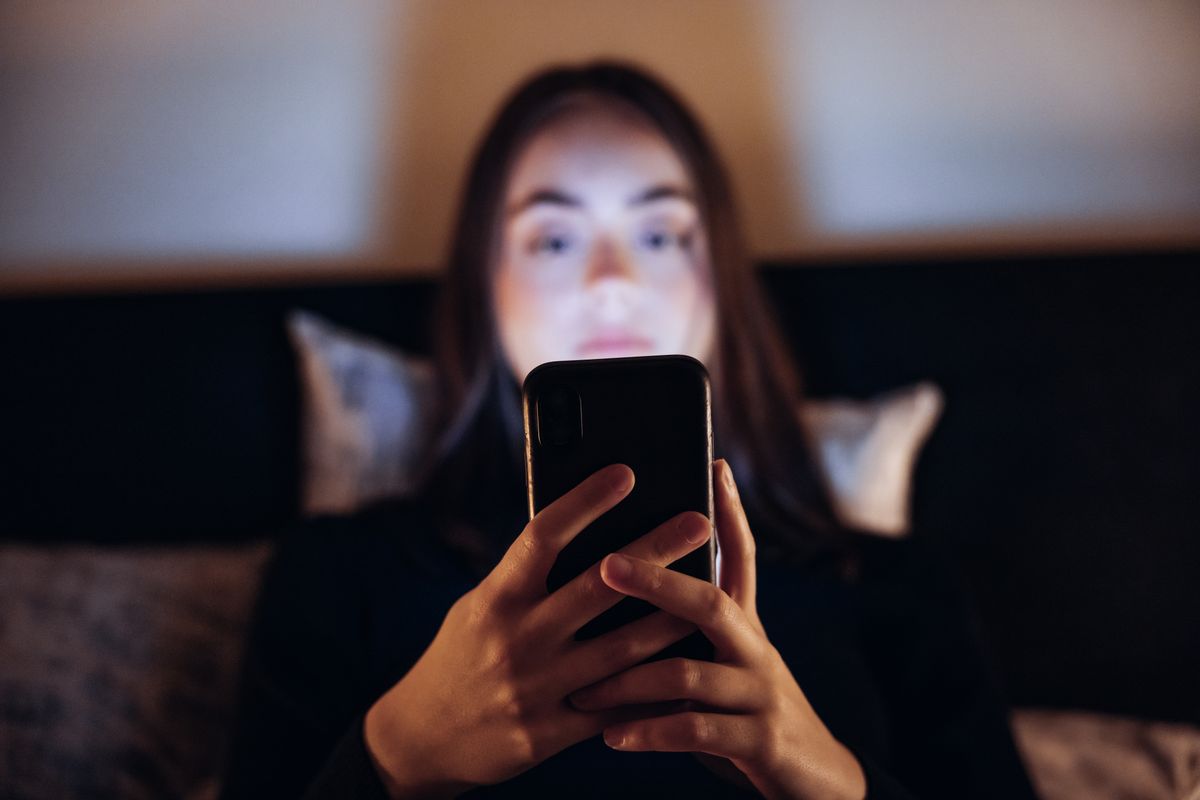
For now, sleep specialists say the most practical step is putting the phone away before bed.