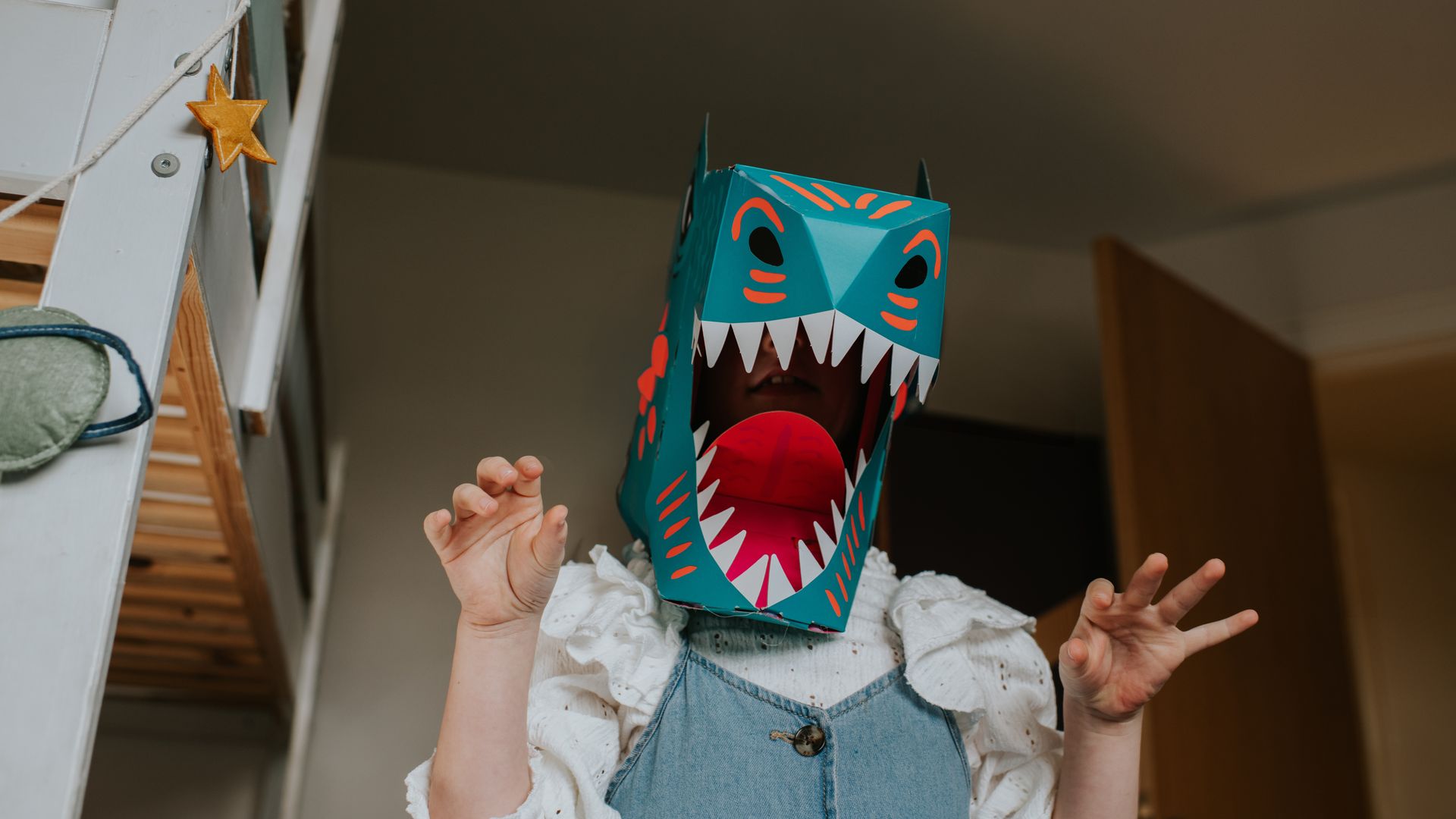
It’s become a growing trend among teenagers, and a source of concern for many parents. Popularly known as therians, some adolescents have begun sharing online content in which they reveal they identify deeply with animals, sometimes wearing animal masks, walking on all fours, and mimicking animal behavior.
 © Getty Images
Where does this come from — and why would a teen identify as an animal?
“We’re not talking about a disorder per se,” says Amaya Prado, an educational and clinical child psychologist and member of the Madrid College of Psychology. According to Prado, this phenomenon is better understood as part of adolescent identity development.
“I believe it’s a way of searching for a shared or symbolic identity, connecting with the emotional or spiritual traits they associate with a particular animal,” she says.
A search for identity and belonging
Developmental psychology views adolescence as a critical stage for identity formation. During these years, teens often seek to differentiate themselves from parents and authority figures.
“In that sense, identifying as a therian can serve several psychological functions,” Prado continues. Adolescents frequently experiment with different identities as they try to understand who they are.
Belonging also plays a major role. Prado compares therians to youth subcultures like otakus, young fans of Japanese culture who dress as manga or anime characters. These communities offer validation and understanding.
“They’re looking for spaces where they feel seen, where they’re not the only ‘different’ ones,” she says. “Feeling validated at this age is extremely important.”
 © Getty Images
Why identify with an animal?
Just as previous generations formed punk groups or subcultures defined by clothing and shared aesthetics, today’s teens may use animal identities to express traits they connect with and value, like freedom, protection, strength, or sensitivity.
For some, therian labels and behavior can come across as attention-seeking or even alarming. Prado acknowledges that in some cases it can be, particularly if a child feels invalidated at home or at school. She makes it clear that most cases reflect identity exploration, often influenced by social media and online communities.
“It’s not a psychological or pathological disorder,” she says. “The key is understanding what psychological need this identification is fulfilling.”
What should parents do?
 © Getty Images
If a parent discovers that their teen identifies as a therian, Prado’s first advice is to stay calm.
“In most cases, adolescents are exploring and differentiating themselves from adults,” she says. Overreacting through ridicule, punishment, or strict prohibitions can reinforce the behavior and increase conflict.
Instead, she recommends listening without judgment and asking open-ended questions: What does this identity mean to you? What need does it fulfill? Why this animal?
These conversations can provide insight into a teen’s emotional world. That said, validation does not mean eliminating boundaries. Parents can allow certain forms of expression while maintaining limits that ensure respectful family and community coexistence.
 © Getty Images
For example, wearing a mask in appropriate contexts may be acceptable, but disruptive behavior like acting as an animal in public spaces still requires clear limits.
Parents should also pay attention to broader aspects of their child’s well-being: how is their academic performance? Has their mood been affected? Are they experiencing social withdrawal or significant behavioral shifts?
When is professional help needed?
Therapy and professional support should be considered if the identity begins to negatively affect school, relationships, or emotional health.
If psychological support is needed, the focus is not on labeling or diagnosing. Instead, Prado says therapy would center on strengthening the teen's self-esteem, emotional regulation, and helping them build a more integrated sense of identity and self.
“The goal isn’t to pathologize,” she says, “but to explore what unchecked need lies underneath. Adolescence is, by nature, a time of experimentation, belonging, and differentiation from adults.”
 © Getty Images/Maskot