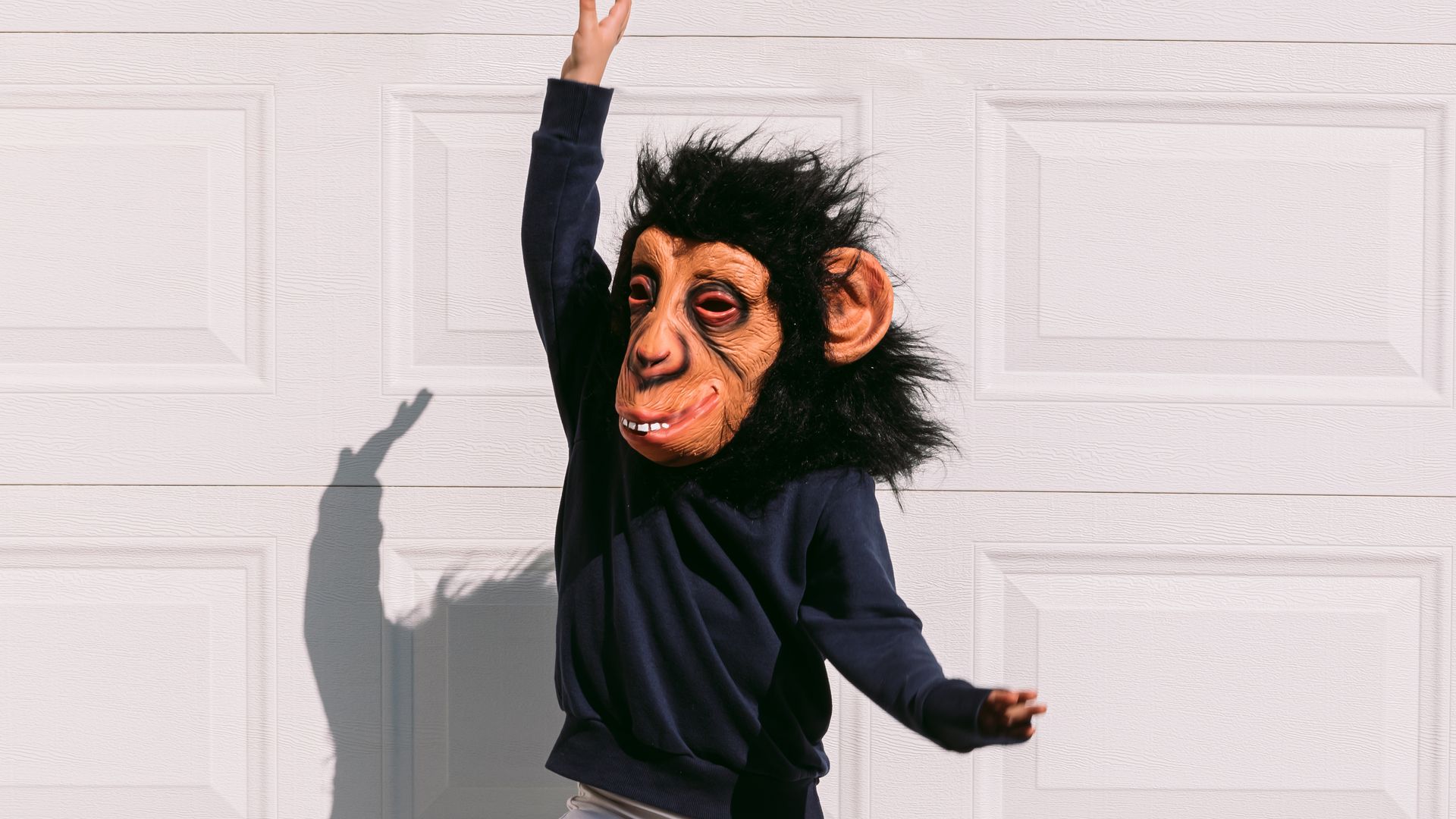
You might have noticed the word Therian popping up on your social media. The trend quickly went viral in countries in Latin America, with young people sharing videos and memes of their identification with animals, with these videos quickly spreading throughout the internet and reaching the phones of anyone who consumes Spanish-speaking content.
In dozens of videos shared on platforms, young adults are seen wearing tails and masks of animals as they recreate their actions in parks and streets. Therians appear to be an identity.
According to people who adopt it, they share a deep connection with a specific animal that forms throughout their lives. Some of the most popular examples are wolves, dogs, felines, and even llamas, with videos online showing young men and women imitating or mimicking the behaviors of their chosen animals.
 © Getty Images
People who identify as therians know that they are not biologically these animals, making it clear that they simply identify with them psychologically and spiritually. While it may be new to see videos on TikTok, Instagram, and YouTube of teens sharing their allegiance to a specific animal, the therian identity is not new.
The term comes from therianthropy, which can be interpreted as the union of the words therion, standing for beast or savage animal, and anthropos, which stands for human. The overall word represents the ability to spiritually embody an animal and its traits.
 © Getty Images
A distinction between therians and furries
While therians are easily confused with furries, another popular online trend, there are some marked differences between the two. The furry fandom is a subculture that elevates anthropomorphic animals, so animal characters with human characteristics, like the characters from "Zootopia," who walk on two feet and act like humans.
Therians are all about the psychological and internal aspects of their chosen animal.
And while people seem to be very concerned with this new development and the adoption of a new identity, a quick scroll through social media suggests that while it may be serious for some, for others, it's simply another trend that makes a young demographic laugh, leaving older generations puzzled as to something they don't understand.