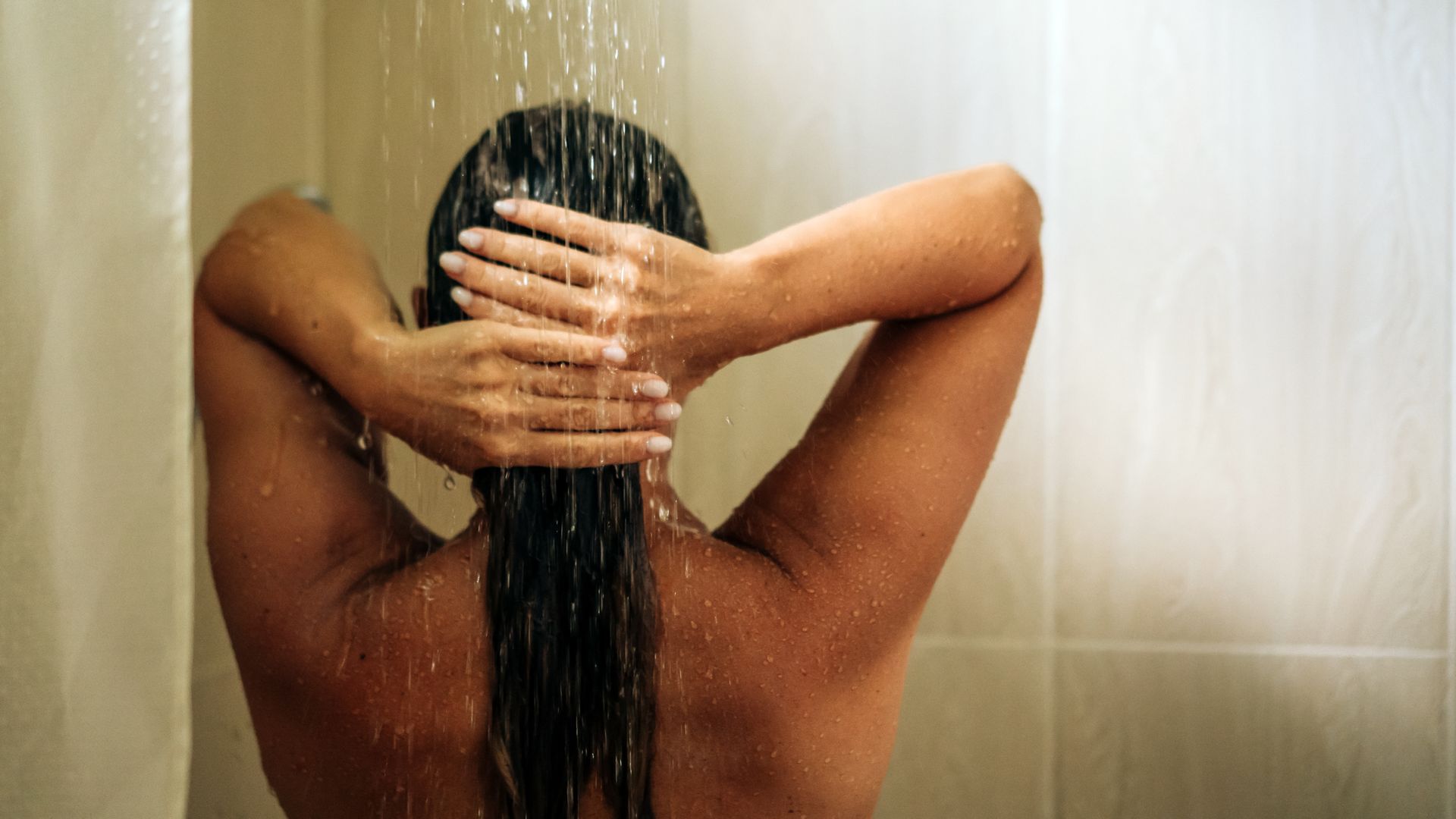
Dark showering is emerging as a popular nighttime wellness habit, especially among people looking to improve sleep quality and reduce overstimulation before bed. The concept is simple: lower the lights, step into the shower, and create a calm, low-sensory environment that signals your body it’s time to wind down.
But does it actually work? Sleep experts say there’s potential—if done safely.
 © Getty Images
What Is Dark Showering and Why Is It Trending?
Dark showering refers to “showering in a very low light environment to help reduce stimulation and sensory input” before bed, Dr. W. Christopher Winter, neurologist, sleep specialist, and host of the Sleep Unplugged podcast, tells TODAY.com.
Whether you’re headed to bed in the evening or you’re a shift worker getting rest at an unusual hour, “it’s about eliminating light prior to bed because many people shower (or) bathe in unnecessarily bright environments,” explains Winter.
 © Getty Images
The appeal is easy to understand. In a world filled with constant screen exposure and artificial lighting, reducing sensory input before sleep feels like a natural reset. While there isn’t extensive research specifically on dark showering, experts acknowledge why it resonates.
“It might be soothing for some and (can be) potentially part of a relaxing wind-down routine,” Rebecca Robbins, Ph.D., assistant professor at Harvard and associate scientist at the Division of Sleep and Circadian Disorders at Brigham and Women’s Hospital, tells the publication.
 © Getty Images
However, she emphasizes that complete darkness is not recommended for safety reasons.
How Dark Showering Supports Better Sleep
The effectiveness of dark showering is tied to how the body responds to light and temperature.
Showering in low light, says Robbins, can help prompt the release of melatonin and is also “a relaxing wind-down activity.” Melatonin is the hormone responsible for regulating your sleep-wake cycle, and its production is highly sensitive to light exposure.
Research also shows that warm showers naturally relax the body, making them a valuable part of a bedtime routine. Lower lighting enhances that effect by minimizing stimulation.
 © Getty Images
Light color matters too. Bright blue light—like the glow from phones and screens—can delay sleep. In contrast, warmer tones help the brain ease into rest mode. “We know that dim, warm light (red or orange hues) can facilitate the release of ... melatonin,” Robbins explains.
Some companies now market specialty light bulbs designed to support circadian rhythms, offering customizable hues that align with sleep cycles, according to Winter.
Dark Showering Benefits: What Experts Say
While research on this exact trend is limited, reducing light exposure before bed is well-supported in sleep science. “The research here is thin,” Winter notes, but potential benefits include improved sleep quality and faster sleep onset.
Robbins adds that bedtime rituals are essential for consistent, restorative sleep. “Relaxing bedtime rituals are a vital part of our ability to fall asleep into restful slumber,” she says. “Fill the moments before bedtime with activities that suit you personally. If you are interested, you could try dark showering to see if it soothes you and might be a good candidate for your bedtime wind-down ritual.”
 © Getty Images
Beyond the shower itself, being mindful of light exposure is key. Studies show most adults use screens within an hour of bedtime, which can disrupt sleep patterns. Dark showering may help counteract that by creating a transition away from bright environments.
Is Dark Showering Worth Trying?
Dark showering isn’t a miracle sleep solution, but it fits neatly into a broader strategy of reducing stimulation before bed. For people struggling to disconnect from screens or unwind at night, it offers a simple, low-effort experiment.
The key is personalization. If dim lighting and a warm shower help you relax, it may be worth adding to your nightly routine. Just keep visibility in mind and focus on creating a calm, consistent pre-sleep environment.