After NASA recently sent austronauts around the moon, the interest in space have grown. So if are an oldtime galaxy lover or brand new to the team, great news are on the horizon as a rare stretch of moonless nights this May is setting the stage for one of the year’s best stargazing experiences.
Around May 16, skywatchers across the Northern Hemisphere will have a prime opportunity to see the Milky Way in exceptional detail, thanks to unusually dark skies.
 © Getty Images
According to Space.com, the Milky Way’s bright galactic center will rise high enough in the southern sky during the overnight hours to create one in a lifetime opportunity to enjoy views for anyone away from city lights
May 16 Offer Perfect Milky Way Viewing
The galaxy is technically present in the sky year-round, but its dense and luminous center is only visible during certain months; therefore the key to spotting the Milky Way’s core is darkness. Astronomers refer to this period as “Core Season,” which typically runs from February through October.
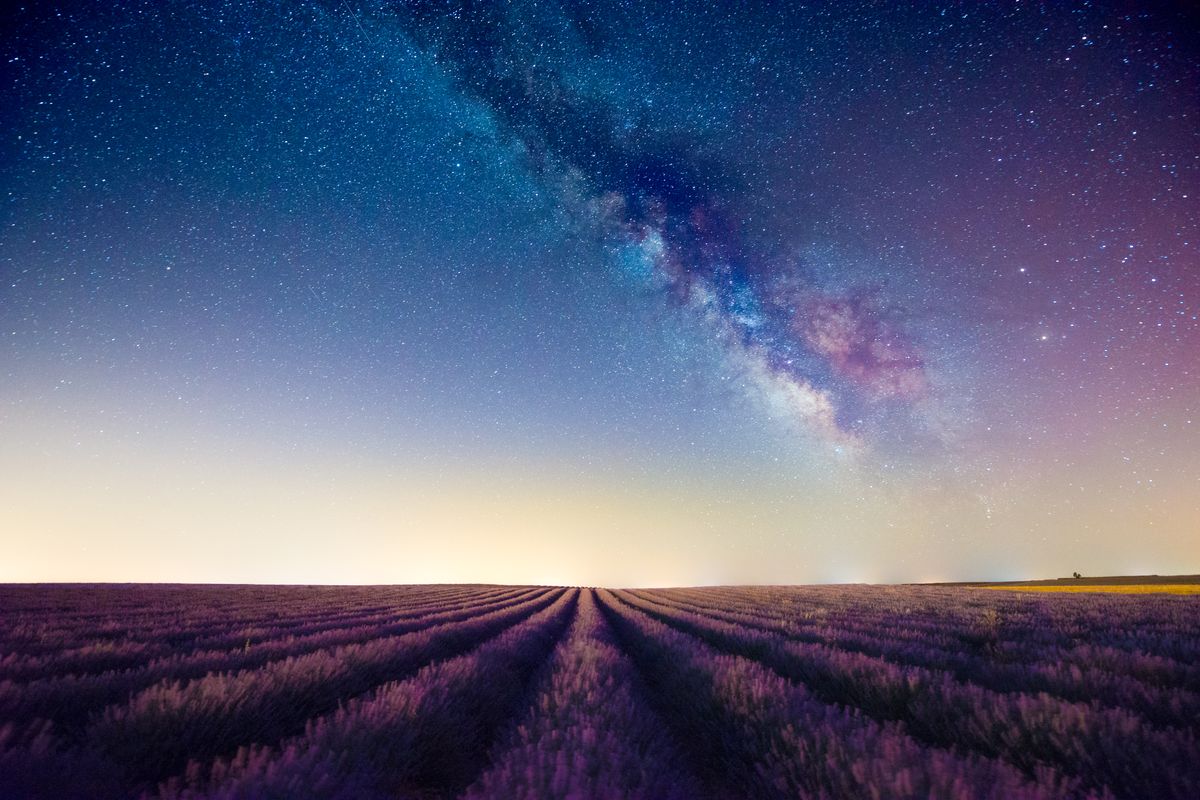
This year, the timing aligns perfectly as the new moon on May 16 means the moonlight will not interfere with visibility. That absence of natural light dramatically improves the visibility of faint stars, interstellar dust clouds, and glowing gas structures inside the Milky Way.
 © Getty Images
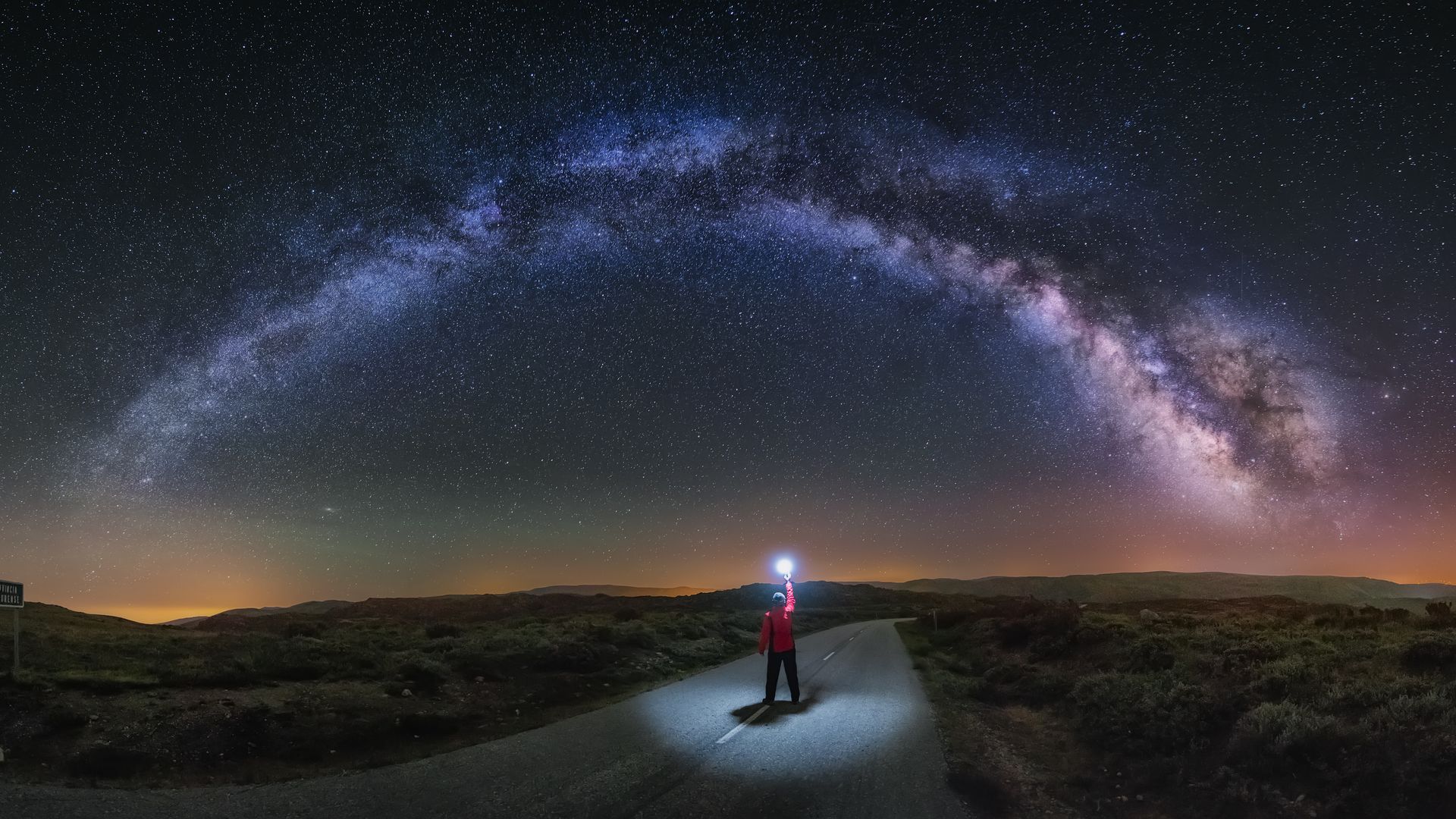
The best viewing window will stretch from midnight until dawn, when the Milky Way’s core climbs higher above the horizon. During this time, the galaxy will appear as a sweeping band of light stretching across the sky.
This is What You Will Actually Will be Seeing in the Sky
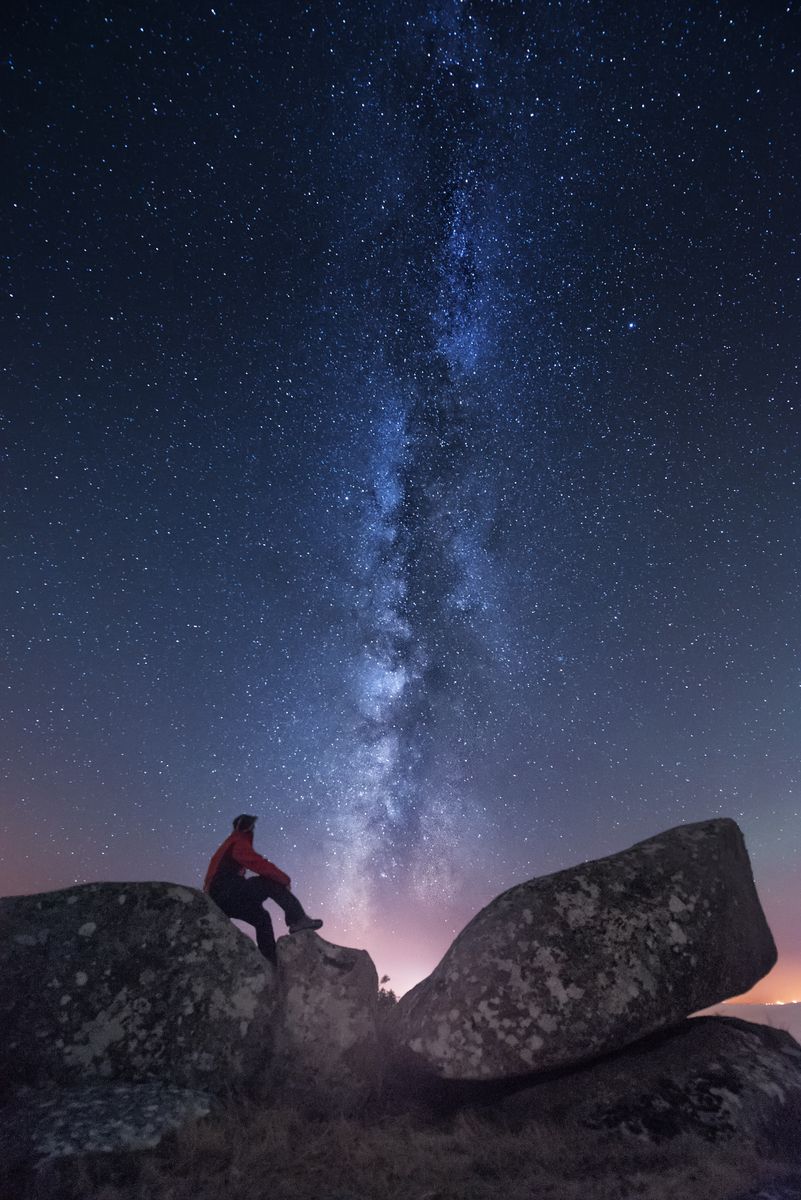
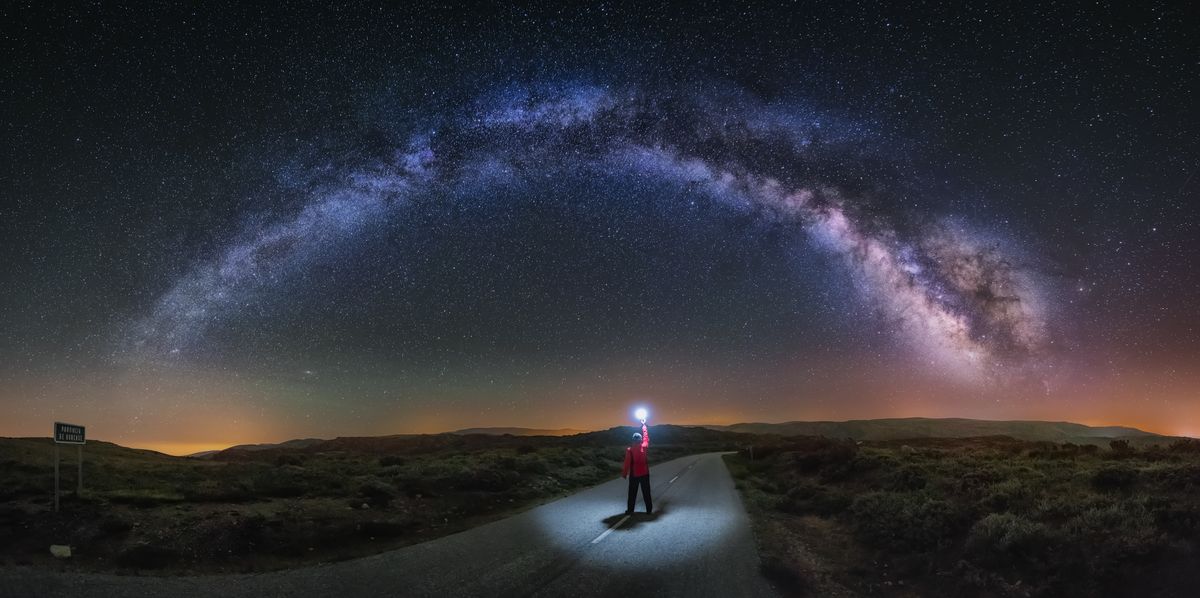
The Milky Way’s core is the crowded central region of our home galaxy, located roughly 26,000 light-years from Earth in the direction of the constellation Sagittarius. It contains billions of stars packed tightly together, along with enormous clouds of cosmic dust and gas.
On especially dark nights, the galactic center becomes visible to the naked eye as a glowing, cloud-like structure arching across the sky.
 © Getty Images
Where you watch matters just as much as when you watch. To get the clearest possible view, experts recommend heading to a dark sky location far from urban lighting, like national parks, rural areas, deserts, and mountain regions.
Apps like Dark Sky Finder and Light Pollution Map can help identify ideal viewing spots nearby.
How to Prepare for the Best Viewing Experience
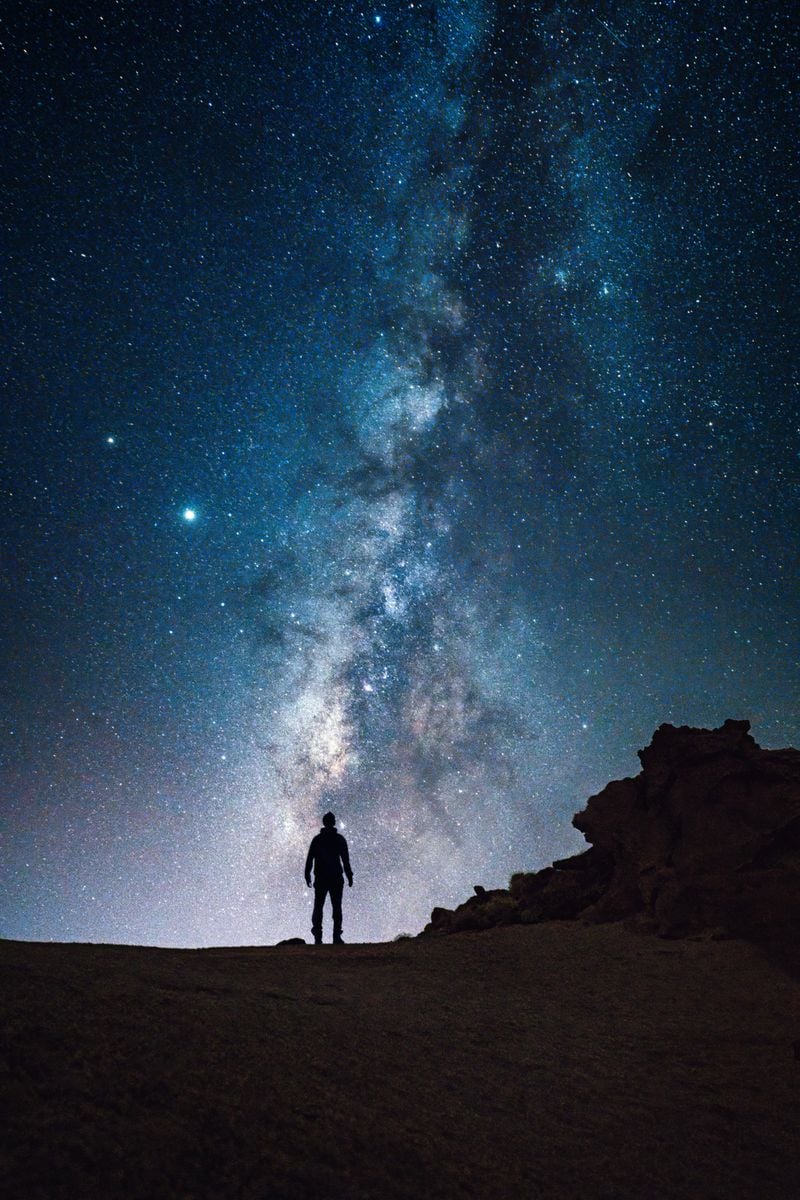
Skywatchers hoping to maximize the moment should give their eyes at least 20 to 30 minutes to fully adjust to darkness. Avoiding phone screens and bright flashlights can make a major difference.
 © Daniel Garrido
Binoculars are optional, but they can reveal additional star clusters and texture within the galaxy. A reclining chair or blanket also helps during long viewing sessions.