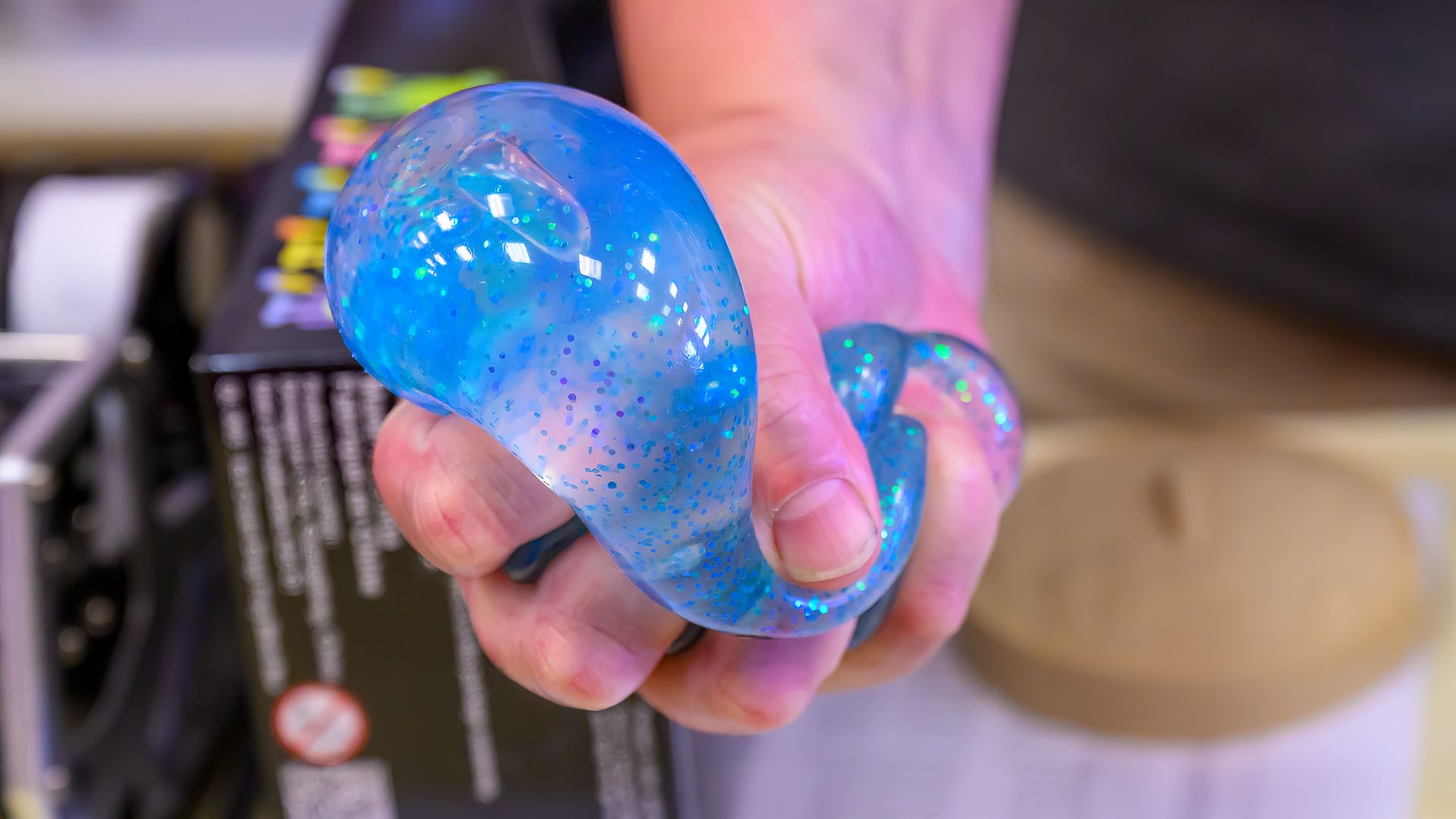
Last year, it was impossible to escape Labubu. The toothy little monster dangled from designer handbags, sold out in seconds and turned routine toy shopping into a competitive sport. Now there’s a new object of obsession, and this one is meant to be squeezed.
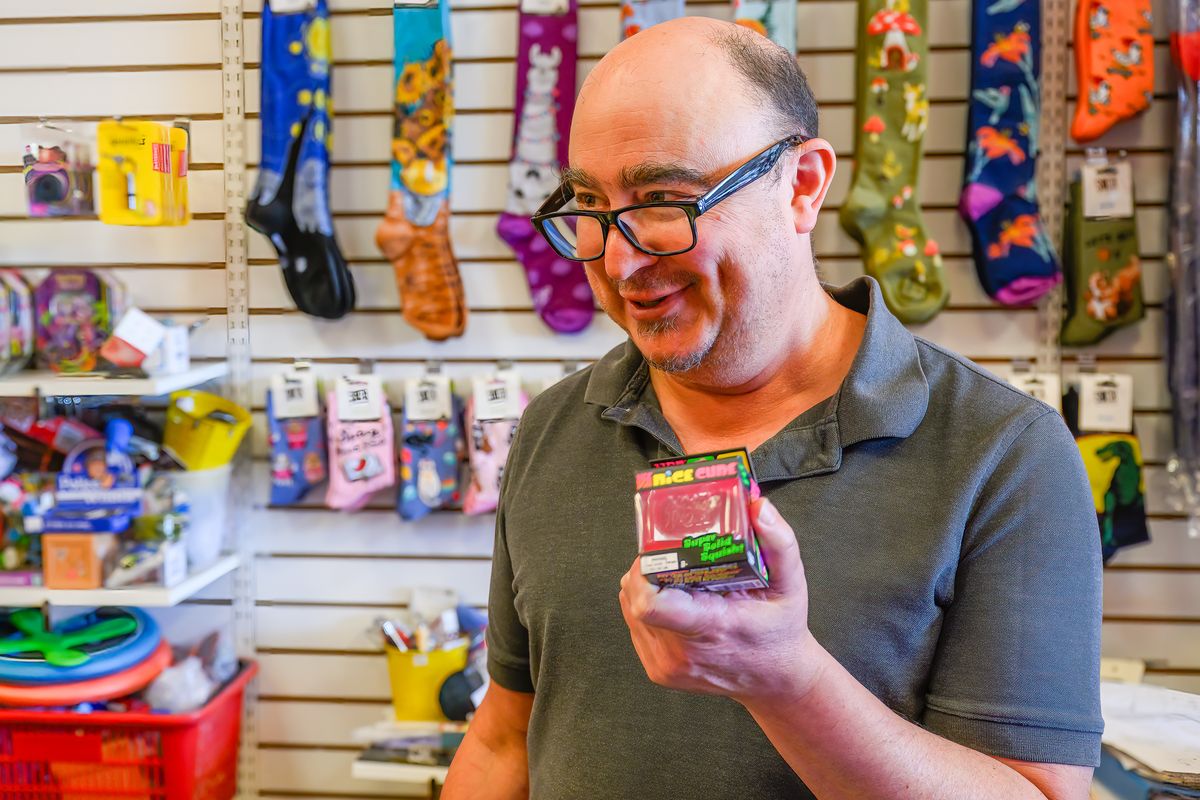
NeeDoh squishies have become one of 2026’s most unexpectedly hard-to-find toys. The colorful sensory toys from Schylling are appearing in TikTok videos, collector hauls, restock alerts and increasingly frantic searches from parents and adults who simply want to know where to buy a NeeDoh Nice Cube.
 © Albany Times Union via Getty Ima
The similarities to the Labubu craze are hard to miss. There’s scarcity, they are all over social media, adults and kids are collecting them, counterfeits are available and there’s the satisfaction of finding something everyone else suddenly wants.
But NeeDoh's viral moment has taken a more serious turn. A proposed class action lawsuit filed in July 2026 alleges that some NeeDoh toys can rupture after exposure to heat and cause serious burns. The allegations have arrived amid separate consumer injury reports and longstanding calls from Consumer Reports for federal regulators to investigate gel-filled sensory toys.
So, is NeeDoh really the new Labubu? In terms of obsession, it might be. But parents should know there's more to this trend than sold-out squishies.
 © Schylling
 © MediaNews Group/Orange County Re
Why Are NeeDoh Squishies Suddenly So Popular?
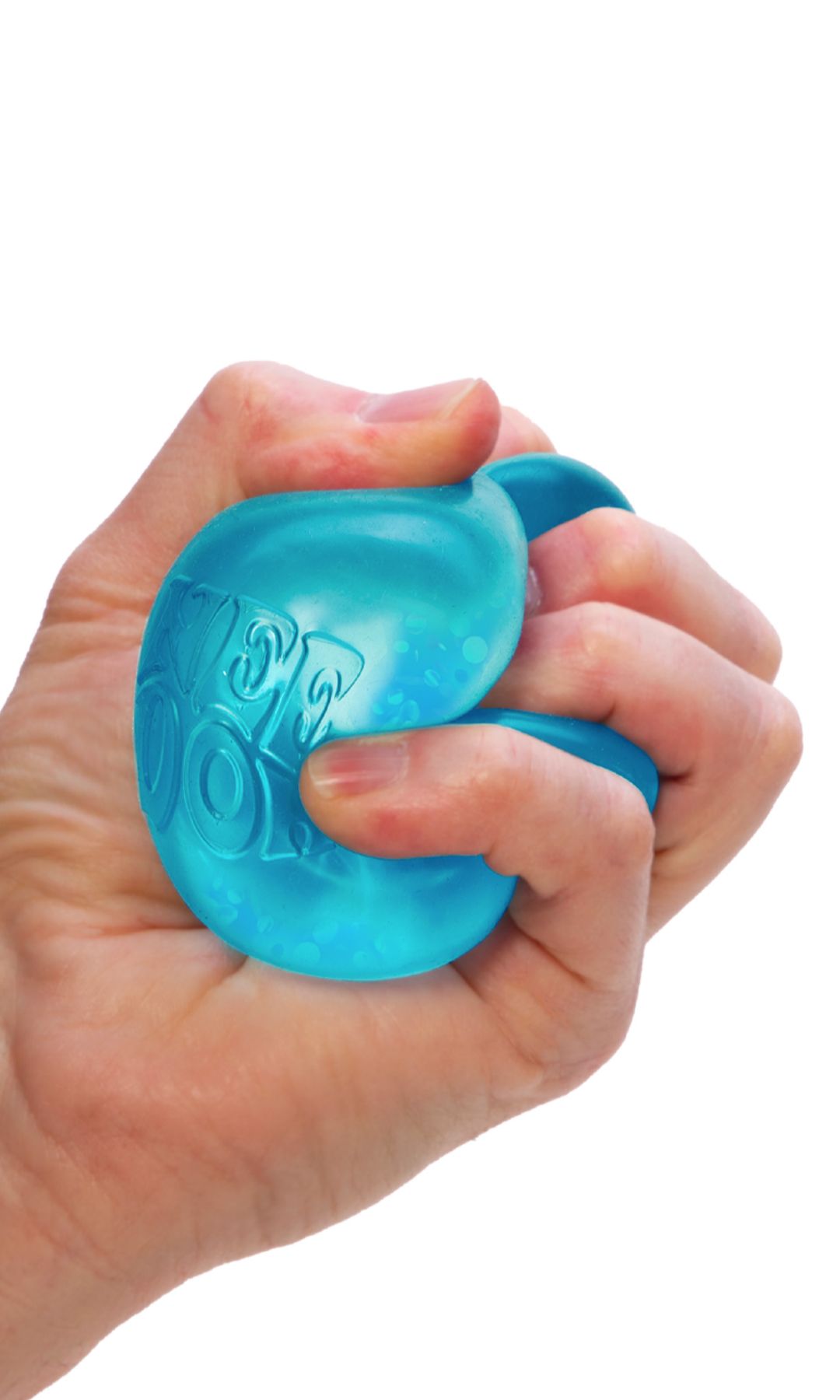
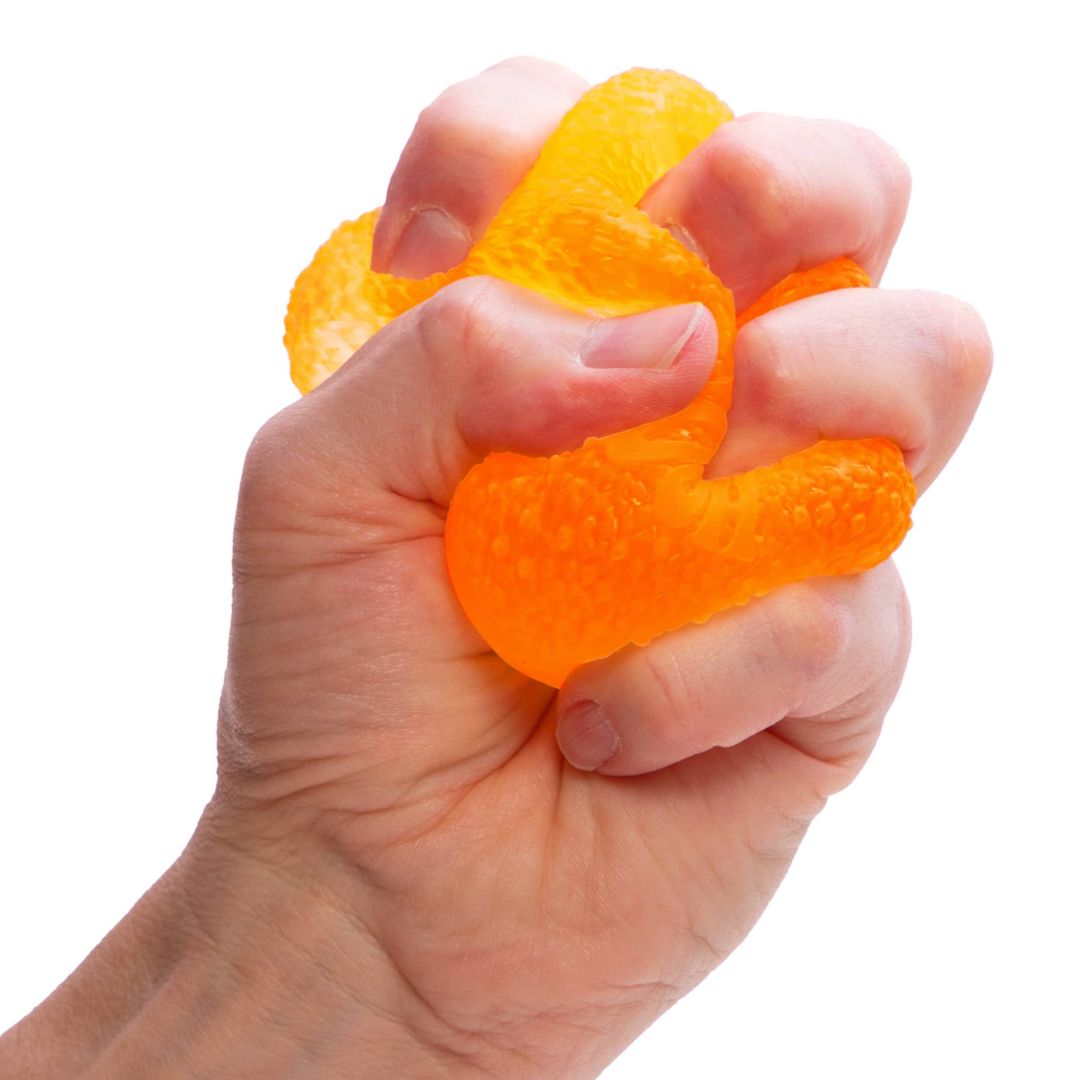
NeeDoh isn't actually new. Schylling says the modern NeeDoh line dates to 2017. The toys are designed to be squeezed, stretched and smushed before returning to their original shape. The company describes authentic NeeDoh products as non-toxic, latex-free and tested to U.S. toy safety standards.
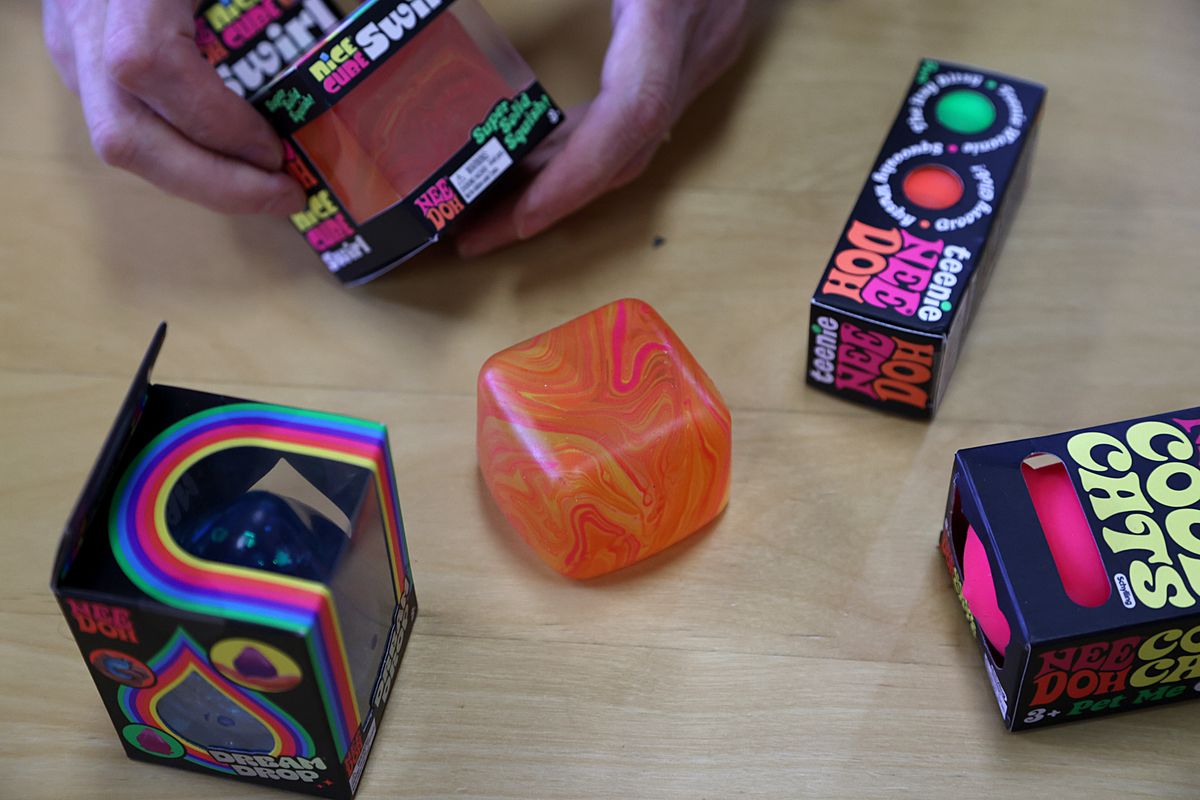
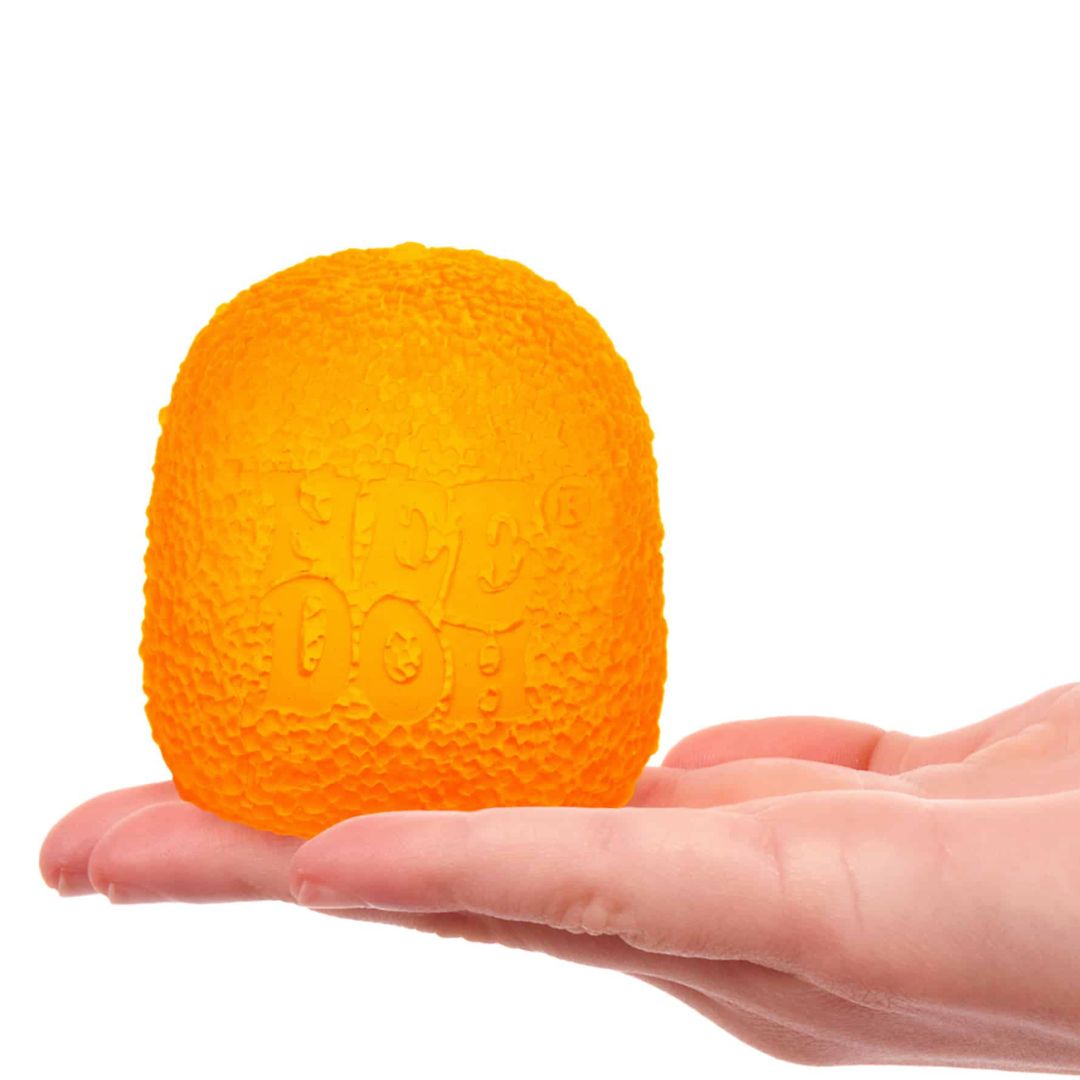
The Nice Cube has become one of the most recognizable versions. Unlike an ordinary foam stress ball, it has an unusually dense, slow-moving feel. Schylling describes it as soft when squeezed slowly and firm when squeezed quickly.
 © Boston Globe via Getty Images
Then when social media got involved, the momentum reportedly began building around the 2025 holiday season, when a NeeDoh Advent calendar featuring 24 miniature squishies became difficult to find. By early 2026, videos about the Nice Cube were spreading across TikTok and other social platforms. The Boston Globe reported that by February, Schylling had sold through roughly six months of inventory in six weeks.
Business Insider reported an even more striking snapshot of the demand as inventory intended to last the year was reportedly gone within the first nine weeks of 2026. NeeDoh's own website has displayed a message saying the products were sold out online because of "overwhelming demand."
Is NeeDoh the New Labubu?
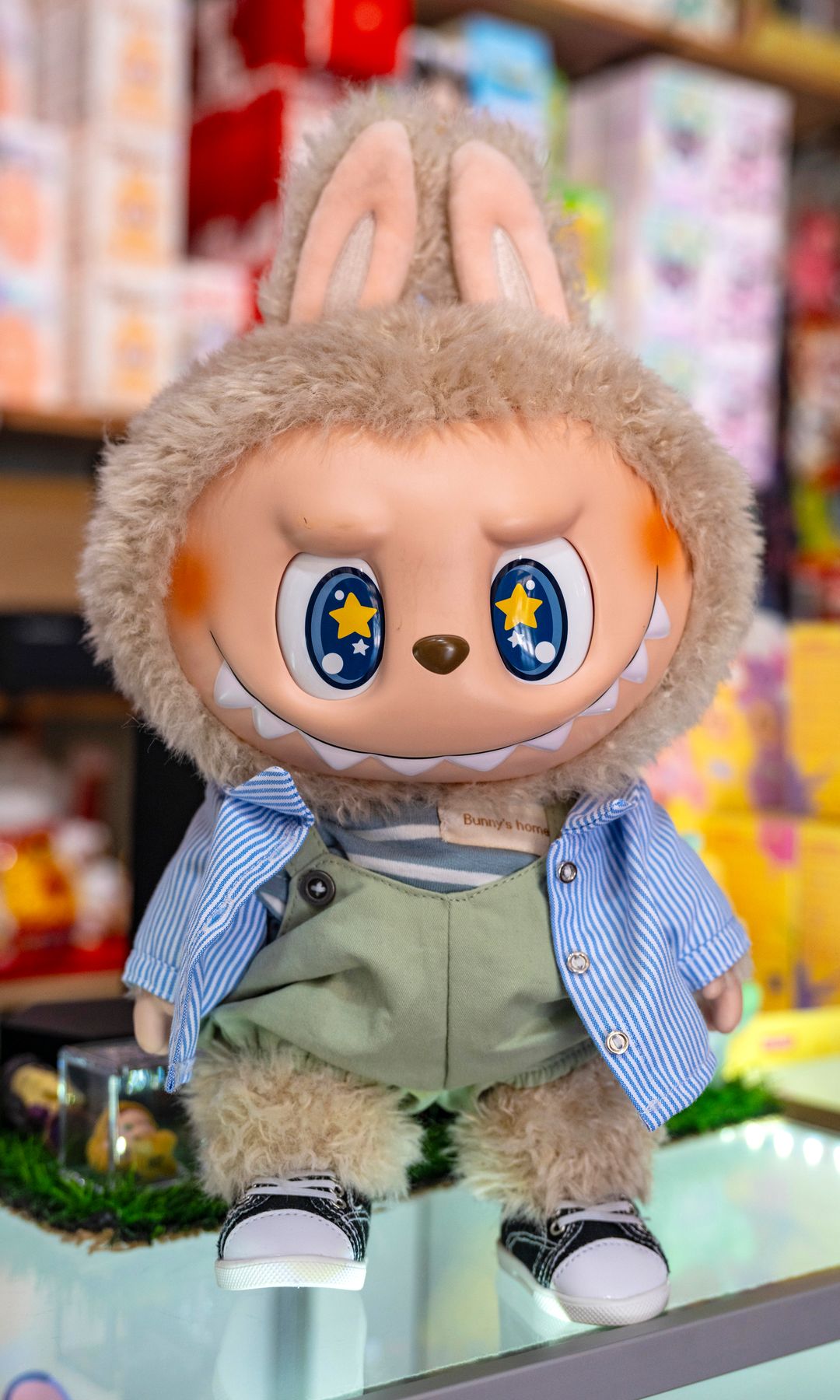
There are some obvious differences. Labubu became part collectible, part fashion accessory and part status symbol. The Pop Mart characters benefited from celebrity sightings, blind-box packaging and rare versions that turned every purchase into a reveal. At the height of the 2025 craze, certain Labubu editions were being offered for thousands of dollars on resale sites.
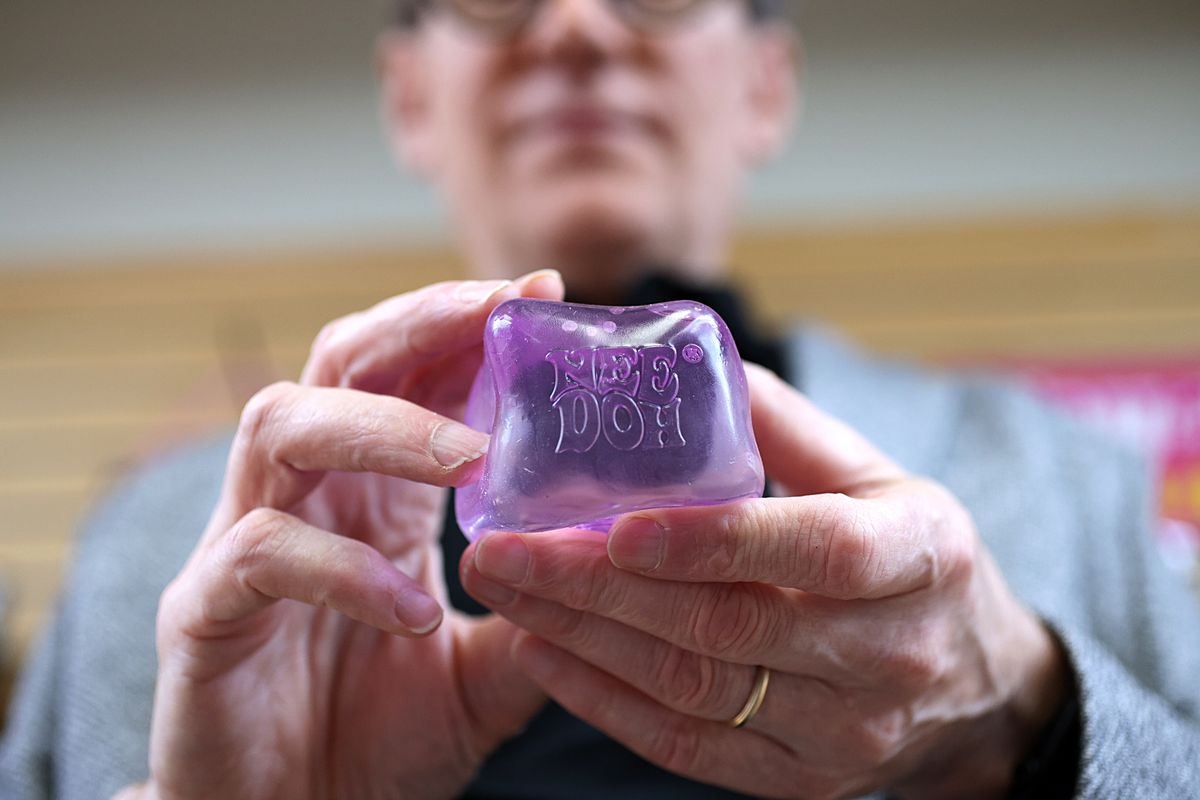
NeeDoh's appeal is more tactile. You don't just display a Nice Cube. You squish it. That makes the toy particularly suited to short-form video. Watching someone slowly crush, stretch and manipulate a squishy creates the kind of sensory content that can be understood without sound, explanation or even much context.
 © Boston Globe via Getty Images
There's also an adult audience. NeeDoh isn't being marketed solely as a children's toy. Schylling promotes different products as fidget toys that may help with focus, attention and centering, while social media users have embraced them as desk toys and stress-relief accessories.
Marketing professor Jenny Guo told NBC Select that NeeDoh's popularity represents a kind of "slow-burn" virality, where numerous smaller creators built interest over time rather than one blockbuster post creating the entire phenomenon. Scarcity then amplified demand.
The NeeDoh Class Action Lawsuit Parents Should Know About
The viral success now comes with a significant safety controversy. A proposed class action lawsuit, Mendoza v. Schylling, Inc., was filed July 21, 2026, in the U.S. District Court for the Northern District of California. Court listings categorize the case as a product-liability action.
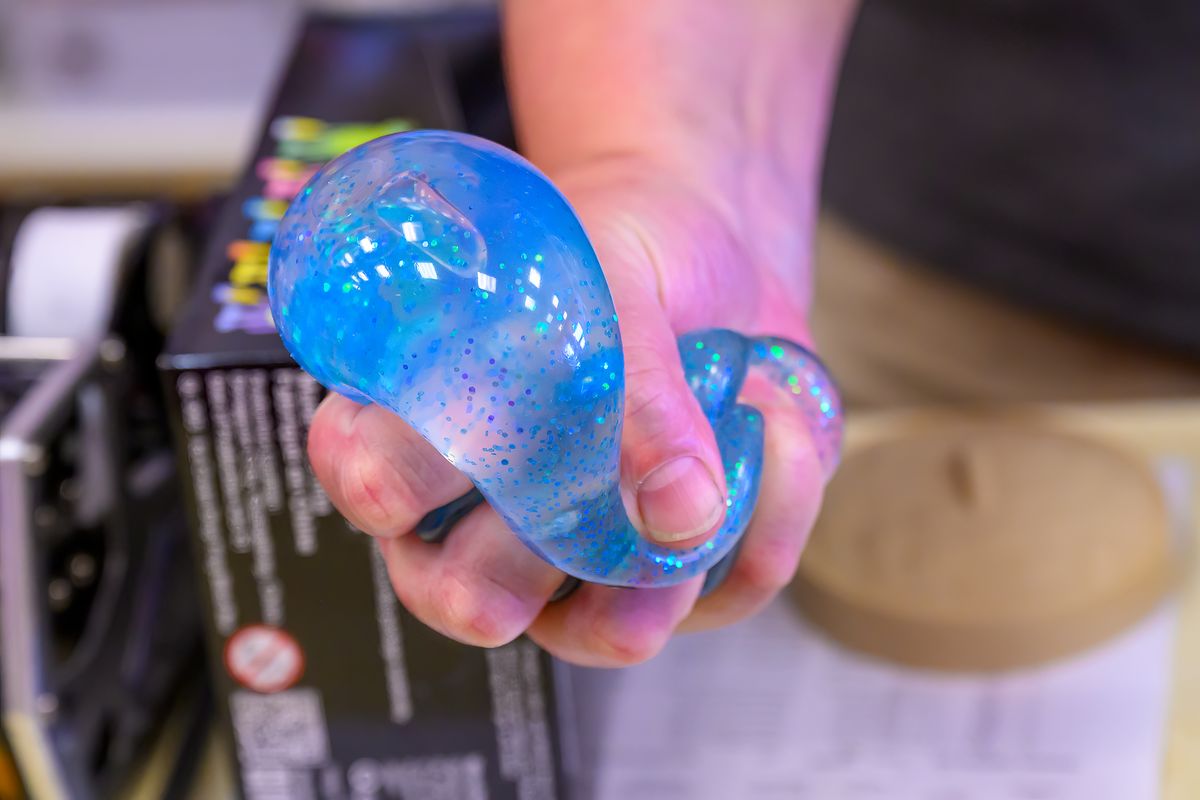
According to the complaint as summarized by ClassAction.org, the lawsuit alleges that NeeDoh toys can rupture after being exposed to heat and eject hot filling, potentially causing serious burns. The suit further alleges that warnings provided by Schylling were inadequate.
 © Albany Times Union via Getty Ima
One incident described in the lawsuit involves an 11-year-old boy who allegedly microwaved a toy after seeing a TikTok video. According to the complaint, the filling burst onto him when the toy was squeezed, resulting in third-degree burns and months of medical treatment.
NeeDoh's current product pages explicitly warn consumers not to heat, freeze or microwave the toys, stating that doing so may cause personal injury. Schylling has also publicly condemned the dangerous social media trend involving heating or microwaving squishy toys.
But the lawsuit isn't focused exclusively on deliberate microwaving. The complaint alleges that heat from other sources, potentially including sunlight or a hot car, can also affect the filling and increase the risk of rupture.
What's Actually Inside a NeeDoh?
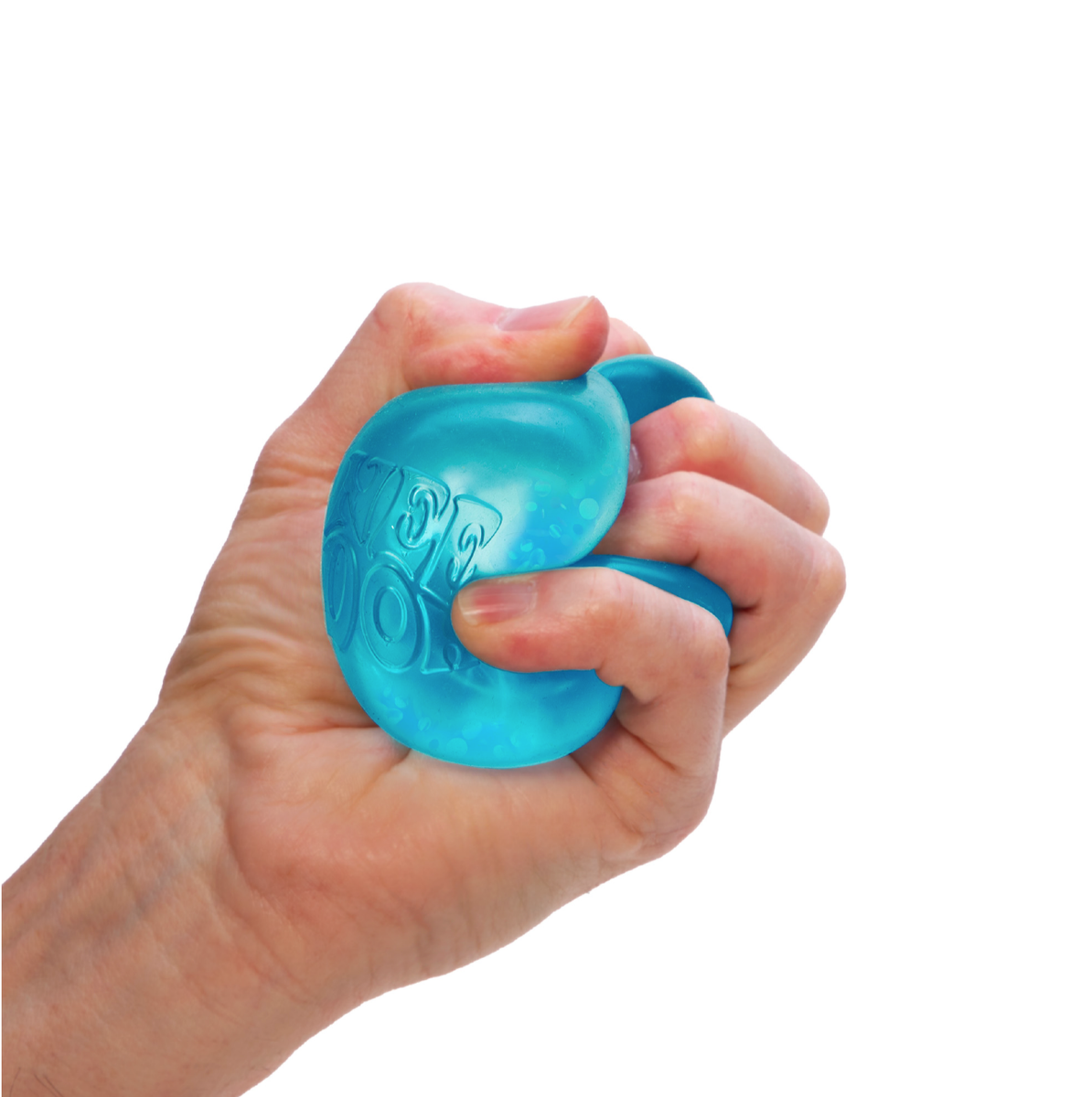
Schylling says most products in the NeeDoh family use a thermoplastic rubber, or TPR, exterior and a polyvinyl alcohol, or PVA, filling. Color-changing versions can also contain a water-soluble dye. The company states that its products undergo safety testing and that the contents are non-toxic.
 © Schylling
The current controversy, therefore, isn't as simple as saying "NeeDoh contains toxic gel." The allegations involve what can happen when a toy ruptures, particularly after exposure to heat, along with reports of skin reactions following contact with the filling.
Counterfeit NeeDoh Toys Are Another Growing Problem
There's another Labubu-style side effect of viral demand. Schylling now prominently warns shoppers about counterfeit NeeDoh websites and products and directs consumers to authorized retailers.
The problem has become substantial enough to attract law enforcement attention. South Carolina authorities announced in August 2026 that counterfeit NeeDoh toys were among more than $214,000 worth of counterfeit goods seized during an enforcement action at a Greenville mall. Officials warned that counterfeit toys may not undergo the same safety testing or carry appropriate safety labels and warnings.
 © Schylling
 © Schylling
The CPSC has also recently warned consumers about counterfeit squishy toys more broadly, noting potential hazards ranging from choking and burns to unsafe fillers and chemicals.
And if a NeeDoh or a fake one breaks or leaks, treating the filling like something children should continue playing with isn't a good idea. Remove the damaged toy and follow appropriate first-aid or medical guidance if exposure causes pain, burns or another reaction.