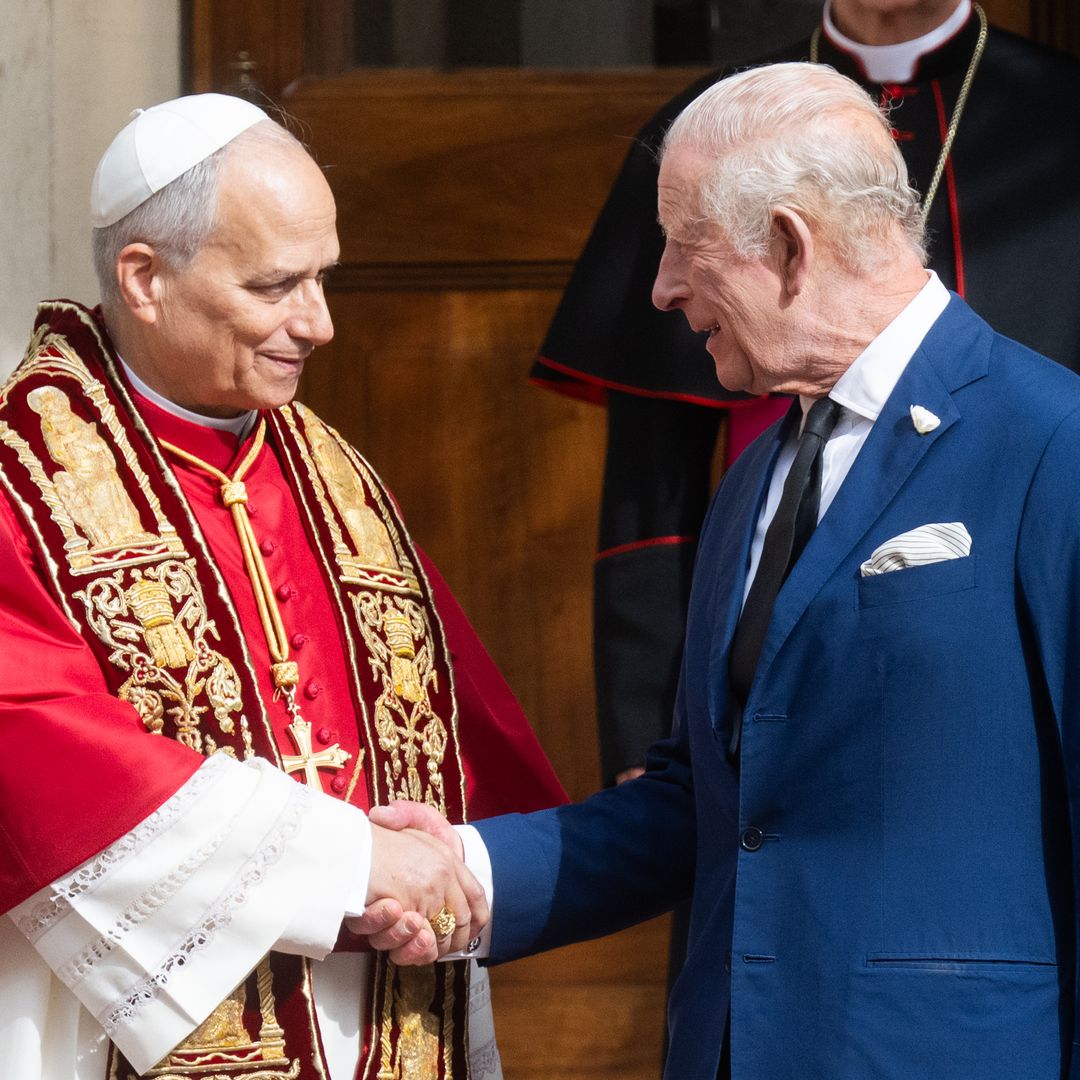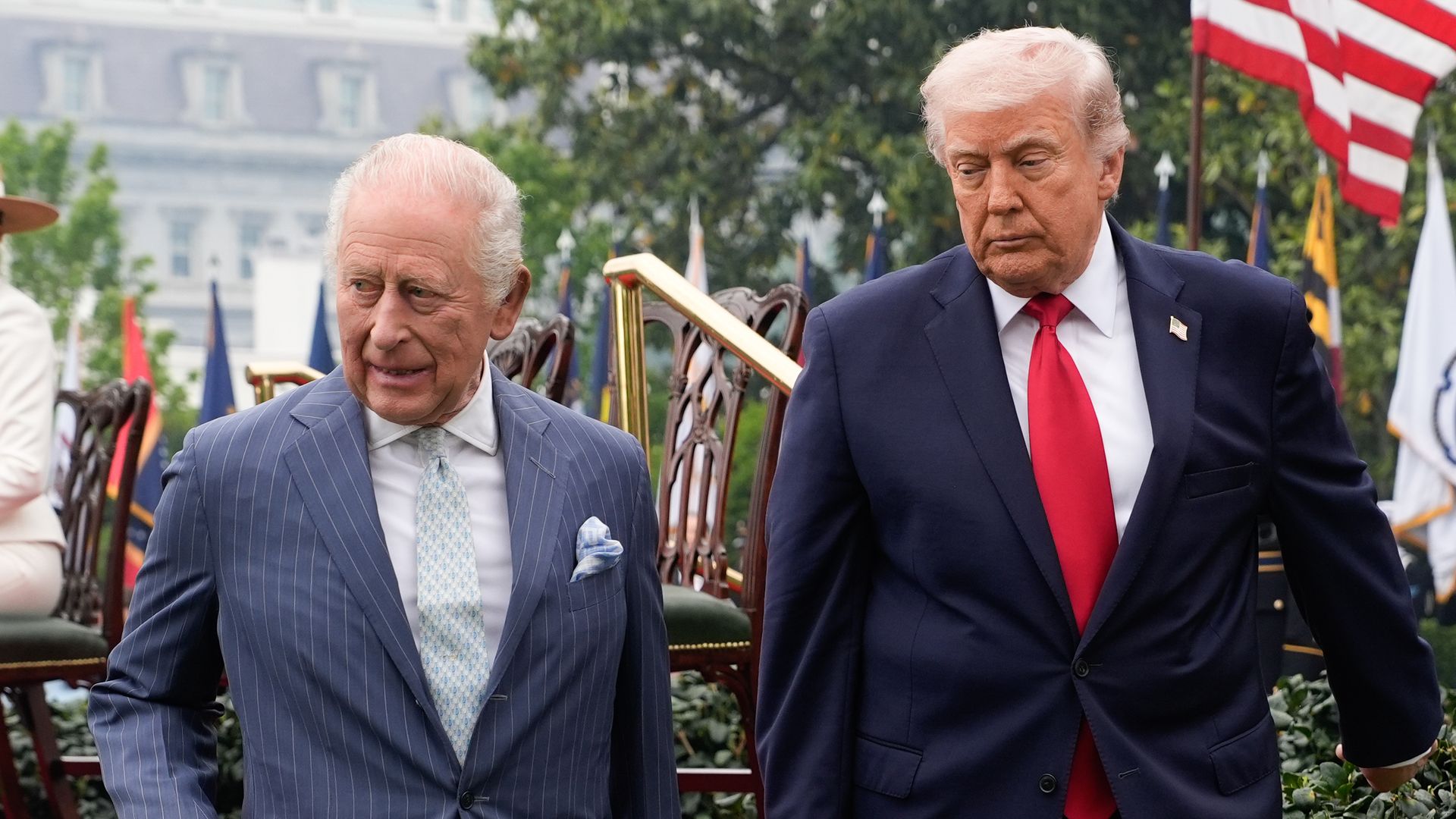
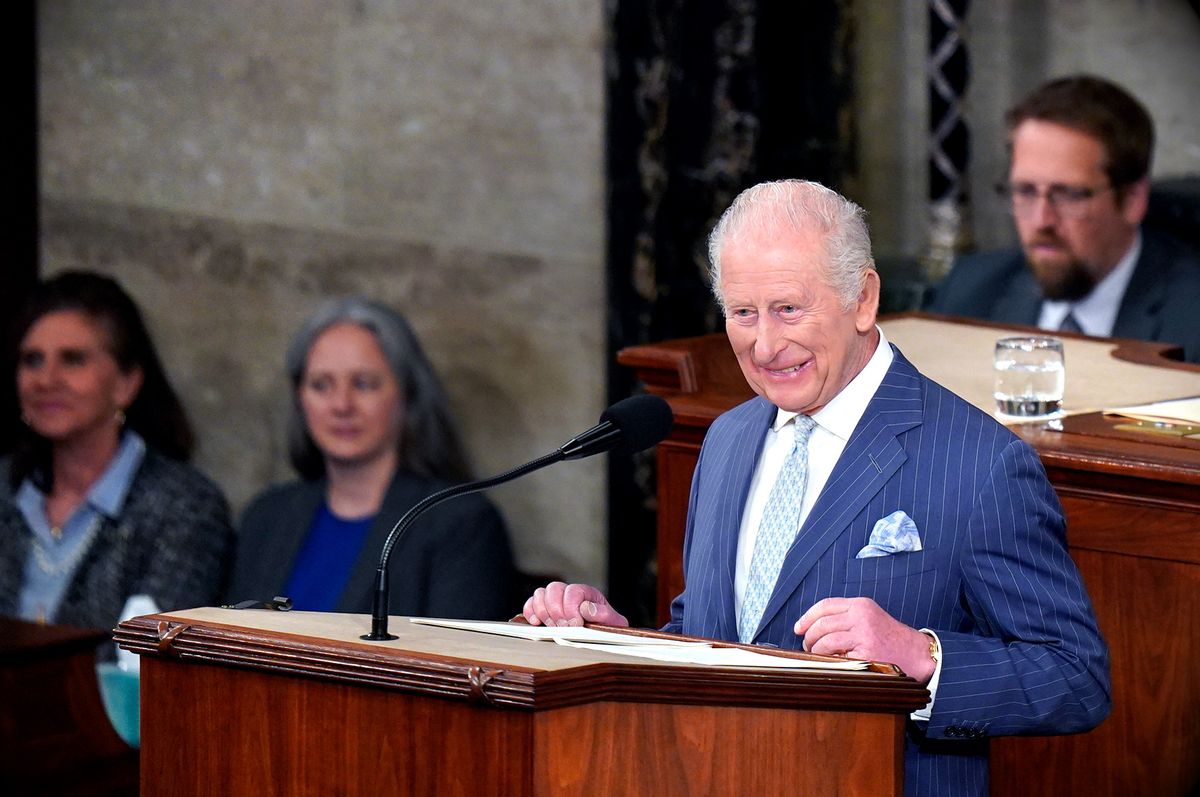
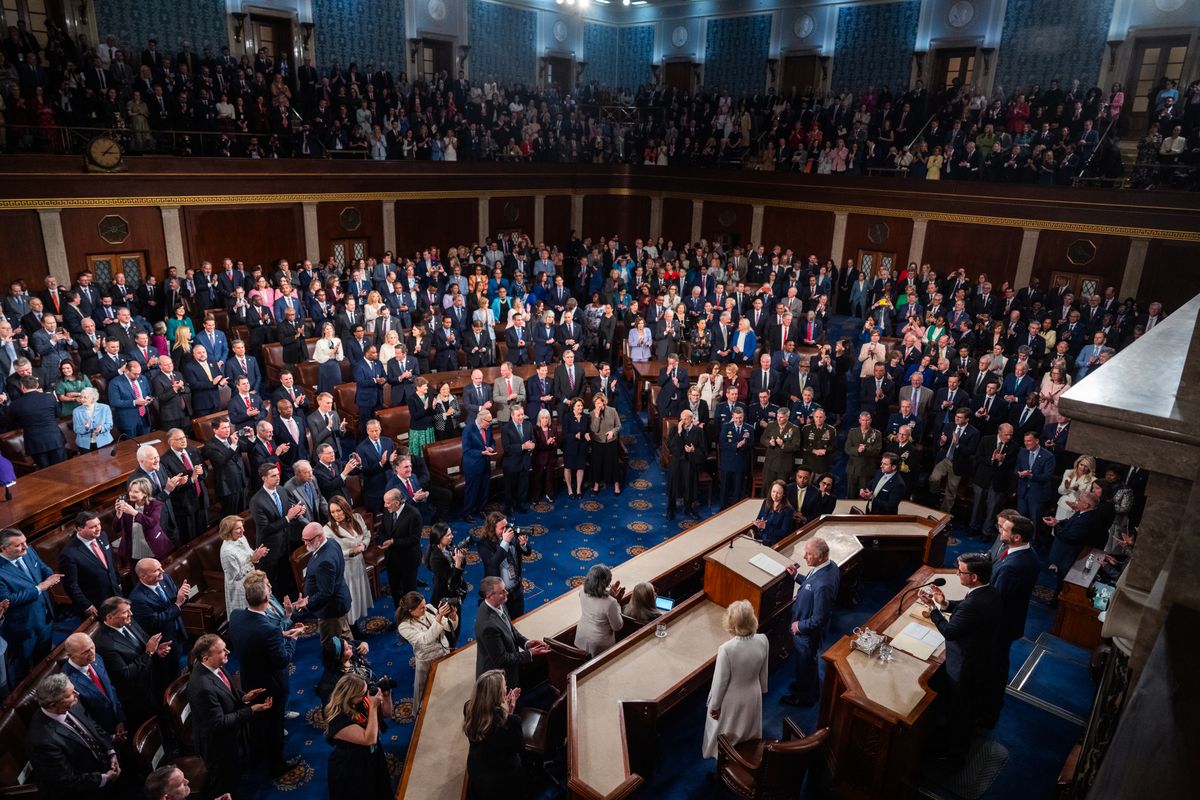
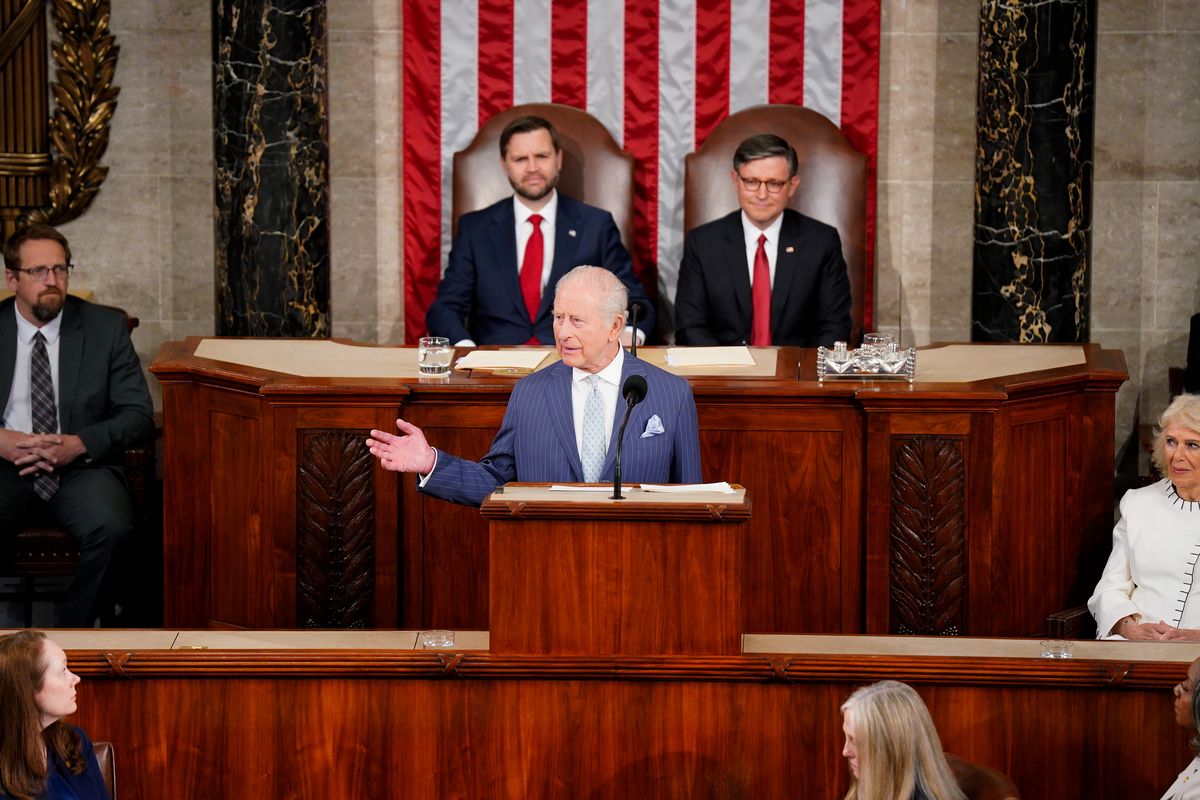
In a moment layered with symbolism, history, and unmistakable emotion, King Charles III made a landmark appearance in Washington, becoming only the second British monarch to address the United States Congress.
At his side, Queen Camilla bore quiet witness to an occasion that blended statecraft with deeply personal reflection, echoing a path once taken by his late mother, Queen Elizabeth II, in 1991.
 © The Washington Post
The address unfolded against the backdrop of a high-profile State Visit and the celebrations marking 250 years of American independence. Yet it was not only ceremony that defined the day.
 © Pool
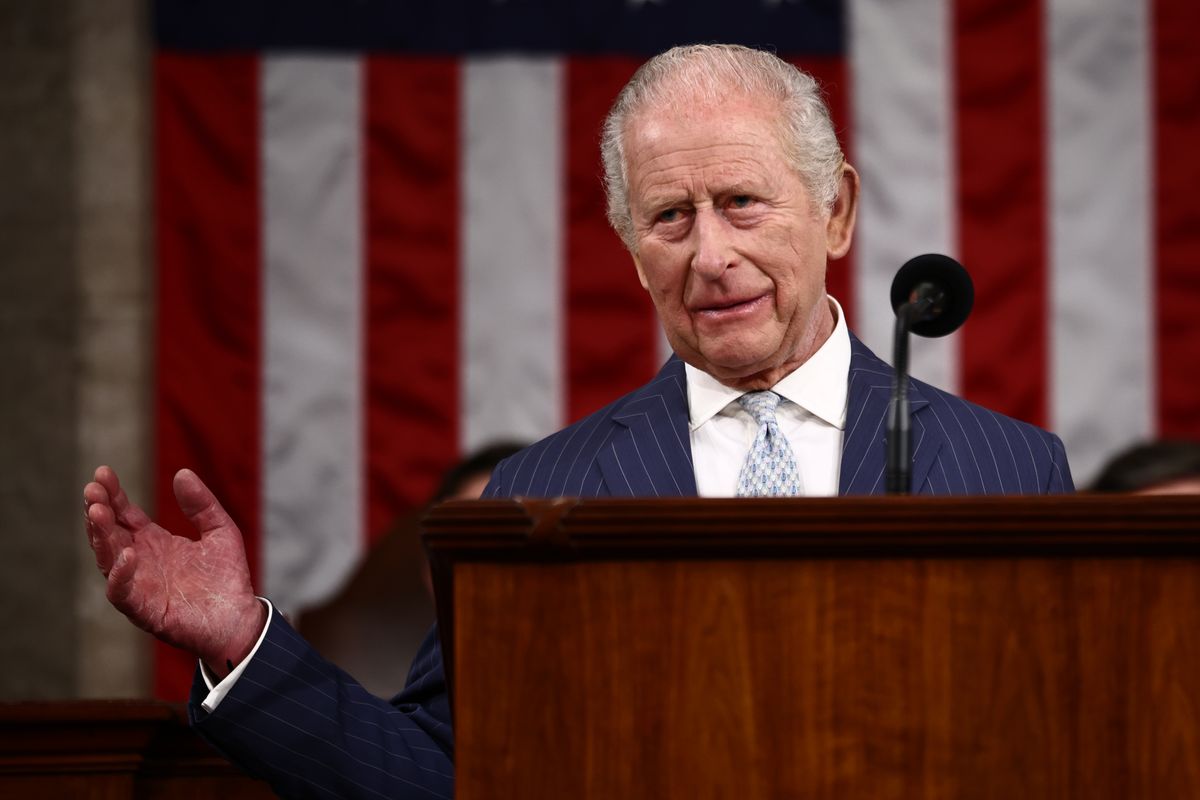
The King confronted the present with striking directness, referencing the recent White House Correspondents' Dinner shooting and framing it within a broader defense of democratic values.
Early in his speech, he spoke of the attack as an attempt to harm national leadership and sow fear and division, adding with firm resolve that such acts of violence would never succeed.
 © Tom Williams
He emphasized unity despite disagreements, underscoring a shared commitment to democracy and to protecting citizens, while honoring those who risk their lives in public service.
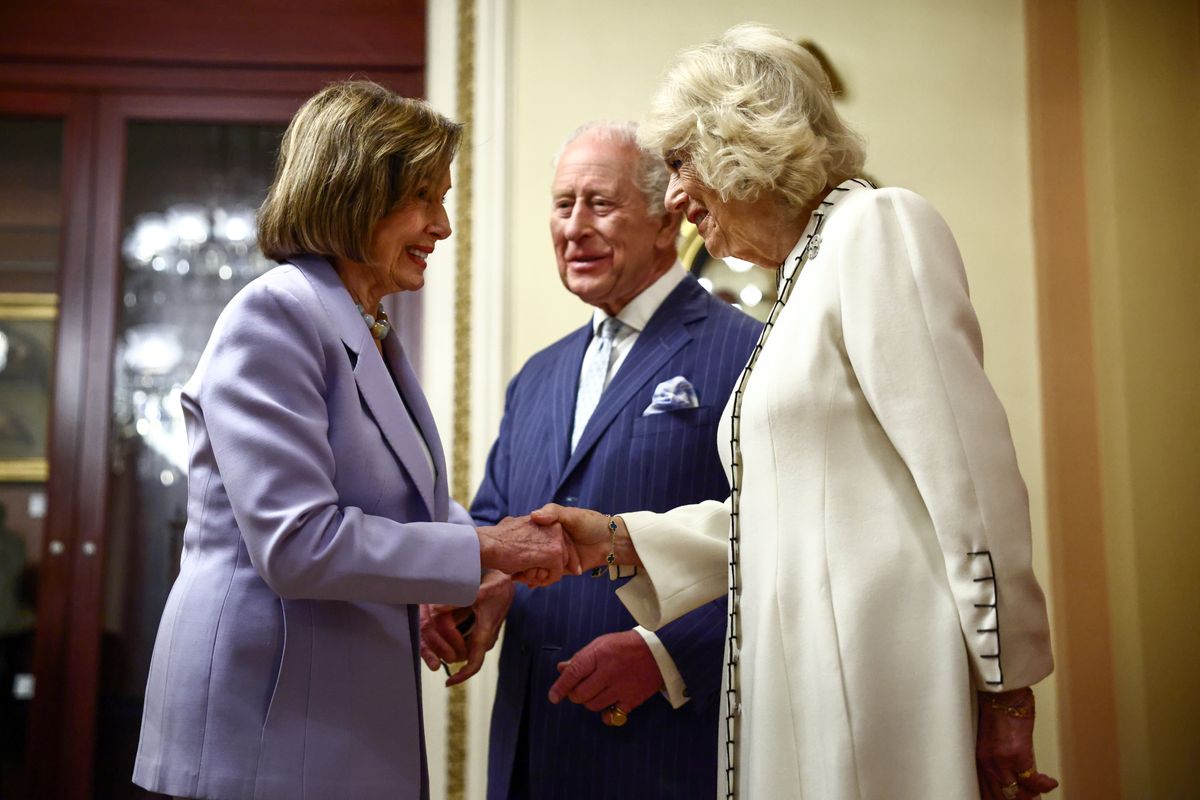
There were also flashes of characteristic British wit. Reflecting on the complicated history between Britain and the United States, the King remarked that King George III never set foot in America and reassured his audience that he was not arriving as part of any belated strategic maneuver.
 © Pool
The comment, light in tone, served to bridge centuries of history with a sense of modern ease. Yet the deeper thread of the speech lay in its emotional and historical resonance.
Charles positioned the present moment within a long arc of shared experience, recalling how the Founding Fathers transformed thirteen disparate colonies into a nation built on the ideals of life, liberty, and the pursuit of happiness.
 © The Washington Post
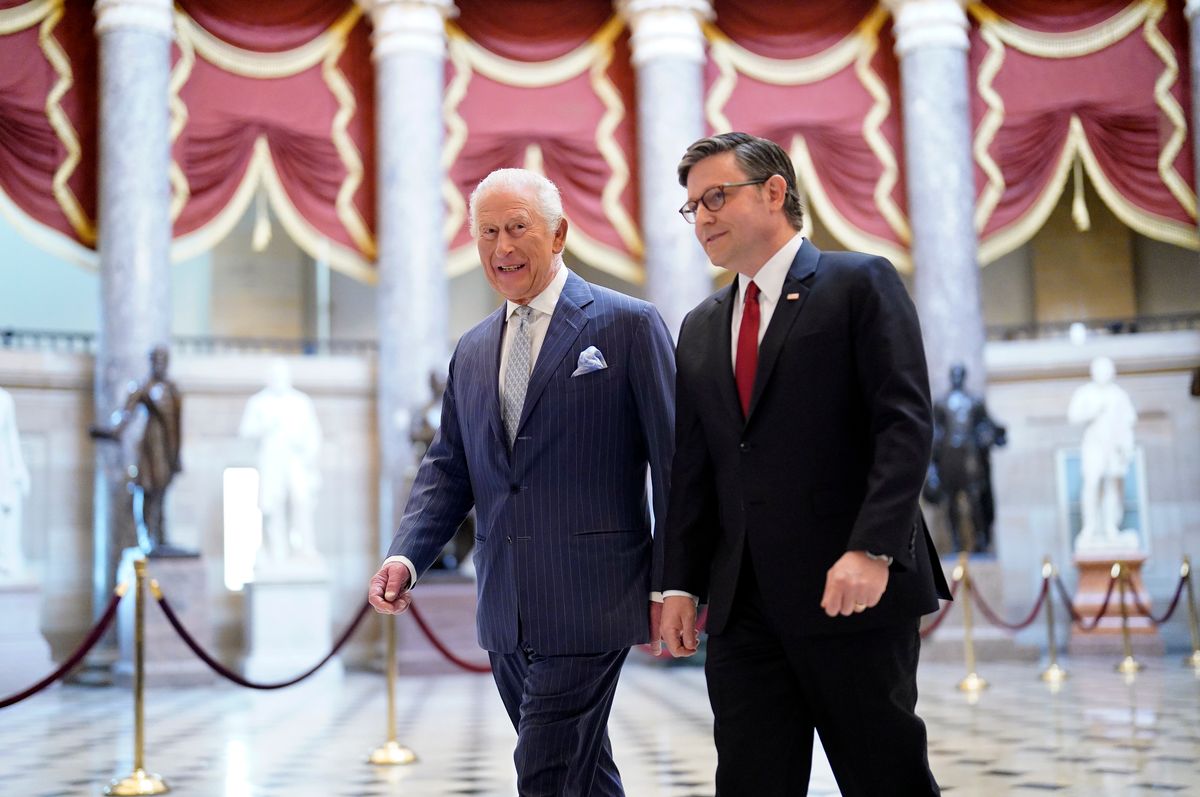
That sense of continuity was sharpened by a poignant comparison to his mother’s era. The King described today’s world as more volatile and more dangerous than the one in which Queen Elizabeth II addressed Congress in 1991, suggesting that while the principles remain constant, the challenges have intensified.
He warned that no single nation can face such challenges alone and stressed that the transatlantic alliance must be actively renewed rather than taken for granted. Referencing his Prime Minister’s stance, he reinforced the idea of an indispensable partnership, one that must evolve while remaining anchored in the foundations built over decades.
 © The Washington Post
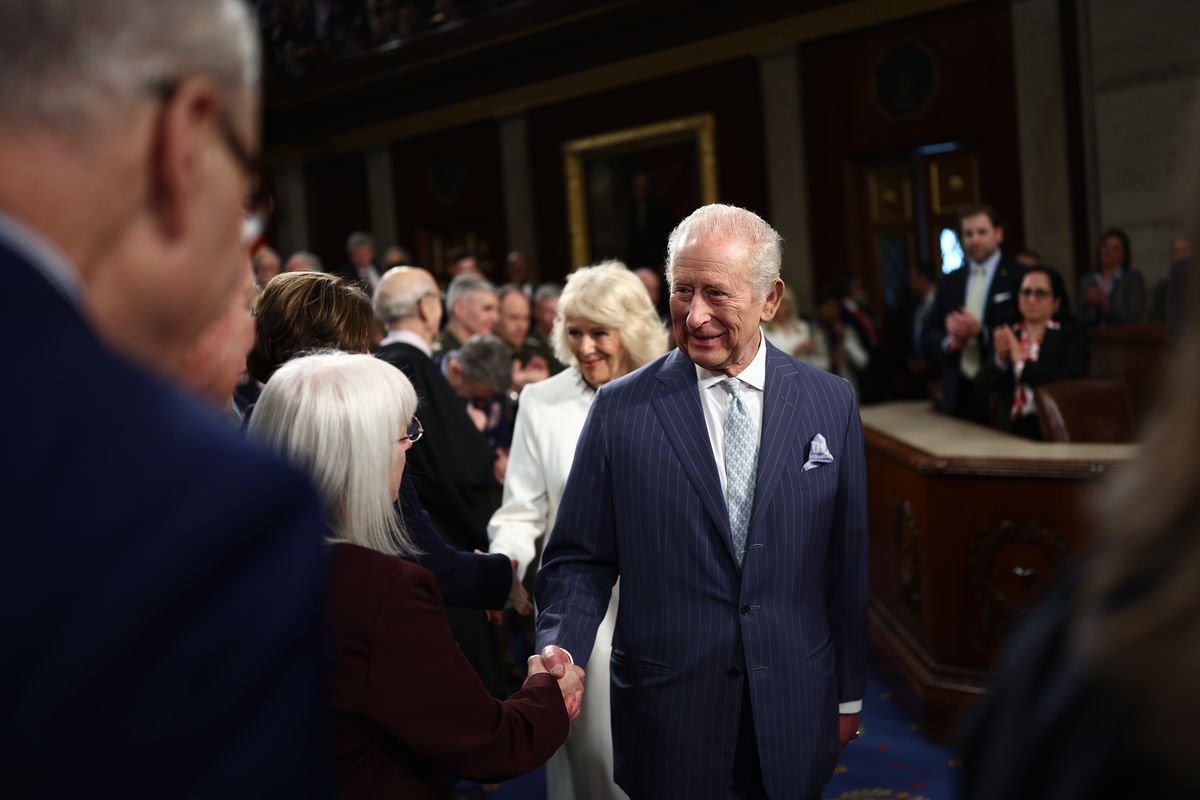
As the speech drew to a close, the tone shifted toward something more reflective, almost intimate in its conviction. The King described the relationship between the United Kingdom and the United States as a story of reconciliation, renewal, and remarkable partnership, born from division but transformed into one of the most significant alliances in modern history.
 © Pool
He expressed a hope that this bond would continue to defend shared values globally and resist the pull toward isolation. Marking the United States’ 250th anniversary, he called for a renewed commitment between the two nations in the service of their peoples and the wider world, concluding with a blessing for both countries.
It was, in the end, more than a historic first for this reign. It was a portrait of a monarch navigating legacy and leadership in real time, balancing the weight of history with the urgency of the present, and revealing, in fleeting but unmistakable moments, the human emotion behind the crown.