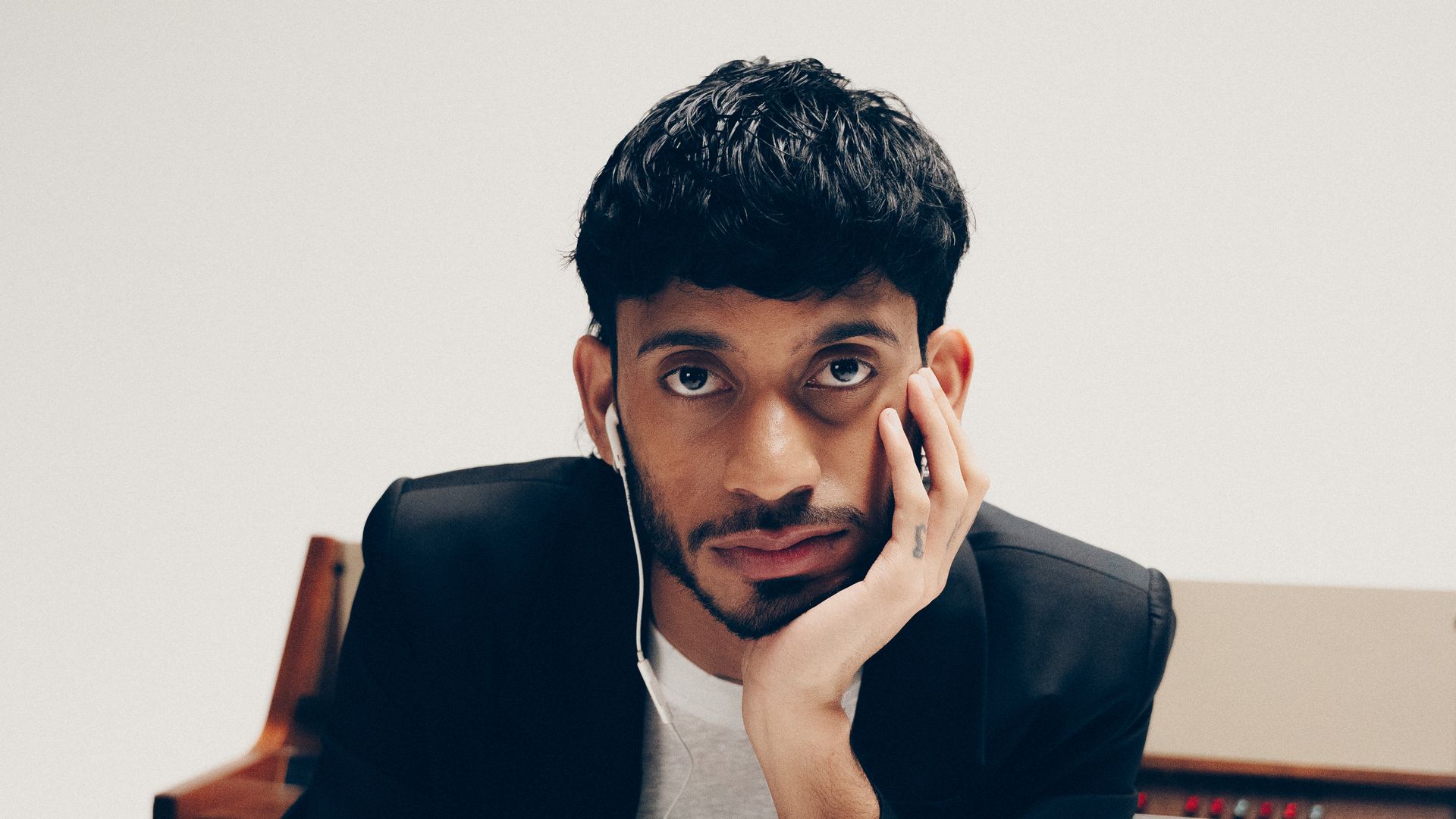
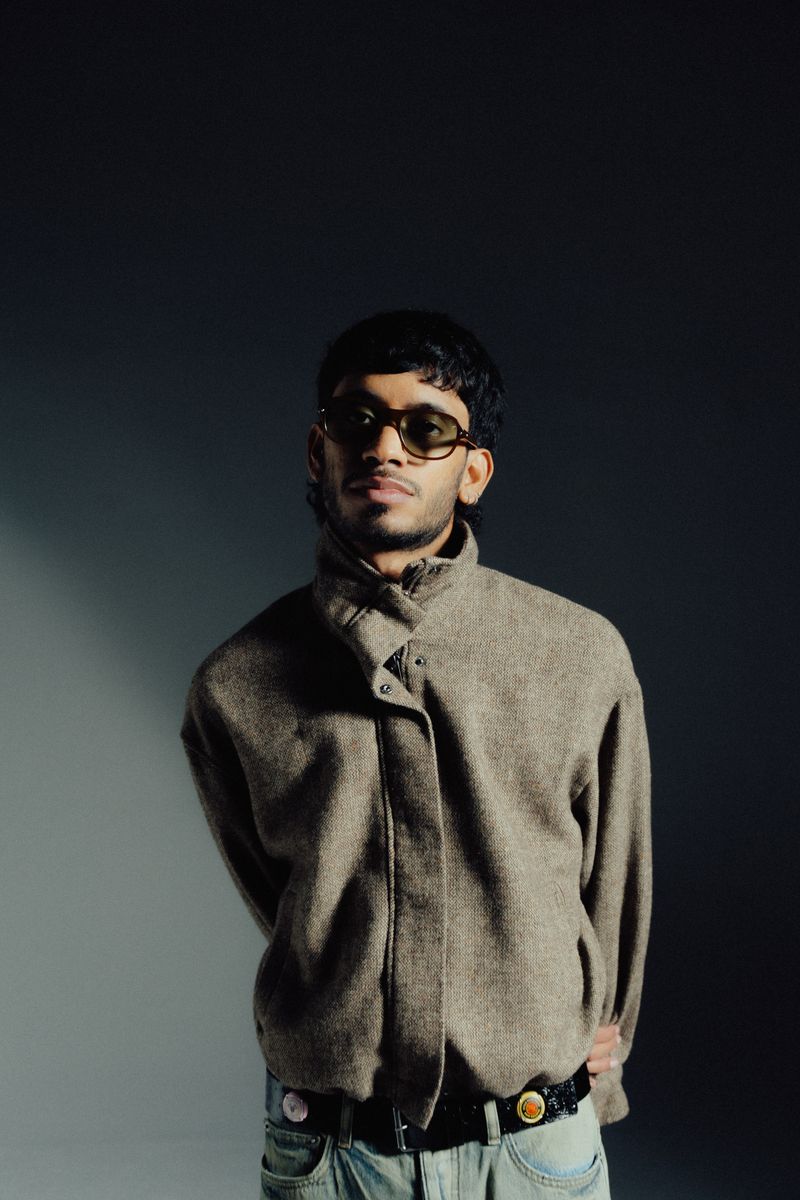
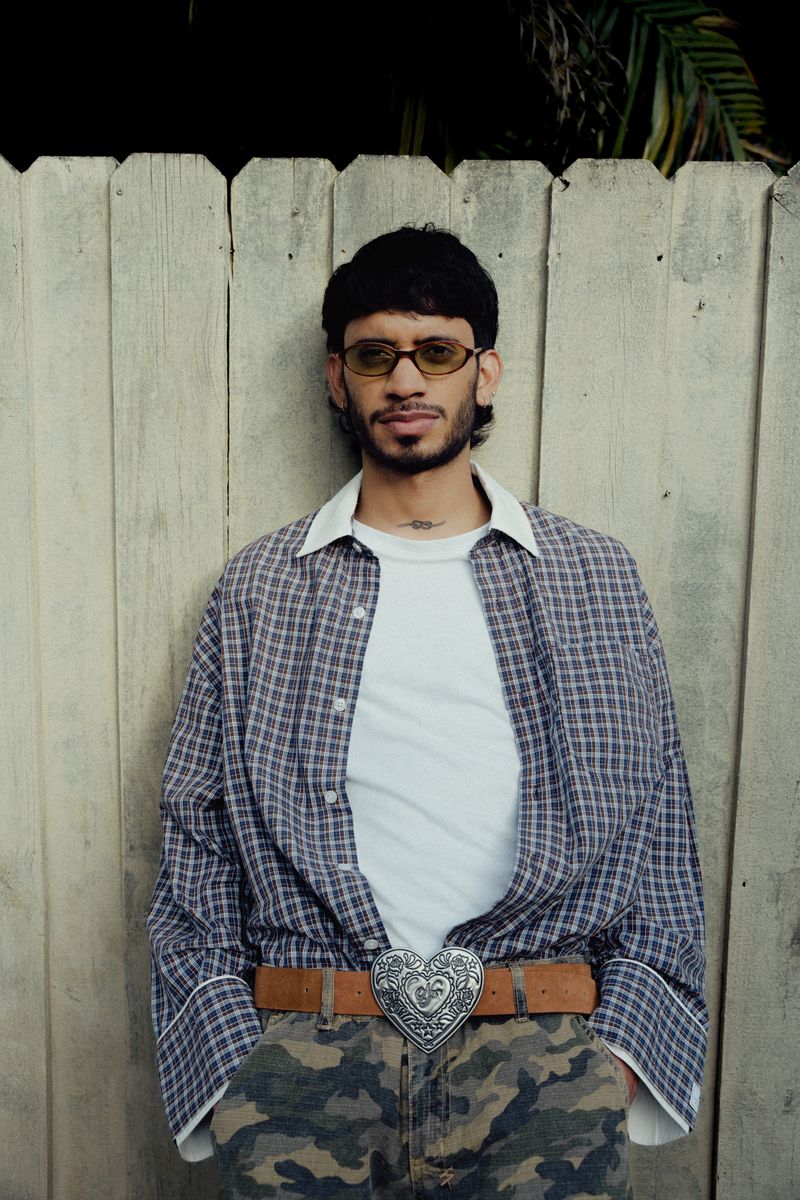
Venezuelan rising star Marcelo Rubio is set to release his second studio album, Vulnerable, más de lo normal, on April 30, and it's an incredible 16-track project. Latin music can sometimes lean into machismo - songs about money, women, late nights, and partying - but Rubio pulls that back. His lyrics are stripped down and personal, centered on heartbreak and the feelings people don’t always say out loud. The 22-year-old artist put his heart and soul into it, digging deep into some of the darkest parts of his life, and turning them into something honest, intimate, and, as the title suggests, deeply vulnerable. Because, despite what some people want to believe, men do, in fact, cry.
 © Provided
Born in Venezuela, Rubio moved to Los Angeles in 2017, where he lived for two years before attending high school in Minnesota. While he's been singing since he was 9, that's where his relationship with writing started. It was there that he began turning his emotions into songs for the first time.
He decided to move to Miami after high school. At the time, the plan was more behind the scenes. “I came to be a songwriter, to write for other artists,” he told HOLA!. But even as he was writing for others, there were songs he couldn’t quite let go of. “At the same time, I had songs that I really liked that other people didn’t,” he explains. “But I felt like they could be something.”
So he kept them. And eventually, he shared them on TikTok. “The second song I put out went viral,” he says. “And then I had a good run… I started releasing one song every month.” Momentum built quietly, and after he released 6 songs, he was at the right place, at the right time.
In this case, a house party. Someone introduced him to a Sony executive. “He asked for my Spotify… but he didn’t talk to me again,” Rubio says. But the next day, “He called me because my song started playing in his car… by accident.” He signed a deal with Sony, and suddenly, he was writing his debut album, Lo que escribí mientras no estabas :) And for his family, things became real - more possible - when it came to his dreams as an artist.
 © Provided
When we connect over Zoom, just ahead of the release of Vulnerable, más de lo normal, things have finally slowed down. After a year of building his album, the concept, the music, he said he was feeling "more relaxed… relieved."
He describes the project as an extension of what he’s always done, “but with a little bit of different things—especially in the production.” “My music has always been vulnerable,” he says.
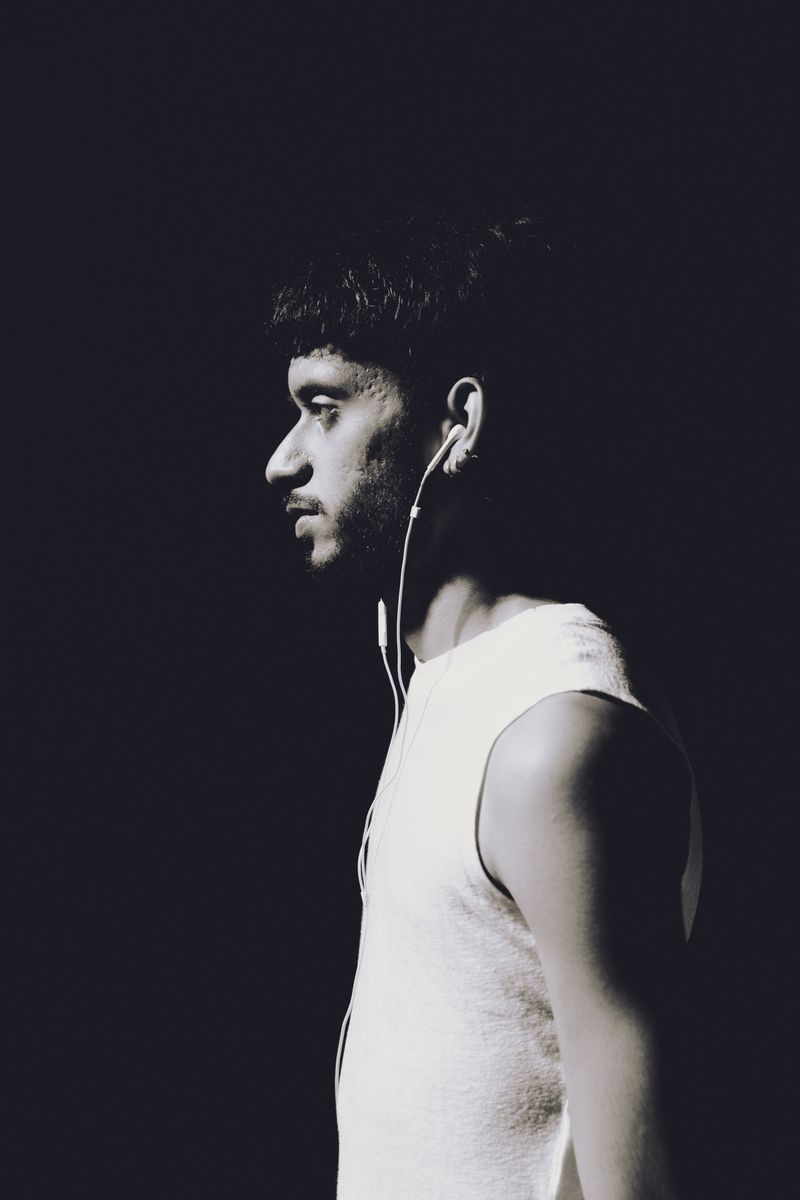
“It talks about honesty… about what we feel and sometimes can’t explain.” He pauses, then adds what feels like the real entry point into the album, “Especially from a man’s point of view, because we keep a lot inside.”
 © Provided
That line ends up framing everything. Because Vulnerable, más de lo normal isn’t just about heartbreak or romance; it’s about what happens when you stop avoiding what you feel.
The title itself came from a moment that wasn’t meant to carry so much weight. “There’s a line where I say, ‘today I feel vulnerable, a little more than normal,’” he explains. “I was sick that day, I had a fever… and everything came from there.”
But the idea expanded quickly. “I just wanted to explain vulnerability in every sense,” he says. “Not just love or heartbreak, but everything we keep inside… from other relationships, other things.”
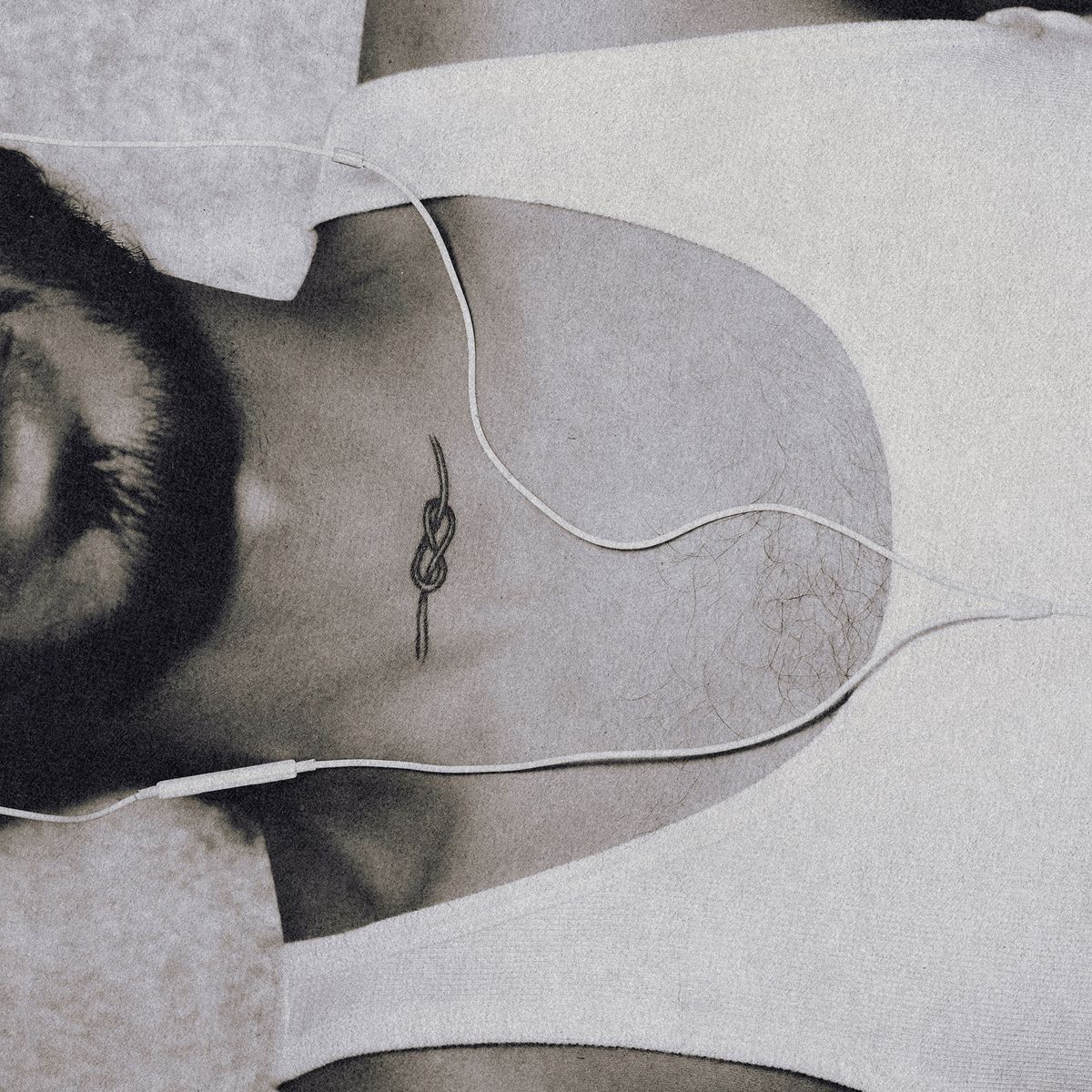
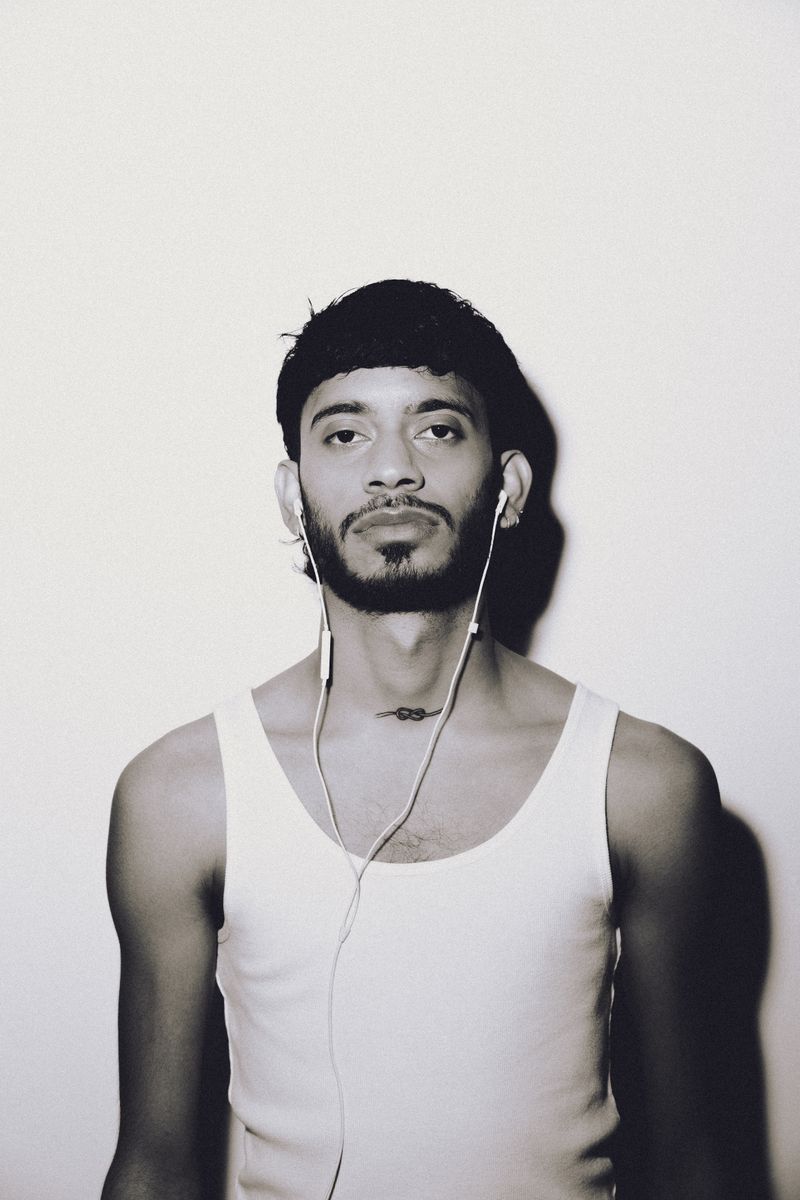
A year ago, those feelings weren’t theoretical. “I was going through personal problems,” he says. “And I clearly needed help.” "Someone really important in my life pushed me to go to therapy, to express myself, to talk about things we’re afraid to say," he shared, before revealing a tattoo on his throat. "That’s why I got a tattoo of a knot in my throat—it’s the symbol of the album. It reminds me that the more you keep things inside, the more it hurts."
 © Provided
That idea of silence as something that builds, something that stays, is what gives the album its weight. And it’s also what opens up a broader conversation about masculinity, one Rubio doesn’t try to intellectualize so much as he states plainly, especially in Latino culture, where men are taught to hide their emotions. “I don’t think it’s anyone’s fault. We’re not used to that,” he says. “In our homes, we’re not taught that.”
When it comes to heartbreak, his answer is even more direct. “We don’t know how to deal with it,” he says. “I think men are not emotionally intelligent enough for that… we distract ourselves.”
"We go to the gym, play sports, and keep busy to repress everything. With this album, I wanted to break that pattern. I wanted to go deeper, understand what I was feeling, identify every emotion, and work through them one by one," he explained. "Because the more you stay quiet about those things, the worse it gets later."
This album, though, came from choosing not to do that. “I wanted to break that pattern,” he says. “I wanted to go deeper instead—understand what was happening, identify every feeling, and work through it one by one.”
It’s not framed as growth in a clean, resolved way. If anything, it feels ongoing. "I feel proud of making the decision and going through the process, because I’m not where I want to be, but I’m better," he said. "I understood that this is a process you have to go through and be brave about."
And maybe that’s why the response has felt different, too. “I think more men write to me than women,” he says about the messages he gets from fans. “They thank me for my music… for what I’m saying. That’s why I feel like things are changing—this new generation is breaking that pattern and opening up more."
He explains it simply: “They find in my songs the words they can’t say themselves.” It’s not something he planned for. “I don’t make music for that—I do it for myself, to get things out,” he says. “But that people take it that way… for me, that’s an honor.”
At the same time, he sees something shifting. “I feel like it’s changing with new generations,” he says. “Even with my friends, it’s not hard anymore to sit in a group of guys and talk about what we’re going through… that kind of vulnerability is opening up.”
 © Provided
That openness exists alongside everything else that shapes his music. The influences, the places, the moments that stay with him longer than expected. Madrid is one of them, and just bringing it up brought a smile to his face in an otherwise serious interview. “Madrid… that’s where the man in me comes out,” he says, laughing.
It began with football. “I like Real Madrid. I like football. Since I was a kid, I always wanted to go,” he says. But when he finally made it there, it wasn’t just about the city; it was about who he was at the time. “I went when I was in love,” he says. “And that’s where ‘Noches por Madrid’ came from.”
The trip was a couple of weeks, but it left something behind. “I made a lot of music there,” he says. “There’s another song we wrote there… and I came back to Miami inspired.”
Madrid shows up not just as a place, but as a possibility, the future of imagination. “In another song, I talk about buying an apartment there with that person,” he adds. It’s a small detail, but it carries weight because so much of the album lives in those imagined spaces, the “what ifs” that linger after something ends.
Even musically, Rubio resists staying in one place. The album moves across indie pop, bolero, reggaeton, and salsa. “In my house, there was always a lot of Latin music,” he says. “I even made a salsa on this album because I grew up listening to that. My parents and my older siblings influenced me a lot—I’m the youngest of three. So I have references from a lot of older artists."
That range shows up naturally. “I don’t want to put myself in one box,” he explains. “I like trying new things, experimenting with sounds that I enjoy. That’s why I wanted to give this album more dynamic range.”
 © Provided
There's even one track, "Mañana nos volvemos a odiar," which has a guitar riff that will bring you back to the early 2000s pop punk days, which has a special connection to his days in Minnesota, "I started making—punk, that style. But I never dared to release it. This is the first time it’s coming out, even though we made that song back in 2023. I had it saved for a while," he shared.
The album begins deep, with an intro he recorded on a voice memo, and Rubio speaking with a guitar that starts off tune and slowly finds its pitch, symbolizing emotional chaos turning into clarity. He opens with “sometimes we share less than we should,” framing the entire project around vulnerability and what we keep inside.
It moves through sounds the same way as emotions. “It’s not a fixed story,” he says. “It’s more like a musical mood.” "I wanted to start with something more indie and deep to introduce the process, then bring more tempo in the middle, and then return to romantic pop, which has always defined me," he shares. "It’s more about giving people different spaces to feel different things."
Vulnerable, más de lo normal, doesn't end with resolution or clarity, but the process of sitting in something long enough to understand it. It's something he's still working on. When we asked what he was manifesting with his life and career, he admitted, "Emotional stability—that’s the first thing. And then performing live, doing a lot of shows." As for his dream collaboration? Jay Wheeler.
 © Provided