Azelaic acid may not have the celebrity status of retinol or vitamin C, but according to Harvard-trained dermatologist and Mohs micrographic surgeon Dr. Neera Nathan, it deserves far more attention, especially if you have acne, redness, dark spots, and sensitive skin.
In her Instagram video, Dr. Nathan spotlights azelaic acid as a true skincare multitasker, praising its ability to treat several concerns at once. The good thing is that while it is an acid, it remains gentle enough for many sensitive skin types; therefore, dermatologists continue to recommend it.
 © Getty Images
“It Helps With Acne, Redness and Pigmentation”
Dr. Nathan sums up azelaic acid’s appeal in one simple line: “It helps with acne, redness and pigmentation.” The expert also says that in addition to this rare trifecta in skincare, it “treat hormonal acne and mild melasma.”
Azelaic acid is even pregnancy safe, according to the dermatologist. Read here the skincare ingredients you should avoid while pregnant.
 © Getty Images/Tetra images RF
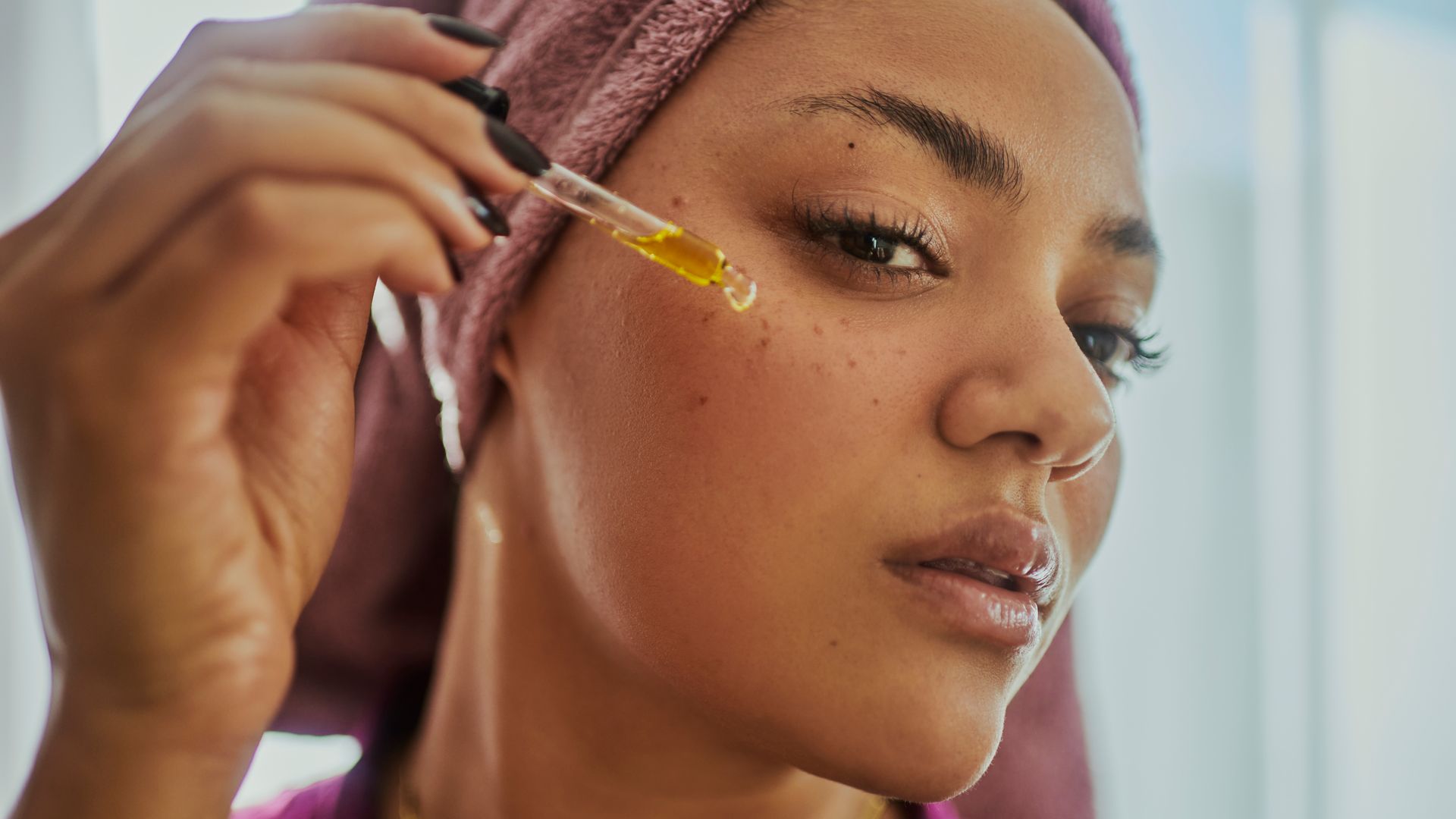
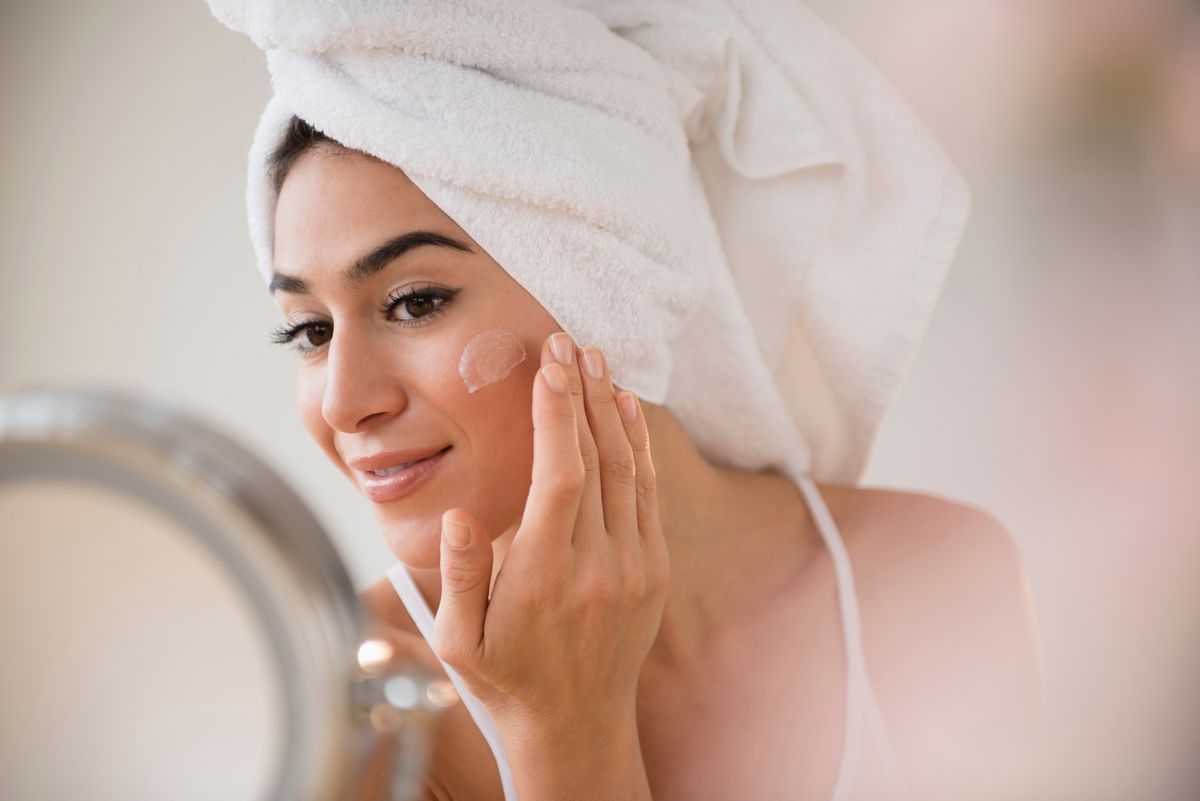
“You don't need to break the bank together. You can find 10% azelaic acid at the drug store for under $10 for a more elegant option, try [Anua] Korean Azelaic Acid serum, which is particularly good for sensitive skin,” Dr. Nathan says in the video.
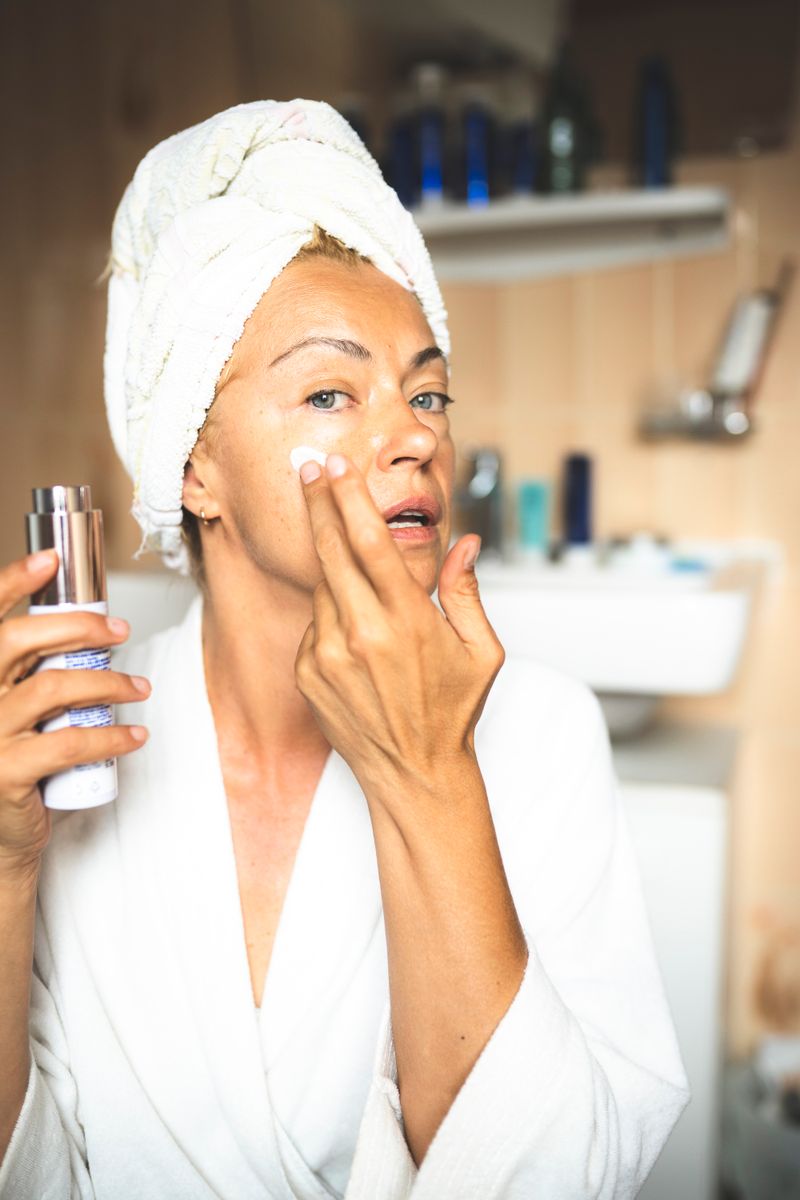
For acne-prone skin, azelaic acid helps reduce inflammation, targets acne-causing bacteria, and supports clearer pores. “To get the best results, apply azelaic acid on your face twice,” the expert suggests. It is important to highlight that, unlike stronger acne ingredients that can trigger peeling or dryness, Azelaic has a gentler profile. That makes it especially compelling for people who feel stuck between wanting results and protecting their skin barrier.
 © Getty Images/Westend61
Great for Sensitive Skin
Azelaic acid does not just correct skin concerns; it can also calm them, which matters if you have redness-prone skin and rosacea, where overly aggressive products, like retinol, can make things worse.
Prescription-strength azelaic acid has long been used by dermatologists for rosacea because of its anti-inflammatory properties. Nathan’s takeaway includes that this is an ingredient that works hard without necessarily acting harshly.
 © Getty Images
Azelaic acid is also a multi-purpose ingredient that can address active breakouts, post-acne marks, persistent redness, uneven skin tone, rough texture, and sensitive skin concerns.
Hyperpigmentation is another reason Nathan recommends azelaic acid, because it helps reduce excess pigment production, which can gradually fade post-inflammatory discoloration and support more even-looking skin.
Despite the word “acid,” azelaic acid is not in the same category as glycolic or salicylic acid.
 © Getty Images
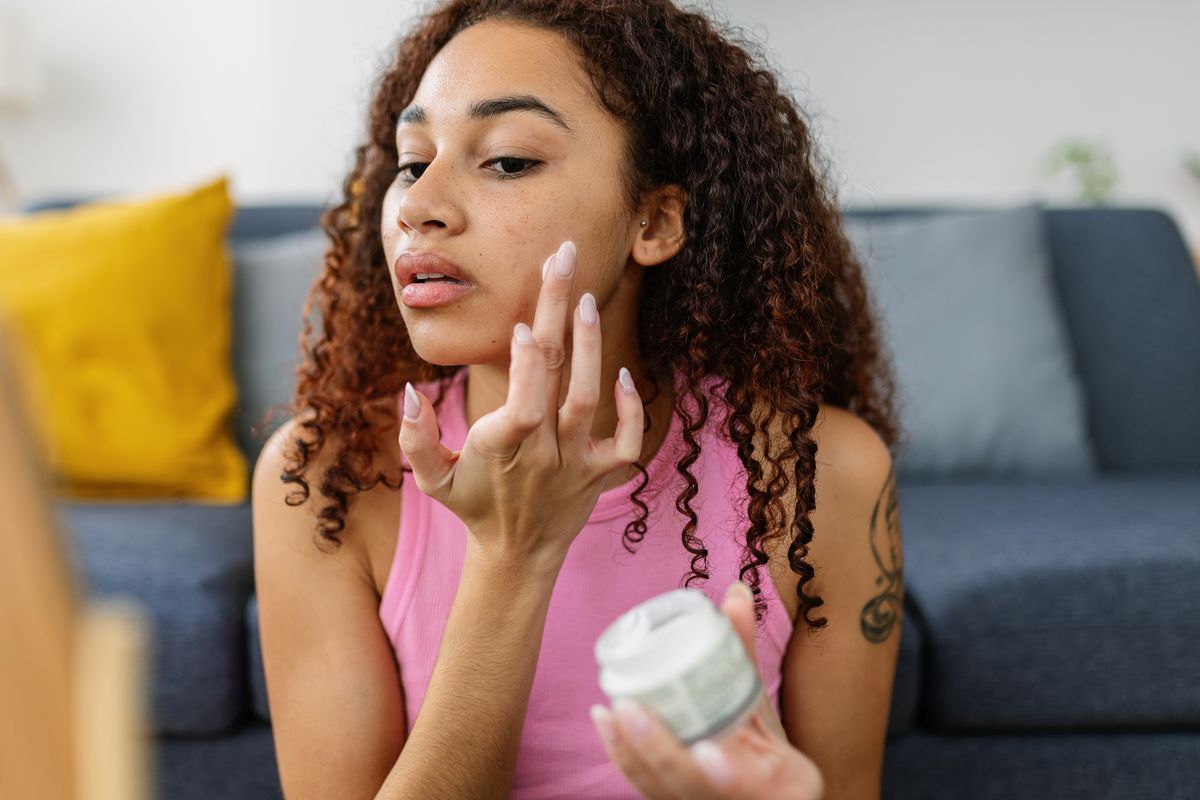
That distinction matters because it is less of a traditional exfoliant and more of a treatment ingredient with anti-inflammatory, antibacterial, and pigment-correcting benefits.
Azelaic acid, alongside other actives like niacinamide or retinoids, can be mixed depending on skin tolerance. But Nathan’s emphasis is less about stacking trendy ingredients and more about consistency. Azelaic acid tends to reward regular use.