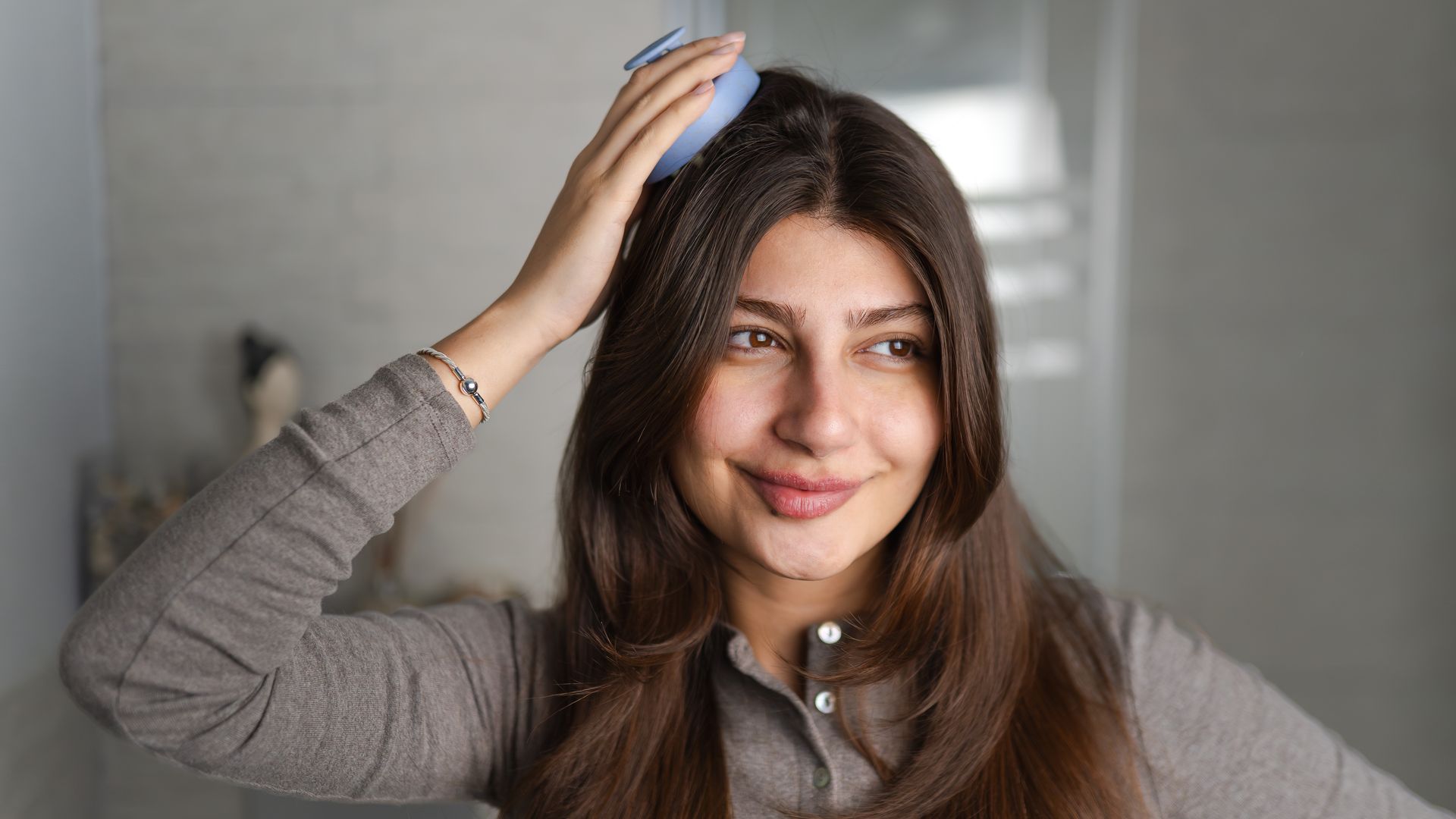
Healthy hair is built at the root. Literally. If the scalp is inflamed, clogged, or overloaded with product residue, hair strands are forced to grow in a compromised environment. That is where mandelic acid enters the conversation.
This ingredient, long respected in skincare, is now gaining serious traction in scalp treatments for dandruff, oil control, and overall follicle health.
 © Getty Images/Science Photo Libra
What Is Mandelic Acid and Why Is It Trending in Scalp Care?
Mandelic acid is an alpha-hydroxy acid derived from bitter almonds. Unlike stronger exfoliating acids, it has a larger molecular structure. That size matters. Larger molecules penetrate the skin more slowly, making the ingredient gentler and less irritating.
Dr. Alan Bauman, founder of Bauman Medical and a board-certified hair restoration physician, explains to HOLA! the shift toward scalp-first care clearly: " I’ve long emphasized the importance of scalp health as the foundation for strong, vibrant hair. Mandelic acid, an alpha hydroxy acid (AHA) derived from bitter almonds, is gaining attention in hair care for its gentle exfoliating properties that can benefit the scalp without the irritation often seen with stronger acids. Its larger molecular size allows for slower penetration, making it ideal for sensitive scalps prone to dryness, flaking, or buildup."
 © Getty Images
The science aligns with what clinicians are seeing in practice. Slower penetration means less disruption to the scalp barrier while still delivering effective exfoliation.
How Mandelic Acid Improves Scalp Health
The scalp constantly sheds dead skin cells. When that natural turnover slows or becomes uneven, buildup accumulates. Add dry shampoo, styling creams, and excess sebum to the mix, and follicles can become clogged.
Mandelic acid works by dissolving the bonds between dead skin cells. That gentle exfoliation clears debris and encourages balanced cell renewal. It also has mild antibacterial properties, which can help calm irritation linked to flakes.
 © Getty Images
Dr. Bauman notes that in clinical settings, this mechanism translates into visible improvements: "In my practice, I recommend mandelic acid-based products like shampoos, scalp scrubs, serums, or treatments to patients dealing with common issues such as dandruff, excess sebum, or clogged follicles—which can all hinder hair growth and lead to thinning. It works by mildly exfoliating the scalp, dissolving dead skin cells, and unclogging pores to promote cell renewal and a cleaner environment for hair follicles. This can reduce inflammation, calm itchiness, and help control flakes, ultimately supporting healthier hair growth by improving nutrient delivery and reducing buildup that stifles follicles."
The key point here is the environment. Hair growth depends on healthy follicles, and follicles thrive when inflammation and congestion are minimized.
Mandelic Acid vs Salicylic Acid for Dandruff
Dandruff products often rely on Salicylic acid, a beta-hydroxy acid known for penetrating oil and clearing pores. It is effective, but it can be drying and sometimes irritating for sensitive scalps.
 © Getty Images/ImaZinS RF
Mandelic acid offers a softer alternative. It exfoliates gradually, helping reduce flakes and oil without aggressively stripping the scalp barrier. For individuals with color-treated hair or reactive skin, that gentler profile can make a measurable difference in comfort and consistency.
Ideal Concentration and Who Should Use It
For oily or flaky scalps, Dr. Bauman points to a specific range: "For those with oily or flaky scalps, concentrations around 1.5-4% in products have shown promise in deep cleansing without stripping natural oils, leaving the scalp balanced and refreshed. It also has hydrating effects that can benefit dry scalps, helping to maintain moisture while exfoliating."
That balance between exfoliation and hydration is crucial. Over-stripping the scalp can trigger rebound oil production or irritation. Mandelic acid, when properly formulated, supports cleansing without destabilizing the barrier.
 © Getty Images
It may be especially beneficial for people with oily scalps, those experiencing mild dandruff, individuals using heavy styling products, and sensitive scalps prone to dryness or irritation. For severe scalp conditions such as psoriasis or advanced seborrheic dermatitis, professional evaluation remains essential.
How to Use Mandelic Acid Safely
Mandelic acid is typically found in scalp serums, exfoliating scrubs, and pre-shampoo treatments. The application is usually once a week to start. Overuse can compromise the barrier and increase sensitivity. Dr. Bauman emphasizes safety and personalization:
"Always start with a patch test and use sunscreen if applying during the day, as AHAs can increase sun sensitivity. In my experience treating thousands of patients, combining mandelic acid with other therapies like low-level laser therapy or targeted nutrition can amplify results for optimal scalp and hair health. If you’re experiencing hair concerns, consult a specialist for a personalized plan."
 © Getty Images / ogx / neutrogena
The mention of sunscreen is important. Even though the scalp is covered by hair, areas with thinning or part lines can become more photosensitive when using AHAs.
The Future of Scalp Care
The modern hair care movement is moving beyond surface-level styling. It is shifting toward scalp optimization, microbiome balance, and inflammation control.
Mandelic acid represents a measured, science-backed approach to exfoliation. Not aggressive peeling. Not harsh medicated stripping. Just controlled renewal that supports follicle function.
 © Getty Images
When the scalp is clear, balanced, and hydrated, hair has a stronger foundation to grow. And that foundation determines everything that follows.