Skin flooding is gaining attention as a hydration-focused skincare method designed to boost moisture levels and strengthen the skin barrier. The concept is simple: layer several hydrating products to saturate the skin with moisture and create a smoother, plumper appearance. But dermatologists say the technique works best when done thoughtfully and with the right ingredients.
Experts explain that the science behind skin flooding centers on improving hydration in the outermost layer of the skin, known as the stratum corneum. Dr. Sarah Allen, MD, Founder and Chief Medical Officer of Skin Clique, a physician-founded national aesthetics practice focused on evidence-based skin health, says the technique is essentially about increasing water content in the skin’s surface layers.
 © Getty Images
“Skin flooding refers to layering multiple hydrating products to increase water content in the outermost layer of skin, the stratum corneum, which can temporarily improve smoothness and suppleness,” Dr. Allen explains.
How Skin Flooding Supports the Skin Barrier
The stratum corneum plays a critical role in maintaining healthy skin. It functions as a protective barrier that keeps moisture in and irritants out. Hydrating the skin properly can help support this barrier and improve overall skin health.
According to Dr. Allen, hydration can be beneficial when the routine is balanced with ingredients that help protect the barrier. “When done thoughtfully, hydration can support the skin barrier by helping maintain moisture balance, but excessive layering without barrier-supporting ingredients may overwhelm sensitive skin,” she says.
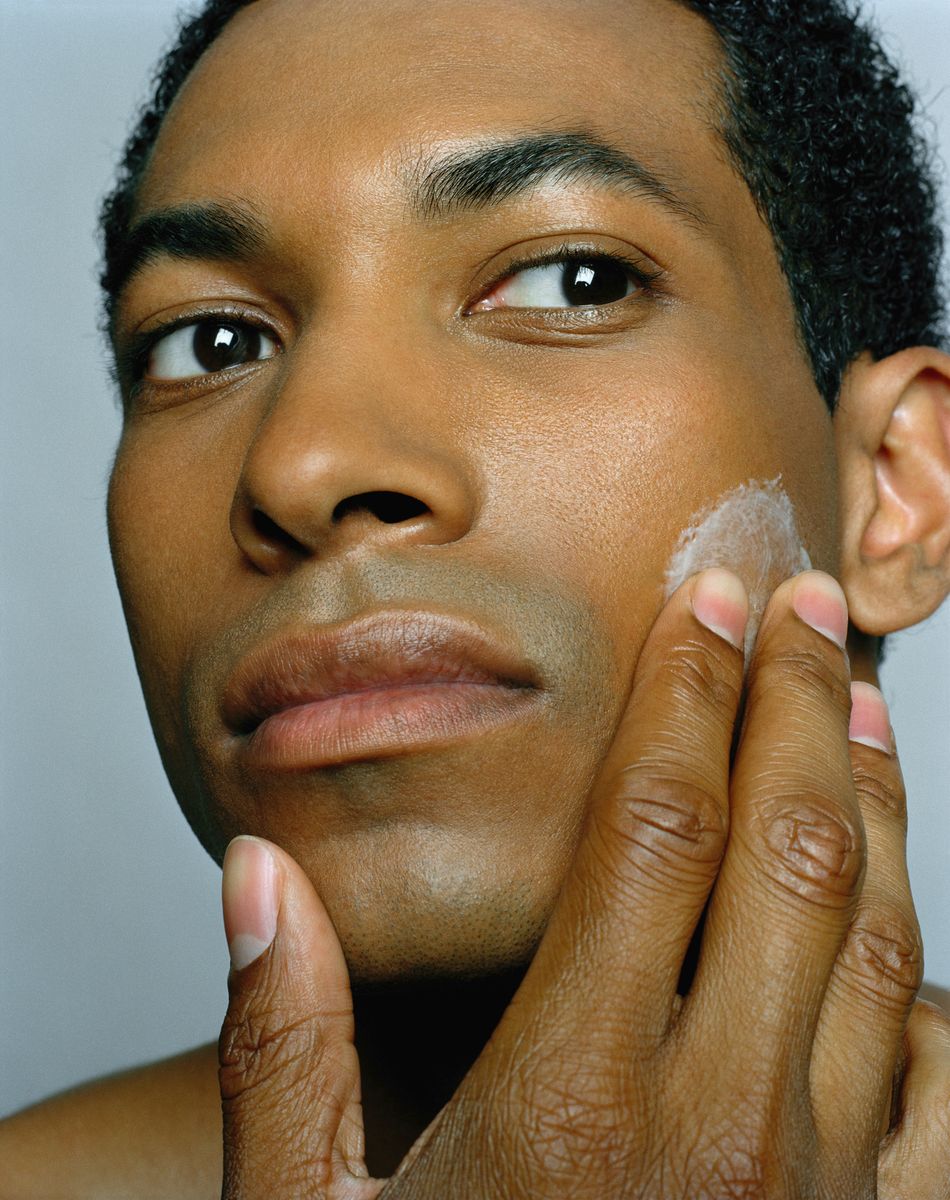
Dr. Tanya Kormeili, MD, a board-certified dermatologist in Santa Monica, describes the skin barrier as a highly organized structure designed to hold water within the skin. “The outermost layer of the skin called the stratum corneum is the barrier into the skin and built like a brick-and-mortar structure in which the skin cells are held together with lipids like the mortar,” Dr. Kormeili says.
 © Getty Images
She explains that skin flooding works by delivering hydration directly to those cells. “During the skin flooding, multiple hydrating agents are layered to deliver deep hydration and increase the water content to those cells. This creates plumper skin and swollen skin cells with less lines to the surface,” she says.
The Science Behind Hydration Ingredients
Skin flooding relies heavily on humectants, ingredients that attract water into the skin. Common humectants include hyaluronic acid and glycerin, both widely used in skincare formulations.
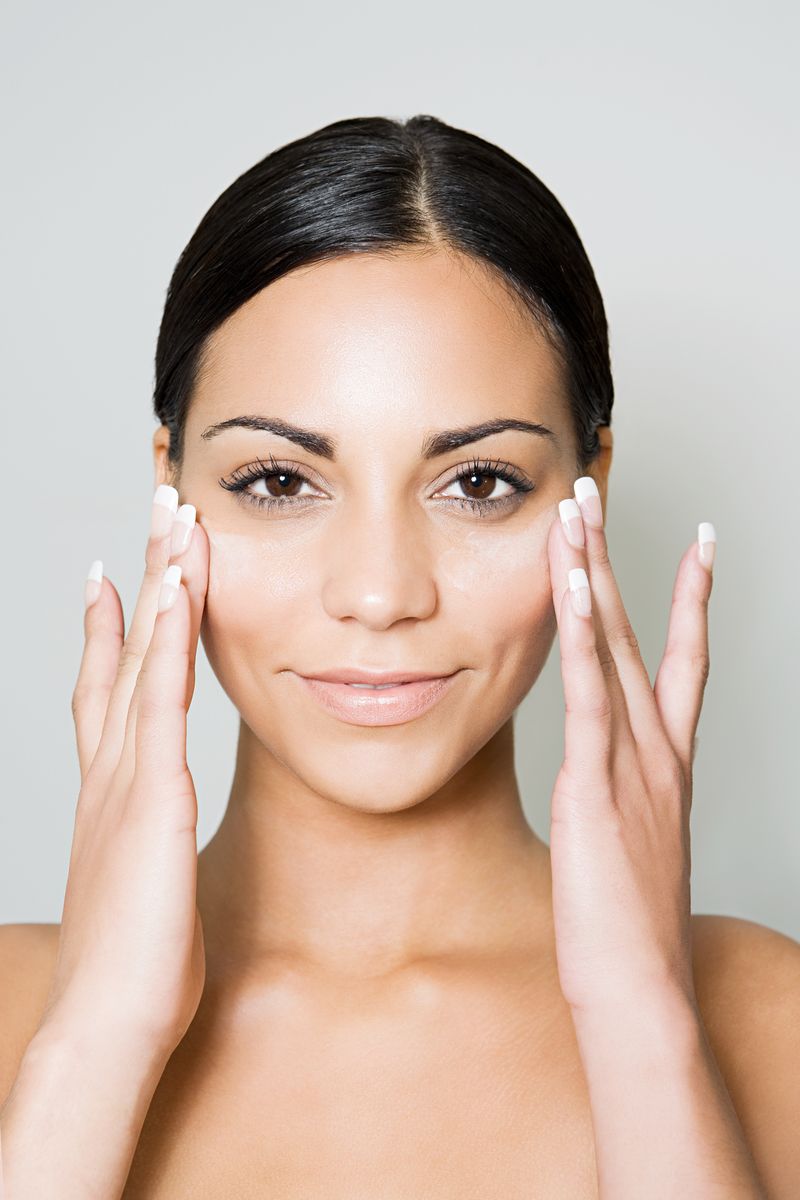
Dr. Allen notes that hydration works best when humectants are combined with ingredients that help lock in moisture. “Humectants draw water into the upper layers of the skin, while occlusive ingredients help keep that moisture from evaporating, so effective hydration depends on both absorption and sealing it in,” she says.
 © Getty Images/Connect Images
Dr. Kormeili adds that many modern skincare formulas already incorporate this layered hydration approach. “Most elegant and smart skincare lines already have this built into the system using various lipids, ceramides and hyaluronic acid and glycerin to create this layering,” she explains.
These ingredients help strengthen the skin barrier and reduce water loss. “For example, humectants such as glycerin or hyaluronic acid pull in the water, and the ceramides create a healthy sealing of the water inside,” Dr. Kormeili says.
She notes that this combination can help reduce transepidermal water loss (TEWL), which allows the skin to stay hydrated longer.
Does Skin Flooding Actually Absorb Into Skin?
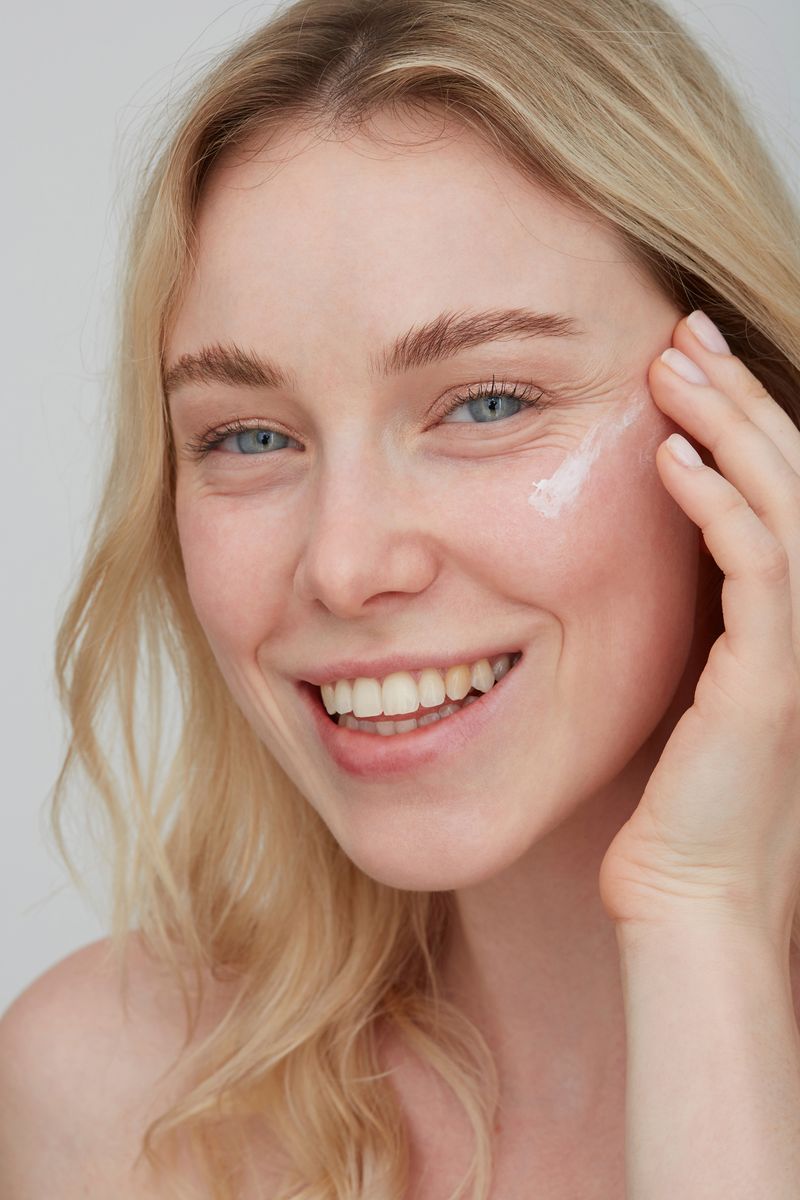
A common question surrounding the trend is whether the moisture actually penetrates the skin or simply sits on the surface. Dr. Allen says both processes play a role. “Humectants draw water into the upper layers of the skin, while occlusive ingredients help keep that moisture from evaporating,” she explains.
 © Getty Images/Westend61
Dr. Kormeili clarifies that hydration doesn’t need to penetrate deeply to be effective. “The hydration in the skin does not need to go into the DNA for our cells but rather surrounds the cells to bind water and create a perfect balance between the cells and water,” she says.
Can Skin Flooding Clog Pores?
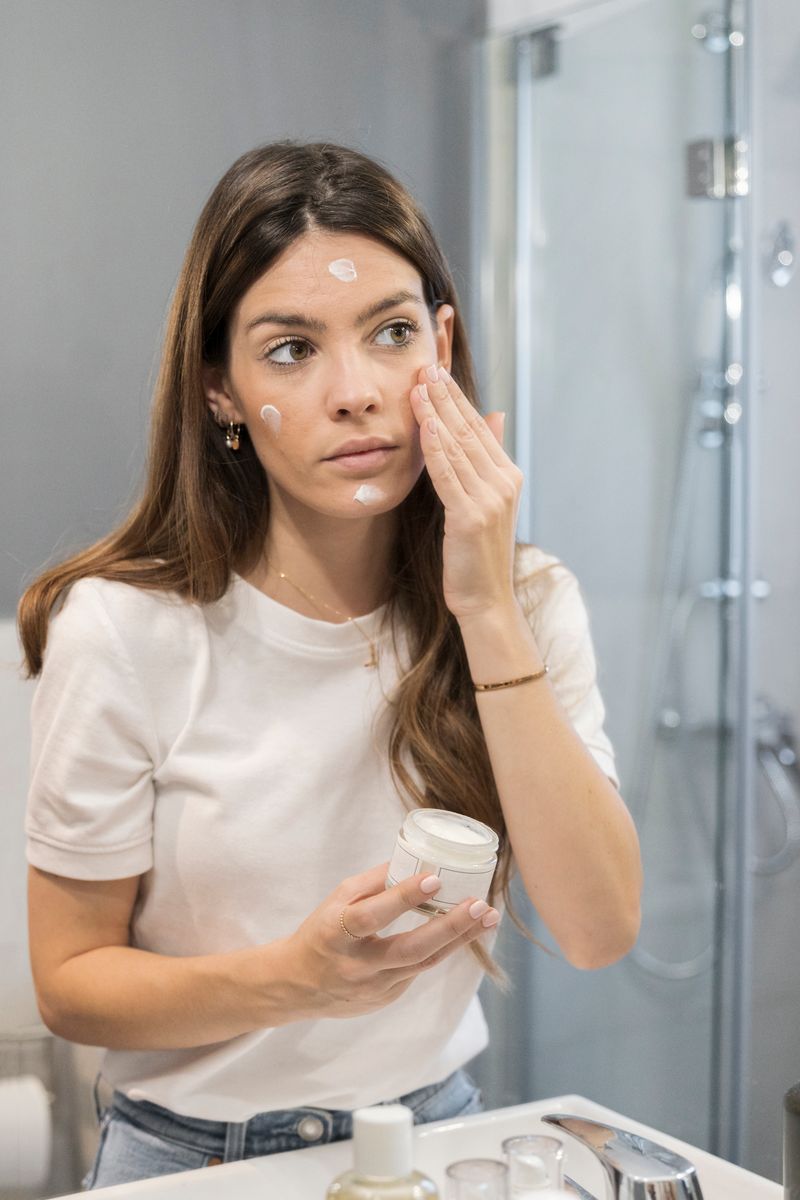
For people with acne-prone skin, layering multiple products can raise concerns about clogged pores. Dr. Allen says hydrating ingredients themselves are usually not the issue. “Hydrating ingredients themselves typically do not clog pores, but heavy or occlusive formulations layered excessively may contribute to congestion in acne-prone skin,” she says.
 © Getty Images/Westend61
Dr. Kormeili agrees and recommends paying attention to product textures. “If you do end up getting clogging agents such as wax, oils, or occlusive agents you can be at risk for acne,” she says. “So if you are prone to acne avoid heavy oils and thick butters and certain silicones.”
The Ideal Skin Flooding Routine
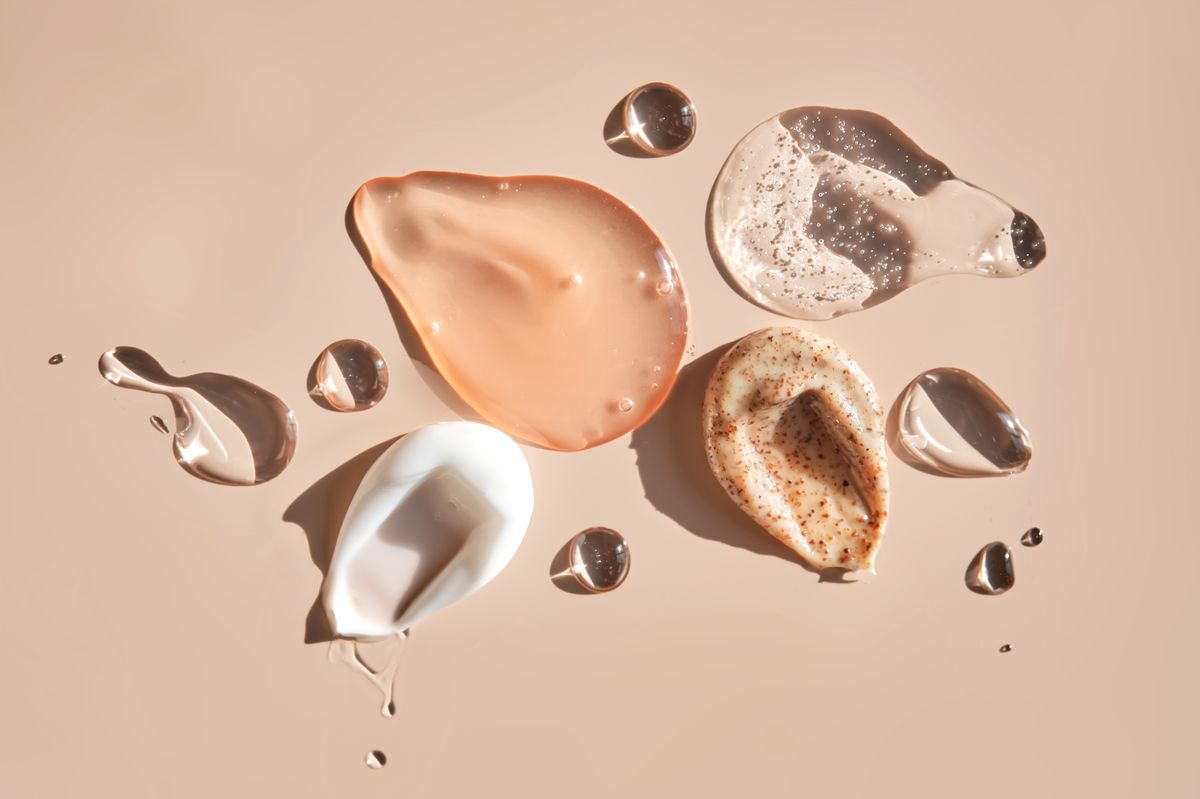
Dermatologists recommend following a specific order when layering products to maximize hydration benefits. Dr. Allen suggests applying products from the lightest to the heaviest textures. “In general, apply products from thinnest to thickest texture, starting with lightweight hydrating serums and finishing with creams that help lock in moisture,” she says.
“The ideal order is to start with cleanser, balance with a pH-balancing toner, add any growth factor serums and glycerin with hyaluronic acid, seal with creams that contain ceramides and fatty acids."
Should Skin Be Damp During Skin Flooding?
Applying hydrating products to slightly damp skin can enhance the effectiveness of certain ingredients. “Applying hydrating products to slightly damp skin can help humectants attract water more effectively, which can enhance overall hydration,” Dr. Allen says.
Dr. Kormeili also recommends avoiding overly harsh drying techniques after cleansing. “Applying it to a slightly damp skin can seal in some of that water but most importantly, do not scrub your face dry as this will interfere with the barrier function,” she says.
How Long to Wait Between Skincare Layers
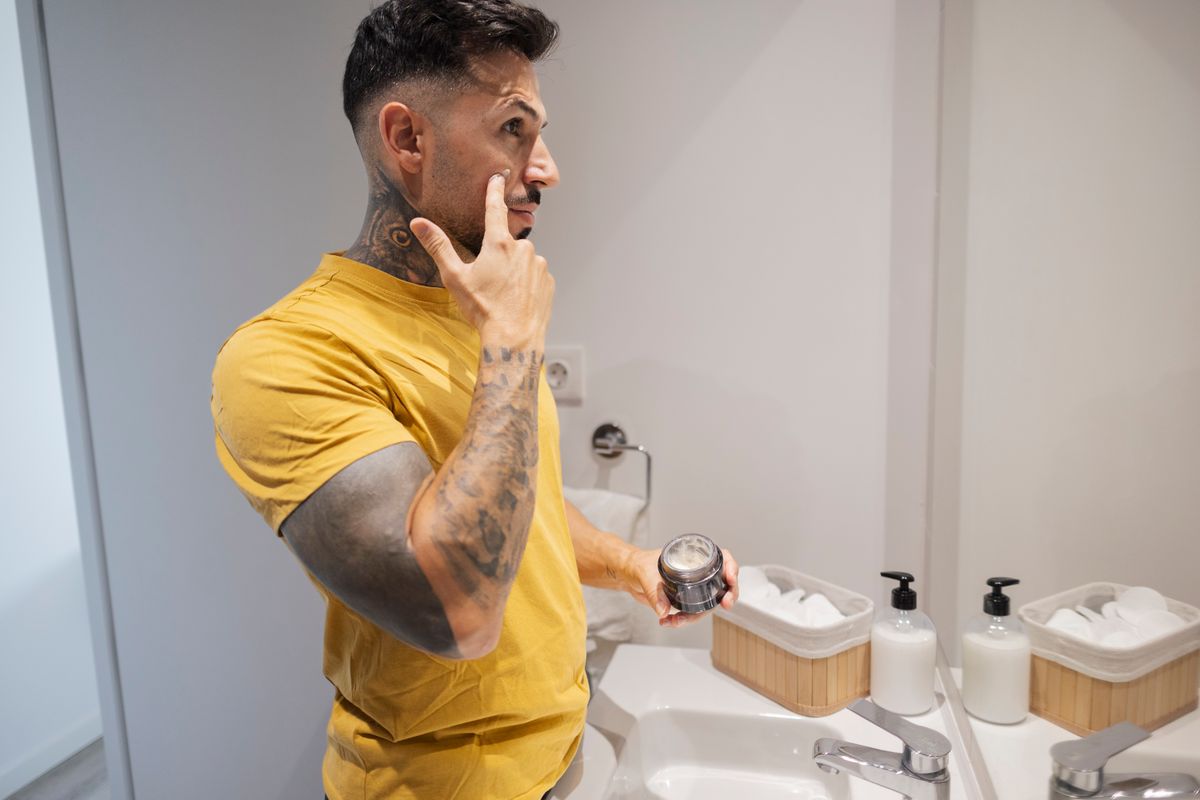
Timing between layers is another factor in a successful routine. Dr. Allen recommends allowing each product a brief moment to absorb. “Allow each product to absorb for about 30 to 60 seconds before applying the next layer so the skin can properly take in each formula,” she says.
Dr. Kormeili, however, notes that strict waiting periods may not always be necessary. “You do not need to wait and can rub everything on top of each other as they will surely combine once in the skin anyway,” she says.
 © Getty Images
The Bottom Line on Skin Flooding
Skin flooding can offer noticeable short-term benefits such as smoother, plumper-looking skin. The key, experts say, is focusing on balanced hydration rather than simply layering as many products as possible.
Using formulas that combine humectants, ceramides, and barrier-supporting lipids can help maintain moisture while protecting the skin’s natural defenses. For many people, the technique may already be part of their existing skincare routine without them realizing it.