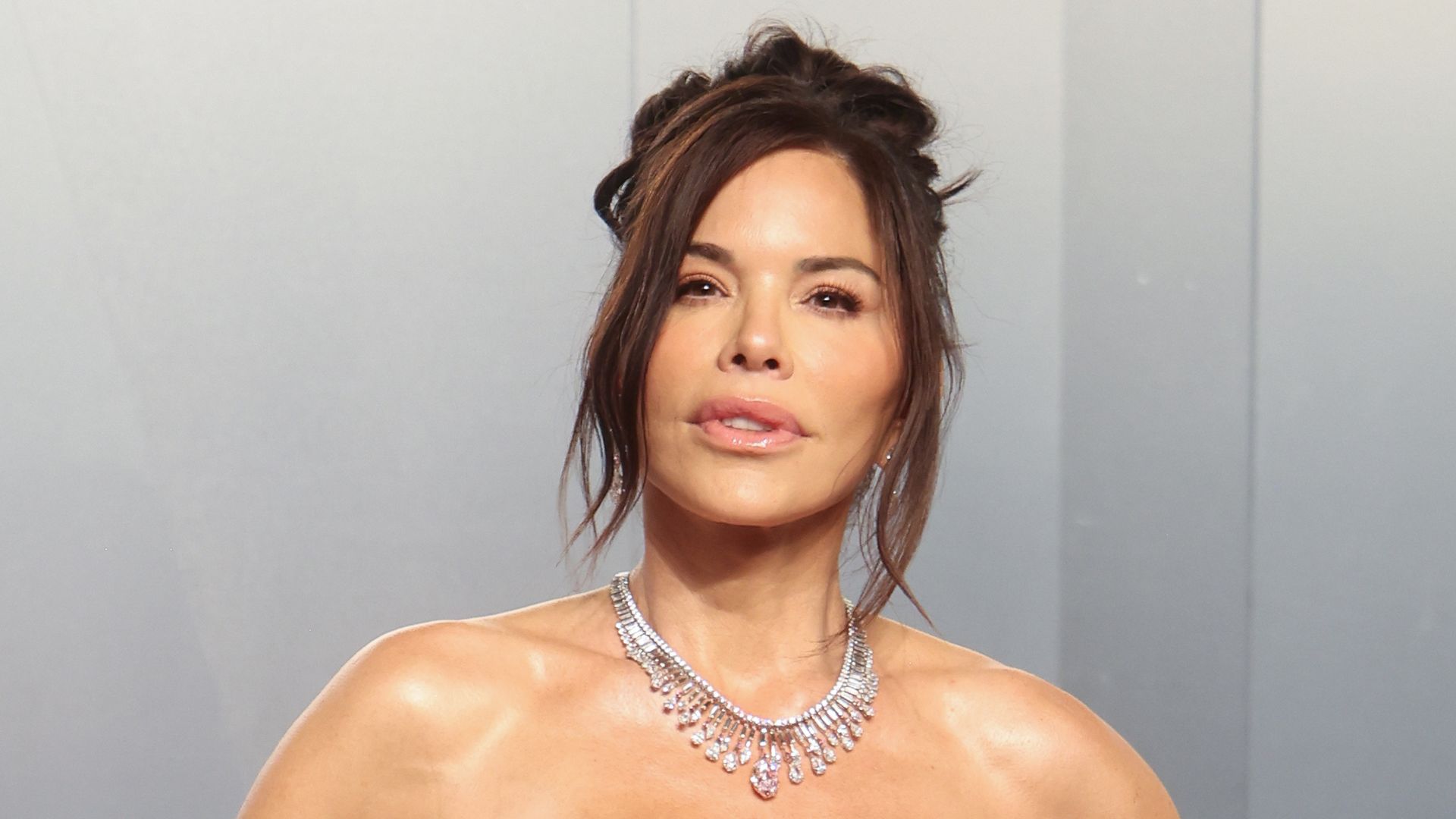
Lauren Sánchez is continuing her mission to help neurodivergent children. In a new Instagram reel, she shared a part of a conversation with David Flink that cuts through the usual language around diagnoses. Together, they hope to get the point across that a label might explain something, but it doesn’t define a kid.
 © Getty
In the clip, Flink pushes back on how quickly the conversation jumps to testing and labels. He reframes it as understanding how a brain works, not “what’s wrong.”
“Before you get to like going and finding a diagnosis,” he says, it’s about recognizing that, "this is a story that’s different than what you might be feeling in school.”
He’s not dismissing diagnoses, he’s reframing them. “I try really hard to make sure that our kids have stories that empower them for [their brains] what sits in there between their ears," he shared.
He even admits the process isn’t easy. He and his kids went through full neuropsych evaluations, calling them “brutal,” adding, “it wasn’t exactly like how I wanted to spend 20 hours.” But for him, the outcome is what matters. “One turned out to be neurodivergent. The other didn’t… they both had pictures of their brains, and that’s all it was.” But in the end, it's all just information.
That perspective lines up with Sánchez’s own story. She’s talked about growing up with undiagnosed dyslexia and not getting answers until later, after a professor encouraged her to get tested.
She got the diagnosis when she was 19. "Nothing was the same after that,” she wrote on Instagram in April 2024. “I learned how to learn — and I’m forever grateful.” It's also why she wrote The Fly Who Flew to Space, aimed at kids who were told early on they weren’t smart.
Off Instagram, there’s also real money behind this. Sánchez and Jeff Bezos awarded Flink $5 million through the Bezos Courage & Civility Award.
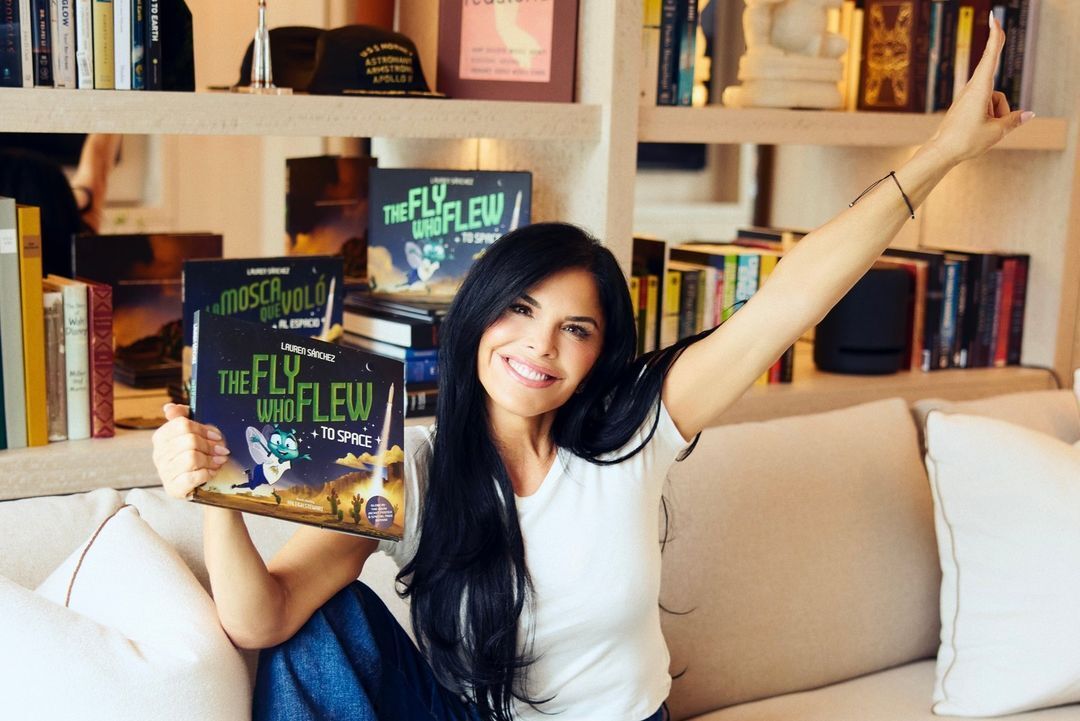 © The Fly Who Flew by Lauren Sánchez
The funding goes to the Neurodiversity Alliance, which started as a small mentorship program and now operates in hundreds of schools, supporting students with ADHD, dyslexia, autism, and other learning differences.
The choice is a shift from previous winners like Van Jones, José Andrés, Eva Longoria, and Dolly Parton. Flink’s work is more behind the scenes, focused on peer networks and school-based support rather than visibility.
It also lands at a time when resources for students with disabilities are uneven and, in some places, shrinking.