Some kinds of fatigue disappear after a good night's sleep. Others linger for weeks or even months, settling into the body in ways that rest alone can't resolve.
When Spanish actress and television host Eva González recently admitted she felt physically drained, her comments struck a chord with many people experiencing a similar kind of exhaustion. Increasingly common among those juggling demanding schedules and chronic stress, this persistent fatigue often stems from underlying biological imbalances that aren't immediately obvious but can gradually affect energy, focus, and overall vitality.
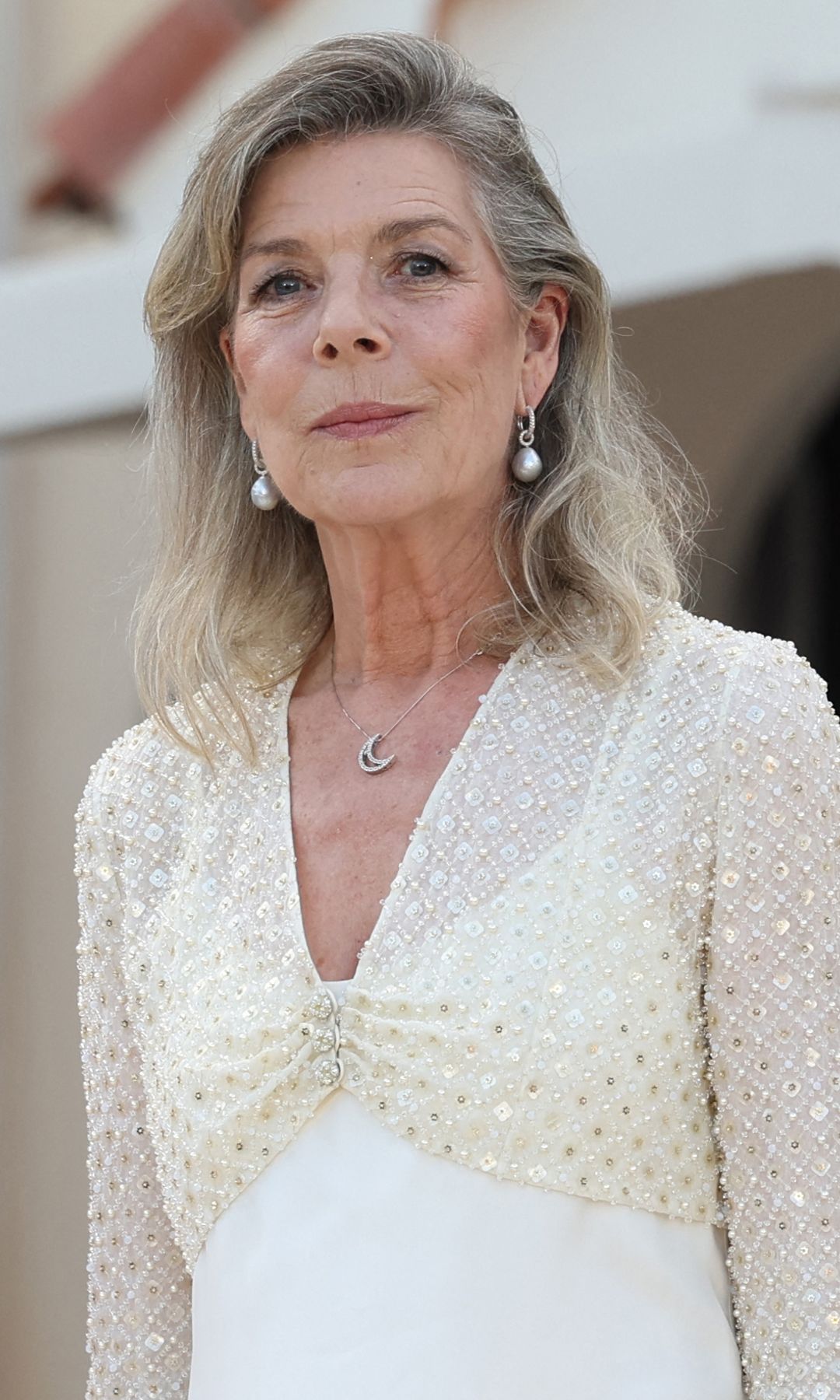
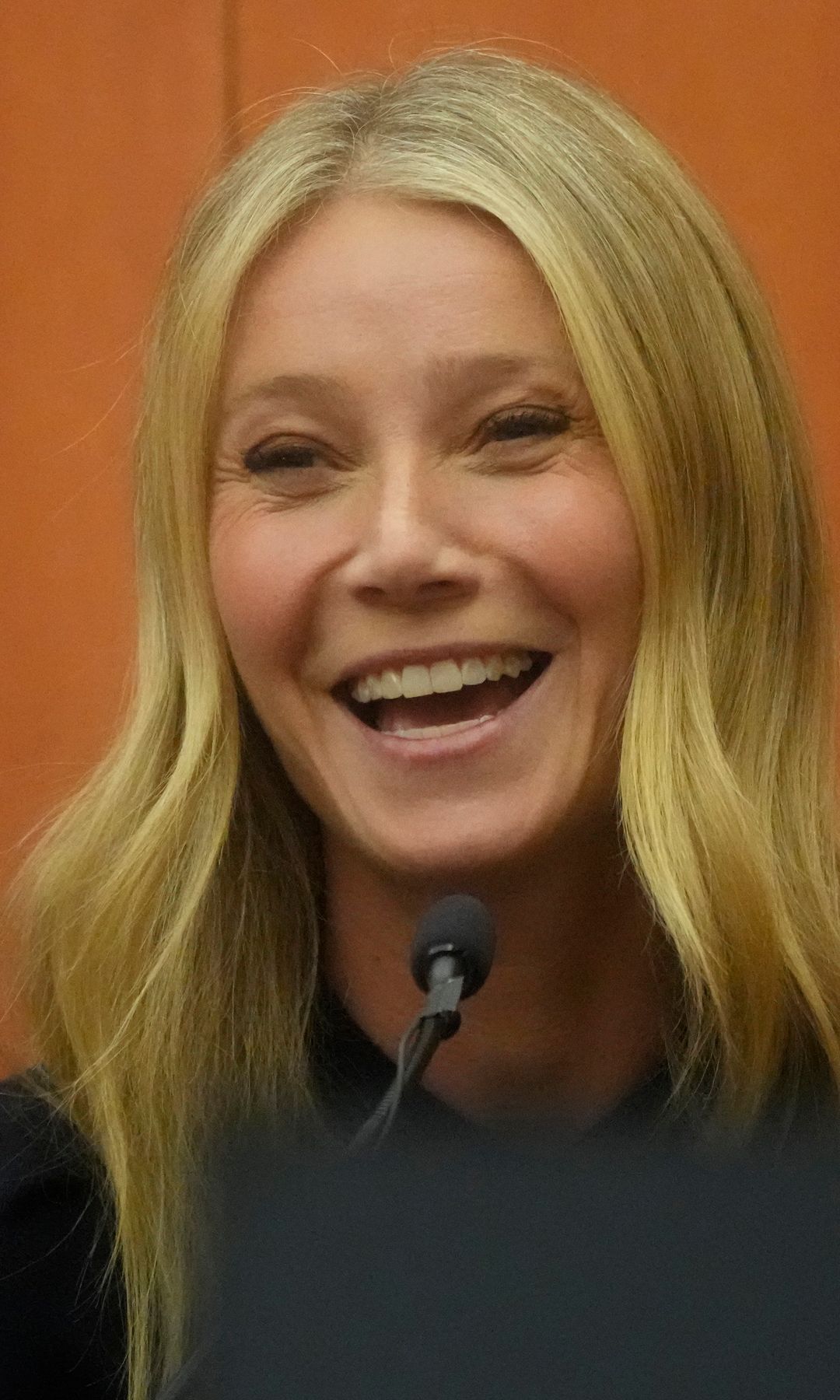
As interest in preventive health and longevity continues to grow, a number of well-known figures, including Caroline of Monaco, Gwyneth Paltrow, and Ariadne Artiles, have embraced therapies aimed at addressing fatigue from the inside out. Their interest reflects a broader shift toward treatments that go beyond recovery and focus on optimizing how the body functions at its core.
 © VALERY HACHE
Tiredness that sleeping can't fix
When a patient talks about "bodily fatigue from stress," what they are describing is a real physiological phenomenon. Dr. Óscar Aguilera, Professor of Metabolic Pathophysiology at UCAM and a specialist at Clínica ITYOS, explains it like this: "Chronic stress elevates cortisol, disrupts mitochondrial function, and reduces cellular energy production."
This drop in ATP production (the molecule cells use as an energy source) has direct consequences. "It also promotes inflammation and hinders tissue repair," the expert adds. The result is a feeling of constant fatigue that doesn't disappear with vacations or more hours of sleep.
 © Pool
The method involves a clinical, metabolic, hormonal, and functional analysis of the patient. "Our approach consists of understanding what is disrupting each person's biological balance and acting with precision on those mechanisms," notes Dr. Óscar Aguilera. Far from quick fixes, the current approach focuses on understanding what is failing internally.
"At Clínica ITYOS, we do not use these resources in a standardized way," Aguilera explains. "Oxygenation, vitamin, or magnesium treatments are not the difference-maker in themselves; what is decisive is how, when, and for whom they are applied." This model, recognized with the National Prize for Medicine in Medical Innovation, responds to a new way of understanding well-being. As Cris Sainz, co-founder and CEO of the center, explains, "The new luxury is feeling good, having energy, and living in physiological balance. That is the medicine we are building."
The protocol starts with advanced blood work that detects mitochondrial dysfunction, nutritional deficiencies, inflammation, or hormonal alterations. From there, a personalized treatment is designed, which can include hyperbaric chamber oxygenation, adapted nutrition, and supplementation based on clinical analysis. "The goal is to restore cellular energy and the body's natural capacity for recovery," the doctor points out, emphasizing that everything is done under medical supervision and with continuous monitoring.
One of the key points is differentiating whether the tiredness is temporary or due to low-grade inflammation sustained over time. This type of inflammation, being less obvious, can go unnoticed in conventional blood tests. "We perform a comprehensive evaluation using inflammatory markers, a hormonal profile, and parameters related to mitochondrial function," Aguilera explains. This way of caring for the body allows for the detection of dysregulations that aren't always visible. In many cases, the problem isn't that you aren't resting enough; it's that your body has forgotten how to recover.
 © martin-dm
IV Therapy: Beyond a trend
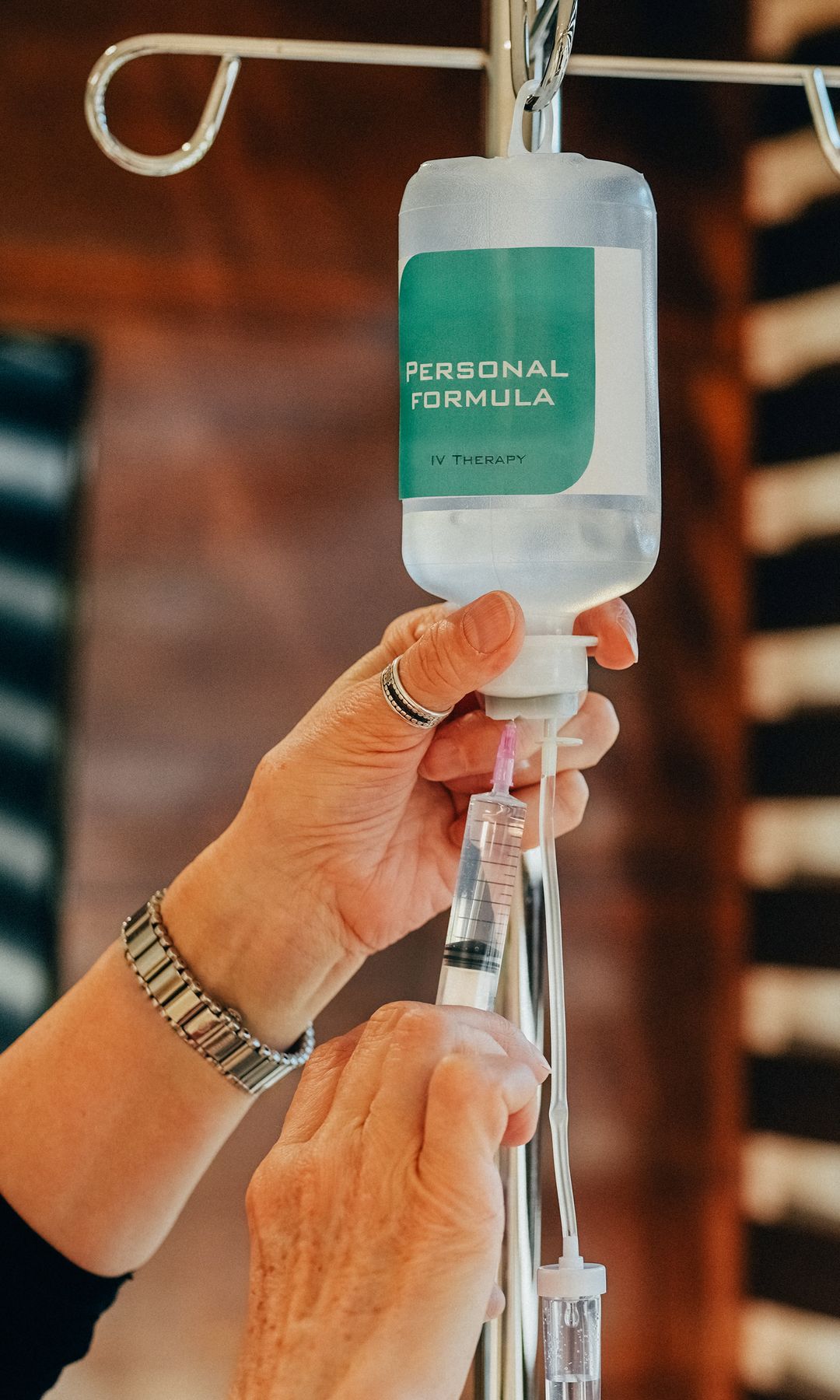
The popularity of intravenous infusions has grown in recent years. "They allow the direct administration of key nutrients with significantly higher bioavailability than the oral route," explains Dr. Óscar Aguilera. Translated: what your body needs arrives faster, better, and exactly where it needs to go. This is especially true during times of high stress, when the wear and tear is deep. Here is when vitamins, minerals, and antioxidants stop being only a wellness trend and become a precise intervention that promotes cellular regeneration from within.
"IV therapy should not be considered a fad," the specialist insists. Because it isn't. These are tailor-made protocols adjusted to what each body needs at that specific moment, allowing for the direct absorption of nutrients and anti-inflammatory actives. Consequently, they optimize key processes such as detoxification, cellular repair, and tissue regeneration. Furthermore, Dr. Vicente Beltrán Martínez, an expert in aesthetic and regenerative medicine, emphasizes that "not everyone needs it" and stresses that it is designed for clear, deficient or immunodeficient states.
 © Carlos Alvarez
From there, this approach to well-being expands with personalized supplementation and technologies like bio-infrared therapy that act where superficial treatments cannot, helping to reduce inflammation, activate deep circulation, and reactivate the body's natural recovery mechanisms. Even outside the clinical environment, alternatives are beginning to appear that bring part of this logic into the home, such as the SKINVITY Infrared LED Mat, an LED light blanket that, in the words of its founder, Blanca Miñano, "activates the body's natural capacity to function better."
The new paradigm: optimizing health before getting sick
The case of Eva González reflects a broader shift in mindset. "The concept of 'optimizing health' means moving from treating disease to anticipating imbalances," Dr. Aguilera explains. For women with demanding schedules, this new outlook on health becomes essential. Sustained stress takes a toll physically and emotionally, disrupting rest. It usually makes it harder to concentrate and, above all, makes unplugging feel like a massive effort.
"We are facing a paradigm shift: people are no longer just looking to treat symptoms, but to understand their health and preserve it in the long term," says Cris Sainz. More and more, well-being is ceasing to be merely the absence of disease. It is becoming something else. More demanding, yes. But also more honest: a dynamic balance between what you do, what you feel... and what your body can truly sustain.