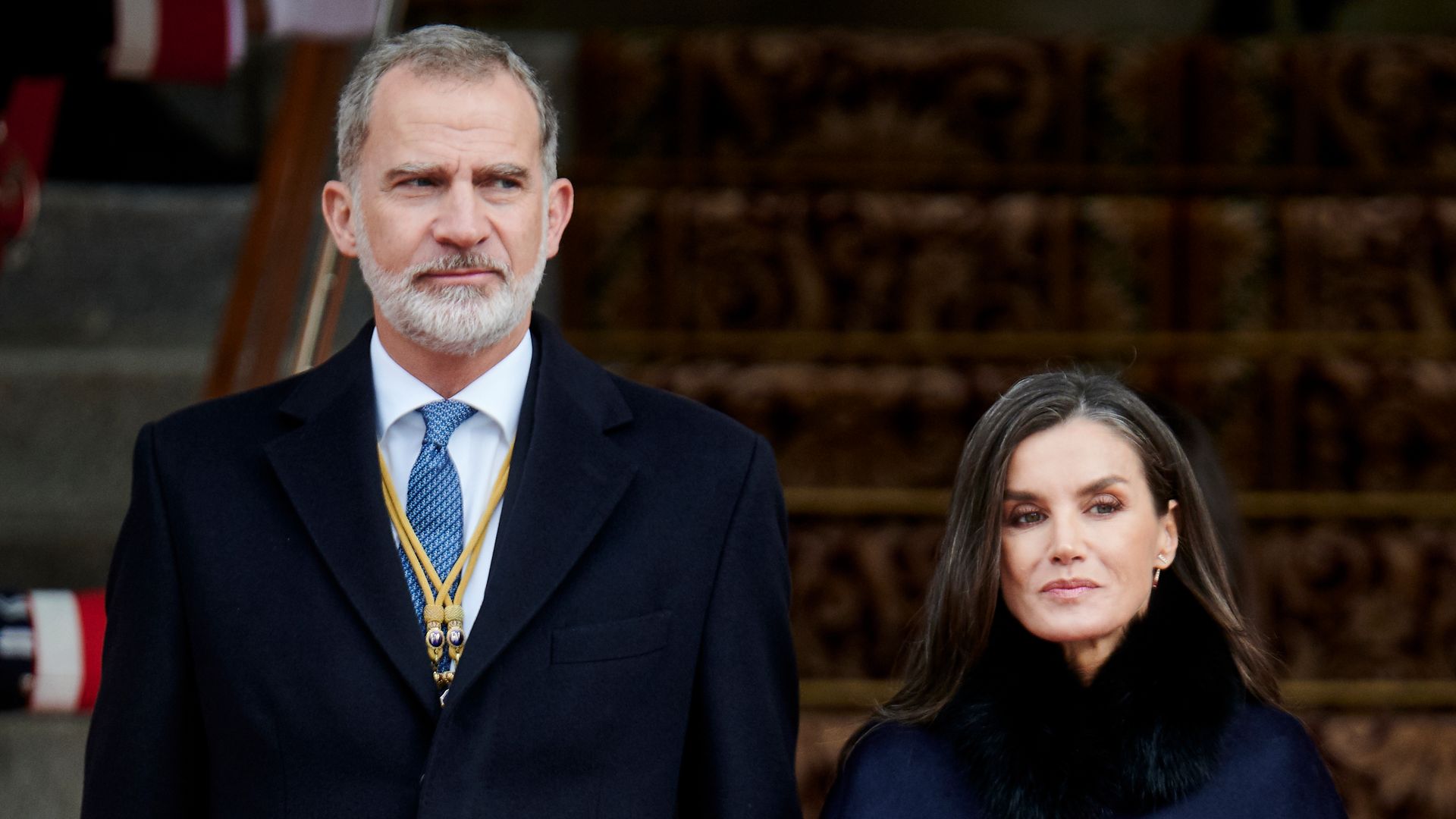
King Felipe VI was hundreds of miles from Madrid when the news broke. On Wednesday morning, Felipe was at the Jaime I military base in Valencia, attending a military exercise. Cameras captured him with a grave expression throughout. Just before 9 a.m., two high-speed trains collided in the province of Toledo, in what’s quickly become one of the deadliest rail disasters in Spain’s recent history.
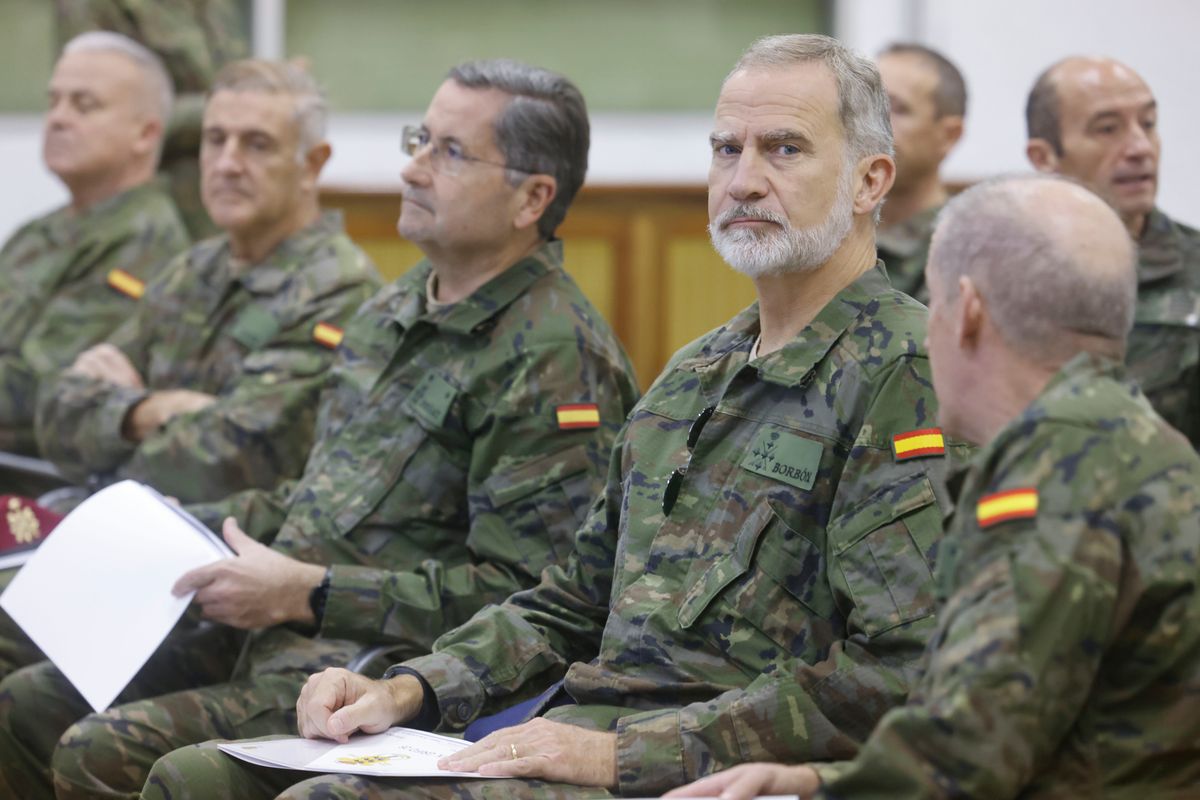 © Europa Press via Getty Images
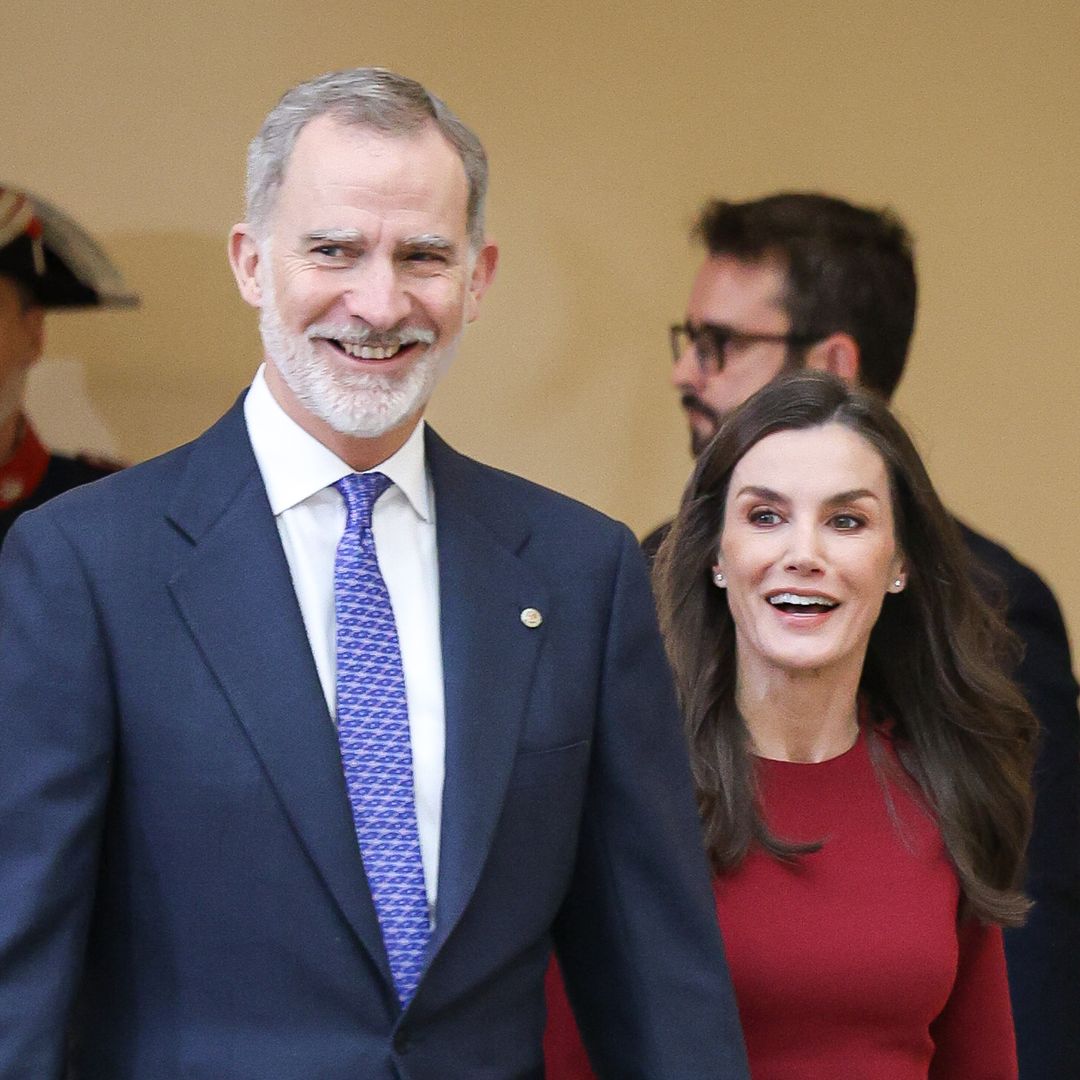
When the maneuvers wrapped up, King Felipe told reporters that the activity had been cut short so he could get back to Madrid as quickly as possible and monitor the emergency. Per EFE, Felipe called the disaster a “terrible accident” and offered his condolences along with his “sadness, support and affection” at “such a hard moment" for all affected parties. He said that he'd already spoken with Castilla-La Mancha’s regional president, Emiliano García-Page.
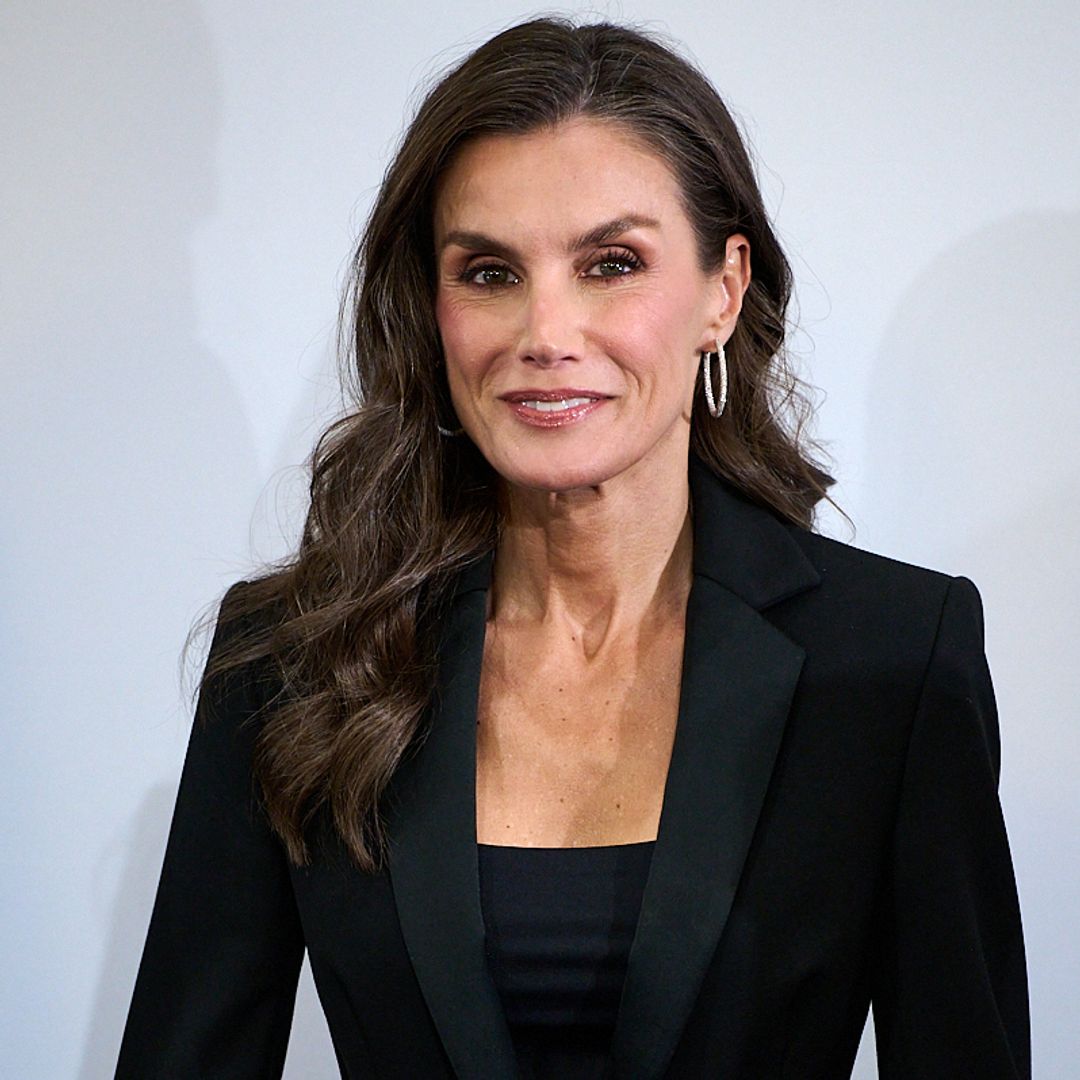
The King has remained in constant contact with the government throughout the day. Alongside Queen Letizia, he also released a statement through the Royal Household’s official channels. “We are moved and concerned by the rail accident in Urda (Toledo). We share in the sorrow of the families and loved ones of those who died, and we send our affection to the injured and everyone affected. Our support also goes to the emergency teams and to everyone working in the area to help in any way possible under these circumstances.”
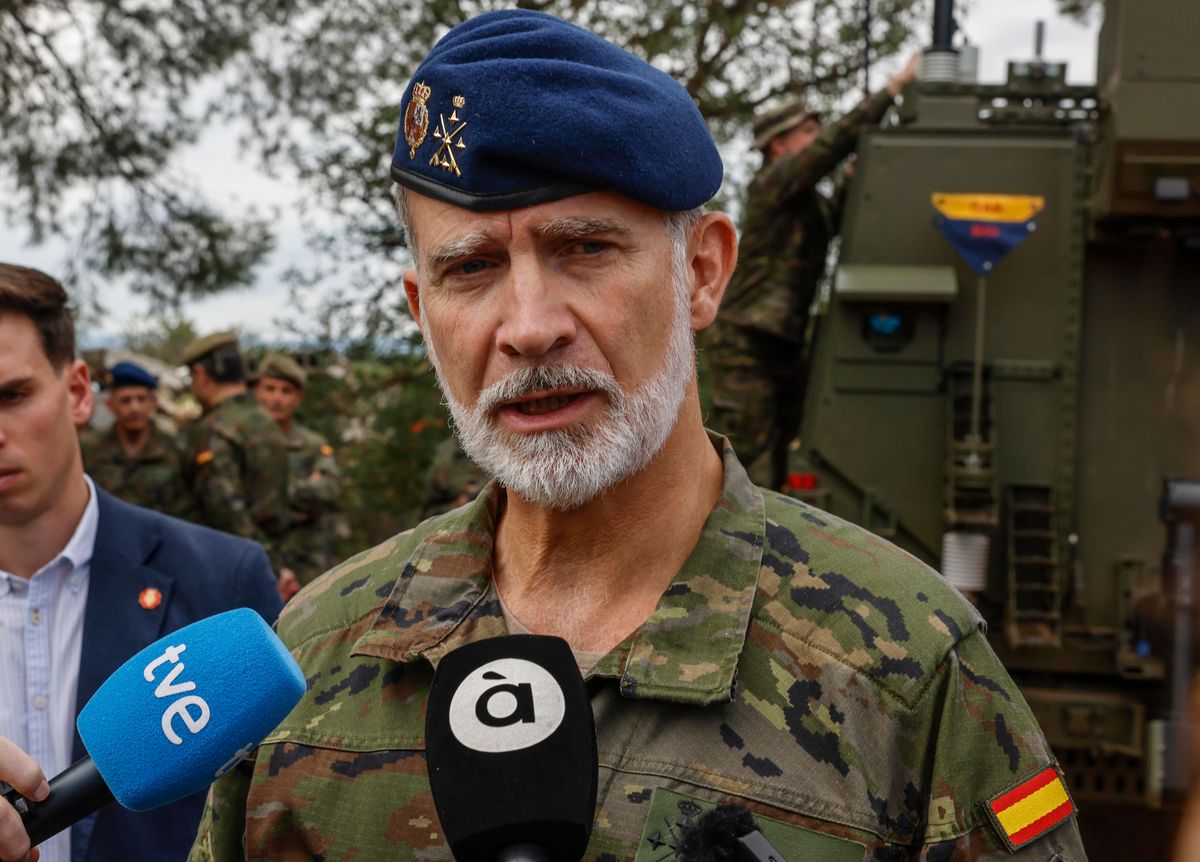 © Europa Press via Getty Images
What happened near Urda
The crash took place on the high-speed line that links Madrid to Andalusia, near the Urda station. According to emergency service 112, the accident took place at 8:54 a.m.
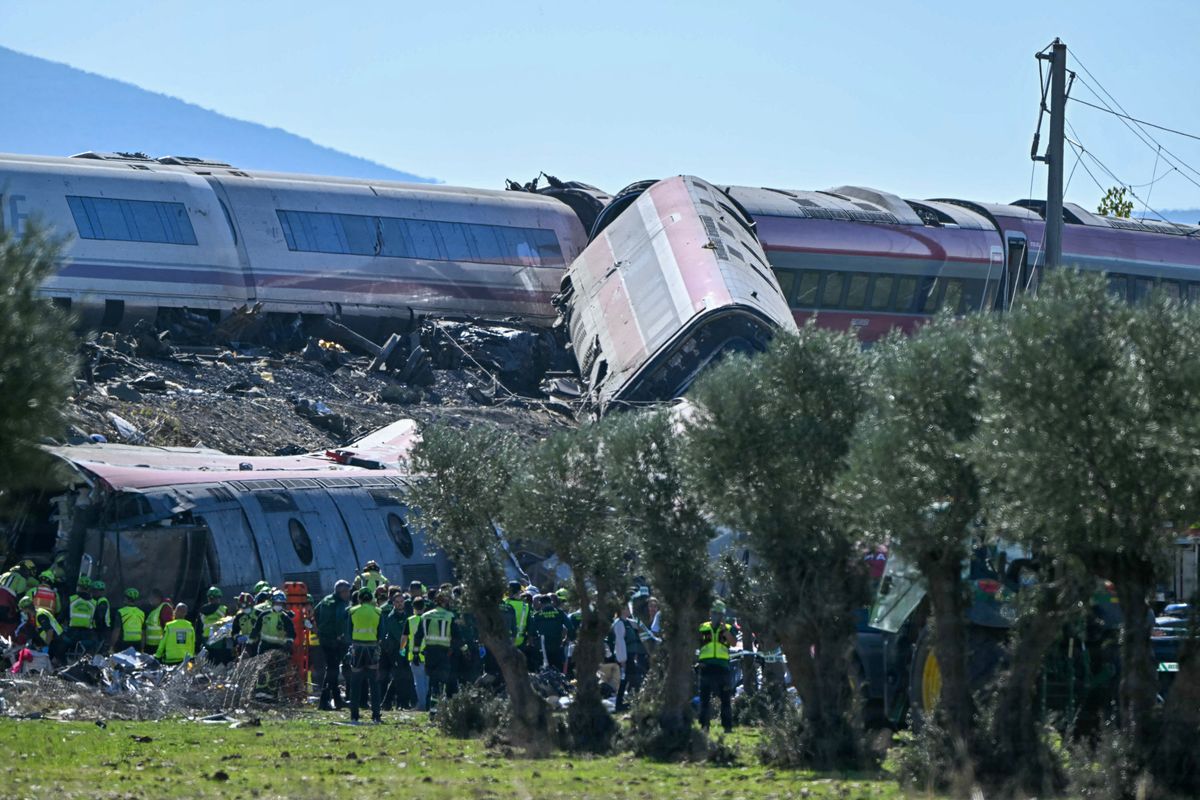
Rail infrastructure operator Adif confirmed that both trains, a Renfe AVE and an Iryo service, were traveling the Madrid-Seville route. Early reports indicate the AVE, which had left Madrid at 8 a.m., struck the Iryo train from behind. The impact knocked two cars off the tracks and sent them down an embankment.
Per the latest figures from the government, the death toll has climbed to at least 68, up from 64 earlier in the day. At least 80 people have been injured. Firefighters from nearby stations raced to the scene, joined by Civil Protection volunteers from adjacent towns, three medical helicopters and two mobile intensive care units.
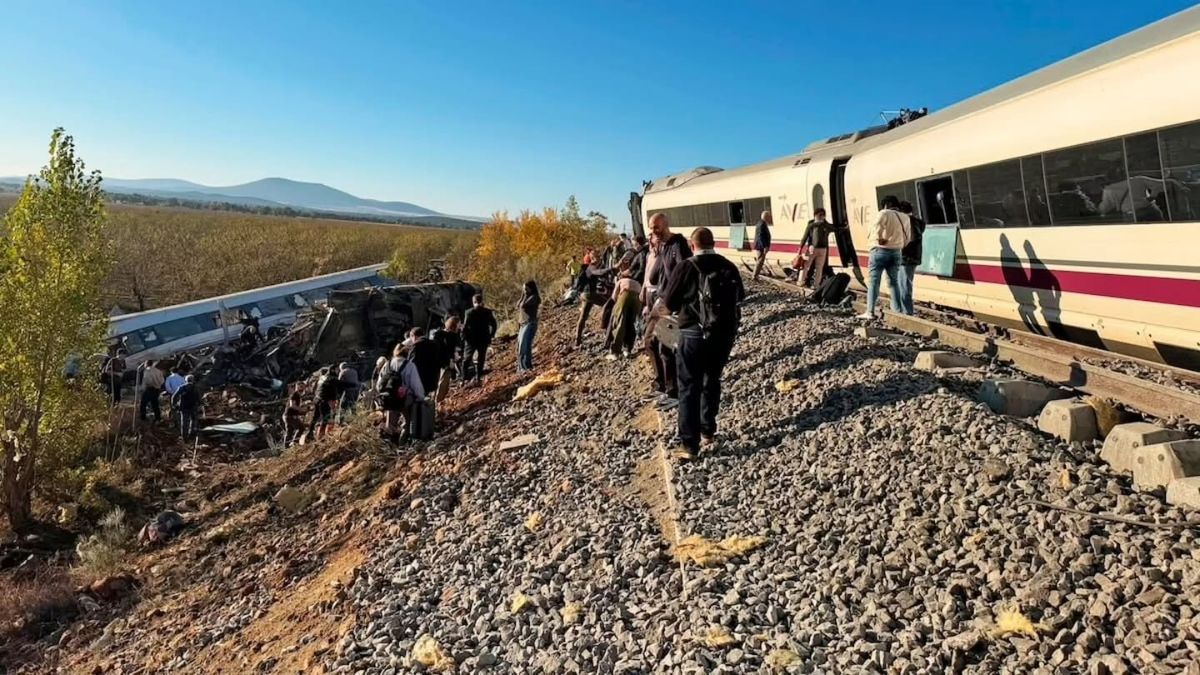 © Anadolu via Getty Images
'The impact was brutal'
Miguel Ángel Pérez Laguna was riding in one of the last cars of the AVE when the trains collided. Speaking to Capital Radio, he described the harrowing moments of the crash. “The impact was brutal," he said in Spanish. He explained that it felt as if the collision had happened right in front of him.
Castilla-La Mancha’s regional government activated its Territorial Emergency Plan as rescue crews continued working at the site. Prime Minister Pedro Sánchez also pulled out of an event scheduled for Wednesday morning in order to follow the developments closely.
The tragedy comes nine months after the Adamuz rail disaster in Córdoba, where a derailed Iryo train and a Renfe service collided in January. The accident left 46 people dead.
 © AFP via Getty Images