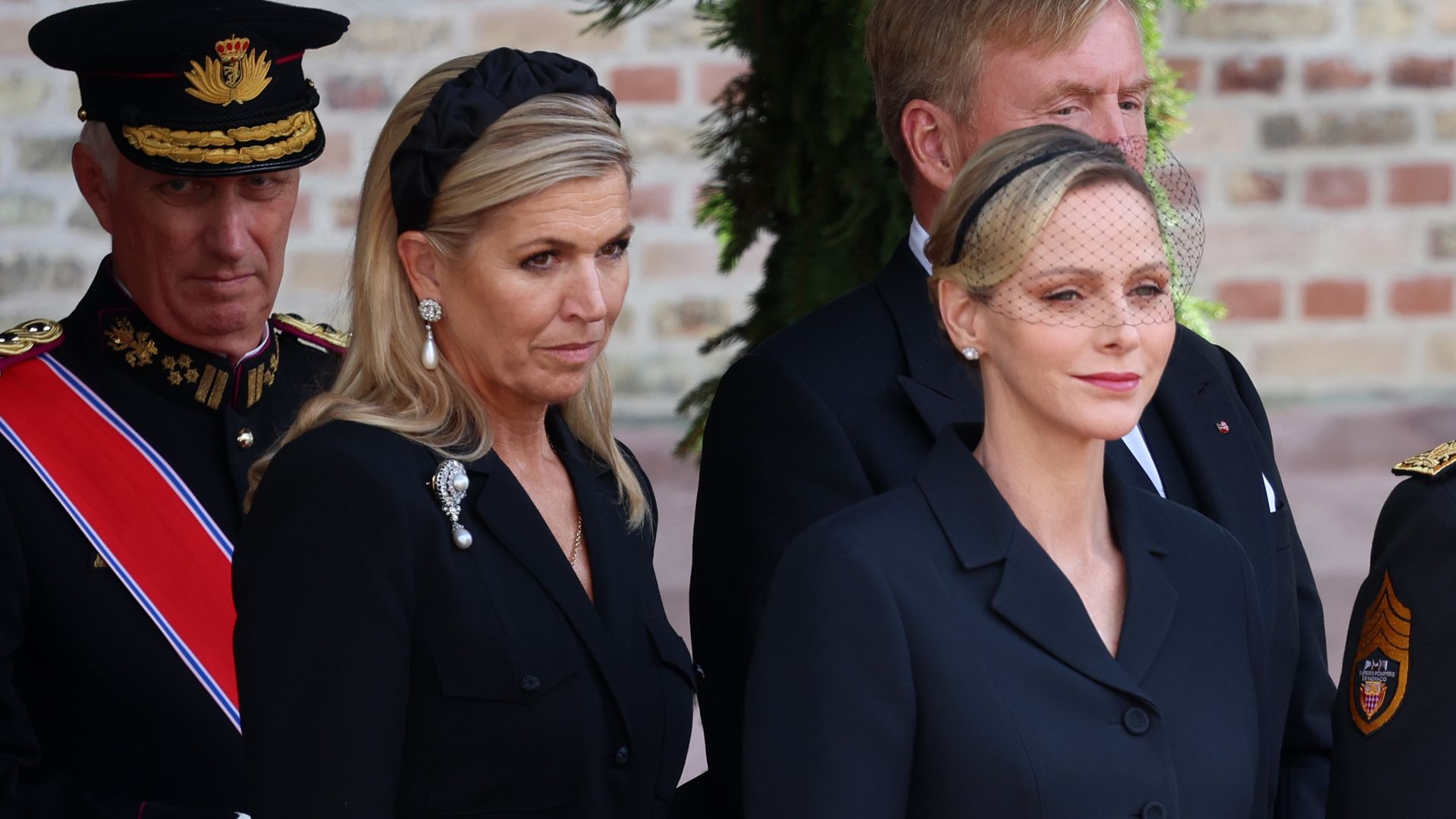
European royals paid tribute to King Harald V of Norway with a centuries-old mourning tradition at his historic state funeral.
King Harald died on August 28 at the age of 89 after 35 years on the throne, bringing an era in Norway's monarchy to a close. In the days that followed, memorial services and solemn ceremonies were held in his honor, culminating in his state funeral in Oslo on September 9.
 © ODD ANDERSEN
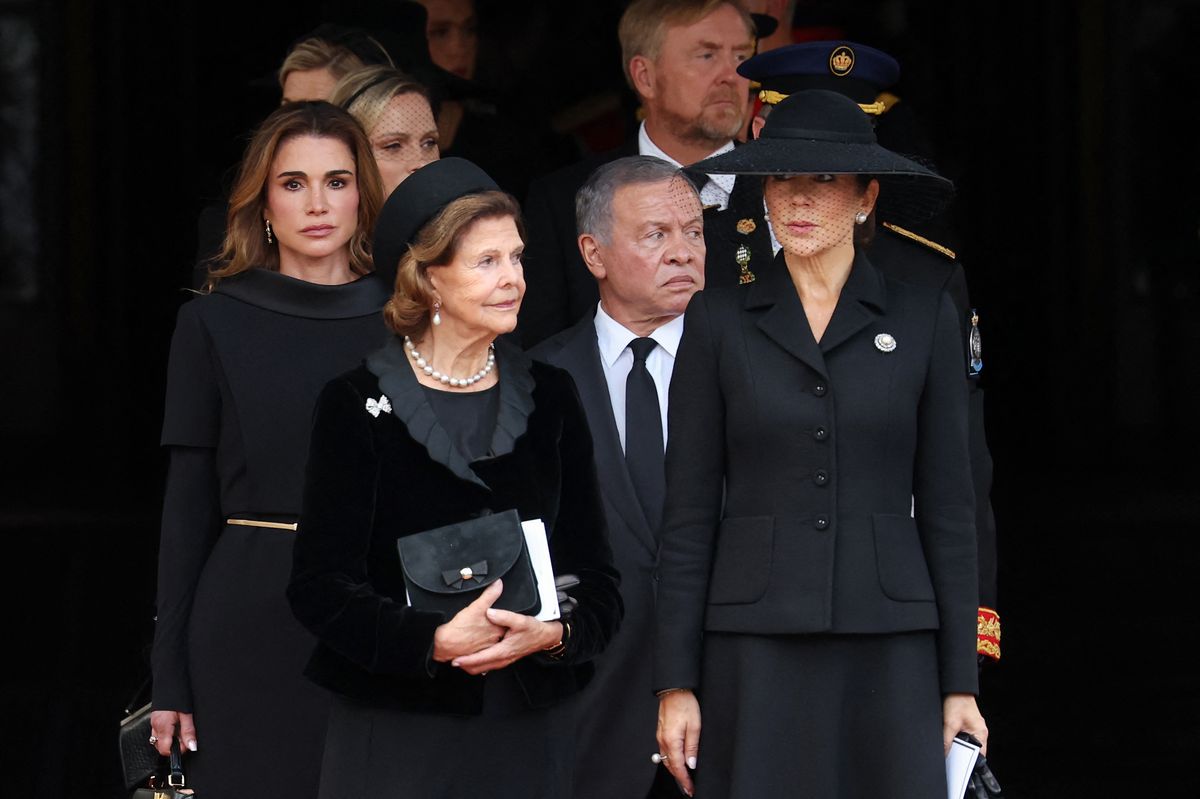
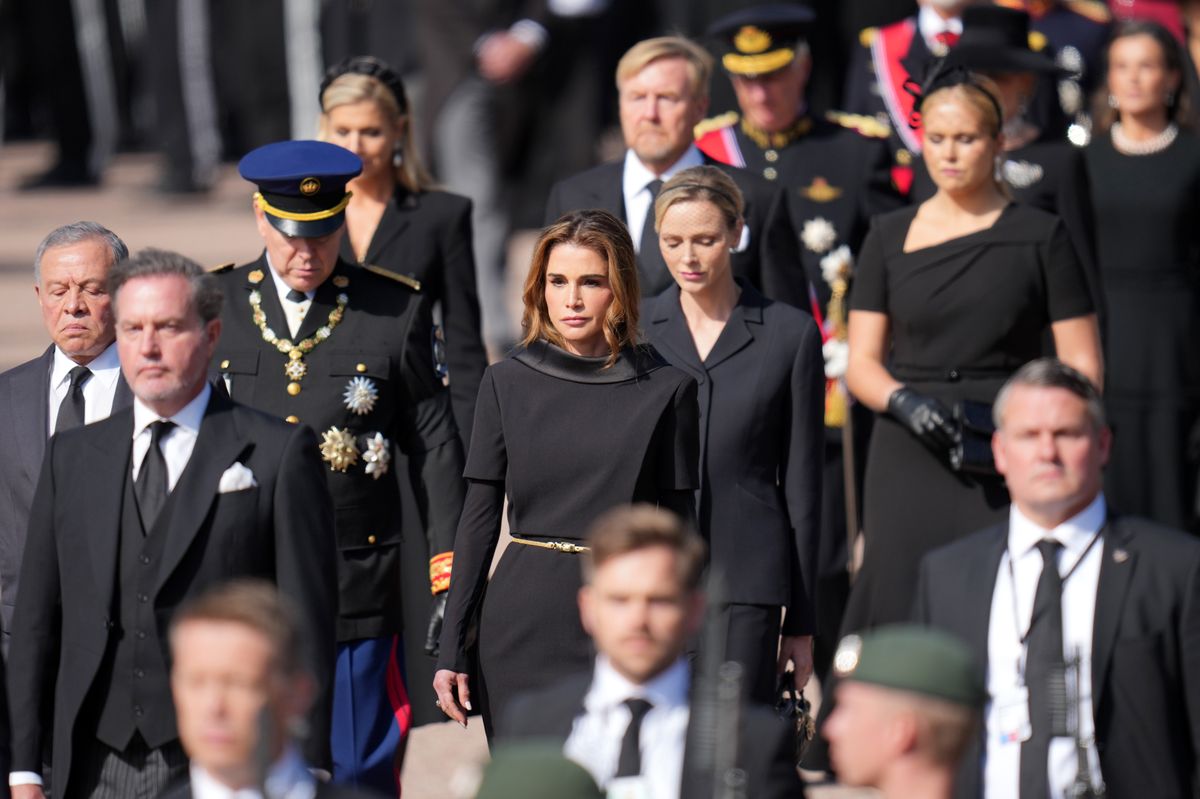
Representatives from royal families across Europe and beyond gathered in the Norwegian capital dressed in traditional mourning black. From Queen Letizia of Spain and Princess Charlene of Monaco to Queen Rania of Jordan and Princess Ingrid Alexandra of Norway, many of the royal women incorporated one symbolic detail into their somber ensembles.
For generations, pearls have held a special place in royal mourning. Their understated appearance allows them to complement traditional black attire, while their historic association with tears gives them an added layer of emotional symbolism.
 © ODD ANDERSEN
What royal protocol says about funeral attire:
King Harald's state funeral was held at Oslo Cathedral on September 9, following several days in which his coffin rested at the Royal Palace, allowing members of the public to pay their respects.
 © Peter Summers
At a ceremony of this magnitude, royal dress leaves little room for improvisation. According to image consultant and protocol expert Marta Callejo, "The basic principle of mourning applies to everyone, sobriety and respect."
For members of royal families, however, expectations can be even stricter. Black remains the most appropriate choice, although dark shades such as navy blue or charcoal gray may be acceptable in certain circumstances.
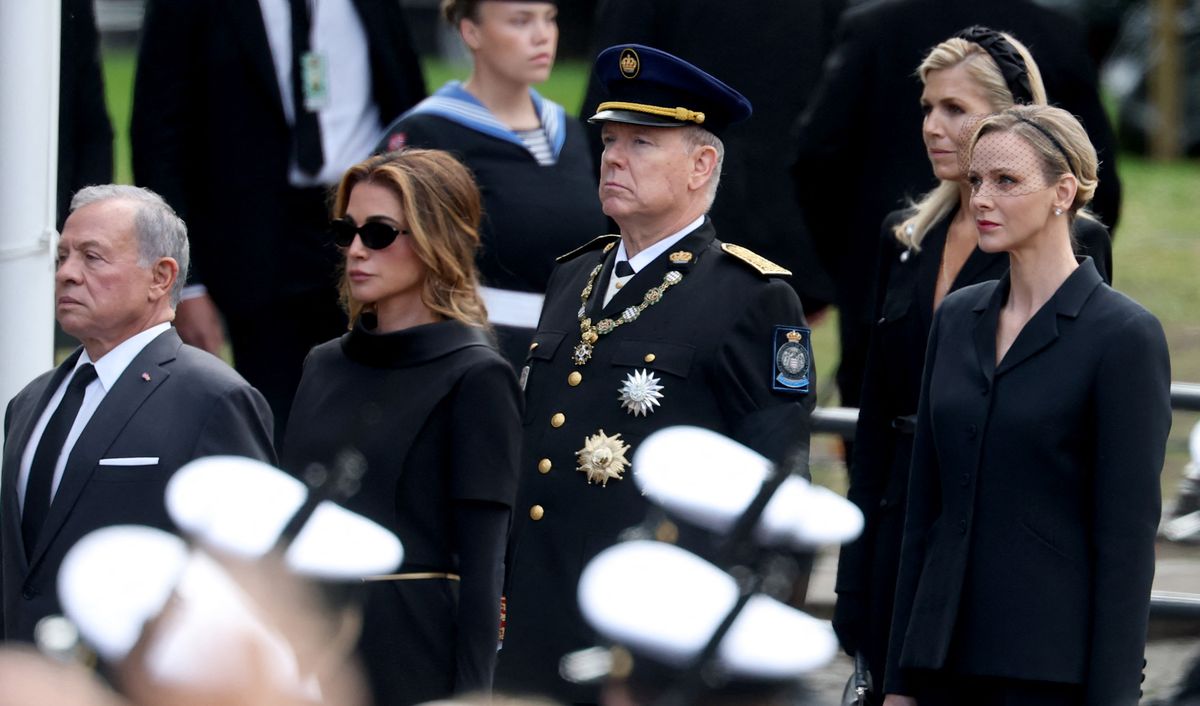 © ODD ANDERSEN
Fabrics should generally be matte and understated, while midi lengths remain among the most traditional choices. Shoes should similarly be closed-toe, subdued and designed not to attract attention.
Headwear can also play an important role. "It is not mandatory, but it is highly recommended at state or royal funerals," Callejo explains. Low-profile hats, pillbox styles and discreet fascinators can therefore be appropriate, provided they remain secondary to the solemnity of the occasion.
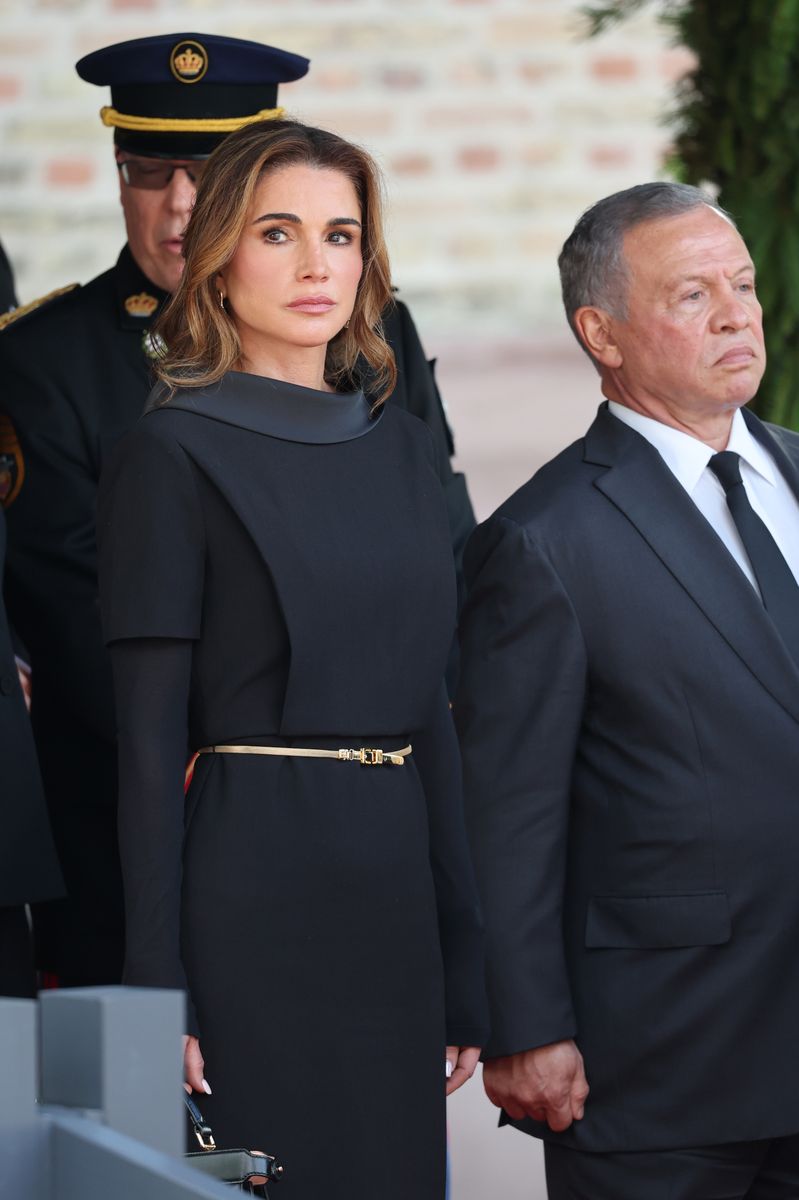 © Chris Jackson
It is in this context that pearls have a particular advantage: they allow royals to wear jewelry without disrupting the restrained nature of mourning attire. They do not introduce bold color or compete with an all-black ensemble, while simultaneously carrying historical and emotional significance.
A silent way of remembering:
Princess Ingrid Alexandra has repeatedly turned to pearls throughout the period of mourning for her grandfather.
Rather than statement diamonds, colorful gemstones or attention-grabbing jewelry, the future Queen has chosen understated white pearls. A jewel that has accompanied generations of royal women through moments of remembrance, farewell and grief.
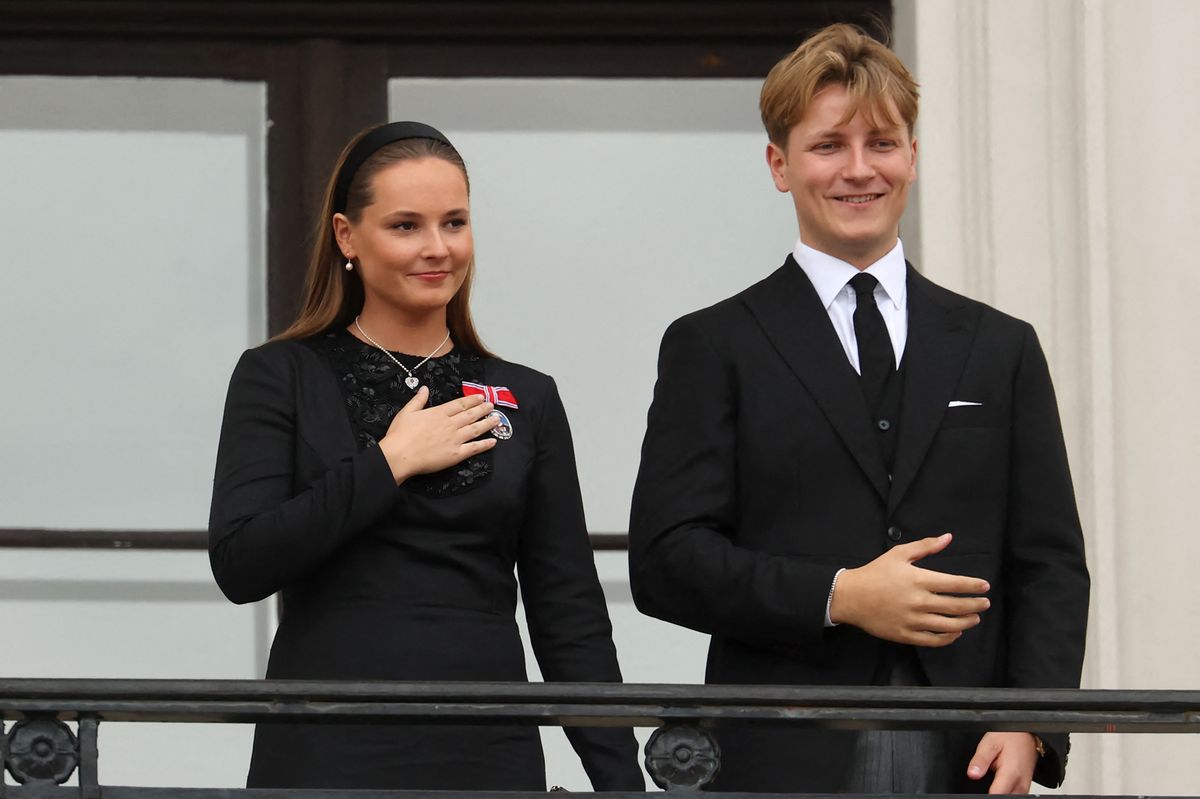 © ODD ANDERSEN
For Ingrid Alexandra, the choice carries particular significance. As Norway says goodbye to Harald and her father begins his reign, she is experiencing the moment from two different positions, as a granddaughter mourning her grandfather and as the heir who now represents the future and continuity of the Crown.
Small and seemingly simple, her pearls have become one of the most eloquent details of her mourning wardrobe.
Ingrid Alexandra's meaningful pearls:
Throughout the ceremonies honoring her grandfather, Ingrid Alexandra has made pearls a recurring element of her looks.
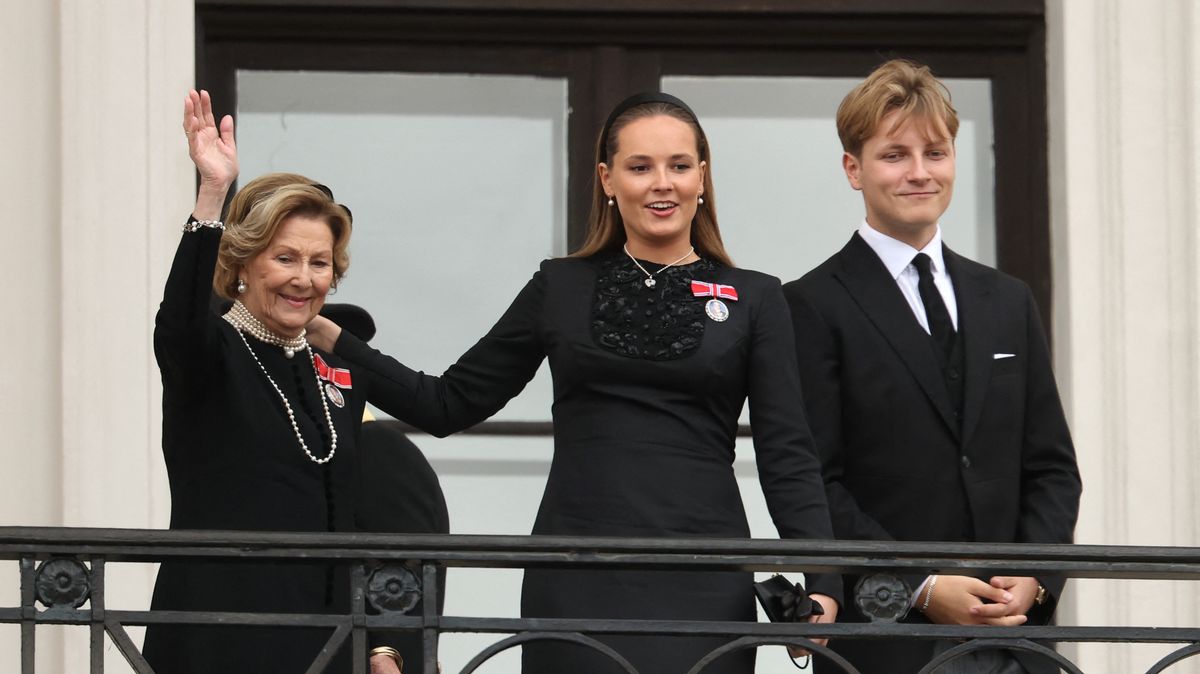 © ODD ANDERSEN
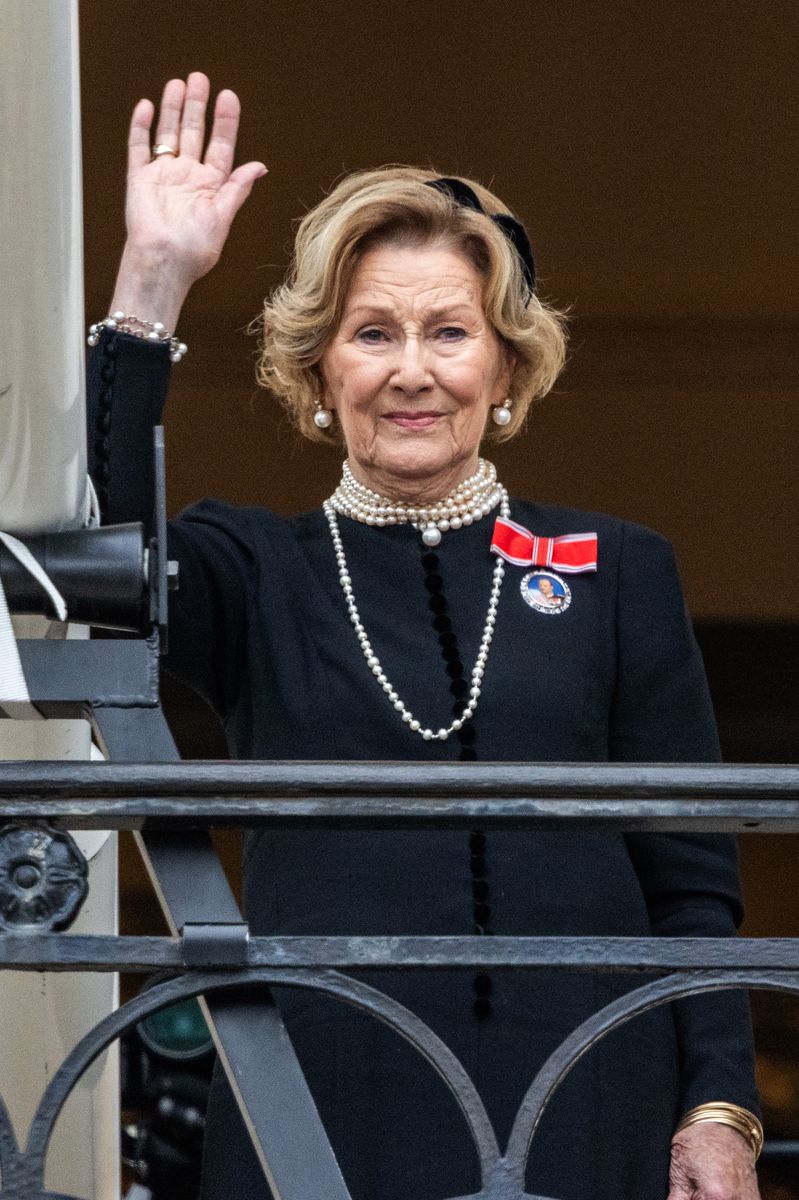
The Princess has worn two different but similar pairs, slightly dangling white pearl earrings and classic pearl studs, both discreet and deliberately understated. The jewelry serves as more than an accessory, communicating respect, memory and continuity.
During the ceremony in which her father, King Haakon VIII, swore an oath to the Constitution before Parliament on September 1, Ingrid Alexandra again wore pearls, this time opting for a smaller style that sat closer to her face.
 © Per Ole Hagen
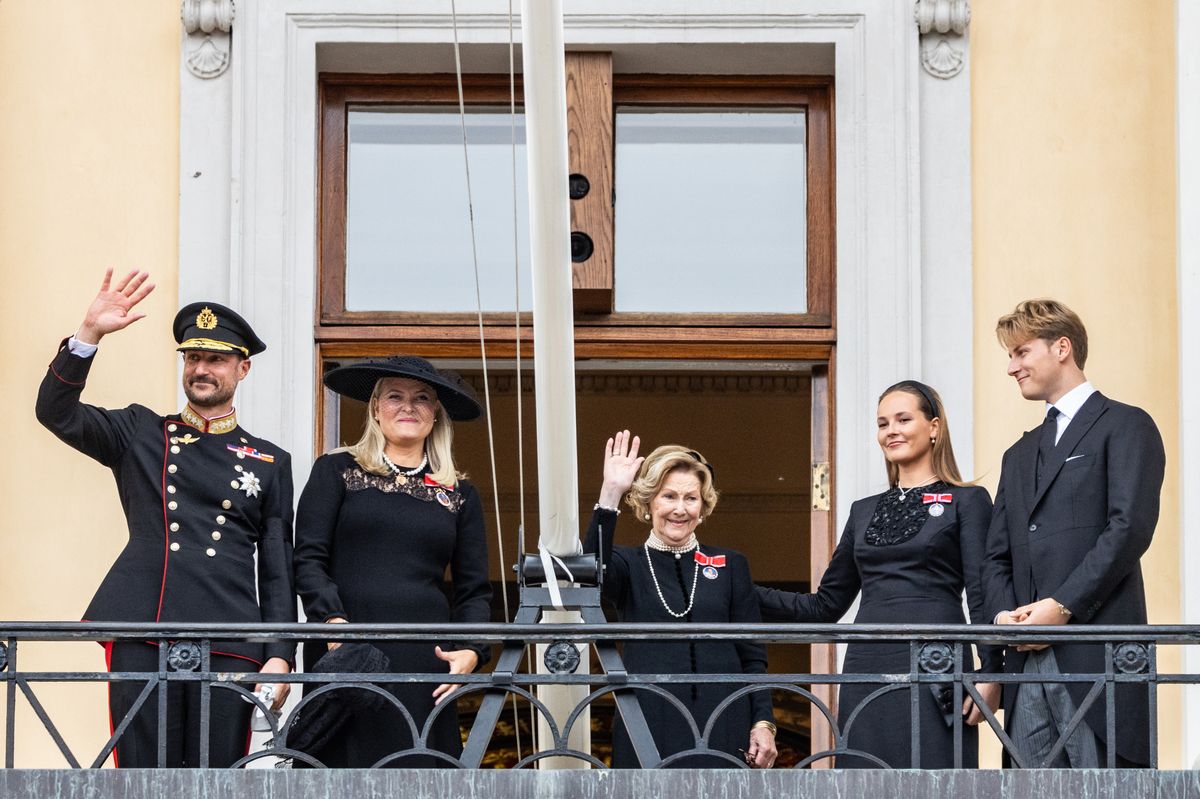
At earlier events surrounding King Harald's farewell, she wore slightly dangling, teardrop-shaped pearl earrings. They appear to be the same pair she debuted during celebrations for her 18th birthday in 2022. If so, they carry an additional personal connectionm the earrings were reportedly a joint gift from members of the Belgian and Dutch royal families.
Another subtle detail reinforces the symbolism. In photographs of Ingrid Alexandra walking alongside her grandfather's coffin, she also appears to be wearing a ring featuring a large pearl, suggesting that her repeated use of the gemstone throughout the mourning period has been particularly meaningful.
 © WireImage
Her grandmother, Queen Sonja, has similarly worn pearl necklaces, earrings and brooches during the commemorative events. For her husband's state funeral, the Queen incorporated pieces including pearls from Queen Maud's Edwardian-style jewelry collection.
Royal women honor King Harald with pearls:
King Harald's immediate family were not the only royals to embrace the tradition.
 © Chris Jackson
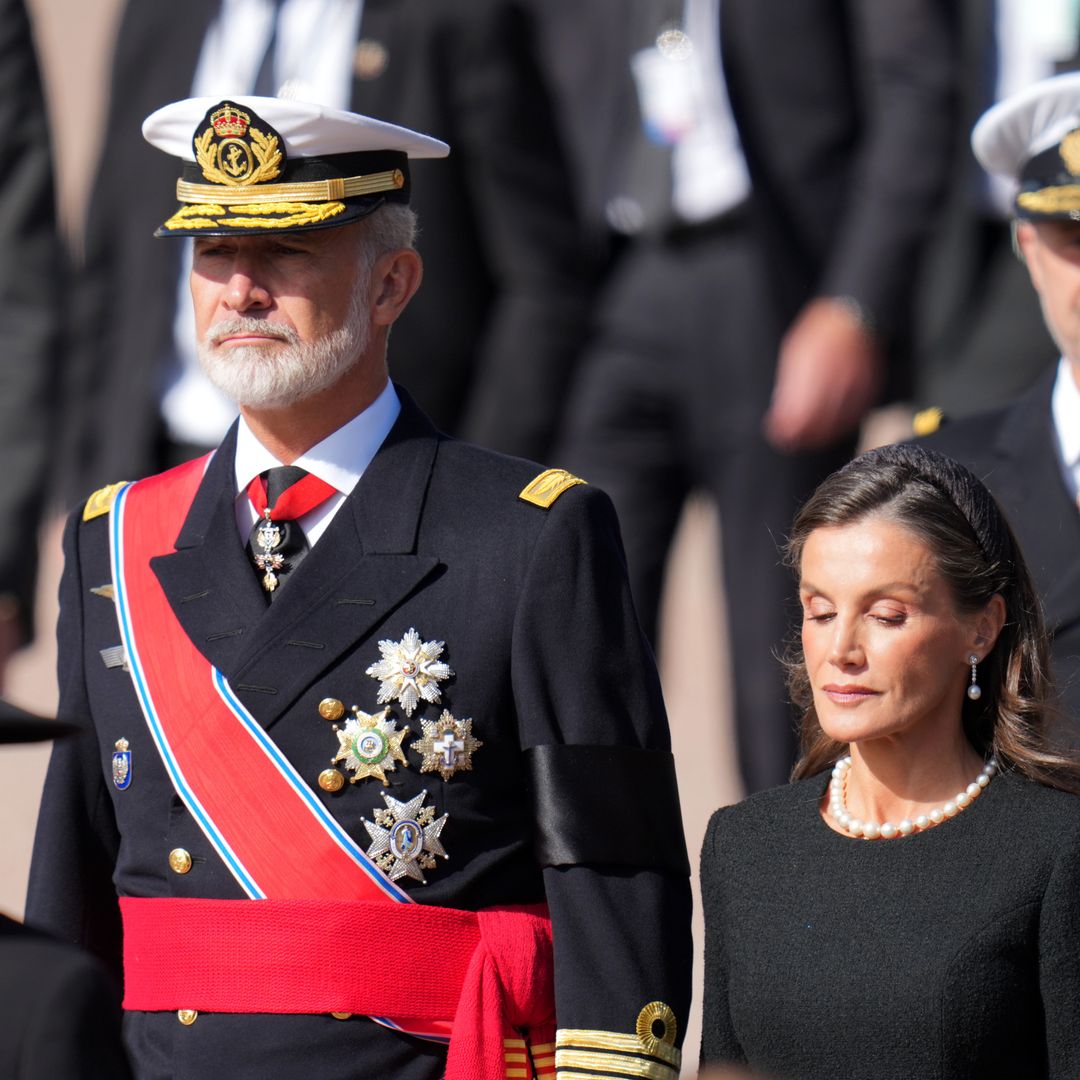
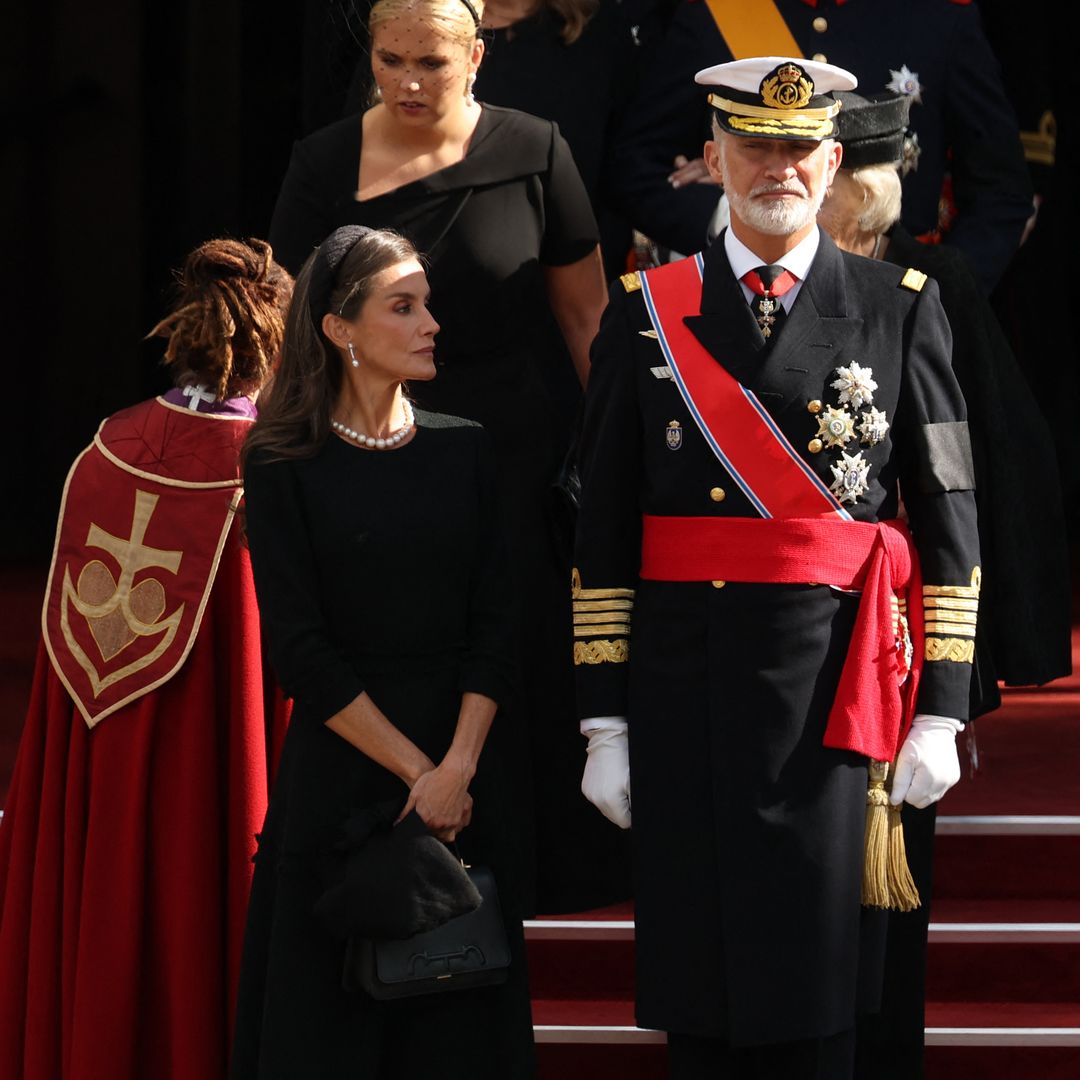
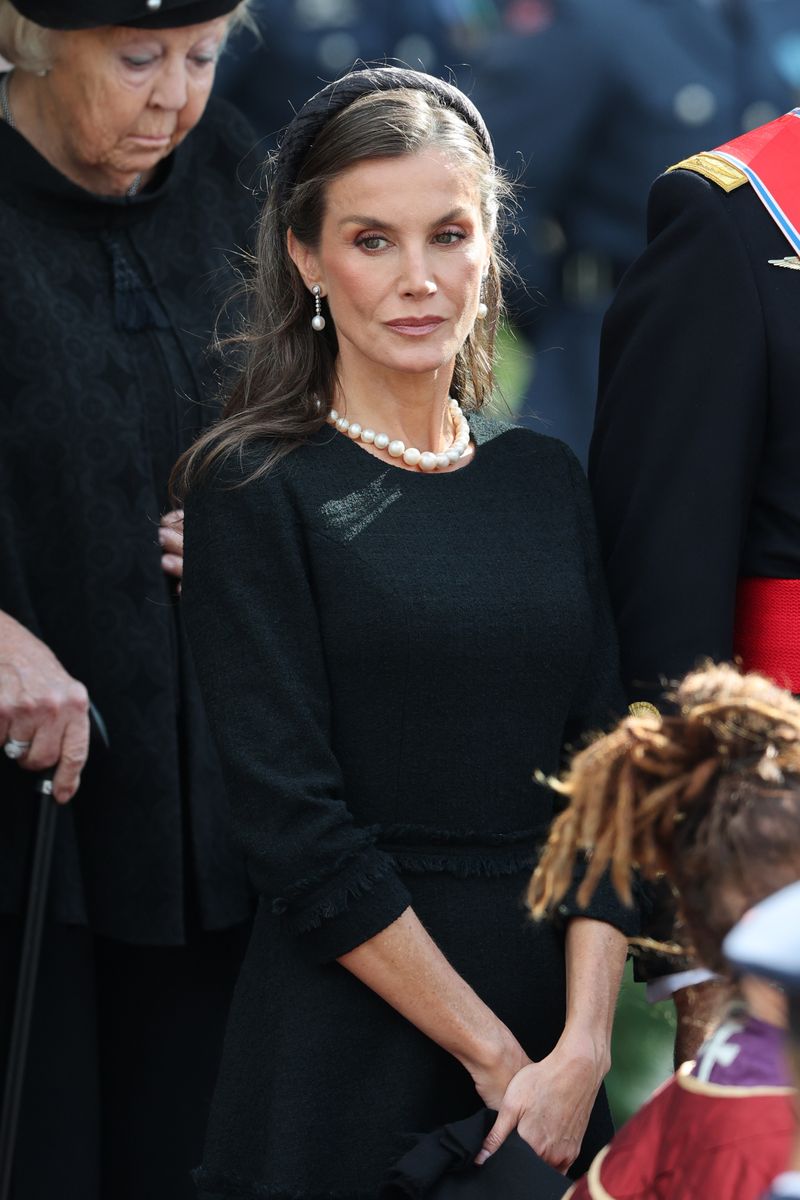
Queen Letizia of Spain accompanied her black mourning ensemble with Queen Victoria Eugenia's historic 37-pearl necklace. The necklace is composed of Russian pearls and traces its history to King Alfonso XII, who presented it to his first wife, Queen Mercedes, in 1878.
Originally, the necklace reportedly featured 41 pearls and was created in Imperial Russia. Although it is not among the pieces Letizia wears most frequently, she has previously brought it out for significant occasions, including journalism awards and the Pascua Militar.
 © Chris Jackson
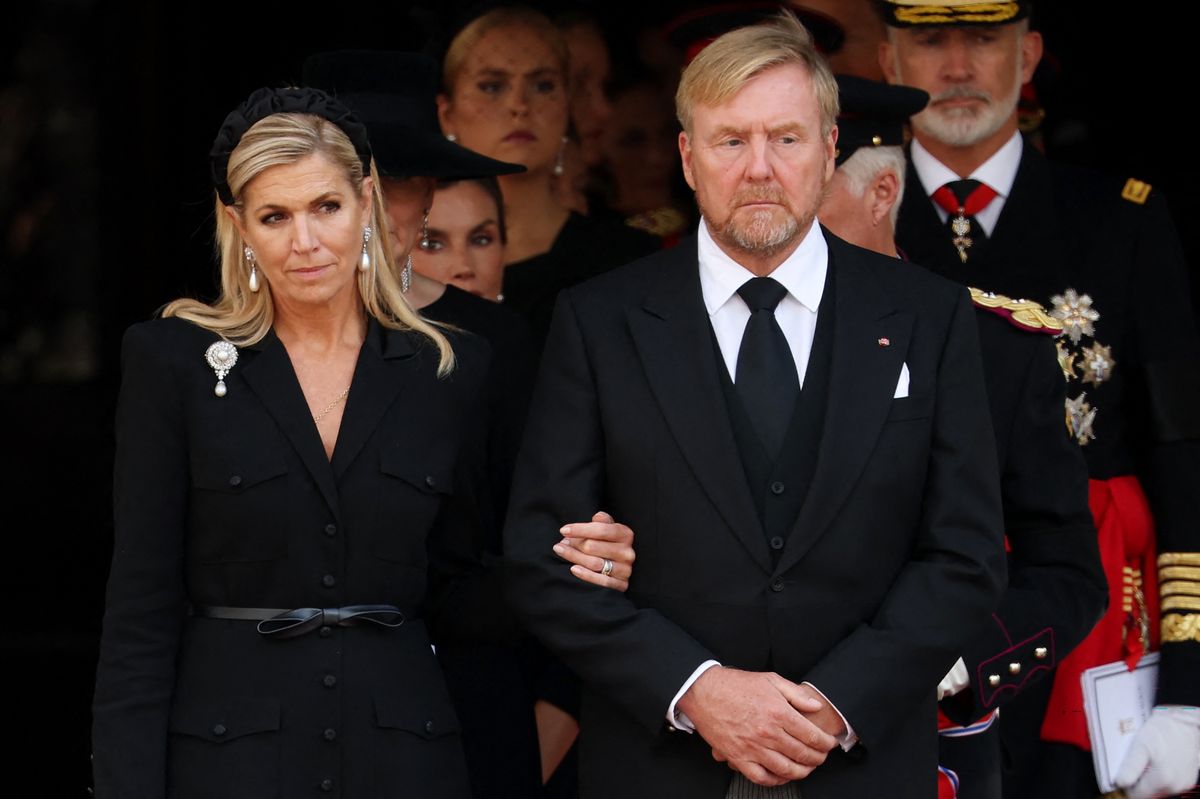
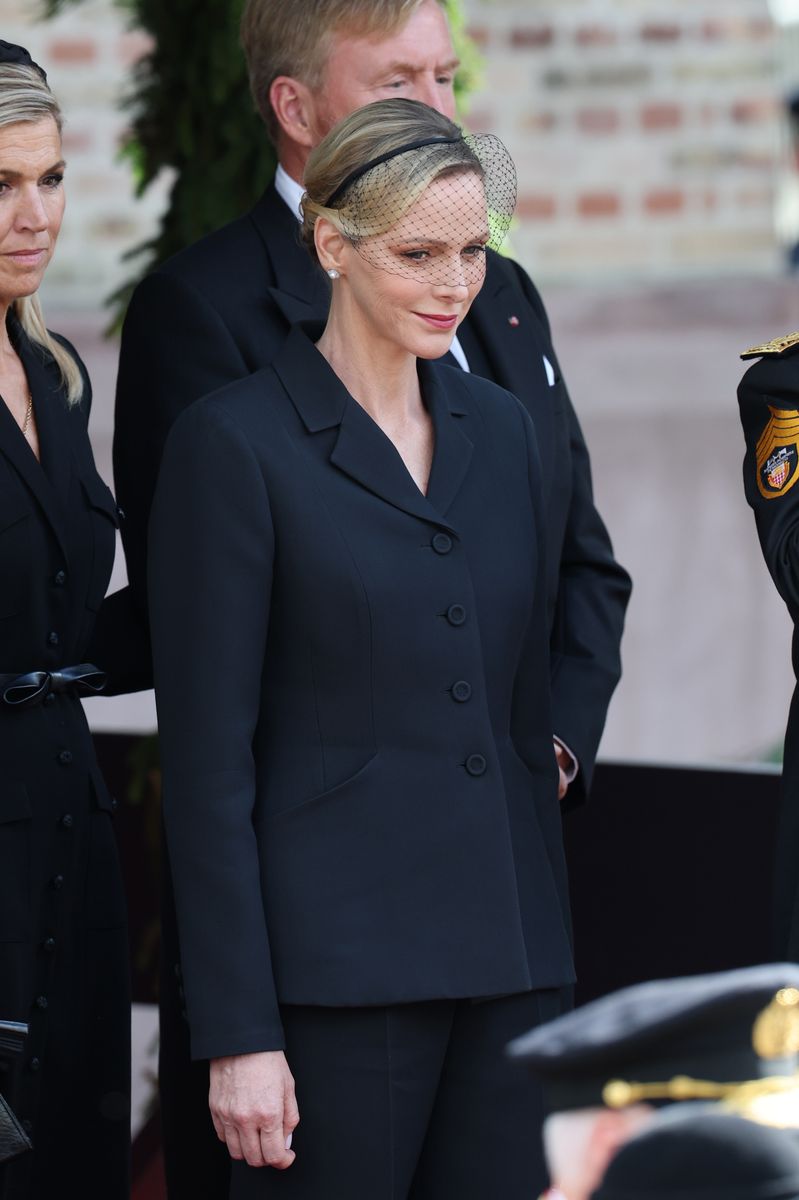
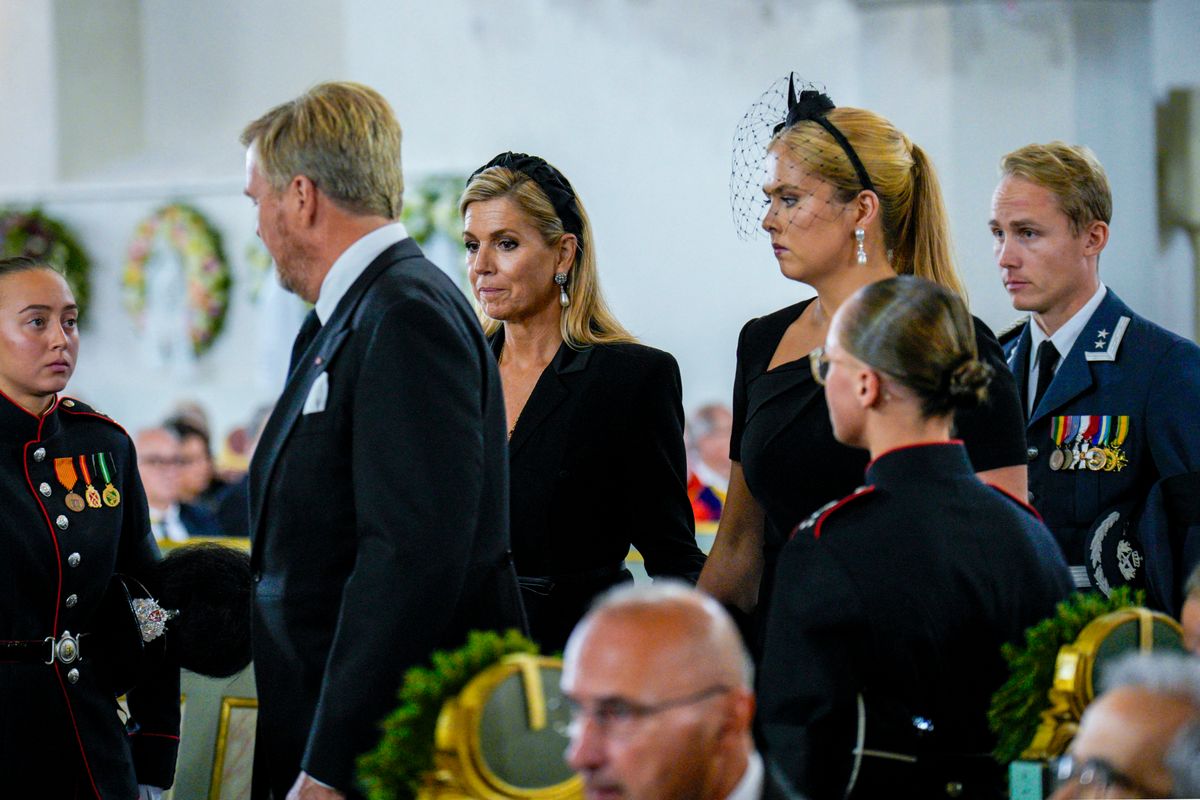
Queen Máxima of the Netherlands, her daughter Crown Princess Amalia, Crown Princess Victoria of Sweden, Princess Charlene of Monaco and Queen Rania of Jordan also incorporated pearls into their funeral looks, each interpreting the tradition differently.
Máxima and Amalia turned to their historic jewelry collection for large teardrop pearl earrings, offering a particularly literal reference to the symbolism of pearls and mourning. Charlene chose the understated route with simple pearl studs, while Victoria combined both approaches, wearing pearl stud earrings with a two-strand pearl choker.
 © STIAN LYSBERG SOLUM
Despite their different interpretations, each choice remained consistent with the restrained elegance expected of royal mourning attire.
Why are pearls associated with mourning?
The association between pearls and mourning predates today's royal families, but European royalty helped turn the tradition into one of the most recognizable elements of mourning jewelry.
During the 19th century, pearls came to be symbolically associated with tears. Their white color and subdued luster also made them one of the few types of jewelry compatible with the strict expectations surrounding mourning dress.
 © Print Collector
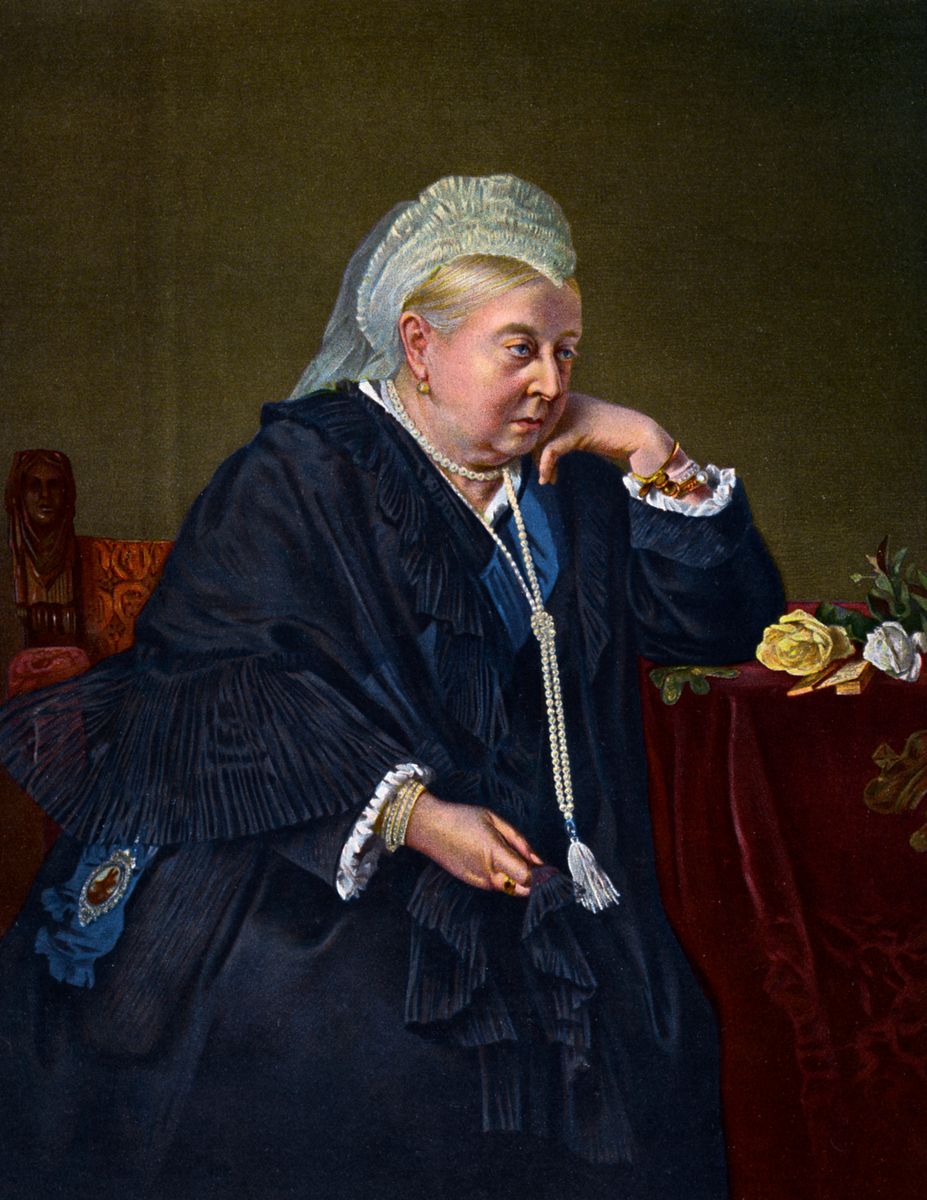
Queen Victoria played a particularly influential role in establishing those traditions. Following the death of her husband, Prince Albert, in 1861, she famously wore black for the remainder of her life and helped establish exceptionally strict conventions surrounding mourning.
Jet and other black stones played a prominent role in Victorian mourning jewelry, but as the different stages of mourning progressed, more understated and colorless pieces, including diamonds and pearls, could also appear.
 © LISE ASERUD
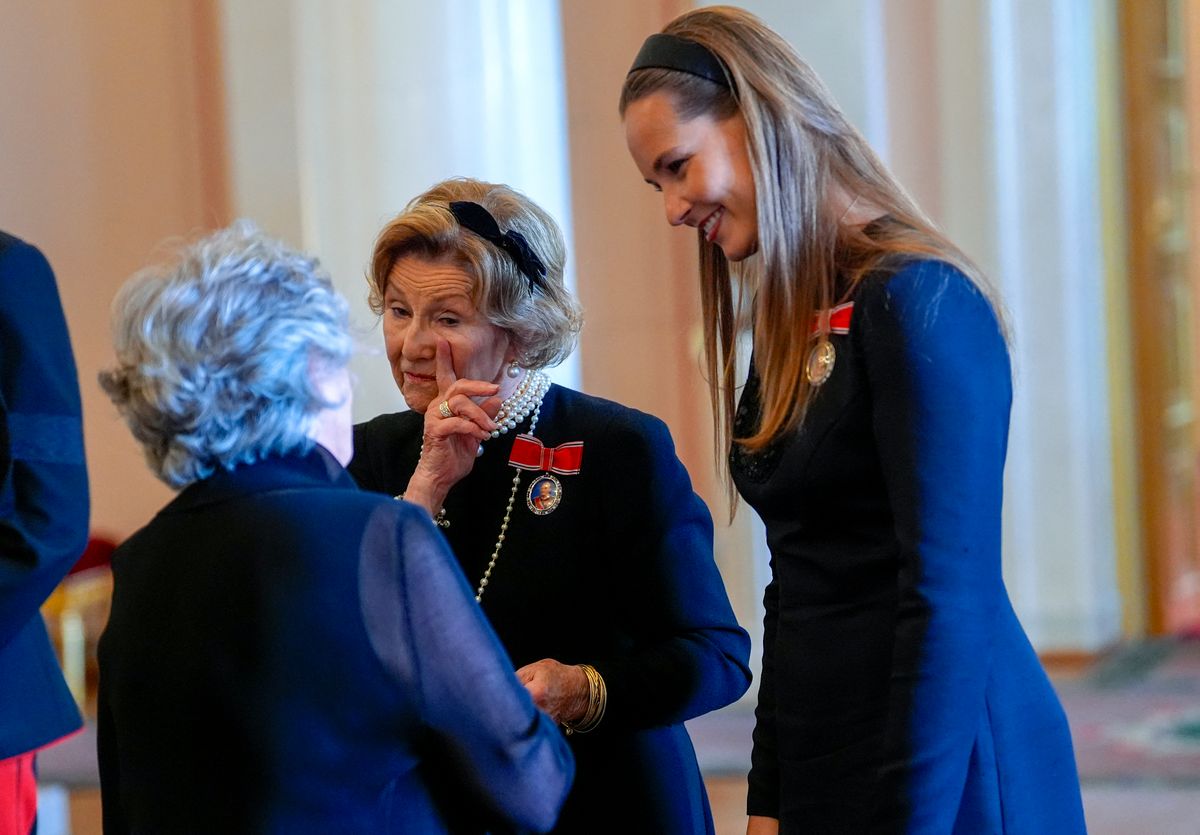
While those historic rules are no longer followed literally, the tradition has endured. Pearls remain particularly suited to mourning because they are understated, elegant and devoid of the vivid color associated with celebratory jewelry.
Their centuries-old symbolism also allows royal women to express emotion through their jewelry without wearing anything overtly funereal, making them a quiet but powerful tribute at King Harald's final farewell.