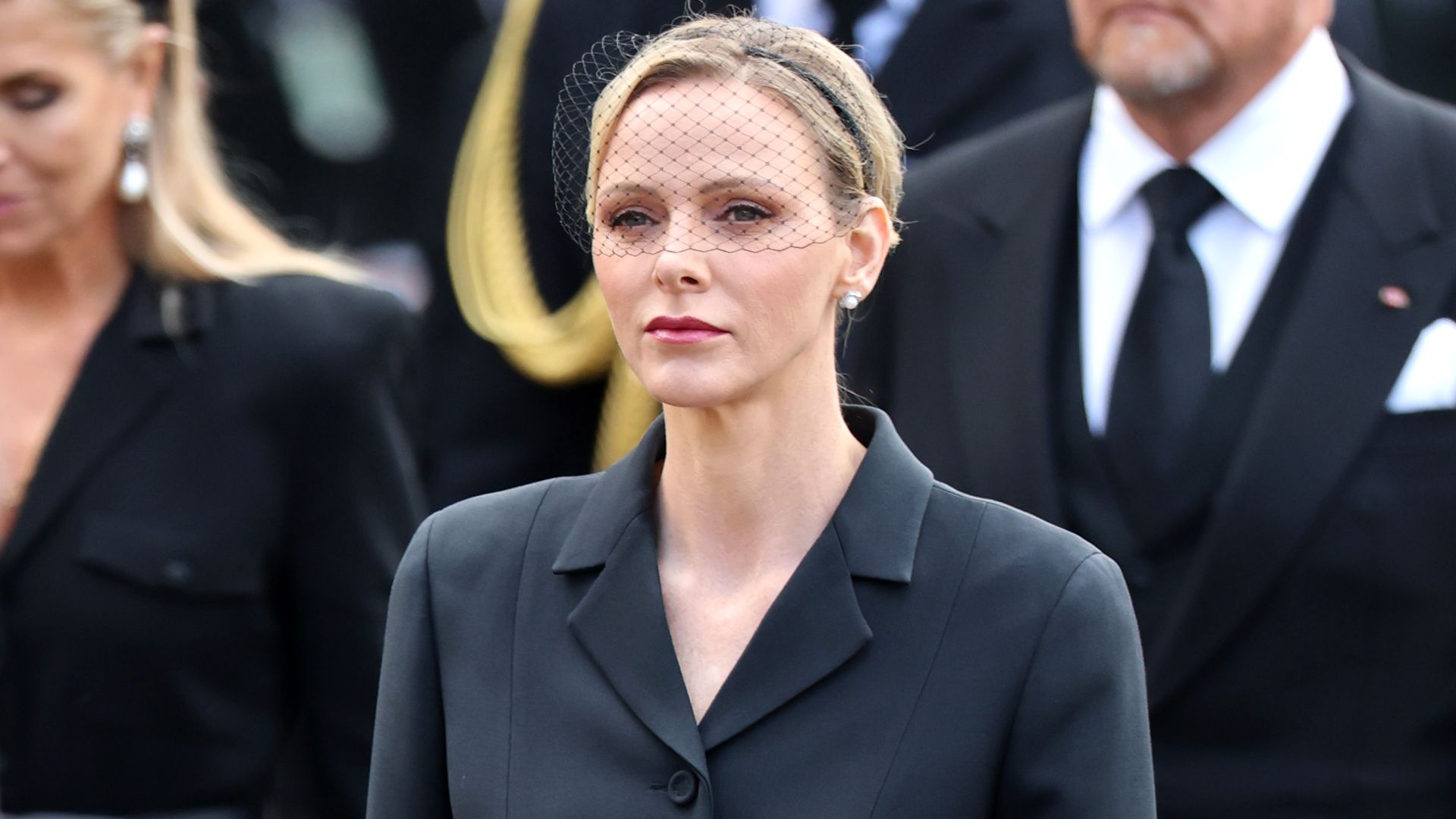
European royalty gathered in Oslo on Wednesday, September 9, to bid a final farewell to King Harald V of Norway. The monarch, who died on August 28 at the age of 89 following 35 years on the throne, was honored with a state funeral at Oslo Cathedral, with his coffin carried in a solemn procession from the Royal Palace.
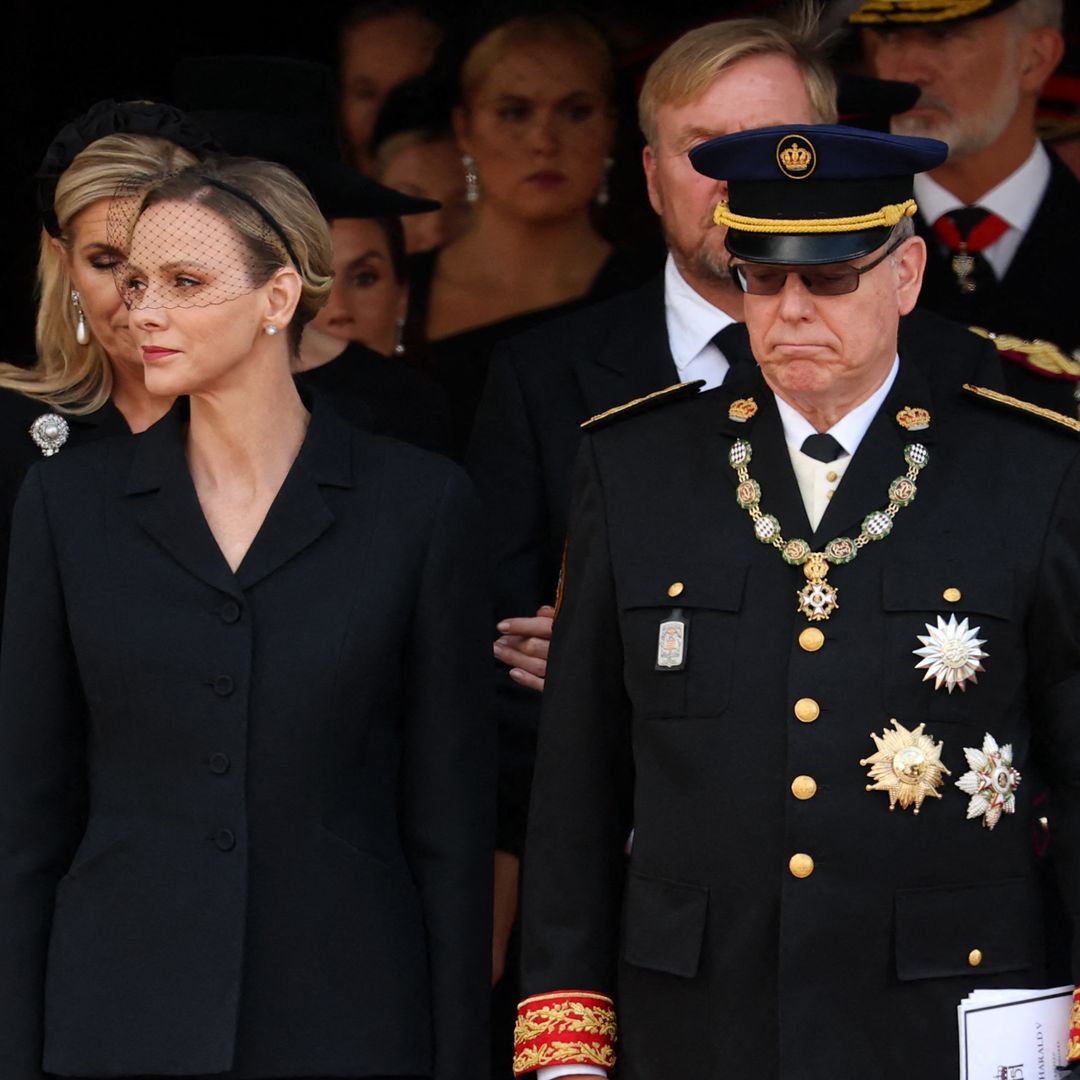
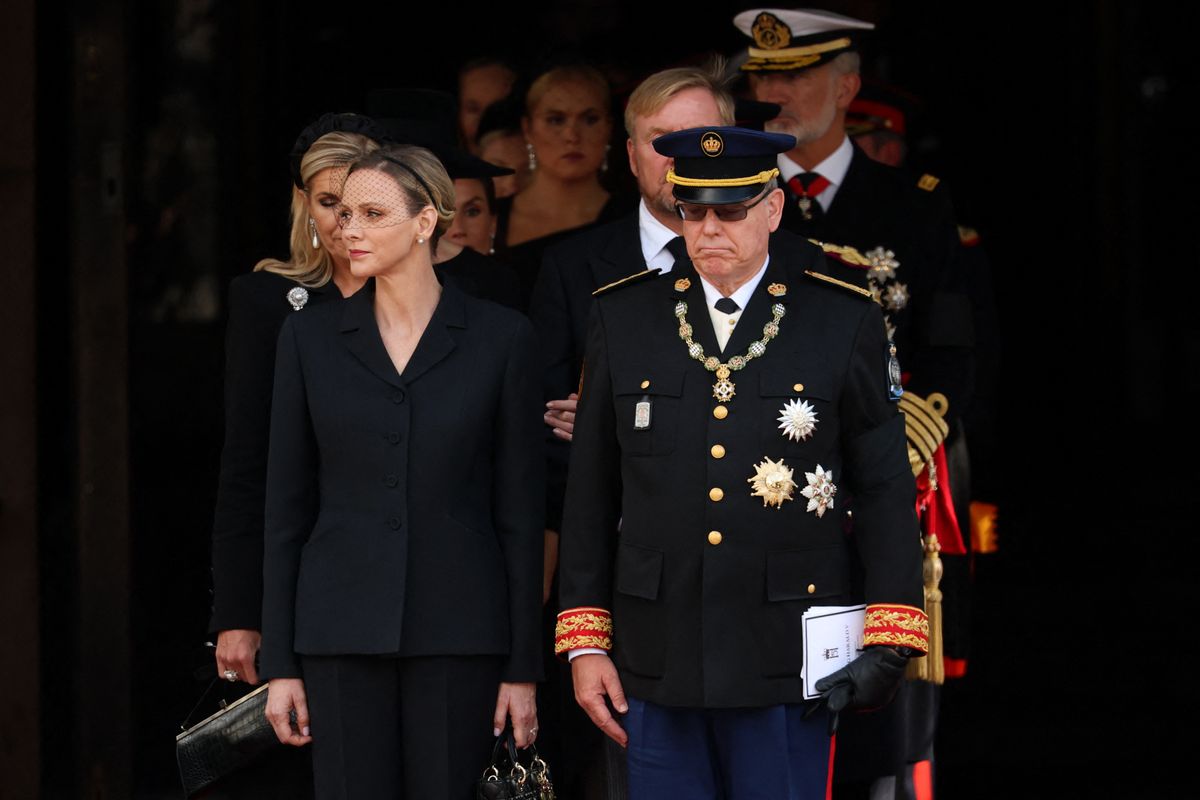
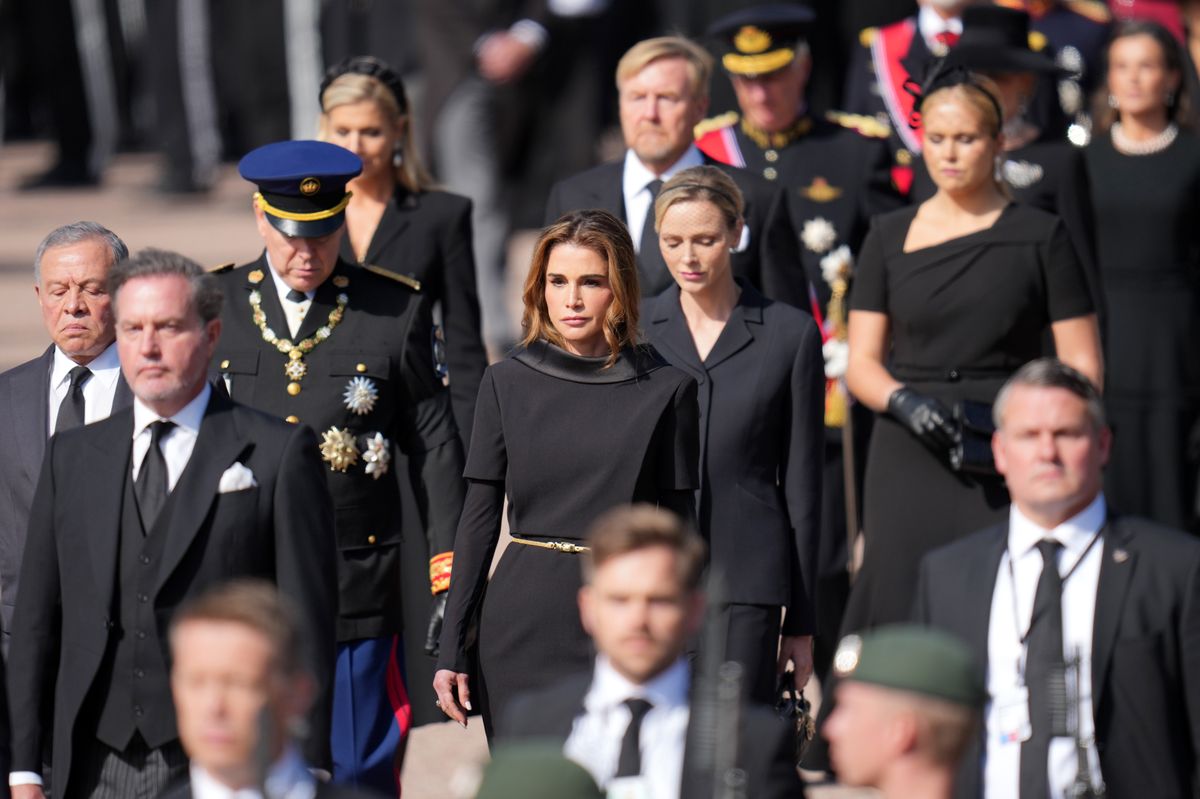
Among the many royals who traveled to the Norwegian capital were Prince Albert II and Princess Charlene of Monaco, who took part in the procession. For the solemn occasion, Charlene remained faithful to the understated elegance expected at a state funeral, but one detail set her apart from many of the other royal women in attendance: she wore trousers.
 © ODD ANDERSEN
While dresses and skirts remain the more traditional choice for royal mourning, Charlene opted for a sharply tailored black pantsuit. Protocol expert Marta Callejo explains why the modern choice was still entirely appropriate for the occasion.
The significance of wearing black:
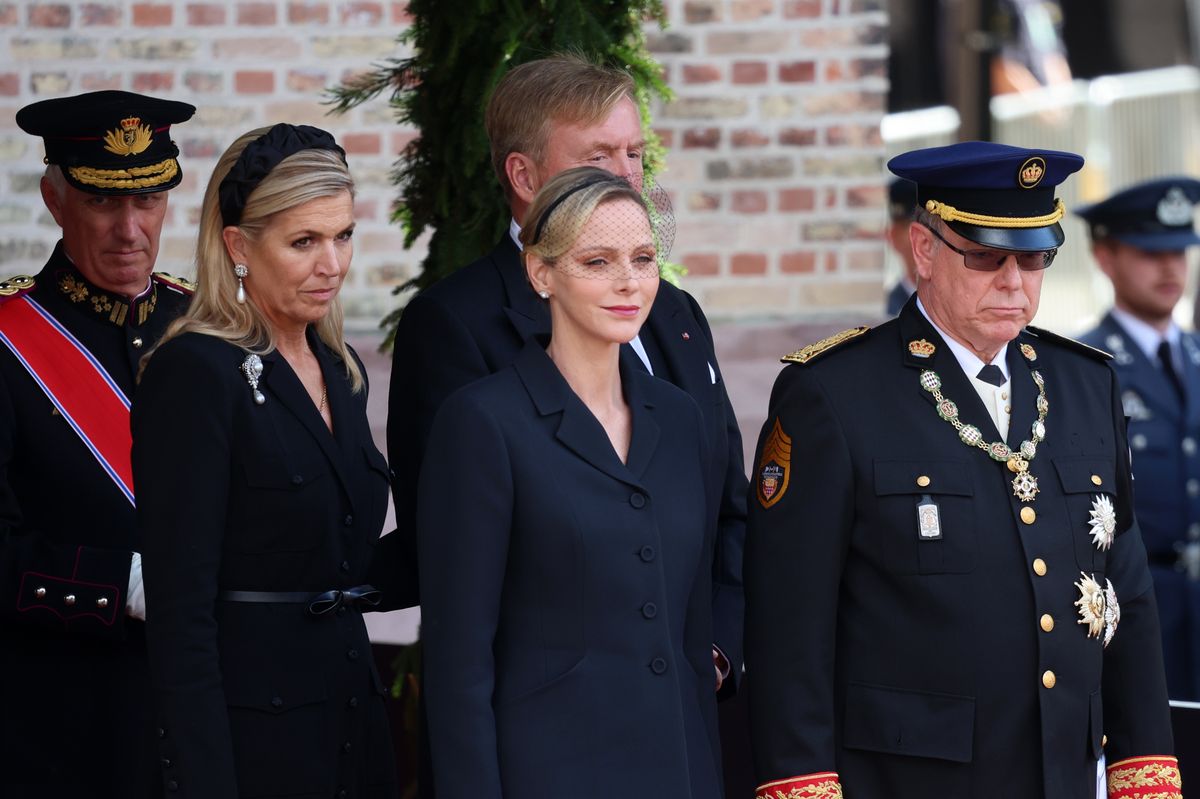
Clothing has an especially powerful role at solemn occasions, where every sartorial choice can carry meaning. Black traditionally takes center stage during periods of royal mourning, and expectations are particularly strict following the death of a monarch.
 © Chris Jackson
"The objective with black is not to attract attention, but to visually disappear behind the significance of the occasion," Marta explains. "At a state funeral or in the days immediately following the death of a monarch, clothing stops being a question of trends and becomes a language of respect."
Following strict etiquette, however, does not mean completely abandoning one's personal style, something Charlene demonstrated with her choice.
 © Chris Jackson
"Mourning does not necessarily mean completely giving up your personal style," Marta says. "A person can maintain their usual silhouette and, through color, fabric, accessories and makeup, adapt that identity to funeral protocol, as the Princess has done."
Favoring modern tailoring:
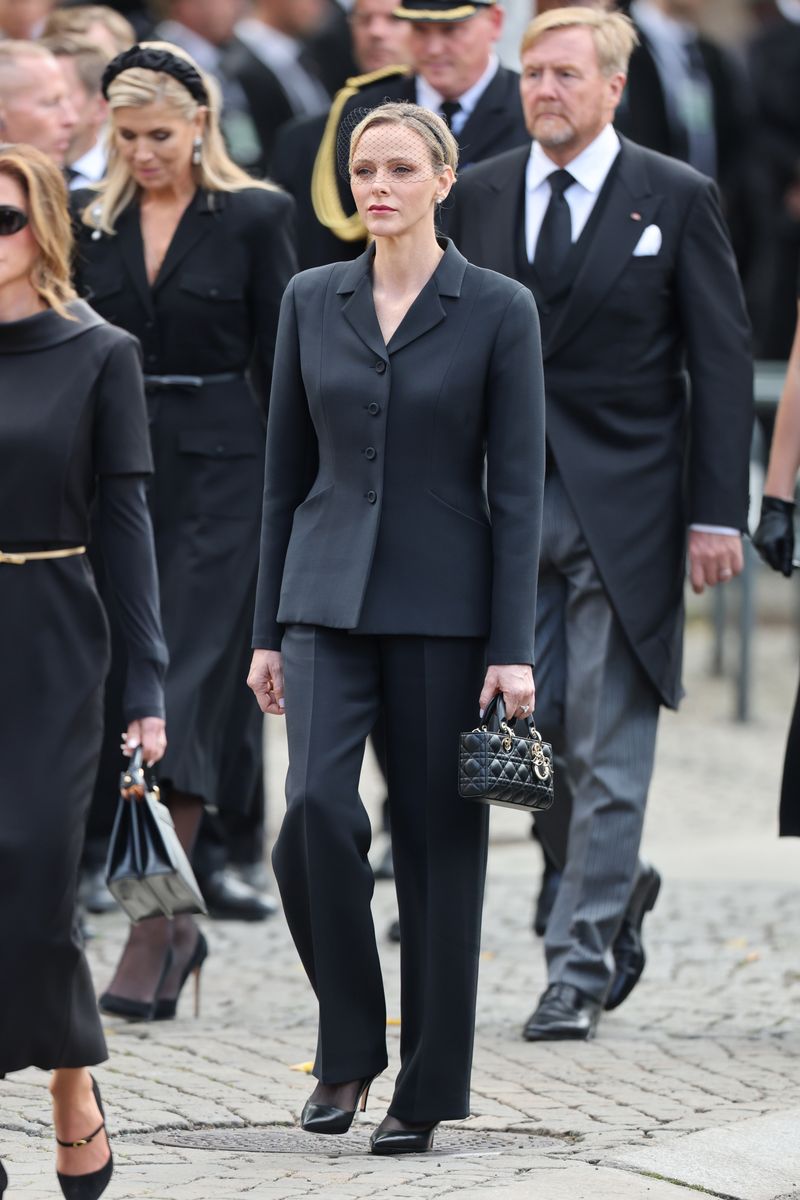
Charlene's distinctive style was evident in the clean, contemporary lines of her ensemble. While many of the other women attending the funeral opted for dresses and skirts, the Monaco royal chose a tailored black jacket and trousers.
 © Peter Summers
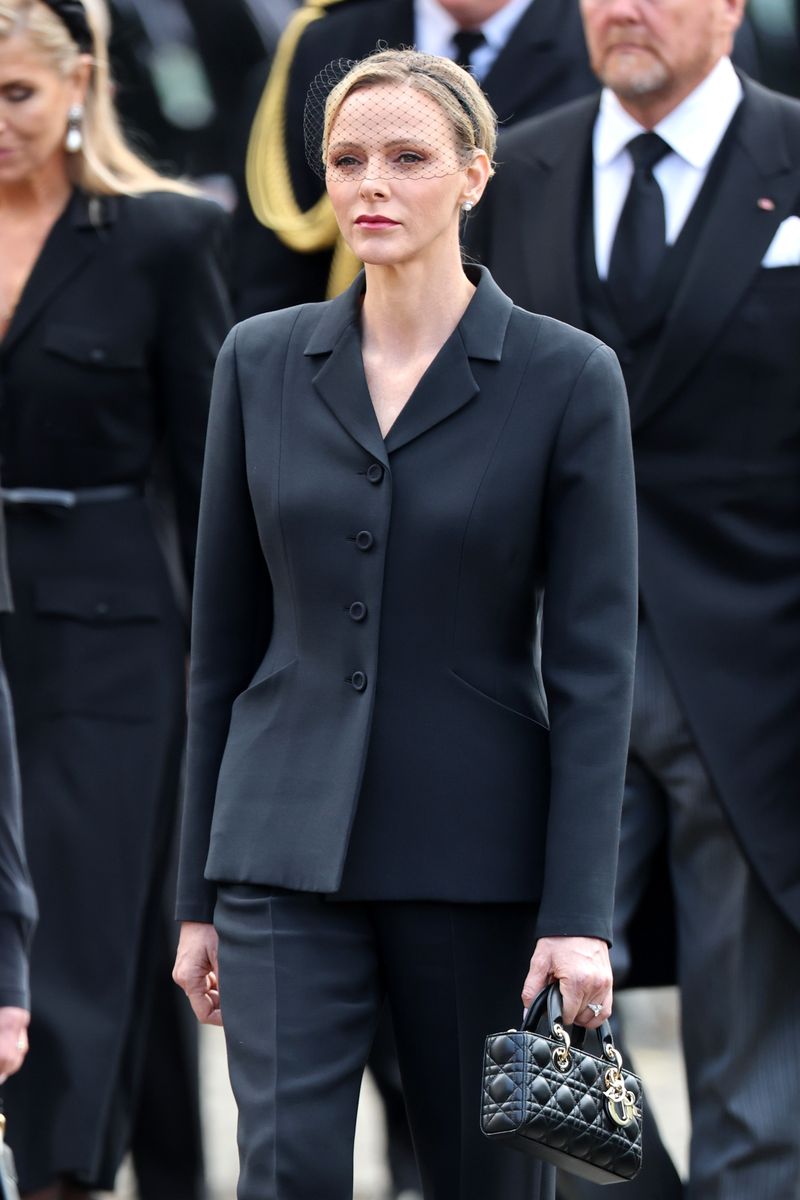
The look felt particularly fitting for a Princess who has long favored modern tailoring and menswear-inspired silhouettes. The structured cut of the suit, paired with her traditional mourning headpiece, allowed her to retain her signature aesthetic without detracting from the solemnity of the occasion.
Charlene specifically wore a black Dior two-piece featuring the fashion house's iconic Bar jacket, a historic silhouette known for its defined waist. Although a midi-length skirt remains one of the most traditional choices for women attending royal funerals, it is not the only acceptable option.
 © Chris Jackson
"Hemlines above the knee are prohibited; however, trousers have gained acceptance in formal settings, provided they are part of a classic-cut black suit," Marta explains. "For example, at the funeral of the Duke of Edinburgh, some guests opted for tailored trousers and looked impeccable."
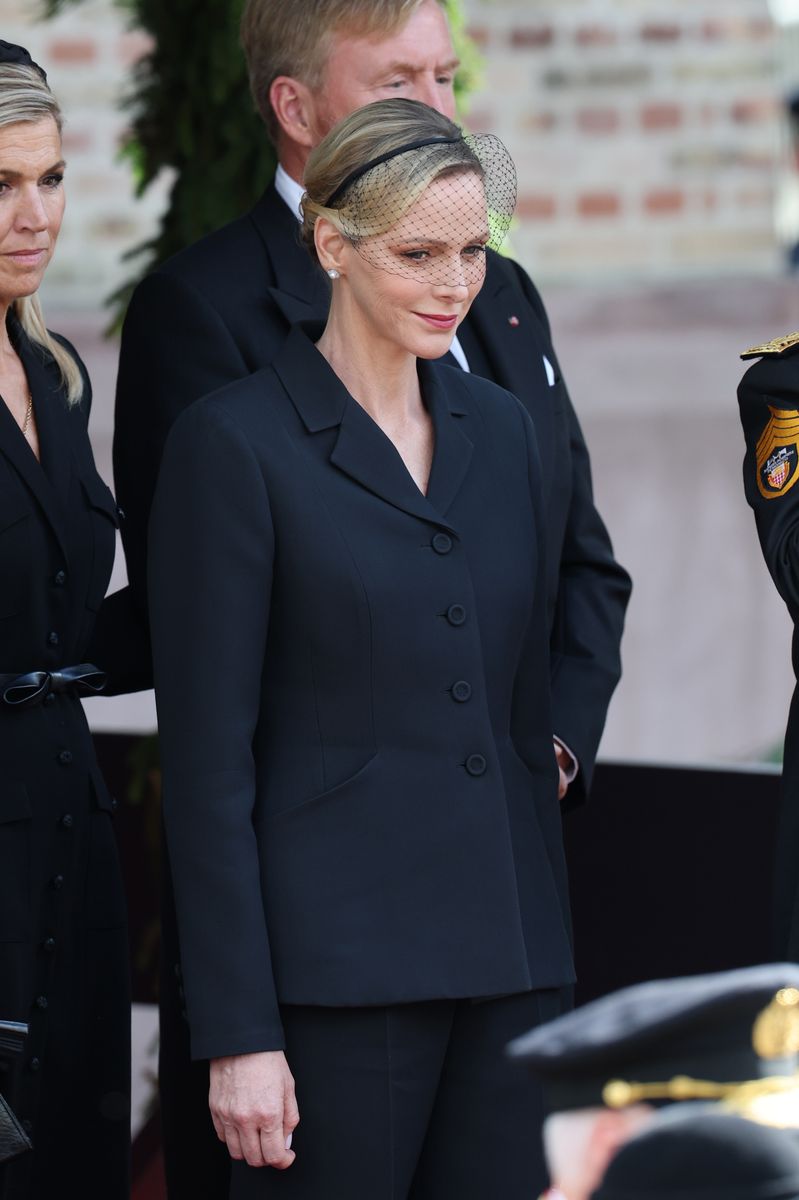
Trousers are also particularly consistent with Charlene's personal aesthetic. The former Olympic swimmer has repeatedly demonstrated an affinity for sharp tailoring and traditionally masculine-inspired silhouettes.
 © Chris Jackson
On this occasion, however, that individuality remained firmly within the boundaries of mourning etiquette.
The head-to-toe black palette, absence of prints and understated accessories ensured that her ensemble ultimately served as a respectful uniform for the occasion.
The meaning behind Charlene's veiled headpiece:
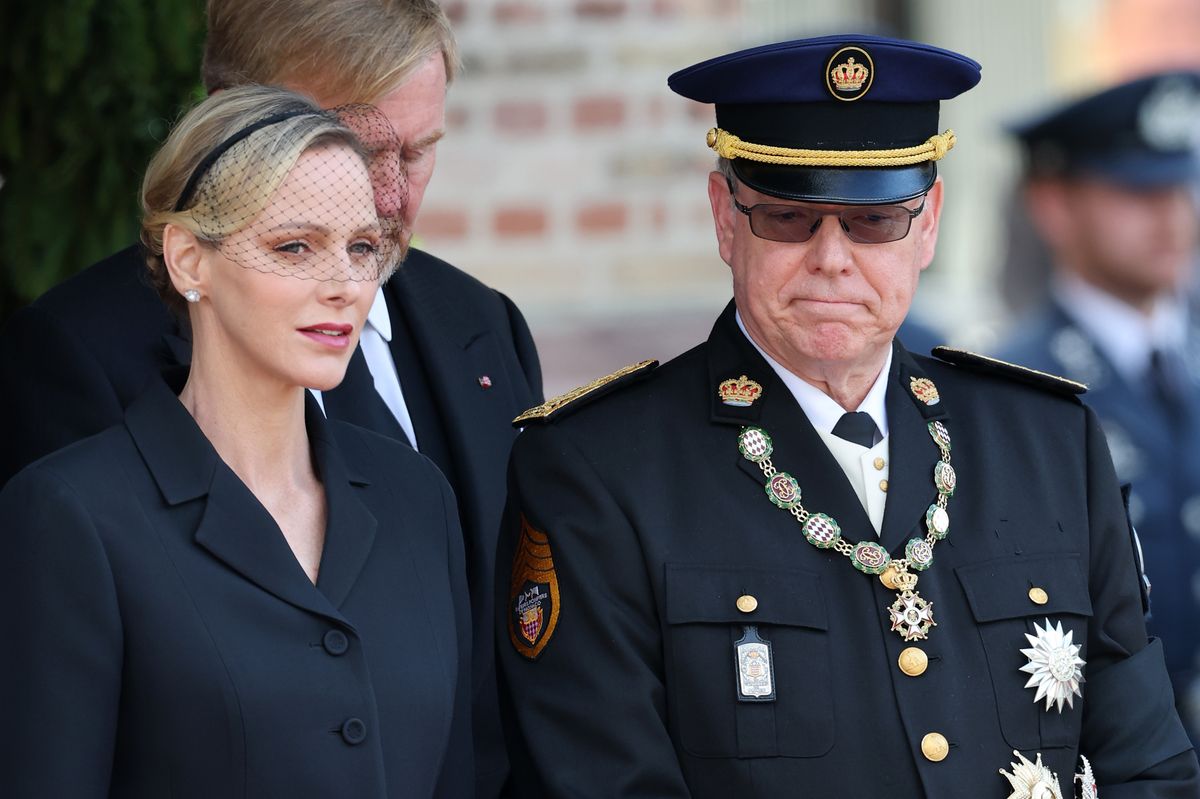
Royal protocol does not require every woman to dress identically. Instead, the emphasis is on following established conventions that ensure clothing never competes with the significance of the ceremony.
 © Chris Jackson
"The basic principle of mourning applies to everyone, sobriety and respect," Marta says. "Beyond that, royalty follows stricter codes."
For female royals, those traditions can extend to headwear and, in some circumstances, gloves.
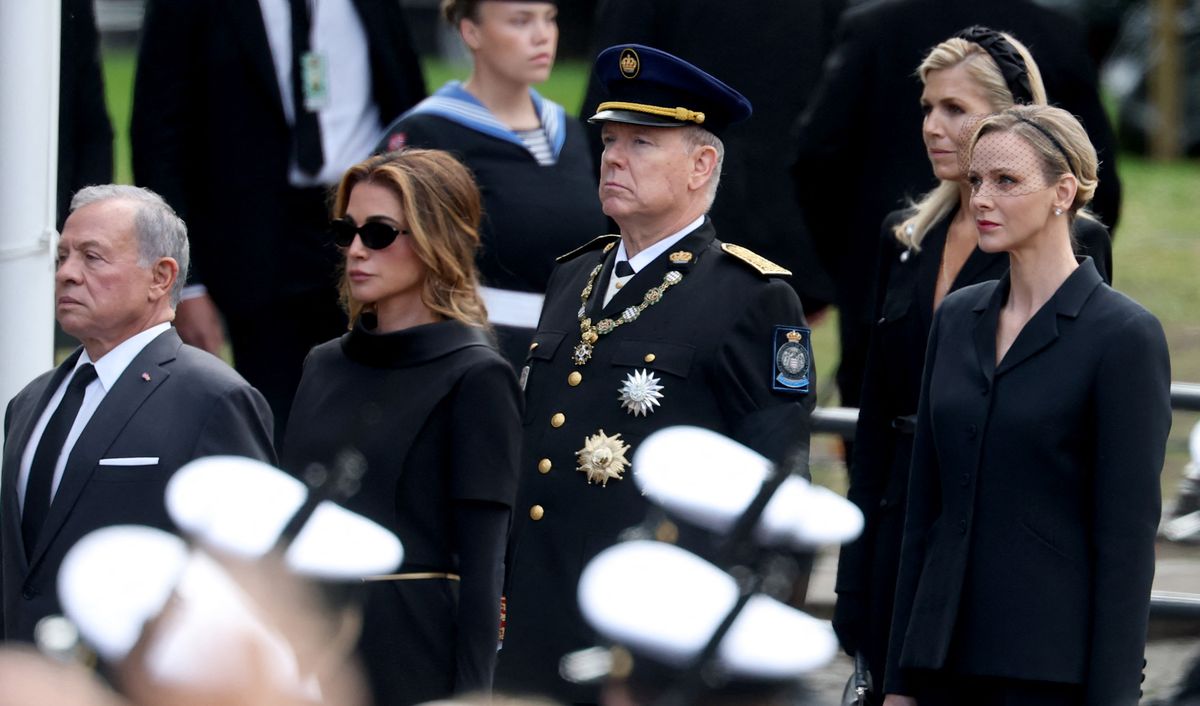 © ODD ANDERSEN
"A headpiece is almost obligatory, and gloves are required in some cases," the expert explains. "Civilian guests or those of lower rank have somewhat more flexibility, although formal and restrained clothing is always expected. If a civilian woman does not wear a headpiece, it isn't a problem. However, if a queen or princess doesn't wear one, it could be interpreted as disrespectful, or at the very least, it would attract attention."
Charlene completed her ensemble with a black headband-style headpiece featuring a delicate net veil that partially covered her face, directly referencing the long tradition of female mourning dress among Europe's royal families.
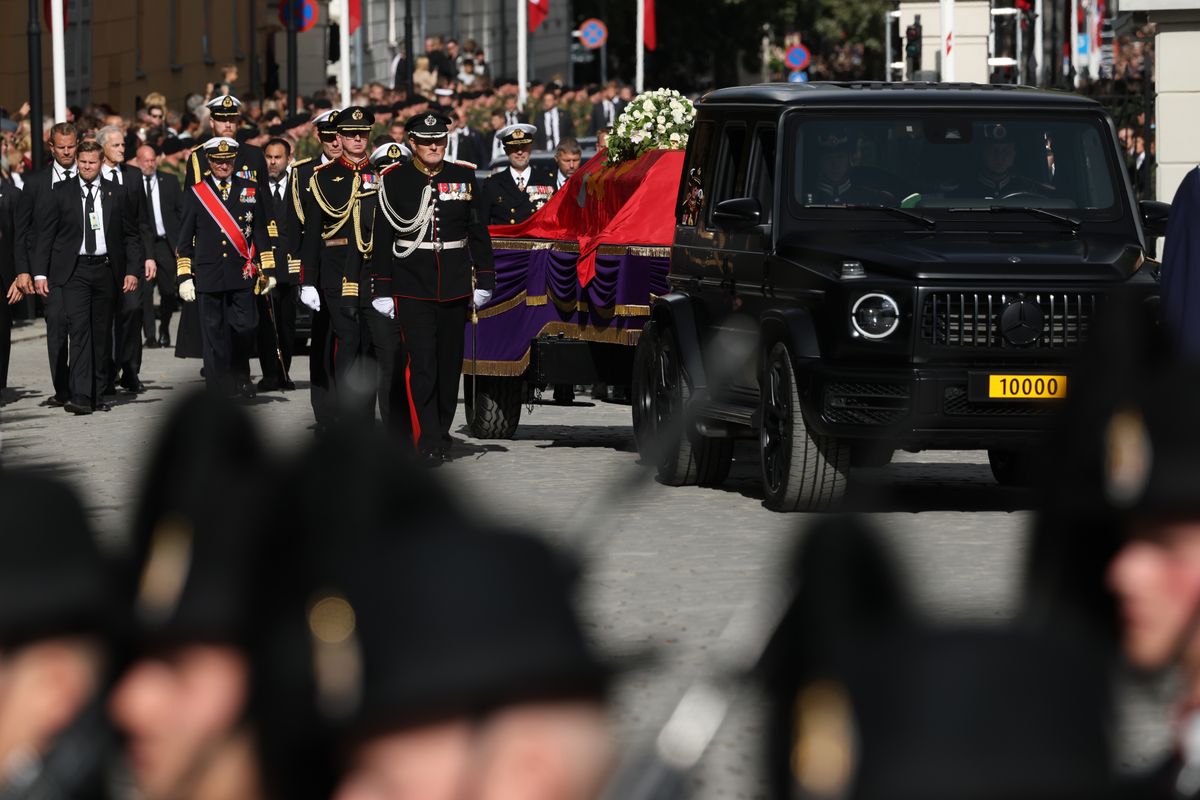 © Sean Gallup
Rather than choosing a dramatic hat, the Princess kept the accessory restrained while still incorporating one of the most recognizable elements of traditional royal mourning. The subtle veil added a ceremonial element that distinguished her state funeral attire from an otherwise classic all-black ensemble.
Ultimately, Charlene's decision to wear trousers may have set her apart visually, but according to protocol, it did not amount to breaking the rules. Instead, the Princess found a way to remain true to her modern, tailoring-focused style while respecting the solemn traditions surrounding the final farewell to King Harald.