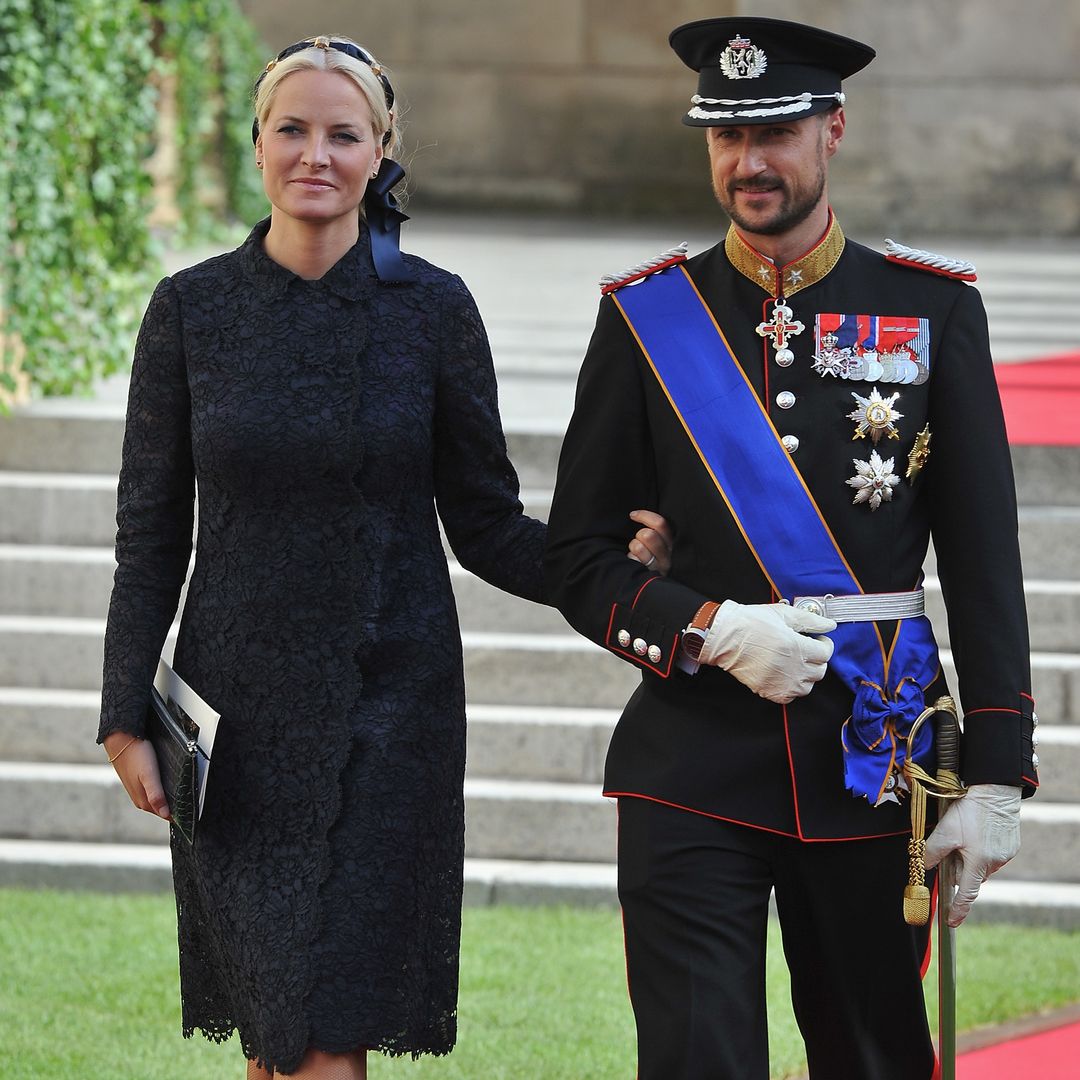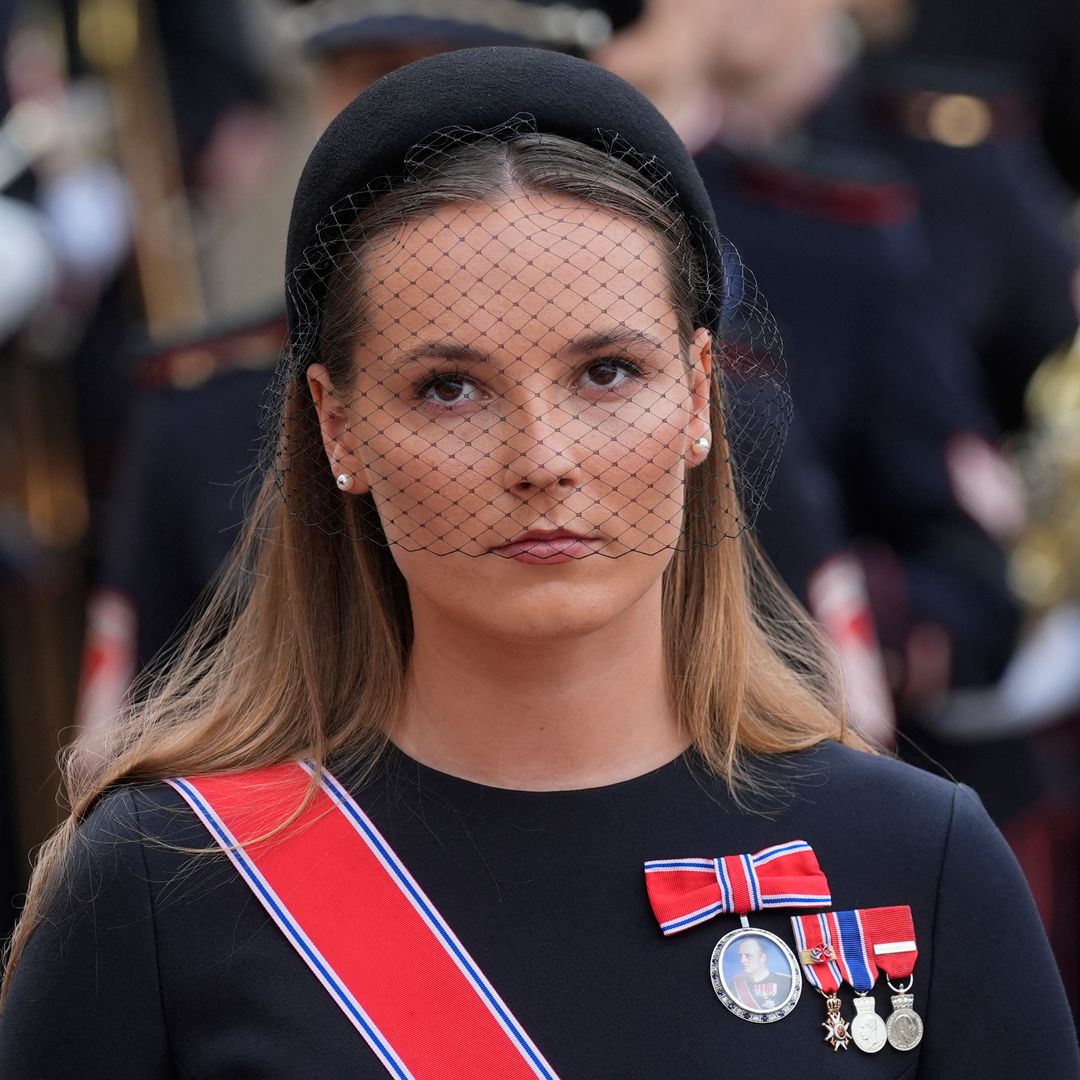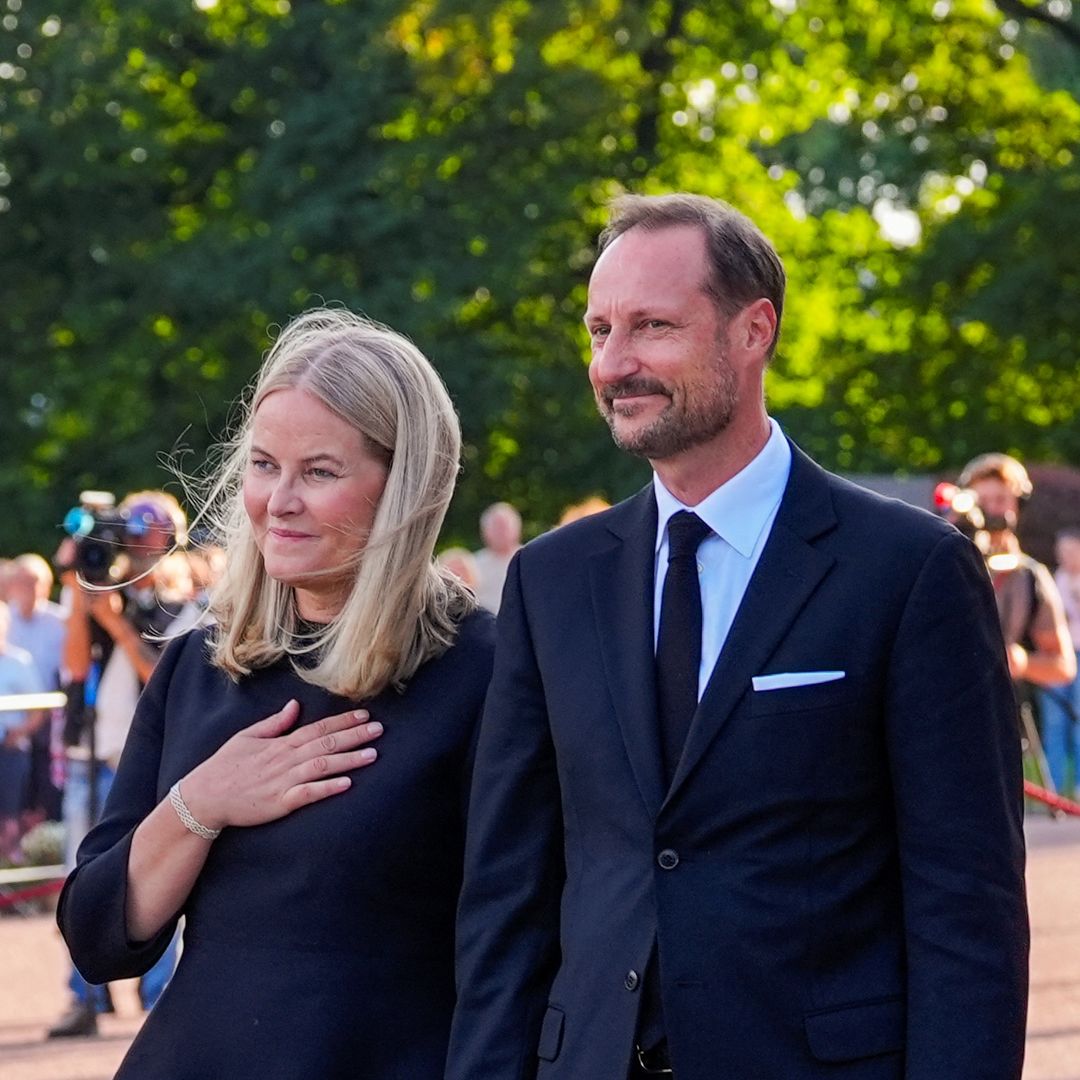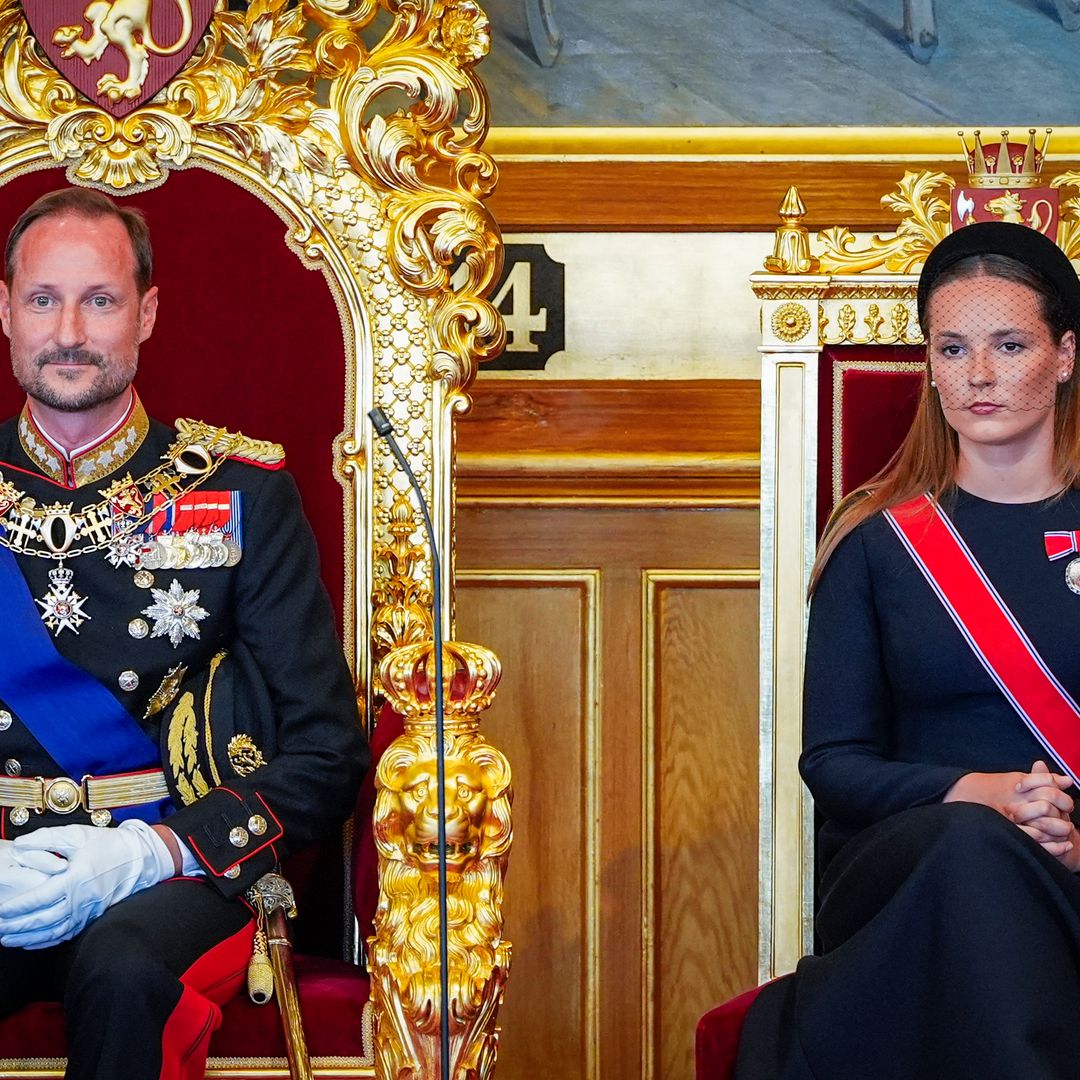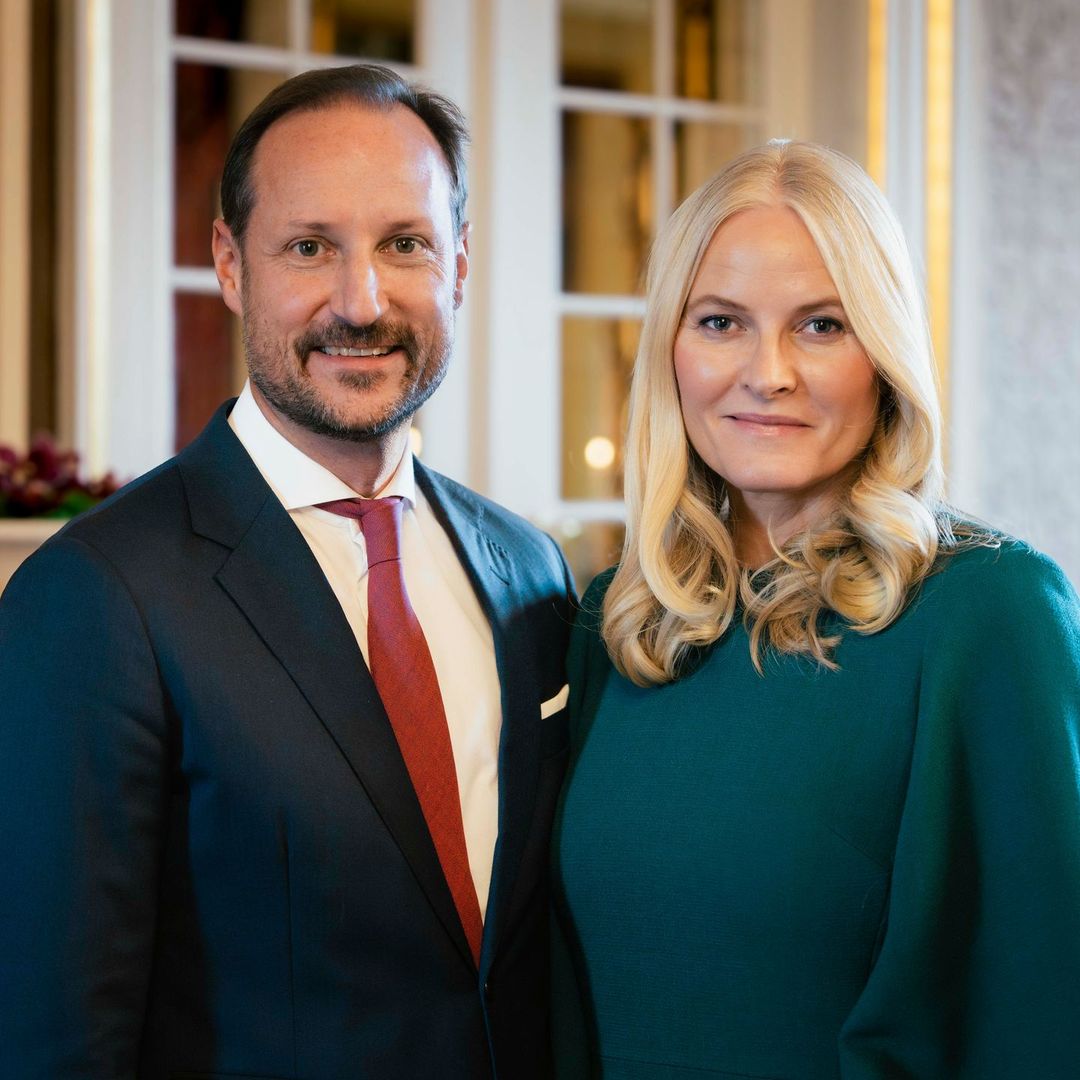
For King Harald of Norway, on the throne since 1991, the end of all endings has arrived. The monarch who once joked about his own death and kept his word to the very end has passed away after being admitted to the hospital on August 17th due to a blood disease. The pain over his loss is now followed by the proclamation of his only son as the new head of state: Crown Prince Haakon Magnus opens a new era as he becomes King Haakon VIII.
Just like his predecessors in an independent Norway, the new King comes to the throne in his fifties and with a long track record as regent. He has always presented himself as an empathetic and sensitive person, determined not to let his public role take a toll on his family life. He has spoken openly about his feelings, is described as trusting and thoughtful, worries about living up to his father, and despite the recent reputational crises, the Norwegian press has repeatedly dubbed him “Haakon the Sensible.”
 © Michael Campanella
Haakon’s childhood as heir to the throne
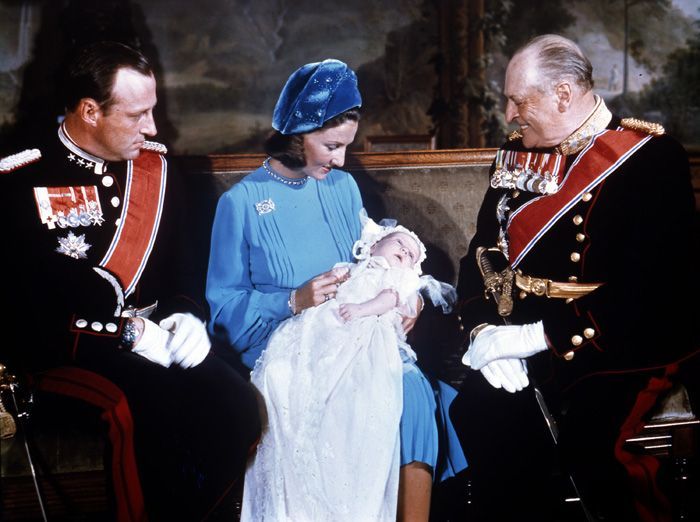
The new monarch, son of King Harald and Queen Sonia of Norway, was born in Oslo on July 20, 1973, and he would never have been destined to reign had it not been for the male-preference rule in place at that time. So even though he was born two years after his sister, Princess Märtha Louise, the future of the Royal House and its dynasty fell on his shoulders. “When did I notice it? That I was born into a special role? Not in kindergarten, but at school I understood that I was different,” King Haakon recalled in a biography published in 2023 for his 50th birthday.
Among other things, he shared how the impossibility of “blending into the crowd” made him irritable and prone to outbursts over minor setbacks, like losing a sports race. “Being a prince was a source of problems, not an advantage. When I was a child, it was all a drawback, an obstacle to good relationships,” the new King explained.
 © Gtresonline
The turning point: the death of his grandfather, King Olav
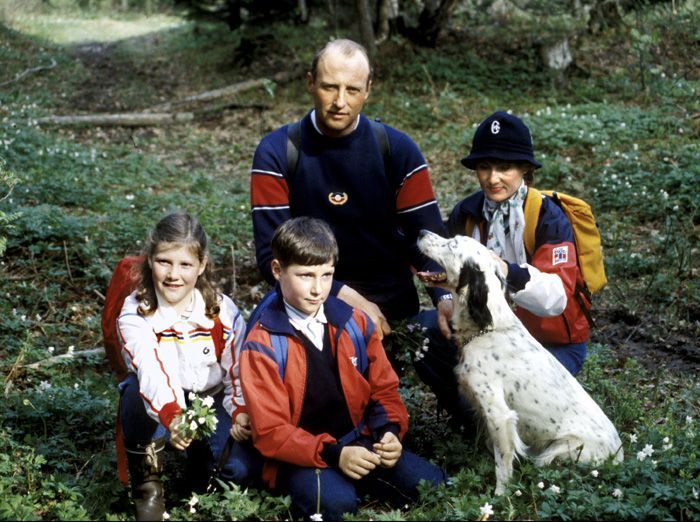
Haakon experienced his first major turning point at 17, when his grandfather, King Olav V, died. Olav was an extremely popular monarch, simple and steadfast in character, and a national reference point for having taken an active role, alongside his father Haakon VII, in defending Norwegian institutions during World War II. On January 17, 1991, when 87-year-old King Olav suffered a heart attack at his Holmenkollen residence, the new King lost much more than a grandfather, he lost the freedom that came with being “the heir to the heir,” and realized as he revealed in his biography—that the rest of his life would be defined by duty.
 © Gtresonline
What is the new King’s background?
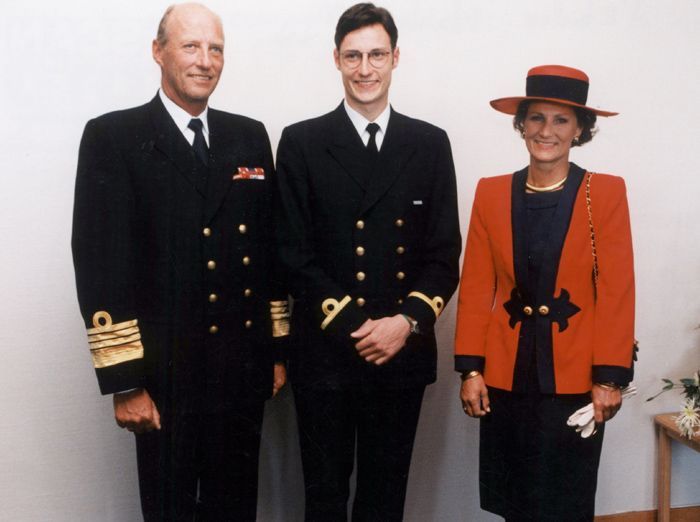
Like most monarchs of his generation, Haakon of Norway followed a custom-designed educational path at some of the world’s most prestigious institutions: he graduated from the Naval Academy in Bergen, earned a degree in political science from the University of California, Berkeley, and completed a master’s in international trade at the London School of Economics and Political Science. His résumé also includes internships at the United Nations and training programs at the Ministry of Foreign Affairs. At the same time, the then heir pushed initiatives that reflected his own passions: the environment, the sea, sports, and the outdoors. A keen surfer (he has often surfed in Spain) and skier, he seized every chance to embark on expeditions with humanitarian, sporting, or royal goals, such as the striking polar expedition undertaken by the three Nordic heirs of his generation: Haakon of Norway, Frederik of Denmark, and Victoria of Sweden.
 © Gtresonline
The controversial arrival of Mette-Marit in Haakon’s life
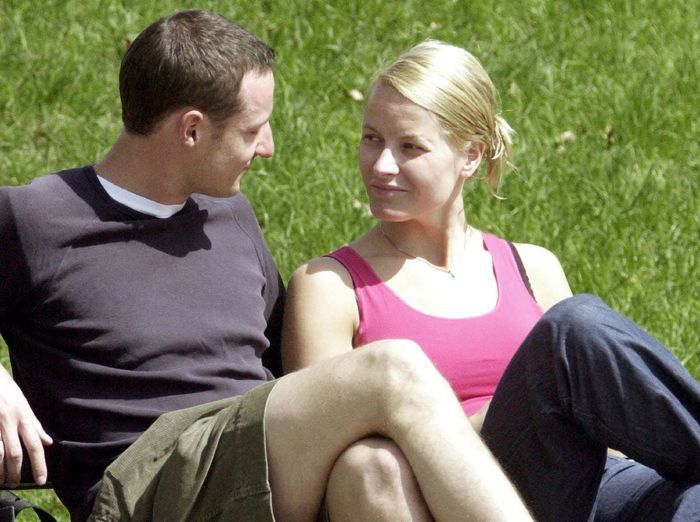
Everything went more or less according to plan: like Spain’s Felipe VI, Haakon of Norway enjoyed the anonymity of studying in the United States and having relationships that never became public. But everything changed with the arrival of the new millennium, and of Mette-Marit Tjessem Høiby in his life. It was then that Haakon encountered a kind of pressure he had never known before. The beginning of his relationship with the woman of his life was fiercely criticized, especially in monarchist circles and by the church hierarchy, bearing in mind that, until the 2012 separation of Church and State, King Harald was the supreme authority of the Church of Norway (Lutheran).
 © Gtresonline
For these groups, it was hard to accept that the future King would marry a single mom whose son’s father had had “trouble with the law.” For others, the issue was that she lacked the education or professional profile they regarded as an asset, unlike most consorts of her generation. Even Haakon’s aunt, Princess Ragnhild, Harald’s elder sister, who died in 2012, publicly criticized the marriage.
They lived together before getting married
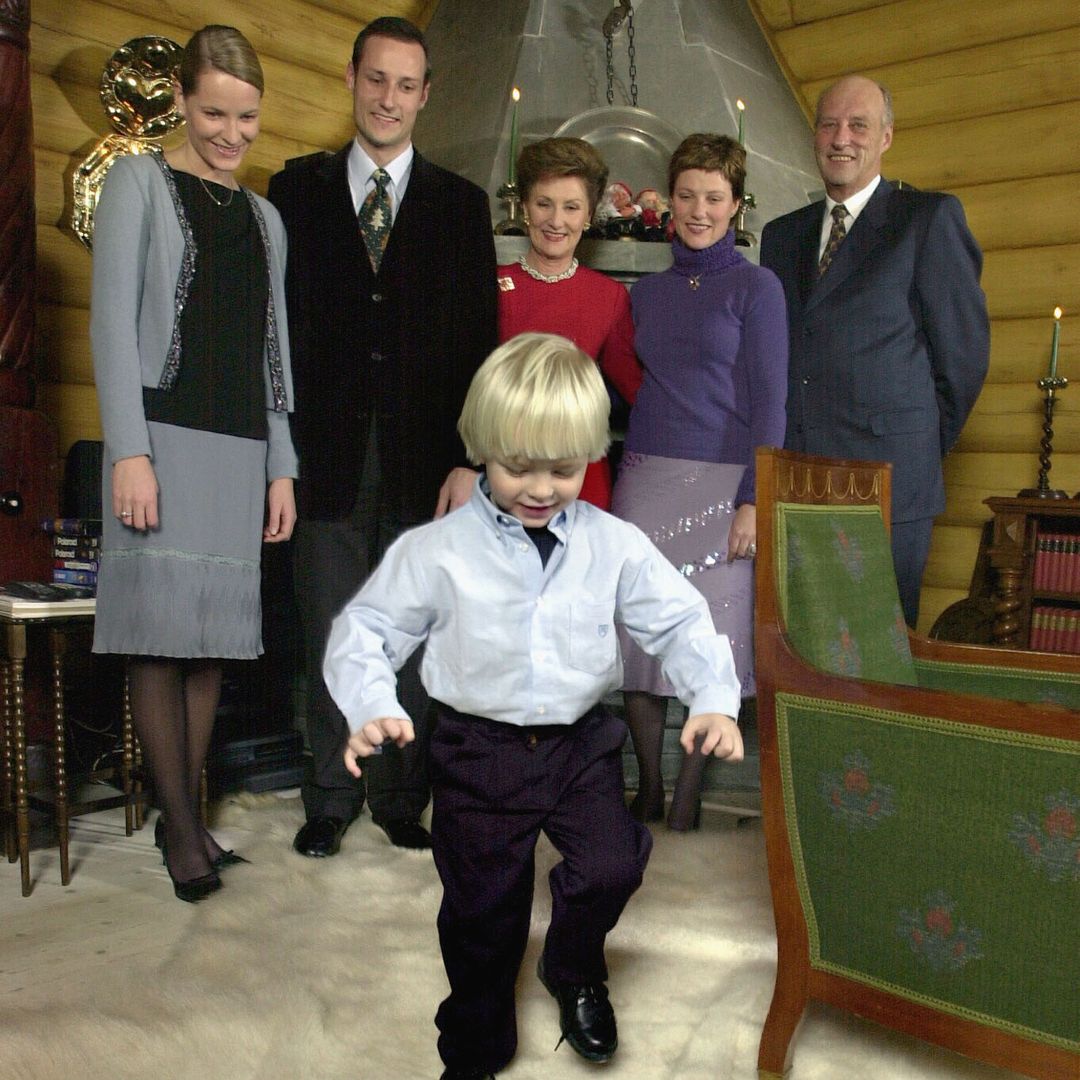
The difficult situation led the then Crown Prince to break down in tears of frustration in an office at the Ministry of Foreign Affairs. In the end, he decided to be the one to force the issue and, to national scandal, Haakon moved in with Mette-Marit in an apartment. That was how he showed he was serious, history was repeating itself. It had taken King Harald ten years to gain his father King Olav V’s approval, and that of the Norwegian Parliament, for his relationship with Sonia, who was not from royalty or even the aristocracy. At that time, Harald was adamant: “If the country needs me, I’m here, but with Sonia at my side.” Father and son, Harald and Haakon, both had one major card to play: each was the King’s only son. Haakon also had the certainty that his parents, the King and Queen of Norway, were on his side.
 © Getty Images
A love with Princess Mette-Marit that has stood every test
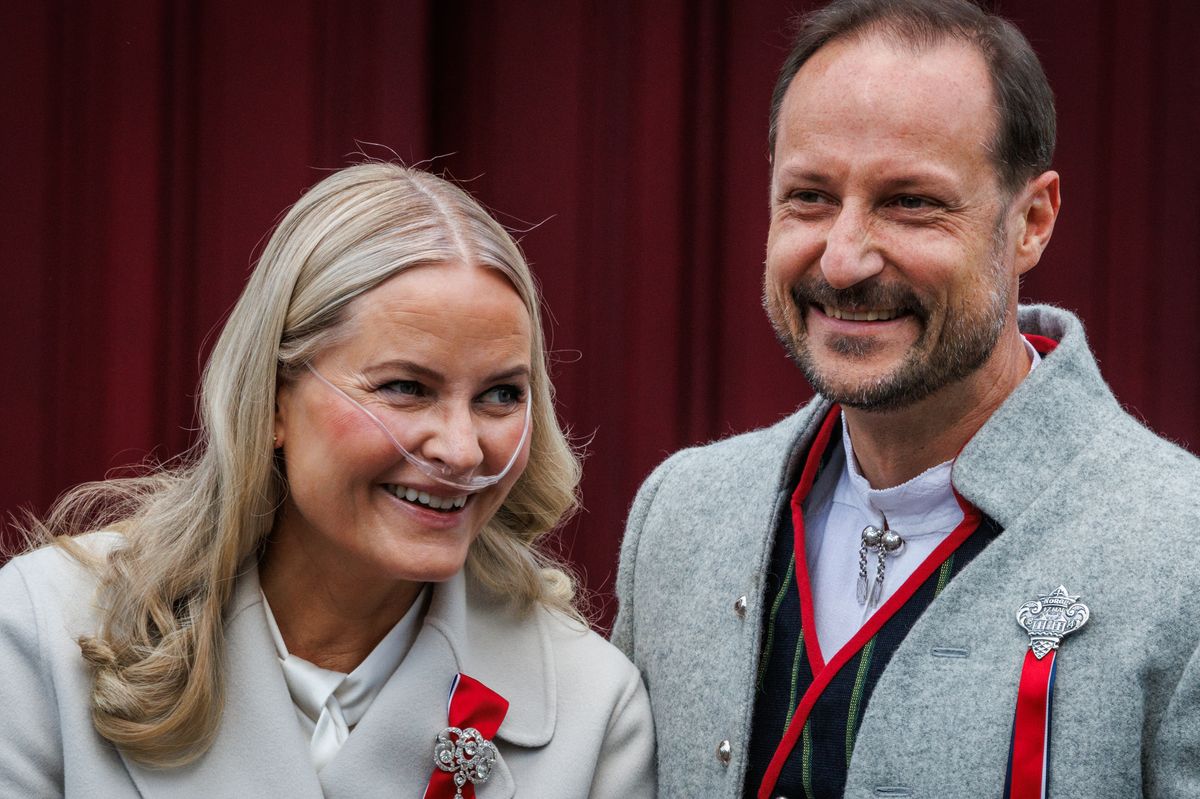
The union between Prince Haakon and Mette-Marit, so heavily criticized at the outset, has grown stronger over the decades and through the challenges they’ve faced together. When the now King turned 50, he shared in the biography Haakon: Stories of an Heir to the Throne the pressure they were under when they first started living together, and the lightning bolt he felt the first time he saw the woman of his life in a bar at the Quartfestivalen rock festival in Kristiansand. “She was like a light. It was as if a light came into the room. She said ‘Hi’ and then she left.
She made a huge impression on me. That’s how I remember our first meeting. Mette doesn’t remember it that way. I remember moments, but I don’t always put them in chronological order. What I can say for sure is that I was fascinated, and that I became even more fascinated when we talked.”
 © Per Ole Hagen
After a few quiet years, Mette-Marit’s reputation came under fire again in 2026, when her very close friendship with financier Jeffrey Epstein came to light. The revelations broke as the Princess was dealing with worsening chronic pulmonary fibrosis. Haakon chose to publicly prioritize caring for his wife, something especially striking given his position as heir. That support became even more visible when Mette-Marit gave a television interview to clarify her ties to Epstein. She did not sit down alone: by her side was Haakon, holding her up in one of her most difficult moments as Princess.
Haakon was also his wife’s greatest support when, at the same time as the Epstein scandal, she was in a highly vulnerable physical state that led doctors to consider a lung transplant—which did eventually happen. Haakon set his official duties aside to focus on her and threw himself into caring for her.
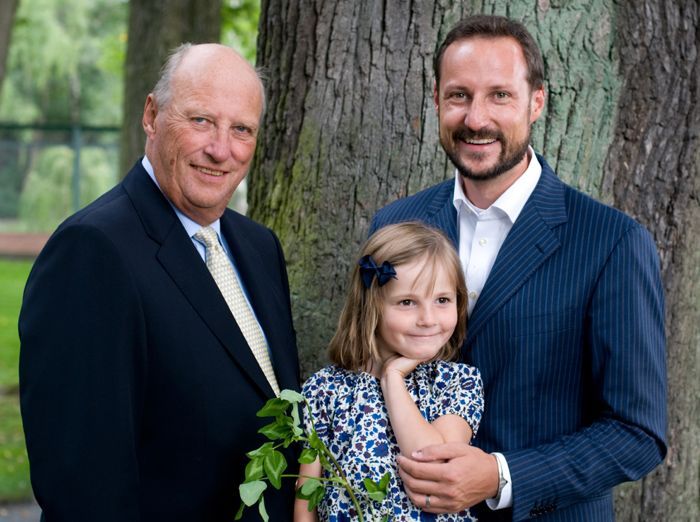
This is how he talks about his heir, Princess Ingrid
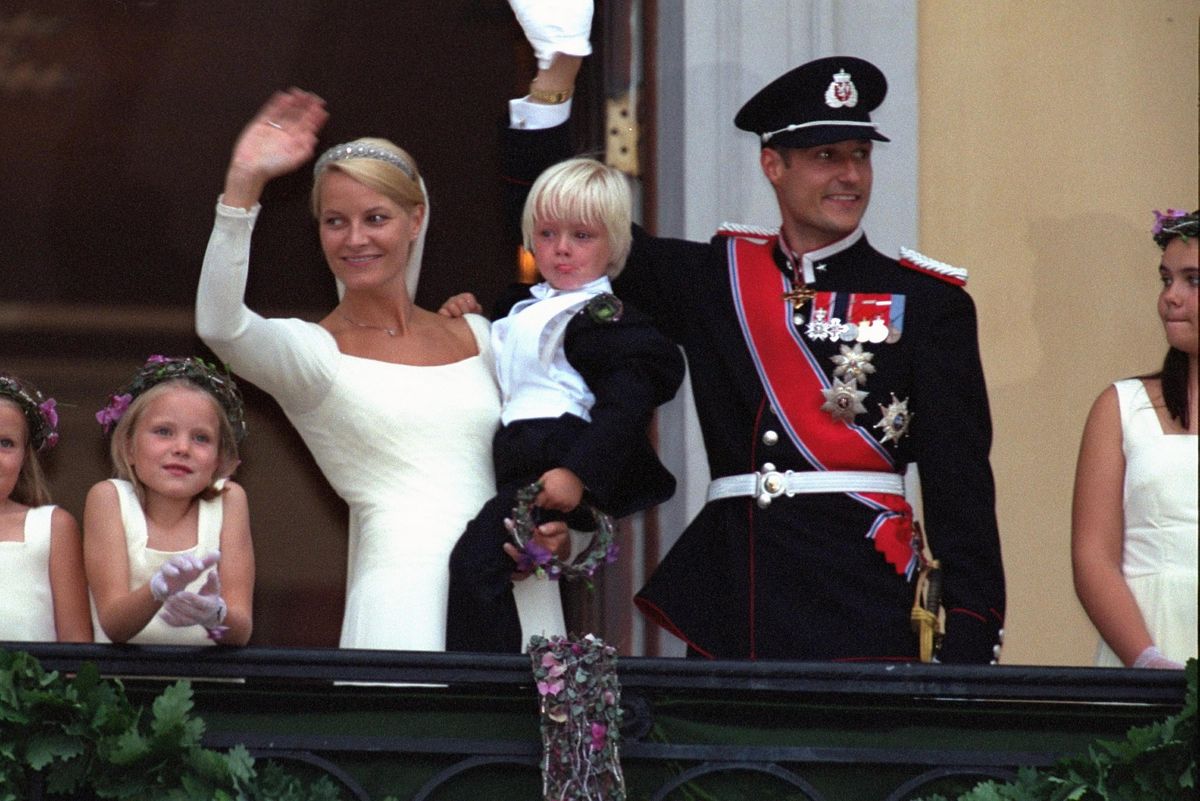
Haakon and Mette-Marit’s wedding (she had to publicly apologize for her “wild” past) was held on August 25, 2001, at Oslo Cathedral. The couple appeared on the balcony of the Royal Palace with her son, Marius Borg Høiby, a four-year-old boy who from that moment became part of the King’s family, though not of the Royal Family. Later, their daughter was born, the heir to the throne, Ingrid Alexandra.
 © Pool
An heir who doesn’t mince words
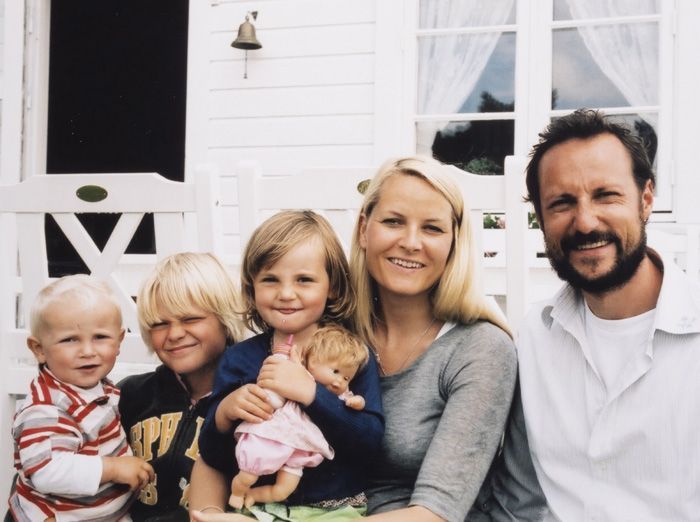
It’s worth dwelling on this sentence: “The price is slightly higher if you choose something different from what people expect.” Few heirs have spoken so frankly about the cost of choosing between what you want and what others expect of you, in other words, between what is best for the institution and what the individual desires. Now, as head of the Norwegian Royal House, he must also pass that baton on, and he knows exactly what it means because he lived it when he chose the mother of his children and later when he had to (by his own account, with a knot in his stomach) lead the process concerning his only sister’s role within the institution. It’s important to remember that Märtha Louise of Norway no longer represents the Royal House, a measure taken so she could live freely with Durek Verrett and, above all, pursue business ventures that had become highly controversial and were damaging the image of the Crown.
 © Private Collection
Marius Borg’s conviction did not break the family bond
The episode that most put Crown Prince Haakon to the test as heir was, without a doubt, the case of Marius Borg, who has been sentenced to four years in prison for more than thirty crimes, including rape, abuse of an ex-partner, assault, and threats. Far from triggering a family rupture, and although there was no institutional support, the truth is that Haakon never abandoned him on a personal level. Now, as King, he will have to be able to keep a complicated family life separate from the Crown. Marius will always be part of his family, even if he is not part of the Royal House.
 © Morten Brun, Det kongelige hoff
How the new King presents himself to the world
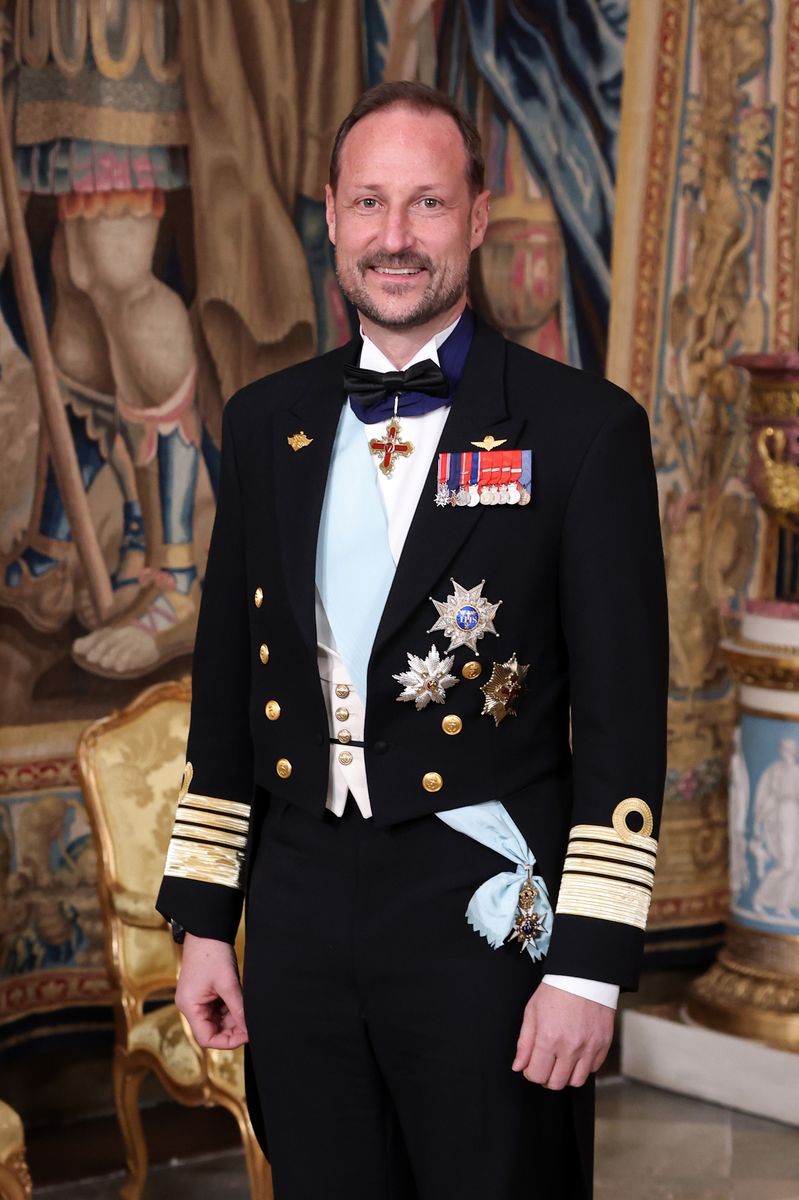
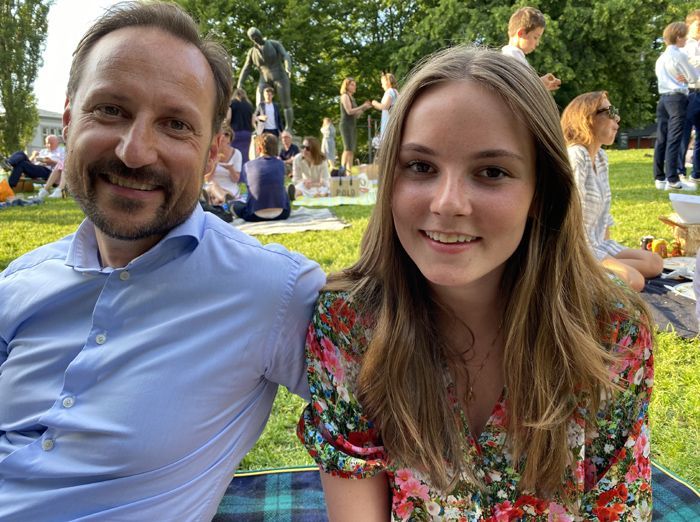
How a King chooses to present himself to the world says a great deal about who he is. Among Haakon’s official portraits, there are the classic ones of him wearing all his insignia as a general of the Army, admiral of the Navy, or general of the Air Force. But for years he has also been opening up his private album, sharing images from family vacations and sports getaways. For the cover of his biography, in which he is credited as co-author and which follows the same line as King Harald’s—he chose a near extreme close-up: facing the camera with a broad smile, showing a few wrinkles, a receding hairline, and several days’ worth of beard. He has an easy way of conveying emotion; his expression feels approachable, and his eyes often sparkle.
 © Private Collection
Regent before he was King
King Harald’s longevity and his determination not to break the promise he made when he became monarch in 1991 meant that he withdrew from public life on numerous occasions toward the end of his reign. That normalized the new King’s presence in every sphere of institutional life, including at the most important act the Norwegian Constitution reserves for the sovereign: the Opening of Parliament. On the international stage, Haakon VIII comes to the throne after having led countless Norwegian delegations abroad to promote the country’s commercial, cultural, and research interests. One of his key challenges is ensuring that Norway’s technological and business development does not come at the expense of environmental protection. But he also takes over at a difficult moment: he inherits the Crown from a deeply respected father, in the wake of Marius Borg’s conviction, Mette-Marit’s crisis over Epstein and her lung transplant, and at a time when the monarchy’s popularity has dipped.
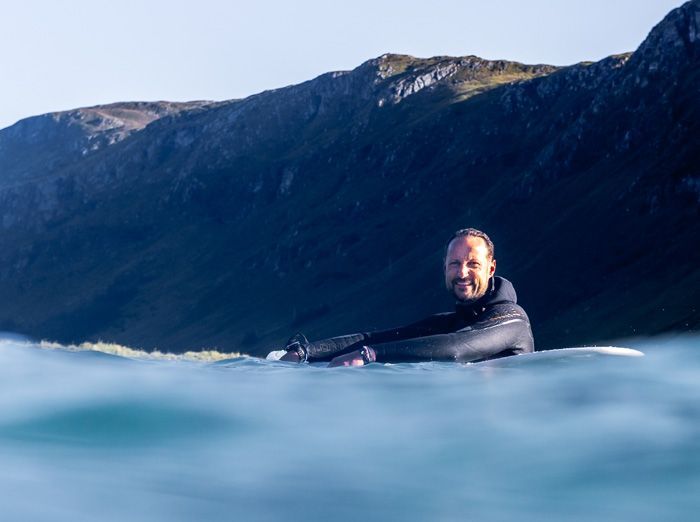 © Fjordlapse Photography, Det kongelige hoff
Haakon, the ‘sensible’ King
The Norwegian press has called him “sensible” on several occasions, but only time will tell by what nickname he will go down in history. In the words of King Haakon himself, words he often shares with his daughter Ingrid when she faces dilemmas about her role as heir: “Things often fall into place if you give them time.” Now the time of Haakon VIII begins.