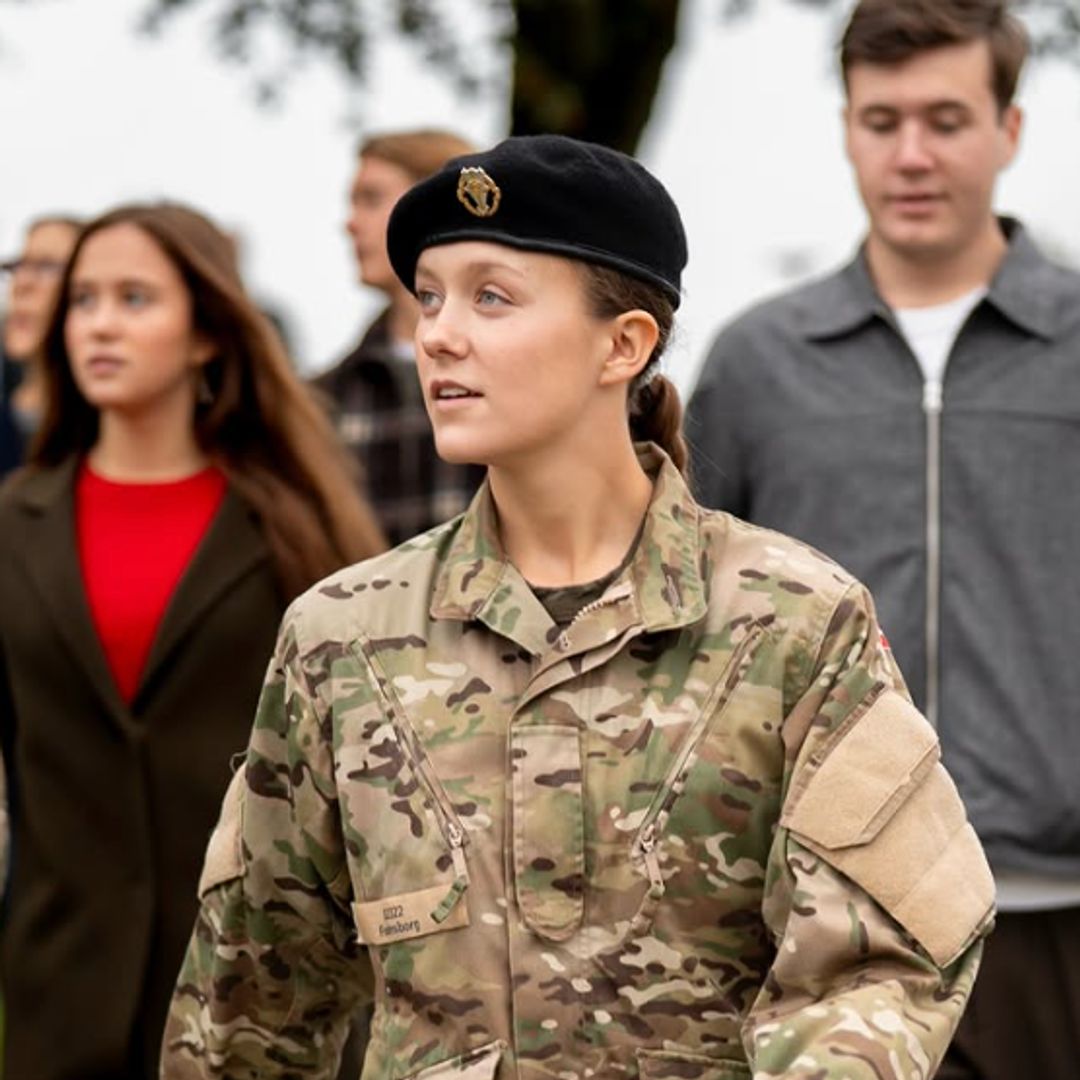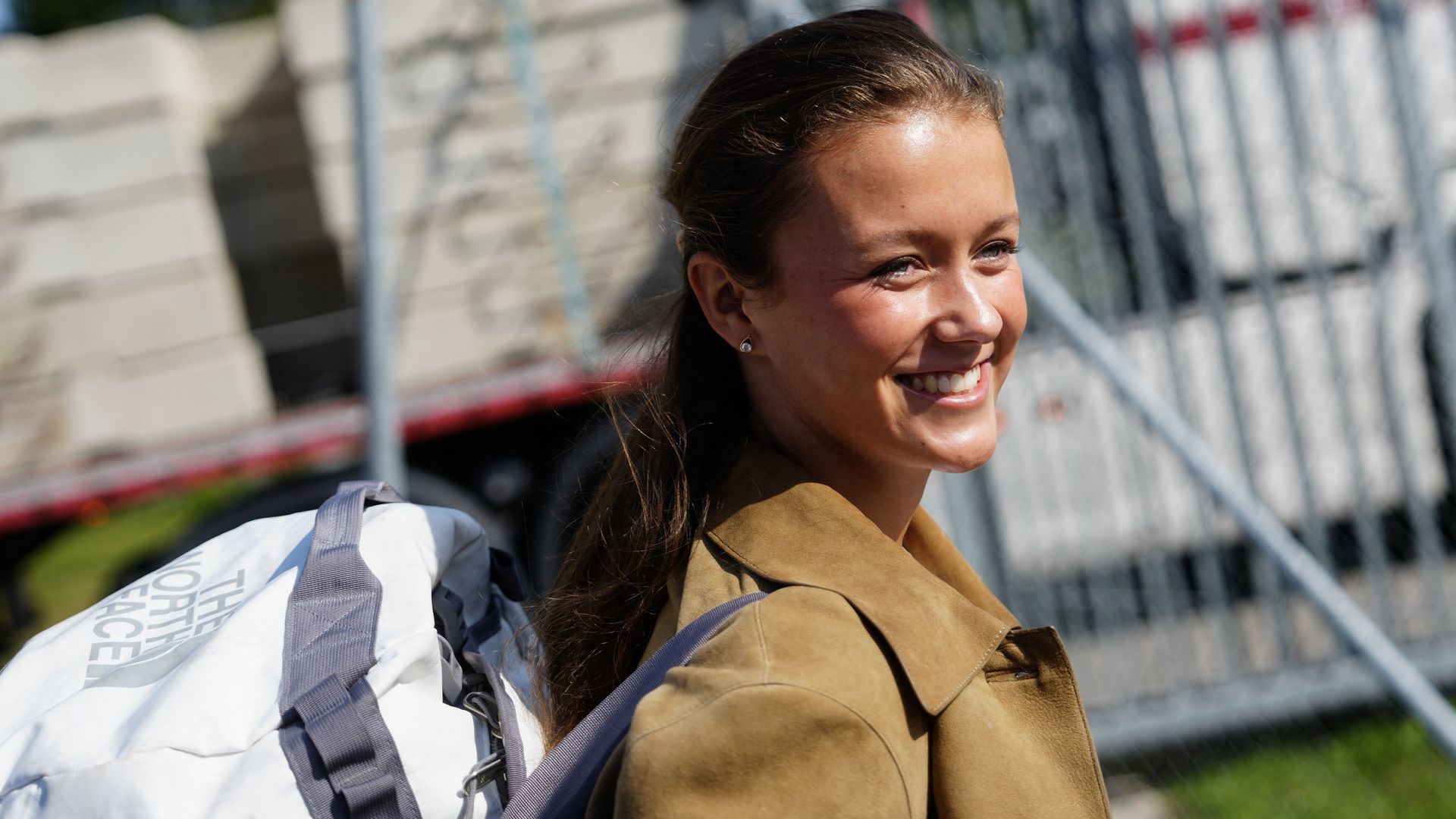
There was no royal motorcade waiting outside the Antvorskov barracks in Slagelse this Monday morning. Instead, Princess Isabella of Denmark pulled up alone in a black Audi Q4, dressed casually and smiling before she'd put on her uniform. It was August 3, and the 19-year-old daughter of King Frederik and Queen Mary had just become one of the first women in Denmark to begin the country's newly overhauled military conscription.
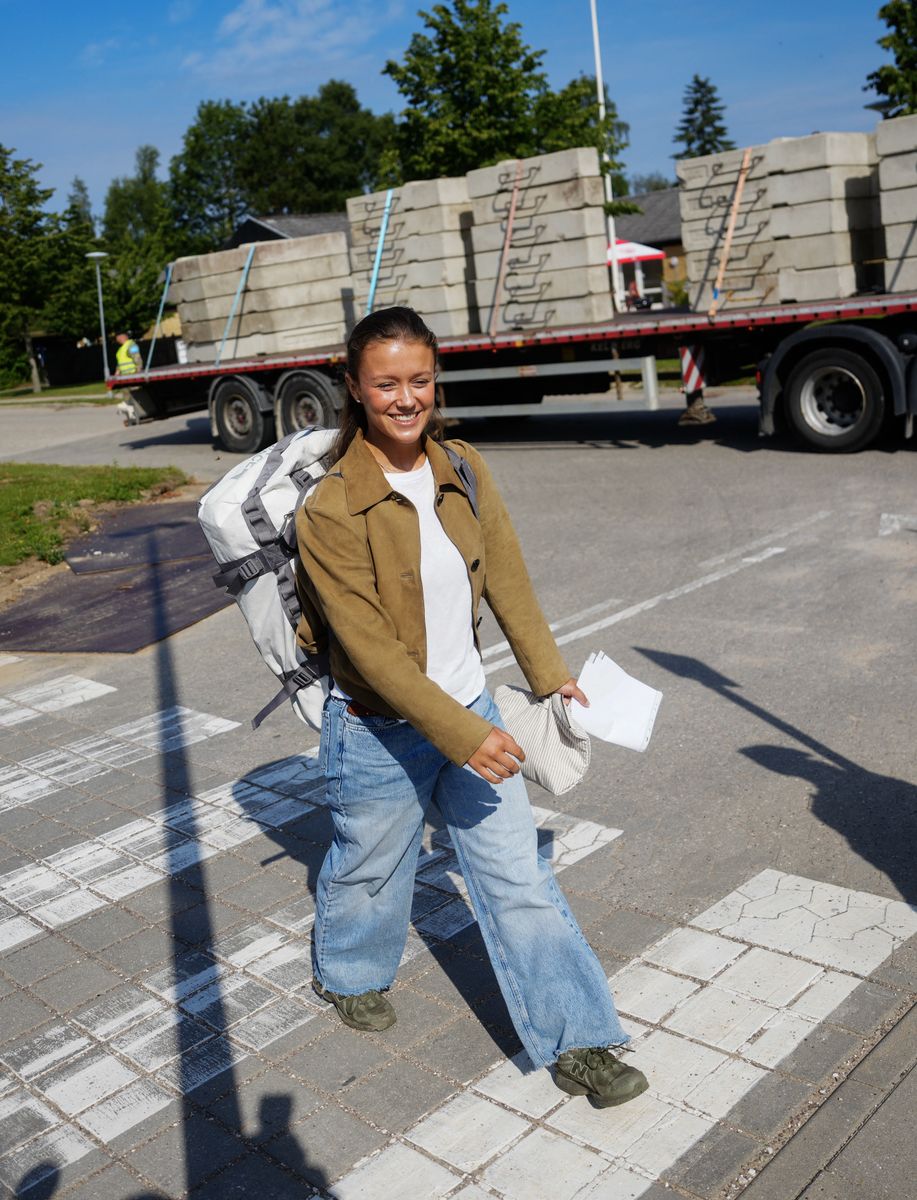 © Ritzau Scanpix/AFP via Getty Ima
She was hardly alone in the broader sense: roughly 1,600 young Danes reported to 14 bases across the country that same morning, the first full cohort to serve under the reformed system, which stretches basic training from four months to eleven. About one in five recruits this year is a woman, part of a 2025 legislative change requiring all women over 18 to register for military evaluation, a rule that upended what Isabella had expected would be a gap year.
A commission with no paycheck
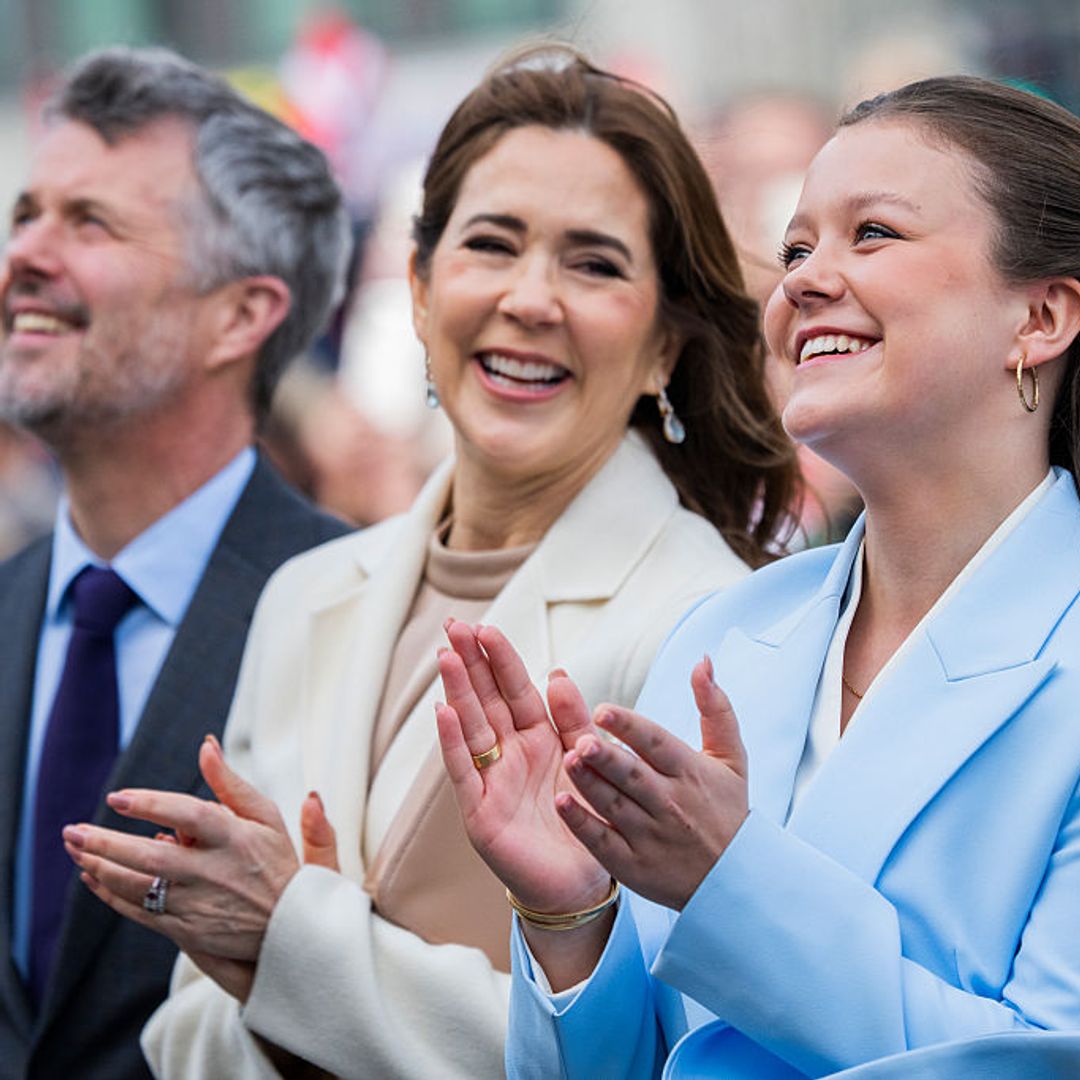
The detail that set her apart from the other 1,600 recruits arriving that day had nothing to do with the cameras. The Danish royal court confirmed that Isabella will forgo the pay and food allowance that come with conscription — roughly $29,400 in salary and tax-free subsistence over the full eleven months. It's the same choice her older brother, Crown Prince Christian, made when he went through the same regiment.
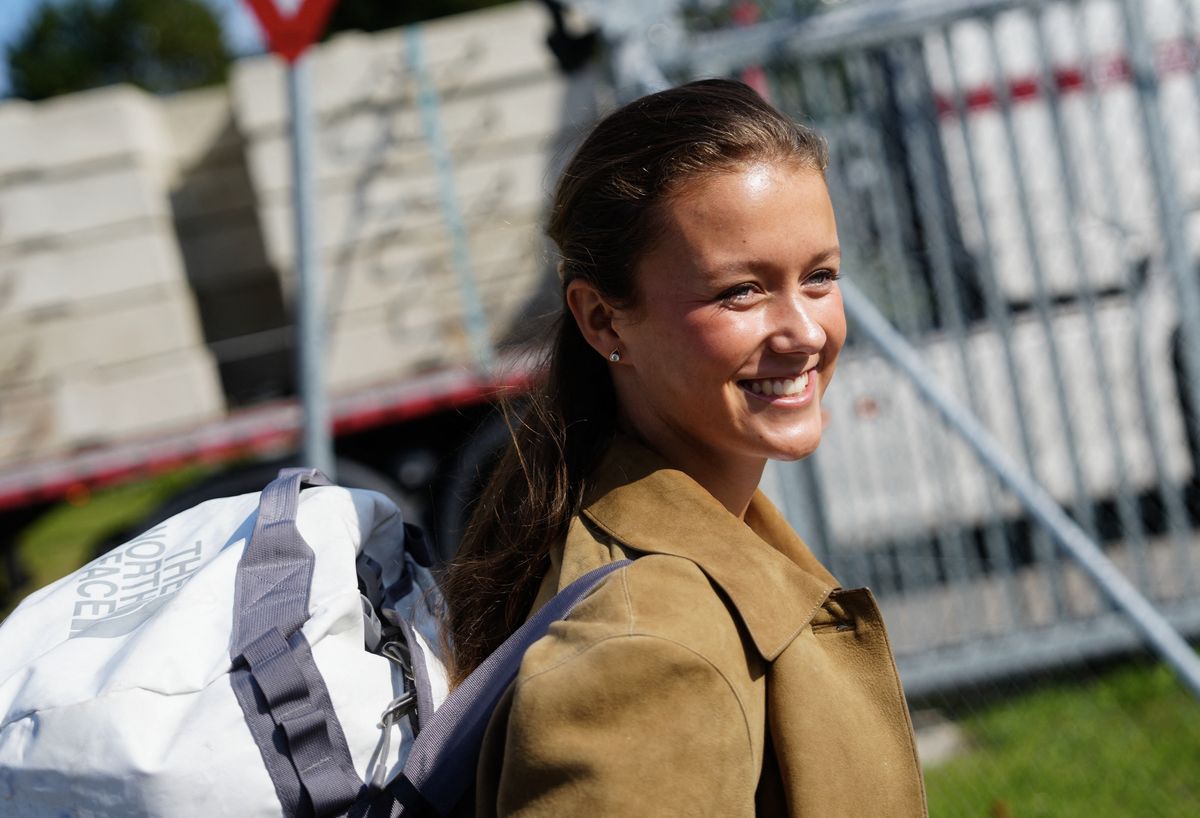 © Ritzau Scanpix/AFP via Getty Ima
The gesture is consistent with royal tradition, but it also has a practical consequence: it extends Isabella's financial dependence on her parents. Unlike Christian, who as heir already had his own institutional allowance, Isabella has no independent income. Her training will instead be covered within the monarchs' annual budget.
From graduation gown to uniform
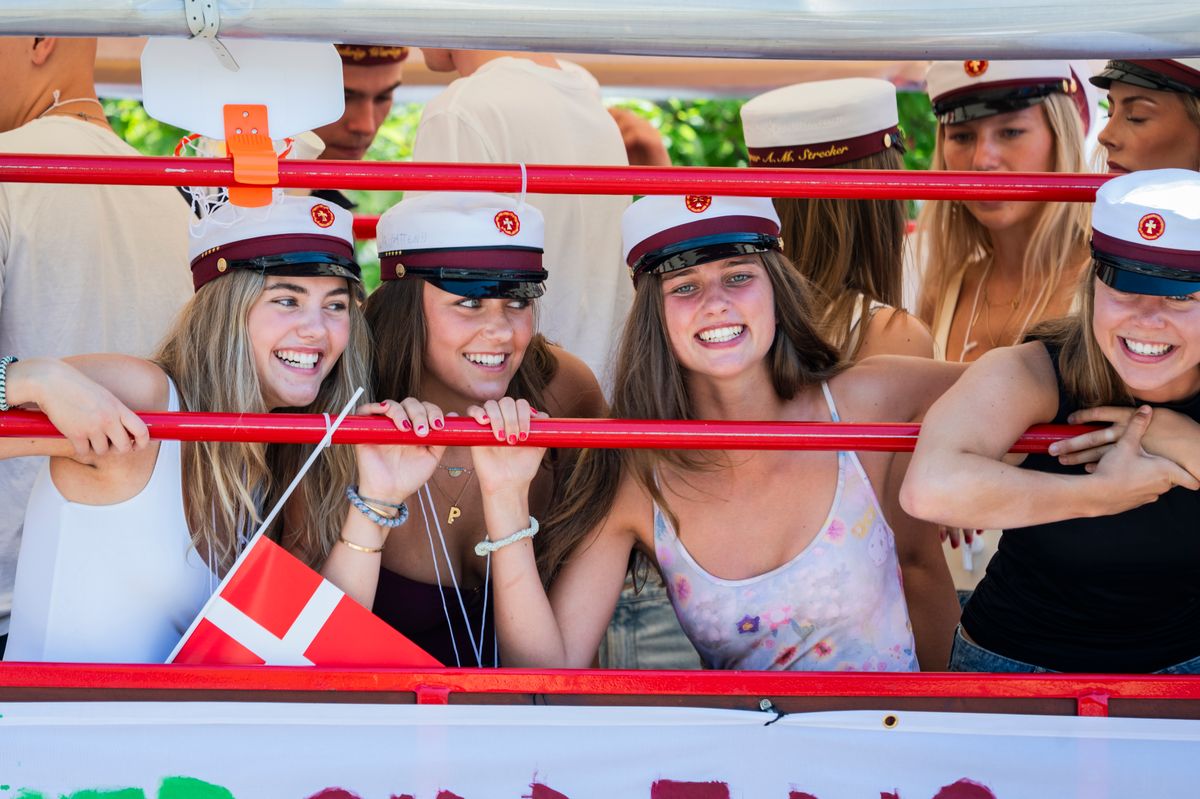
Isabella's path to Antvorskov began weeks earlier, when she graduated from Øregård secondary school and marked the occasion with the traditional dunking in the waters off Hellerup — a rite of passage for Danish graduates. She had reportedly hoped to take a gap year before this year's conscription reform intervened.
Her choice of unit carries its own message. By joining the Guard Hussar Regiment — the same regiment where her brother trained — Isabella appears to be signaling that military life is a chapter, not a career. "There's a clear signal here: if Isabella had planned a military career, or aspired to become an officer, she would have chosen a different branch," says Sebastian Olden-Jørgensen, a historian and specialist on the Danish royal house. In his reading, the Guard Hussars indicate she intends to fulfil her mandatory service and nothing more.
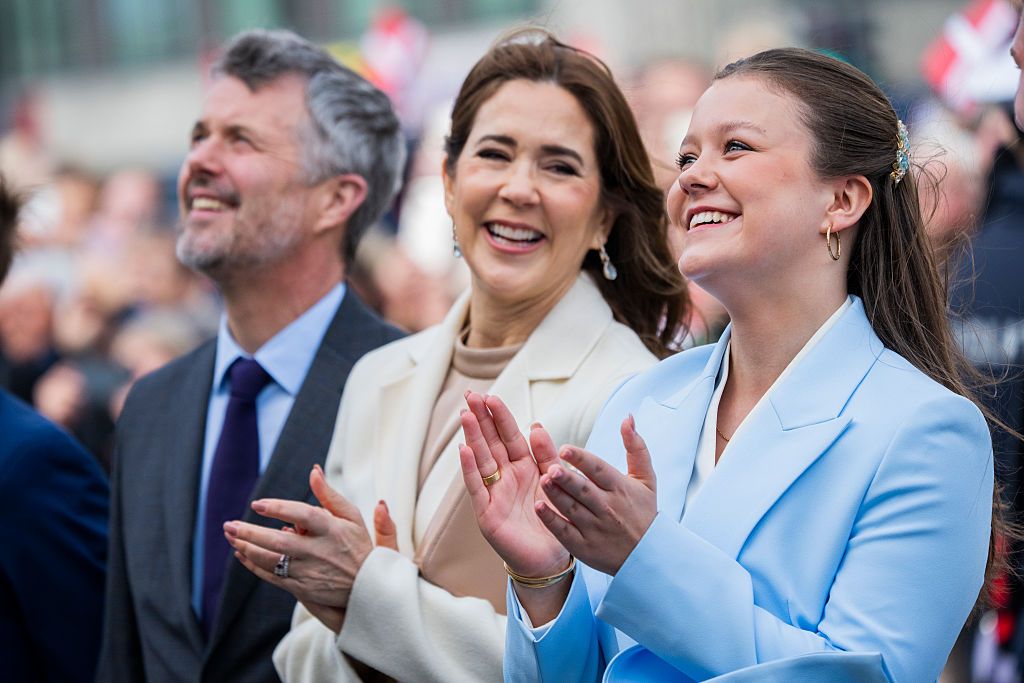 © Getty Images
"Choosing the air force or the navy would have been a much clearer sign of professional interest," he explains.
A symbolic return to Antvorskov
The royal court has stressed that Isabella will train under the same operational conditions as any other recruit — she simply won't be paid for it. There's a quiet symmetry to the location, too: in 2025, Isabella visited Antvorskov to visit Christian as he completed his own military training, a preview, it turns out, of the path she's now walking.
For now, her military service functions as a bridge — an intense but temporary stretch before university and, eventually, a more defined institutional role within the Danish royal house. As second in the line of succession, that role is expected to be an active one, at least through her father's reign, while Crown Prince Christian builds out what will become the core of the future royal family. It's worth remembering, too, that sisters and princesses by birth have long carried real weight in this dynasty. Princess Benedikte, still active at 82, is the clearest living example.
 © Martin Sylvest Andersen