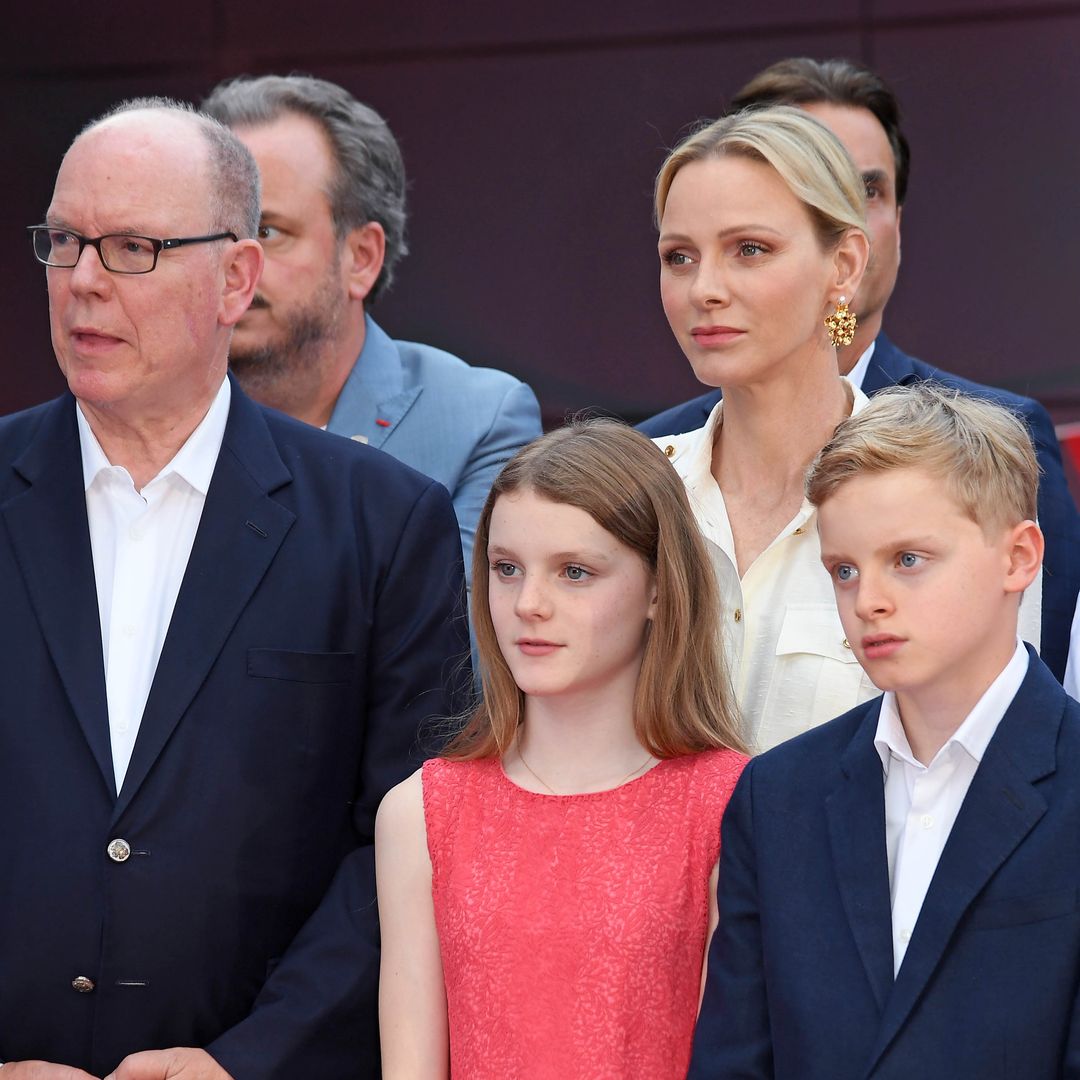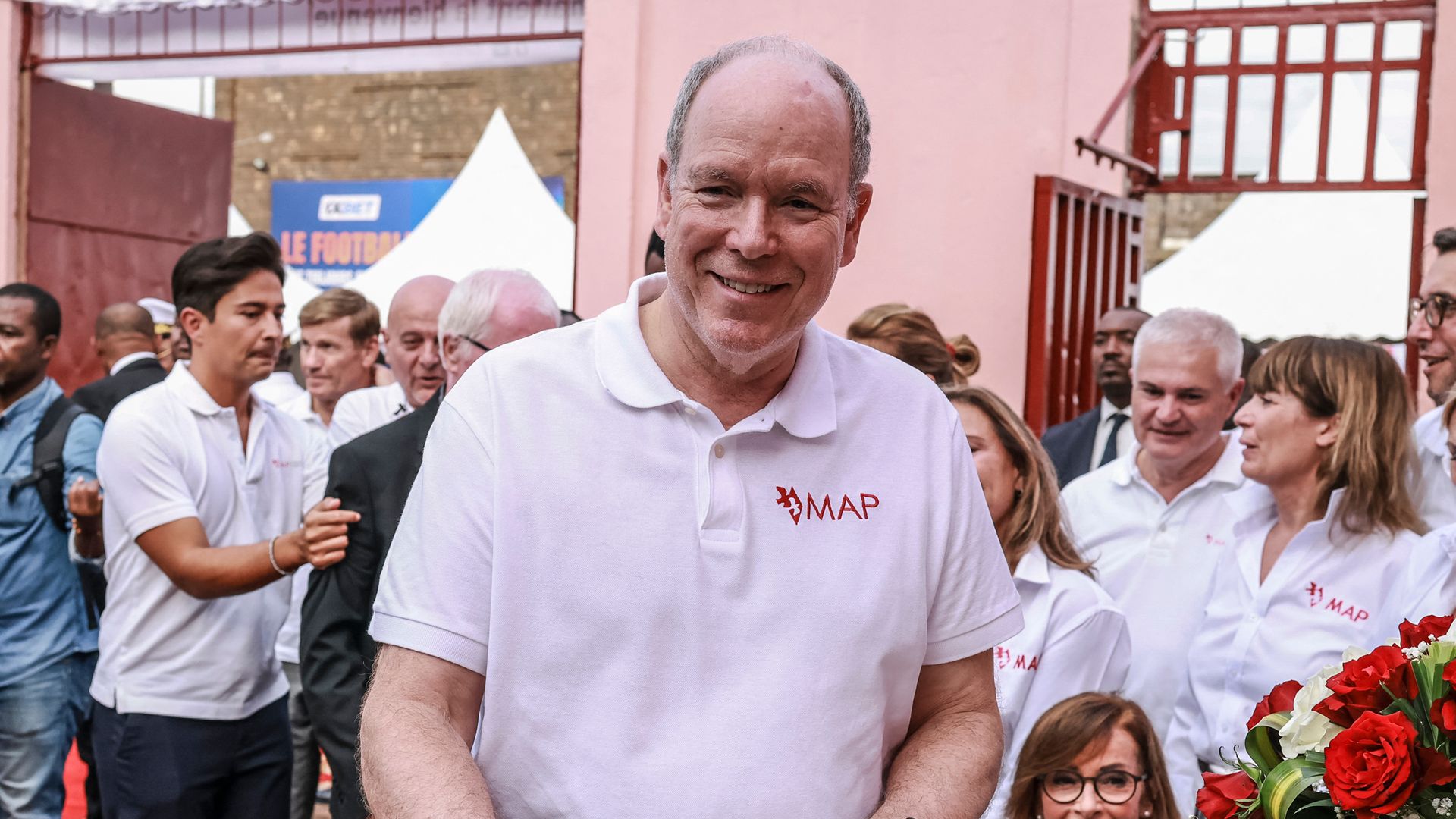
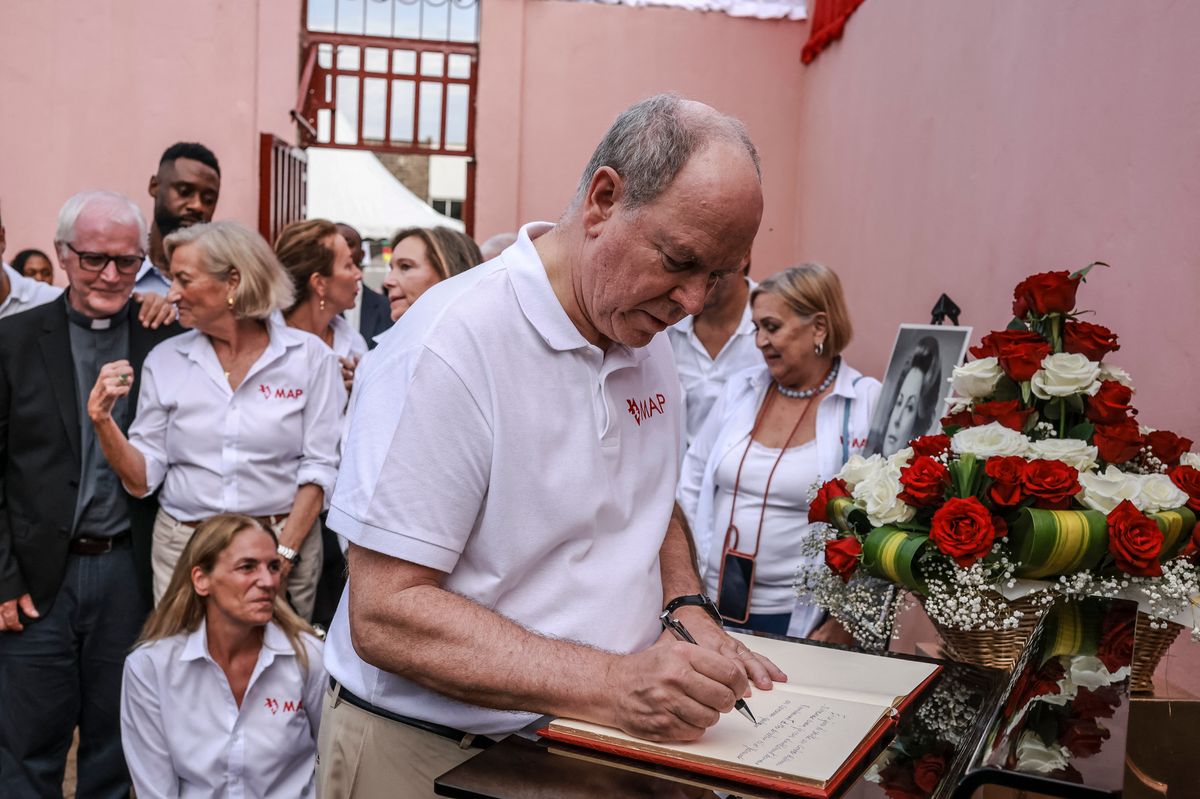
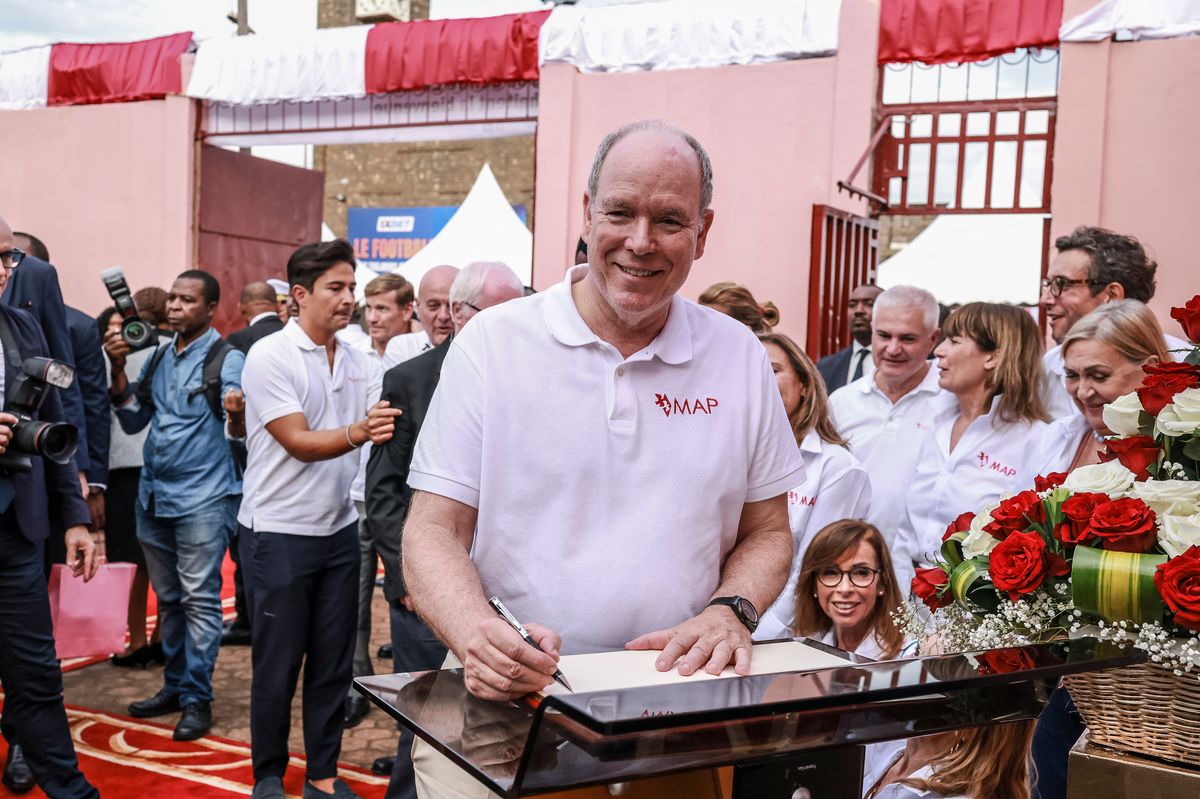
Some 12,000 schoolchildren were waiting when Prince Albert II arrived in Akamasoa, the community founded by Father Pedro Opeka on the outskirts of Madagascar’s capital, Akamasoa. The occasion was the opening of a new school. The setting, filled with images of Princess Grace, made the purpose of the visit plain: this was official business, but also a family affair.
 © Keystone-France
Albert, the son of Hollywood legend turned Princess Grace Kelly and Prince Rainier III, is traveling through Africa on his own. The trip is being conducted in an official capacity tied to his role with the International Olympic Committee. The journey is building toward a much-anticipated appearance at the 4th Youth Olympic Games in Senegal.
Before sports and diplomacy take center stage, though, the trip has turned into something far more personal: an emotional reconnection with a little-known side of his mother’s life.
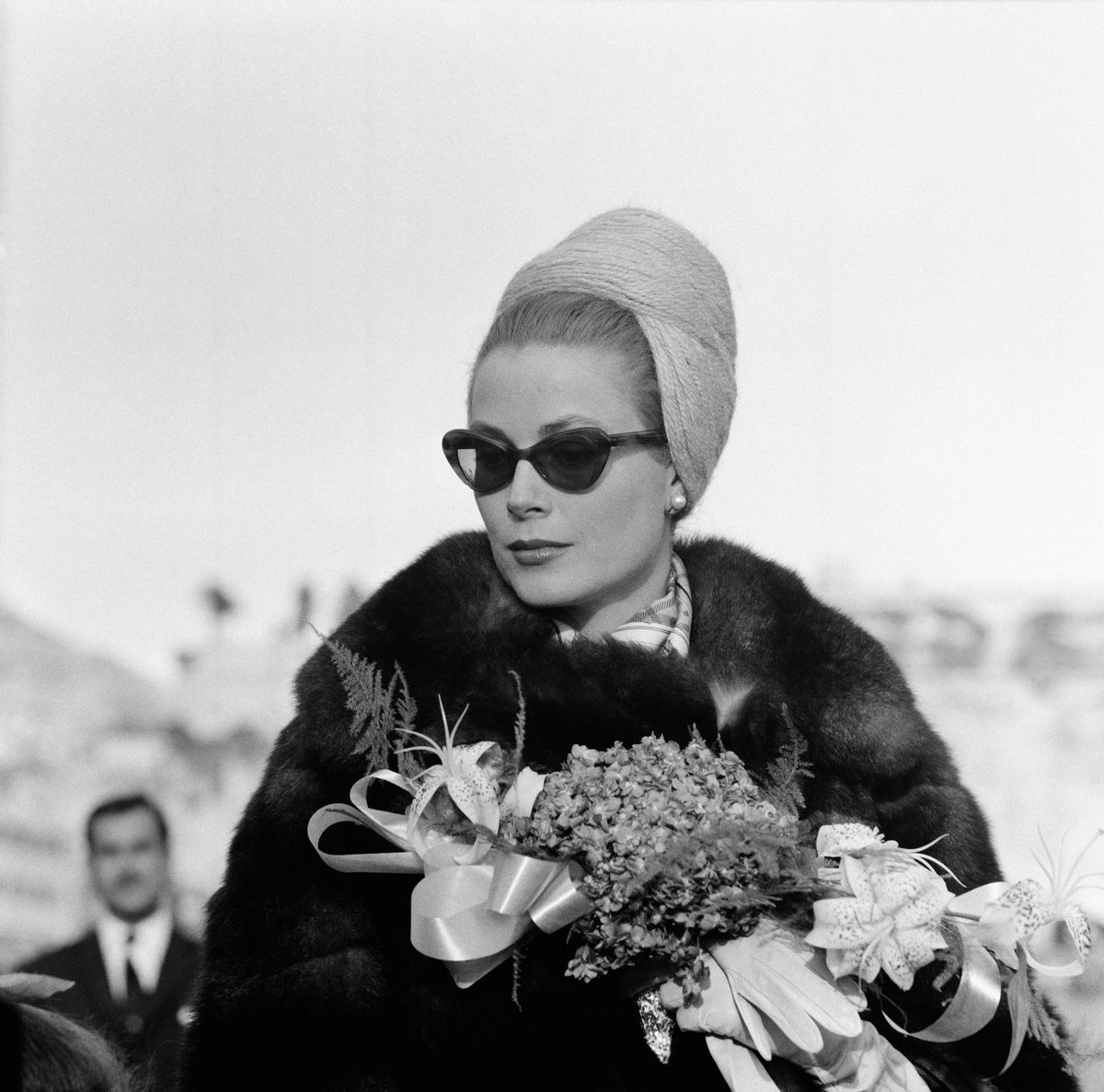
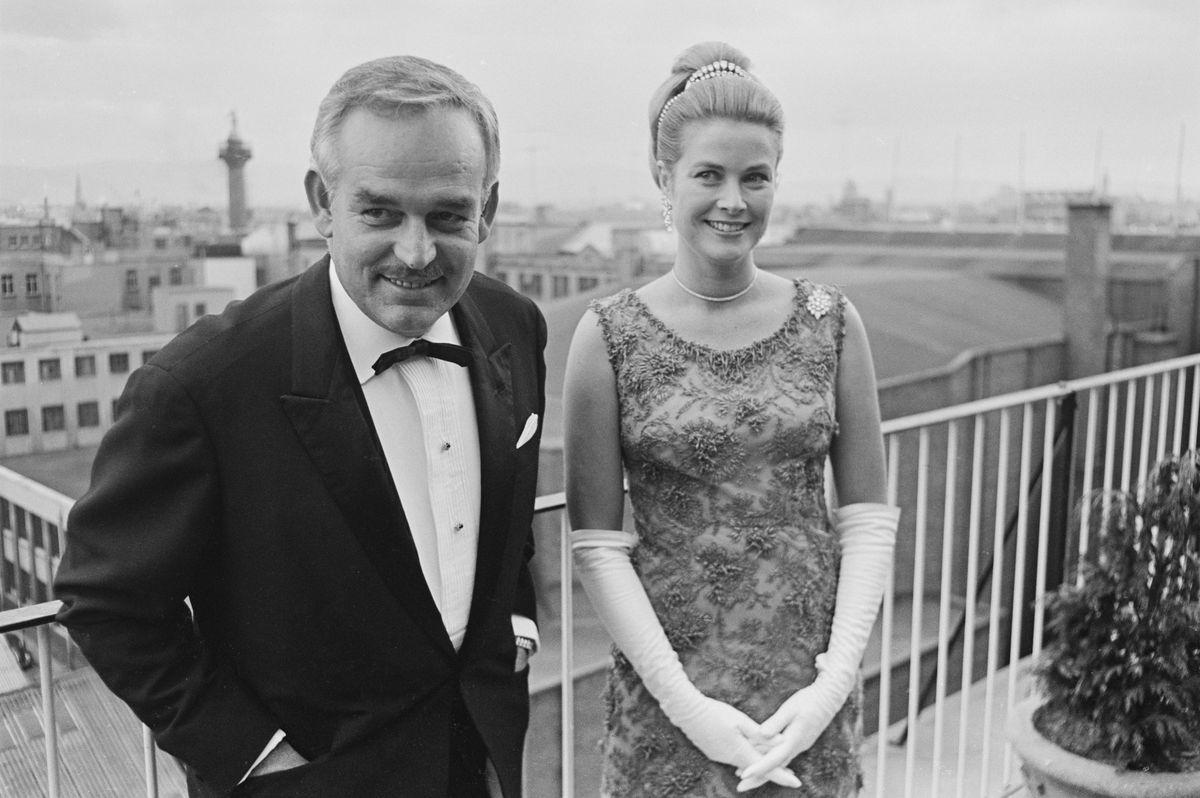
Grace was a pioneer in rallying international aid from Monaco’s throne. She helped turn philanthropy into a cornerstone of the principality’s identity, forging a lasting commitment to development and protecting the region’s most vulnerable children. Her memory has hovered over every engagement on her son’s schedule. Following her lead, Albert went in person to some of the places of greatest need, seeing for himself the real-world impact of Monaco’s government cooperation and of the foundations that make up his family’s legacy.
 © AFP via Getty Images
Inside Prince Albert’s Mission for Madagascar’s Most Vulnerable Children
The tour opened with two stops with a social purpose, in Madagascar and in Yaoundé, the capital of Cameroon, both designed to spotlight and strengthen aid programs the principality has sustained for decades.
Akamasoa set the tone. Father Opeka’s charity has had Monaco’s support for over two decades, and the school’s inauguration, a deeply symbolic moment, unfolded in a joyful, celebratory atmosphere. In his speech, the prince framed education as the most powerful tool for emancipation and social change available to the next generation, urging students to be guided by responsibility and hope as they become tomorrow’s adults
That message carried into Antananarivo, where Albert toured the Sandratra project. Funded by Monaco’s Department of International Cooperation (DCI), the initiative protects and reintegrates street children and young single mothers, offering vocational training designed to open the door to employment and financial independence. There, the prince recalled a famous line from Victor Hugo: “Every child who is taught is a man who is won," reports our sister website HOLA! Spain.
 © Getty Images
Health, another of the Grimaldis’ longtime causes, came next. At SISAL’s 67HA dispensary, a clinic backed jointly by the DCI and Fight Aids Monaco, the HIV foundation headed by his sister, Princess Stéphanie, Albert listened to moving testimonies from young people living with the virus. He reaffirmed the need to guarantee dignified support and equal access to treatment.
The packed Madagascar schedule wrapped up at Saint-Vincent-de-Paul University in Manantenasoa, where the prince held a lively exchange with university students about environmental conservation, a field in which his own foundation is a global reference.
From there, Albert traveled on to Yaoundé, returning to Cameroon for the first time in 23 years to visit the Centre Edimar Princesse Grace, a center for street youth that bears his mother’s name. The stops make one thing clear: Albert’s presence in Africa goes well beyond institutional protocol.
 © AFP via Getty Images