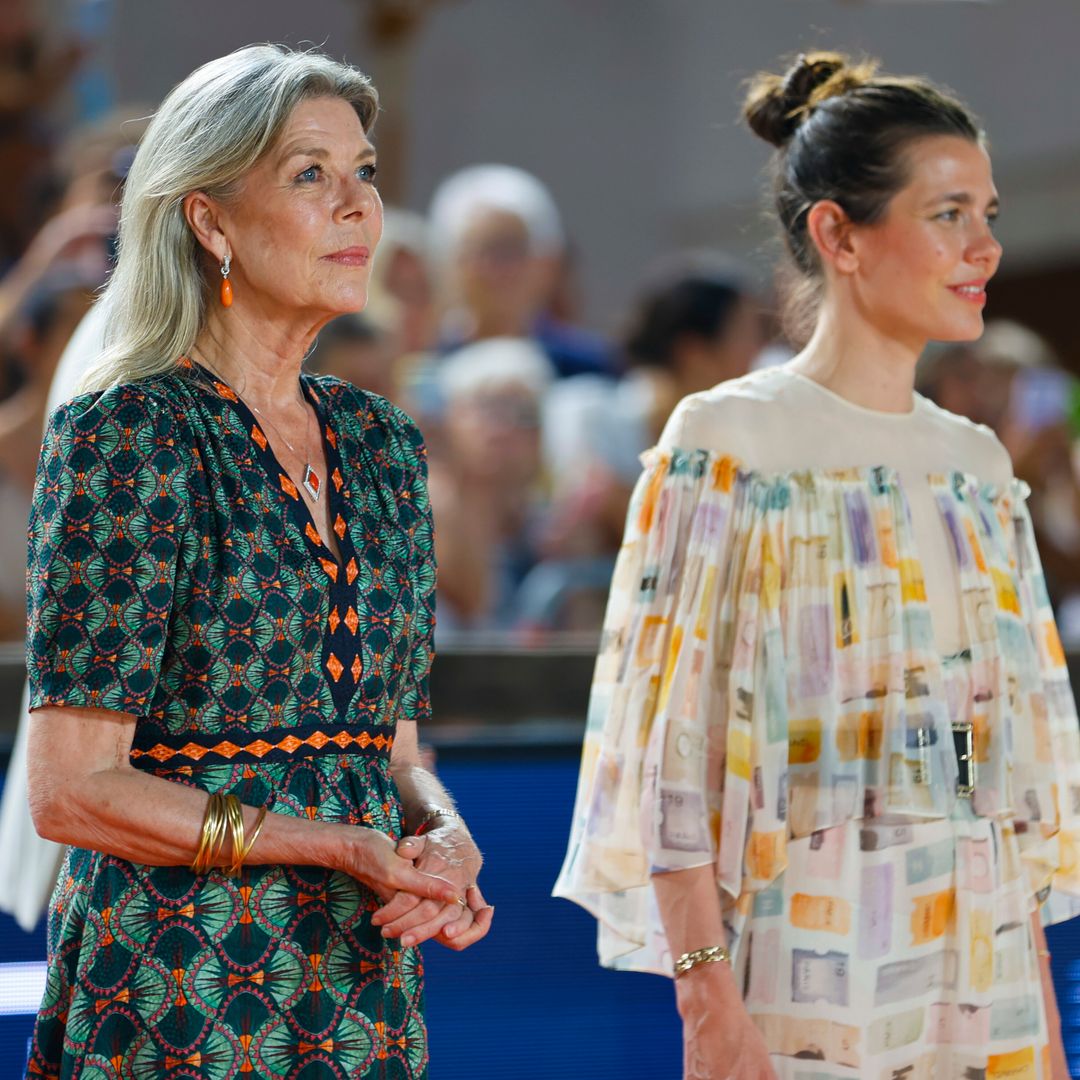
Charlotte Casiraghi has given one of her most personal interviews on the Italian television program Che Tempo Che Fa, hosted by Fabio Fazio.
Princess Caroline of Monaco’s 40-year-old daughter discussed the death of her father, Stefano Casiraghi, her true personality, the weight of belonging to the Grimaldi family and the importance of literature in her life. The interview coincided with the Italian release of her new book, The Crack, which explores human vulnerability.
 © AFP via Getty Images
How the death of her father, Stefano Casiraghi, affected her
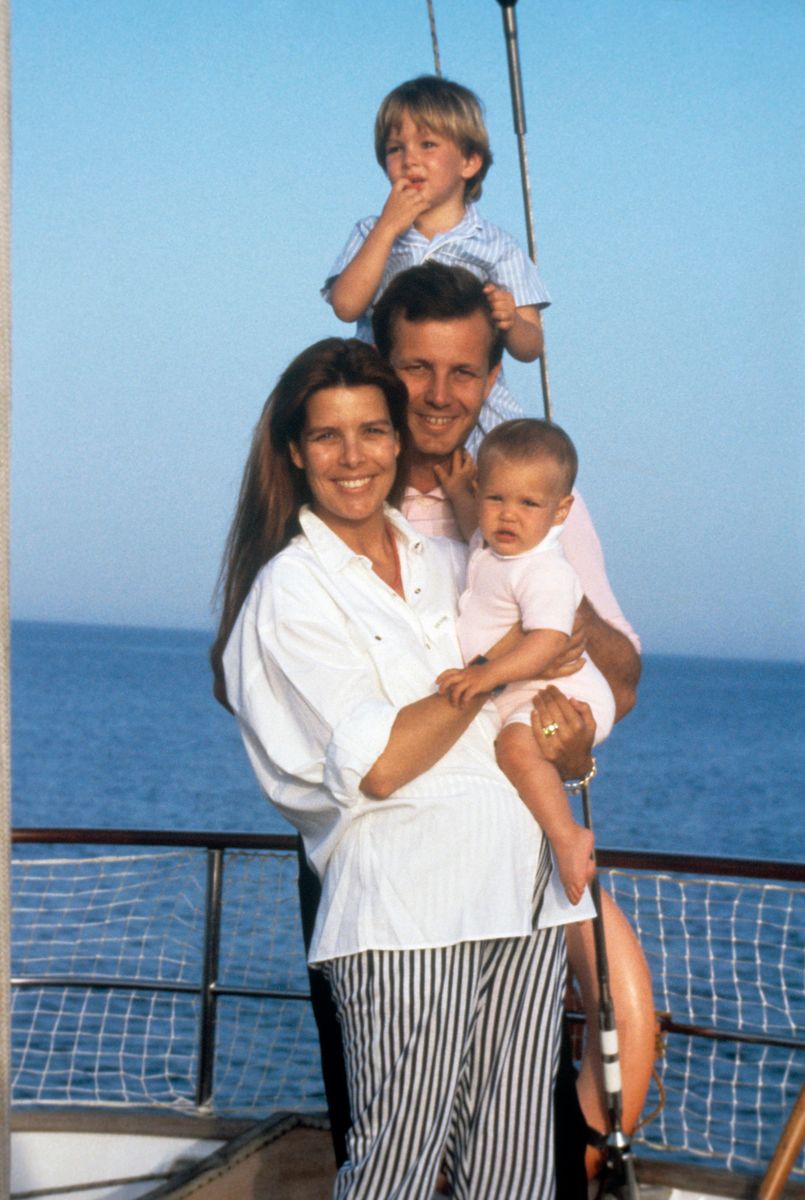
Charlotte was just four years old when her father, Stefano Casiraghi, died. She explained that losing a parent at such a young age forces you to confront questions about the meaning of life. Writing and reading became ways for her to cope with that loss.
 © Mondadori via Getty Images
In an interview published Monday by Corriere della Sera, she shared a deeply personal memory. At 11, she would write letters to her late father, turning to a private diary during her most difficult moments. As an adult, looking back at photographs from those years, she sees herself as a serious, worried, and sad little girl.
Her public image and her true personality
Charlotte reflected on the difference between her public image and her true personality. For years, she has been portrayed as a privileged young woman surrounded by luxury and beauty, leading a seemingly perfect life.
 © Stefania D'Alessandro
That image, however, has not always reflected her concerns, struggles, and contradictions. She does not seek to deny her privileges, but to assert an identity of her own beyond her surname, appearance or place within Monaco’s princely family.
Her connection to Italy through her father
At the beginning of her conversation with Fabio Fazio, Charlotte expressed her happiness at being in Italy and spoke about her family connection to the country.
 © GTRES
“Italian is the language of my father, of my family,” she explained. She answered questions in both Italian and French, a particularly meaningful choice given that her father was Italian.
Speaking about Grace Kelly, the grandmother she never met
Charlotte was also asked about her maternal grandmother, Princess Grace, who died in 1982, four years before Charlotte was born.
 © Bettmann
She said she has watched all of her grandmother’s films and considers them extraordinary. However, she acknowledged that she cannot speak about her from personal experience because they never met.
When the host mentioned that her mother, Princess Caroline, had noted similarities between their personalities, Charlotte responded with humor. “If she says so, it must be true.”
Growing up in the Grimaldi family
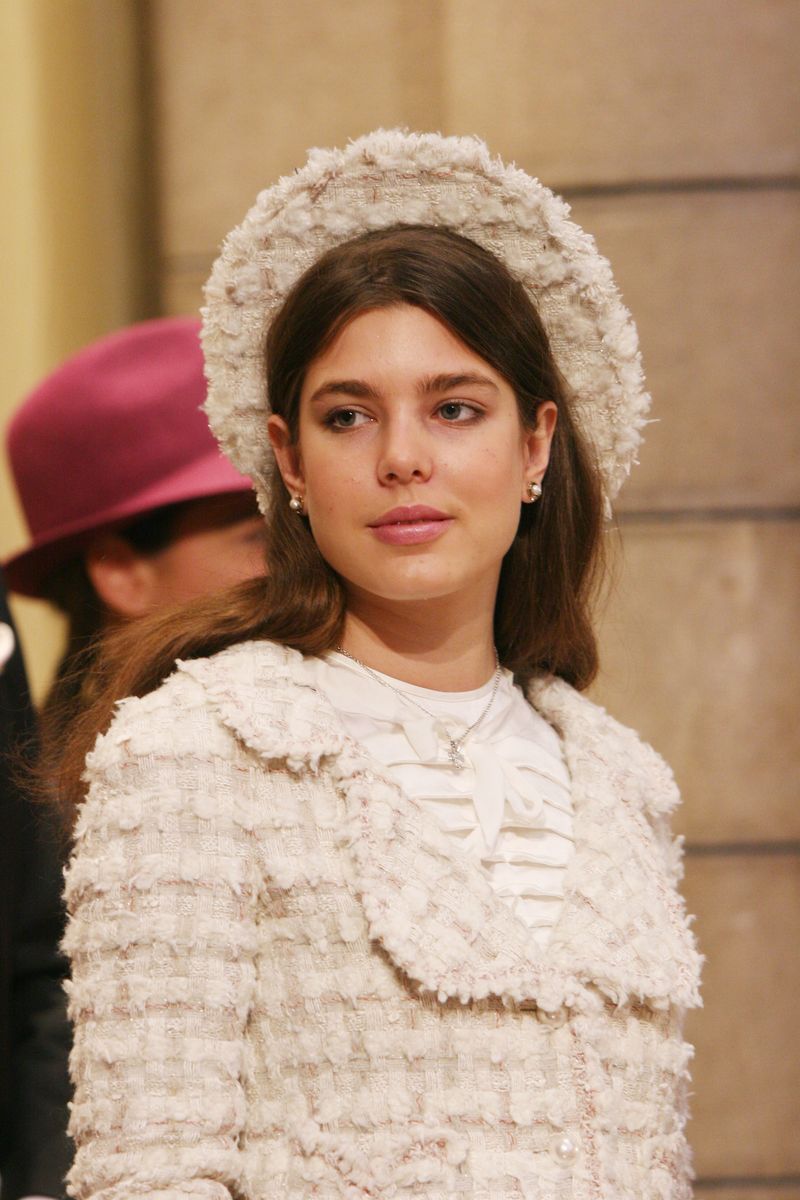
Charlotte said that belonging to the Grimaldi family is not something she thinks about every day. She considers her upbringing to have been fairly normal, despite her family’s public prominence.
 © Stephane Cardinale - Corbis
At the same time, she acknowledged feeling very proud of her family history. That legacy is part of her identity, although it does not define every aspect of her life.
The books Karl Lagerfeld sent to her home
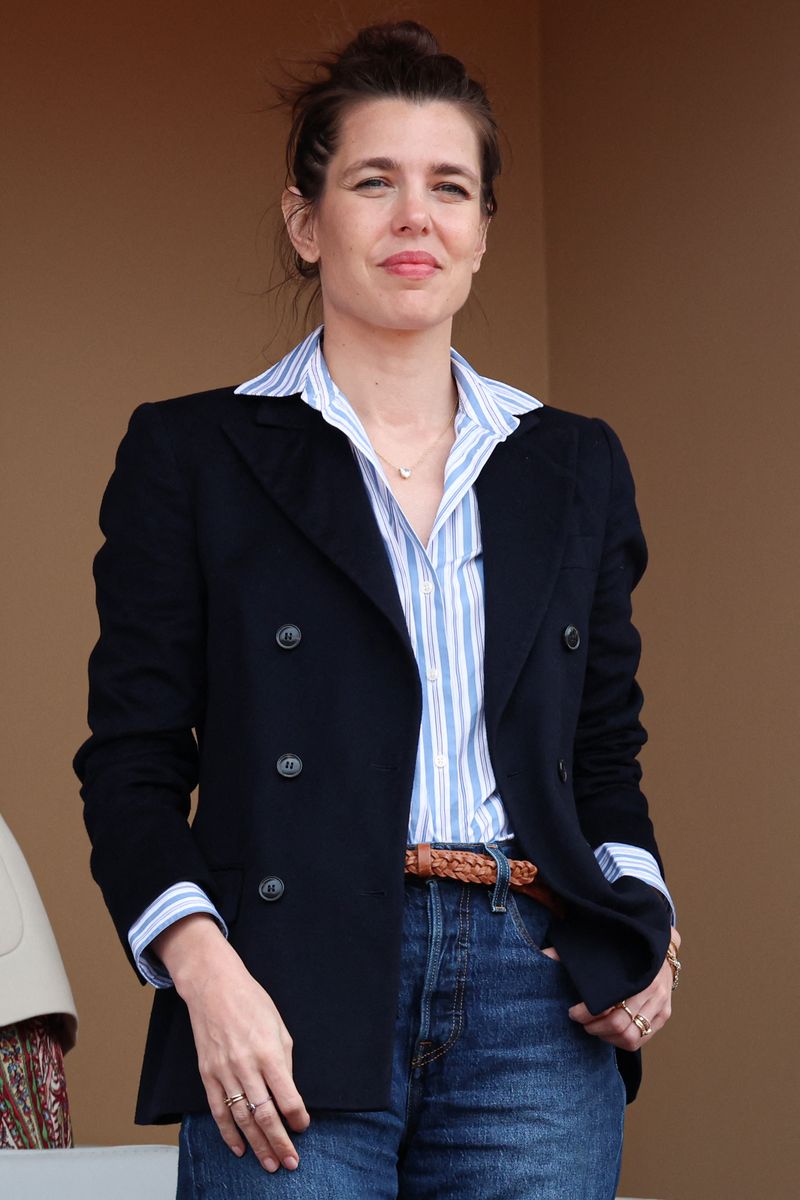
Another particularly meaningful memory involved Karl Lagerfeld, a close friend of her mother and the family.
 © AFP via Getty Images
As a child, Charlotte spent considerable time in the designer’s impressive library. He took a particular interest in her intellectual curiosity, beyond her appearance or connection to fashion.
He encouraged her to study and sent books to her home every month, helping shape her education and love of literature.
How she began writing as a child
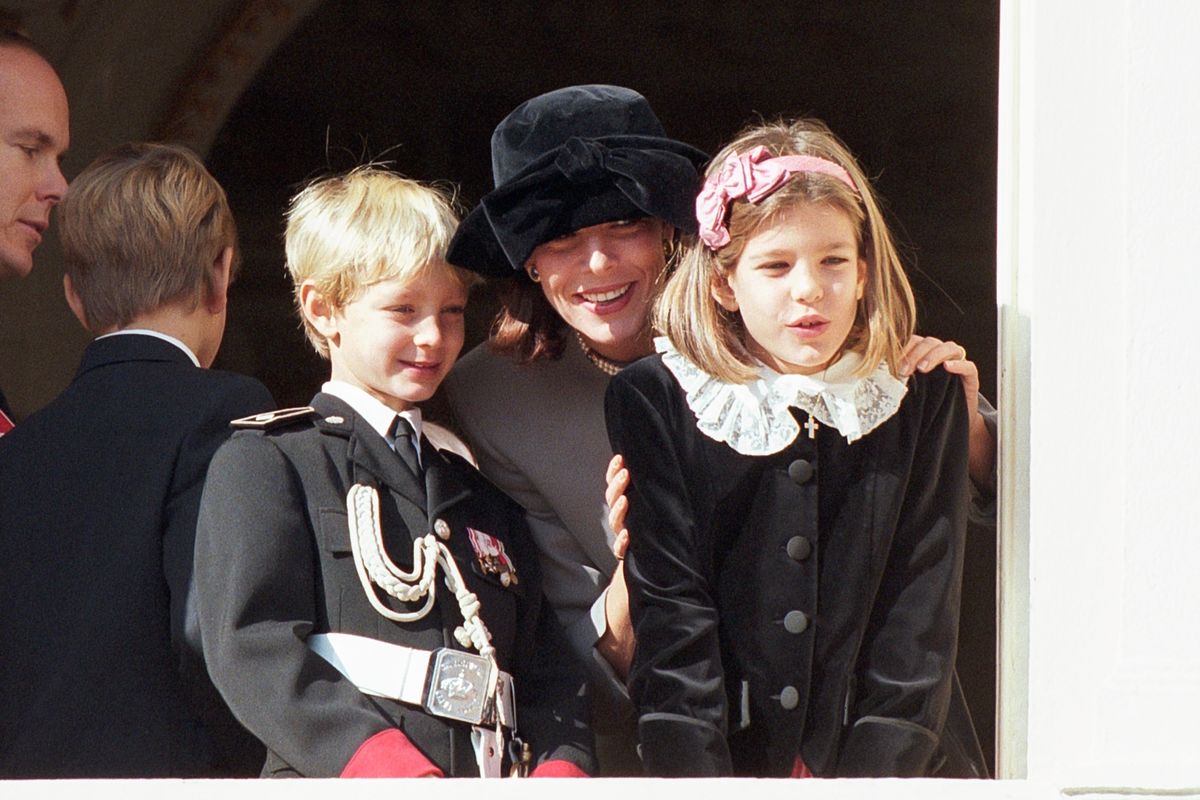
Charlotte revealed that she began writing long before studying philosophy at the Sorbonne. She would write especially when she was angry, felt she had experienced an injustice, or found herself powerless in a situation.
 © Stephane Cardinale - Corbis
Writing allowed her to express feelings she did not always know how to communicate in other ways, becoming a space of personal freedom.
When the interviewer asked who she really is, Charlotte admitted that she does not have a definitive answer, adding that human identity is too complex to reduce to a handful of labels.
 © REX Features/Shutterstock /The Grosby Group
She also criticized the tendency to confuse images on social media with real life. In her view, a public image never fully captures a person’s reality. In her own case, her interest in philosophy and literature has often been overshadowed by her surname and appearances at social events.
Her work with young people with eating disorders
Charlotte also discussed a lesser-known aspect of her life. Her involvement with a therapeutic group in child neuropsychiatry.
 © Stefania D'Alessandro
For the past four years, she has participated in activities for patients with eating disorders and other conditions, using literature and philosophy to explore questions about the body, emotions and female identity.
She also connected her passion for horses to the philosophy behind her book. For Charlotte, riding means accepting the possibility of falling, learning to live with fear and understanding that we cannot control everything.