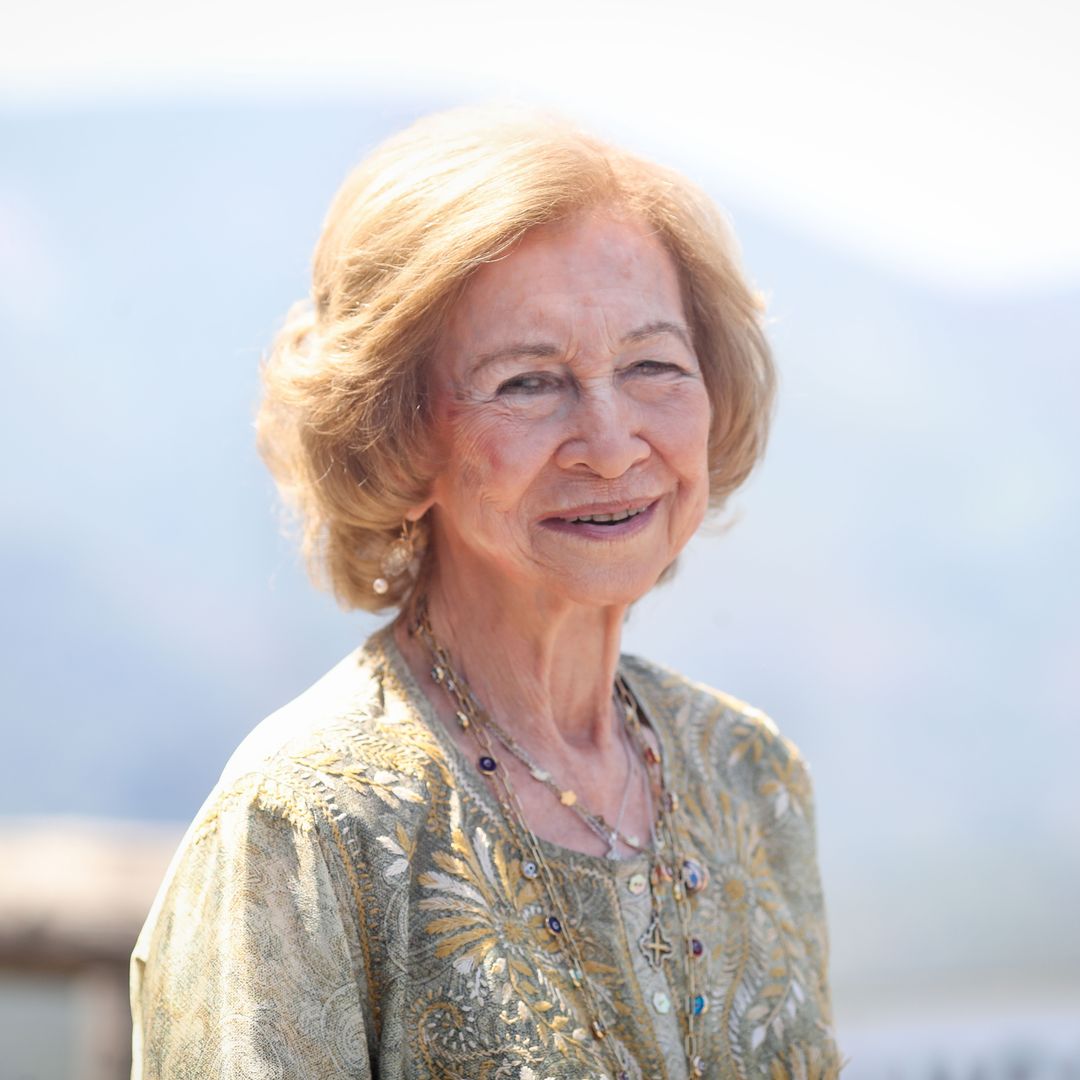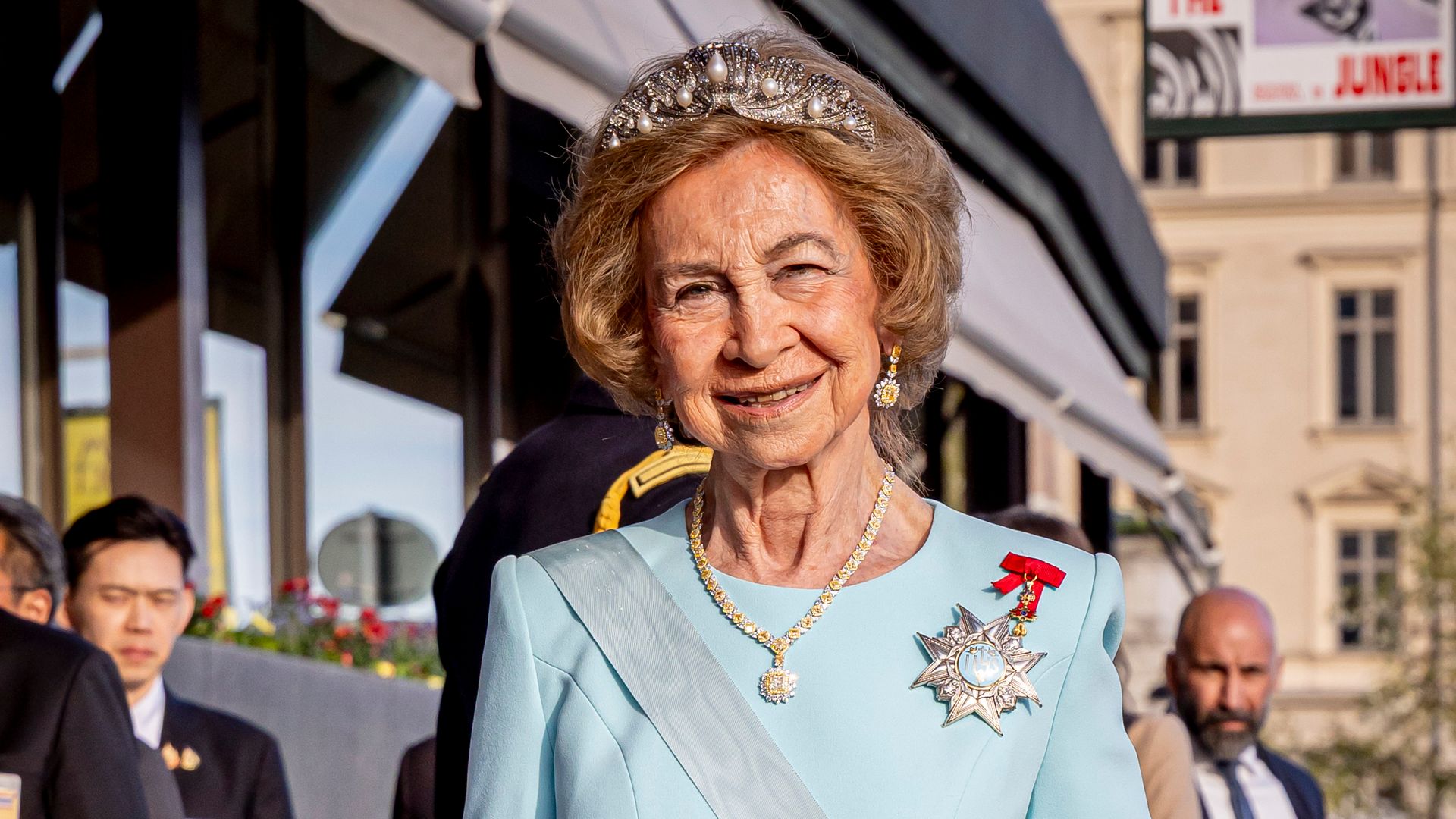
Queen Sofía, who divides her time between the United Kingdom and Sweden, has wrapped up her official schedule at Stockholm’s Royal Palace with a notable show of institutional presence. Representing the Spanish Royal Household, she attended the celebrations marking King Carl XVI Gustaf of Sweden’s 80th birthday. Her appearance made her one of the standout figures of an evening defined by elegance, the sparkle of diamonds, and the historic symbolism of royal jewels, each piece once again telling the story of Europe’s enduring royal tradition and legacy.
 © Getty Images
A Night Steeped in History
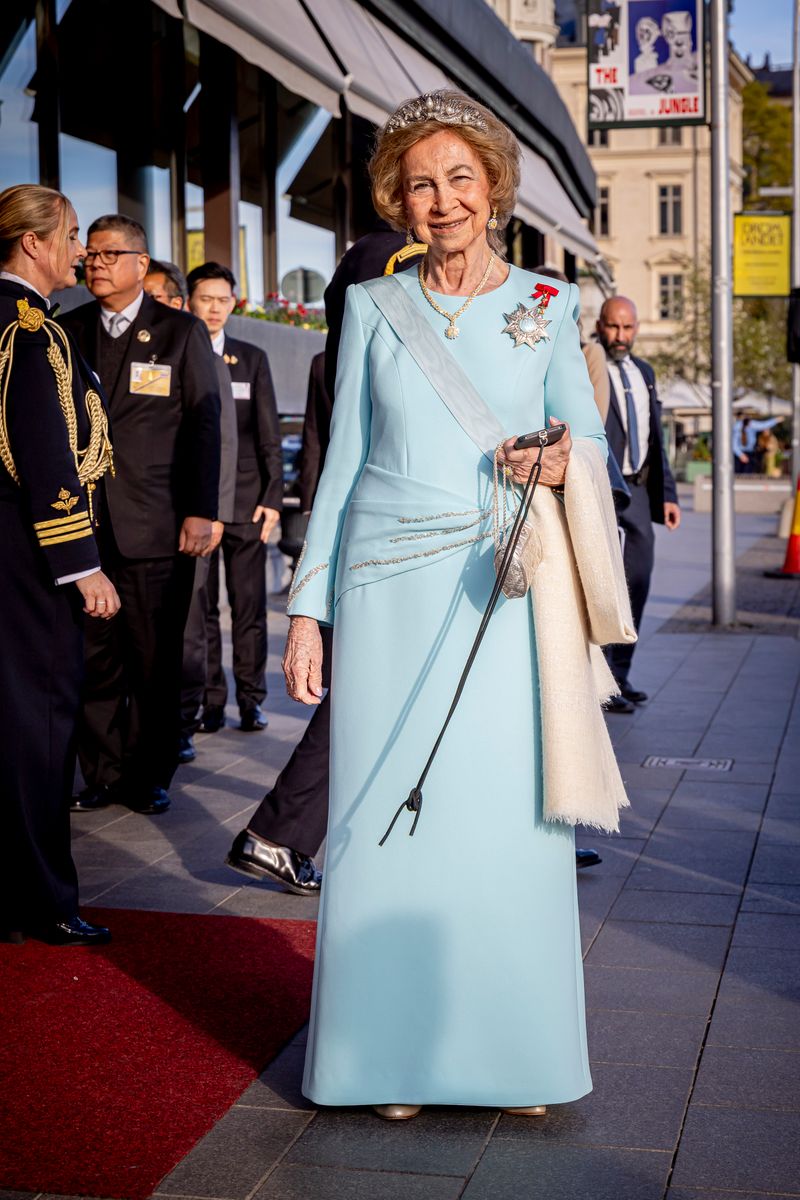
Queen Sofía stepped into a renewed kind of radiance, one not seen since King Juan Carlos I’s abdication, as she attended the grand State Banquet hosted by the King of Sweden. It was a setting perfectly suited to the mother of King Felipe VI, who once again embodied the timeless elegance that has defined her style for decades.
 © Getty Images
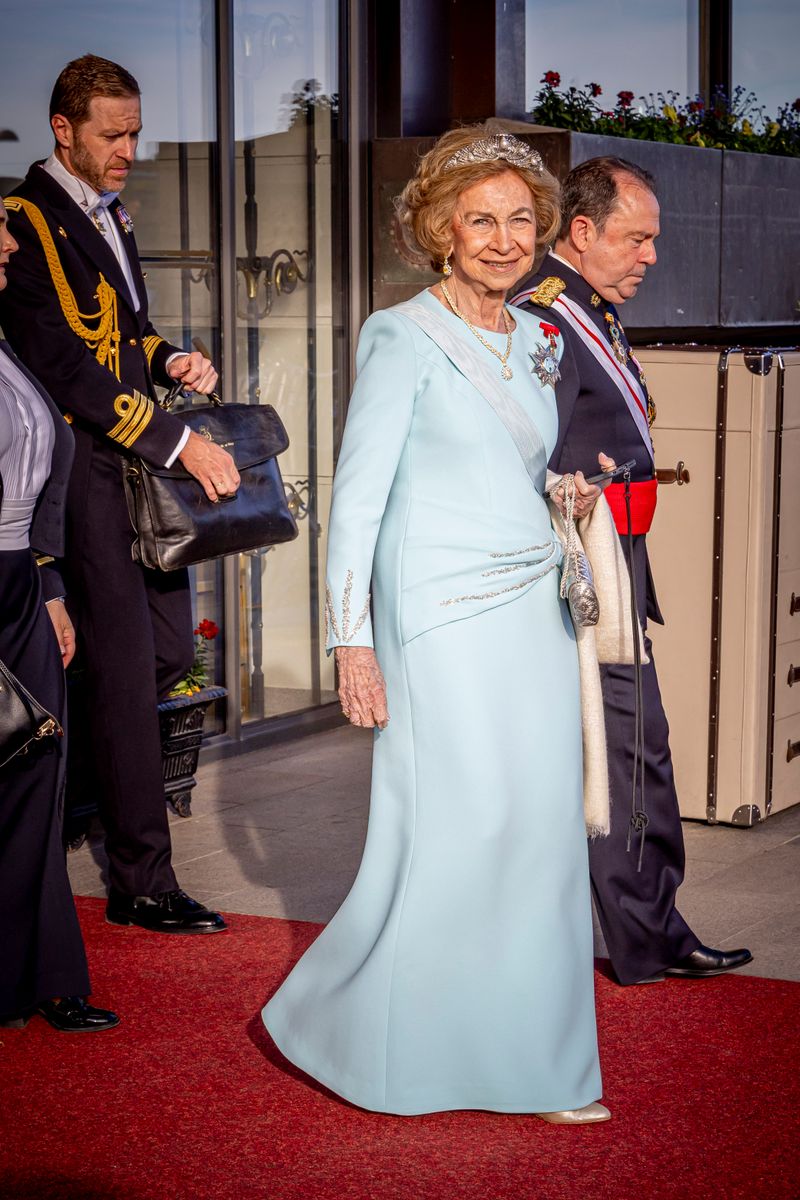
The evening, shaped by diplomacy and long-awaited reunions among royal houses, shimmered as much with meaning as it did with the diamonds adorning her look, each piece a symbol of history, tradition, and legacy. Amid tiaras, warm smiles, and conversations layered with quiet nuance, Queen Sofía was welcomed by King Carl XVI Gustaf and Queen Silvia of Sweden during the reception ahead of the State Banquet.
 © Getty Images
The occasion itself was a carefully orchestrated moment designed to further strengthen the bonds between Europe’s royal families and those beyond. Yet Queen Sofía’s presence carried a distinct resonance of its own, a classic elegance that seemed to transport onlookers back to the early days and defining heights of her reign.
A Signature Look with Historic Jewels
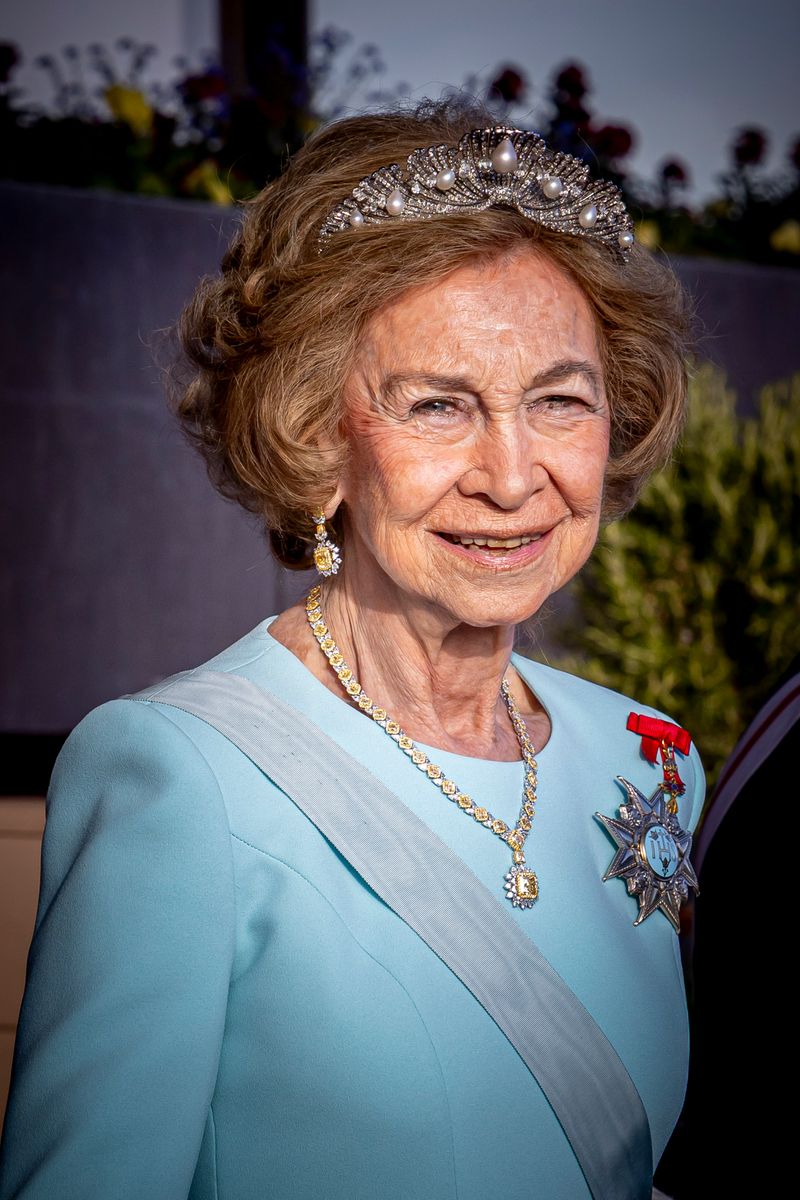
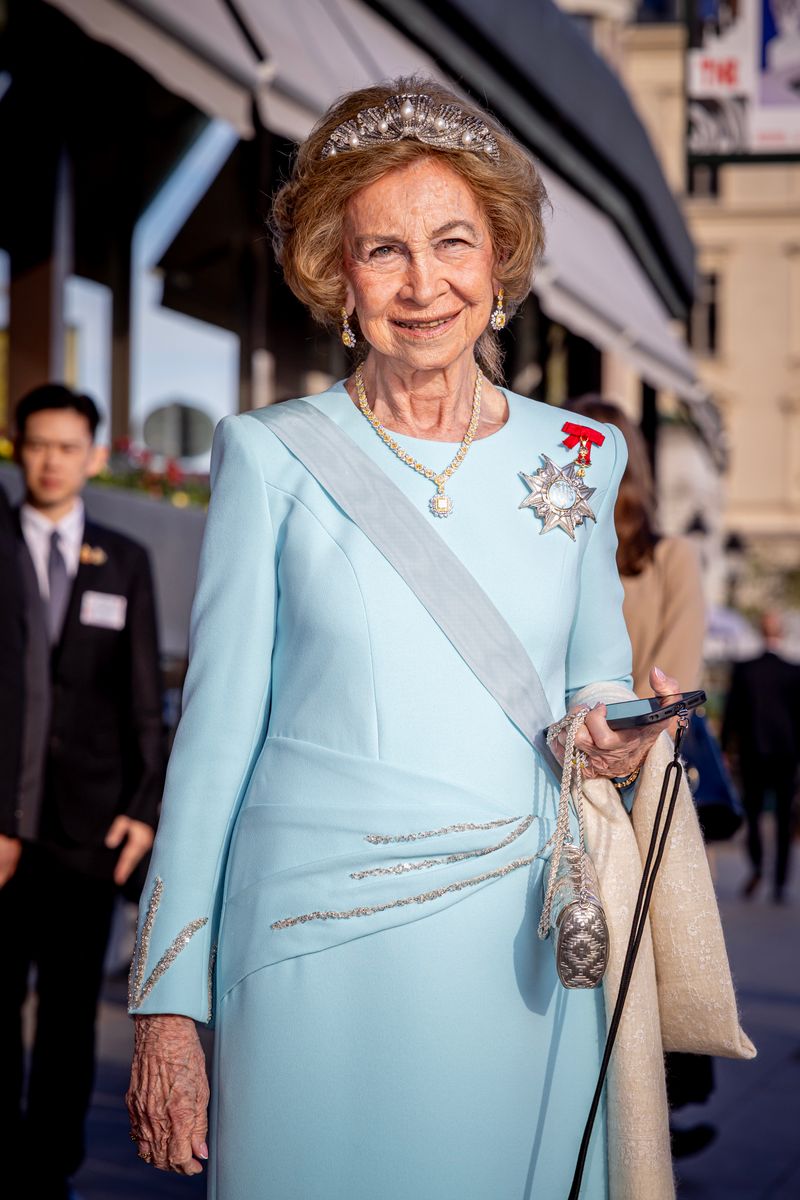
The Queen, wrapped in an impeccably elegant and classically refined ensemble, once again showcased her timeless style in a turquoise blue gown by her trusted designer, Alejandro de Miguel. She completed the look with the emblematic La Chata tiara, once belonging to Infanta Isabel.
 © Getty Images
The Legacy of 'La Chata' Tiara
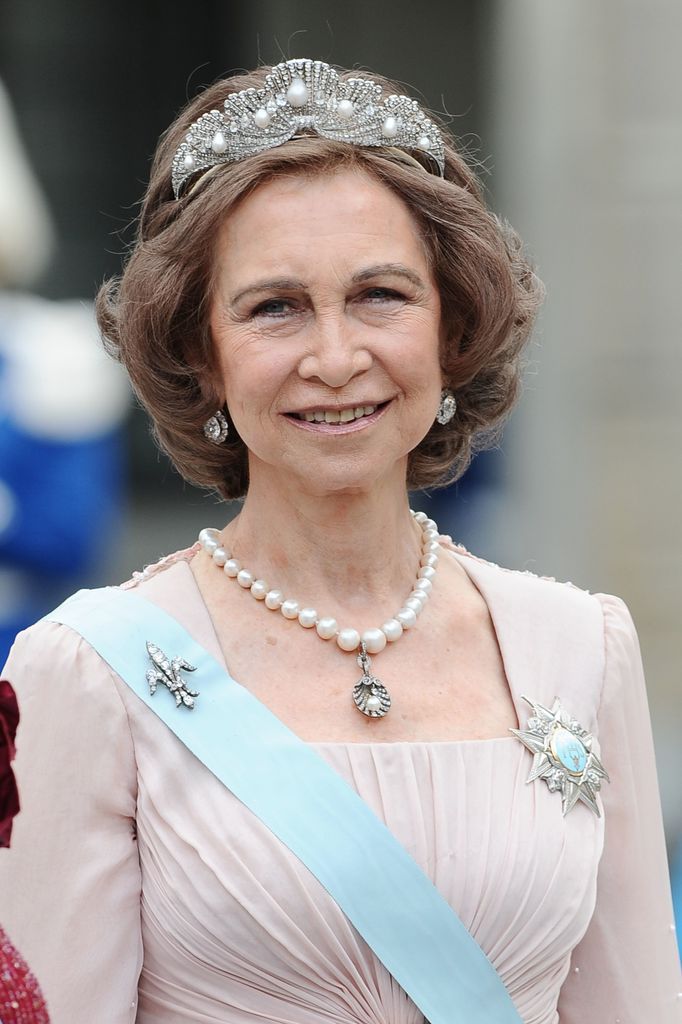
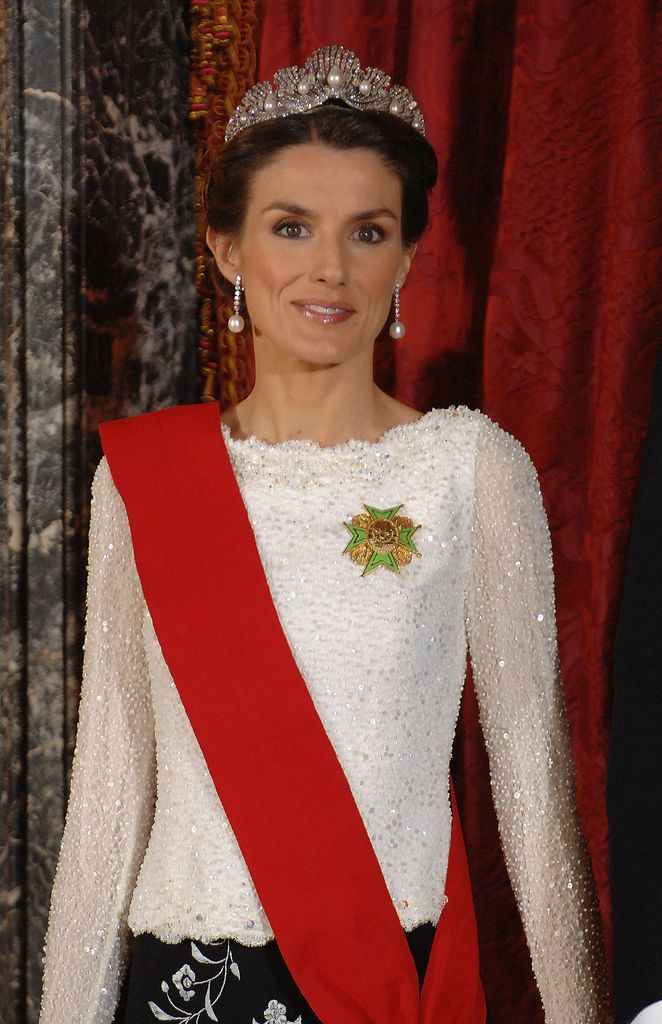
Dating back to 1867, the piece, also known as the shell tiara, became a favorite of the Infanta of Spain after it was gifted to her by Queen Isabella II on the occasion of her marriage. Popularly nicknamed “La Chata,” the jewel stands out for its design, which evokes seashells or a wave in motion, with diamonds and pearls suspended in perfect harmony.
 © Getty Images
The tiara remained with the Infanta throughout her life and was later passed down through several generations of the family, including King Alfonso XIII, Queen Ena, and the Countess of Barcelona. In 1962, it was given as a wedding gift to Sofía of Greece on the occasion of her marriage to Juan Carlos, marking the beginning of a new chapter as one of the most emblematic pieces in the Bourbon jewel vault.
A Carefully Timed Appearance
All of this unfolded against the backdrop of a partial appearance. Although the invitation extended to the full slate of anniversary celebrations, the Queen was only able to attend the gala dinner held at Stockholm’s Royal Palace. Her arrival was shaped by prior commitments in the United Kingdom, where she had traveled the day before in what was, in many ways, a role akin to a cultural ambassador for Spain.
Following the reception, Doña Sofía found herself at the center of several warm reunions, most notably with Princess Beatrix of the Netherlands, Queen Sonja of Norway, and Margrethe II of Denmark.
 © Getty Images
The White Tie Standard
A standard Queen Sofía followed to the letter, adhering to the protocol set by the Swedish Royal Court, which calls for white tie, the most formal and exacting dress code in existence. It is a strictly defined standard reserved for the most elevated evening occasions, including State Banquets, royal weddings, and grand galas.
Under these guidelines, men are required to wear tailcoats, while women appear in full-length evening gowns, creating a setting in which tradition and ceremony shape every detail.