Inside a historic Sevilla hacienda: Federica de Vallés y Huesca on family, legacy, and tradition
The Spanish Marquess opens the doors to her historic estate and the traditions that define life in southern Spain
By Ana Fernández De Córdoba Cendra, Maria Loreto
APRIL 29, 2026 5:51 PM EDT
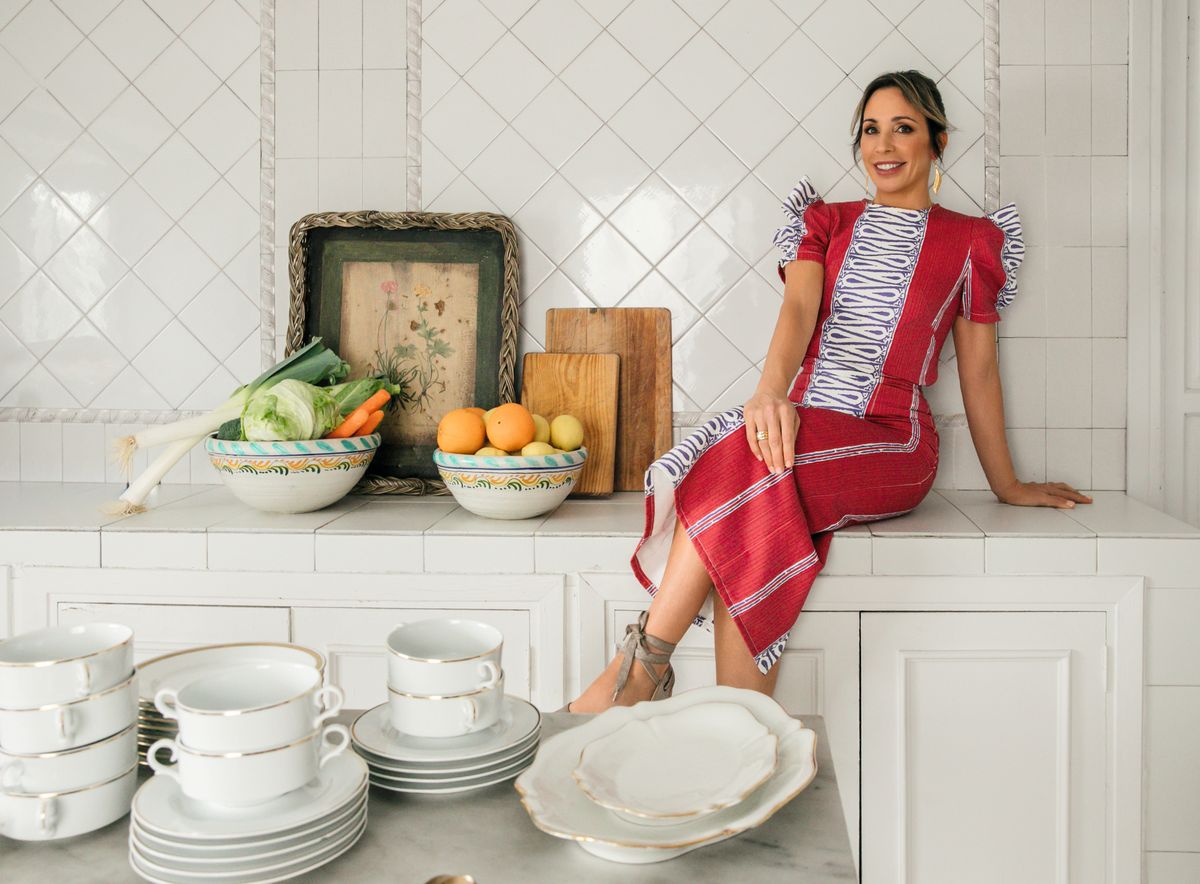
Federica de Vallés y Huesca's life is profoundly linked to her hacienda in Sevilla, the sun-drenched capital of southern Spain’s Andalusia region, known for its flamenco, Moorish architecture, and deeply rooted traditions.
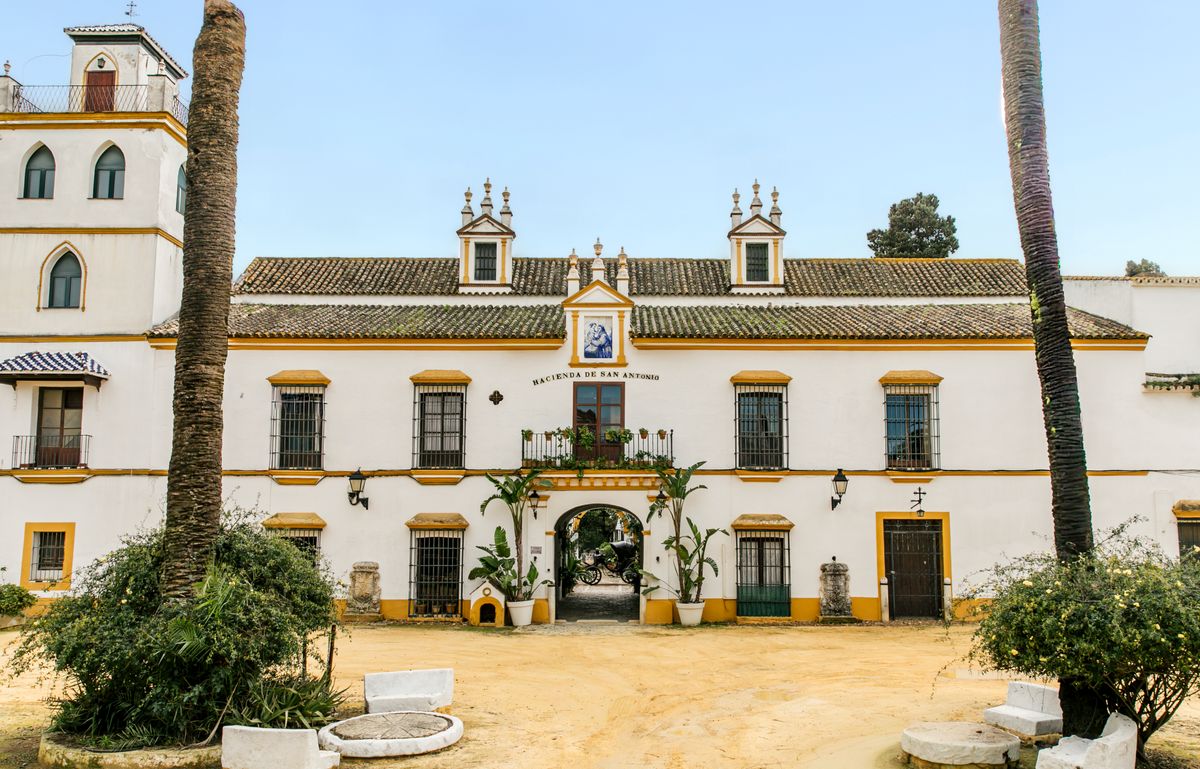
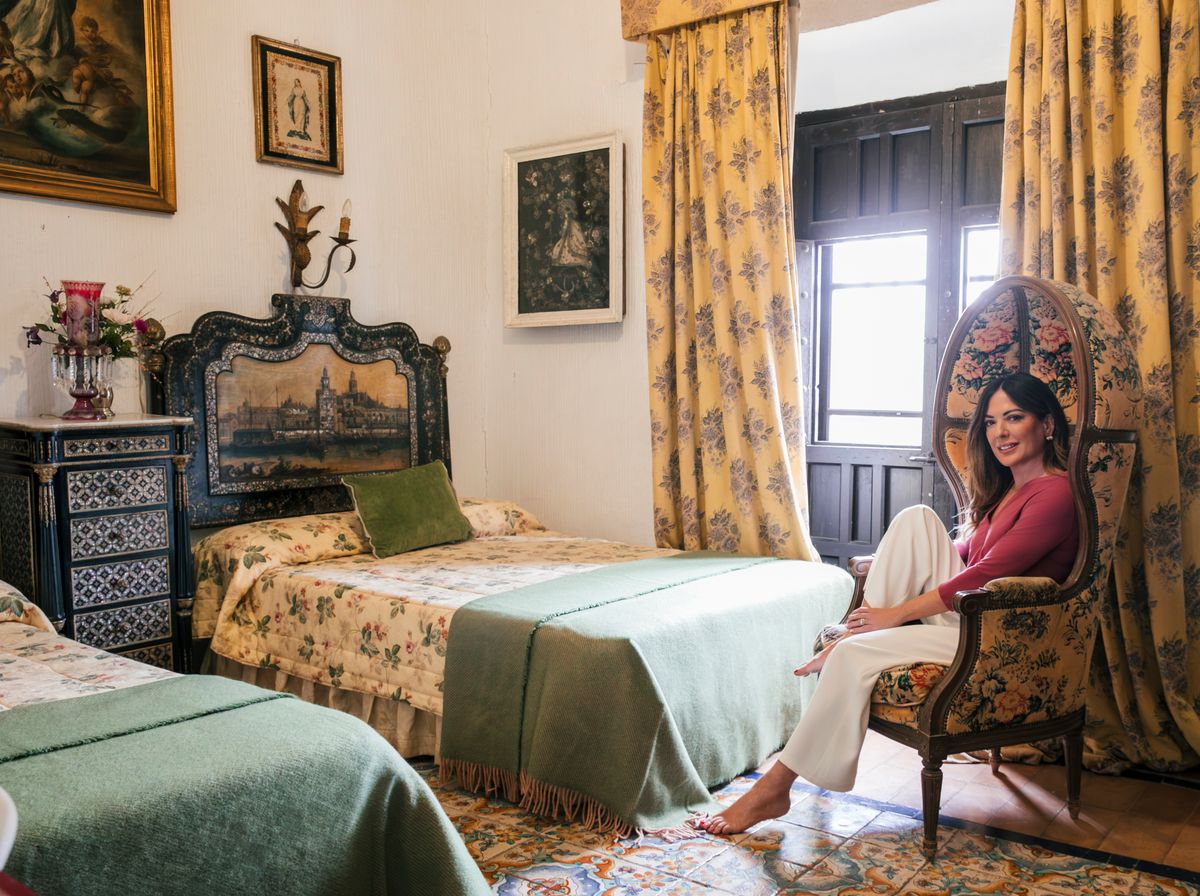
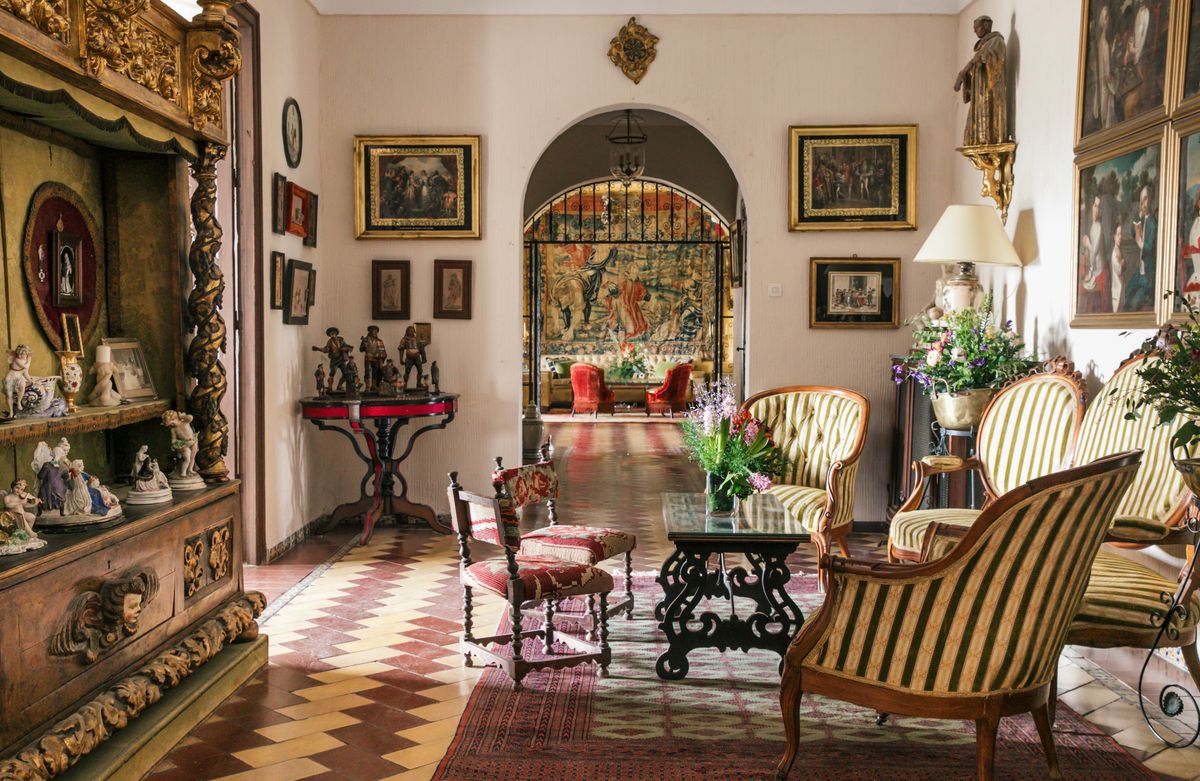
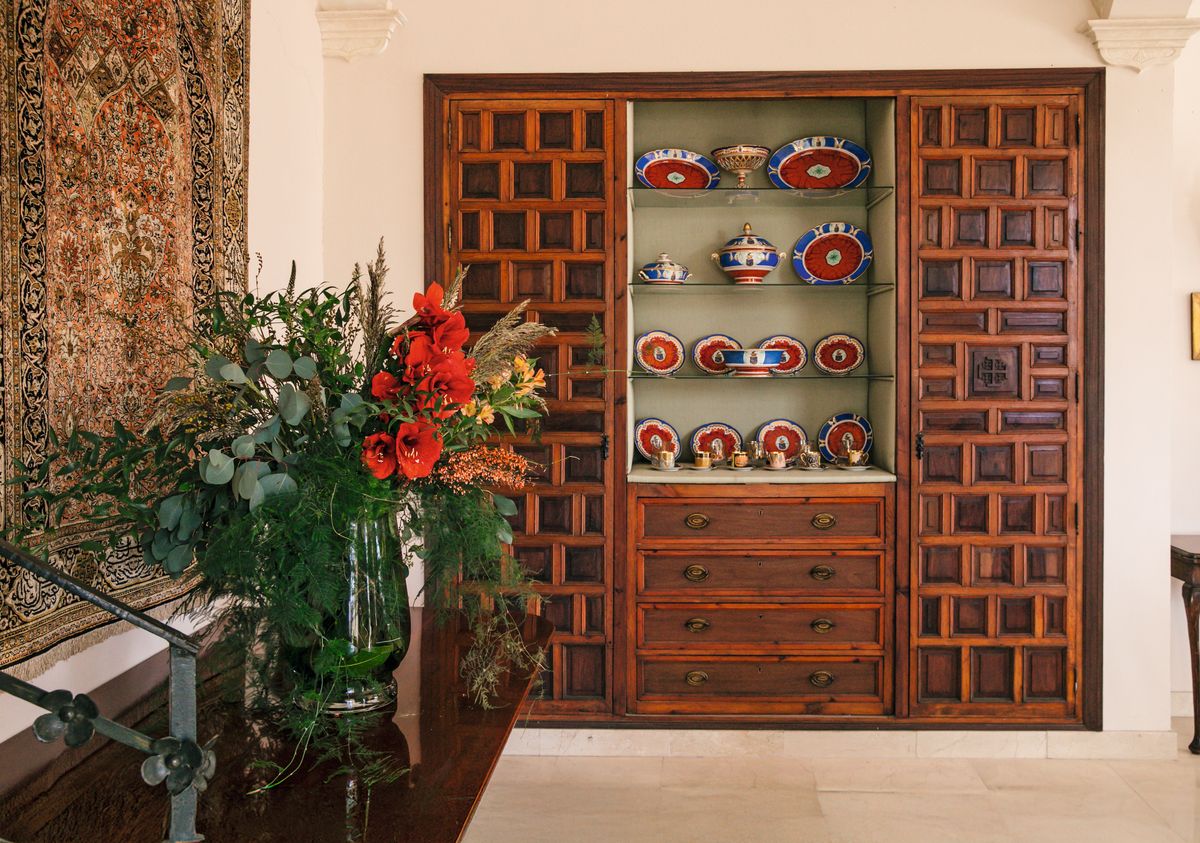
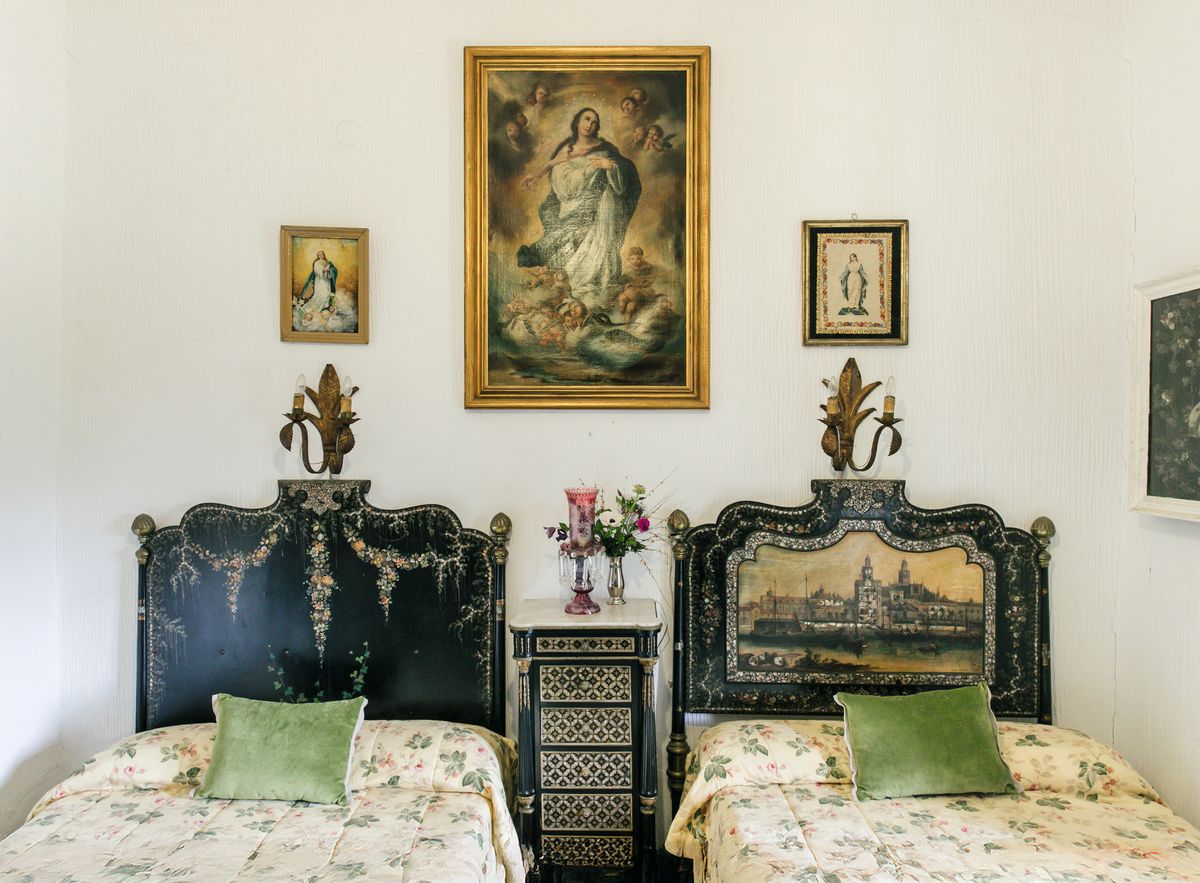
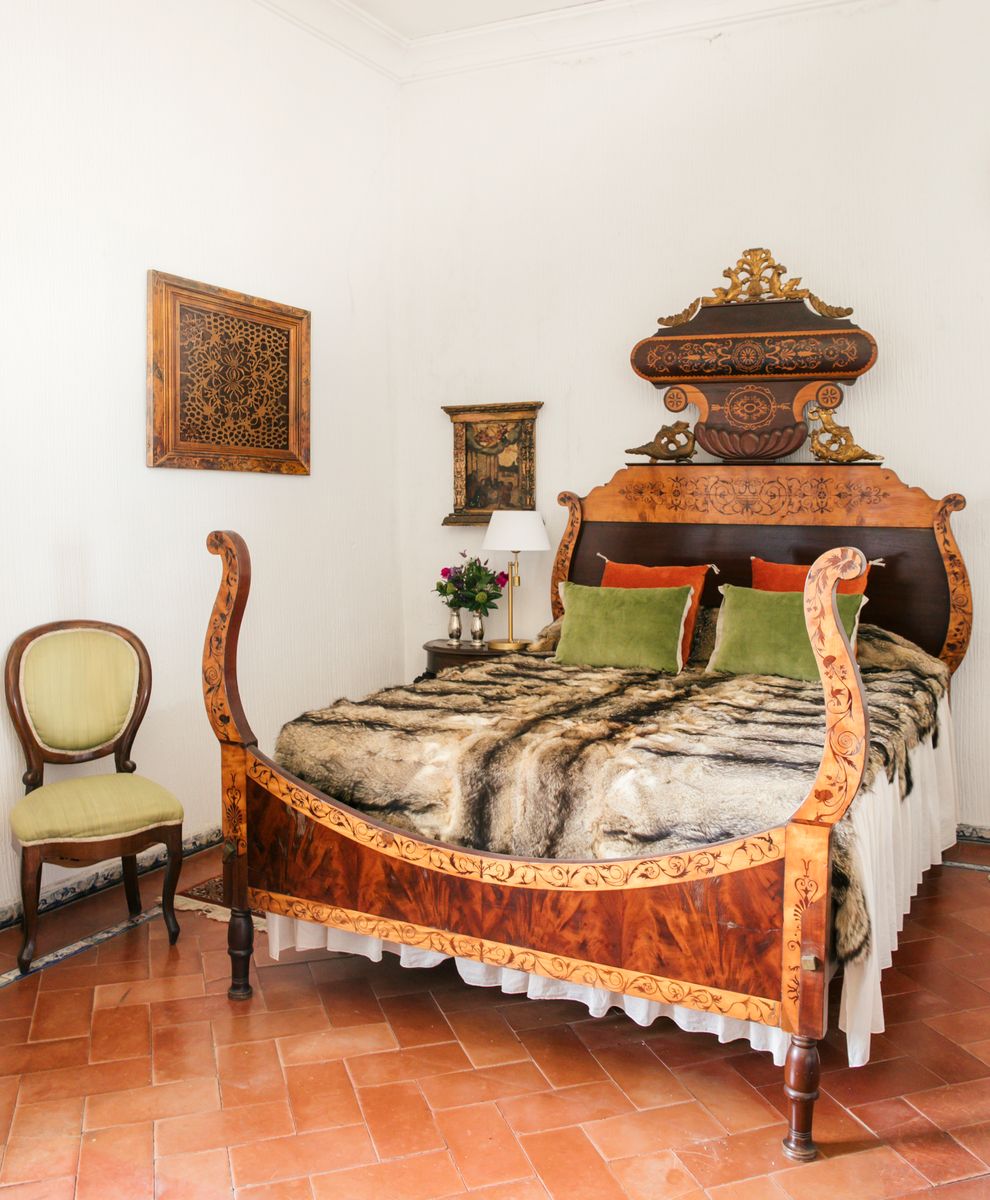
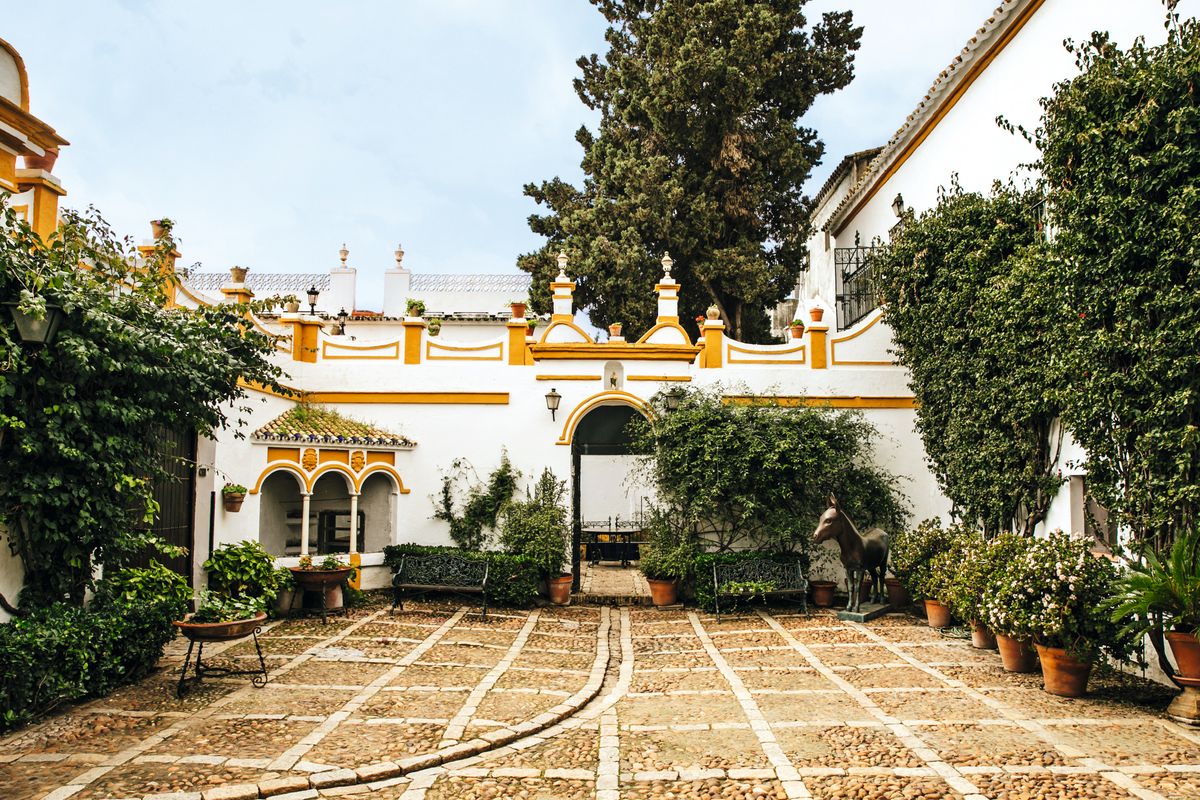
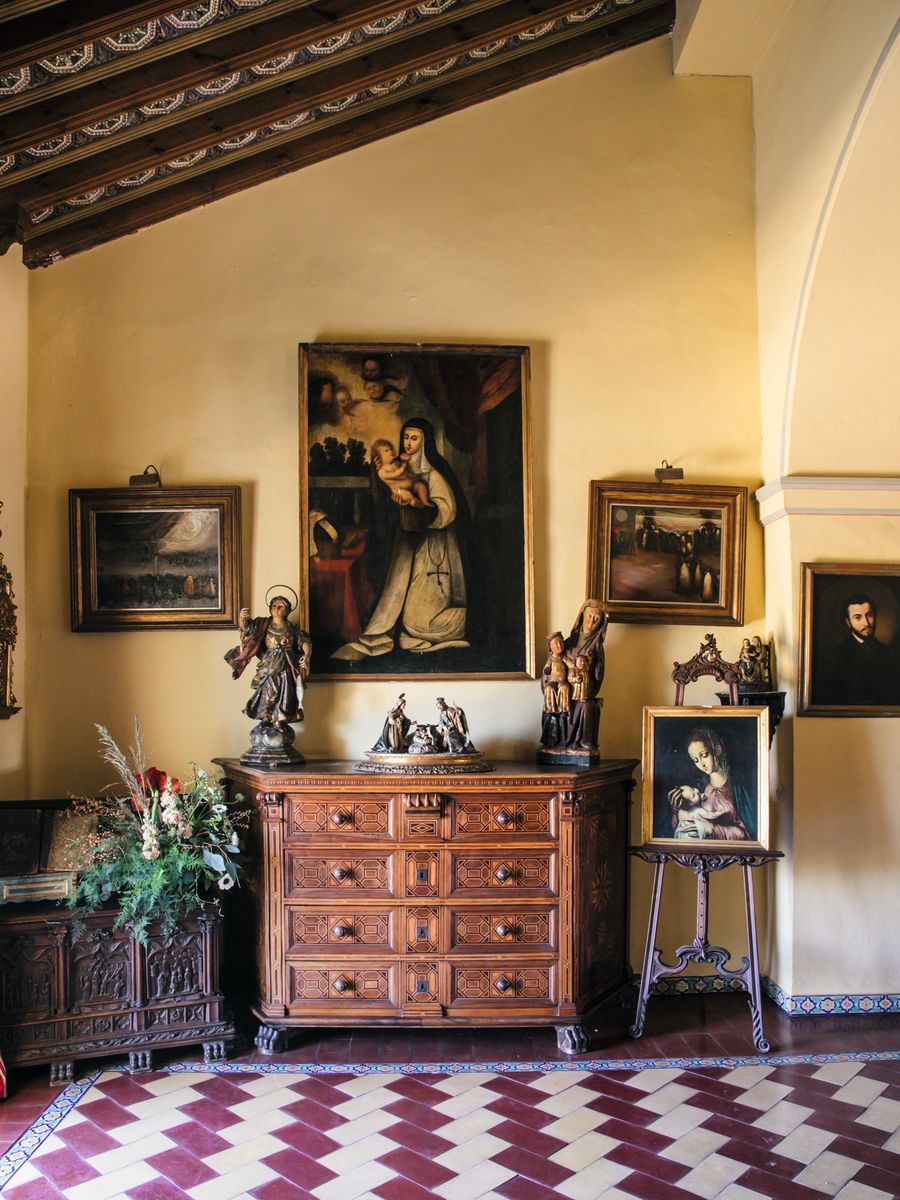
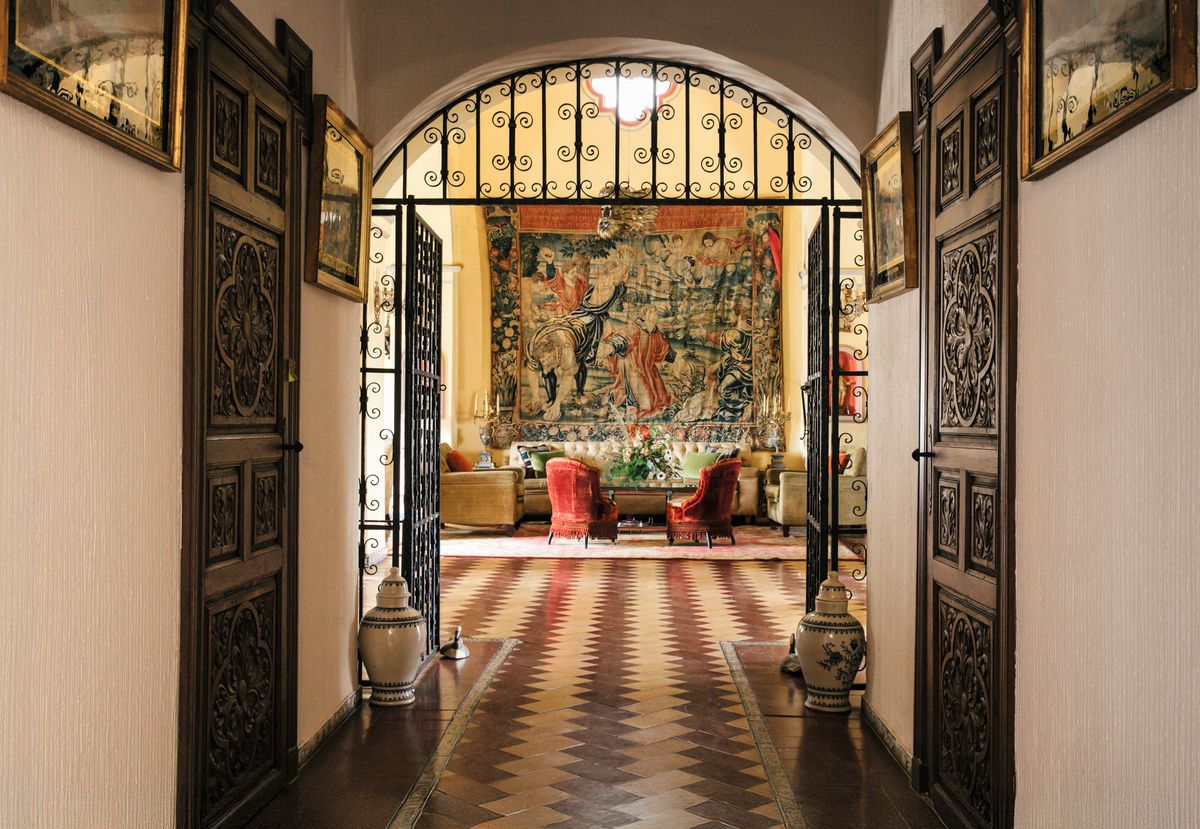
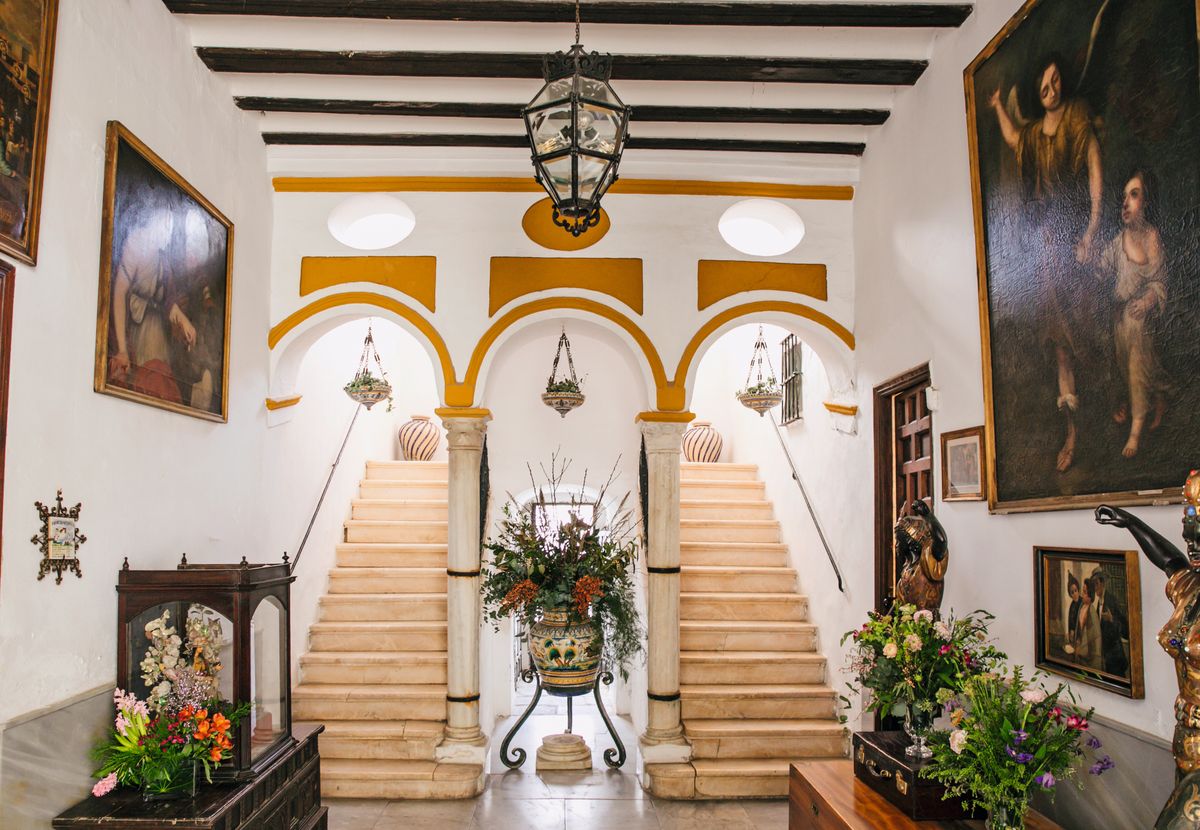
El Pino de San Antonio is a hacienda, a traditional Andalusian country estate centered around courtyards and agricultural life, made up of señorial façades, high gardens, and an imposing tower, reflecting the essence of the traditional architecture that's known and loved in the south.
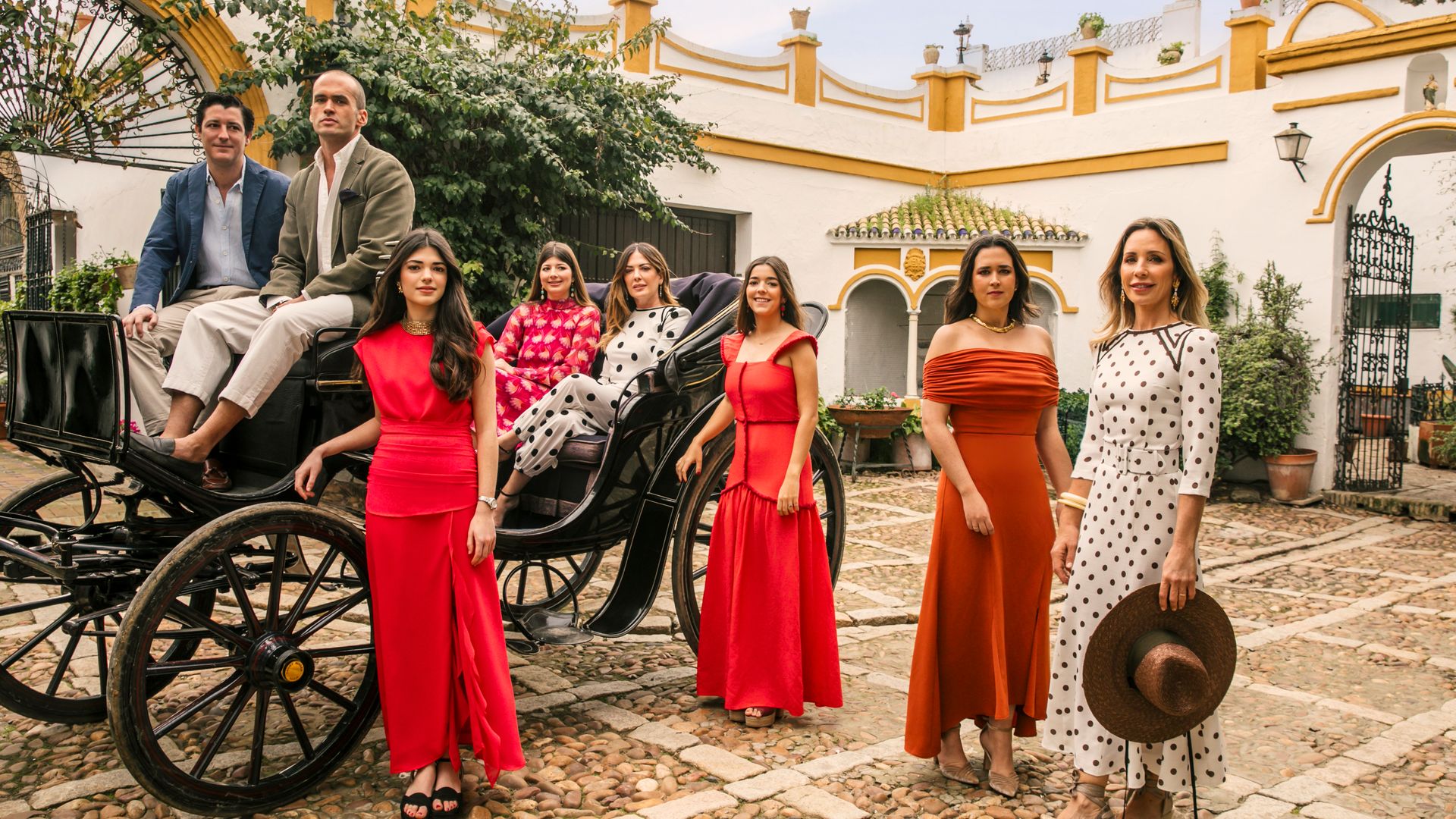
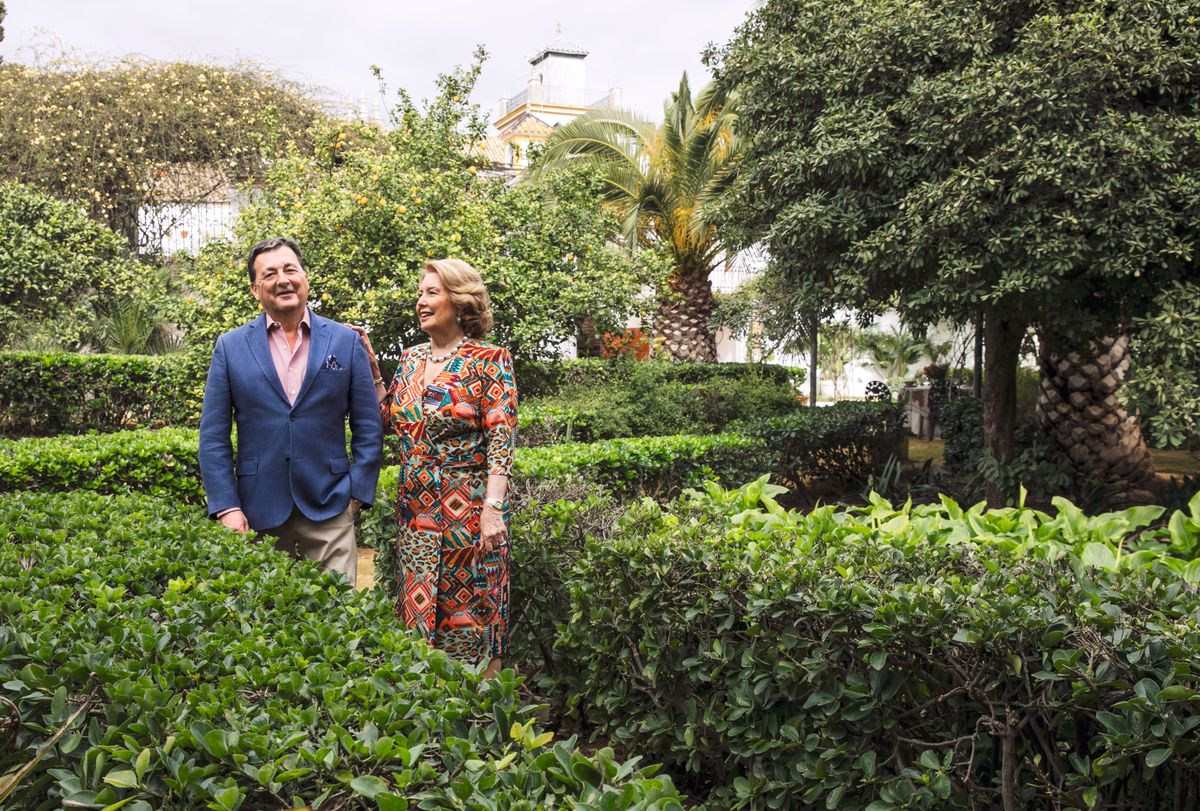
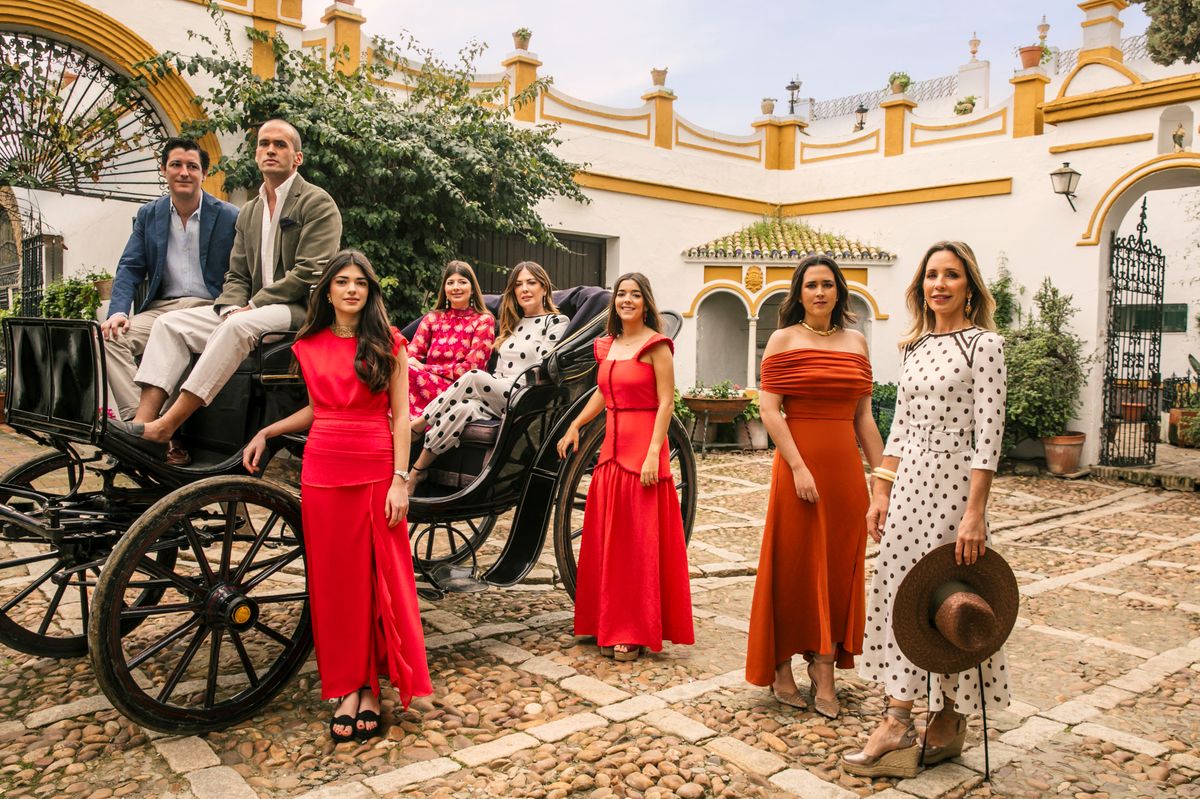
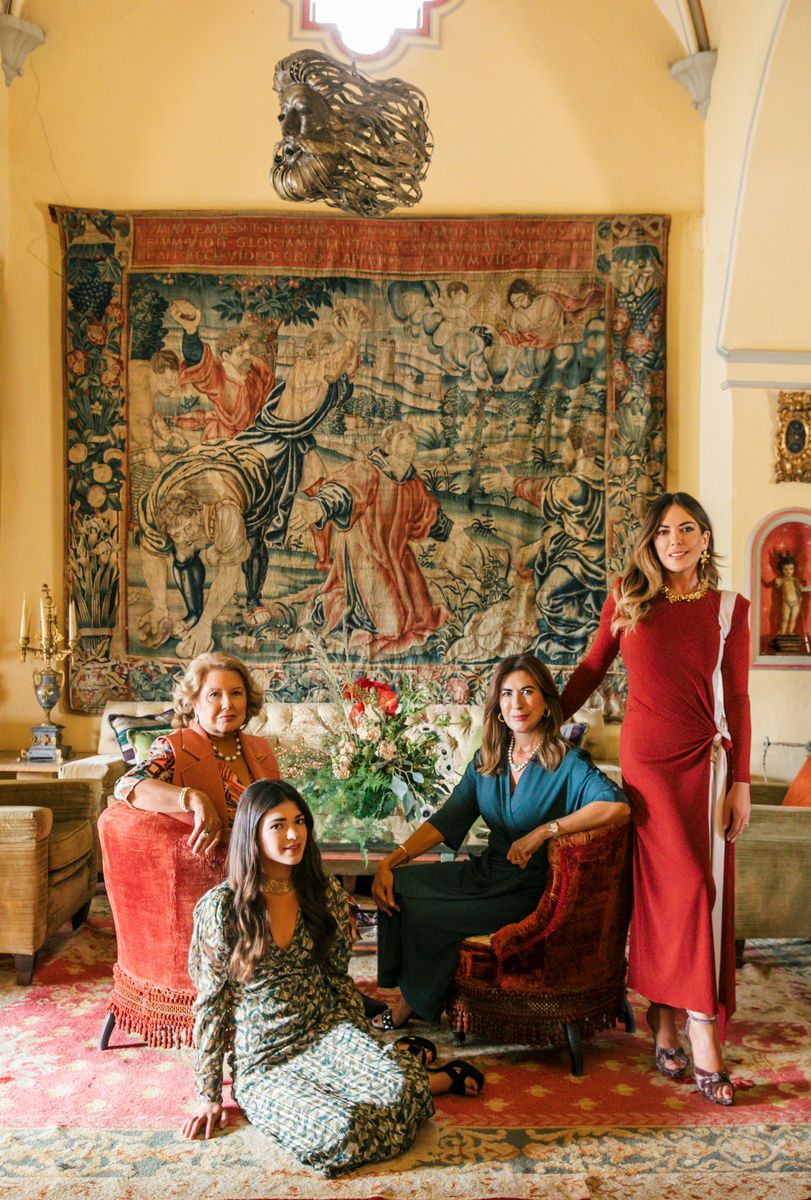
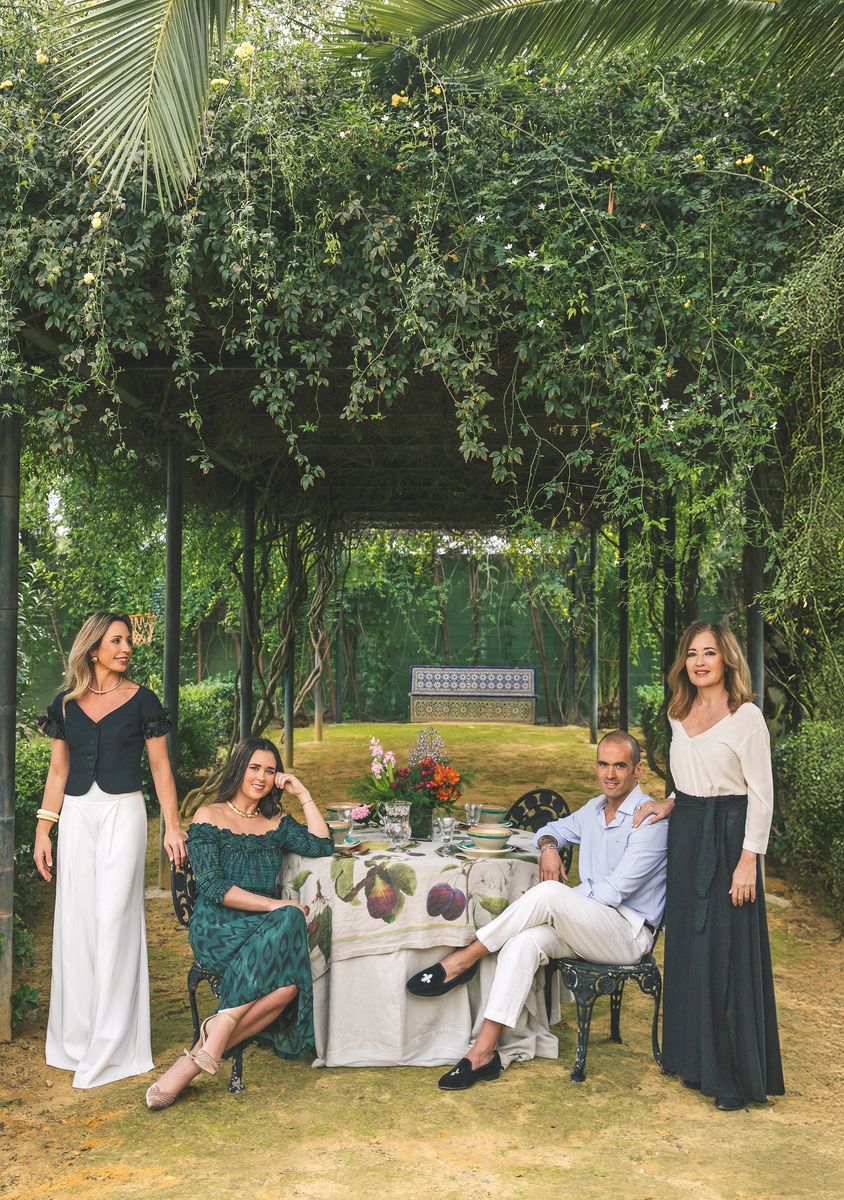
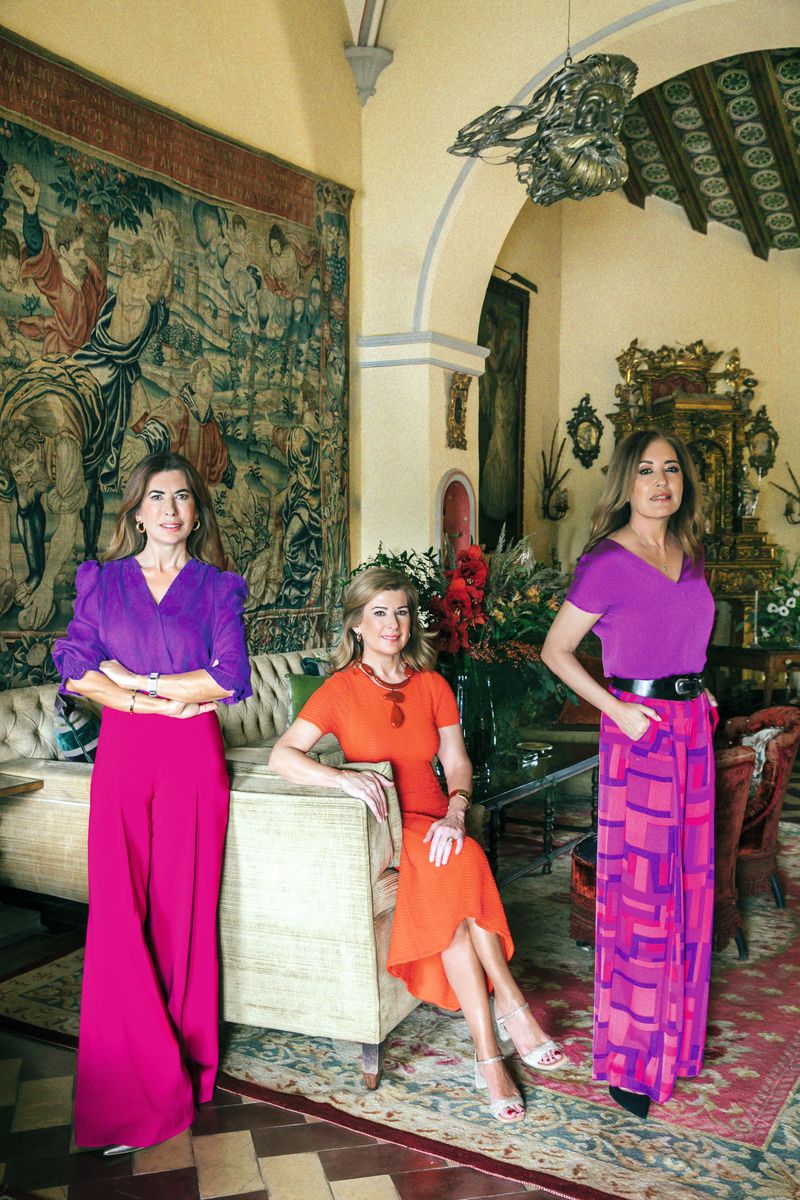
Federica, the Marquess of San Joaquin and Pastor and Countess of Albalat (titles that reflect generations of Spanish nobility), is the heart of her great family and welcomed ¡HOLA! to her home alongside her four children: Federico, Baron of Puebla de Tornesa, Maya, Celia, and Myriam Garcia-Corona de Valles. Joining them are almost all of Federica's grandchildren and her oldest great-grandchild.
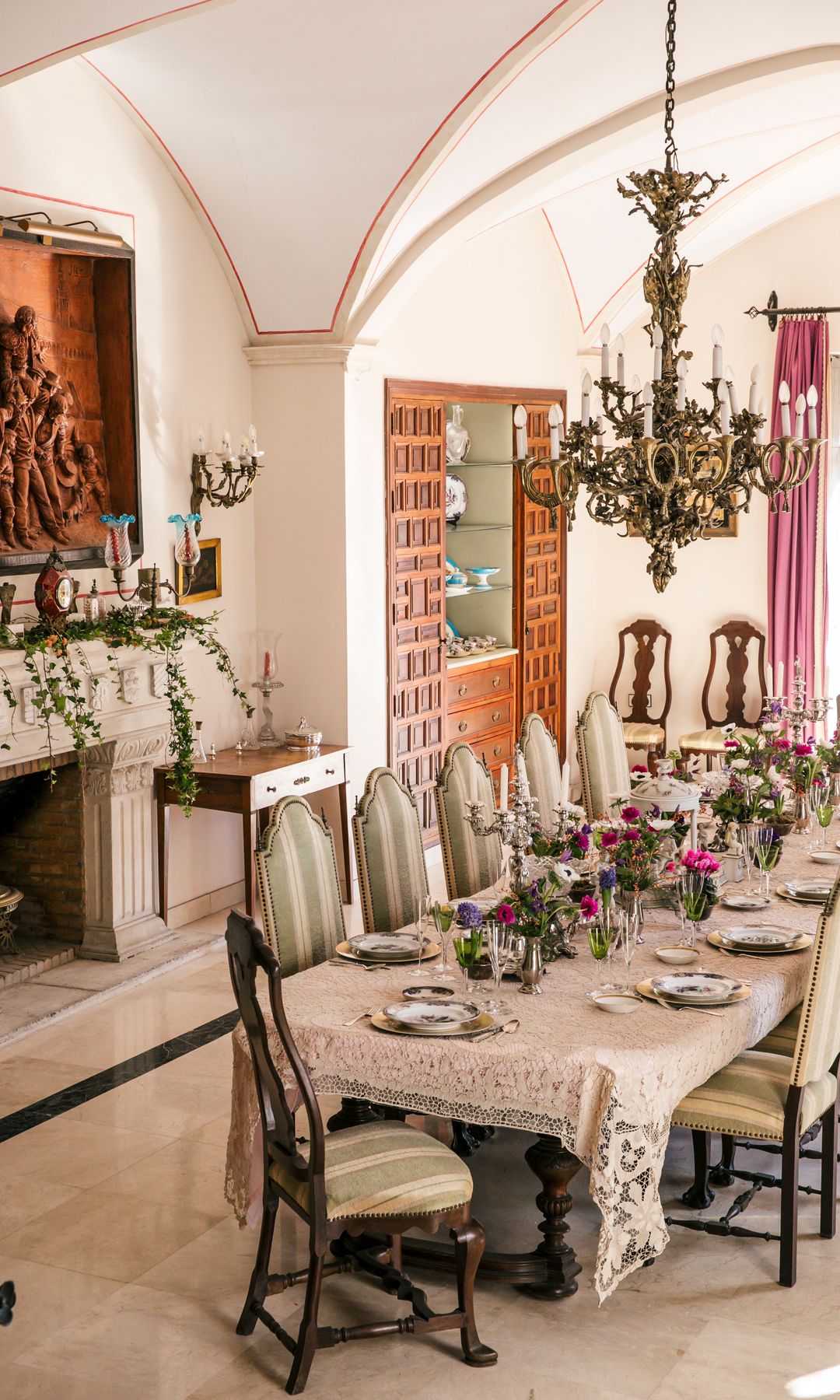
Every corner of the home is luminous and fresh; spaces are connected in harmony, creating an atmosphere where time stops. The home serves as a stage where many factors meet: childhood memories, familial celebrations, and the historic memory of a Spanish lineage.
In Sevilla, a city where tradition is lived as much as it is preserved, the rhythm of the year is marked by moments like the iconic Feria de Abril, the iconic spring fair when families gather in private casetas, flamenco fills the air, and heritage is worn and celebrated. Homes like El Pino de San Antonio become extensions of that spirit, spaces of reunion, ritual, and continuity.
Federica took on her family's legacy when she was only 16 years old. Ahead of her time, a lot of her efforts were focused on preserving the historical residences that belonged to her family in Spain.
All of the family's properties share the same seal: they're living spaces, charged with memories and meaning, but, out of all of them, the El Pino de San Antonio hacienda is where past and present meet most clearly.
Amidst fruitful gardens filled with flowers, patios, and salons that have witnessed the passage of generations, there's the harmony of culture and compromise that defines Federica. Her life shows that true legacy isn't limited to titles or properties, but built with unity, hard work, and the firm will to keep history alive despite the passage of time.
What does the Sevilla Hacienda El Pino de San Antonio mean to you?
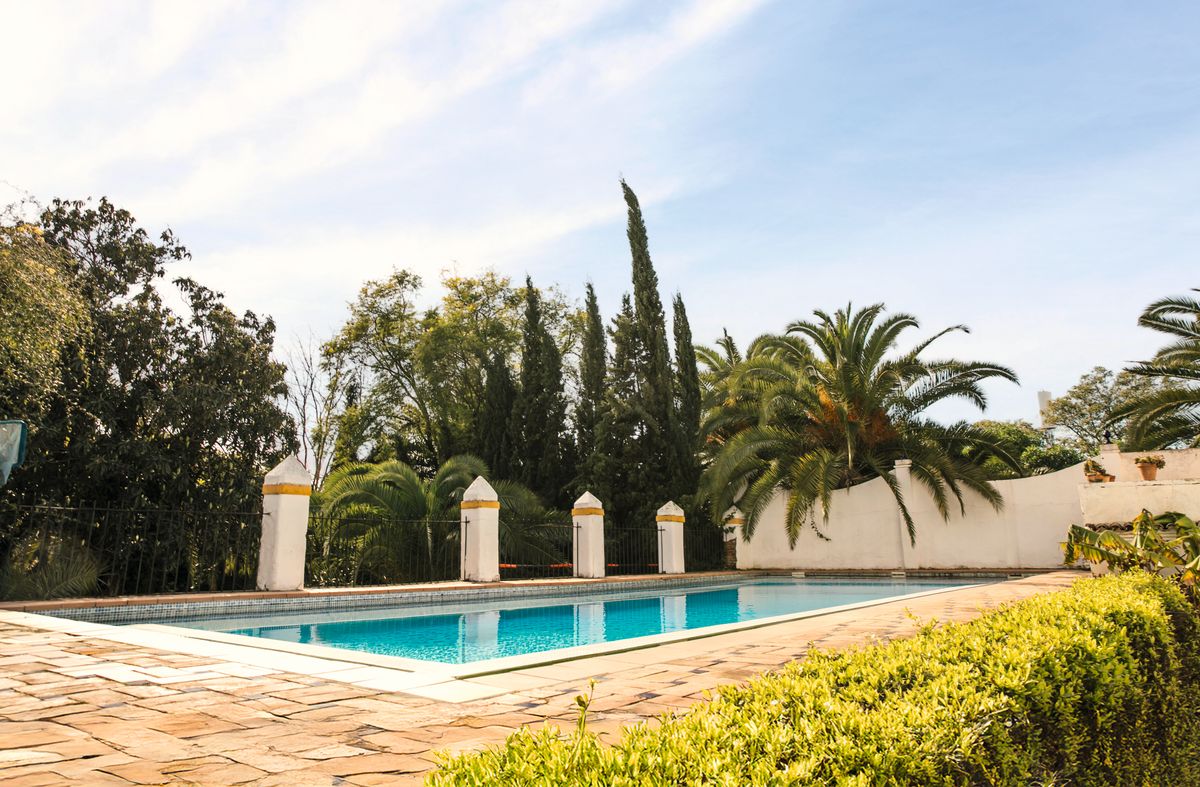
It's my family home, the place where I lived as a girl until I got married. It's the stage of some of my sweetest memories: the scenes of my youth, the gatherings, lunches by the pool, always surrounded by family and friends. The Hacienda San Antonio is a typical Andalusian hacienda. In its origins, it was an olive grove with its own mill, where they processed olives to make oil. In its other patio is the "Gallania," where workers lived during the week.
Since when has the home belonged to your family?
My mother bought it when I was a girl, after the Civil War. After several years of rehabilitation and reconstruction, we moved there, and it became our primary residence. Every day they took me to the Holy Heart school, by car in the winter and on horseback in the spring. My mother loved to organize reunions and dinners since I was young. Numerous artists and painters who loved Sevilla and its architecture came to our house, like Baldomero Romero Resendi, Blanca Bonald, or Ben Yessef. My husband, Rafael Garcia-Corona Campos, and I also loved hosting parties in the hacienda. He was a lover of flamenco, and we hosted performances from artists like Beni de Cadiz and Los del Río. In these rooms, there was a recording of a flamenco documentary led by Amos Rodriguez Rey.
Do you have a valuable object or special memory from the hacienda?
There's a triptych of the campaign of King Jaime I, the Conquistador, featuring 300 marble figures and the shields of the King of Aragon engraved. During the Civil War, the triptych was in the Museum of Valencia. Near the end of the war, my mother reclaimed it because it belonged to my father, Federico de Valles Gil-Dolz del Castellar, who died in the front of Balaguer in 1939.
When did you understand that your last name represented something that went beyond what's personal?
Ever since I was very little, my mother taught me the importance of my surname and of family legacy. My father died on the last days of the Civil War, when he was only 26 years old. He loved to fly, and he had his own plane, which he provided for the army, becoming an aviation lieutenant. Sadly, a few days before the end of the war, the plane was shot at, and he was struck in the chest. As my parents' only child, I inherited the three noble titles that belonged to my father, with the oldest being the Barony of Puebla-Tornesa, which dates back to the 15th Century. I gave that title to my son Federico when he completed his career as an engineer. The other titles I inherited are the Countess of Alabat del Sorells and Marchioness of San Joaquin y Pastor.
You lived and studied in England when you were young. What did that experience provide for you?
My education in England provided me with a wider perspective, allowing me to get to know different cultures and lifestyles. I visited my friends' homes, spending weekends there, and discovered my love for museums and paintings. During my stay in England, I was presented to Queen Elizabeth II at the Debutant Ball at Buckingham Palace, alongside my cousin Vicki Puigmolto, Countess of Torrefiel, and another friend from Malaga. We were accompanied by the nephews of the ambassador, Miguel Primo de Rivera and Tomas Marube.
You keep various historical homes open throughout Spain. What do you feel when you arrive to each?
For me, all of my homes have a special meaning. The San Antonio Hacienda represents the joy of childhood and youth. The Casa Palacio de Castellon de la Plana represents my paternal roots, and we've enjoyed it a lot with my kids on vacations. In the Mastrago, near Castellon, I have a fortified farmhouse called Torre Matella, classified as a property of cultural interest. Its medieval architecture is preserved in perfect state, and it's one of the oldest towers, dating back to the Order of the Templars.
Is there one of these homes that best preserves the spirit of past generations?
I would say the Casa Palacio de Castellon. King Alfonso XII stayed there for several days during his proclamation as King in Sagunto. There, he saved the plate that was made in his honor. Through the years, I've tried to maintain the home's essence in its decoration. It's also where a collection of family portraits is kept. I keep the Valencian suits there that I used when I was Queen of Parador del Foc in Las Fallas de Valencia.
I'm happy in all of my homes. I couldn't pick just one. For me, they're all special because they represent different aspects of my life. Still, having resided in Sevilla my whole life with my kids, I'm at my happiest in the San Antonio Hacienda.
What does it mean today, personally and economically, to maintain so many properties with centuries of history?
It means a big financial effort and personal dedication. I've tried throughout my life, and I think I've achieved it, to maintain the spirit of each of the homes alive, preserving their essence while ensuring they're productive. From an agricultural point of view, I've modernized cultivation with new varieties of citrus, I've adapted the lands to new watering systems, I've electrified the farmhouse, and new ponds have been dug.
You're also the owner of the emblematic Doña Maria hotel in Sevilla, which is also a part of your history and family legacy
Yes, my mother, Angela Huesca Sasiain, inherited that home from her family. It came from a family belonging to the Basque Country that lived for a few years in Peru, owning some silver mines in Huacho. After a few years, they returned to Spain and settled in Seville, buying several properties, among them, the home that's currently the hotel Dona Maria. In 1968, my mother, who was a very brave and entrepreneurial woman, decided to transform the home into the hotel Doña Maria, becoming the first businesswoman in the hotel industry in Seville.
Four kids, twelve grandkids, and twelve great-grandkids
You're the only daughter and the third generation of only children in your family. How is the experience of having four kids and so many grandkids and great-grandkids?
Being an only child and coming from such a reduced family made my childhood very solitary. But today, with my four kids, twelve grandkids, and twelve great-grandkids, family life is completely different: it's happy, loud, and fun. I'm lucky because all of my kids have amazing qualities, and they complement each other. At this point in my life, I find myself in a serene and happy stage, because I've seen my kids grow into good, hardworking, and responsible people.
What emotional legacy do you wish to impart?
I want them to stay together; that's fundamental to me. Unity makes strength. I also want them to maintain a sense of duty and responsibility in their work. I'd like them to always apply the logic of the parable of talents: it's not about what you receive, it's about what you make with it. I hope they can continue the family legacy with their work and, if possible, grow it.
What family tradition would you like to preserve in your family with the passage of time?
Our love for Spain and adherence to the crown. In these complicated times, I think it's important to impart that to younger generations.
To conclude, is there a dream you've been pursuing that's still with you?
I want to transform some homes to modernize them. I love it! But first for me is to retain my health while I'm alive.
Production and original text in Spanish: Ana Fernández De Córdoba Cendra Translator and editor for the English text: Maria Loreto Photos: Fernanda & Paloma
 © Fernanda & Paloma
 © Fernanda & Paloma
 © Fernanda & Paloma
 © Fernanda & Paloma
 © Fernanda & Paloma
 © Fernanda & Paloma
 © Fernanda & Paloma
 © Fernanda & Paloma
 © Fernanda & Paloma
 © Fernanda & Paloma
 © Fernanda & Paloma
 © Fernanda & Paloma
 © Fernanda & Paloma
 © Fernanda & Paloma
 © Fernanda & Paloma
 © Fernanda & Paloma
 © Fernanda & Paloma
 © Fernanda & Paloma