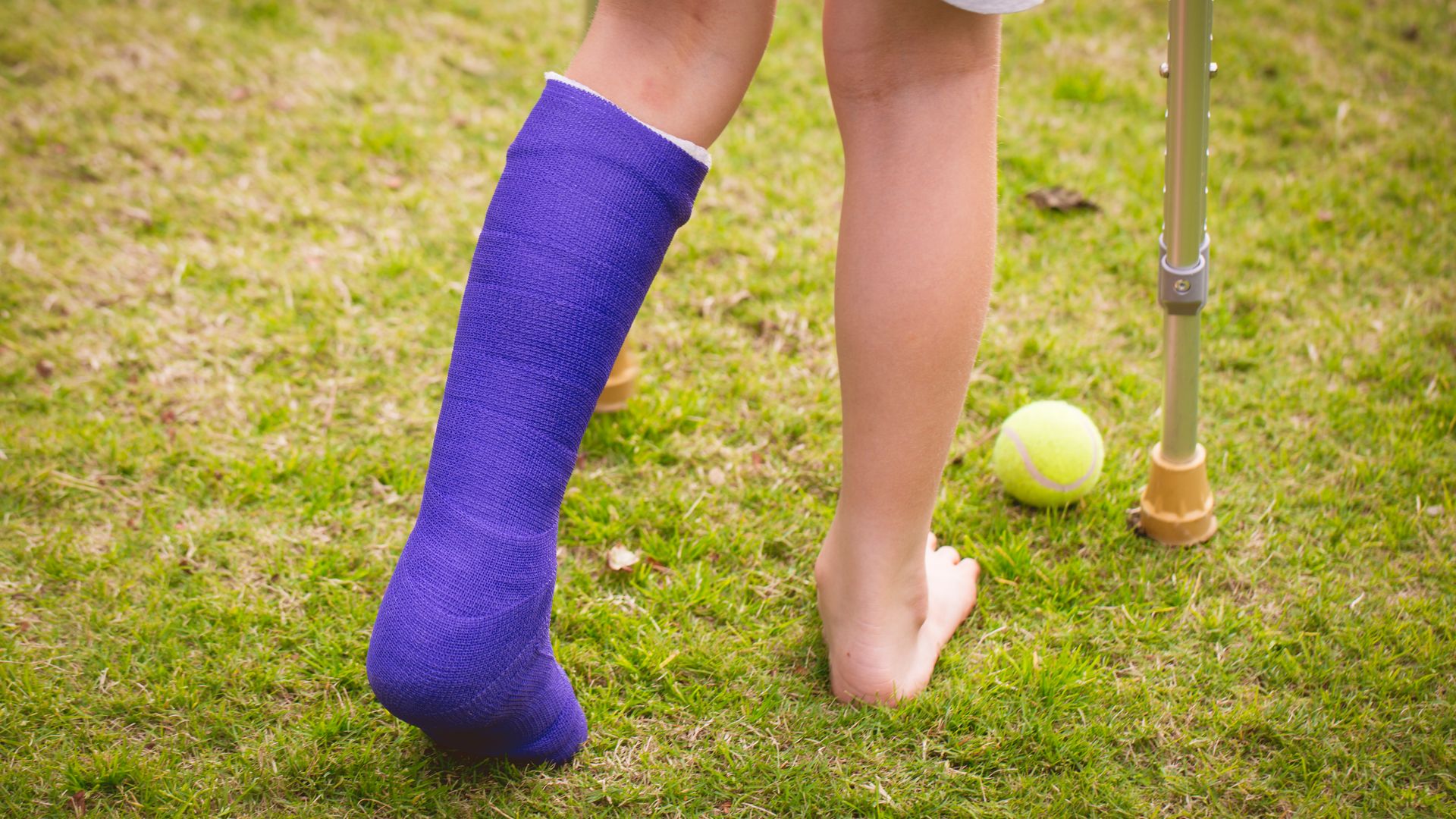
Beatriz Cuartero, a Spain-born New Yorker and mother of a three-year-old boy, never imagined her son would become part of the statistics when he broke one of his legs while happily jumping on a trampoline.
Trampolines have become a staple of backyard fun and indoor playgrounds, offering children hours of active play. While most parents are aware of the risks of falls, collisions, and awkward landings, few are aware of a specific injury that can occur even when everything appears to be going smoothly.
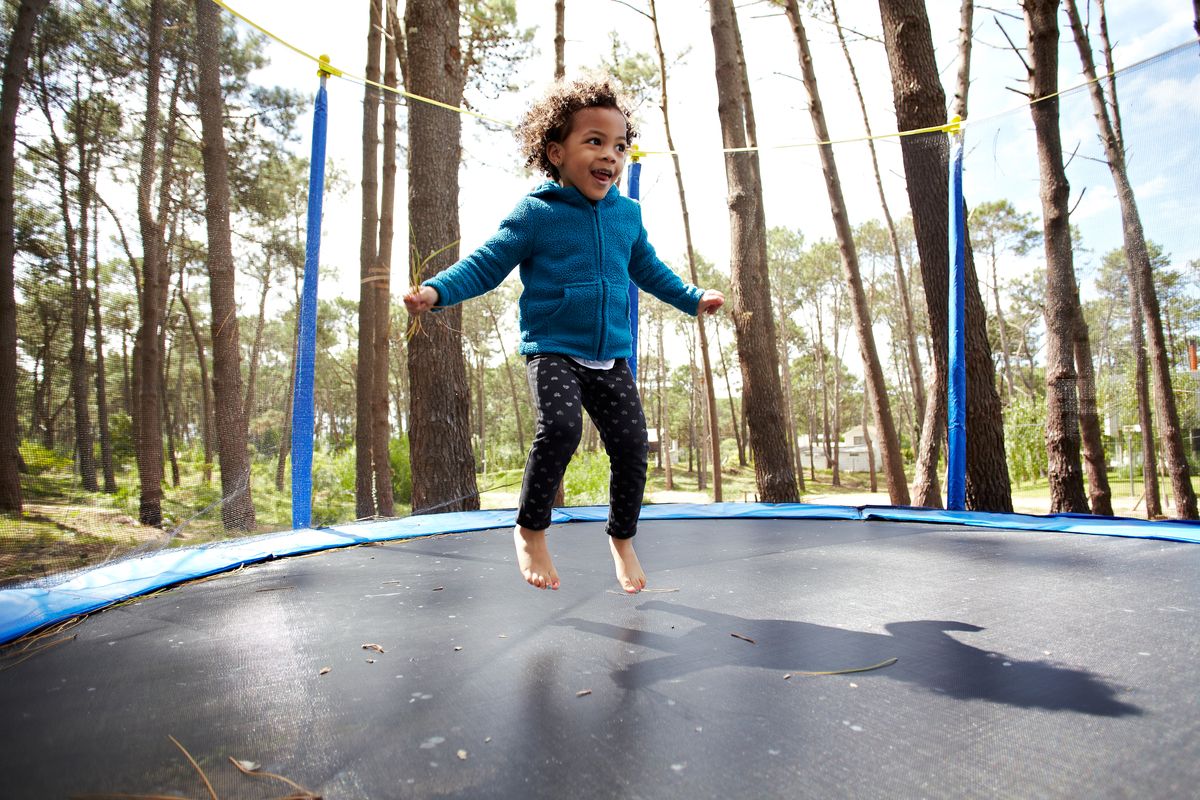 © Getty Images/Tetra images RF
The trampoline fracture is a unique injury that most often affects young children and can happen without a dramatic fall or obvious accident. A child may be happily jumping one moment and refusing to walk the next. Because the injury is not widely known outside medical circles, many families are caught off guard when it occurs.
“When my son was jumping, he suddenly went straight down to the ground and immediately started saying that he had hurt himself badly. When we took him off the trampoline, he didn't want to put any weight on his leg and began complaining that his ankle hurt a lot, and later his knee as well,” Cuartero told HOLA! days after the incident. “Since he is only three years old, it was difficult for him to explain exactly where the pain was. It was also hard to understand how he had injured himself because he hadn't hit anything; he had simply been jumping.”
What Is a Trampoline Fracture?
A trampoline fracture is a break in the upper portion of the shinbone, known as the proximal tibia, located just below the knee. Unlike many childhood fractures that result from falls or direct impacts, this injury is typically caused by the forces generated during normal trampoline use.
“He seemed to be in significant discomfort and wouldn't stop crying. We took him to the emergency room, where X-rays were taken. At first, they didn't find anything because they focused mainly on the ankle pain and thought it was just a sprain (or twist). However, in the middle of the night, he started complaining of severe knee pain, and it became clear that the area was swollen,” Cuartero revealed.
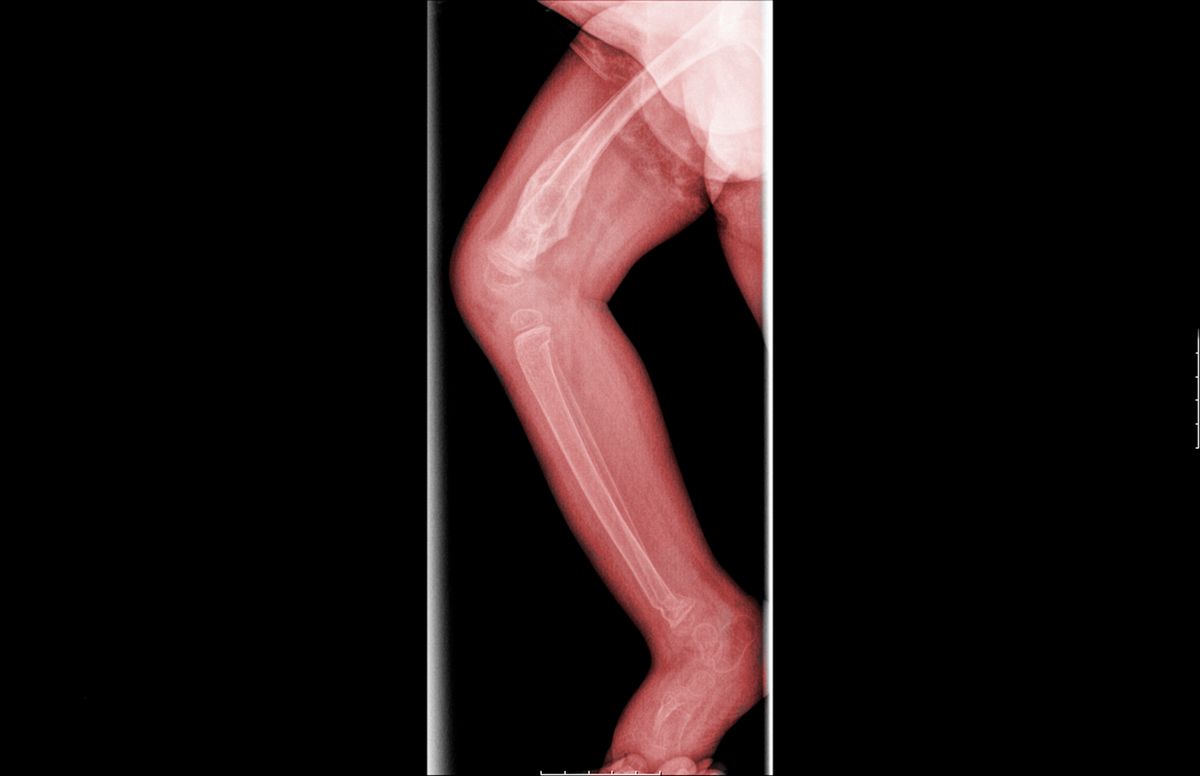
“So we went back to the hospital, and nurses did an extensive X-ray to cover the entire leg, from the hip to the ankle. Based on those new images, they suspected a fracture in the tibia and referred us to see an orthopedic specialist two days later,” the first-time mom said.
Beatriz told HOLA! that the specialist confirmed that “his right tibia, near the knee, had a small fracture.”
How Common is a Trampoline Fracture?
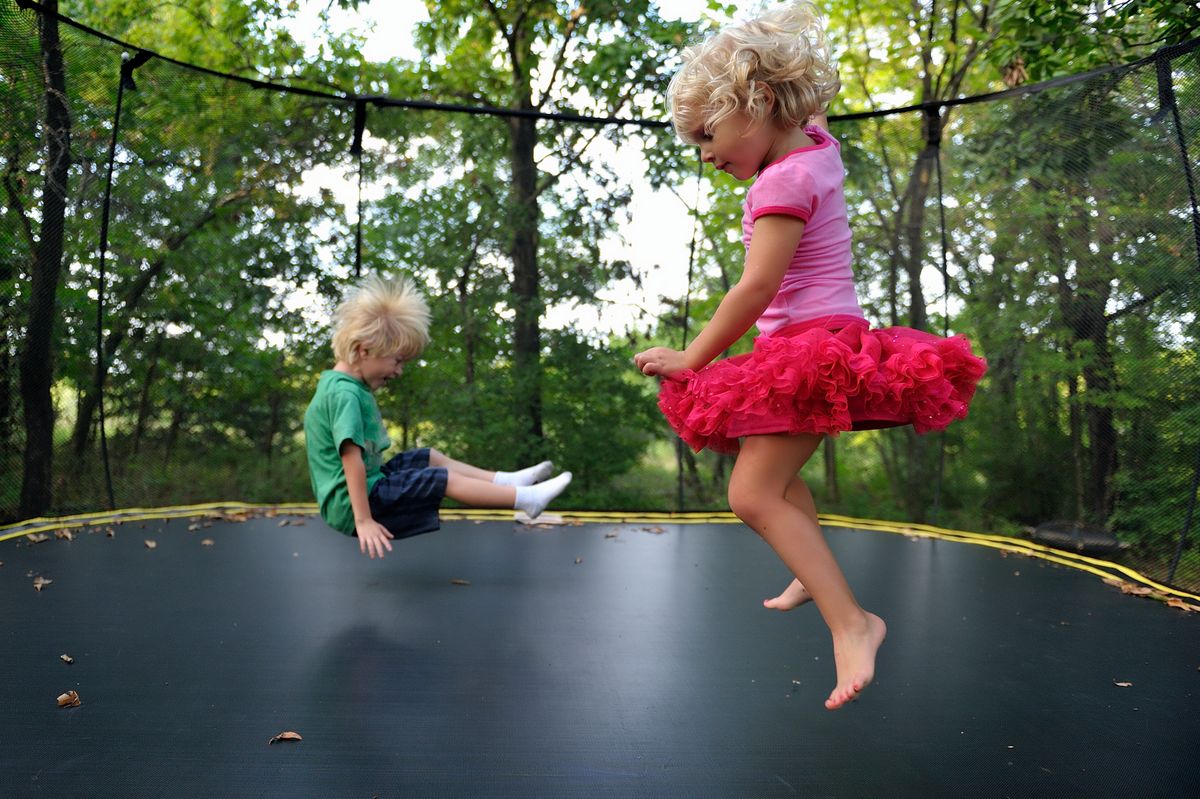
The classic scenario involves a young child, usually 6 and under, sharing a trampoline with a heavier child, teenager, or adult. As the heavier jumper lands, the trampoline mat stretches downward and then rapidly rebounds upward. If the smaller child lands at the same moment, the upward force can travel through the leg and place significant stress on the developing bone, resulting in a fracture.
“What was surprising was that every doctor who treated my son told us that trampolines are very unsafe for children under six years old and that they regularly see all kinds of injuries caused by them,” Cuartero said. “In fact, pediatric orthopedic surgeon Dr. Christen M. Russo explains that this type of fracture, which occurs in the tibia just below the knee, is commonly known among medical professionals as a ‘trampoline fracture.’”
 © Getty Images
What makes this injury particularly surprising is that the child may never fall off the trampoline or collide with anyone. The fracture occurs because of the physics of the bouncing surface itself.
Why Young Children Face the Greatest Risk
Children under the age of 6 are especially vulnerable to trampoline fractures, as reported by Science Direct. Their bones are still developing and are softer and more flexible than those of older children and adults.
Research has consistently shown that younger children experience a distinct pattern of trampoline-related injuries. While older children may suffer sprains, wrist fractures, or injuries from flips and stunts, preschool-aged children are more likely to sustain fractures around the knee, particularly proximal tibia fractures.
 © Getty Images/Connect Images
According to the American Academy of Pediatrics, children younger than 6 account for a significant percentage of trampoline-related emergency department visits. They are also more likely to experience serious injuries such as fractures and dislocations compared with older children.
Beatriz added that although, as parents, we had heard stories about injuries related to these types of children's attractions, “there is not really a widespread awareness of how dangerous they can be, especially since trampolines are commonly found in backyards, at children's parties, and even in schools.”
“All of the doctors talked to us about the risks only after the injury had already happened. Before that, during routine pediatric visits, we had never received any specific information about the appropriate age for trampoline use. It is difficult to keep children under six away from trampolines when they are so widely available and commonly used.”
The Growing Numbers Behind Trampoline Injuries
Trampoline-related injuries have increased steadily over the past decade, and healthcare providers are seeing more cases involving young children.
Several studies have found that the incidence of pediatric trampoline-related fractures rose substantially between 2008 and 2017.
 © Getty Images
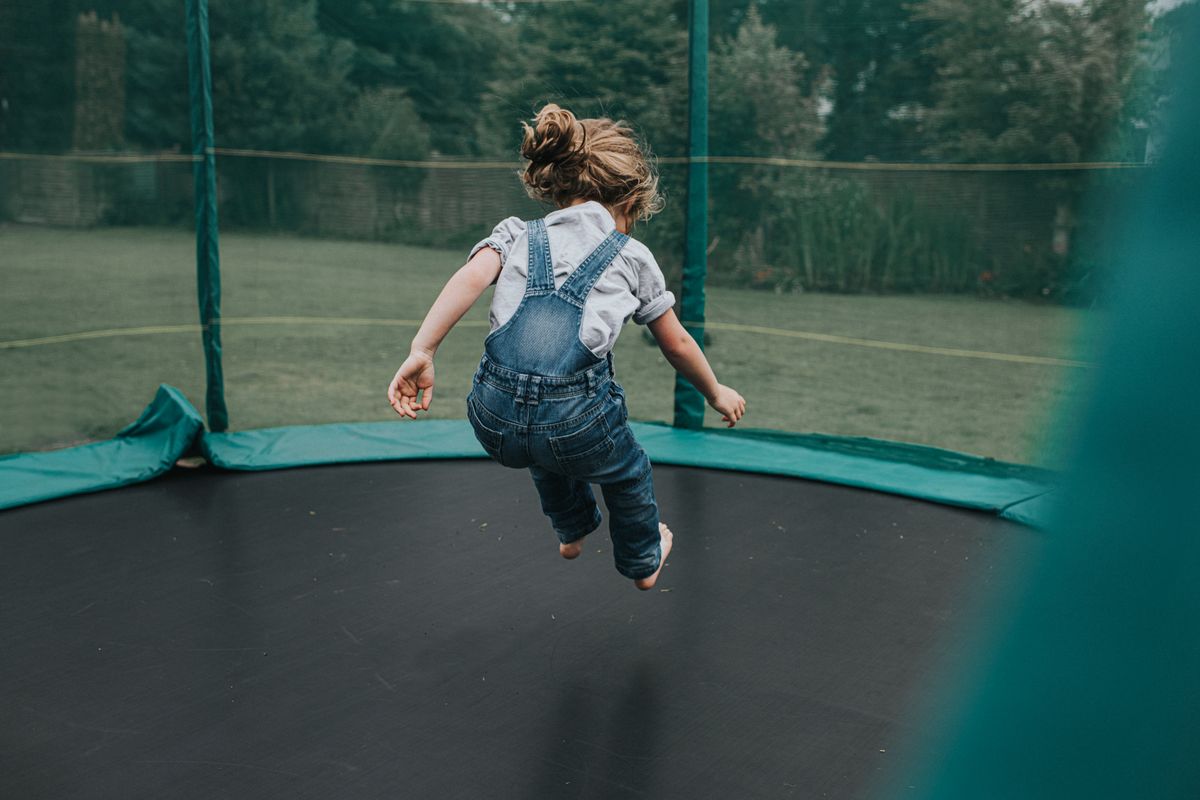
Trampoline-related proximal tibia fractures increased by approximately 130% over 12 years. Fractures occur in nearly one-third of trampoline injuries treated in children. And multiple jumpers are involved in the vast majority of trampoline leg fractures, with some studies reporting rates as high as 80%.
The Symptoms Can Be Easy to Miss
One of the challenges with trampoline fractures is that symptoms may initially appear mild. Parents often expect a broken bone to cause severe swelling, obvious deformity, or intense pain. However, trampoline fractures frequently present much more subtly.
Common signs include refusing to stand or walk after trampoline use, limping, or favoring one leg. Complaints of pain near the knee, mild tenderness around the upper shin, little or no visible swelling, and minimal bruising.
In some cases, the fracture may be difficult to identify on initial X-rays, making it important for healthcare providers to understand how the injury occurred.
Why Jumping With Older Siblings Can Be Dangerous
Many families focus on trampoline safety features such as nets, padding, and protective enclosures. While these additions may reduce the risk of falls, they do not prevent trampoline fractures.
 © Getty Images
The biggest risk factor is when multiple people jump at the same time. Studies consistently identify simultaneous jumping as one of the strongest predictors of proximal tibia fractures.
Even when parents are actively supervising, a child can sustain a fracture simply because they are bouncing alongside an older sibling or adult.
How Parents Can Reduce the Risk of Trampoline Injuries
Fortunately, several simple precautions can significantly lower the risk of trampoline injuries.
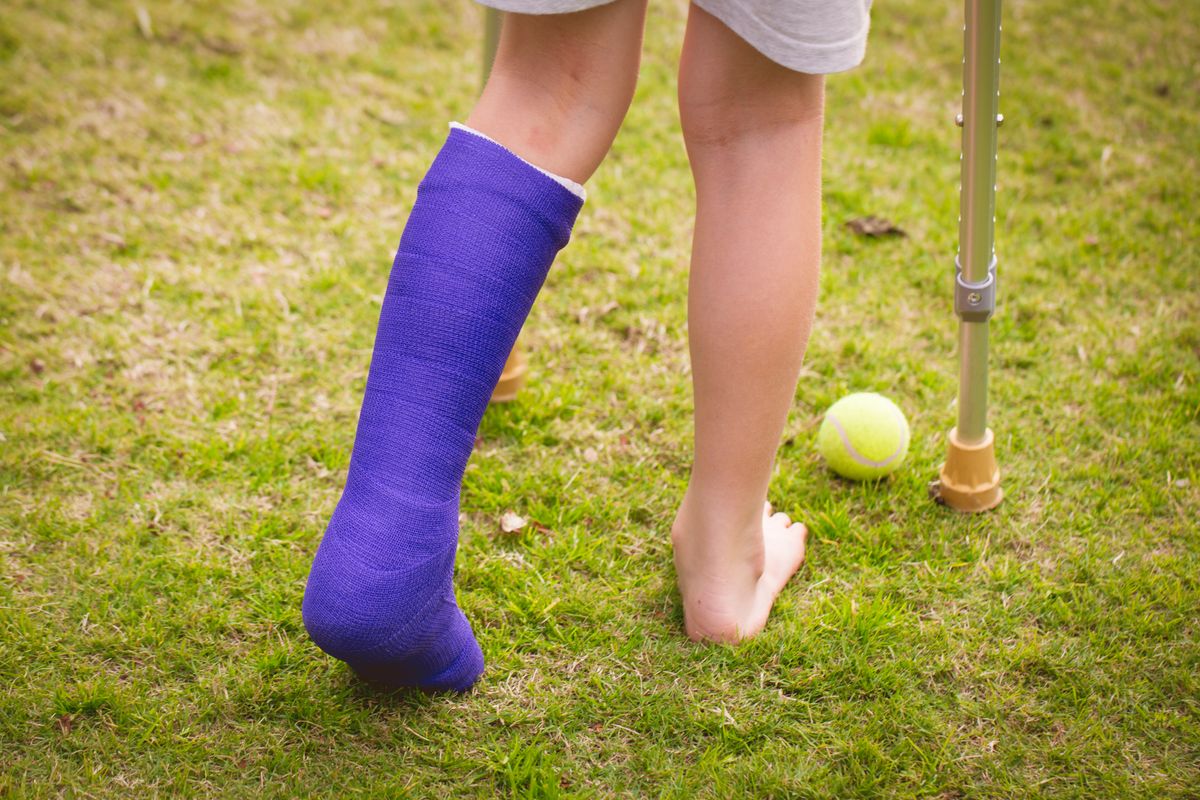
Experts recommend avoiding full-sized recreational trampolines for children younger than 6 years. Enforcing a strict one-jumper-at-a-time rule. Never allow young children to jump with older siblings, teenagers, or adults.
 © Getty Images
Supervise trampoline use closely. Stopping activity immediately if a child complains of leg pain or begins limping. Seeking medical evaluation if a child refuses to walk after trampoline use.
These measures address the primary cause of trampoline fractures and can help prevent a painful injury before it occurs.
Modern Mami is a parenting and lifestyle column by ¡HOLA! Senior Writer Shirley Gómez, a Latina millennial mom raising a toddler. Focused on the realities of modern motherhood through a Latina lens, the column covers topics ranging from wellness and culture to parenting tips and expert advice