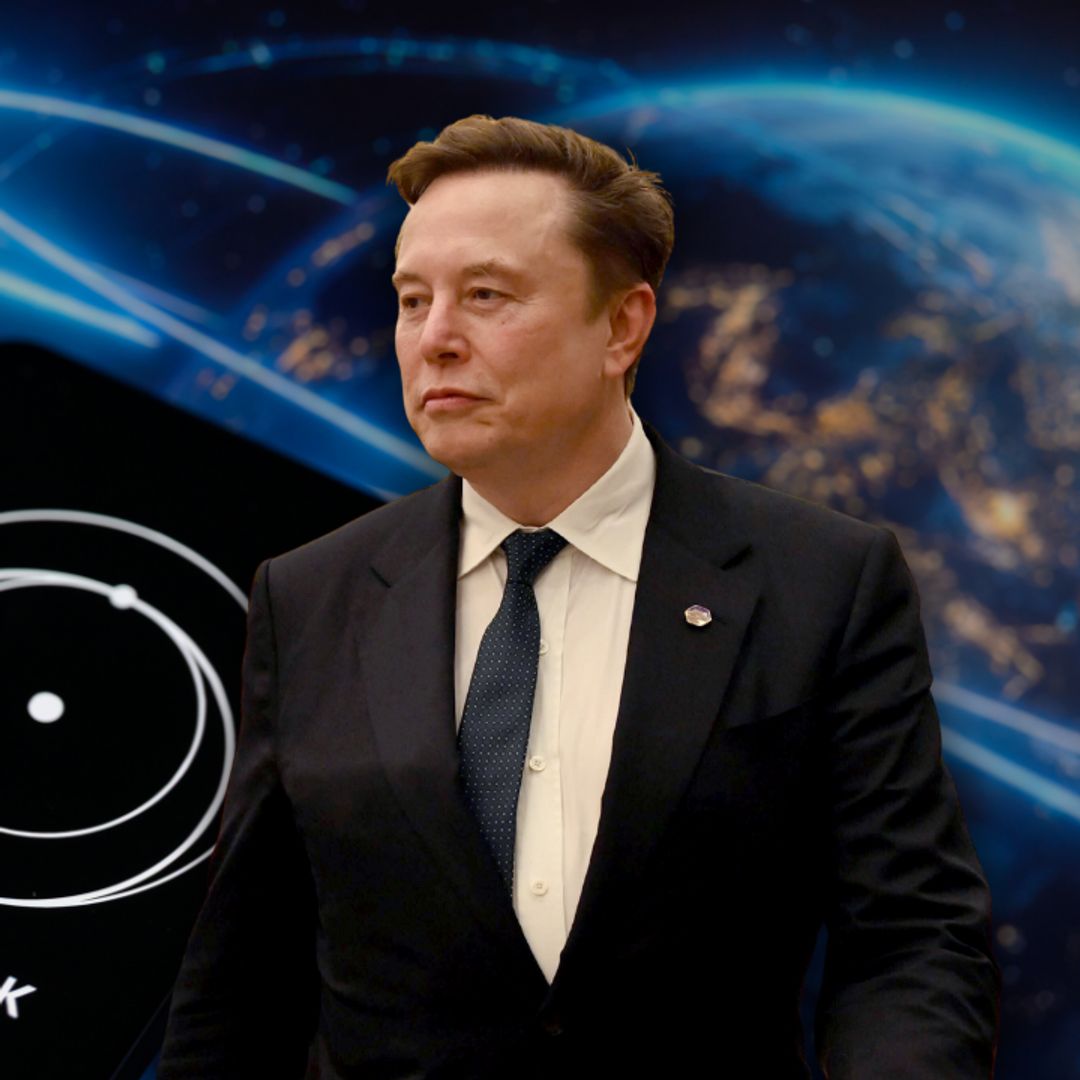
Elon Musk has made one of his biggest predictions yet about the rise of humanoid robots, forecasting that more than a billion could be operating within the next decade and that their combined productivity could surpass that of the entire human population.
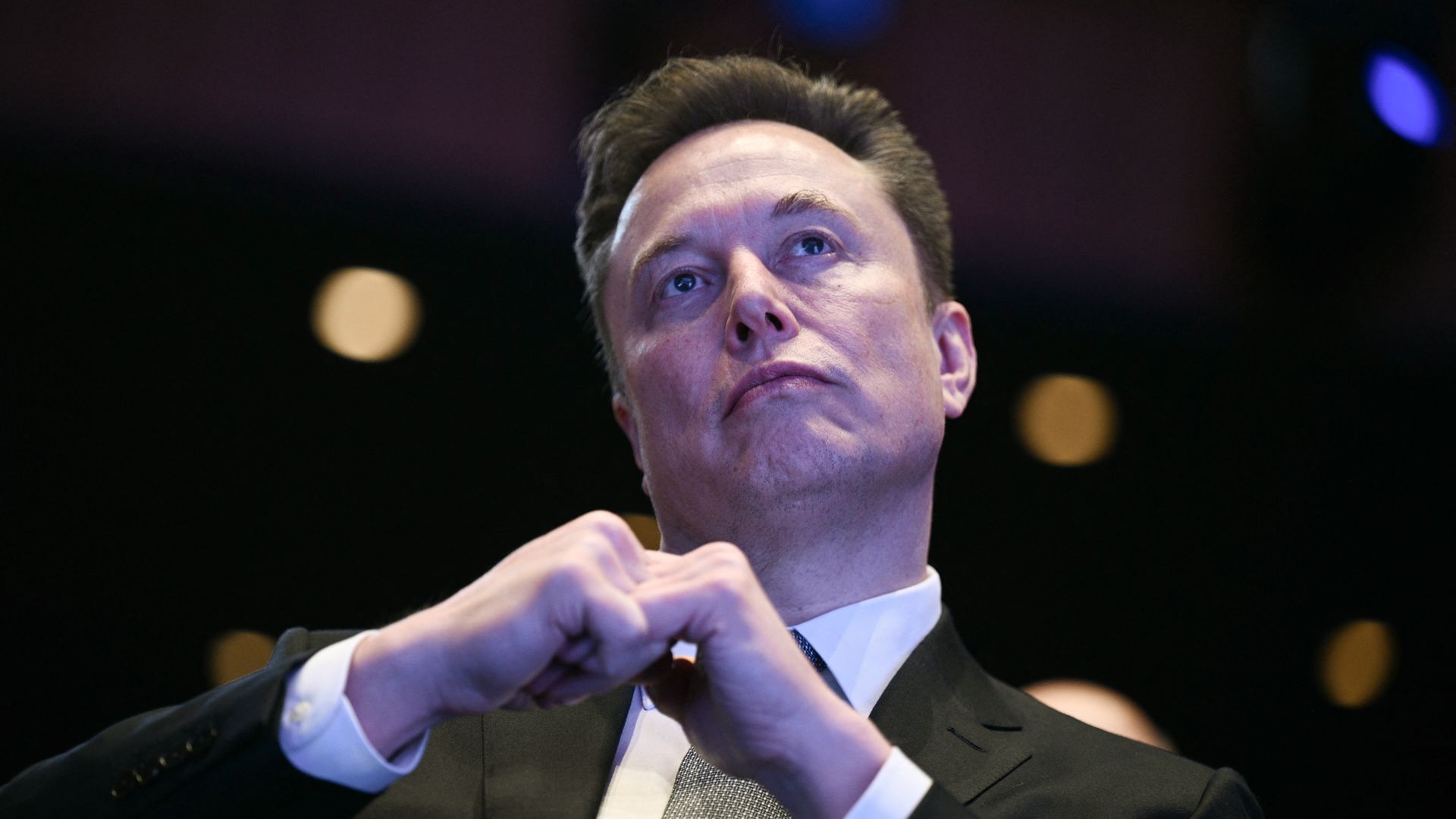
Speaking virtually at the G20 Innovation Ministerial in Chapel Hill, North Carolina, on September 1, 2026, the Tesla CEO described a future in which artificial intelligence and increasingly capable humanoid machines dramatically expand global production. “Ten years from now, I would say there are well over a billion humanoid robots,” Musk said during the event.
 © NurPhoto via Getty Images
His prediction went beyond the sheer number of machines. Musk estimated that each robot could eventually be considerably more productive than a person. “The productivity per robot will be probably five times that of a human,” he said.
If that happened, Musk argued, a fleet of one billion humanoid robots could become “more productive than all humans combined.”
It is a striking forecast, but Musk did not say at the G20 event that humanoid robots would numerically outnumber humans within exactly 10 years. United Nations projections put the world population at approximately 8.95 billion in 2036. One billion robots would therefore still be far fewer than the number of people.
 © NurPhoto via Getty Images
Musk has, however, separately predicted that the robot population will eventually become larger than the human population.
Elon Musk predicts robots will eventually outnumber people
At the World Economic Forum in Davos in January 2026, Musk offered an even more expansive vision of the robotics era. “My prediction is that there’ll be more robots than people,” Musk said during a conversation with BlackRock CEO Larry Fink.
Musk said he expects AI and robotics to create such enormous productive capacity that goods and services could become abundant.
 © Getty
He also predicted that humanoid robots could eventually become ordinary household products rather than machines restricted to factories. “I think everyone on Earth is going to have one and want one,” Musk said, pointing to potential uses including caring for pets, children and elderly family members.
The comments fit Musk’s broader push to transform Tesla from a company primarily associated with electric vehicles into an AI, robotics and autonomous technology business.
Tesla’s own Master Plan Part IV says the company intends to bring AI into the physical world through technologies including Optimus, Full Self-Driving and Robotaxi. Musk’s 10-year prediction depends on something much more dramatic than companies simply building robots faster.
 © Getty Images
He expects robots to eventually help manufacture other robots.
At the G20 meeting, Musk described that process as a “recursive effect,” saying production could initially grow slowly before accelerating rapidly as automated systems participate in their own manufacturing.
He argued that the usefulness of a general-purpose humanoid robot will depend on three rapidly advancing technologies which are AI software, onboard AI computing chips, and mechanical dexterity, particularly the ability of robotic hands to manipulate objects.
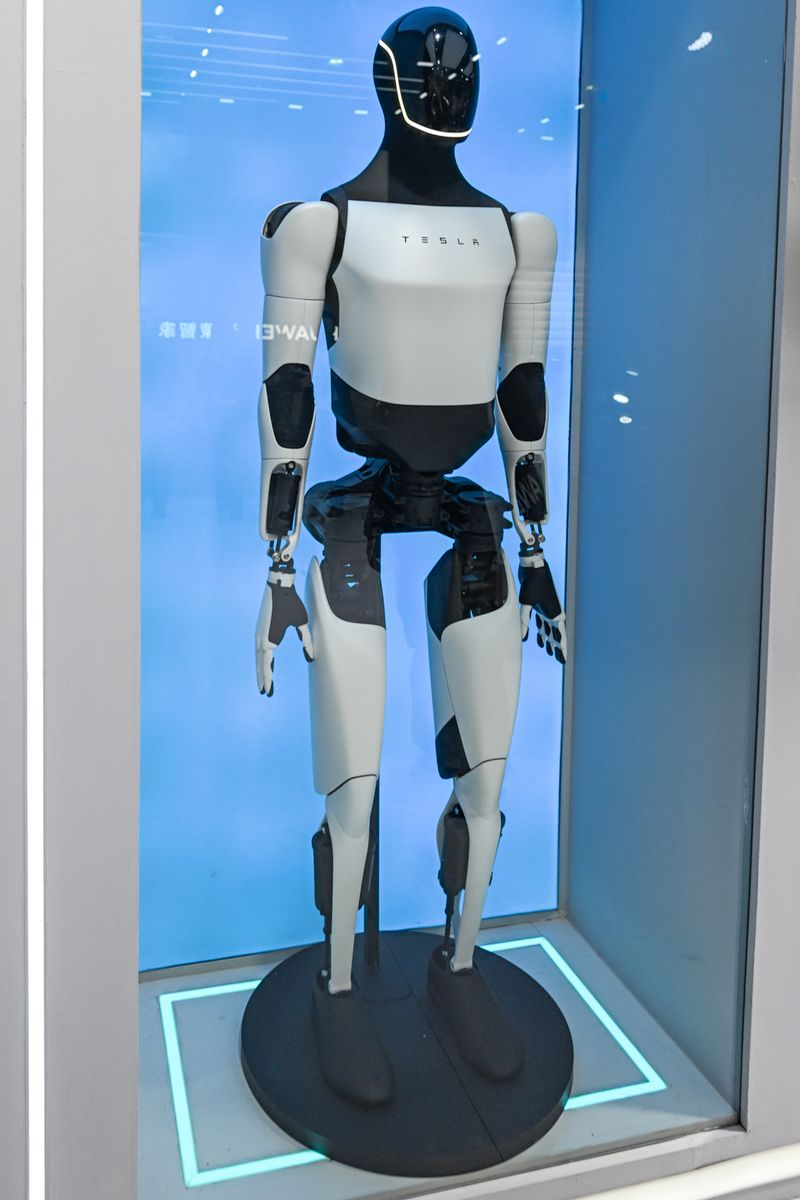
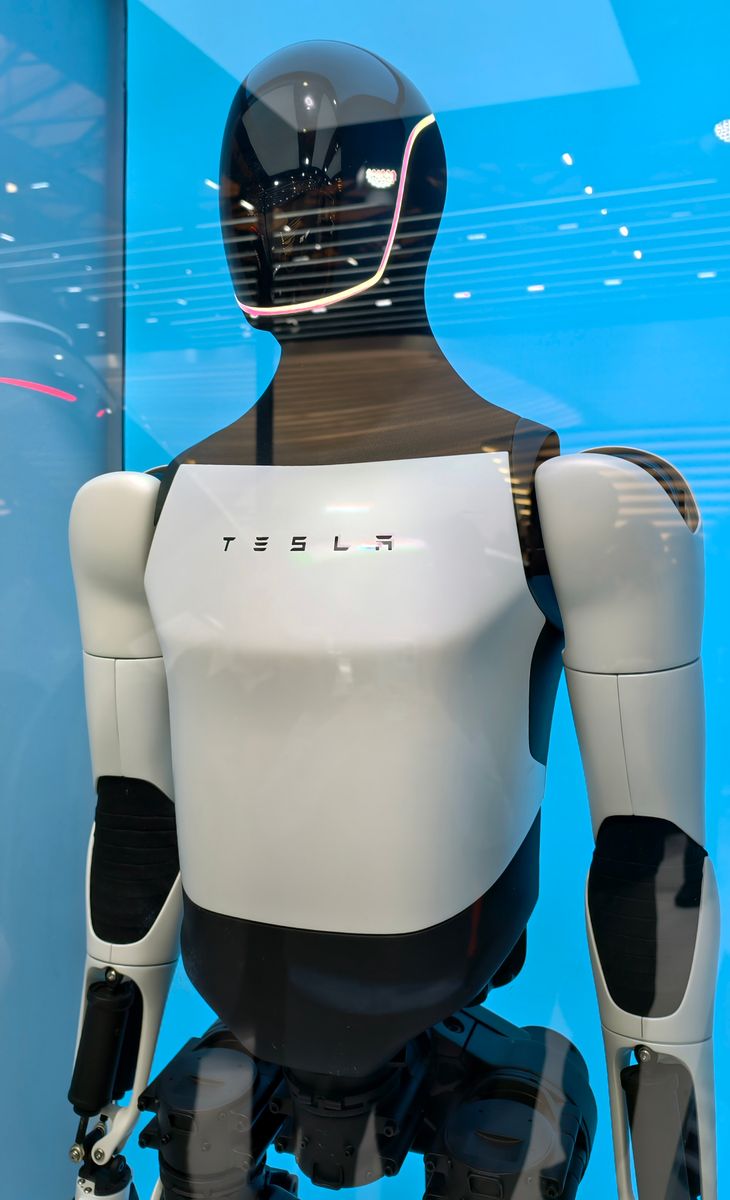
Tesla is already positioning its Optimus robot as a general-purpose machine. The company says Optimus is intended to perform everyday activities such as household chores and errands.
 © Getty Images
But getting from experimental robots to hundreds of millions or billions of machines is a huge manufacturing challenge.
Can there really be 1 billion humanoid robots by 2036?
Musk characterized his billion-robot forecast as conservative, saying it was a prediction he would be willing to put “serious money betting on.”
The current robotics industry shows why the timeline remains highly uncertain.
 © VCG via Getty Images
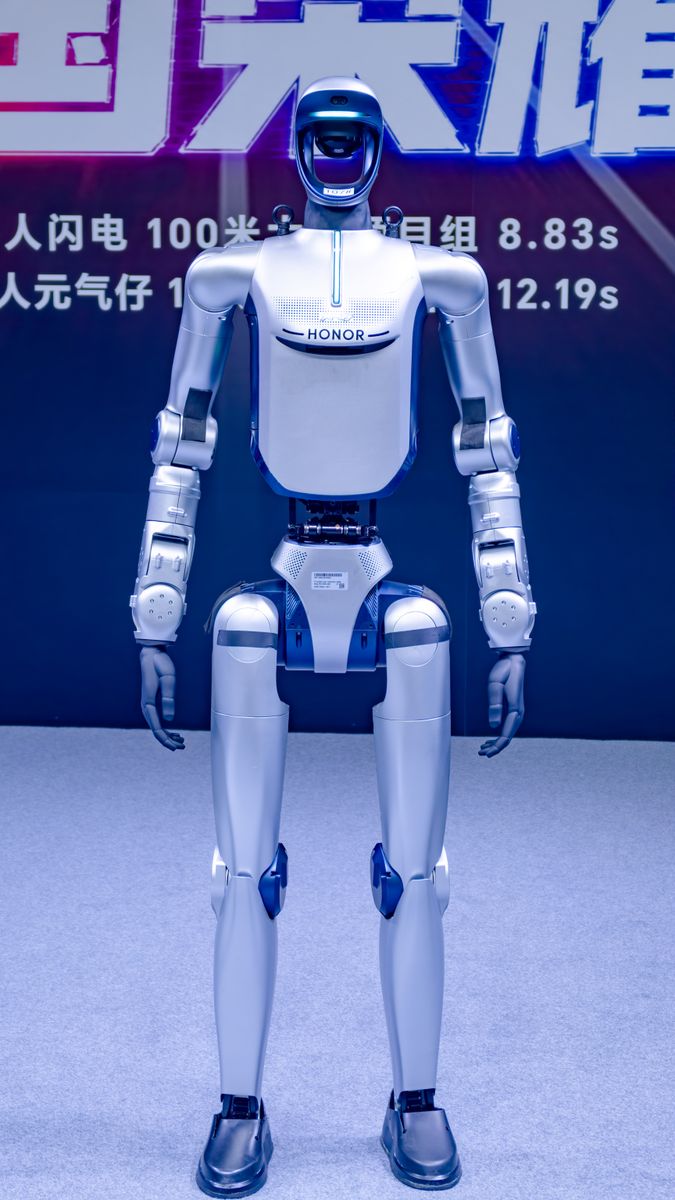
Reuters reported in August 2026 that humanoid robots remain too slow and error-prone for broad commercial deployment in many settings. Robots observed at one Chinese training facility could complete simple tasks at only around 20% of human speed or output.
Dexterity and AI remain major obstacles. Spirit AI co-founder Gao Yang told Reuters in September that the “brain is indeed the weakest link” in the current robotics stack. His company expects humanoid robots capable of following verbal instructions for many general-purpose tasks could emerge relatively soon, but useful household robots are expected to take longer because homes present far less predictable environments than factories.
Mass manufacturing is another hurdle. Musk himself has described humanoid robots as the hardest product Tesla has attempted to scale, according to Reuters. Meanwhile, Hyundai plans to build capacity for 30,000 robots annually by 2028, a significant industrial target but still a tiny fraction of the production rate required to reach one billion machines.
Humanoid robots are already becoming a major manufacturing bet
Musk is far from the only automotive executive preparing for a more automated future.
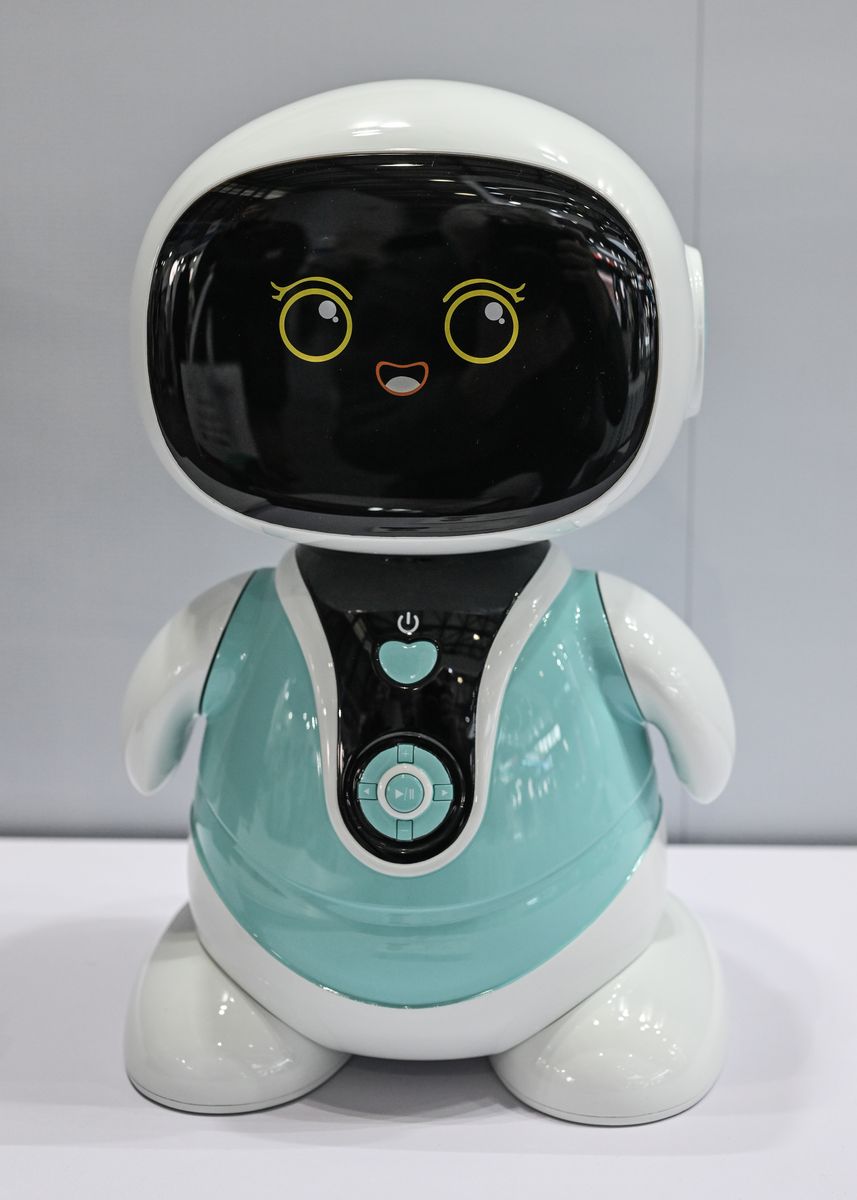
Toyota estimates that its group companies and major suppliers could require around 400,000 robots as part of an extensive factory modernization effort. The figure includes humanoid and conventional robots used for manufacturing, logistics and human-robot collaboration.
 © NurPhoto via Getty Images
Hyundai, meanwhile, plans to begin deploying humanoid robots at its Georgia manufacturing operation in 2028 before expanding their use across its manufacturing network.
These developments suggest that humanoid robotics is moving beyond futuristic demonstrations. The unresolved question is how quickly robots can become reliable, affordable and useful enough to justify deployment at massive scale.
What happens if robots become more productive than humans?
Musk’s prediction is ultimately about economics as much as robotics.
 © dpa/picture alliance via Getty I
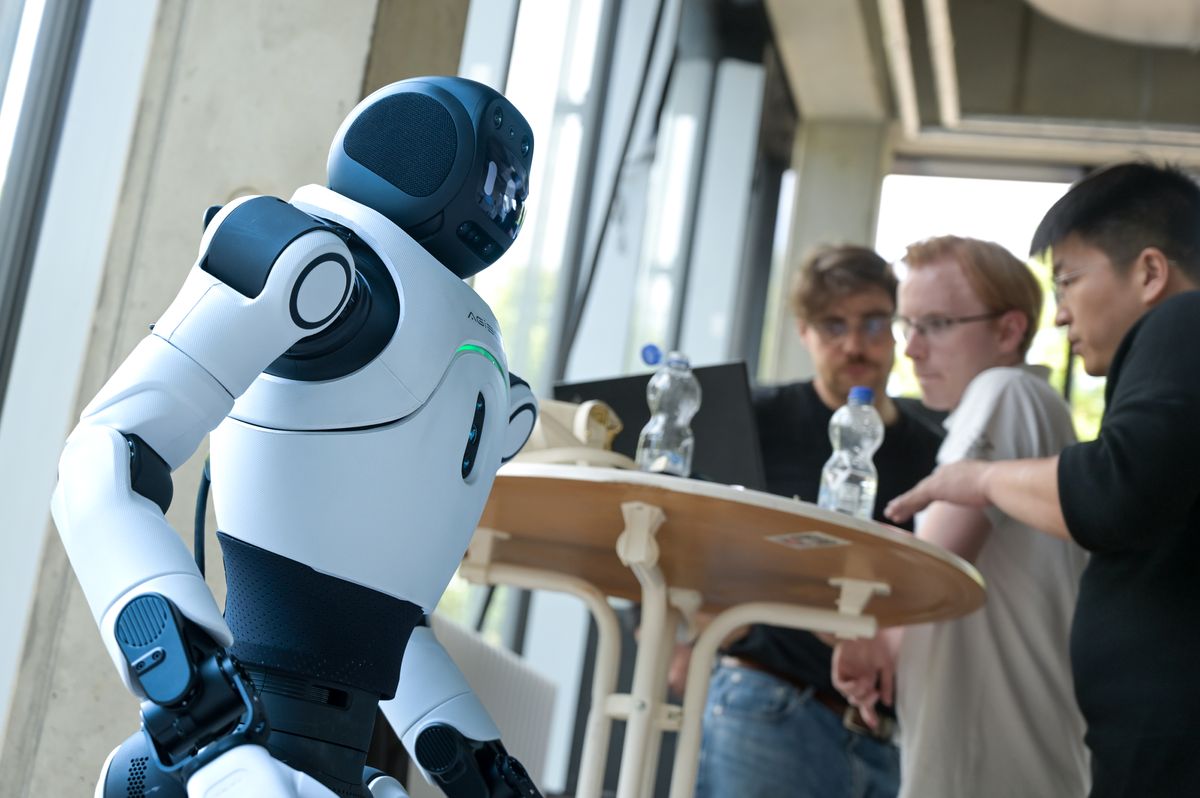
If machines can perform physical tasks continuously and at a fraction of current labor costs, the potential impact could stretch across manufacturing, logistics, construction, health care, elder care and household work.
There are also major unanswered questions about employment, wages, energy demand, safety, regulation, and how the economic benefits of automation would be distributed.