Thirty years ago, a sheep was born in Scotland that would change science forever. Her name was Dolly, and behind that now-famous name was an unexpected connection to country music legend Dolly Parton.
Dolly the sheep was born on July 5, 1996, at the Roslin Institute near Edinburgh, becoming the first mammal successfully cloned from an adult cell. Her existence challenged what scientists previously believed was possible and ultimately made her one of the most recognizable animals in modern scientific history.
 © Najlah Feanny
But before she became a global phenomenon, the groundbreaking sheep was known by a far less memorable designation, "6LL3."
Why was Dolly the sheep named after Dolly Parton?
The answer comes down to the particular cell scientists used to create her.
 © Getty Images
Dolly was produced using a cell taken from the mammary gland of a six-year-old Finn Dorset sheep. Researchers transferred the nucleus from that adult cell into an egg cell whose own nucleus had been removed.
The embryo was then carried by a Scottish Blackface surrogate, with Dolly arriving on July 5, 1996.
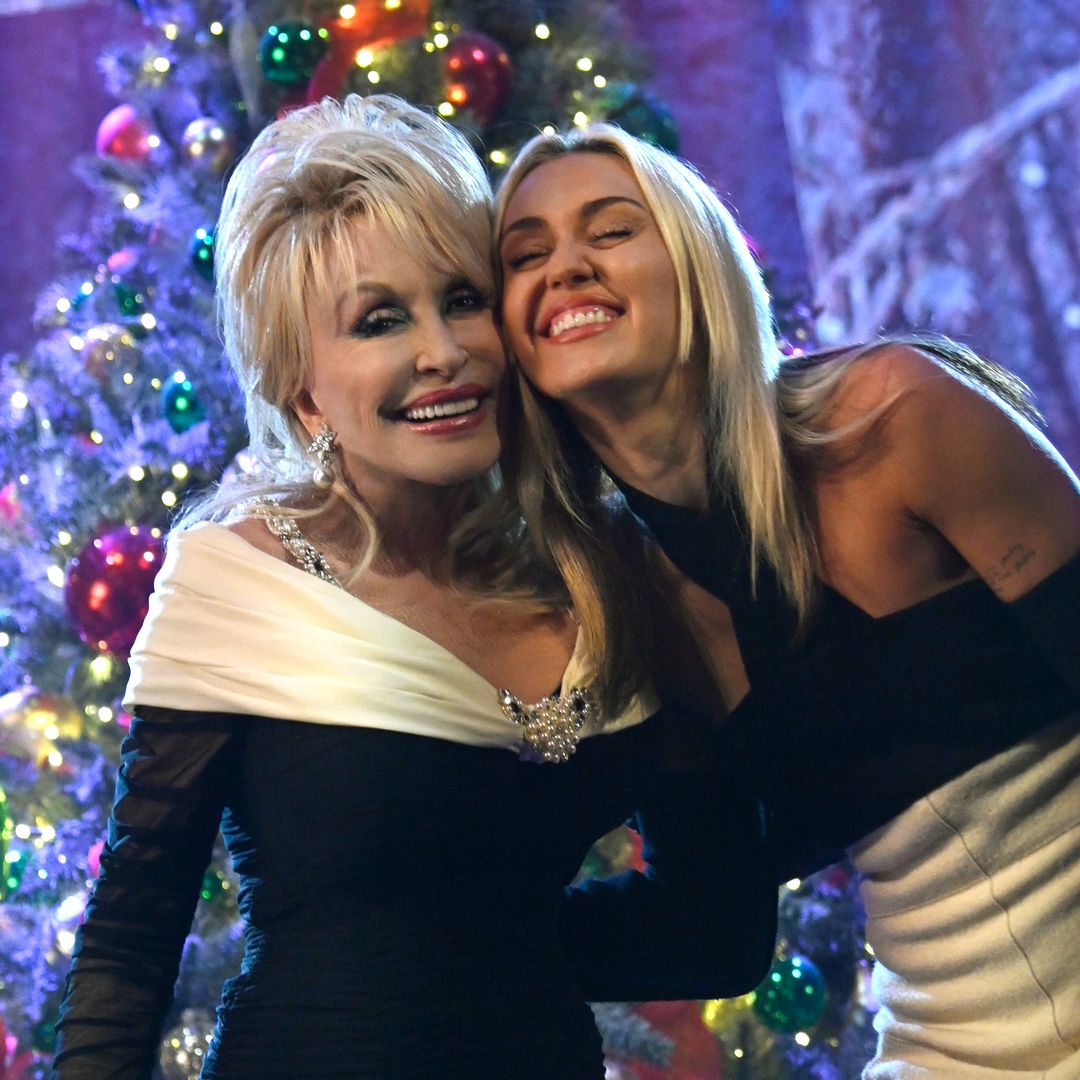
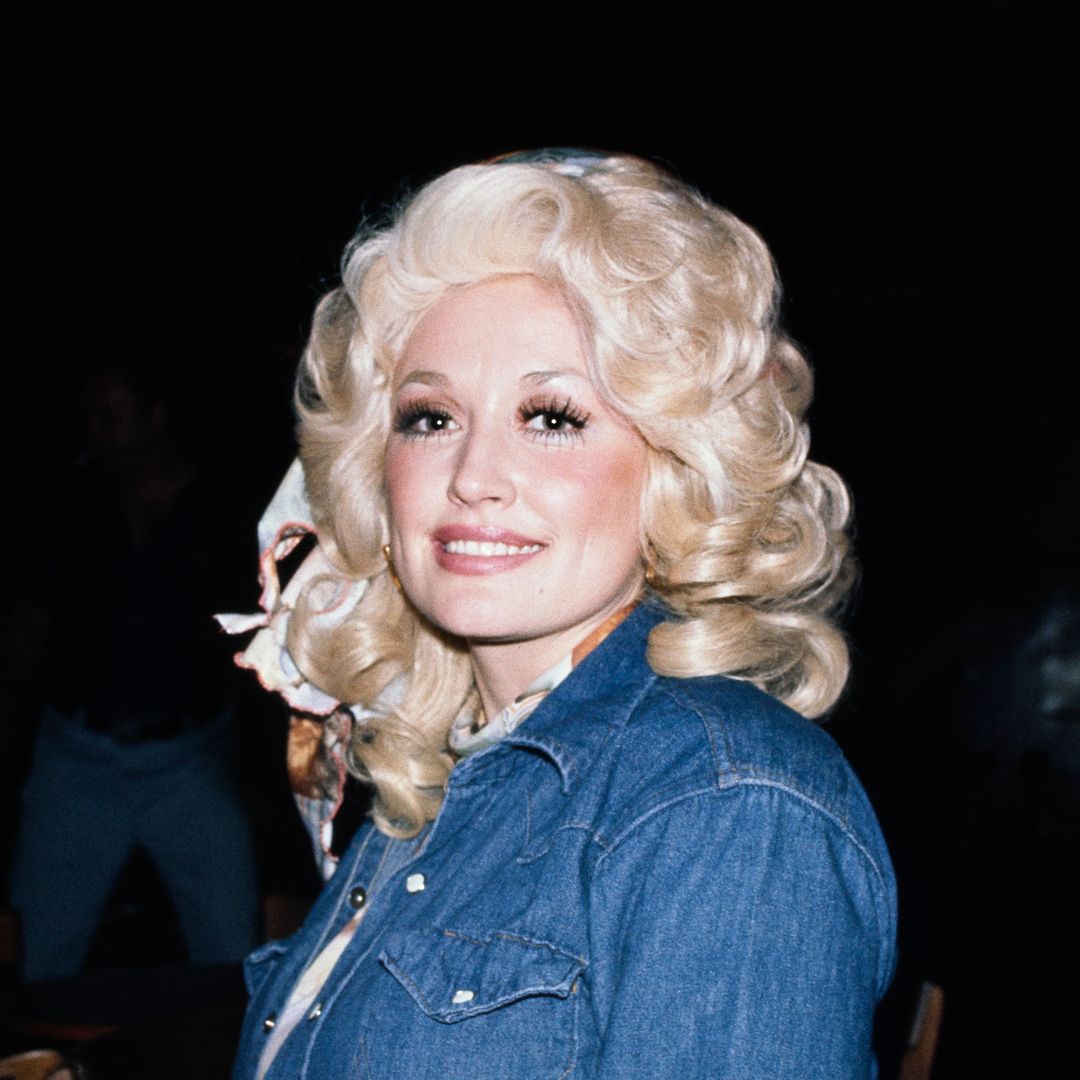
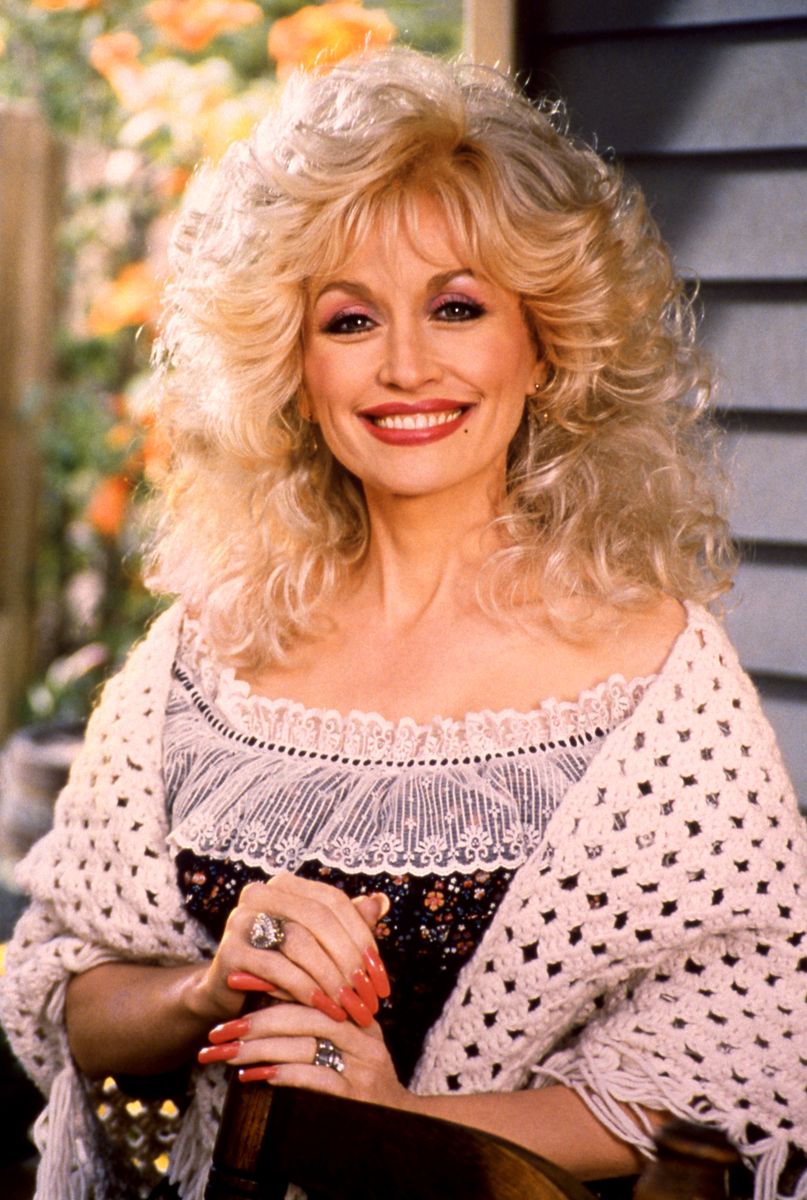
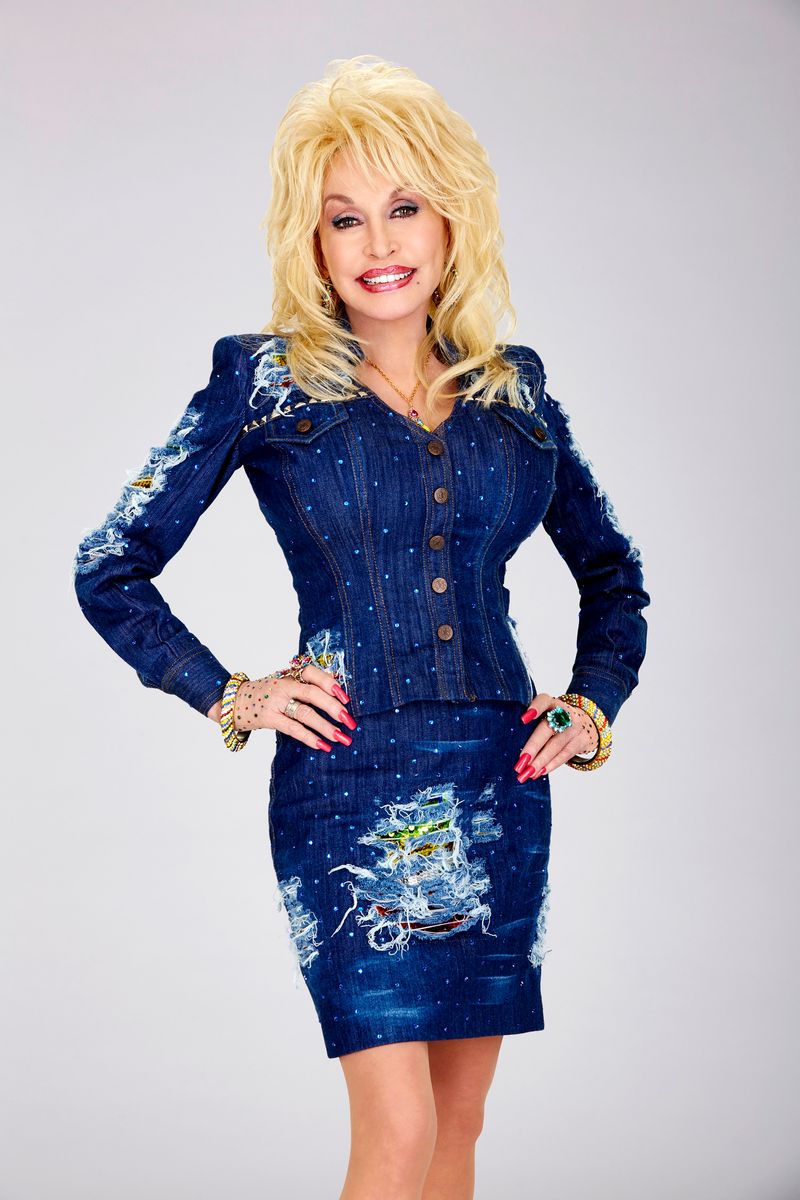
Because the crucial adult cell came from a mammary gland, the research team decided to name their new arrival after Dolly Parton, a playful reference to the country superstar's famous figure and glamorous image.
 © Najlah Feanny
National Museums Scotland, where Dolly is now displayed, confirms that the sheep was named after the "Jolene" singer because of the mammary gland cell used in the cloning process.
The unusual connection created an enduring link between two very different Dollys, one an icon of country music and the other an icon of modern science.
The sheep that changed science:
Although Dolly was born in July 1996, the world didn't learn about her immediately. Researchers kept her existence private until their findings were published, and her birth was publicly announced in February 1997.
The revelation caused an international sensation.
 © Najlah Feanny
Before Dolly, scientists had generally believed that specialized adult cells could no longer provide the instructions necessary to create an entirely new animal. Her successful birth demonstrated that the genetic material inside an adult cell could essentially be reprogrammed.
It was a breakthrough with enormous implications for developmental biology, genetics, and future research involving stem cells and regenerative medicine. It also triggered an international ethical debate over cloning and raised questions about whether similar technology might one day be attempted in humans.
 © NBCU Photo Bank/NBCUniversal via
Dolly became a mother herself:
Despite the extraordinary circumstances surrounding her birth, much of Dolly's life was surprisingly conventional.
 © Mathieu Polak
She remained at the Roslin Institute and was bred naturally with a Welsh Mountain ram named David. Dolly eventually became a mother to six healthy lambs.
Her first, Bonny, arrived in 1998. She later gave birth to twins Sally and Rosie, followed by triplets Lucy, Darcy and Cotton.
 © PAUL DEFOSSEUX,SOPHIE RAMIS
Dolly's ability to reproduce normally became another important part of her story, demonstrating that the world's most famous clone could have healthy offspring through natural reproduction.
What happened to Dolly?
Dolly lived until the age of six. In 2001, she developed arthritis, prompting questions about whether cloning from an adult cell might have caused premature aging. However, the cause of her arthritis was never established.
 © Mathieu Polak
In February 2003, Dolly developed a cough and subsequent examinations revealed tumors growing in her chest. She was diagnosed with sheep pulmonary adenomatosis, an incurable lung disease caused by a virus.
Researchers made the decision to euthanize her on February 14, 2003.
Her body was later preserved and donated to National Museums Scotland. Today, visitors can still see Dolly at the National Museum of Scotland in Edinburgh, where she remains one of the institution's best-known exhibits.
 © Colin McPherson
Three decades after her birth, Dolly's impact extends far beyond the laboratory where her life began. The little sheep named after one of music's biggest stars fundamentally altered scientists' understanding of what an adult cell was capable of doing.
And in one of science's most unusual celebrity connections, Dolly Parton's name became permanently attached to a breakthrough that changed biology forever.